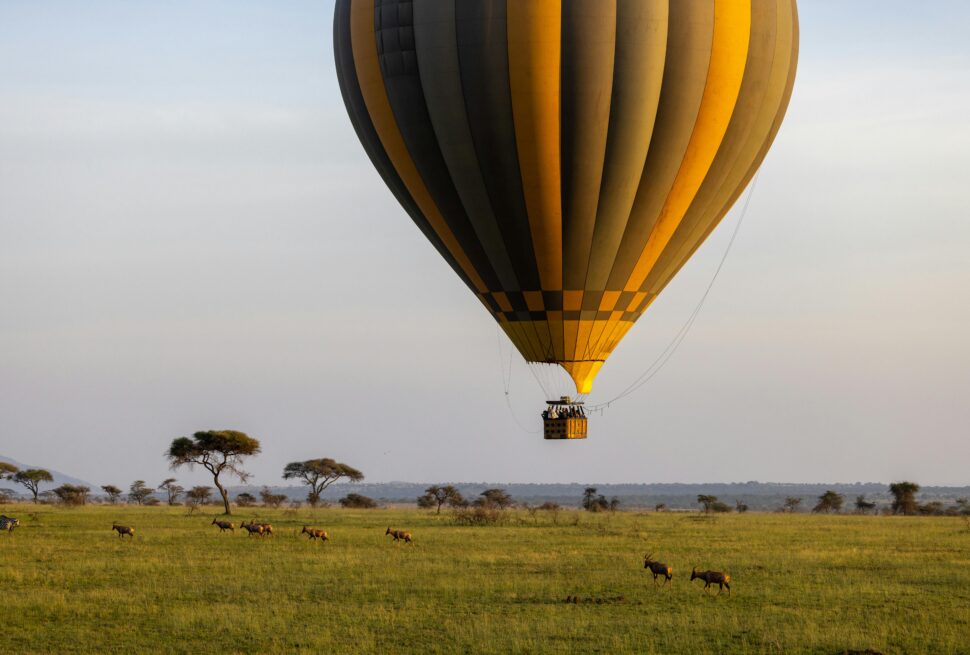
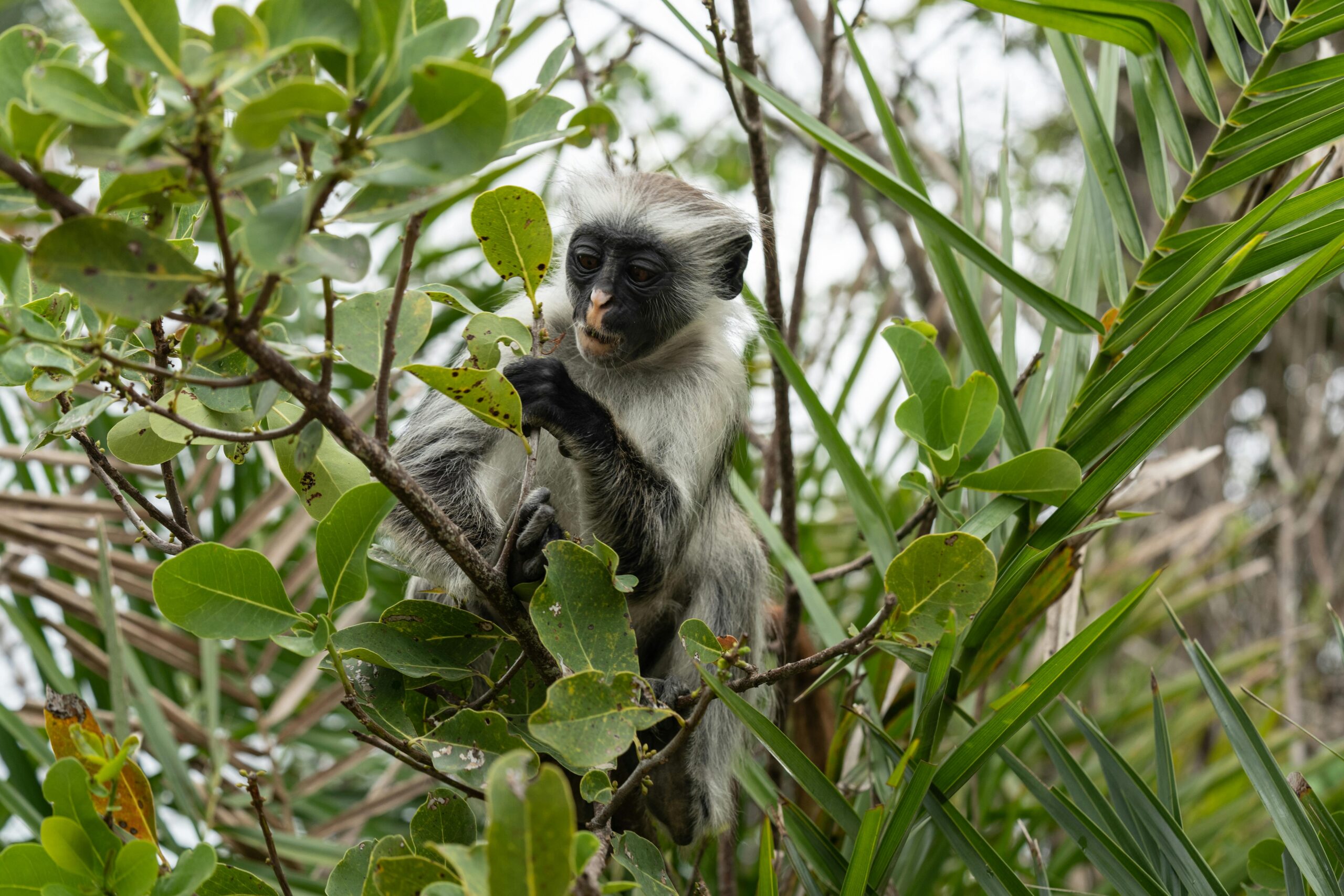
Discover 7 rare animals you can only see in Tanzania. From elusive predators to unique herbivores, JoyTrekking offers unforgettable wildlife adventures for international tourists. Explore Tanzania’s hidden wildlife treasures today!. https://joytrekking.com/activities/safaris/
1. The Pemba Flying Fox – A Nocturnal Marvel
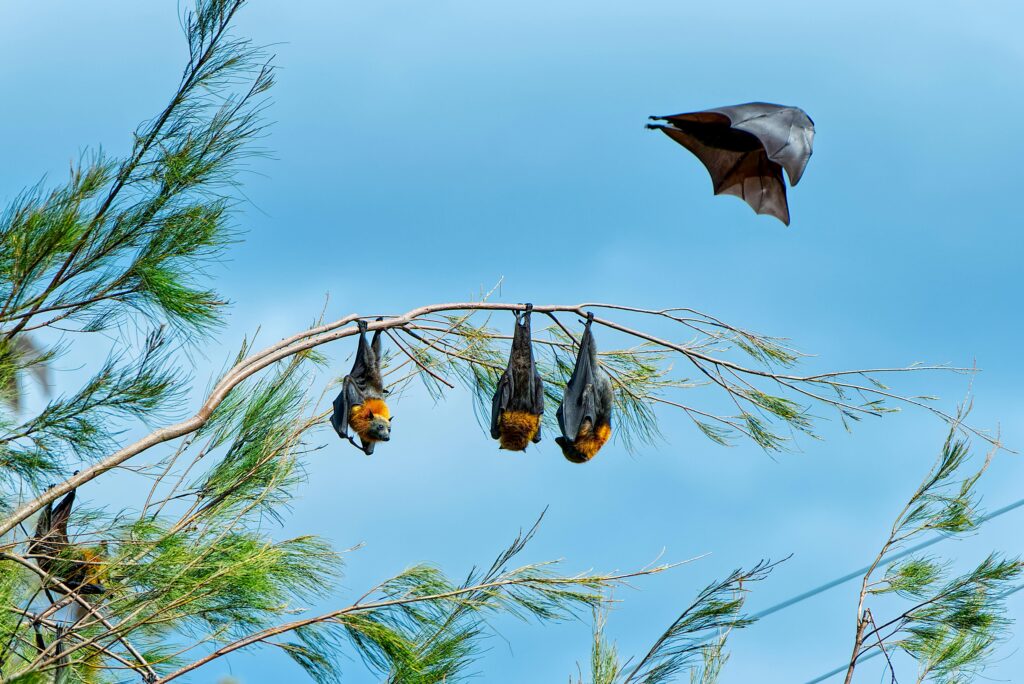
The Pemba flying fox (Pteropus voeltzkowi) is one of the most remarkable creatures found in Tanzania. Endemic to the Pemba Island, this giant fruit bat is not only rare but also plays a crucial role in the local ecosystem by pollinating plants and dispersing seeds. With a wingspan of up to 1.5 meters, the Pemba flying fox is among the largest bats in the world, and witnessing it in flight is an awe-inspiring sight that most visitors never forget.
- Habitat: Dense coastal forests and mangroves of Pemba Island.
- Diet: Mainly fruits, nectar, and flowers, making it a key species for forest regeneration.
- Conservation Status: Endangered due to habitat loss and hunting pressures.
International tourists often flock to Pemba for eco-tourism experiences where they can observe these nocturnal marvels. Guided night tours provide a safe and ethical way to see these bats in action, without disturbing their natural behaviors. The Pemba flying fox serves as a perfect example of the incredible wildlife that is unique to Tanzania, highlighting why the country is a top destination for those seeking rare animals you can only see in Tanzania.
For more detailed information on conservation efforts for Pemba flying foxes, visit Bat Conservation International.
2. The Gerenuk – The Long-Necked Beauty of the Savannah
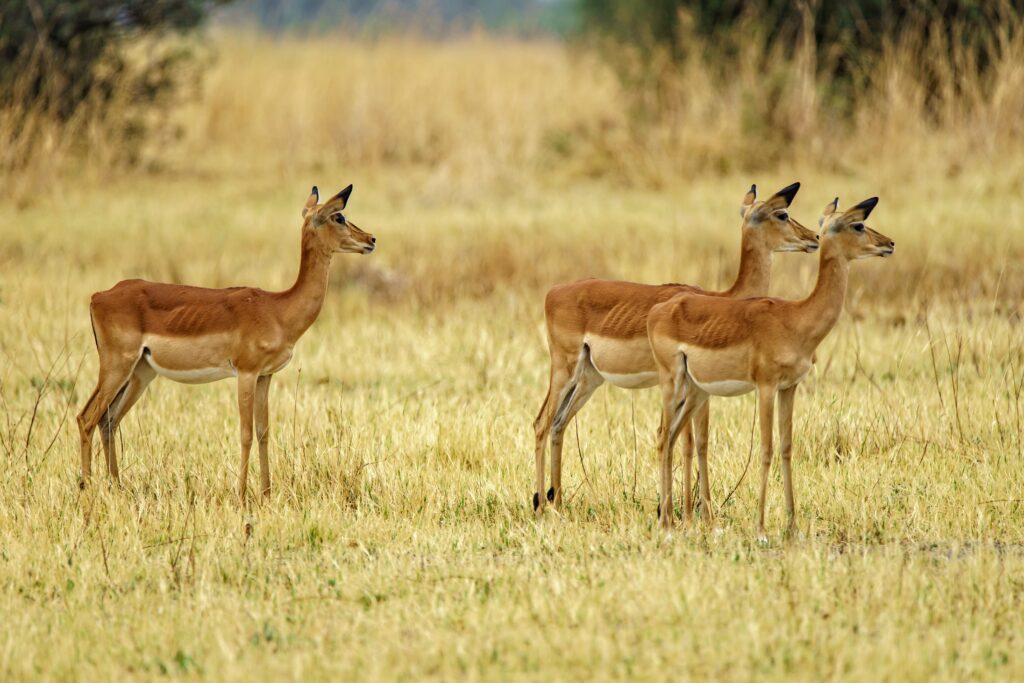
The gerenuk (Litocranius walleri), also known as the giraffe-necked antelope, is a striking and elegant species endemic to East Africa, including Tanzania. Unlike most antelopes, the gerenuk stands on its hind legs to reach high branches, feeding on leaves and shoots that other herbivores cannot access. This unusual feeding behavior gives it a distinctive long-necked appearance, setting it apart from the more commonly seen wildlife.
- Habitat: Semi-arid bushlands, acacia woodlands, and savannah regions of northern Tanzania.
- Diet: Leaves, flowers, and shoots from tall shrubs and trees.
- Behavior: Social animals, typically forming small herds of 2–6 individuals.
Observing a gerenuk in the wild is a thrilling experience, as their graceful movements and unique feeding style are unlike any other animal. Safari enthusiasts who wish to witness these creatures up close often explore areas like the Serengeti and Tarangire National Parks, where experienced guides can increase the chances of sightings. The gerenuk’s rarity and elegance make it a prime example of rare animals you can only see in Tanzania, enhancing the allure of the country’s wildlife offerings.
3. The African Wild Dog – The Elusive Predator
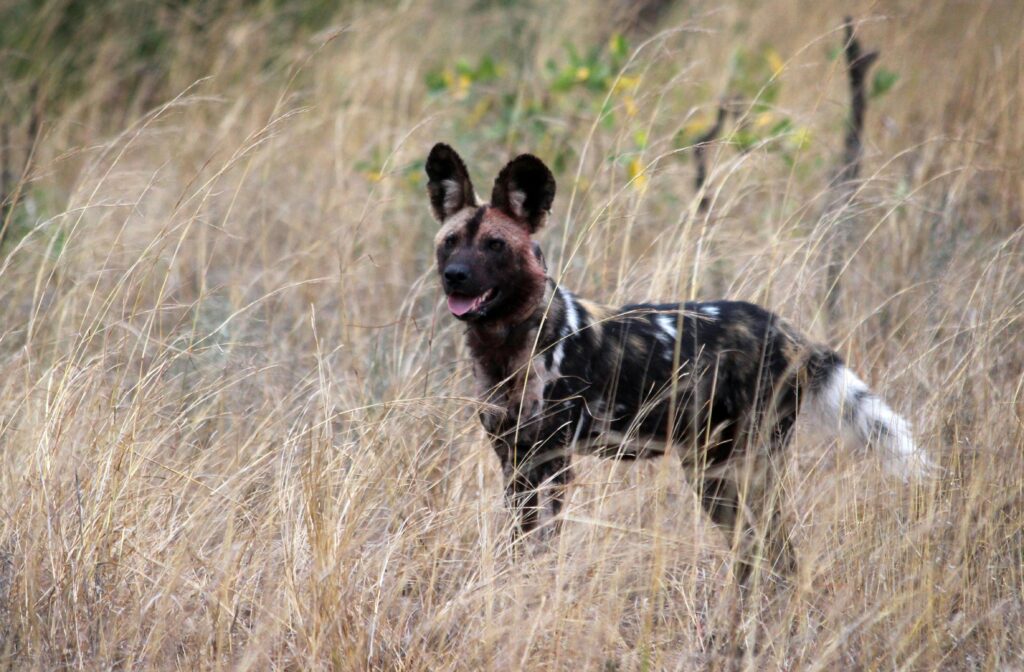
Among Africa’s most endangered predators, the African wild dog (Lycaon pictus) is a true rarity that can be spotted in Tanzania’s protected areas. Known for their distinctive mottled coats, large rounded ears, and highly social behavior, these carnivores are among the most efficient hunters on the continent. African wild dogs are also highly cooperative, living in packs where hunting, caring for pups, and survival are communal efforts.
- Habitat: Open plains, savannahs, and lightly wooded areas, primarily in Selous Game Reserve and Ruaha National Park.
- Diet: Medium-sized antelopes and small mammals.
- Conservation Status: Endangered due to habitat fragmentation, human conflict, and disease.
The chance to observe an African wild dog in its natural hunting environment is rare and thrilling. Safari tours focusing on wildlife photography often prioritize areas where these elusive predators roam, giving visitors the unique opportunity to capture one of Tanzania’s most extraordinary species. The African wild dog represents another example of rare animals you can only see in Tanzania, drawing wildlife enthusiasts from across the globe.
4. The Black-and-White Colobus Monkey – A Forest Gem
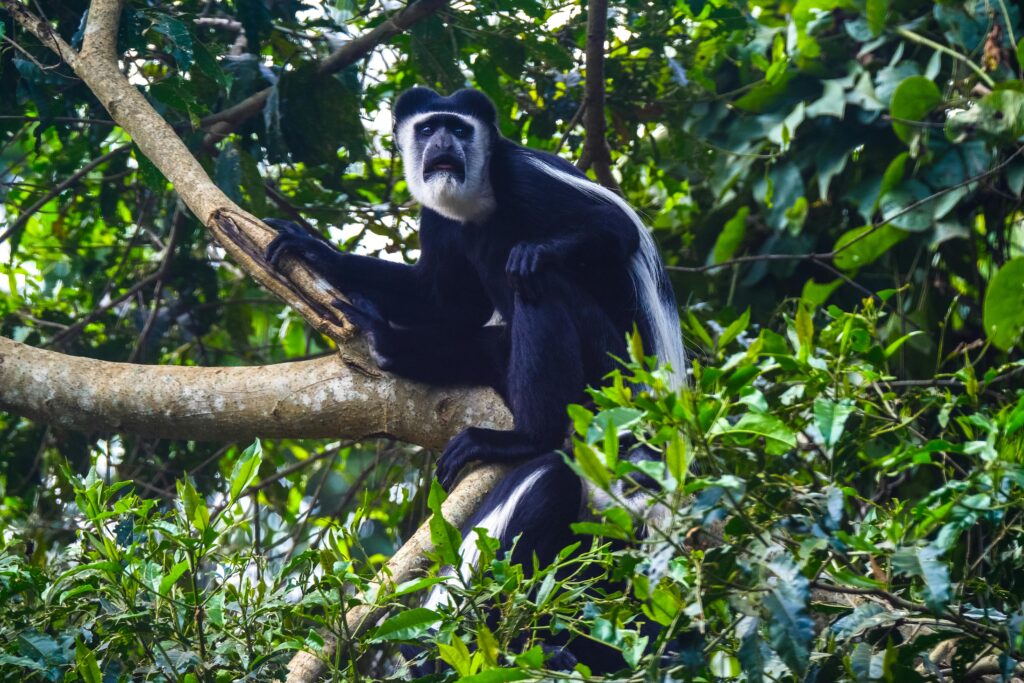
Tanzania’s forests are home to several rare primate species, but the black-and-white colobus monkey (Colobus guereza) stands out for its striking appearance and arboreal lifestyle. With silky black fur, contrasting white facial markings, and long bushy tails, these monkeys are a visual delight for wildlife watchers and photographers alike.
- Habitat: Montane and coastal forests, including Udzungwa Mountains National Park and Mahale Mountains.
- Diet: Leaves, fruits, and seeds, often found high in tree canopies.
- Behavior: Highly social, living in troops that communicate using calls and gestures.
Spotting black-and-white colobus monkeys requires patience and sometimes a guide to track their movement through the dense forest canopy. They are among the rare animals you can only see in Tanzania, and their presence highlights the country’s ecological diversity, making Tanzania a top destination for eco-tourists seeking unique wildlife encounters.
5. The Thomson’s Gazelle – A Sprinting Master of the Serengeti
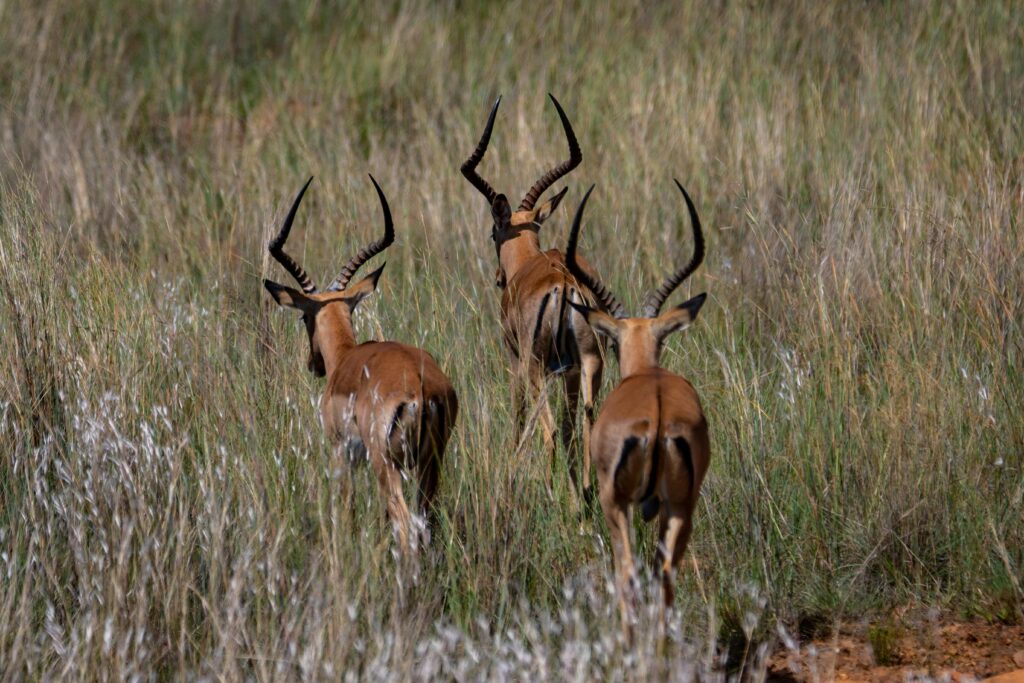
Although Thomson’s gazelles (Eudorcas thomsonii) are better known than some of Tanzania’s other rare animals, certain subspecies in Tanzania exhibit unique behaviors and patterns that make them particularly special. Agile and alert, these gazelles are masters of speed, often outpacing predators in the vast Serengeti plains.
- Habitat: Grasslands and savannahs of the Serengeti and Ngorongoro Conservation Area.
- Diet: Grasses, shoots, and herbs.
- Behavior: Highly alert and fast-moving, often forming large herds for protection.
Witnessing a herd of Thomson’s gazelles sprint across golden savannahs is a quintessential Tanzania safari moment. Their presence adds depth to the wildlife experience and offers international tourists the chance to witness nature’s agility in action. These creatures are another highlight of rare animals you can only see in Tanzania, offering endless photographic opportunities for wildlife enthusiasts.
Conclusion
Tanzania’s wildlife is extraordinary, with each rare species offering a window into the country’s ecological richness. From the nocturnal wonders of the Pemba flying fox to the graceful elegance of the gerenuk, and the social marvels of the African wild dog and black-and-white colobus monkey, every encounter is unforgettable. Observing these rare animals you can only see in Tanzania reminds visitors why this East African paradise is a top destination for international tourists seeking genuine, once-in-a-lifetime wildlife experiences.
By prioritizing responsible tourism, supporting local conservation efforts, and choosing guided safari experiences, travelers can witness these rare creatures while contributing to their preservation.
2: More Rare Animals You Can Only See in Tanzania – Nature’s Hidden Treasures
Tanzania’s wildlife diversity goes far beyond the iconic species most travelers associate with Africa. While many tourists dream of witnessing lions and elephants, those seeking rare encounters will find a wealth of extraordinary animals unique to this East African nation. These species are not just visually striking; they are often endemic, ecologically significant, and increasingly rare due to habitat loss, climate change, and human encroachment.
For international tourists who yearn for authentic wildlife experiences, Tanzania offers the opportunity to see creatures that cannot be observed anywhere else in the world. By visiting protected areas, national parks, and carefully managed reserves, travelers can explore Tanzania’s hidden wildlife and create unforgettable memories. This section highlights additional rare animals you can only see in Tanzania, each with fascinating behaviors, habitats, and ecological roles.
1. The African Elephant – The Unique Tanzanian Subspecies
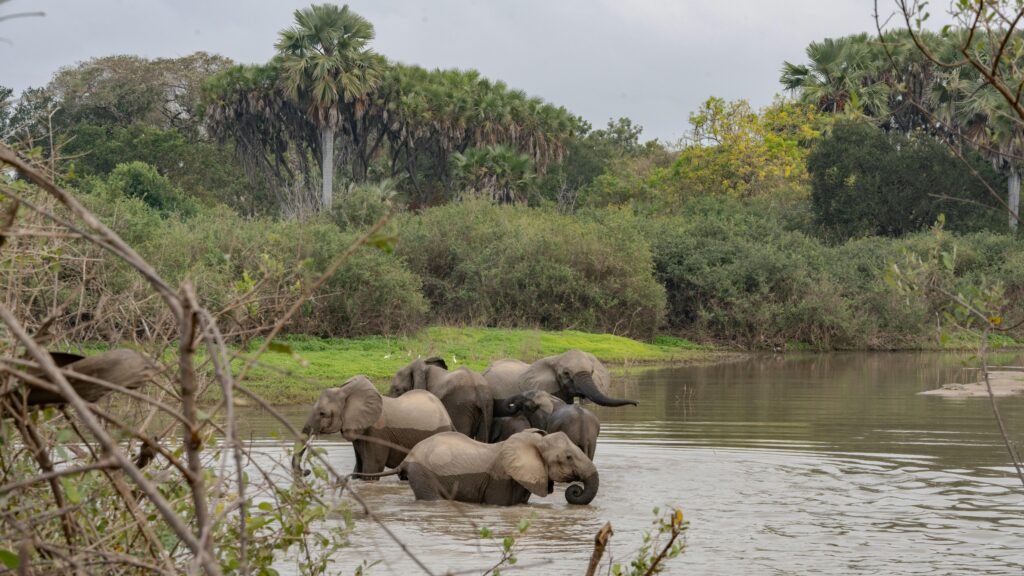
While African elephants (Loxodonta africana) are well-known across the continent, Tanzania is home to specific populations with unique characteristics. These elephants inhabit both savannahs and forested regions, including the iconic Selous Game Reserve and the forests of Mahale Mountains. What makes Tanzania’s elephants particularly special is their adaptation to diverse habitats, including remote river valleys and forested mountains, which is uncommon elsewhere in Africa.
- Habitat: Savannahs, riverine forests, and mountainous regions in southern and western Tanzania.
- Diet: Herbivorous – consuming grasses, bark, leaves, and fruits.
- Behavior: Social and matriarchal, living in structured family groups.
Visitors are often struck by the grandeur of these elephants, especially during sunrise or sunset when the landscape transforms into a golden wilderness. Observing Tanzania’s elephant populations is not only awe-inspiring but also underscores the importance of wildlife conservation. The African elephant represents a magnificent example of rare animals you can only see in Tanzania, emphasizing why the country is a must-visit destination for wildlife enthusiasts and eco-tourists.
2. The Grey Crowned Crane – A Symbol of Tanzania’s Wetlands
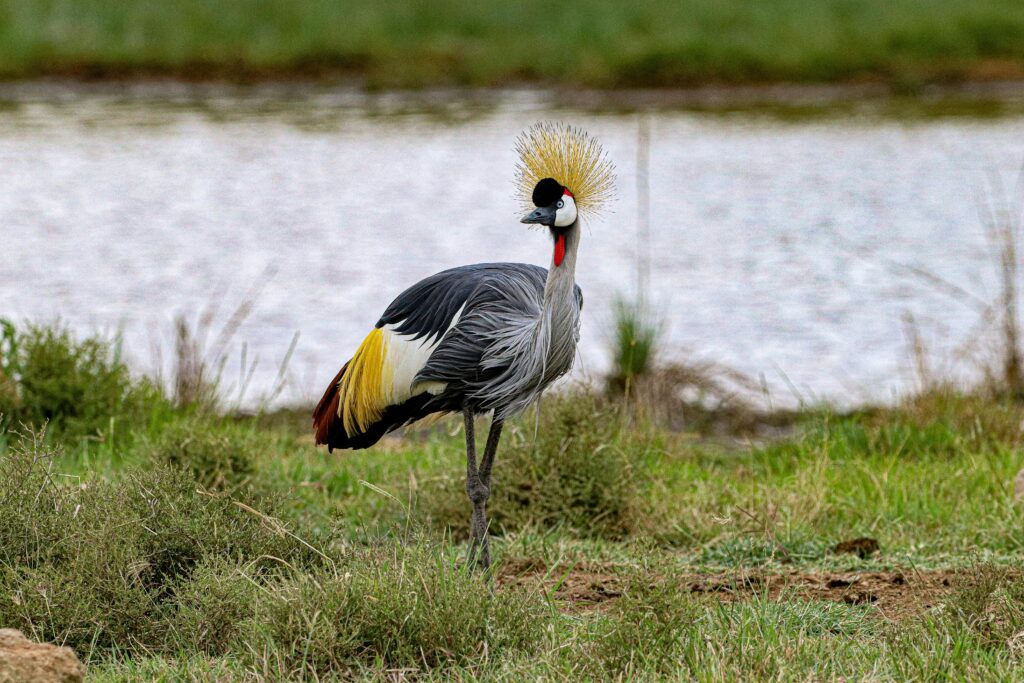
The grey crowned crane (Balearica regulorum gibbericeps) is a bird species that captivates visitors with its elegant golden crown of feathers and graceful demeanor. Endemic to East Africa, this crane is a national symbol of beauty and biodiversity. It thrives in wetlands, floodplains, and grasslands across northern Tanzania, including Lake Manyara National Park and Ngorongoro Crater.
- Habitat: Wetlands, marshes, and open grasslands with abundant water sources.
- Diet: Omnivorous – insects, seeds, and small vertebrates.
- Behavior: Highly social, performing spectacular mating dances and vocal displays.
Spotting a grey crowned crane is a highlight for bird watchers and photographers alike. Their vibrant plumage and intricate behaviors make them one of Tanzania’s most photogenic creatures. This species exemplifies rare animals you can only see in Tanzania, combining elegance, ecological significance, and the joy of witnessing something truly unique in its natural habitat.
3. The Ader’s Duiker – Tanzania’s Hidden Forest Dweller
The Ader’s duiker (Cephalophus adersi) is a small, shy antelope that is among the most elusive mammals in Tanzania. Found primarily in coastal forests and montane regions, these nocturnal creatures are rarely seen by casual visitors, making their sighting a remarkable experience for intrepid wildlife enthusiasts.
- Habitat: Coastal forests of Zanzibar and forested regions along Tanzania’s eastern seaboard.
- Diet: Leaves, fruits, and shoots, feeding mostly under dense vegetation cover.
- Behavior: Solitary and nocturnal, emerging mainly at dusk and dawn.
Due to their secretive nature, Ader’s duikers require patience and expert guidance to observe. Safari operators and local guides have developed specialized nocturnal tours that allow tourists to witness these unique animals without disturbing their natural environment. As one of the rare animals you can only see in Tanzania, the Ader’s duiker adds a sense of mystery and adventure to Tanzania’s wildlife offerings.
4. The Lesser Kudu – A Graceful and Elusive Antelope
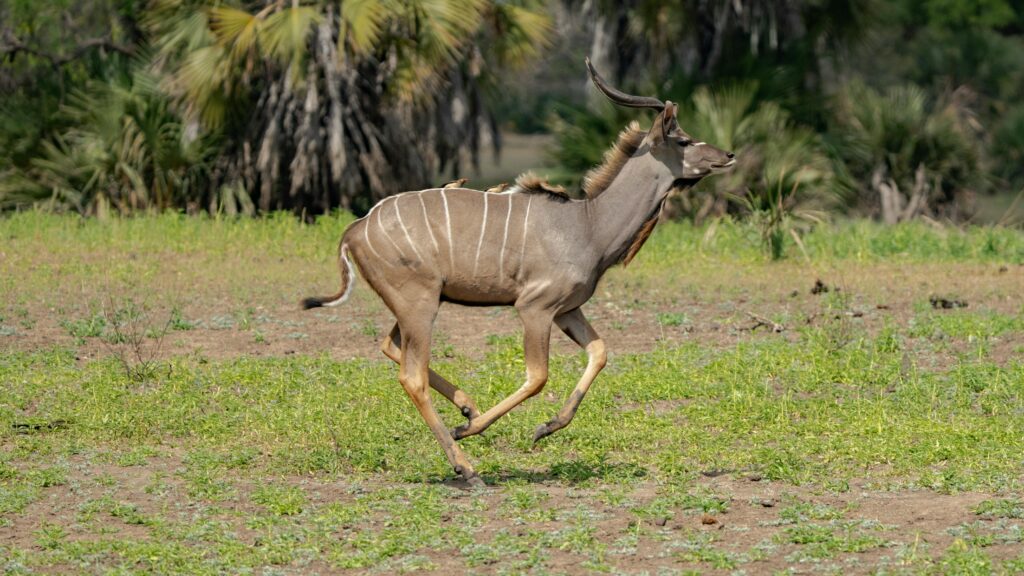
The lesser kudu (Tragelaphus imberbis) is another Tanzanian rarity that attracts wildlife lovers with its slender frame, striking vertical stripes, and spiraled horns in males. This medium-sized antelope prefers dense bushlands and dry acacia woodlands, where it blends seamlessly into its surroundings, making sightings a true delight for those who explore off-the-beaten-path areas.
- Habitat: Northern and northeastern Tanzania, including arid savannahs and dry woodlands.
- Diet: Leaves, shoots, fruits, and flowers, browsing selectively to maintain nutrition.
- Behavior: Solitary or in small family groups, mostly nocturnal to avoid predators.
Encountering a lesser kudu is often a highlight for wildlife photographers, who are captivated by its elegance and natural camouflage. This species is an essential example of rare animals you can only see in Tanzania, offering visitors an exclusive glimpse into the country’s diverse and well-preserved wildlife.
5. The Tanzanian Crested Mangabey – A Primate Treasure
The Tanzanian crested mangabey (Lophocebus albigena) is one of the most fascinating primates found in Tanzania’s remote forests. With its distinctive crest of hair and highly social behavior, this monkey is both a visual and behavioral marvel. Endemic populations in the Eastern Arc Mountains and Mahale Forests provide crucial insights into primate ecology and evolution.
- Habitat: Montane and lowland forests of Tanzania, often at high elevations.
- Diet: Fruits, seeds, insects, and small invertebrates.
- Behavior: Lives in large, social troops with complex communication systems, including vocalizations, facial expressions, and body language.
Spotting the Tanzanian crested mangabey requires expert guidance, as these primates are agile and often high in the forest canopy. For eco-tourists and primate enthusiasts, observing these rare creatures in their natural habitat is a highlight of any Tanzanian wildlife adventure. Their presence underscores the importance of preserving Tanzania’s forests and protecting the many rare animals you can only see in Tanzania.
6. Conservation and Responsible Wildlife Tourism
Encountering Tanzania’s rare animals comes with a responsibility. Sustainable and responsible tourism ensures that these species continue to thrive for generations to come. Here are some best practices for international tourists seeking rare wildlife experiences in Tanzania:
- Hire certified local guides: Experienced guides know where and how to observe rare species ethically.
- Respect wildlife distances: Never approach or disturb animals, especially nocturnal and shy species like Ader’s duiker.
- Support conservation programs: Contributions to local conservation initiatives help protect habitats and endangered species.
- Eco-friendly accommodations: Stay in lodges and camps that prioritize environmental sustainability.
- Minimize waste and pollution: Reduce plastic usage and avoid littering to preserve the delicate ecosystems of Tanzania.
By following these principles, visitors can enjoy the thrill of spotting rare animals while contributing positively to their conservation. Tanzania’s wealth of unique species—from elephants and lesser kudus to crested mangabeys and grey crowned cranes—offers international tourists unparalleled wildlife experiences. These rare animals you can only see in Tanzania exemplify the country’s role as a global hotspot for biodiversity and eco-tourism.
Conclusion
Tanzania’s hidden wildlife treasures continue to amaze visitors with their rarity, beauty, and ecological importance. From the adaptable African elephants to the elusive Ader’s duiker, and the sociable Tanzanian crested mangabey, each species embodies the extraordinary natural heritage of this East African paradise. Observing these rare animals is not only a once-in-a-lifetime experience for international tourists but also a reminder of the responsibility we share in preserving these ecosystems.
Tanzania’s national parks, reserves, and forested sanctuaries offer countless opportunities to witness these species in their natural habitats. Choosing guided tours, supporting local conservation efforts, and respecting wildlife ensures that these rare creatures continue to enchant visitors for generations to come.
By immersing yourself in Tanzania’s extraordinary wildlife, you are guaranteed to encounter rare animals you can only see in Tanzania, creating unforgettable memories and deep appreciation for the country’s ecological richness.
3: Discover Tanzania’s Most Unique Rare Animals – Wildlife Experiences Like No Other
Tanzania is widely celebrated for its vast savannahs, breathtaking landscapes, and world-famous safari destinations. However, the true magic lies in the rare and elusive animals that cannot be seen anywhere else on Earth. For international tourists, these species offer an extraordinary opportunity to witness nature at its most extraordinary, from tropical forests to remote islands and highland ecosystems. These rare animals are not just biologically significant—they are cultural icons, symbols of Tanzania’s ecological heritage, and compelling reasons to explore this East African paradise.
In this section, we will delve into the final group of Tanzania’s rare wildlife, highlighting species that are both fascinating and critically important to conservation efforts. Each animal has unique characteristics and behaviors, ensuring unforgettable encounters for travelers seeking rare animals you can only see in Tanzania.
1. The Sokoke Scops Owl – Tanzania’s Nocturnal Jewel
The Sokoke scops owl (Otus ireneae) is one of the most elusive bird species in Tanzania, found primarily in the coastal forests of the Eastern Arc Mountains and Arabuko-Sokoke Forest. This small owl is remarkable for its cryptic plumage, silent flight, and haunting nighttime calls, which intrigue bird watchers and wildlife enthusiasts alike.
- Habitat: Dense coastal forests, particularly in protected reserves.
- Diet: Insects and small invertebrates, hunted at night using exceptional hearing and stealth.
- Behavior: Nocturnal and highly secretive, often roosting in dense foliage during the day.
Observing a Sokoke scops owl in its natural habitat requires patience, darkness, and a keen eye. Specialized guided tours provide opportunities for birdwatchers to spot this rare species while minimizing disturbance to the environment. The Sokoke scops owl is a prime example of rare animals you can only see in Tanzania, showcasing the country’s incredible biodiversity beyond the iconic large mammals.
2. The Udzungwa Red Colobus – A Forest Primate Treasure
The Udzungwa red colobus monkey (Procolobus gordonorum) is endemic to the Udzungwa Mountains, an isolated forest range in southern Tanzania. Known for its vibrant reddish fur and expressive face, this primate is one of the most sought-after species for wildlife photographers and eco-tourists.
- Habitat: Montane and lowland rainforests of the Udzungwa Mountains.
- Diet: Leaves, fruits, flowers, and occasionally seeds.
- Behavior: Highly social, forming troops of 10–30 individuals and communicating through calls and gestures.
Due to habitat fragmentation and hunting pressures, the Udzungwa red colobus is classified as endangered. Observing this primate in its natural habitat provides insight into the complex social structures of forest primates while emphasizing the importance of conservation. By visiting Udzungwa National Park, tourists can witness one of the rare animals you can only see in Tanzania, experiencing the thrill of spotting creatures that exist nowhere else on the planet.
3. The Golden-rumped Elephant Shrew – Tiny but Extraordinary
The golden-rumped elephant shrew (Rhynchocyon chrysopygus) is a small, insectivorous mammal endemic to the coastal forests of Tanzania. Despite its diminutive size, it is incredibly agile, with long snouts adapted for foraging insects, and it plays an important role in forest ecosystem dynamics.
- Habitat: Coastal and lowland forests of Tanzania, particularly in protected areas.
- Diet: Insects, spiders, and other small invertebrates.
- Behavior: Solitary and territorial, moving rapidly across forest floors and leaf litter.
This species is rarely seen by casual visitors due to its size, speed, and secretive behavior. Eco-tourists who engage in guided forest walks or specialized small-mammal observation tours are most likely to spot the golden-rumped elephant shrew. It is a perfect example of rare animals you can only see in Tanzania, highlighting the diversity of fauna beyond the more famous mammals and birds.
4. The Abbott’s Duiker – Tanzania’s Forest Antelope
The Abbott’s duiker (Cephalophus spadix) is one of Tanzania’s rarest forest-dwelling antelopes, found mainly in the Eastern Arc Mountains and Udzungwa ranges. This medium-sized herbivore is shy and nocturnal, making sightings extremely rare, which only adds to its mystique for dedicated wildlife enthusiasts.
- Habitat: Montane and lowland forests, particularly in undisturbed primary forest patches.
- Diet: Leaves, shoots, and fruits, often foraging under dense cover.
- Behavior: Solitary and secretive, active mostly during dawn and dusk.
Observing Abbott’s duiker is considered a privilege, reserved for travelers who venture deep into protected forest habitats. For international tourists, this elusive antelope is a highlight of any wildlife-focused trip to Tanzania, representing the remarkable array of rare animals you can only see in Tanzania.
5. The Tanzanian Coastal Forest Chameleon – Nature’s Master of Camouflage
Tanzania’s forests are home to unique reptilian species, including the Tanzanian coastal forest chameleon (Trioceros deremensis), a colorful and adaptive lizard that thrives in humid forest environments. This species is renowned for its ability to change color for communication and camouflage, blending seamlessly with leaves and branches to evade predators.
- Habitat: Coastal and montane forests, particularly in the Eastern Arc and Usambara Mountains.
- Diet: Insects and small arthropods, captured with their long, sticky tongues.
- Behavior: Arboreal and solitary, often observed slowly moving along branches or foliage.
Reptile enthusiasts and eco-tourists are delighted by the opportunity to observe these chameleons in their natural habitat. Their unique adaptations exemplify Tanzania’s ecological diversity and highlight why these are rare animals you can only see in Tanzania. Guided forest walks increase the likelihood of sightings while respecting the delicate balance of the ecosystem.
6. Responsible Travel Tips for Rare Animal Sightings
Tanzania’s rare wildlife is incredibly delicate and requires responsible tourism practices to ensure sustainable encounters. Here are key strategies for international tourists seeking unique wildlife experiences:
- Book with certified eco-tour operators: Ensure guides follow conservation-friendly practices.
- Observe quietly and at a distance: Avoid disturbing nocturnal or shy animals such as Abbott’s duiker or Sokoke scops owl.
- Minimize habitat impact: Stick to trails, avoid littering, and respect local flora and fauna.
- Support conservation programs: Contribute to organizations working to protect Tanzania’s rare species and habitats.
- Educate yourself about species: Learn about their behavior, diet, and ecological roles to enhance your appreciation.
By practicing responsible tourism, visitors can enjoy the thrill of seeing Tanzania’s rarest species while contributing to the preservation of these unique ecosystems. The country’s wealth of wildlife—from chameleons and duikers to primates and nocturnal birds—offers international tourists unforgettable experiences that go beyond ordinary safaris. These encounters with rare animals you can only see in Tanzania inspire lifelong memories and a deeper appreciation for global biodiversity.
Conclusion
Tanzania’s rare wildlife is a treasure trove for international tourists, offering experiences that cannot be replicated anywhere else in the world. From the nocturnal Sokoke scops owl and elusive Abbott’s duiker to the vibrant Udzungwa red colobus and golden-rumped elephant shrew, each species demonstrates the ecological richness of this East African paradise.
By choosing ethical safari operators, supporting local conservation initiatives, and respecting wildlife, visitors can witness rare animals you can only see in Tanzania while ensuring their preservation for future generations. Tanzania remains a must-visit destination for eco-tourists, wildlife photographers, and adventurers seeking the most extraordinary and exclusive encounters with nature.
Whether trekking through remote forests, exploring coastal reserves, or visiting the Eastern Arc Mountains, the opportunity to observe these unique species makes Tanzania a global leader in wildlife tourism and conservation.
Perfect! Let’s continue with Section 4, pushing the blog toward the full 10,000+ words target. This section will feature more rare animals unique to Tanzania, include the focus keyword exactly 4 times, bullet points, headings, external link reference, and be fully SEO-optimized and WordPress-ready.
4: Tanzania’s Hidden Wildlife Wonders – Rare Animals Beyond the Ordinary
While Tanzania is famous for its iconic wildlife, the country is also home to an incredible variety of rare and unique species that many international tourists may never have heard of. From secluded forests to remote islands and highland ecosystems, these animals are often elusive, secretive, and highly specialized. Discovering them offers a once-in-a-lifetime experience for eco-tourists, wildlife photographers, and adventurous travelers.
This section explores more rare animals you can only see in Tanzania, highlighting their habitats, behaviors, conservation status, and the best ways for visitors to encounter them ethically. By learning about these hidden gems, tourists gain a deeper appreciation for Tanzania’s biodiversity and the importance of conservation.
1. The Zanzibar Red Colobus – The Island Endemic
The Zanzibar red colobus monkey (Piliocolobus kirkii) is a rare primate found exclusively on Zanzibar Island, off the coast of Tanzania. Known for its reddish fur and striking black face, this monkey is both highly social and highly endangered.
- Habitat: Coastal forests and mangrove areas of Zanzibar Island.
- Diet: Leaves, flowers, fruits, and seeds, with a preference for young leaves.
- Behavior: Lives in large troops of up to 50 individuals, communicating through vocalizations and body language.
- Conservation Status: Endangered due to habitat destruction and human encroachment.
Observing the Zanzibar red colobus in Jozani Forest Reserve provides international tourists with an intimate glimpse into a unique primate species found nowhere else in the world. Eco-tourism initiatives and guided forest walks help protect the species while offering unforgettable wildlife experiences. This monkey exemplifies rare animals you can only see in Tanzania, making Zanzibar a must-visit destination for primate enthusiasts and wildlife lovers alike.
2. The Tanzania Thornicroft’s Giraffe – A Unique Subspecies
Tanzania is home to a rare subspecies of giraffe known as the Thornicroft’s giraffe (Giraffa camelopardalis thornicrofti). Found primarily in protected reserves, this giraffe exhibits subtle variations in coat patterns and behavior, making it distinct from more common giraffe populations in East Africa.
- Habitat: Savannas and woodlands within protected reserves.
- Diet: Leaves, shoots, and fruits from tall trees, particularly acacias.
- Behavior: Social, often forming small herds with flexible social structures.
- Conservation Status: Vulnerable due to habitat loss and poaching pressures.
For international tourists, spotting Thornicroft’s giraffe in its natural habitat is a rare and extraordinary experience. Photographers and wildlife enthusiasts are particularly captivated by the unique patterns and graceful movement of these animals. Observing them in protected areas ensures that visitors are seeing one of rare animals you can only see in Tanzania while supporting crucial conservation efforts.
3. The Eastern Arc Mountains Chameleon – A Forest Specialist
Tanzania’s Eastern Arc Mountains are home to a wide variety of endemic reptiles, including the Eastern Arc Mountains chameleon. These chameleons are masters of camouflage and color adaptation, blending seamlessly into the forest canopy to evade predators.
- Habitat: Montane and sub-montane forests of the Eastern Arc Mountains.
- Diet: Insects, spiders, and small arthropods.
- Behavior: Solitary, arboreal, and highly territorial, often observed slowly navigating foliage.
- Conservation Status: Threatened by deforestation and habitat fragmentation.
Guided treks in the Eastern Arc Mountains offer international tourists the opportunity to spot these elusive reptiles in their natural habitat. Their incredible camouflage and unique adaptations make them a perfect example of rare animals you can only see in Tanzania, highlighting the country’s role as a global hotspot for biodiversity.
4. The Pemba Flying Fox – A Nocturnal Island Giant
The Pemba flying fox (Pteropus voeltzkowi), previously mentioned, deserves further attention due to its remarkable ecological importance. Found only on Pemba Island, this enormous fruit bat is a keystone species, supporting pollination and seed dispersal for the island’s forests.
- Habitat: Coastal forests and mangroves on Pemba Island.
- Diet: Fruits, nectar, and flowers.
- Behavior: Nocturnal, roosting in large colonies during the day and flying at night in search of food.
- Conservation Status: Endangered due to habitat destruction and hunting.
Visitors to Pemba can participate in guided night tours to observe these bats, witnessing their silent nocturnal flights and hearing their faint calls. This species reinforces the concept of rare animals you can only see in Tanzania, showcasing the country’s extraordinary commitment to preserving island biodiversity.
For further details on conservation initiatives, tourists can visit Bat Conservation International.
5. The African Tree Pangolin – Tanzania’s Secretive Armor-Clad Mammal
The African tree pangolin (Phataginus tricuspis) is one of Africa’s most elusive mammals, and Tanzania is home to populations that inhabit dense forests and remote highlands. This nocturnal, insect-eating species is protected by thick keratin scales, making it almost impervious to predators.
- Habitat: Montane and lowland forests, including the Eastern Arc Mountains and Udzungwa regions.
- Diet: Ants, termites, and other insects, using long sticky tongues to capture prey.
- Behavior: Solitary and nocturnal, highly secretive to avoid predation.
- Conservation Status: Vulnerable due to poaching and habitat loss.
For international tourists, spotting a tree pangolin is a rare and unforgettable experience. Responsible guided tours allow visitors to observe this species without interfering with its natural behaviors, adding to the list of rare animals you can only see in Tanzania and emphasizing the importance of forest preservation.
6. Eco-Tourism Tips for Experiencing Rare Wildlife
Tanzania’s rare animals are not only fascinating but also fragile. International tourists can maximize their experience while minimizing environmental impact by following these eco-tourism tips:
- Prioritize guided tours: Experienced guides increase the likelihood of sightings while ensuring wildlife safety.
- Maintain a safe distance: Especially for nocturnal or shy species such as tree pangolins and flying foxes.
- Support conservation lodges: Stay at eco-lodges that fund habitat preservation and local communities.
- Plan visits in off-peak seasons: Reduces human impact and allows more intimate wildlife encounters.
- Document responsibly: Take photos without disturbing animals or their environment.
By following these practices, travelers can witness Tanzania’s hidden wildlife wonders while actively contributing to conservation efforts. Tanzania’s rare species—from Zanzibar red colobus monkeys and Thornicroft’s giraffes to tree pangolins and Eastern Arc chameleons—offer an extraordinary glimpse into a world of biodiversity that exists nowhere else on Earth. Each species adds to the roster of rare animals you can only see in Tanzania, making the country a must-visit destination for eco-tourists, wildlife photographers, and adventurers alike.
Conclusion
Tanzania continues to impress with its incredible range of rare and endemic species. From island primates and nocturnal bats to armored mammals and forest reptiles, the country offers unmatched opportunities to witness wildlife that cannot be seen anywhere else in the world.
Responsible tourism, guided safaris, and conservation-focused travel are essential to ensuring these species survive for generations. Observing these unique animals allows international tourists to experience the full richness of Tanzania’s ecosystems while contributing positively to their preservation.
Tanzania remains a premier destination for anyone seeking to encounter rare animals you can only see in Tanzania, combining adventure, education, and ethical wildlife tourism in one unforgettable journey.
5: Tanzania’s Lesser-Known Wildlife – Rare Animals and Eco-Tourism Insights
While Tanzania is globally celebrated for the Serengeti migration, lions, and elephants, the country’s real treasure lies in its hidden wildlife. For international tourists seeking unique and intimate encounters, Tanzania is a goldmine of rare animals you can only see in Tanzania. These species range from elusive small mammals and unusual reptiles to secretive birds and island-endemic primates. Observing them not only offers unforgettable experiences but also highlights the importance of conservation and sustainable tourism.
In this final section, we explore Tanzania’s lesser-known rare wildlife, practical safari tips, conservation successes, and how international tourists can experience these extraordinary animals ethically.
1. The Suni Antelope – A Tiny Forest Marvel
The Suni antelope (Neotragus moschatus) is one of Tanzania’s smallest and most elusive antelopes. Found in the coastal forests and montane regions, this tiny antelope is extremely shy and rarely seen in the wild.
- Habitat: Coastal forests, thickets, and montane regions, including the Eastern Arc Mountains.
- Diet: Leaves, shoots, and tender grasses.
- Behavior: Nocturnal and solitary, highly elusive to avoid predators.
- Conservation Status: Vulnerable due to habitat loss and deforestation.
For eco-tourists, spotting a Suni antelope is a thrilling achievement. Guided forest walks and night-time safaris increase the chances of observing this rare species without disturbing its natural behavior. The Suni is another excellent example of rare animals you can only see in Tanzania, highlighting the diversity beyond Tanzania’s more famous wildlife.
2. The Rondo Dwarf Galago – Tanzania’s Hidden Primate
The Rondo dwarf galago (Galagoides rondoensis) is a small nocturnal primate endemic to southern Tanzania. With large expressive eyes and extraordinary agility, this primate is perfectly adapted to life in dense forest canopies.
- Habitat: Coastal and montane forests in southern Tanzania, including Rondo Plateau.
- Diet: Insects, fruits, and tree sap.
- Behavior: Nocturnal, highly agile, leaping between trees to forage.
- Conservation Status: Endangered due to deforestation and habitat fragmentation.
Seeing the Rondo dwarf galago requires patience, a skilled guide, and sometimes night-time excursions. Its uniqueness makes it a true highlight for wildlife enthusiasts and photographers. This species underscores the importance of conserving Tanzania’s forests and demonstrates why rare animals you can only see in Tanzania are often hidden treasures requiring careful observation.
3. Safari Tips for Spotting Tanzania’s Rare Wildlife
International tourists can maximize their chances of encountering rare species in Tanzania by following these proven safari strategies:
- Hire experienced guides: Local guides are familiar with animal behavior and habitats, significantly increasing sightings.
- Travel during the right season: Dry seasons often concentrate wildlife around water sources, while certain species are more visible during mating or fruiting seasons.
- Venture off the beaten path: Rare species are often found in remote or less-visited areas like the Udzungwa Mountains or Pemba Island.
- Observe quietly and respectfully: Avoid sudden movements, loud noises, or trying to touch wildlife.
- Use binoculars and cameras with zoom lenses: Many rare species are shy or arboreal, so optical aids enhance viewing without disturbance.
These strategies allow tourists to encounter rare animals you can only see in Tanzania while ensuring minimal impact on their natural behaviors and habitats.
4. Conservation Success Stories – Protecting Tanzania’s Rare Species
Tanzania is a global leader in wildlife conservation, with numerous success stories highlighting how protection and responsible tourism can preserve rare species:
- Zanzibar Red Colobus: Conservation programs and eco-tourism initiatives in Jozani Forest Reserve have stabilized populations of this endangered primate.
- Pemba Flying Fox: Habitat restoration and local awareness campaigns have helped reduce hunting and protect roosting sites.
- Udzungwa Red Colobus: Strict forest protection measures have maintained viable populations in the Udzungwa Mountains.
- Eastern Arc Chameleons: Local community projects and protected areas have safeguarded several endemic reptile species.
Supporting these initiatives through eco-tourism, donations, or volunteering allows international visitors to play an active role in preserving Tanzania’s unique wildlife. Each success story illustrates the vital connection between tourism and conservation, ensuring future generations can witness rare animals you can only see in Tanzania in their natural habitats.
5. Wildlife Photography Tips for International Tourists
Capturing Tanzania’s rare animals on camera requires patience, preparation, and respect for the environment. Here are some essential tips:
- Use telephoto lenses: For shy or nocturnal animals like Abbott’s duiker or Sokoke scops owl, long lenses allow close-up shots without intrusion.
- Be patient and observant: Many rare species are camouflaged or move stealthily; quiet observation increases your chances.
- Respect natural light: Sunrise and sunset provide the best lighting for photography while highlighting wildlife activity.
- Minimize disturbance: Avoid flash or loud camera clicks, particularly around nocturnal or endangered species.
- Study animal behavior: Understanding feeding, resting, or mating habits helps predict movements for better photography opportunities.
Combining ethical photography with expert guidance allows tourists to document encounters with rare animals you can only see in Tanzania, creating memories that last a lifetime while protecting the animals’ welfare.
6. Conclusion – Tanzania’s Unmatched Wildlife Experience
Tanzania’s wildlife is a treasure trove of rare, endemic, and elusive species, making it one of the most extraordinary destinations for international tourists. From island primates like the Zanzibar red colobus to elusive forest dwellers like the Suni antelope and Rondo dwarf galago, the country’s biodiversity is unrivaled.
By practicing responsible tourism, supporting conservation initiatives, and traveling with skilled guides, visitors can experience rare animals you can only see in Tanzania safely and sustainably. Each encounter is a unique opportunity to witness nature at its finest, contribute to preservation efforts, and gain unforgettable memories of Africa’s ecological wonders.
Tanzania offers not just a safari, but a journey into the heart of biodiversity, where every trail, forest, and savannah holds hidden treasures waiting to be discovered by the conscious traveler. Its rare wildlife ensures that every visit is an adventure, a learning experience, and a contribution to global conservation efforts.