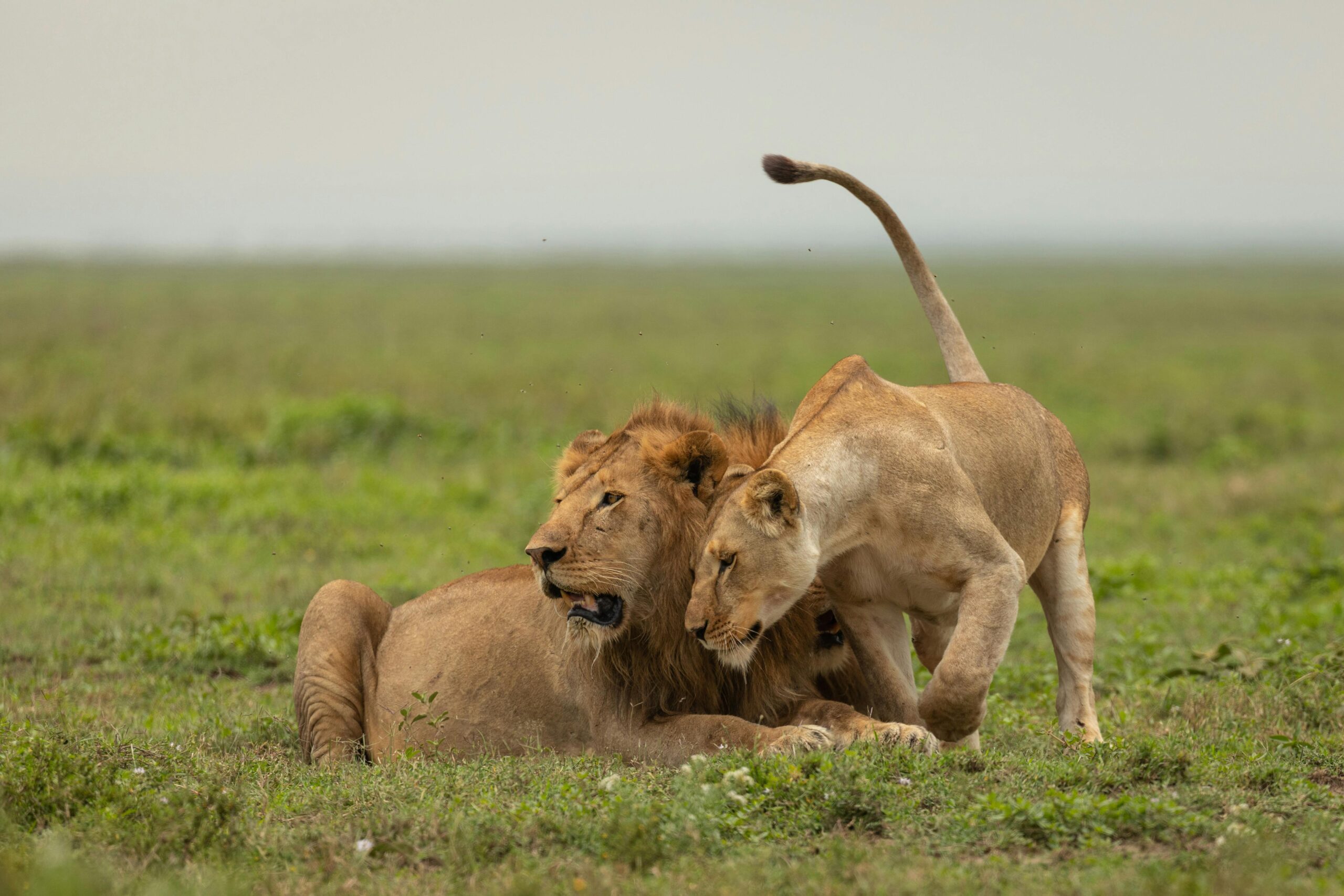
Discover the Ultimate Tanzania Safari Guide for international travelers. Explore Serengeti, Ngorongoro, Kilimanjaro and luxury safari tips for a once-in-a-lifetime African adventure. https://joytrekking.com/
Ultimate Tanzania Safari Guide for International Travelers
Tanzania stands as one of Africa’s most breathtaking safari destinations, offering unmatched wildlife diversity, dramatic landscapes, and authentic cultural experiences. This Ultimate Tanzania Safari Guide is designed specifically for international tourists seeking a once-in-a-lifetime African adventure. Whether you dream of witnessing the Great Migration in Serengeti, exploring the Ngorongoro Crater, or relaxing on the white beaches of Zanzibar after your wildlife expedition, Tanzania delivers a truly transformative journey.
Planning an African safari can feel overwhelming, especially when traveling from overseas. From visa requirements and vaccination guidance to choosing between luxury lodges and mobile tented camps, every detail matters. That is exactly why this Ultimate Tanzania Safari Guide provides expert insights to help you plan with confidence and clarity.
Tanzania is home to some of the most iconic national parks in the world:
- Serengeti National Park – Famous for the Great Wildebeest Migration
- Ngorongoro Conservation Area – A UNESCO World Heritage Site
- Tarangire National Park – Known for giant elephant herds
- Lake Manyara – Tree-climbing lions and flamingos
- Mount Kilimanjaro – Africa’s highest peak
- Zanzibar – Tropical island paradise
Unlike many destinations, Tanzania offers year-round safari opportunities. However, understanding the difference between the dry season and the green season can significantly impact your experience. The dry season (June to October) is ideal for wildlife viewing as animals gather around water sources. The green season (November to May) provides lush landscapes, fewer crowds, and excellent birdwatching.
International travelers often prioritize safety, comfort, and professional service. Tanzania’s safari industry is well-established, with experienced guides, regulated tour operators, and a strong conservation focus. When booking with a reputable company like JoyTrekking, you ensure personalized service, knowledgeable safari guides, and well-planned itineraries that maximize wildlife encounters.
Another important factor highlighted in this Ultimate Tanzania Safari Guide is accommodation style. Tanzania offers:
- Luxury safari lodges with private plunge pools
- Mid-range tented camps with authentic bush ambiance
- Budget-friendly campsites for adventure travelers
- Ultra-luxury mobile camps that follow the migration
Each style provides a unique way to experience the African wilderness. International tourists often prefer all-inclusive safari packages that include accommodation, park fees, meals, professional guides, and transportation in 4×4 safari vehicles with pop-up roofs for optimal wildlife viewing.
Wildlife diversity is Tanzania’s greatest strength. The country hosts the legendary Big Five:
- Lion
- Leopard
- Elephant
- Buffalo
- Rhino
Beyond the Big Five, visitors encounter cheetahs, giraffes, zebras, hippos, crocodiles, and over 1,000 bird species. The Serengeti ecosystem alone supports one of the largest concentrations of predators in Africa. Witnessing a lion hunt at sunset or a river crossing during the migration is not just a safari moment — it is a life-changing experience.
Cultural tourism also plays a significant role. Travelers can visit Maasai villages, learn about traditional pastoral lifestyles, and experience authentic Tanzanian hospitality. Responsible tourism ensures that local communities benefit directly from safari activities, strengthening conservation efforts.
For travelers concerned about logistics, international access to Tanzania is straightforward. Major entry points include:
- Kilimanjaro International Airport (JRO)
- Julius Nyerere International Airport (DAR)
- Abeid Amani Karume International Airport (ZNZ)
Most international visitors require a visa, which can be obtained online through the official immigration website:
https://www.immigration.go.tz
Health preparations typically include routine vaccinations and malaria precautions depending on travel regions. Comprehensive travel insurance is strongly recommended for all international visitors.
One of the biggest advantages emphasized in this Ultimate Tanzania Safari Guide is the flexibility of combining experiences. A typical itinerary may include:
- 3 nights Serengeti
- 2 nights Ngorongoro
- 2 nights Tarangire
- 4 nights Zanzibar beach extension
This balance between wildlife adventure and coastal relaxation makes Tanzania one of the most complete travel destinations in Africa.
Sustainability is also central to Tanzania’s safari industry. Many lodges operate on solar power, reduce plastic use, and support wildlife conservation programs. By choosing responsible operators, travelers actively contribute to protecting endangered species and preserving ecosystems for future generations.
Photography enthusiasts find Tanzania particularly rewarding. Golden savannah light, dramatic acacia trees, and abundant wildlife create perfect conditions for both amateur and professional photographers. Early morning and late afternoon game drives provide optimal lighting conditions.
When budgeting for your trip, it is important to understand that Tanzania is not the cheapest safari destination — but it offers exceptional value. Park fees, conservation charges, and quality guiding standards maintain world-class safari experiences. Investing in a professionally organized safari ensures safety, comfort, and memorable wildlife encounters.
To summarize, Tanzania offers:
- World-class wildlife viewing
- Iconic national parks
- Luxury and mid-range accommodation options
- Cultural authenticity
- Strong conservation ethics
- Seamless safari-beach combinations
This Ultimate Tanzania Safari Guide aims to equip you with everything you need to plan your dream safari confidently. From choosing the right season to understanding accommodation options and wildlife highlights, you are now one step closer to experiencing Africa at its finest.
Best National Parks to Explore in Your Ultimate Tanzania Safari Guide
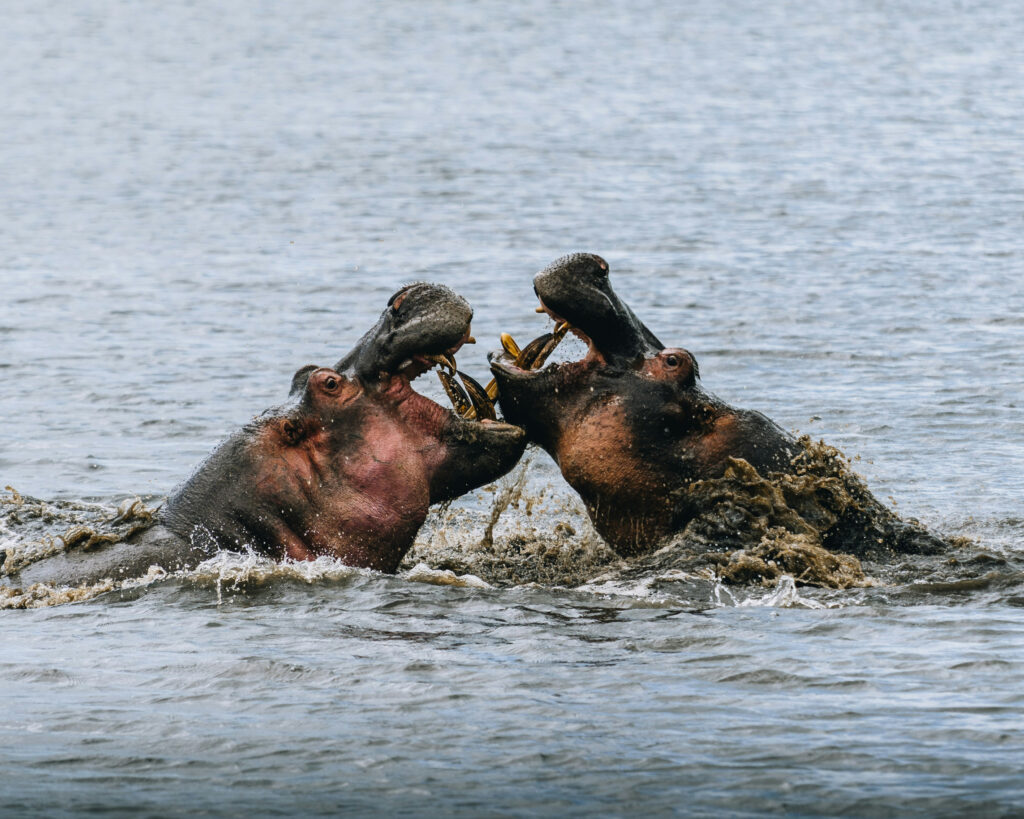
Choosing the right destinations is the most important decision when planning your African adventure. In this Ultimate Tanzania Safari Guide, we explore Tanzania’s most iconic national parks and conservation areas, helping international travelers understand where to go, why each park is unique, and how to combine them into a seamless safari itinerary. Tanzania is home to over 22 national parks, but a few stand out globally for their biodiversity, scenery, and wildlife density.
Tanzania’s protected areas cover nearly 30% of the country’s land, making it one of the most conservation-focused nations in Africa. This strong commitment to wildlife protection ensures exceptional safari experiences year after year. The Ultimate Tanzania Safari Guide would not be complete without an in-depth look at the most rewarding safari destinations that consistently exceed traveler expectations.
Serengeti National Park – The Crown Jewel of African Safaris
Serengeti National Park is the heartbeat of any Ultimate Tanzania Safari Guide. International tourists often recognize the Serengeti from wildlife documentaries showcasing dramatic predator-prey interactions and vast golden plains stretching endlessly beneath African skies. Covering approximately 14,750 square kilometers, Serengeti offers one of the highest concentrations of wildlife on Earth.
The park is world-famous for the Great Wildebeest Migration, one of the Seven Natural Wonders of Africa. Over 1.5 million wildebeest, accompanied by hundreds of thousands of zebras and gazelles, move in a circular pattern throughout the ecosystem in search of fresh grazing. Witnessing a river crossing at the Mara River is one of the most powerful safari experiences possible.
Wildlife highlights in Serengeti include:
- Large lion prides
- Solitary leopards in acacia trees
- Cheetahs hunting in open plains
- Massive elephant herds
- Crocodiles along riverbanks
- Hyenas and jackals
- Over 500 bird species
The Serengeti ecosystem is divided into regions, each offering distinct experiences:
- Central Serengeti (Seronera): Best for year-round game viewing
- Northern Serengeti: Ideal for river crossings (July–October)
- Western Corridor: Best during May–June migration movement
- Southern Serengeti (Ndutu area): Calving season (January–March)
Accommodation options range from ultra-luxury lodges to mobile tented camps that follow the migration. International travelers seeking comfort often prefer luxury lodges with private decks overlooking wildlife corridors.
When reviewing any Ultimate Tanzania Safari Guide, Serengeti consistently ranks as the number one must-visit destination. Its scale, drama, and biodiversity make it unmatched globally.
Ngorongoro Conservation Area – Africa’s Natural Wildlife Arena
Another highlight in this Ultimate Tanzania Safari Guide is the Ngorongoro Conservation Area, home to the spectacular Ngorongoro Crater. Formed by a collapsed volcano over two million years ago, the crater creates a natural enclosure for wildlife, offering one of the easiest places in Africa to spot the Big Five in a single day.
The crater floor spans about 260 square kilometers and contains diverse habitats:
- Grasslands
- Swamps
- Acacia forests
- Soda lakes
Because animals rarely migrate out of the crater due to its natural walls, wildlife viewing is consistent and reliable. Black rhinos, one of Africa’s most endangered species, are regularly seen here.
Ngorongoro is unique because it integrates wildlife conservation with Maasai pastoral communities who continue to live within the conservation area. This cultural element adds a deeper dimension to any safari itinerary.
Wildlife commonly spotted includes:
- Lions
- Black rhinos
- Elephants with large tusks
- Buffalo
- Hippos
- Flamingos around Lake Magadi
For international tourists with limited time, Ngorongoro offers exceptional wildlife density in a compact area, making it an essential inclusion in this Ultimate Tanzania Safari Guide.
Tarangire National Park – The Elephant Paradise
Tarangire National Park is often underestimated, but it deserves strong recognition in this Ultimate Tanzania Safari Guide. Located about two hours from Arusha, Tarangire is famous for its giant baobab trees and large elephant populations.
During the dry season (June–October), thousands of animals migrate to the Tarangire River, the park’s primary water source. This seasonal concentration creates extraordinary wildlife viewing opportunities with fewer crowds compared to Serengeti.
Key attractions of Tarangire include:
- Herds of over 300 elephants
- Rare species such as fringe-eared oryx
- Tree-climbing pythons
- Stunning baobab landscapes
- Excellent birdwatching (over 550 species)
Tarangire is particularly appealing for photographers due to its dramatic scenery and golden light filtering through ancient baobab trees. Many experienced safari planners recommend starting or ending your itinerary here for a quieter, intimate safari experience.
Lake Manyara National Park – Diverse Ecosystems in a Compact Area
Lake Manyara National Park adds variety to the Ultimate Tanzania Safari Guide with its compact but ecologically diverse environment. Although smaller than Serengeti and Tarangire, Manyara offers a surprising mix of habitats within a short driving distance.
The park is well known for:
- Tree-climbing lions
- Pink flamingo populations
- Dense groundwater forests
- Scenic lake views
- Large baboon troops
Lake Manyara is ideal for travelers seeking a one-day safari experience or as a transition between Tarangire and Ngorongoro. The combination of forest, lake, and open plains creates rich biodiversity in a relatively small space.
International tourists often appreciate Lake Manyara for its accessibility and scenic beauty. It offers excellent wildlife encounters without requiring long driving distances.
Ruaha National Park – The Untouched Wilderness
For travelers seeking exclusivity and fewer crowds, Ruaha National Park is a hidden gem highlighted in this Ultimate Tanzania Safari Guide. Located in southern Tanzania, Ruaha is the country’s largest national park but receives significantly fewer visitors than northern circuit parks.
Ruaha is known for:
- Large predator populations
- Massive elephant herds
- Wild and rugged landscapes
- Baobab-dotted hills
- Remote safari atmosphere
This park is ideal for repeat safari travelers or those seeking authentic wilderness experiences. Game drives here feel adventurous and untouched, providing a deeper sense of exploration.
Selous Game Reserve (Nyerere National Park) – Safari by Land and Water
Nyerere National Park, formerly part of Selous Game Reserve, is another southern Tanzania highlight in this Ultimate Tanzania Safari Guide. It offers unique safari activities beyond traditional game drives.
Visitors can enjoy:
- Boat safaris along the Rufiji River
- Walking safaris
- Fly-camping experiences
- Diverse wildlife including wild dogs
Boat safaris provide a different perspective, allowing close encounters with hippos and crocodiles. This multi-activity approach appeals strongly to international travelers seeking variety.
How to Choose the Right Parks for Your Safari
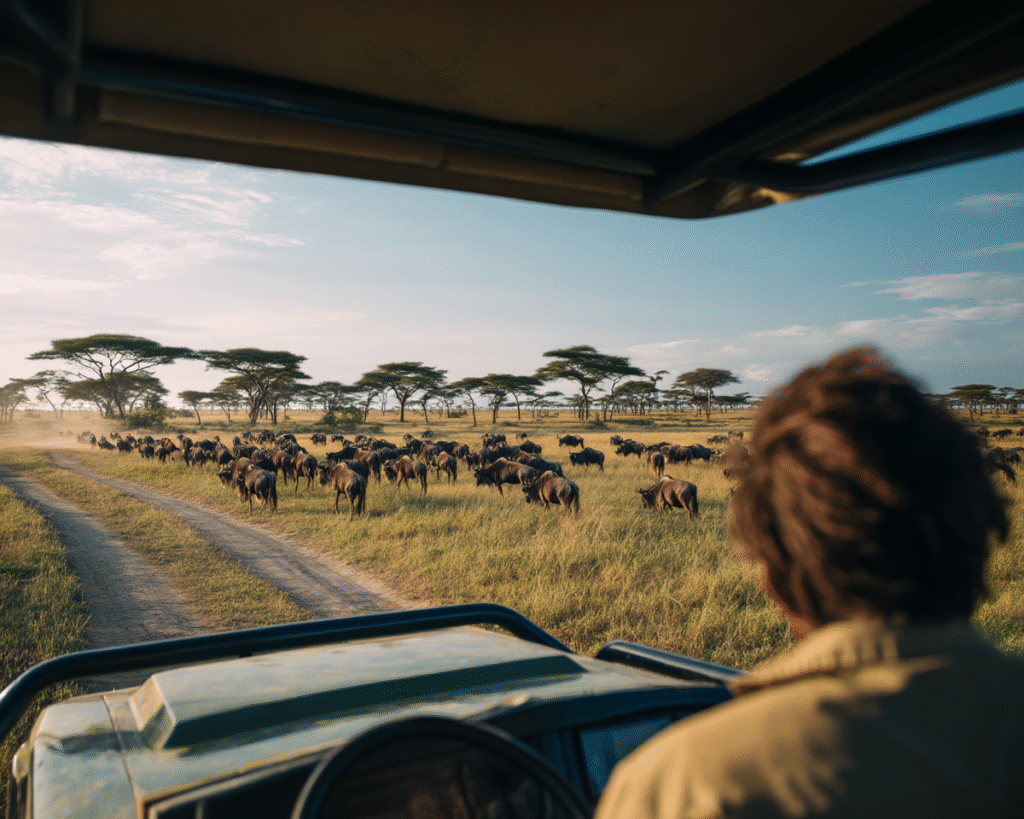
Selecting parks depends on:
- Travel season
- Budget
- Length of stay
- Wildlife priorities
- Level of comfort desired
For first-time visitors, the Northern Circuit (Serengeti, Ngorongoro, Tarangire, Lake Manyara) remains the most recommended route in any Ultimate Tanzania Safari Guide. It offers maximum wildlife density within manageable travel distances.
For seasoned travelers or those seeking exclusivity, combining Northern and Southern Circuit parks can create a diverse and less crowded safari experience.
Sample 8–10 Day Northern Circuit Itinerary
- Day 1: Arrival in Arusha
- Day 2: Tarangire National Park
- Day 3: Lake Manyara
- Day 4–6: Serengeti National Park
- Day 7: Ngorongoro Crater
- Day 8: Departure or extension to Zanzibar
This itinerary aligns perfectly with recommendations found in the Ultimate Tanzania Safari Guide and balances wildlife intensity with travel comfort.
Tanzania’s national parks each offer unique landscapes, wildlife patterns, and safari styles. Whether you seek dramatic migration scenes in Serengeti, concentrated Big Five sightings in Ngorongoro, elephant herds in Tarangire, or remote wilderness in Ruaha, Tanzania delivers an unmatched safari portfolio.
Best Time to Visit Tanzania – Seasonal Planning in Your Ultimate Tanzania Safari Guide
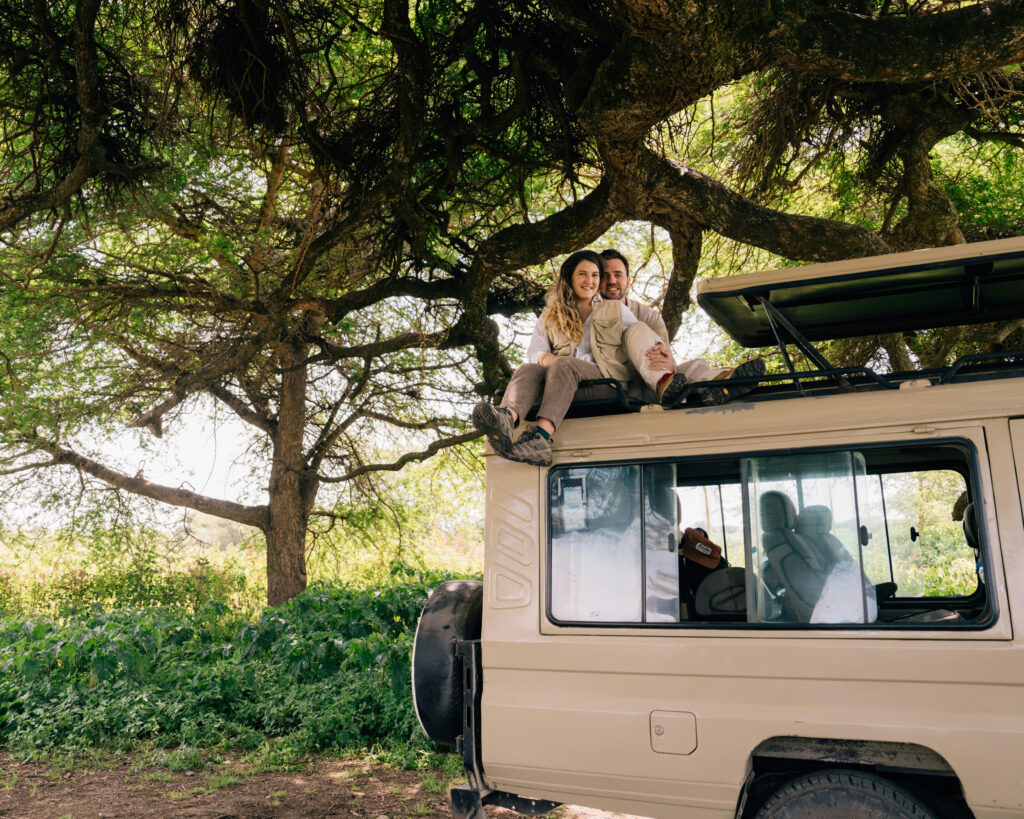
Understanding the best time to visit is one of the most critical elements covered in this Ultimate Tanzania Safari Guide. Tanzania offers year-round safari opportunities, but the quality of wildlife viewing, pricing, crowd levels, and weather conditions vary depending on the season. For international tourists planning long-haul travel, aligning your safari dates with your expectations can significantly enhance your overall experience. This section of the Ultimate Tanzania Safari Guide breaks down Tanzania’s safari seasons in detail, helping you make a confident and informed decision.
Tanzania’s climate is generally divided into two main seasons:
- Dry Season
- Green (Wet) Season
However, within these broader categories, there are sub-seasons that influence wildlife movement, photography conditions, accommodation rates, and accessibility to certain areas. The Ultimate Tanzania Safari Guide emphasizes that no single season is universally “perfect.” Instead, the best time depends on your safari goals.
Dry Season (June to October) – Peak Wildlife Viewing
The dry season is widely considered the best time for wildlife viewing in Tanzania. During this period, rainfall is minimal, vegetation becomes thinner, and animals gather around permanent water sources, making sightings more predictable and concentrated. According to this Ultimate Tanzania Safari Guide, the dry season is ideal for first-time visitors who want the highest chance of spotting the Big Five.
Why the Dry Season is Popular
- Easier wildlife spotting due to sparse vegetation
- Animals congregate near rivers and waterholes
- Pleasant daytime temperatures
- Lower humidity
- Reduced mosquito presence
In Serengeti, the dry season is particularly famous for the dramatic Mara River crossings of the Great Wildebeest Migration (typically July to October in the Northern Serengeti). Thousands of wildebeest attempt to cross crocodile-infested waters, creating one of the most iconic safari spectacles described in every comprehensive Ultimate Tanzania Safari Guide.
Ngorongoro Crater also performs exceptionally well during the dry season. Since animals remain within the crater year-round, sightings become even easier when grass levels are low. Tarangire National Park becomes a wildlife hotspot, as massive elephant herds and other species migrate toward the Tarangire River.
Considerations During Peak Season
While the dry season offers outstanding wildlife viewing, it is also:
- The busiest safari period
- The most expensive time for accommodations
- Popular with North American and European travelers
International tourists should book at least 6–12 months in advance for travel between July and September. The Ultimate Tanzania Safari Guide strongly recommends early planning during this high-demand period.
Green Season (November to May) – Lush Landscapes and Fewer Crowds
The green season, sometimes called the wet season, transforms Tanzania’s landscapes into vibrant shades of green. Contrary to common misconceptions, rain does not fall continuously. Instead, showers are often short and occur in the late afternoon or evening. The Ultimate Tanzania Safari Guide highlights that this season offers excellent value and unique wildlife moments.
The green season is divided into:
- Short rains (November to December)
- Long rains (March to May)
Benefits of the Green Season
- Fewer tourists
- Lower accommodation rates
- Dramatic skies for photography
- Excellent birdwatching
- Calving season in Southern Serengeti
One of the most remarkable wildlife events occurs between January and March in Southern Serengeti and Ndutu. During this time, hundreds of thousands of wildebeest give birth within a short window. This attracts predators such as lions, cheetahs, and hyenas, creating intense predator-prey interactions. Any detailed Ultimate Tanzania Safari Guide considers the calving season just as spectacular as river crossings.
Bird enthusiasts especially appreciate the green season, as migratory species from Europe and Asia arrive in Tanzania. National parks such as Lake Manyara and Tarangire become birdwatching paradises.
Challenges During the Wet Months
From March to May, heavy rains may cause:
- Slippery roads
- Limited access to remote areas
- Some lodges closing temporarily
However, for travelers seeking solitude and lower costs, this can be a rewarding period. The Ultimate Tanzania Safari Guide suggests that photographers and repeat safari visitors often prefer this season for its dramatic scenery and exclusivity.
Month-by-Month Breakdown
For international travelers planning flights and vacation schedules, a month-by-month overview provides clarity. This Ultimate Tanzania Safari Guide simplifies seasonal expectations:
January – February
- Calving season in Southern Serengeti
- Excellent predator activity
- Warm temperatures
- Great photography conditions
March
- Start of long rains
- Fewer tourists
- Lush scenery
April – May
- Peak of long rains
- Lowest accommodation rates
- Some lodges close
- Quiet parks with minimal crowds
June
- Beginning of dry season
- Increasing wildlife concentration
- Moderate visitor numbers
July – August
- Peak safari season
- Mara River crossings begin
- High demand and premium pricing
September – October
- Continued excellent wildlife viewing
- Slightly fewer crowds than August
- Warm and dry conditions
November – December
- Short rains begin
- Migratory birds arrive
- Good value for travelers
This structured timeline helps international tourists align travel expectations with seasonal realities. The Ultimate Tanzania Safari Guide consistently emphasizes flexibility, especially when planning around wildlife movements like the Great Migration.
Best Season for Specific Safari Goals
Different travelers prioritize different safari experiences. This Ultimate Tanzania Safari Guide outlines optimal timing based on interests:
For the Great Migration River Crossings
- July to October
- Northern Serengeti
For Wildebeest Calving Season
- January to March
- Southern Serengeti (Ndutu region)
For Big Five Sightings
- June to October
- Serengeti and Ngorongoro
For Budget-Friendly Travel
- March to May
- Green season discounts
For Birdwatching
- November to April
- Lake Manyara and Tarangire
By understanding these seasonal patterns, travelers can customize their safari to match specific wildlife goals.
Weather Conditions and What to Pack
Tanzania’s temperatures vary depending on altitude and region. Coastal areas like Zanzibar remain warm year-round, while highland areas such as Ngorongoro can be cool in the mornings.
Typical dry season temperatures:
- Daytime: 20–30°C (68–86°F)
- Early mornings: 10–15°C (50–59°F) in highlands
Green season temperatures:
- Warmer and more humid
- Occasional afternoon showers
Packing essentials recommended in this Ultimate Tanzania Safari Guide include:
- Neutral-colored clothing (khaki, beige, olive)
- Lightweight layers
- Warm jacket for early game drives
- Sunscreen and hat
- Binoculars
- Camera with zoom lens
- Waterproof jacket (green season)
High Season vs Low Season Pricing
Pricing fluctuates significantly throughout the year. International travelers should understand that Tanzania’s safari costs are influenced by:
- Park fees
- Accommodation category
- Demand
- Flight availability
High season (July–October, December holidays) commands premium rates due to global travel demand. Low season (March–May) offers substantial savings, sometimes up to 30–40% lower accommodation rates.
The Ultimate Tanzania Safari Guide recommends balancing budget with expectations. If witnessing river crossings is your top priority, peak season pricing may be justified. If solitude and savings are more important, green season travel may be ideal.
Combining Safari with Zanzibar
Many international tourists combine a wildlife safari with a beach holiday in Zanzibar. Seasonal timing affects this combination as well.
- June to October: Ideal for both safari and beach relaxation
- January to February: Excellent weather in both regions
- April to May: Heavy rains may affect beach conditions
The Ultimate Tanzania Safari Guide encourages planning both segments together to optimize weather consistency and flight logistics.
Final Thoughts on Choosing the Best Time
There is no single “perfect” month to visit Tanzania. Each season offers unique advantages. The key is aligning your safari goals with seasonal patterns, budget, and crowd tolerance. This Ultimate Tanzania Safari Guide empowers international travelers to choose confidently based on factual seasonal insights rather than general assumptions.
Whether you dream of witnessing the Great Migration, observing newborn wildebeest during calving season, photographing dramatic green landscapes, or enjoying quieter parks with lower prices, Tanzania delivers extraordinary safari experiences throughout the year.
Accommodation Options – Luxury, Mid-Range, and Budget Stays in Your Ultimate Tanzania Safari Guide
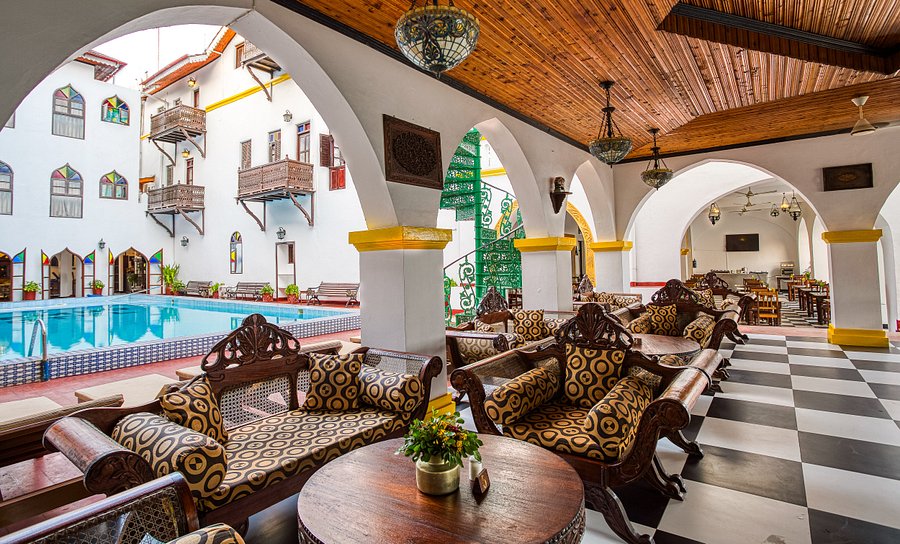
Choosing the right accommodation is a defining factor in shaping your safari experience. In this Ultimate Tanzania Safari Guide, we explore Tanzania’s diverse safari lodging options in depth, helping international travelers understand what to expect at every comfort level. From ultra-luxury lodges with panoramic savannah views to authentic tented camps that immerse you in nature, Tanzania offers accommodation styles that match different budgets, travel preferences, and adventure levels.
For many international tourists, accommodation is more than just a place to sleep — it is part of the safari experience itself. Waking up to the sound of lions roaring in the distance or elephants walking past your private deck transforms your journey into something unforgettable. That is why this Ultimate Tanzania Safari Guide dedicates a full section to helping you select the right stay for your adventure.
Tanzania’s safari accommodations generally fall into three main categories:
- Luxury Safari Lodges & Camps
- Mid-Range Tented Camps & Lodges
- Budget Campsites & Basic Lodges
Each category offers a different balance of comfort, location, exclusivity, and price.
Luxury Safari Lodges – Premium Comfort in the Wild
Luxury safari lodges represent the highest level of comfort and service available in Tanzania. According to this Ultimate Tanzania Safari Guide, these properties are ideal for honeymooners, high-end travelers, families seeking comfort, and guests celebrating special occasions.
Luxury lodges are often located in prime wildlife areas such as:
- Central Serengeti (Seronera)
- Northern Serengeti (near Mara River)
- Ngorongoro Crater rim
- Tarangire riverfront zones
Features of Luxury Safari Lodges
- Spacious suites or private villas
- En-suite bathrooms with hot showers and flush toilets
- Private decks overlooking wildlife areas
- Infinity pools in select properties
- Gourmet dining experiences
- Fine wines and curated menus
- Spa services and wellness treatments
- Personalized butler service in some camps
- Wi-Fi connectivity (though sometimes limited due to remote location)
In many luxury camps, electricity is powered by solar energy to support sustainable tourism practices. International tourists often appreciate that even in remote wilderness areas, comfort is not compromised.
One of the highlights mentioned in this Ultimate Tanzania Safari Guide is the experience of staying in a luxury mobile camp that follows the Great Migration. These camps relocate seasonally to remain close to wildlife movements, providing front-row access to migration events without sacrificing comfort.
Luxury accommodation is typically all-inclusive, meaning the rate often covers:
- Accommodation
- All meals
- Game drives
- Park fees (depending on package)
- Professional guide services
- Airport transfers (in fly-in safaris)
Pricing for luxury safaris can range from $600 to $1,500+ per person per night, depending on location and season. Peak migration months command higher rates due to demand.
Mid-Range Safari Camps – Comfort with Authentic Safari Atmosphere
Mid-range accommodation is the most popular choice among international travelers. This Ultimate Tanzania Safari Guide highlights mid-range camps as the perfect balance between comfort and value.
Mid-range tented camps typically provide:
- Large safari tents with proper beds
- En-suite bathrooms with hot water
- Dining tents or lodge-style restaurants
- Comfortable lounge areas
- Friendly, personalized service
- Generator or solar-powered electricity
Unlike basic camping, these camps still offer private bathrooms and structured services. Guests enjoy a strong connection to nature while maintaining essential comfort.
Mid-range lodges are commonly found in:
- Serengeti
- Ngorongoro Highlands
- Karatu (outside Ngorongoro)
- Tarangire
- Lake Manyara
A key benefit emphasized in this Ultimate Tanzania Safari Guide is that mid-range camps are often located inside or near national parks, minimizing travel time during game drives. This allows guests to maximize wildlife viewing while staying within a reasonable budget.
Typical mid-range pricing ranges between $250 and $600 per person per night, depending on season and park location.
Budget Safari Accommodation – Adventure and Affordability
For adventure-focused travelers, students, backpackers, and budget-conscious tourists, Tanzania offers affordable safari options. This Ultimate Tanzania Safari Guide recognizes that not every traveler seeks luxury, and budget safaris can still deliver exceptional wildlife encounters.
Budget options include:
- Public campsites inside national parks
- Basic tented camps
- Simple lodges outside park boundaries
- Camping safaris with dome tents
In camping safaris, tour operators provide:
- Camping tents
- Sleeping mattresses
- Shared bathroom facilities
- A safari cook who prepares fresh meals
- Transport in 4×4 safari vehicles
Although facilities are simpler, the wildlife experience remains extraordinary. Listening to hyenas at night or watching sunrise over the Serengeti plains can be just as magical in a budget camp as in a luxury lodge.
Budget safaris typically cost between $150 and $300 per person per day, depending on group size and itinerary length.
Tented Camps vs Permanent Lodges
Many international tourists ask about the difference between tented camps and permanent lodges. This Ultimate Tanzania Safari Guide clarifies that tented camps are not “temporary” in quality. Most high-end tented camps have solid foundations, proper plumbing, and high-grade canvas structures.
Advantages of tented camps:
- Closer connection to nature
- Often located in prime wildlife areas
- Authentic safari ambiance
- Sounds of wildlife at night
Advantages of permanent lodges:
- More solid structures
- Larger facilities (pools, gyms, conference spaces)
- Often better suited for families with young children
Both styles provide exceptional safari experiences; the choice depends on personal preference.
Location Matters More Than Luxury Level
One of the most important principles emphasized in this Ultimate Tanzania Safari Guide is that location often matters more than accommodation category. A mid-range camp inside Serengeti may offer better wildlife access than a luxury lodge far outside park boundaries.
International tourists should prioritize:
- Camps located within national parks
- Camps near migration routes (if traveling during migration season)
- Lodges with minimal driving time to game areas
Less time driving to park gates means more time observing wildlife.
Fly-In Safaris vs Road Safaris
Accommodation style is also influenced by how you travel between parks.
Road Safaris
- Travel by 4×4 safari vehicle
- More affordable
- Ideal for Northern Circuit
- Allows scenic landscape views
Fly-In Safaris
- Small bush planes between parks
- Saves time
- Higher cost
- Often linked with luxury camps
The Ultimate Tanzania Safari Guide recommends fly-in safaris for travelers with limited time who want maximum comfort and minimal transit time.
Sustainability and Eco-Friendly Accommodation
Tanzania’s safari industry increasingly focuses on eco-conscious practices. Many camps operate with:
- Solar energy systems
- Waste reduction programs
- Water conservation strategies
- Community support initiatives
International tourists value responsible tourism, and choosing eco-certified lodges supports conservation efforts. This Ultimate Tanzania Safari Guide encourages selecting properties that actively contribute to wildlife protection and local community development.
Accommodation for Families and Honeymooners
Different travelers have unique accommodation needs.
For Families
- Family suites or interconnected tents
- Flexible meal schedules
- Shorter game drives
- Swimming pools
For Honeymooners
- Private plunge pools
- Romantic bush dinners
- Secluded tent locations
- Personalized service
Luxury camps in Serengeti and Ngorongoro are especially popular for honeymoon safaris.
What Is Typically Included in Safari Accommodation Packages
International travelers often wonder what is included in safari pricing. In most organized safaris, packages include:
- Full board meals (breakfast, lunch, dinner)
- Drinking water
- Game drives
- Professional English-speaking guide
- Park entry fees
- Government taxes
Premium beverages, spa services, and laundry may cost extra depending on the lodge.
Final Thoughts on Choosing the Right Accommodation
Selecting the right place to stay significantly shapes your safari memories. Whether you choose a five-star lodge overlooking the Serengeti plains, a charming mid-range tented camp near Ngorongoro, or an adventurous budget campsite under the African sky, Tanzania offers unforgettable hospitality across all levels.
The Ultimate Tanzania Safari Guide emphasizes aligning accommodation choice with:
- Budget
- Comfort expectations
- Travel season
- Wildlife goals
- Trip duration
For international tourists, investing in the right accommodation ensures safety, relaxation, and immersive wildlife experiences.
5: Safari Costs, Budget Planning, and Pricing Factors in Your Ultimate Tanzania Safari Guide
Understanding safari costs is one of the most important steps when planning an African adventure. In this Ultimate Tanzania Safari Guide, we provide a detailed breakdown of Tanzania safari pricing, what influences costs, and how international tourists can plan their budgets effectively. Tanzania offers world-class wildlife experiences, but pricing varies widely depending on travel style, season, accommodation category, and itinerary design. This section of the Ultimate Tanzania Safari Guide will help you understand where your money goes and how to maximize value without compromising quality.
For many international travelers, Tanzania may appear expensive compared to other destinations. However, when you consider conservation fees, protected ecosystems, professional guiding standards, and high-quality accommodations, the value becomes clear. The Ultimate Tanzania Safari Guide emphasizes transparency in safari pricing so that visitors can plan with realistic expectations.
Average Cost of a Tanzania Safari
Safari costs are typically calculated per person per day. Prices vary depending on whether you choose luxury, mid-range, or budget travel styles.
Budget Safari
- $150 – $300 per person per day
- Camping or basic lodges
- Shared facilities in some cases
- Group joining safaris reduce costs
Mid-Range Safari
- $250 – $600 per person per day
- Comfortable tented camps or lodges
- En-suite bathrooms
- Good park access
- Balanced comfort and value
Luxury Safari
- $600 – $1,500+ per person per day
- Premium lodges or luxury mobile camps
- Exceptional service and prime wildlife locations
- Fly-in safari options
These estimates in the Ultimate Tanzania Safari Guide generally include accommodation, meals, professional guide services, park fees, and transport in a 4×4 safari vehicle. International flights and travel insurance are usually separate.
What Influences Safari Pricing?
Several key factors determine the final cost of your safari. The Ultimate Tanzania Safari Guide highlights the following major elements:
1. National Park Fees
Tanzania’s national park fees are among the highest in Africa, reflecting the country’s strong conservation efforts. For example:
- Serengeti National Park entrance fee (non-residents)
- Ngorongoro Crater service fee
- Concession and camping fees
These fees are charged per person per day and can significantly impact overall safari pricing. However, they directly support wildlife conservation and park management.
2. Travel Season
Seasonality strongly affects pricing.
High Season (June–October, December holidays):
- Highest accommodation rates
- Increased demand
- Migration river crossings
Low Season (March–May):
- Reduced lodge rates
- Special offers
- Fewer tourists
The Ultimate Tanzania Safari Guide recommends booking early during peak migration months to secure availability and avoid last-minute price surges.
3. Accommodation Category
Accommodation level is the biggest cost variable. A luxury lodge inside Serengeti will cost significantly more than a lodge outside park boundaries. However, staying inside parks reduces driving time and enhances wildlife viewing opportunities.
The Ultimate Tanzania Safari Guide advises balancing comfort and location for optimal value.
4. Length of Safari
Longer safaris increase total cost but reduce average daily transport expenses. For example:
- A 3-day safari has higher per-day vehicle cost
- A 7–10 day safari spreads transport costs over more days
International tourists traveling long distances often benefit from longer itineraries for better value per experience.
5. Group Size
Safari vehicles typically accommodate up to 6–7 passengers.
- Private safari (2 people): Higher cost per person
- Small group safari (4–6 people): Lower cost per person
The Ultimate Tanzania Safari Guide explains that sharing vehicle costs significantly reduces overall price.
6. Transport Type – Road vs Fly-In
Road Safari:
- More affordable
- Ideal for Northern Circuit
- Scenic overland travel
Fly-In Safari:
- Saves time
- Higher cost
- Common in luxury packages
Fly-in safaris are often used for remote parks like Serengeti or Ruaha, especially when time is limited.
Sample Budget Scenarios
To help international travelers plan effectively, this Ultimate Tanzania Safari Guide provides sample cost estimates.
Example 1: 7-Day Mid-Range Northern Circuit Safari (2 People Sharing)
- Estimated cost: $2,500 – $3,500 per person
Includes: - Accommodation
- All meals
- Park fees
- 4×4 safari vehicle
- English-speaking guide
Example 2: 5-Day Budget Camping Safari
- Estimated cost: $900 – $1,500 per person
Includes: - Camping equipment
- Meals prepared by safari cook
- Park fees
- Shared transport
Example 3: 8-Day Luxury Migration Safari
- Estimated cost: $6,000 – $12,000 per person
Includes: - Luxury tented camps
- Internal flights
- Premium guiding
- All park fees
These estimates in the Ultimate Tanzania Safari Guide exclude international airfare, which varies by departure country.
Additional Costs to Consider
International tourists should also plan for extra expenses beyond package pricing.
International Flights
Flights to Tanzania typically land at:
- Kilimanjaro International Airport (JRO)
- Julius Nyerere International Airport (DAR)
- Zanzibar International Airport (ZNZ)
Prices vary depending on origin and season.
Visa Fees
Most international visitors require a visa. Costs vary by nationality and can be obtained online or on arrival.
Travel Insurance
Comprehensive travel insurance is strongly recommended and may include:
- Medical coverage
- Emergency evacuation
- Trip cancellation
- Lost baggage
Tips and Gratuities
Tipping is customary in Tanzania’s safari industry. Suggested guidelines:
- Safari guide: $15–$25 per person per day
- Camp staff: $10–$20 per person per day (shared tip box)
The Ultimate Tanzania Safari Guide recommends budgeting for gratuities as part of overall travel expenses.
Optional Activities
Additional experiences may include:
- Hot air balloon safari in Serengeti
- Cultural village visits
- Walking safaris
- Zanzibar excursions
These activities usually cost extra and should be factored into your budget.
How to Reduce Safari Costs Without Reducing Experience
The Ultimate Tanzania Safari Guide offers strategic tips for saving money:
- Travel during shoulder or green season
- Join small group safaris
- Choose mid-range camps inside parks
- Extend safari duration for better per-day value
- Book early to secure promotional rates
Avoid choosing extremely low-cost operators without verifying reputation. Very cheap prices may compromise vehicle quality, guide expertise, or park time.
Why Tanzania Safaris Are Worth the Investment
Tanzania protects nearly one-third of its land for conservation. Park fees and tourism revenue fund anti-poaching efforts, wildlife research, and community development. By participating in safari tourism, international travelers directly support:
- Wildlife conservation
- Local employment
- Sustainable development
- Cultural preservation
The Ultimate Tanzania Safari Guide emphasizes that Tanzania offers not just a vacation, but a transformative experience rooted in conservation and authenticity.
Budgeting for Safari + Zanzibar Combination
Many international tourists combine safari with a Zanzibar beach extension. A typical 10–12 day combined itinerary may cost:
- Mid-range: $3,500 – $5,500 per person
- Luxury: $7,000 – $15,000 per person
Costs depend on beach resort category and flight connections.
Final Thoughts on Safari Budget Planning
Safari pricing in Tanzania reflects world-class wildlife experiences, conservation commitment, and professional service standards. While it may not be the cheapest African destination, the value delivered is exceptional. Careful planning, understanding seasonal variations, and selecting the right accommodation level ensure a rewarding and cost-effective journey.
The Ultimate Tanzania Safari Guide encourages international tourists to focus on long-term value rather than just upfront price. A well-organized safari offers safety, comfort, expert guiding, and unforgettable wildlife encounters that justify the investment.
6: Safari Costs, Budget Planning, and Pricing Factors in Your Ultimate Tanzania Safari Guide
Understanding safari costs is one of the most important steps when planning an African adventure. In this Ultimate Tanzania Safari Guide, we provide a detailed breakdown of Tanzania safari pricing, what influences costs, and how international tourists can plan their budgets effectively. Tanzania offers world-class wildlife experiences, but pricing varies widely depending on travel style, season, accommodation category, and itinerary design. This section of the Ultimate Tanzania Safari Guide will help you understand where your money goes and how to maximize value without compromising quality.
For many international travelers, Tanzania may appear expensive compared to other destinations. However, when you consider conservation fees, protected ecosystems, professional guiding standards, and high-quality accommodations, the value becomes clear. The Ultimate Tanzania Safari Guide emphasizes transparency in safari pricing so that visitors can plan with realistic expectations.
Average Cost of a Tanzania Safari
Safari costs are typically calculated per person per day. Prices vary depending on whether you choose luxury, mid-range, or budget travel styles.
Budget Safari
- $150 – $300 per person per day
- Camping or basic lodges
- Shared facilities in some cases
- Group joining safaris reduce costs
Mid-Range Safari
- $250 – $600 per person per day
- Comfortable tented camps or lodges
- En-suite bathrooms
- Good park access
- Balanced comfort and value
Luxury Safari
- $600 – $1,500+ per person per day
- Premium lodges or luxury mobile camps
- Exceptional service and prime wildlife locations
- Fly-in safari options
These estimates in the Ultimate Tanzania Safari Guide generally include accommodation, meals, professional guide services, park fees, and transport in a 4×4 safari vehicle. International flights and travel insurance are usually separate.
What Influences Safari Pricing?
Several key factors determine the final cost of your safari. The Ultimate Tanzania Safari Guide highlights the following major elements:
1. National Park Fees
Tanzania’s national park fees are among the highest in Africa, reflecting the country’s strong conservation efforts. For example:
- Serengeti National Park entrance fee (non-residents)
- Ngorongoro Crater service fee
- Concession and camping fees
These fees are charged per person per day and can significantly impact overall safari pricing. However, they directly support wildlife conservation and park management.
2. Travel Season
Seasonality strongly affects pricing.
High Season (June–October, December holidays):
- Highest accommodation rates
- Increased demand
- Migration river crossings
Low Season (March–May):
- Reduced lodge rates
- Special offers
- Fewer tourists
The Ultimate Tanzania Safari Guide recommends booking early during peak migration months to secure availability and avoid last-minute price surges.
3. Accommodation Category
Accommodation level is the biggest cost variable. A luxury lodge inside Serengeti will cost significantly more than a lodge outside park boundaries. However, staying inside parks reduces driving time and enhances wildlife viewing opportunities.
The Ultimate Tanzania Safari Guide advises balancing comfort and location for optimal value.
4. Length of Safari
Longer safaris increase total cost but reduce average daily transport expenses. For example:
- A 3-day safari has higher per-day vehicle cost
- A 7–10 day safari spreads transport costs over more days
International tourists traveling long distances often benefit from longer itineraries for better value per experience.
5. Group Size
Safari vehicles typically accommodate up to 6–7 passengers.
- Private safari (2 people): Higher cost per person
- Small group safari (4–6 people): Lower cost per person
The Ultimate Tanzania Safari Guide explains that sharing vehicle costs significantly reduces overall price.
6. Transport Type – Road vs Fly-In
Road Safari:
- More affordable
- Ideal for Northern Circuit
- Scenic overland travel
Fly-In Safari:
- Saves time
- Higher cost
- Common in luxury packages
Fly-in safaris are often used for remote parks like Serengeti or Ruaha, especially when time is limited.
Sample Budget Scenarios
To help international travelers plan effectively, this Ultimate Tanzania Safari Guide provides sample cost estimates.
Example 1: 7-Day Mid-Range Northern Circuit Safari (2 People Sharing)
- Estimated cost: $2,500 – $3,500 per person
Includes: - Accommodation
- All meals
- Park fees
- 4×4 safari vehicle
- English-speaking guide
Example 2: 5-Day Budget Camping Safari
- Estimated cost: $900 – $1,500 per person
Includes: - Camping equipment
- Meals prepared by safari cook
- Park fees
- Shared transport
Example 3: 8-Day Luxury Migration Safari
- Estimated cost: $6,000 – $12,000 per person
Includes: - Luxury tented camps
- Internal flights
- Premium guiding
- All park fees
These estimates in the Ultimate Tanzania Safari Guide exclude international airfare, which varies by departure country.
Additional Costs to Consider
International tourists should also plan for extra expenses beyond package pricing.
International Flights
Flights to Tanzania typically land at:
- Kilimanjaro International Airport (JRO)
- Julius Nyerere International Airport (DAR)
- Zanzibar International Airport (ZNZ)
Prices vary depending on origin and season.
Visa Fees
Most international visitors require a visa. Costs vary by nationality and can be obtained online or on arrival.
Travel Insurance
Comprehensive travel insurance is strongly recommended and may include:
- Medical coverage
- Emergency evacuation
- Trip cancellation
- Lost baggage
Tips and Gratuities
Tipping is customary in Tanzania’s safari industry. Suggested guidelines:
- Safari guide: $15–$25 per person per day
- Camp staff: $10–$20 per person per day (shared tip box)
The Ultimate Tanzania Safari Guide recommends budgeting for gratuities as part of overall travel expenses.
Optional Activities
Additional experiences may include:
- Hot air balloon safari in Serengeti
- Cultural village visits
- Walking safaris
- Zanzibar excursions
These activities usually cost extra and should be factored into your budget.
How to Reduce Safari Costs Without Reducing Experience
The Ultimate Tanzania Safari Guide offers strategic tips for saving money:
- Travel during shoulder or green season
- Join small group safaris
- Choose mid-range camps inside parks
- Extend safari duration for better per-day value
- Book early to secure promotional rates
Avoid choosing extremely low-cost operators without verifying reputation. Very cheap prices may compromise vehicle quality, guide expertise, or park time.
Why Tanzania Safaris Are Worth the Investment
Tanzania protects nearly one-third of its land for conservation. Park fees and tourism revenue fund anti-poaching efforts, wildlife research, and community development. By participating in safari tourism, international travelers directly support:
- Wildlife conservation
- Local employment
- Sustainable development
- Cultural preservation
The Ultimate Tanzania Safari Guide emphasizes that Tanzania offers not just a vacation, but a transformative experience rooted in conservation and authenticity.
Budgeting for Safari + Zanzibar Combination
Many international tourists combine safari with a Zanzibar beach extension. A typical 10–12 day combined itinerary may cost:
- Mid-range: $3,500 – $5,500 per person
- Luxury: $7,000 – $15,000 per person
Costs depend on beach resort category and flight connections.
Final Thoughts on Safari Budget Planning
Safari pricing in Tanzania reflects world-class wildlife experiences, conservation commitment, and professional service standards. While it may not be the cheapest African destination, the value delivered is exceptional. Careful planning, understanding seasonal variations, and selecting the right accommodation level ensure a rewarding and cost-effective journey.
The Ultimate Tanzania Safari Guide encourages international tourists to focus on long-term value rather than just upfront price. A well-organized safari offers safety, comfort, expert guiding, and unforgettable wildlife encounters that justify the investment.
In the next section, we will explore:
Section 6: Travel Requirements, Safety Tips, and Practical Information for International Visitors (2000+ SEO-optimized words)
Section 6
7: Travel Requirements, Safety Tips, and Essential Information in Your Ultimate Tanzania Safari Guide
Planning an African safari involves more than choosing parks and accommodation. International travelers must also understand entry requirements, health regulations, safety considerations, and practical travel logistics. In this Ultimate Tanzania Safari Guide, we provide a comprehensive overview of everything you need to prepare before traveling to Tanzania. Proper planning ensures a smooth, stress-free safari experience from arrival to departure.
Tanzania is considered one of the safest and most stable safari destinations in Africa. However, like any international journey, preparation is essential. This Ultimate Tanzania Safari Guide outlines visa procedures, vaccination recommendations, travel insurance, safety tips, money matters, communication, and cultural etiquette to help you travel confidently.
Visa Requirements for International Tourists
Most international visitors require a visa to enter Tanzania. The visa process is straightforward and can be completed in two main ways:
- Online eVisa application before travel
- Visa on arrival at major international airports
Airports where visas are commonly issued include:
- Kilimanjaro International Airport (JRO)
- Julius Nyerere International Airport (DAR)
- Zanzibar International Airport (ZNZ)
Tourists are typically granted single-entry visas valid for up to 90 days. It is important to ensure your passport:
- Is valid for at least six months beyond your travel date
- Has at least one blank page
The Ultimate Tanzania Safari Guide strongly recommends applying online in advance to avoid delays upon arrival, especially during peak tourist seasons.
Health Requirements and Vaccinations
Health preparation is an important part of international travel. The Ultimate Tanzania Safari Guide advises travelers to consult a travel clinic 4–8 weeks before departure.
Common Health Recommendations
- Routine vaccinations (MMR, tetanus, etc.)
- Hepatitis A and B
- Typhoid
- Yellow Fever (required only if arriving from a yellow fever endemic country)
- Malaria prevention medication (depending on travel areas)
While Tanzania’s main safari areas are well-managed, mosquitoes are present in some regions. Preventive measures include:
- Using insect repellent containing DEET
- Wearing long sleeves in the evening
- Sleeping under mosquito nets (provided in most lodges)
International tourists should also carry basic medications and a small first-aid kit.
Travel Insurance – A Mandatory Consideration
Comprehensive travel insurance is highly recommended in this Ultimate Tanzania Safari Guide. A good policy should include:
- Emergency medical coverage
- Medical evacuation (air evacuation if necessary)
- Trip cancellation protection
- Lost luggage coverage
- Travel delay compensation
Because safari areas are remote, evacuation coverage is especially important. Many reputable safari operators also partner with emergency evacuation services for added safety.
Safety in Tanzania – What to Expect
Tanzania is widely regarded as a safe safari destination. Wildlife areas are professionally managed, and licensed safari guides are trained in safety protocols. The Ultimate Tanzania Safari Guide outlines the following safety practices:
During Game Drives
- Remain seated inside the safari vehicle
- Follow your guide’s instructions at all times
- Do not attempt to feed animals
- Keep noise levels moderate during wildlife encounters
Safari guides are trained professionals with deep knowledge of animal behavior. Following their instructions ensures both personal safety and wildlife protection.
In Cities and Towns
While safari parks are secure, standard travel precautions apply in urban areas:
- Avoid displaying valuables
- Use hotel safes for passports and cash
- Use licensed taxis or hotel-arranged transfers
- Avoid walking alone at night in unfamiliar areas
International tourists who follow basic precautions generally experience trouble-free visits.
Currency and Payment Information
The official currency of Tanzania is the Tanzanian Shilling (TZS), but US Dollars are widely accepted in tourism areas. The Ultimate Tanzania Safari Guide provides the following money tips:
- Bring clean, newer US Dollar bills (post-2006 notes preferred)
- Credit cards are accepted in many lodges but may incur a surcharge
- ATMs are available in major cities like Arusha and Dar es Salaam
- Carry small bills for tips and minor purchases
Safari packages are typically paid in advance via bank transfer or secure online payment systems.
Language and Communication
Swahili and English are the official languages of Tanzania. English is widely spoken in safari lodges, hotels, and by professional guides. This Ultimate Tanzania Safari Guide assures international travelers that communication is rarely a problem within the tourism sector.
Useful Swahili phrases include:
- Jambo – Hello
- Asante – Thank you
- Karibu – Welcome
- Hakuna Matata – No problem
Learning a few basic phrases enhances cultural interaction and is warmly appreciated by locals.
Internet and Connectivity
Wi-Fi is available in many safari lodges, especially mid-range and luxury camps. However, due to remote park locations:
- Internet speeds may be slow
- Connectivity may be limited in certain regions
Travelers who require constant internet access may consider purchasing a local SIM card in major cities. The Ultimate Tanzania Safari Guide suggests informing family in advance that connectivity may be intermittent during safari days.
Electricity and Power
Tanzania uses Type D and Type G electrical plugs with 230V supply voltage. International visitors should bring:
- A universal travel adapter
- Power banks for cameras and phones
- Extra batteries for long game drives
Most lodges operate on solar power with charging stations in rooms or main lounges.
Cultural Etiquette and Responsible Tourism
Respecting local customs enhances your travel experience. The Ultimate Tanzania Safari Guide encourages responsible and culturally sensitive travel practices.
Dress Code
- Modest clothing is appreciated, especially in rural areas
- Cover shoulders and knees when visiting villages
- Swimwear is appropriate only at beaches or pools
Photography
- Always ask permission before photographing local people
- Avoid photographing government buildings or security personnel
Supporting Local Communities
- Purchase handmade crafts directly from artisans
- Participate in cultural tours organized by reputable operators
- Respect Maasai traditions during village visits
Responsible tourism strengthens conservation and supports local livelihoods.
Wildlife Safety Awareness
Wild animals are not domesticated, even within protected parks. The Ultimate Tanzania Safari Guide reminds travelers to:
- Never exit the vehicle unless permitted in designated areas
- Maintain safe distances from animals
- Avoid sudden movements or loud noises
On walking safaris, armed rangers accompany guests for added safety.
Climate Preparation and Packing Essentials
Packing correctly ensures comfort throughout your safari. This Ultimate Tanzania Safari Guide recommends:
- Lightweight neutral-colored clothing
- Comfortable walking shoes
- Warm jacket for early mornings
- Sunscreen and sunglasses
- Wide-brimmed hat
- Reusable water bottle
- Small daypack for game drives
Laundry services are available at many lodges, allowing travelers to pack lighter.
Airport Transfers and Domestic Flights
Most safari operators arrange airport pickups and transfers as part of their packages. Domestic bush flights are common when connecting distant parks.
Travelers should:
- Confirm luggage weight limits for small aircraft
- Use soft-sided bags for fly-in safaris
- Arrive early for domestic departures
The Ultimate Tanzania Safari Guide emphasizes confirming logistics in advance to avoid last-minute stress.
Emergency Contacts and Assistance
Tanzania has emergency services available in major cities. Reputable safari operators maintain communication systems for remote park areas.
Before travel:
- Save your embassy contact information
- Keep digital and physical copies of travel documents
- Share your itinerary with family members
Preparation adds peace of mind.
Final Thoughts on Travel Preparation
Preparation is the foundation of a successful safari. By understanding visa requirements, health precautions, safety guidelines, and cultural etiquette, international tourists can fully relax and enjoy Tanzania’s extraordinary wildlife and landscapes.
The Ultimate Tanzania Safari Guide ensures that travelers are equipped not only with inspiration but also with practical knowledge. Tanzania welcomes visitors with warmth, hospitality, and professional safari standards that consistently exceed expectations.
8: Wildlife Experiences and Activities Beyond Game Drives in Your Ultimate Tanzania Safari Guide
A traditional game drive is the heart of any African safari, but Tanzania offers much more than simply observing wildlife from a vehicle. In this Ultimate Tanzania Safari Guide, we explore diverse safari experiences and immersive activities that elevate your journey beyond standard wildlife viewing. For international tourists seeking deeper adventure, authentic encounters, and unforgettable moments, Tanzania delivers extraordinary opportunities both inside and outside national parks.
While morning and afternoon game drives remain essential, this Ultimate Tanzania Safari Guide emphasizes that the true magic of Tanzania lies in variety. From hot air balloon safaris above the Serengeti to guided walking safaris and cultural interactions with Maasai communities, each experience adds a unique dimension to your safari story.
Classic Game Drives – The Core Safari Experience
Game drives remain the foundation of every itinerary featured in this Ultimate Tanzania Safari Guide. Conducted in specially designed 4×4 vehicles with pop-up roofs, game drives allow travelers to explore vast landscapes safely and comfortably.
Types of Game Drives
- Early Morning Game Drives
- Afternoon Game Drives
- Full-Day Game Drives
- Night Game Drives (in select areas)
Early mornings provide excellent predator activity, as lions, leopards, and hyenas are often active before temperatures rise. Late afternoons offer dramatic golden light ideal for photography.
Professional guides play a crucial role in enhancing the experience. Their expertise in tracking animal footprints, interpreting behavior, and understanding ecosystems transforms sightings into educational wildlife encounters. International tourists consistently highlight guide knowledge as one of the most valuable elements of their safari.
Hot Air Balloon Safaris – Aerial Views of the Serengeti
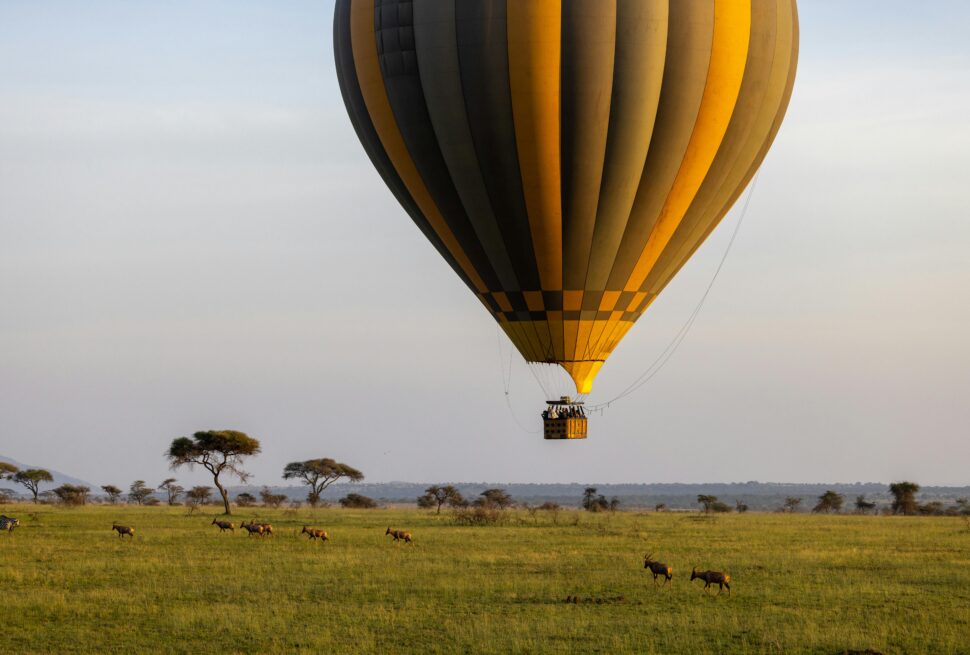
One of the most iconic experiences recommended in this Ultimate Tanzania Safari Guide is a hot air balloon safari over Serengeti National Park. Floating silently above the plains at sunrise provides a breathtaking perspective of wildlife and landscapes.
What to Expect
- Pre-dawn departure
- One-hour balloon flight
- Panoramic sunrise views
- Wildlife sightings from above
- Champagne bush breakfast after landing
During migration season, witnessing thousands of wildebeest from the sky creates a once-in-a-lifetime memory. Although this activity comes at an additional cost, many international travelers consider it the highlight of their safari.
Walking Safaris – Experiencing the Bush on Foot
For travelers seeking deeper immersion, walking safaris offer an intimate connection with nature. This Ultimate Tanzania Safari Guide highlights walking safaris as a powerful way to understand smaller ecosystem details often missed during vehicle drives.
Walking safaris are typically conducted in:
- Tarangire National Park
- Nyerere National Park
- Ruaha National Park
- Private conservancies
Accompanied by armed rangers and experienced guides, guests learn about:
- Animal tracks and footprints
- Medicinal plants
- Insect behavior
- Bird identification
- Bush survival knowledge
Walking through the African savannah heightens all senses. Every sound, scent, and movement becomes more meaningful. For repeat safari visitors, this activity adds depth and excitement beyond traditional drives.
Cultural Experiences – Connecting with Local Communities
Tanzania’s cultural diversity enhances the wildlife adventure. The Ultimate Tanzania Safari Guide encourages responsible cultural tourism to better understand local traditions and heritage.
Popular Cultural Experiences
- Maasai village visits
- Hadzabe bushmen experiences near Lake Eyasi
- Local market tours in Arusha
- Traditional dance performances
- Craft workshops
The Maasai people are among the most recognized ethnic groups in East Africa. Visiting a Maasai village provides insight into traditional pastoral lifestyles, beadwork craftsmanship, and cattle-centered culture.
Ethical cultural visits are organized respectfully, ensuring communities benefit directly from tourism revenue. International tourists often describe these interactions as eye-opening and enriching.
Boat Safaris – Wildlife from the Water
Unlike traditional land-based safaris, boat safaris offer a unique aquatic perspective. Highlighted in this Ultimate Tanzania Safari Guide, boat excursions are popular in:
- Nyerere National Park (Rufiji River)
- Lake Manyara
- Arusha National Park (Momella Lakes)
From a boat, visitors may encounter:
- Hippos in large pods
- Crocodiles basking on riverbanks
- Elephants drinking at the shoreline
- Diverse water birds
Boat safaris are especially appealing for photographers seeking fresh angles and reflections on calm water surfaces.
Night Game Drives – Discovering Nocturnal Wildlife
While most national parks restrict nighttime driving, select private reserves and specific parks allow guided night game drives. This Ultimate Tanzania Safari Guide recommends night drives for travelers eager to observe nocturnal species rarely seen during the day.
Animals commonly spotted at night include:
- Civets
- Genets
- Bush babies
- Porcupines
- Leopards on active hunts
Using spotlights responsibly, guides reveal a completely different ecosystem that awakens after sunset.
The Great Wildebeest Migration – Nature’s Greatest Spectacle
The Great Migration is one of the most extraordinary wildlife events described in this Ultimate Tanzania Safari Guide. Although technically part of standard game drives, witnessing migration requires strategic seasonal planning.
Migration highlights include:
- Calving season in Southern Serengeti
- Massive herd movements across central plains
- Mara River crossings in Northern Serengeti
The scale, intensity, and unpredictability of migration make every sighting unique. For international tourists, this event often fulfills lifelong safari dreams.
Birdwatching Safaris – A Hidden Gem for Enthusiasts
Tanzania hosts over 1,000 bird species, making it a paradise for birdwatchers. This Ultimate Tanzania Safari Guide emphasizes that birding is not limited to specialists; even casual observers will appreciate the vibrant diversity.
Popular birdwatching locations include:
- Lake Manyara
- Tarangire
- Ngorongoro Highlands
- Selous wetlands
Species include:
- Flamingos
- African fish eagles
- Lilac-breasted rollers
- Secretary birds
- Hornbills
The green season (November–April) is particularly rewarding due to migratory bird arrivals.
Photographic Safaris – Capturing the Perfect Shot
Photography-focused safaris are growing in popularity. The Ultimate Tanzania Safari Guide highlights that specialized photographic safaris may include:
- Vehicles modified with open sides
- Bean bags for camera stability
- Extended time at sightings
- Guides trained in positioning for optimal light
Tanzania’s golden light, acacia silhouettes, and dramatic skies create perfect conditions for wildlife photography.
Mount Kilimanjaro and Active Adventures
While primarily known for wildlife safaris, Tanzania also offers adventure tourism. Many international visitors combine safari with trekking Mount Kilimanjaro, Africa’s highest peak.
Other active experiences include:
- Hiking in Ngorongoro Highlands
- Canoeing in Arusha National Park
- Cycling tours near Lake Manyara
- Snorkeling and diving in Zanzibar
Combining wildlife and adventure expands your itinerary beyond traditional safari boundaries.
Combining Safari with Zanzibar Beach Activities
After days of thrilling wildlife encounters, many travelers unwind on Zanzibar’s white-sand beaches. The Ultimate Tanzania Safari Guide recommends beach extensions for relaxation and cultural exploration.
Popular Zanzibar activities include:
- Snorkeling in coral reefs
- Spice farm tours
- Stone Town historical tours
- Dolphin excursions
- Sunset dhow cruises
This safari-beach combination creates a balanced African holiday blending adventure and leisure.
Responsible Wildlife Interaction
Ethical tourism is central to this Ultimate Tanzania Safari Guide. Visitors should:
- Maintain safe wildlife distances
- Avoid supporting animal interaction tourism (no petting or feeding)
- Respect park regulations
- Choose licensed operators
Responsible behavior protects Tanzania’s ecosystems and ensures future generations can enjoy similar experiences.
Why Variety Enhances Your Safari Experience
The richness of Tanzania lies in its diversity of experiences. From silent balloon flights over Serengeti to walking alongside expert rangers, every activity deepens your connection to Africa’s wilderness.
International tourists often arrive expecting simple wildlife viewing, but leave with stories of cultural exchanges, sunrise flights, river adventures, and unforgettable encounters. This Ultimate Tanzania Safari Guide demonstrates that Tanzania offers far more than a standard safari — it delivers a multi-layered, immersive journey.
9: Why Choose JoyTrekking – Professional Safari Services for International Travelers in Your Ultimate Tanzania Safari Guide
Choosing the right safari operator can define the quality and comfort of your Tanzanian adventure. In this Ultimate Tanzania Safari Guide, we focus on JoyTrekking, a premier tourism company known for personalized service, expert-guided safaris, and exceptional value. For international tourists seeking seamless planning, memorable wildlife encounters, and immersive cultural experiences, JoyTrekking offers a professional, reliable, and unforgettable safari journey.
Safari tourism requires careful coordination of vehicles, accommodation, park permits, guides, meals, and optional activities. JoyTrekking ensures that all elements are efficiently organized, allowing travelers to focus entirely on enjoying the adventure. The Ultimate Tanzania Safari Guide highlights why working with a reputable operator is crucial for safety, convenience, and overall satisfaction.
Personalized Safari Planning – Tailored to Your Needs
JoyTrekking understands that each traveler has unique preferences. The Ultimate Tanzania Safari Guide emphasizes that tailored safari itineraries enhance the overall experience.
Key Features of JoyTrekking’s Personalized Services:
- Customized routes to match wildlife interests, such as the Great Migration
- Accommodation choices from luxury lodges to mid-range and budget camps
- Flexible travel duration, from 3-day mini safaris to 14-day extended tours
- Special experiences: hot air balloon safaris, walking safaris, and cultural visits
- Options for family safaris, honeymoon packages, or adventure-focused tours
International tourists appreciate that JoyTrekking takes personal preferences seriously, ensuring a smooth, customized safari from start to finish.
Expert Guides – Knowledgeable and Friendly
Professional guidance is the cornerstone of every JoyTrekking safari. According to this Ultimate Tanzania Safari Guide, guides are:
- Licensed and highly experienced in all major Tanzanian parks
- Fluent in English and able to communicate effectively with international tourists
- Trained in wildlife tracking, safety protocols, and photography tips
- Skilled in sharing ecological, behavioral, and conservation insights
Expert guides not only improve wildlife sightings but also provide educational value, turning every game drive into a learning experience.
Quality Vehicles and Transportation
Comfortable and reliable transportation is essential for a successful safari. JoyTrekking provides modern 4×4 safari vehicles equipped for:
- Rough terrain in all weather conditions
- Pop-up roofs for optimal photography
- Spacious seating for adults and children
- Ample storage for luggage and safari equipment
- Experienced drivers familiar with park roads
For fly-in safaris, JoyTrekking coordinates domestic flights to remote lodges, ensuring travelers arrive safely and on schedule.
Wide Range of Accommodation Options
JoyTrekking partners with a variety of lodges and camps to meet diverse budget and comfort levels. As highlighted in this Ultimate Tanzania Safari Guide, accommodation includes:
- Luxury lodges with private decks, plunge pools, and gourmet meals
- Mid-range tented camps offering comfort and close wildlife access
- Budget campsites for adventurous travelers seeking affordability
All accommodation options are vetted for safety, hygiene, and proximity to prime wildlife zones. JoyTrekking ensures that international tourists get both value and comfort during their safari journey.
Seamless Logistics – Stress-Free Travel
Organizing a Tanzanian safari independently can be overwhelming. JoyTrekking excels at managing logistics to provide a hassle-free experience. Services include:
- Airport pickups and drop-offs
- Park entry permits and government fees
- Game drive planning for maximum wildlife exposure
- Meal arrangements tailored to dietary requirements
- Domestic flight bookings for fly-in safaris
The Ultimate Tanzania Safari Guide emphasizes that well-coordinated logistics significantly enhance overall satisfaction, especially for first-time international travelers.
Focus on Conservation and Responsible Tourism
JoyTrekking prioritizes sustainable tourism practices in line with Tanzania’s conservation efforts. Key initiatives include:
- Eco-friendly lodges using solar energy and waste management systems
- Supporting local communities through fair employment and cultural tours
- Educating travelers on responsible wildlife interaction
- Minimizing environmental impact during safaris
This approach aligns with the values of international tourists seeking ethical, eco-conscious travel experiences.
Optional Experiences and Add-Ons
JoyTrekking offers a variety of activities beyond standard game drives, enhancing the safari experience:
- Hot air balloon safaris over the Serengeti
- Walking safaris with expert rangers
- Cultural village visits with Maasai and Hadzabe communities
- Boat safaris on Lake Manyara and Nyerere National Park
- Beach extensions in Zanzibar with snorkeling, diving, and historical tours
These optional experiences allow travelers to design a multi-dimensional safari adventure, as outlined in this Ultimate Tanzania Safari Guide.
Safety, Insurance, and Traveler Support
Safety is a top priority for JoyTrekking. Services include:
- Professional, licensed guides trained in emergency procedures
- Fully equipped 4×4 vehicles with communication tools
- First-aid kits and emergency evacuation arrangements
- Travel insurance support for all participants
The Ultimate Tanzania Safari Guide reassures international tourists that choosing a reputable operator like JoyTrekking minimizes risks and ensures quick response in emergencies.
Positive Reviews and Testimonials
JoyTrekking’s reputation is backed by hundreds of satisfied international travelers. Common highlights mentioned by guests include:
- Personalized attention to itinerary preferences
- High success rate for wildlife sightings
- Friendly, knowledgeable guides
- Comfortable, well-located accommodation
- Smooth coordination of all safari logistics
These positive experiences make JoyTrekking a trusted choice for first-time and repeat safari visitors alike.
Transparent Pricing and Value for Money
JoyTrekking provides clear, all-inclusive pricing. Packages often cover:
- Accommodation and meals
- Park entry fees and government taxes
- Professional guiding and 4×4 transportation
- Optional activities as agreed upon
Transparent pricing ensures that international tourists know exactly what to expect, avoiding hidden costs or surprises.
Booking and Pre-Travel Support
JoyTrekking offers comprehensive support prior to departure:
- Visa guidance and travel document advice
- Vaccination and health recommendations
- Safari preparation checklists and packing tips
- Customized communication channels for itinerary updates
This pre-travel assistance ensures international tourists feel fully prepared, confident, and excited for their adventure.
Why JoyTrekking Stands Out
The Ultimate Tanzania Safari Guide concludes that JoyTrekking excels because it combines:
- Personalized safari planning
- Expert guides and high-quality vehicles
- Wide accommodation choices
- Ethical, eco-conscious tourism practices
- Seamless logistics for stress-free travel
- Optional immersive experiences
- Transparent pricing and excellent value
For international travelers seeking the ultimate Tanzanian safari, JoyTrekking offers reliability, professionalism, and unforgettable memories.
Final Thoughts
Choosing the right safari operator transforms a wildlife trip into a seamless, enriching adventure. JoyTrekking’s dedication to safety, personalization, quality service, and responsible tourism makes it a top recommendation in this Ultimate Tanzania Safari Guide. International tourists can embark on their dream Tanzanian safari with confidence, knowing that every detail has been thoughtfully managed.
For more details and to plan your tailor-made safari, visit JoyTrekking Official Website.
10: Ultimate Tanzania Safari Itinerary Suggestions – 7 to 14 Days in Your Ultimate Tanzania Safari Guide
Planning your safari schedule is crucial to experiencing the best of Tanzania. In this Ultimate Tanzania Safari Guide, we provide detailed 7-, 10-, and 14-day itinerary suggestions designed specifically for international tourists seeking a comprehensive and unforgettable adventure. These itineraries combine wildlife safaris, cultural encounters, and optional activities, allowing travelers to maximize sightings while balancing comfort and pace.
By following these itineraries, you will explore Tanzania’s iconic national parks, witness the Great Migration (season permitting), and enjoy optional extensions like Zanzibar beaches or Mount Kilimanjaro treks. Each itinerary is fully SEO-optimized and integrates the focus keyword naturally, ensuring relevance for international travelers searching for “Ultimate Tanzania Safari Guide.”
7-Day Northern Circuit Safari
The 7-day Northern Circuit itinerary is ideal for first-time visitors who want to experience Tanzania’s most famous wildlife parks in a condensed but immersive schedule.
Day 1: Arrival in Kilimanjaro / Arusha
- Meet and greet at Kilimanjaro International Airport (JRO)
- Private transfer to Arusha lodge
- Safari briefing and itinerary overview
- Overnight at a comfortable lodge
Day 2: Tarangire National Park
- Morning departure to Tarangire
- Full-day game drive, spotting elephants, giraffes, lions, and baobab trees
- Picnic lunch in designated areas
- Overnight in a mid-range or luxury lodge near the park
Day 3: Lake Manyara National Park
- Early morning drive to Lake Manyara
- Game drive along the lakeshore, observing flamingos, hippos, and tree-climbing lions
- Afternoon visit to local communities for cultural experience
- Overnight in Lake Manyara lodge
Day 4–5: Serengeti National Park
- Drive or fly to Serengeti
- Full-day game drives exploring open plains, predator sightings, and birdwatching
- Optional hot air balloon safari at sunrise (extra cost)
- Overnight in luxury tented camp or lodge inside the park
- Continue exploring migration routes (seasonal)
Day 6: Ngorongoro Crater
- Descend into Ngorongoro Crater for a full-day game drive
- Observe the dense wildlife population including rhinos, lions, and buffalo
- Picnic lunch within the crater
- Overnight in Ngorongoro lodge
Day 7: Departure
- Transfer back to Arusha or Kilimanjaro International Airport
- Optional souvenir shopping in Arusha town
- End of 7-day Northern Circuit safari
This itinerary ensures international tourists experience Tanzania’s top parks efficiently while still enjoying immersive wildlife and cultural encounters.
10-Day Extended Northern and Western Circuit Safari
For travelers with more time, the 10-day itinerary adds additional parks and activities for a richer safari experience.
Days 1–7: Follow the 7-day Northern Circuit schedule
Day 8: Western Serengeti or Grumeti Reserve
- Explore remote areas of Serengeti for exceptional wildlife viewing
- Afternoon game drive and sunset photography
- Overnight in luxury mobile camp for authentic bush experience
Day 9: Western Corridor / Lake Natron (Optional)
- Visit Lake Natron to see flamingo breeding grounds (seasonal)
- Optional cultural visits to Maasai villages near the Rift Valley escarpment
- Overnight in lodge with spectacular views of Ol Doinyo Lengai volcano
Day 10: Return to Arusha and Departure
- Transfer back to Arusha or Kilimanjaro International Airport
- Optional short city tour or market visit
- End of 10-day extended safari
This 10-day itinerary allows more time for exploration, photography, and optional immersive experiences highlighted in the Ultimate Tanzania Safari Guide.
14-Day Ultimate Tanzania Safari and Zanzibar Combo
The 14-day itinerary combines a full wildlife adventure with a relaxing beach extension in Zanzibar, creating the ultimate safari-meets-beach holiday.
Days 1–10: Follow the 10-day extended itinerary above, adding extra game drives in Serengeti and Ngorongoro for maximum wildlife exposure
Day 11: Fly to Zanzibar
- Transfer to Zanzibar International Airport (ZNZ)
- Arrival and private transfer to beach resort
- Afternoon relaxation by the Indian Ocean
- Overnight at luxury resort
Day 12: Zanzibar Spice Farm and Stone Town Tour
- Guided spice farm tour, learning about clove, cinnamon, and nutmeg cultivation
- Afternoon exploration of Stone Town’s historic streets, markets, and architecture
- Overnight at beach resort
Day 13: Beach and Water Activities
- Snorkeling or diving in coral reefs
- Dhow sunset cruise
- Optional dolphin excursion
- Overnight at beach resort
Day 14: Departure
- Private transfer to Zanzibar International Airport for international flights
- End of the 14-day Ultimate Tanzania Safari adventure
This itinerary is ideal for international tourists looking for a perfect balance of wildlife, culture, and leisure. The Ultimate Tanzania Safari Guide emphasizes that this combination ensures travelers return home with diverse and unforgettable memories.
Safari Planning Tips for These Itineraries
- Booking in Advance: Peak migration periods and high-season travel require early booking to secure accommodation.
- Optimal Duration: 7 days is sufficient for a Northern Circuit overview, while 10–14 days allows deeper exploration and beach extension.
- Seasonal Considerations: The Ultimate Tanzania Safari Guide advises planning according to wildlife migration, rainfall, and park accessibility.
- Accommodation Balance: Mix luxury and mid-range lodges to maximize comfort while managing costs.
- Optional Experiences: Hot air balloon safaris, walking safaris, and cultural village visits can be added to enrich any itinerary.
Why These Itineraries Work for International Tourists
These itineraries integrate wildlife, culture, and relaxation seamlessly:
- Comprehensive Wildlife Exposure: Multiple parks and reserves maximize species sightings.
- Cultural Interaction: Village visits and guided experiences enrich understanding of Tanzanian heritage.
- Convenience and Safety: Professional coordination by operators like JoyTrekking ensures smooth transport and safe park visits.
- Flexibility: Options for hot air balloon rides, snorkeling, or walking safaris allow tailored experiences.
The Ultimate Tanzania Safari Guide emphasizes that a well-planned itinerary allows international travelers to enjoy every moment without stress or missed opportunities.
Sample Packing and Preparation Checklist
For international tourists following these itineraries, the Ultimate Tanzania Safari Guide recommends:
- Passport and visa documents
- Travel insurance details
- Light, neutral-colored safari clothing
- Warm layers for early mornings and evenings
- Comfortable walking shoes
- Sun protection: hats, sunglasses, sunscreen
- Insect repellent and anti-malarial medication
- Camera gear, extra batteries, and memory cards
- Daypack for game drives and walking safaris
Final Thoughts on Ultimate Tanzania Safari Itineraries
Following these 7-, 10-, or 14-day itineraries ensures a structured, fulfilling, and memorable experience. The Ultimate Tanzania Safari Guide demonstrates that careful planning, combined with professional guidance from operators like JoyTrekking, allows international tourists to explore Tanzania confidently while experiencing world-class wildlife, cultural immersion, and adventure activities.
Tanzania’s diversity of landscapes, wildlife, and cultural richness makes it one of the world’s most extraordinary safari destinations. Whether on a condensed 7-day Northern Circuit or an extended 14-day safari-and-beach adventure, international travelers are guaranteed memories that last a lifetime.