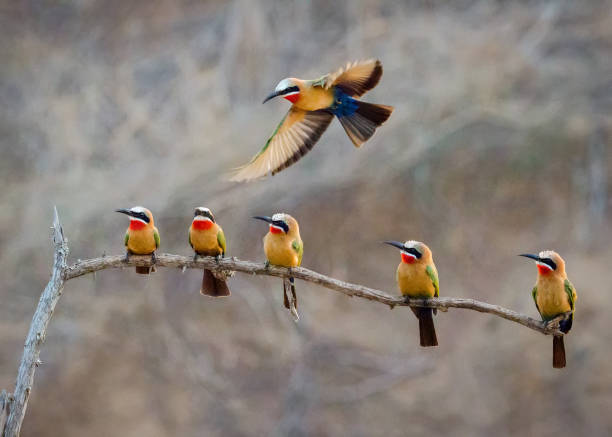
Discover the best bird watching in Tanzania. Explore unique habitats, see rare species, and enjoy guided tours with expert ornithologists.
Experience the best bird watching in Tanzania. From rare species to diverse habitats, guided tours with expert ornithologists offer unforgettable wildlife encounters.
Bird Watching in Tanzania: A Complete Guide for Enthusiasts
Tanzania is not only famous for its safaris but also for world-class bird watching experiences. With over 1,100 recorded bird species, including endemic and migratory birds, the country offers diverse habitats such as wetlands, forests, savannahs, and mountains.
At JoyTrekking Tours & Safaris, we provide curated bird watching tours for beginners and seasoned birders, combining comfort, expert guidance, and ethical wildlife experiences. This guide will help you discover the best destinations, understand what to expect, and plan an unforgettable birding adventure in Tanzania.
Quick Summary
- Top birding destinations: Lake Manyara, Serengeti National Park, Arusha National Park, Usambara Mountains
- Bird species highlights: Lilac-breasted roller, African fish eagle, flamingos, sunbirds, endemic Tanzanian species
- Tour duration: Half-day to multi-day birding safaris
- Best season: November to March and July to October
- Tour operator recommendation: JoyTrekking Tours & Safaris for guided, educational, and ethical birding tours
- Required gear: Binoculars, field guidebooks, camera with zoom lens
Why Tanzania is a Bird Watcher’s Paradise
Diverse Habitats
Tanzania’s diverse ecosystems make it ideal for bird watching:
- Wetlands (e.g., Lake Manyara) for flamingos and pelicans
- Savannahs (Serengeti) for raptors and weavers
- Forested areas (Usambara Mountains) for sunbirds and endemic species
- Coastal mangroves (Zanzibar) for seabirds and waders
For authoritative birding information, refer to the African Bird Club and the BirdLife International databases.
Rare and Endemic Species
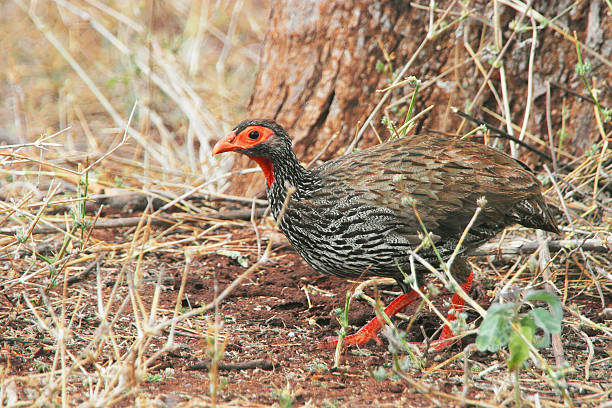
Tanzania hosts numerous endemic species, including:
- Usambara thrush
- Kilimanjaro white-eye
- Red-winged francolin
Bird watchers often travel specifically to spot these unique species in their natural habitats.
Top Bird Watching Spots in Tanzania
1. Lake Manyara National Park
Description
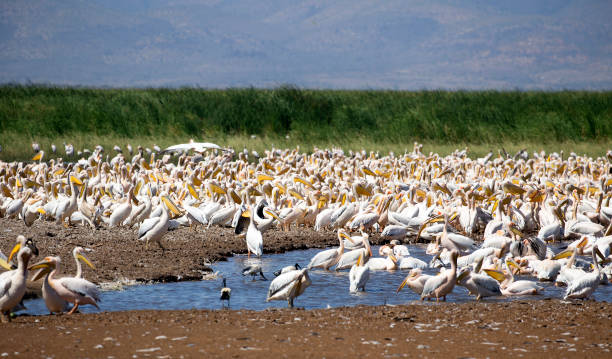
Home to thousands of flamingos, pelicans, and cormorants, Lake Manyara offers both wetland and woodland birding. Visitors can spot lilac-breasted rollers, African fish eagles, and many more.
Highlights
- Flamingo breeding grounds
- Mixed woodland species
- Accessible for beginners
2. Serengeti National Park
Description
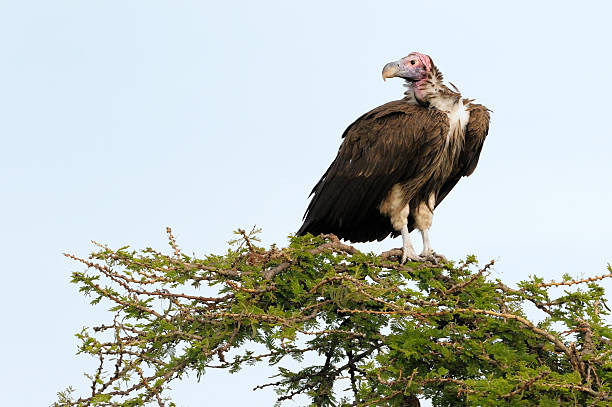
While famous for the great migration, the Serengeti is also a haven for raptors, weaver birds, and sociable weavers. Ideal for safari-birding combos.
Highlights
- Raptors and vultures
- Seasonal migratory birds
- Opportunities to combine with big game sightings
3. Arusha National Park
Description
Arusha National Park offers montane forest birding with species like Turaco, Sunbirds, and endemic forest birds.
Highlights
- Forest and alpine species
- Guided bird walks
- Close to Arusha town
4. Usambara Mountains
Description
Known for cloud forests and endemic species, Usambara Mountains are a must-visit for serious birders.
Highlights
- Endemic sunbirds and thrushes
- Scenic hiking trails
- Rare montane species
Comparison: Top Bird Watching Spots in Tanzania
| Spot | Habitat Type | Notable Species | Best Season | Accessibility |
|---|---|---|---|---|
| Lake Manyara | Wetlands & Woodland | Flamingos, Lilac-breasted roller | Nov-Mar | Easy from Arusha |
| Serengeti | Savannah | Raptors, Weavers | Jun-Oct | Moderate, safari combo |
| Arusha NP | Montane Forest | Turaco, Sunbirds | Nov-Mar | Very accessible |
| Usambara Mountains | Cloud Forest | Endemic thrushes, sunbirds | Jul-Oct | Moderate, hiking required |
Local Insights from Our Guides
Birding Tips
- Early mornings offer the best sightings
- Use binoculars with high magnification
- Local guides can point out endemic and rare species
Conservation Awareness
Many habitats are protected under Tanzania’s National Parks and Conservation Areas, ensuring sustainable bird watching for future generations.
Responsible Bird Watching
- Maintain quiet and distance from nests
- Avoid using flash for photography
- Follow guide instructions
Customer Experience
“Our bird watching tour at Lake Manyara was phenomenal. Seeing thousands of flamingos and learning from our expert guide made it unforgettable.”
— Sophie M., UK
Frequently Asked Questions (FAQs)
When is the best time for bird watching in Tanzania?
Dry seasons: November–March and July–October offer optimal conditions.
Do I need prior birding experience?
No, tours are designed for beginners and experts alike. Guides provide field tips and identification help.
What gear should I bring?
Binoculars, field guides, sun protection, and a camera with a zoom lens.
Can bird watching be combined with safaris?
Yes. Parks like Serengeti and Lake Manyara offer excellent opportunities to see wildlife alongside birds.
Are tours ethical?
Yes. JoyTrekking ensures minimal disturbance and supports local conservation efforts.
Final Thoughts
Bird watching in Tanzania offers more than just a hobby; it’s an opportunity to explore diverse habitats, spot rare and endemic species, and connect with nature. From Lake Manyara’s wetlands to the Usambara Mountains’ cloud forests, Tanzania provides a world-class birding experience suitable for all levels of enthusiasts.
Combining birding tours with safaris or cultural experiences ensures travelers enjoy the full spectrum of Tanzania’s wildlife and nature.
About the Author
January Mziray is a Tanzanian wildlife and eco-tourism expert with extensive experience guiding international travelers. Representing JoyTrekking Tours & Safaris, he specializes in bird watching, safaris, and cultural tours, ensuring travelers have authentic, sustainable, and unforgettable experiences in Tanzania.