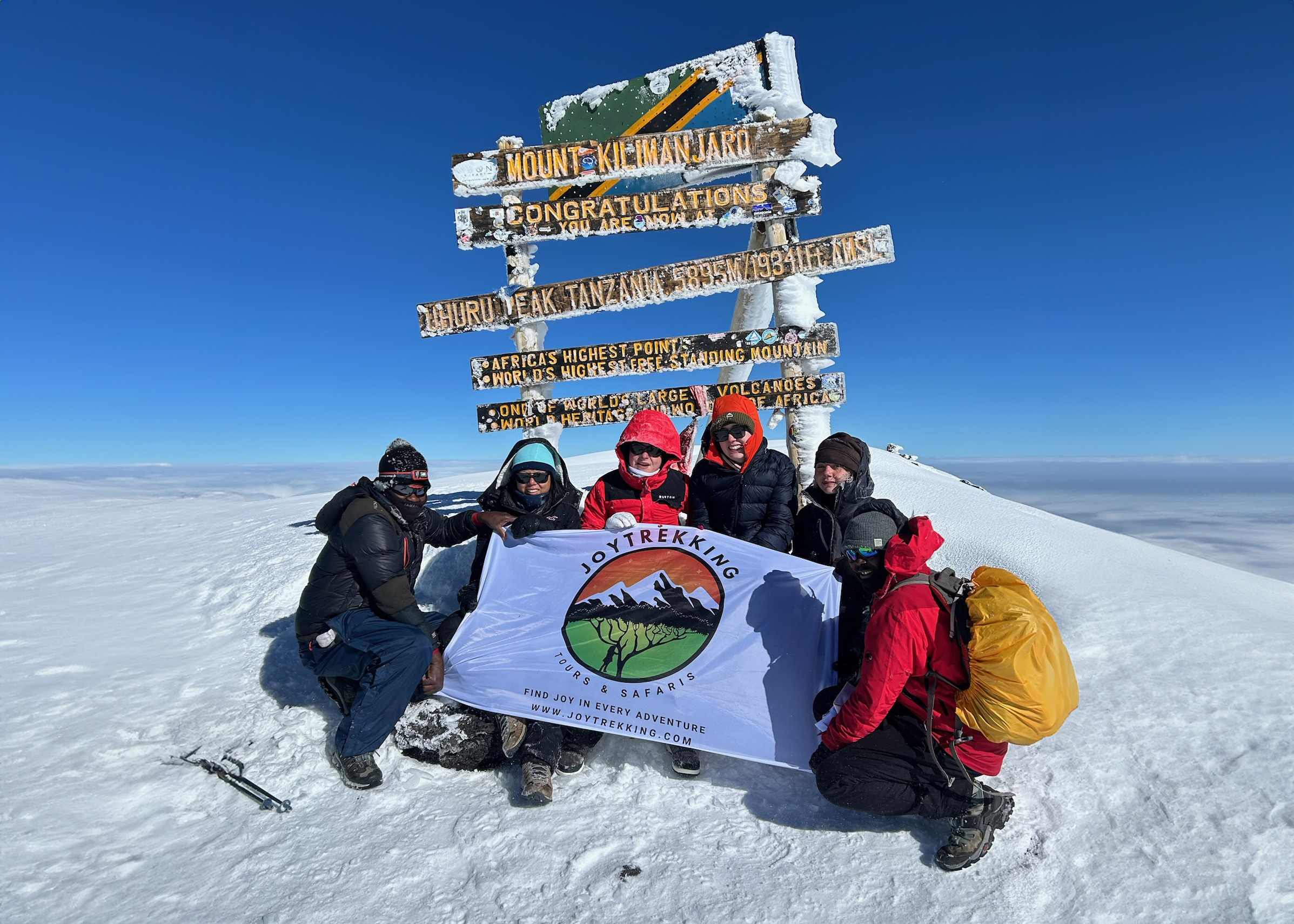
Discover How Long Does It Take to Climb Mount Kilimanjaro, including route options, acclimatization days, success rates, and expert tips from JoyTrekking for international tourists planning their Tanzania adventure. https://joytrekking.com/destinations/tanzania/northern-tanzania/mount-kilimanjaro/
1: Understanding the Duration of a Kilimanjaro Trek – Routes, Acclimatization, and What International Tourists Should Expect
For many international adventurers planning their African safari and trekking holiday, one of the first questions they ask is: How Long Does It Take to Climb Mount Kilimanjaro? Mount Kilimanjaro, Africa’s highest peak at 5,895 meters (19,341 feet), stands proudly in Tanzania and attracts thousands of climbers every year. Unlike technical mountains that require ropes and advanced mountaineering skills, Kilimanjaro is a non-technical trek. However, reaching Uhuru Peak is not simply a matter of physical strength—it is largely about time, acclimatization, route choice, and proper expedition planning. Understanding the realistic duration of a Kilimanjaro climb is critical for safety, summit success, and overall trekking satisfaction. At JoyTrekking, we guide international tourists through carefully structured itineraries designed to maximize both enjoyment and summit achievement.
When evaluating How Long Does It Take to Climb Mount Kilimanjaro, the simple answer ranges between 5 to 9 days, depending on the route selected and the acclimatization profile. However, the detailed answer is more nuanced. The duration is influenced by factors such as altitude adaptation, daily trekking distance, weather conditions, and the climber’s physical fitness level. The mountain has seven main established routes: Marangu, Machame, Lemosho, Rongai, Shira, Umbwe, and the Northern Circuit. Each route offers different scenery, difficulty levels, and—most importantly—different numbers of days recommended for safe ascent. Shorter itineraries may appear attractive for travelers with limited vacation time, but they significantly reduce acclimatization time and lower summit success rates.
Acclimatization is the most important factor when determining How Long Does It Take to Climb Mount Kilimanjaro. Because Kilimanjaro rises almost 6,000 meters from sea level, climbers are exposed to high-altitude conditions in a relatively short time. Altitude sickness, also known as Acute Mountain Sickness (AMS), can affect anyone regardless of age or fitness. The body needs gradual exposure to thinner air to adapt effectively. This is why longer routes such as the 7- or 8-day Lemosho or Machame itineraries have significantly higher summit success rates compared to the 5-day Marangu route. International tourists often underestimate the importance of this gradual ascent, but professional operators like JoyTrekking emphasize the principle of “climb high, sleep low” to optimize acclimatization.
Let us examine the most popular trekking durations in detail. The 5-day Marangu Route is the shortest standard option and is sometimes called the “Coca-Cola Route.” While it offers hut accommodation instead of camping, its shorter timeframe allows minimal acclimatization. Success rates on the 5-day itinerary are considerably lower compared to extended versions. The 6-day Marangu route includes an extra acclimatization day and improves summit probability. On the other hand, the Machame Route, often referred to as the “Whiskey Route,” typically takes 6 or 7 days. The 7-day Machame itinerary is widely recommended for better altitude adjustment and improved comfort.
For those seeking scenic beauty and a higher success rate, the Lemosho Route generally spans 7 to 8 days. It begins on the western side of the mountain and offers stunning panoramic views, diverse ecological zones, and excellent acclimatization profiles. Similarly, the Northern Circuit Route, which takes 8 to 9 days, provides the longest acclimatization period and one of the highest summit success percentages among all routes. Although it requires more time, it significantly increases the likelihood of reaching Uhuru Peak safely. Detailed route information and park regulations can be verified through the official Tanzania National Parks website: https://www.tanzaniaparks.go.tz.
Weather patterns also influence the perception of How Long Does It Take to Climb Mount Kilimanjaro. While the physical number of days remains fixed according to your itinerary, weather conditions can affect trekking pace and overall experience. The best times to climb are during the dry seasons: January to March and June to October. During these months, trails are less slippery, visibility is clearer, and summit night conditions are generally more predictable. International tourists planning their African trekking adventure should align their travel dates with these optimal seasons for a safer and more enjoyable expedition.
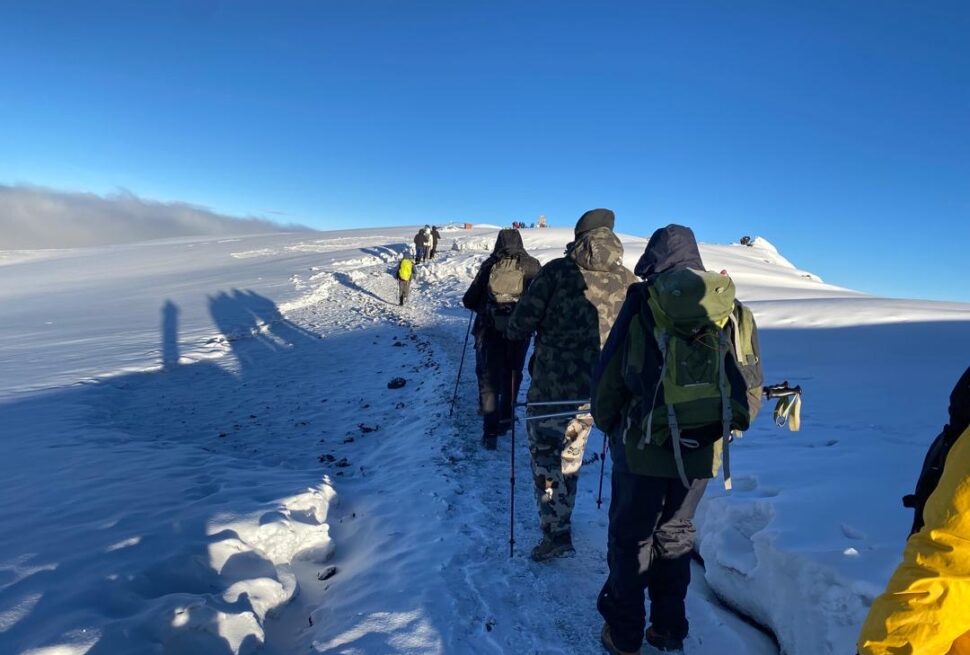
Another essential factor affecting climb duration is daily trekking distance and elevation gain. On average, climbers walk between 5 to 8 hours per day, except for summit day, which can take 10 to 14 hours of combined ascent and descent. Summit night typically begins around midnight, with trekkers ascending slowly in cold temperatures to reach Uhuru Peak at sunrise. After celebrating at the summit, climbers descend to a lower camp for overnight rest. This extended summit push is physically and mentally demanding, making proper rest days beforehand crucial. Therefore, adding an extra acclimatization day can dramatically improve overall endurance.
Fitness level plays a supportive—but not primary—role in determining success. Many international tourists assume elite athletic ability is required, yet Kilimanjaro is achievable for individuals with moderate fitness and proper preparation. Cardiovascular endurance, mental resilience, and steady pacing are more important than speed. The goal is not to rush but to maintain a slow, consistent rhythm known locally as “pole pole,” meaning “slowly slowly.” This approach supports acclimatization and increases summit chances regardless of age.
Logistics and safety standards also influence how efficiently a climb progresses. Reputable tour operators like JoyTrekking provide experienced mountain guides, trained porters, quality camping equipment, oxygen cylinders for emergencies, and daily health monitoring. A well-organized trekking team ensures that climbers follow the itinerary correctly without unnecessary delays. Medical checks, oxygen saturation monitoring, and structured acclimatization hikes all contribute to maintaining the scheduled duration safely.
Cost considerations may also influence route duration decisions. Longer itineraries naturally involve higher park fees, crew wages, food supplies, and camping logistics. However, choosing a shorter climb to reduce costs may compromise summit success. International travelers investing in a once-in-a-lifetime Kilimanjaro adventure are strongly advised to prioritize safety and success over minimal budget savings. Extending the climb by one or two days can significantly improve the overall experience and achievement rate.
In summary, the realistic answer to How Long Does It Take to Climb Mount Kilimanjaro depends on route selection, acclimatization strategy, seasonal timing, and professional guidance. While the minimum duration is five days, most experienced operators recommend at least seven days for optimal success and safety. International tourists should approach this challenge with patience, preparation, and respect for altitude. With the right planning, the journey to Uhuru Peak becomes not only achievable but deeply transformative.
2: Detailed Route Breakdown and Day-by-Day Itinerary – Choosing the Right Option for Your Kilimanjaro Adventure
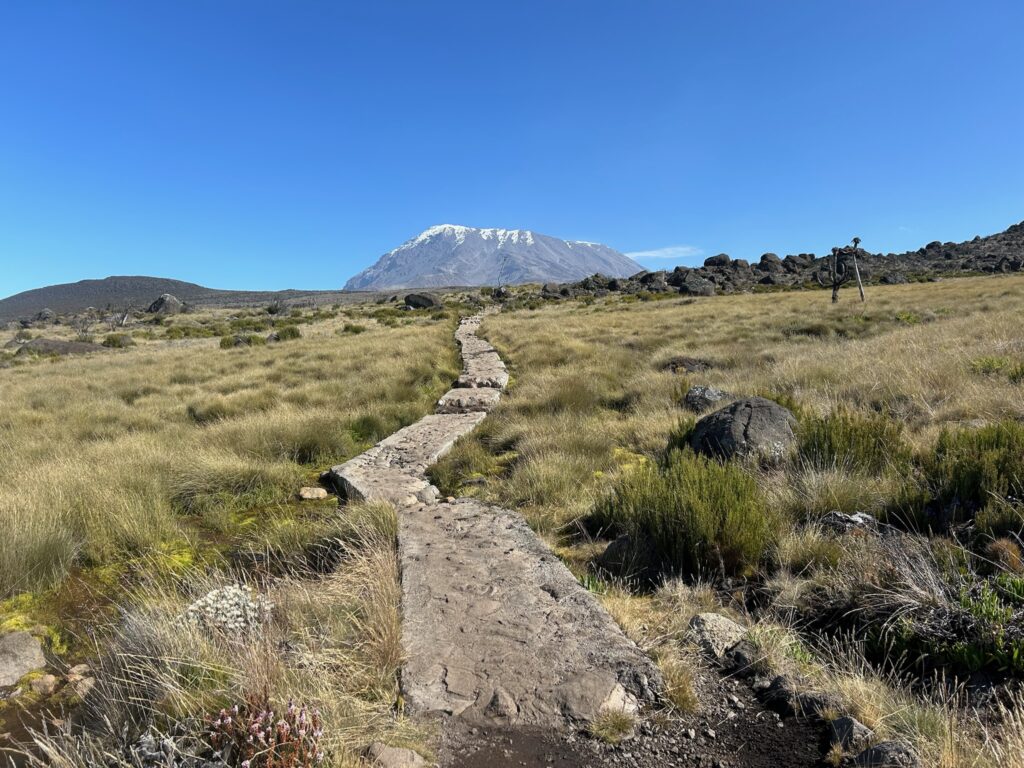
When planning your African trekking expedition with JoyTrekking, understanding the specific route options is essential in determining How Long Does It Take to Climb Mount Kilimanjaro. While many international tourists initially focus on the number of days, the more important consideration is how each route structures those days for acclimatization, scenery, comfort, and summit success. Each Kilimanjaro route offers a unique combination of ecological diversity, gradient profile, camping experience, and crowd density. Selecting the right route directly influences not only your experience but also your likelihood of standing at Uhuru Peak with confidence and strength.
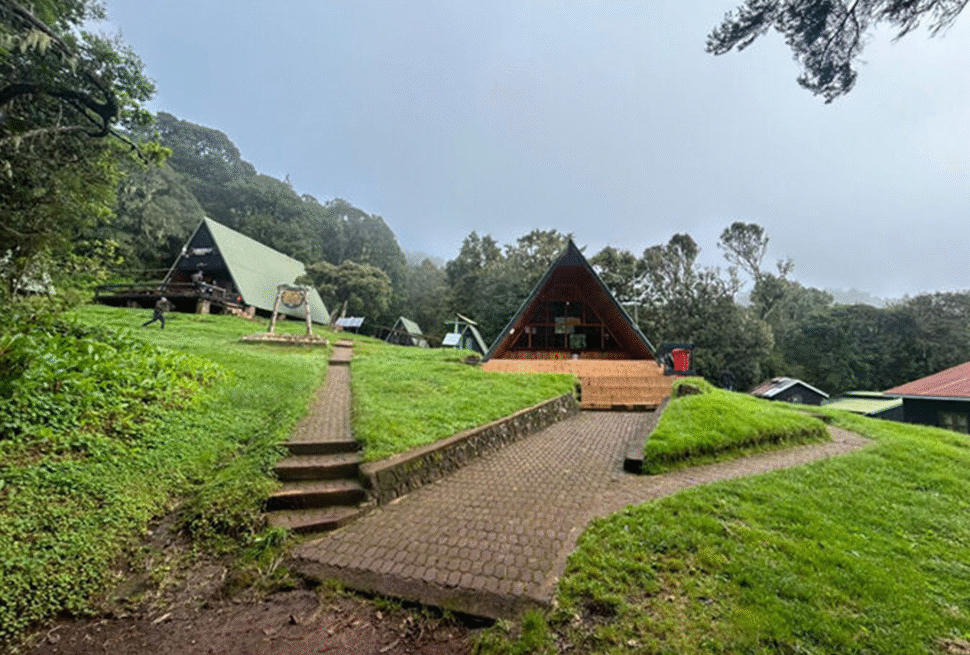
To truly understand How Long Does It Take to Climb Mount Kilimanjaro, we must explore each major route individually and analyze how its daily trekking distances and altitude gains are structured. The Marangu Route, for example, is the only route offering hut accommodation instead of tents. It typically operates on 5-day or 6-day itineraries. On the 5-day option, climbers ascend rapidly through rainforest, moorland, alpine desert, and finally the arctic summit zone. However, because the ascent and descent follow the same trail and acclimatization time is limited, success rates are lower compared to longer routes. The 6-day Marangu version adds an extra day at Horombo Hut for altitude adjustment, which significantly improves safety and summit probability.
The Machame Route, widely known as the “Whiskey Route,” is one of the most popular choices among international trekkers. It generally runs for 6 or 7 days and offers a “climb high, sleep low” profile, which supports better acclimatization. Day one begins at Machame Gate through dense rainforest, gradually ascending to Machame Camp. Over the next days, climbers pass through Shira Plateau, Lava Tower, Barranco Wall, and Karanga Valley before reaching Barafu Camp for the summit push. The 7-day Machame itinerary is highly recommended because it includes additional acclimatization time, which increases summit success rates dramatically. Many climbers asking How Long Does It Take to Climb Mount Kilimanjaro eventually choose the 7-day Machame because it balances time efficiency with safety.
For those seeking breathtaking scenery and a quieter trail, the Lemosho Route is often considered one of the most beautiful paths to the summit. It typically spans 7 or 8 days and begins on the western side of the mountain. The first days cross remote rainforest areas where wildlife sightings, such as colobus monkeys, are possible. The trail then joins the Shira Plateau before merging with the Machame Route near Lava Tower. Because the Lemosho itinerary spreads altitude gain over a longer period, acclimatization is superior. Climbers enjoy expansive views, diverse landscapes, and a higher probability of success. In terms of answering How Long Does It Take to Climb Mount Kilimanjaro, the 8-day Lemosho option is frequently regarded as one of the most optimal durations for international tourists prioritizing summit achievement.
The Northern Circuit Route is the longest and one of the most comprehensive itineraries available, taking approximately 8 to 9 days. It begins similarly to Lemosho but then circles around the northern slopes of Kilimanjaro, offering panoramic views rarely seen on other routes. Because of its extended duration, the Northern Circuit boasts some of the highest summit success rates on the mountain. The additional acclimatization days allow climbers to adapt gradually to high altitude conditions, significantly reducing the risk of Acute Mountain Sickness. For trekkers who have flexible travel schedules and prioritize success over speed, this route provides an exceptional experience.
Another option is the Rongai Route, which approaches Kilimanjaro from the northern side near the Kenyan border. It usually takes 6 or 7 days and is known for its relatively gentle gradient. Rongai is often chosen during the rainy season because the northern side receives less precipitation. However, acclimatization profiles vary depending on whether the itinerary is 6 or 7 days. Adding an extra day greatly improves summit chances and overall comfort. Although Rongai is less crowded, its success rate depends heavily on proper pacing and altitude management.
The Umbwe Route is considered one of the most challenging and direct paths to the summit. Typically completed in 6 or 7 days, it is steep and demanding, with rapid altitude gain. Due to limited acclimatization time, it is generally recommended only for experienced trekkers with prior high-altitude exposure. International tourists unfamiliar with altitude trekking are usually advised to consider longer routes instead. While Umbwe offers dramatic scenery and fewer crowds, its aggressive ascent profile makes it less suitable for first-time climbers.
Beyond route selection, daily itinerary structure plays a major role in determining overall experience. A standard Kilimanjaro trekking day begins early with breakfast at camp, followed by 4 to 7 hours of hiking depending on the terrain. After arriving at the next campsite, climbers rest, hydrate, and participate in short acclimatization walks if scheduled. Evenings involve dinner, health checks by guides, and briefings about the following day’s trek. This structured routine ensures climbers maintain steady progress without overexertion.
Summit day deserves special attention in any discussion of How Long Does It Take to Climb Mount Kilimanjaro. Regardless of the route, summit night begins around midnight. Climbers depart from high camp—such as Barafu or Kibo Hut—under cold, dark conditions. The ascent is slow and methodical, often taking 6 to 8 hours to reach Stella Point and then Uhuru Peak. After celebrating at the summit, climbers descend for several hours to a lower camp. This single day can total 12 to 14 hours of continuous movement, making it the most physically and mentally demanding portion of the climb. The duration of the overall itinerary must allow sufficient rest before this crucial push.
Altitude zones encountered during the climb also influence pacing and energy levels. Kilimanjaro contains five major ecological zones: rainforest, heath and moorland, alpine desert, arctic summit zone, and cultivated farmland at the base. Each zone presents unique environmental conditions. The rainforest is humid and lush, while the alpine desert is dry and exposed. As climbers ascend higher, oxygen levels decrease significantly. The body requires time to adjust to these changes, reinforcing why longer itineraries generally yield better outcomes.
International tourists often combine their Kilimanjaro trek with a Tanzania safari in Serengeti or Ngorongoro Crater, or a beach holiday in Zanzibar. Therefore, vacation time management becomes an important planning factor. When asking How Long Does It Take to Climb Mount Kilimanjaro, travelers should consider adding buffer days before and after the climb. Arriving in Tanzania at least one day before the trek allows for equipment checks and rest after international flights. Similarly, scheduling a recovery day post-climb provides time for relaxation before continuing to other destinations.
Physical preparation also impacts how comfortably climbers complete their chosen itinerary. Cardiovascular training, hiking practice, stair climbing, and endurance workouts are highly recommended at least 8 to 12 weeks before departure. Mental readiness is equally important. The high-altitude environment tests patience, determination, and resilience. A steady pace, positive mindset, and trust in experienced guides are essential elements of success.
At JoyTrekking, our recommended itineraries for international tourists prioritize safety, acclimatization, and high summit success rates. While shorter climbs may appear convenient, data consistently shows that 7 to 8-day routes significantly outperform 5-day itineraries in summit statistics. Professional guides monitor oxygen saturation levels daily and adjust pacing as necessary to ensure climbers remain within safe physiological limits.
In conclusion, route selection is the single most influential factor in determining the duration and success of your Kilimanjaro adventure. The question is not only about the number of days but about how those days are structured for altitude adaptation and physical endurance. By carefully evaluating route profiles, acclimatization schedules, seasonal conditions, and personal fitness levels, international tourists can make informed decisions that maximize their chance of standing proudly at Africa’s highest point. Understanding these details provides a complete and practical perspective on planning a safe, successful, and unforgettable journey to the Roof of Africa.
3: Summit Success Rates, Altitude Science, Preparation Strategy, Costs, and Expert Recommendations for International Trekkers
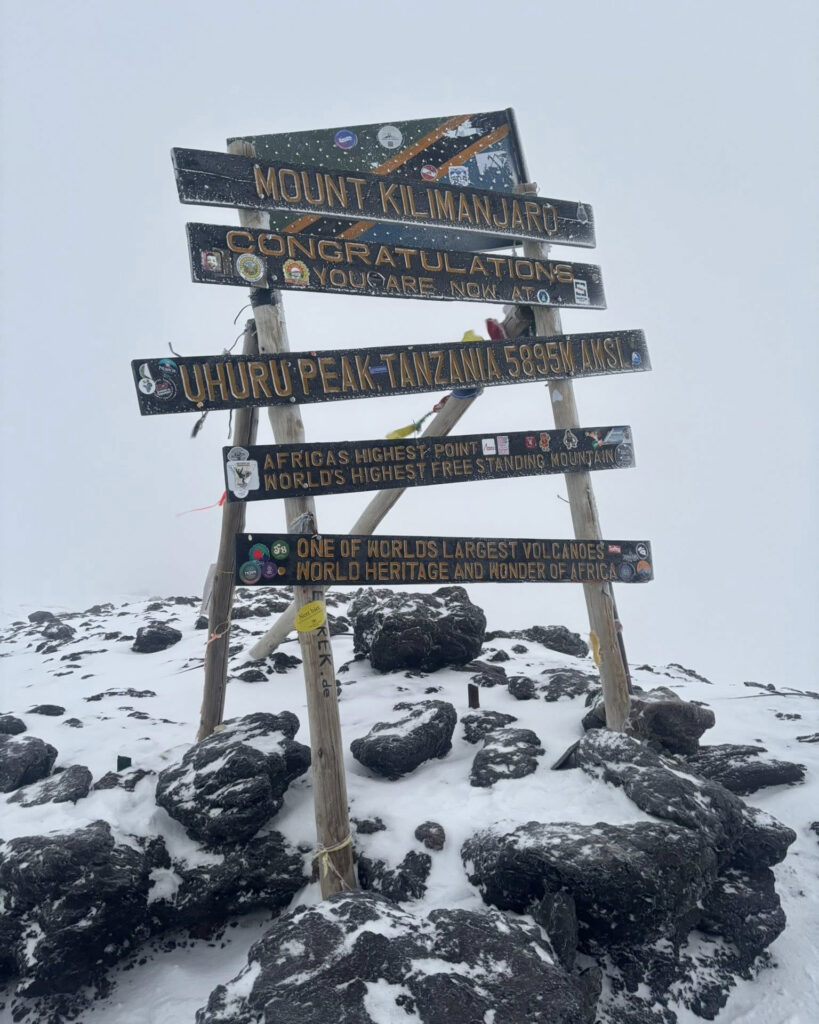
Reaching Uhuru Peak is the ultimate goal for every climber, but success on Africa’s highest mountain is not accidental. When international tourists ask How Long Does It Take to Climb Mount Kilimanjaro, they are often indirectly asking a deeper question: how can I maximize my chances of reaching the summit safely? The duration of the climb is directly connected to summit success rates, altitude adaptation, physical preparation, financial planning, and the expertise of the guiding company. Understanding the science behind high-altitude trekking and the strategic planning required can transform a challenging expedition into a life-changing achievement.
Summit success rates on Mount Kilimanjaro vary significantly depending on route length and acclimatization profile. Research and operator statistics consistently show that shorter itineraries—particularly 5-day routes—have substantially lower success rates compared to 7-, 8-, or 9-day options. The reason is simple: altitude does not allow shortcuts. The human body requires time to adapt to decreasing oxygen levels. When climbers attempt rapid ascents, the risk of Acute Mountain Sickness (AMS) increases dramatically. Symptoms such as headaches, nausea, dizziness, and fatigue can prevent further ascent. In severe cases, conditions like High Altitude Pulmonary Edema (HAPE) or High Altitude Cerebral Edema (HACE) can occur, requiring immediate descent.
This is why the question How Long Does It Take to Climb Mount Kilimanjaro must always be linked to acclimatization science. At sea level, oxygen saturation is typically between 95% and 100%. At 5,895 meters, oxygen availability drops to nearly half of that at sea level. The body responds by increasing breathing rate, producing more red blood cells, and adjusting blood chemistry. However, these physiological adaptations take time. A longer itinerary allows the body to gradually adjust to the hypoxic environment. The principle of “climb high, sleep low” is intentionally integrated into routes like Machame, Lemosho, and Northern Circuit to stimulate adaptation while maintaining safer sleeping altitudes.
For international tourists traveling from low-altitude countries such as the United States, Canada, Europe, Australia, or Asia, this altitude difference can be particularly challenging. Most visitors arrive in Tanzania at near sea level and begin trekking within a day or two. Without prior exposure to high elevations, the body requires a carefully paced itinerary. Therefore, 7 to 8 days is widely recommended by experienced operators like JoyTrekking. While many travelers initially search for the shortest itinerary, they later realize that adding one extra day significantly improves summit probability and overall comfort.
Physical preparation plays a critical role in ensuring that the planned duration is sufficient. Although Kilimanjaro is a non-technical climb, it demands endurance. Cardiovascular fitness, muscular stamina, and mental resilience are essential. Ideal training programs include long-distance hiking, incline walking, stair climbing, cycling, swimming, and strength training focused on legs and core muscles. Trekkers should aim to simulate multi-day hikes with a backpack to prepare for consecutive trekking days. While elite athletic performance is not required, consistent training improves oxygen efficiency and reduces fatigue during summit night.
Hydration and nutrition strategies also influence acclimatization. On the mountain, climbers are encouraged to drink at least 3 to 4 liters of water per day. Proper hydration supports circulation and reduces altitude-related headaches. Balanced meals rich in carbohydrates provide sustained energy at high altitude, where appetite may decrease. Professional trekking teams ensure climbers receive hot meals, snacks, and warm beverages throughout the expedition. This logistical support contributes directly to maintaining strength across the scheduled number of days.
Another essential component in evaluating How Long Does It Take to Climb Mount Kilimanjaro is financial planning. The cost of a Kilimanjaro trek varies depending on route length, service level, group size, and operator reputation. Longer routes are more expensive due to additional park fees, crew wages, food supplies, and camping logistics. Tanzania National Park fees alone include conservation fees, camping or hut fees, rescue fees, and value-added tax. However, international tourists should view extended itineraries as an investment in safety and success rather than an unnecessary expense. Cutting costs by choosing shorter itineraries may ultimately reduce summit chances and diminish overall satisfaction.
Quality guiding services significantly affect both duration efficiency and success rates. A reputable company provides certified mountain guides, trained porters, emergency oxygen systems, pulse oximeters, and clear evacuation procedures. Daily medical checks monitor oxygen saturation and heart rate, ensuring climbers remain within safe parameters. Experienced guides adjust walking pace to a slow, steady rhythm known locally as “pole pole.” This controlled pace helps climbers conserve energy and adapt to altitude changes naturally. Without proper guidance, even physically strong individuals may struggle to complete the itinerary successfully.
Weather conditions further impact climbing experience and perceived duration. Although the itinerary days remain fixed, harsh weather can make trekking more demanding. The best climbing seasons are January to March and June to October, when conditions are generally dry and visibility is clearer. During rainy seasons, trails may become muddy and slippery, slowing progress. Cold temperatures during summit night can drop below -10°C (14°F), requiring proper layering and insulated gear. Adequate equipment—such as high-quality boots, thermal clothing, sleeping bags rated for sub-zero temperatures, and trekking poles—ensures climbers maintain strength throughout the scheduled duration.
Mental endurance is often underestimated when analyzing How Long Does It Take to Climb Mount Kilimanjaro. Summit night, in particular, tests determination. Climbers ascend in darkness for several hours with limited visibility and freezing temperatures. Fatigue accumulates from previous days, and oxygen levels are at their lowest. Mental preparation, positive mindset, and strong team encouragement are vital. International trekkers who maintain realistic expectations and trust their guides are more likely to persevere during challenging moments.
Age is not a major limiting factor for Kilimanjaro success. Climbers range from teenagers to individuals in their 60s and 70s. What matters most is proper acclimatization, steady pacing, and overall health condition. Many older climbers actually perform well because they follow instructions carefully and maintain slower, consistent rhythms. The mountain rewards patience more than speed.
Travel logistics also influence planning duration. International tourists should schedule arrival in Tanzania at least one day before the trek for rest and briefing. After the climb, one recovery day is highly recommended before flying home or continuing to safari destinations such as Serengeti National Park or Ngorongoro Crater. Proper scheduling ensures that the total holiday experience remains enjoyable rather than rushed.
Safety statistics indicate that most unsuccessful summit attempts are due to inadequate acclimatization rather than lack of strength. Therefore, when climbers evaluate How Long Does It Take to Climb Mount Kilimanjaro, they should consider the duration that gives them the highest chance of success rather than the shortest completion time. The difference between a 6-day and 8-day itinerary may determine whether a climber reaches Uhuru Peak or turns back prematurely.
At JoyTrekking, we strongly recommend 7-day Machame, 8-day Lemosho, or 8–9-day Northern Circuit itineraries for international tourists seeking optimal balance between time investment and summit success. These routes provide excellent acclimatization profiles, diverse landscapes, and strong success statistics. While shorter options exist, they are best suited for experienced high-altitude trekkers with prior exposure above 4,000 meters.
In conclusion, climbing Mount Kilimanjaro is not a race but a strategic high-altitude journey. Success depends on understanding altitude science, choosing an appropriate route length, preparing physically and mentally, investing in quality guiding services, and respecting the mountain’s environmental conditions. When these elements align, the number of days becomes a carefully designed framework that supports safe ascent rather than a constraint. International tourists who prioritize acclimatization, preparation, and professional guidance significantly increase their chances of standing on the Roof of Africa with pride and unforgettable memories.
4: Best Time to Climb, Essential Packing List, Frequently Asked Questions, and Final Expert Advice for International Tourists
Planning a successful Kilimanjaro expedition requires more than simply choosing a route. International travelers must consider seasonal timing, packing preparation, travel logistics, health precautions, and frequently asked practical questions before departure. Many global adventurers researching How Long Does It Take to Climb Mount Kilimanjaro eventually realize that the timeframe alone is not enough; success depends on aligning duration with the right season, equipment, and strategic planning. In this final section, JoyTrekking provides expert-level guidance to help international tourists prepare thoroughly and maximize their summit experience while maintaining optimal SEO-focused clarity for those searching detailed information online.
Best Time to Climb Mount Kilimanjaro
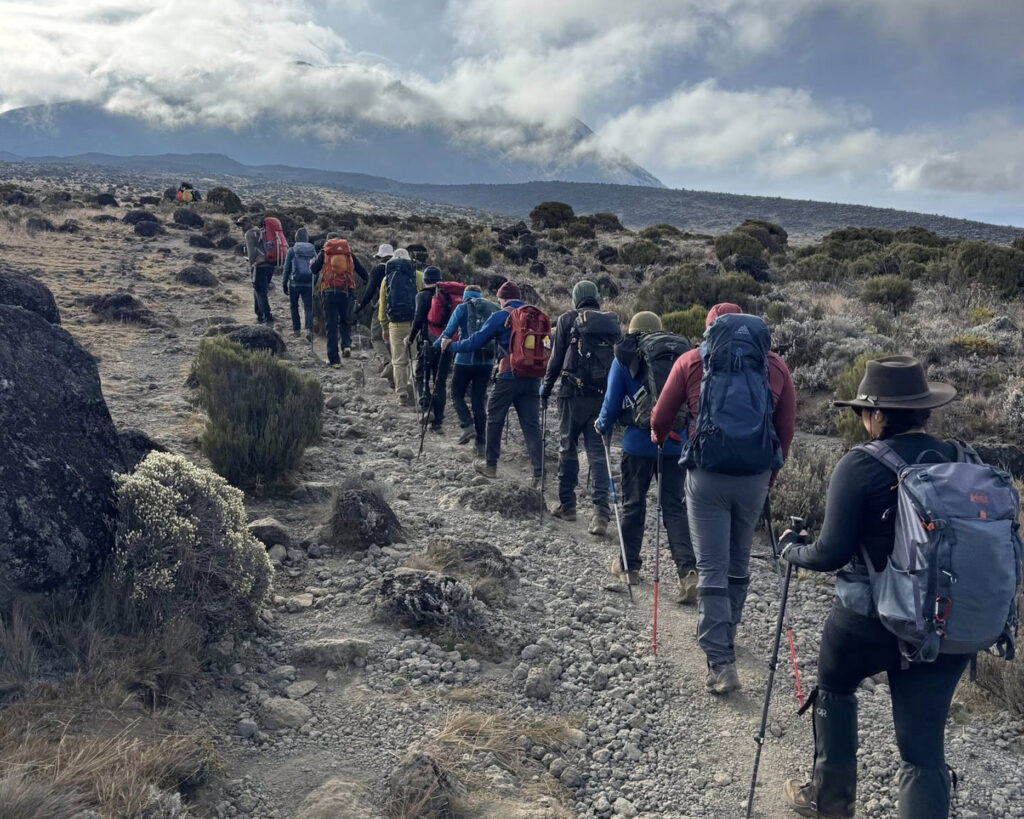
While Kilimanjaro can technically be climbed year-round, the best seasons are determined by Tanzania’s dry and rainy cycles. The most favorable months are January to March and June to October. These periods provide clearer skies, reduced rainfall, and more stable trekking conditions. January to March tends to be colder with occasional snow near the summit but offers fewer crowds and excellent photographic visibility. June to October is the most popular season due to consistent dry weather and moderate temperatures, though trails can be busier.
Understanding seasonal timing is crucial when analyzing How Long Does It Take to Climb Mount Kilimanjaro because weather conditions influence trekking pace and physical strain. During heavy rains in April, May, and November, trails become muddy and slippery, increasing fatigue and slowing daily progress. Although the number of itinerary days remains unchanged, harsh conditions can make each trekking day more demanding. Therefore, international tourists are strongly encouraged to align their travel dates with the dry seasons for better comfort and higher summit success rates.
Temperature variations are another important factor. At the base of the mountain, temperatures can reach 25–30°C (77–86°F). However, at the summit, nighttime temperatures often drop to -10°C to -20°C (14°F to -4°F). These extreme differences require careful layering and preparation. Choosing the right season ensures safer trekking conditions and a more enjoyable overall adventure.
Essential Packing List for a Successful Climb
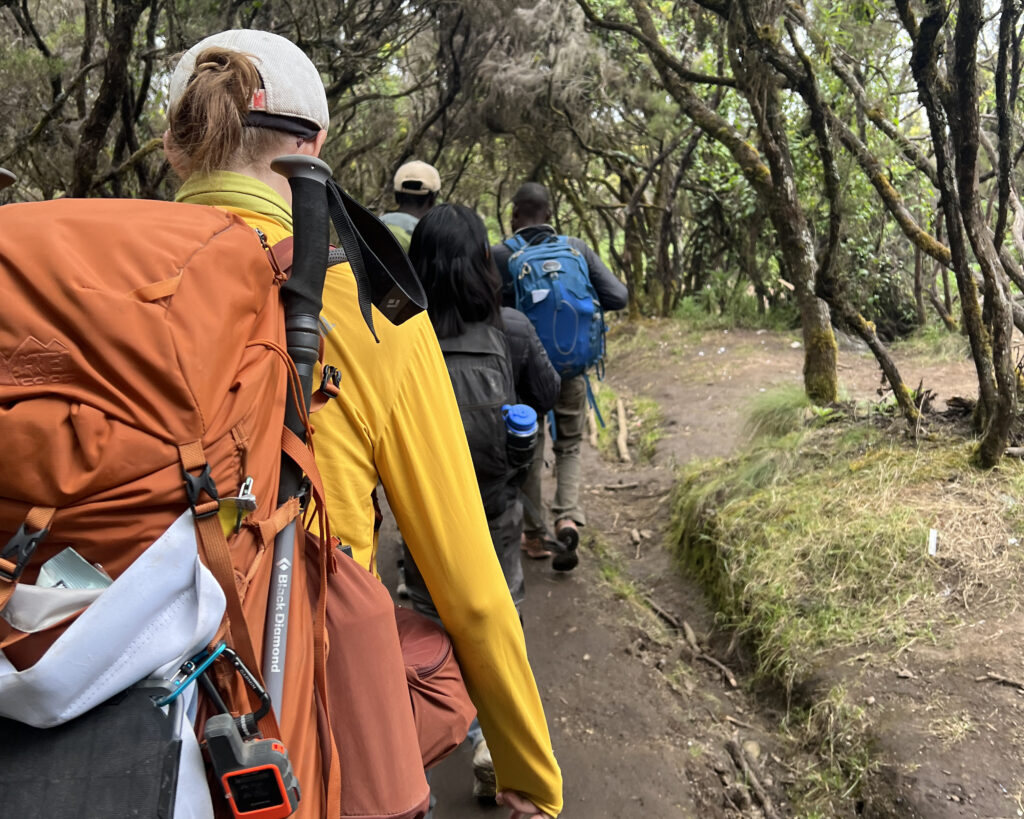
Proper equipment directly impacts comfort, health, and endurance throughout your climb. Regardless of route duration, packing strategically ensures that climbers can complete their scheduled itinerary without unnecessary hardship. For international tourists traveling long distances, gear planning should begin several months before departure.
Clothing must follow a layering system. The base layer should consist of moisture-wicking thermal wear to regulate body temperature. The mid-layer should include insulated fleece or down jackets for warmth. The outer shell must be waterproof and windproof to protect against alpine weather. High-quality trekking pants, insulated gloves, warm hats, neck gaiters, and UV-protective sunglasses are essential for summit night.
Footwear is one of the most critical components. Sturdy, waterproof hiking boots with ankle support and proper break-in time are mandatory. Blisters or foot discomfort can significantly impact daily trekking performance. Thermal socks and spare pairs should be packed to maintain hygiene and warmth. Trekking poles are highly recommended to reduce knee strain during steep ascents and descents.
Sleeping equipment also matters. Although tour operators like JoyTrekking provide high-quality tents, climbers should bring a sleeping bag rated for temperatures as low as -15°C (5°F). A comfortable inflatable sleeping pad enhances rest quality, which is crucial for maintaining energy across multiple trekking days.
Hydration systems, such as reusable water bottles or hydration bladders, are essential for consuming at least 3–4 liters of water daily. Headlamps with extra batteries are required for summit night. Sunscreen, lip balm with SPF, personal medical kits, altitude medication (if prescribed), and energy snacks should also be included.
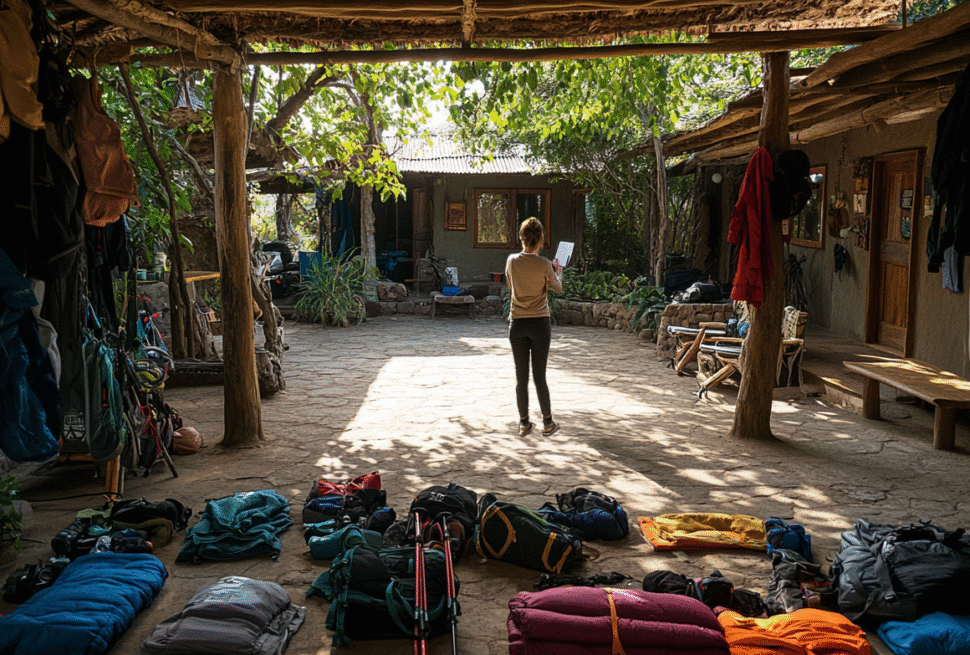
International tourists often ask whether rental gear is available in Tanzania. Yes, reputable companies offer equipment rental services, including jackets, sleeping bags, trekking poles, and duffel bags. However, personal footwear and base layers should always be brought from home to ensure proper fit and hygiene.
Frequently Asked Questions (FAQs)
Is Kilimanjaro safe for first-time trekkers?
Yes, Kilimanjaro is a non-technical climb, meaning no mountaineering ropes or advanced climbing skills are required. However, altitude remains the primary challenge. Choosing a 7- or 8-day itinerary greatly improves safety for first-time climbers.
What is the minimum age requirement?
The official minimum age set by Tanzanian authorities is 10 years old. However, physical and mental readiness must be carefully considered.
Do I need travel insurance?
Yes. Comprehensive travel insurance covering high-altitude trekking up to 6,000 meters is mandatory. Policies should include emergency evacuation coverage.
How fit do I need to be?
Moderate fitness is sufficient, but preparation significantly enhances comfort and summit probability. Cardiovascular endurance, hiking practice, and mental resilience are key.
Can altitude sickness be prevented?
While it cannot be completely prevented, it can be minimized through proper acclimatization, hydration, slow pacing, and selecting an appropriate route length. This is why many travelers researching How Long Does It Take to Climb Mount Kilimanjaro are advised to prioritize longer itineraries over shorter ones.
Travel Logistics for International Tourists
Most climbers arrive via Kilimanjaro International Airport (JRO), located near Moshi and Arusha. It is recommended to arrive at least one day before the trek for briefing and equipment checks. After the climb, scheduling a recovery day before international departure is strongly advised.
Many travelers combine their Kilimanjaro expedition with a Tanzanian safari or Zanzibar beach holiday. Serengeti National Park and Ngorongoro Crater are world-renowned safari destinations, offering the opportunity to witness the Great Migration and diverse African wildlife. Planning a combined itinerary enhances the overall East African travel experience.
Visa requirements vary by nationality, and travelers should confirm entry regulations before departure. Yellow fever vaccination certificates may be required depending on travel history. Consulting a travel health clinic prior to departure is strongly recommended.
Environmental Responsibility and Sustainable Climbing
Mount Kilimanjaro is not only Africa’s highest peak but also a UNESCO World Heritage Site. Responsible trekking ensures preservation for future generations. Climbers should follow Leave No Trace principles, avoid littering, respect wildlife, and use refillable water containers. Professional operators maintain ethical porter treatment standards and adhere to fair wage policies.
Sustainability also involves supporting local communities. Choosing a reputable Tanzanian-owned company like JoyTrekking contributes directly to local employment, economic development, and community empowerment.
Final Expert Advice and Conclusion
Climbing Mount Kilimanjaro is a transformative journey that combines physical endurance, mental resilience, and breathtaking natural beauty. While many international tourists begin their research by asking How Long Does It Take to Climb Mount Kilimanjaro, the ultimate answer goes beyond a simple number of days. The ideal duration depends on acclimatization strategy, route choice, weather season, physical preparation, and professional guidance.
For optimal summit success, most experienced operators recommend 7 to 8 days. This timeframe allows gradual altitude adjustment, improved oxygen adaptation, and a more enjoyable trekking rhythm. Rushing the climb may reduce costs slightly, but it significantly decreases the probability of reaching Uhuru Peak.
At JoyTrekking, our mission is to guide international adventurers safely and successfully to the Roof of Africa. Through carefully designed itineraries, certified mountain guides, medical monitoring, quality equipment, and personalized support, we ensure that each climber has the highest chance of achieving their goal.
If you are planning your Tanzania adventure and considering your options, remember that preparation, patience, and professional support are the keys to success. By aligning the right route, proper training, ideal season, and adequate itinerary length, your dream of standing at 5,895 meters can become a proud and unforgettable reality.
Your journey to the summit begins with informed planning—and now you have the complete guide to make that decision confidently.
5: Complete Summary, Strategic Planning Timeline, Booking Process, and Why JoyTrekking Is Your Best Choice for Climbing Mount Kilimanjaro
Reaching the summit of Africa’s highest mountain is not simply about endurance; it is about preparation, timing, professional guidance, and informed decision-making. Throughout this guide, we have explored routes, acclimatization science, summit success rates, weather patterns, packing lists, and travel logistics. Now, in this final comprehensive section, we bring everything together into a clear strategic roadmap designed specifically for international tourists. If you are still asking yourself How Long Does It Take to Climb Mount Kilimanjaro, this section will help you translate that question into a practical action plan that leads to success on Uhuru Peak.
Strategic Planning Timeline for International Travelers
Climbing Mount Kilimanjaro requires structured planning, especially for travelers flying from overseas destinations such as North America, Europe, Asia, Australia, or the Middle East. Ideally, preparation should begin at least 4 to 6 months before your intended travel date.
4–6 Months Before Departure:
This is the ideal time to select your route and confirm the number of trekking days. When deciding How Long Does It Take to Climb Mount Kilimanjaro, you should prioritize itineraries of 7 to 8 days for optimal acclimatization. During this stage, you should book your climb with a reputable operator like JoyTrekking, secure travel insurance covering high-altitude trekking up to 6,000 meters, and begin your structured fitness training program.
3 Months Before Departure:
Purchase or organize your trekking gear. Focus on high-quality hiking boots, layered clothing systems, thermal insulation, and essential accessories. Schedule any necessary medical consultations and confirm vaccination requirements if applicable.
1–2 Months Before Departure:
Increase your endurance training intensity. Practice long hikes with elevation gain while carrying a daypack. Finalize flight bookings to Kilimanjaro International Airport (JRO). Confirm visa requirements for Tanzania and review your travel documents.
1 Week Before Departure:
Prepare your gear checklist carefully. Hydrate well, rest properly, and mentally prepare for altitude conditions. Avoid intense last-minute workouts that may cause injury.
This timeline ensures that your trekking duration aligns with adequate physical and logistical preparation, significantly improving summit success probability.
Booking Process Explained
International tourists often wonder how the Kilimanjaro booking process works. Once you choose your preferred route and itinerary length, a professional operator will provide a detailed itinerary outlining daily elevation gain, campsite locations, meal plans, and inclusions. Deposits are typically required to secure park permits and crew arrangements.
JoyTrekking handles all logistical elements including:
- Kilimanjaro National Park permits
- Certified mountain guides
- Trained porters and cooks
- Camping equipment and tents
- Emergency oxygen systems
- Daily health monitoring
- Airport transfers
- Pre- and post-climb accommodation
Clear communication before arrival ensures that climbers fully understand their itinerary and what to expect each day on the mountain.
Psychological Preparation and Mindset
Beyond physical readiness, mental preparation is one of the most underestimated components of success. High altitude trekking challenges emotional resilience, patience, and determination. Fatigue accumulates gradually over multiple days, and summit night tests inner strength more than physical muscle.
When evaluating How Long Does It Take to Climb Mount Kilimanjaro, climbers should also consider mental endurance. Longer itineraries reduce psychological pressure because they allow slower pacing and additional rest. Rushed climbs often create anxiety, fatigue, and discouragement. A calm, patient mindset combined with a well-structured itinerary dramatically improves summit achievement.
The concept of “pole pole,” meaning “slowly slowly” in Swahili, is fundamental to Kilimanjaro success. Maintaining steady breathing, controlled walking rhythm, and consistent hydration supports both physical and mental adaptation to altitude.
Health Monitoring and Safety Standards
Modern Kilimanjaro expeditions emphasize proactive health monitoring. Professional guides check oxygen saturation levels daily using pulse oximeters and assess symptoms of altitude sickness. Emergency oxygen and evacuation procedures are mandatory safety standards for responsible operators.
International tourists should disclose any pre-existing medical conditions before the climb. Conditions such as asthma, heart issues, or prior altitude sensitivity require careful consultation with medical professionals. With proper guidance, many individuals with controlled health conditions successfully summit Kilimanjaro.
The mountain’s rescue infrastructure includes ranger posts and evacuation support, but prevention through acclimatization remains the safest approach. Choosing the correct itinerary duration plays a central role in minimizing health risks.
Why Duration Determines Success
Statistics consistently demonstrate that itineraries of 7 days or longer significantly outperform shorter climbs in summit success rates. While the minimum duration can be 5 days, this option sacrifices acclimatization and often leads to early descent due to altitude-related symptoms.
The realistic and professional answer to How Long Does It Take to Climb Mount Kilimanjaro for most international tourists is between 7 and 8 days. This timeframe offers balanced elevation gain, sufficient rest, improved oxygen adaptation, and higher summit probability.
Choosing the right duration is not about convenience; it is about safety, investment value, and once-in-a-lifetime achievement. Many climbers travel thousands of miles for this experience, making it essential to maximize their chances of success.
Combining Kilimanjaro with Other Tanzania Experiences
International visitors frequently combine their Kilimanjaro climb with additional East African adventures. After successfully reaching Uhuru Peak, many travelers continue to:
- Serengeti National Park for wildlife safaris
- Ngorongoro Crater for Big Five game viewing
- Tarangire National Park for elephant herds
- Zanzibar Island for tropical beach relaxation
Scheduling these activities after the climb allows for recovery and celebration. Tanzania offers a complete adventure package combining mountain trekking, wildlife safari, and coastal relaxation.
Economic and Cultural Impact
Climbing Mount Kilimanjaro directly supports thousands of local Tanzanian families. Porters, guides, cooks, drivers, and hospitality workers depend on responsible tourism. Ethical operators follow fair wage policies and adhere to Kilimanjaro Porter Assistance standards.
By choosing a reputable local company like JoyTrekking, international tourists contribute to sustainable tourism, community empowerment, and environmental conservation efforts.
Your Journey to the Roof of Africa
Standing at 5,895 meters above sea level is an unforgettable accomplishment that symbolizes resilience, courage, and determination. From rainforest trails to alpine deserts and finally the arctic summit zone, the journey transforms every climber physically and emotionally.
If you have carefully read this complete guide, you now understand that the question How Long Does It Take to Climb Mount Kilimanjaro cannot be answered with a simple number alone. While the technical range is 5 to 9 days, the recommended duration for most international tourists is 7 to 8 days to ensure proper acclimatization and maximize summit success.
Preparation, patience, professional guidance, and respect for altitude are the pillars of achievement. With strategic planning, quality equipment, optimal seasonal timing, and experienced guides from JoyTrekking, your dream of reaching Uhuru Peak becomes not only possible but highly achievable.
Mount Kilimanjaro is more than a mountain—it is a personal milestone, a global adventure, and a story you will carry for the rest of your life.
Your summit journey begins with the right decision. Choose wisely, prepare thoroughly, and let JoyTrekking guide you safely to the Roof of Africa.