Discover how hard is to climb Mount Kilimanjaro with a detailed guide covering physical difficulty, altitude challenges, routes, and expert tips for international tourists planning a successful summit with Joytrekking.https://joytrekking.com/destinations/tanzania/northern-tanzania/mount-kilimanjaro/
Understanding the Real Challenge of Climbing Mount Kilimanjaro
Mount Kilimanjaro is not just the highest mountain in Africa; it is also one of the most talked-about trekking destinations in the world. Every year, thousands of international travelers arrive in Tanzania with one burning question in mind: how hard is to climb mount kilimanjaro? This question is completely valid, especially for first-time high-altitude trekkers who want to understand what they are truly signing up for before committing time, money, and physical effort to this once-in-a-lifetime adventure.
Unlike technical mountains that require ropes, ice axes, and advanced climbing skills, Mount Kilimanjaro is classified as a trekking peak. This classification often gives people a false sense of simplicity. However, the difficulty of climbing Kilimanjaro cannot be measured by technical skill alone. The mountain presents a unique combination of challenges that include high altitude, long trekking days, changing climate zones, mental endurance, and physical stamina. Understanding these factors in detail is essential for anyone who wants to reach Uhuru Peak safely and successfully.
One of the most misunderstood aspects of Kilimanjaro is altitude. Standing at 5,895 meters (19,341 feet) above sea level, the mountain rises high enough to cause altitude sickness even in very fit individuals. Many climbers who ask how hard is to climb mount kilimanjaro are often surprised to learn that their biggest challenge may not be muscle fatigue, but how their body reacts to reduced oxygen levels. This makes preparation, route choice, acclimatization days, and professional guidance absolutely critical.
From dense rainforest at the base to arctic conditions at the summit, Kilimanjaro takes climbers through five distinct climate zones. Each zone introduces new physical and mental demands. The tropical heat of the lower slopes can be exhausting, while the cold temperatures near the summit can test even the most determined climbers. Add to this the fact that summit day often starts at midnight, and you begin to understand why proper expectation-setting is vital for success.
International tourists often compare Kilimanjaro to other famous mountains around the world, such as Mount Everest Base Camp or Machu Picchu. While each destination is unique, Kilimanjaro stands out because it is accessible to non-technical climbers yet still extremely demanding. The long walking hours, repetitive uphill trekking, and cumulative fatigue over multiple days require consistent energy management and mental resilience. This is why experienced tour operators like Joytrekking focus not only on guiding but also on education, preparation, and pacing.
Another key factor influencing difficulty is the route chosen. Kilimanjaro has several established routes, each with different success rates, scenery, acclimatization profiles, and overall difficulty levels. Some routes are shorter and steeper, increasing the risk of altitude sickness, while others are longer and allow better acclimatization but demand more endurance. Climbers asking how hard is to climb mount kilimanjaro must understand that the answer changes significantly depending on the route, number of days, and support team involved.
Mental strength plays a surprisingly large role in reaching the summit. There will be moments of doubt, discomfort, and exhaustion, especially during summit night. Climbers who succeed are often those who maintain a positive mindset, trust their guides, and take one step at a time. This psychological aspect is something many first-time climbers underestimate, yet it can make the difference between turning back and standing on the Roof of Africa at sunrise.
This blog is designed specifically for international tourists who want a realistic, honest, and detailed explanation of Kilimanjaro’s difficulty. In the following sections, we will break down the physical demands, altitude challenges, route comparisons, mental obstacles, and preparation strategies needed to maximize your chances of success. Whether you are an experienced hiker or a motivated beginner, understanding these elements will help you make informed decisions and choose the right trekking partner for your journey.
1: Physical Difficulty of Climbing Mount Kilimanjaro
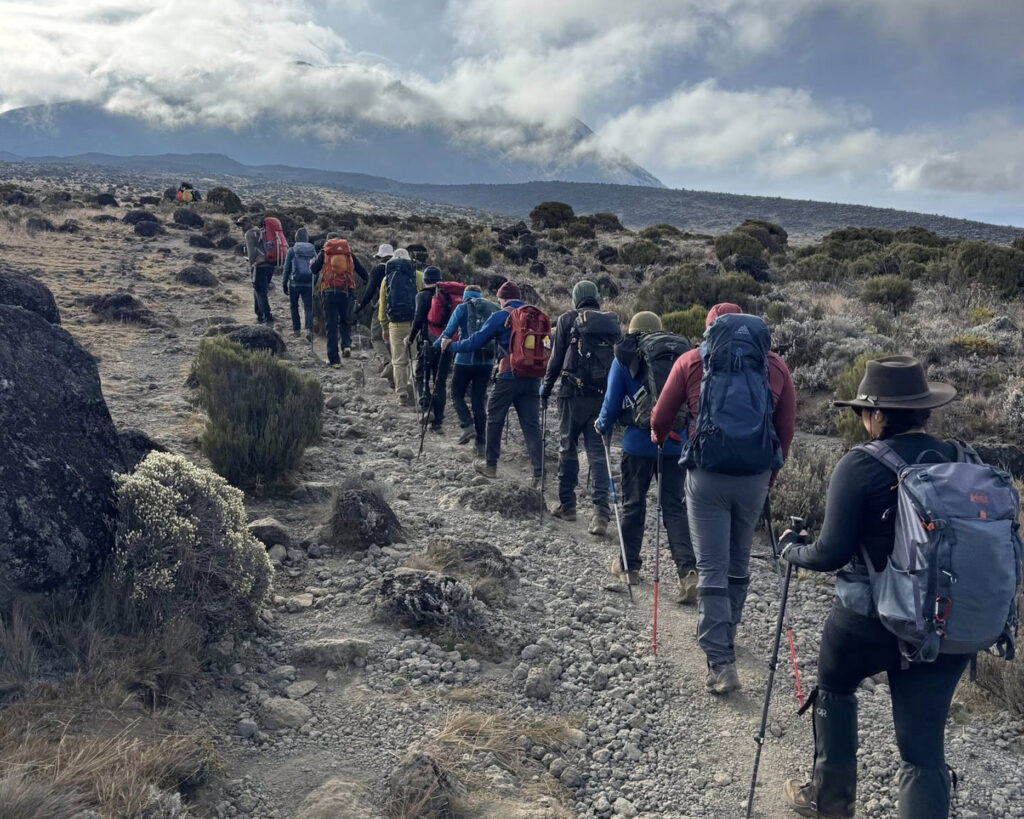
The physical difficulty of climbing Mount Kilimanjaro is one of the most important factors that international tourists must understand before embarking on this iconic African adventure. While Kilimanjaro does not require technical climbing skills, the mountain demands sustained physical effort over several consecutive days, often in challenging environmental conditions. Many travelers researching how hard is to climb mount kilimanjaro focus only on fitness levels, but the reality is more complex and multifaceted.
At its core, climbing Kilimanjaro is a long-distance, multi-day trek that requires endurance rather than explosive strength. Climbers typically walk between five to eight hours per day, depending on the route and itinerary. These hours are spent ascending gradually, sometimes on rocky trails, loose volcanic scree, or uneven forest paths. The repetitive motion of walking uphill day after day places continuous strain on leg muscles, joints, and the cardiovascular system. Even individuals who are physically active in their daily lives may find this sustained effort more demanding than expected.
One of the primary physical challenges is cumulative fatigue. Unlike a single-day hike, Kilimanjaro does not allow full recovery between trekking days. Muscles that are tired on day one must continue working on day two, day three, and beyond. This gradual buildup of fatigue can significantly impact performance, especially for climbers who underestimate the importance of pacing. Professional guides emphasize the concept of “pole pole,” meaning “slowly, slowly,” to help climbers conserve energy and adapt to the increasing demands of the mountain.
Another factor contributing to physical difficulty is the weight carried by the climber. Although porters carry most of the equipment, climbers are still responsible for their daypack, which usually weighs between 5 and 10 kilograms. This pack contains essentials such as water, snacks, warm clothing, rain gear, and personal items. Carrying this additional weight for hours each day increases energy expenditure and places extra stress on the shoulders, back, and legs. Over time, even a modest pack can feel significantly heavier as fatigue sets in.
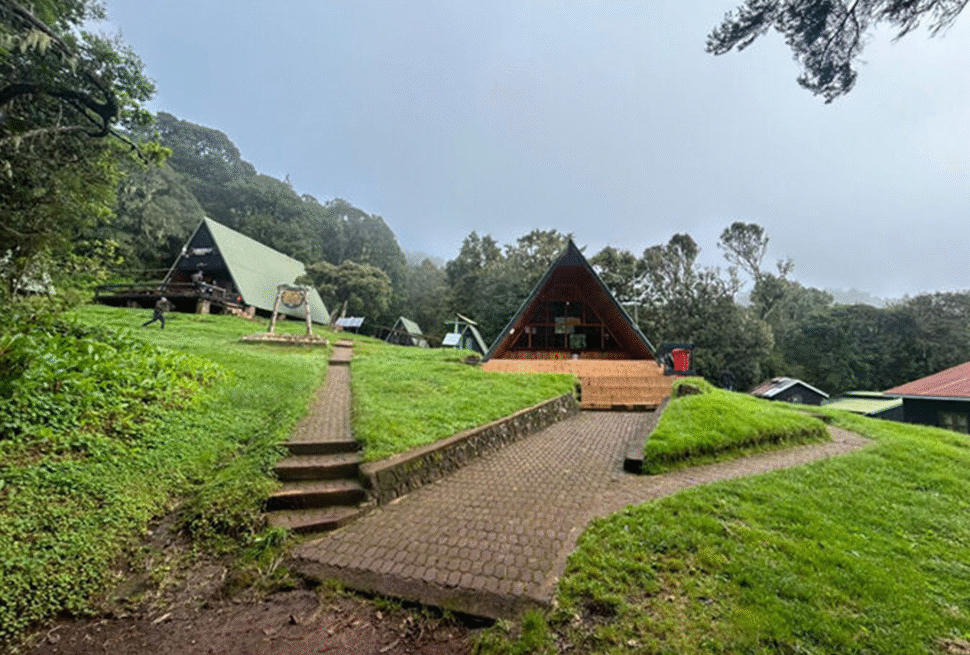
Terrain variation also plays a crucial role in shaping the physical demands of the climb. The lower slopes of Kilimanjaro are covered in dense rainforest, where trails can be muddy, slippery, and uneven. Navigating these conditions requires balance, coordination, and constant attention to foot placement. As climbers move higher, the terrain transitions into heath and moorland, then alpine desert, and finally arctic conditions near the summit. Each zone introduces different physical challenges, from steep inclines to loose gravel that can make every step forward feel like half a step back.
Cardiovascular endurance is another key component of physical difficulty. The heart and lungs must work harder as elevation increases, even before altitude sickness becomes a concern. Simple activities such as walking uphill or climbing small inclines can feel disproportionately tiring. Climbers who are not accustomed to sustained aerobic exercise may find their breathing rate increasing rapidly, forcing them to stop frequently to rest. This is why training programs for Kilimanjaro often emphasize long-distance walking, stair climbing, and aerobic conditioning over short, high-intensity workouts.
Joint and muscle stress should not be overlooked. Knees, ankles, and hips absorb repeated impact throughout the trek, particularly during descents. Descending can be just as physically demanding as ascending, if not more so, due to the strain placed on joints. Climbers with previous knee injuries or joint issues may find this aspect particularly challenging. Proper footwear, trekking poles, and strength training focused on stabilizing muscles can significantly reduce discomfort and injury risk.
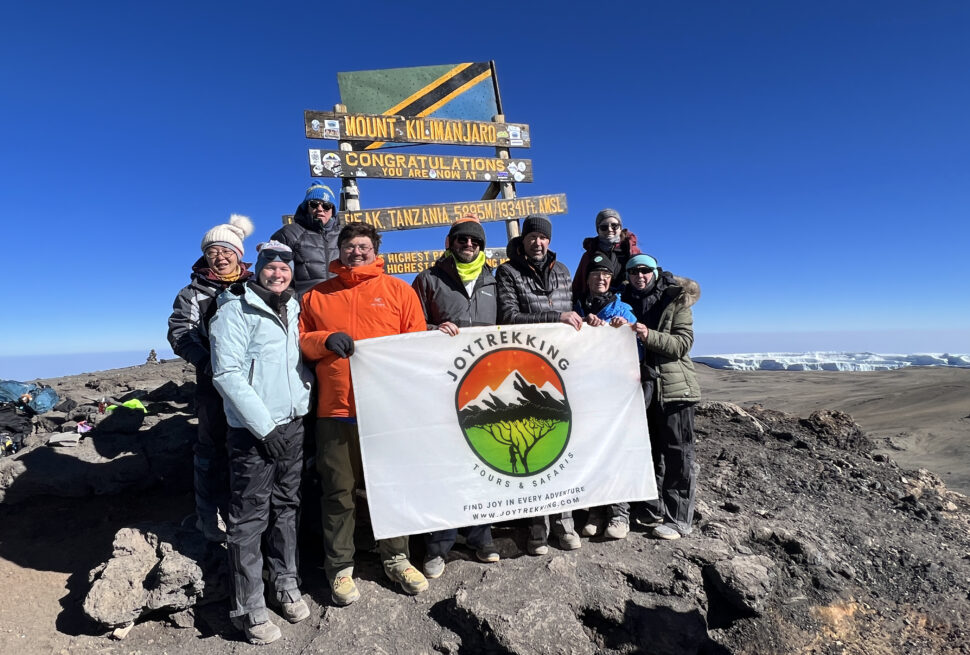
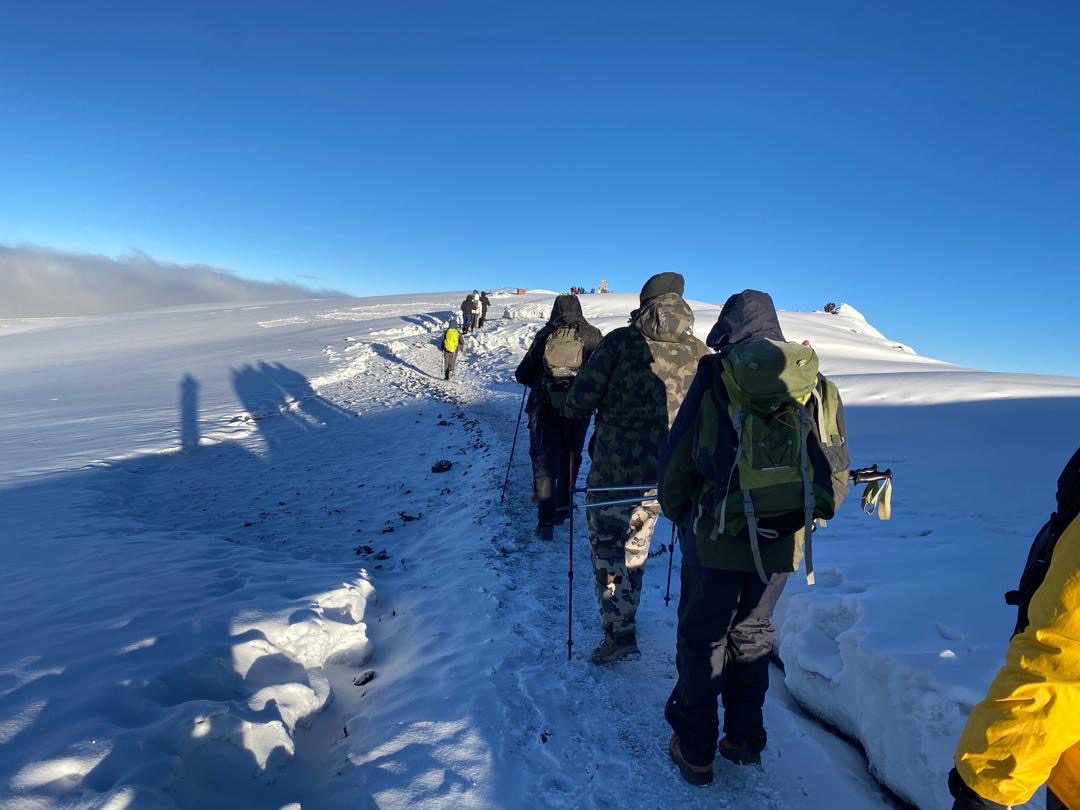
Summit day represents the peak of physical difficulty on Kilimanjaro. This is the longest and most demanding day of the entire climb. Typically beginning around midnight, climbers ascend slowly in darkness for six to eight hours to reach Uhuru Peak, followed by a long descent back to lower camps. The combination of extreme fatigue, cold temperatures, and reduced oxygen availability pushes the body to its limits. Many people who ask how hard is to climb mount kilimanjaro are unprepared for the sheer physical intensity of this final push.
Cold exposure adds another layer of physical stress. As altitude increases, temperatures drop significantly, especially during the night. The body must work harder to maintain core temperature, which increases energy consumption. Cold muscles are also more prone to stiffness and fatigue, making movement less efficient. Proper layering, nutrition, and hydration are essential to help the body cope with these conditions and continue functioning effectively.
Nutrition and hydration directly influence physical performance on the mountain. Appetite often decreases at higher elevations, yet the body requires more calories to sustain prolonged exertion. Inadequate nutrition can lead to weakness, dizziness, and reduced stamina. Similarly, dehydration can exacerbate fatigue and impair muscle function. Experienced trekking companies prioritize balanced meals and regular water intake to support climbers’ physical needs throughout the journey.
Pre-climb preparation has a significant impact on how difficult the climb feels physically. Climbers who engage in consistent training, including long hikes with elevation gain, strength training for the legs and core, and cardiovascular conditioning, tend to cope better with the demands of the mountain. However, even well-prepared climbers must respect the mountain and listen to their bodies. Overconfidence can lead to pacing mistakes that drain energy reserves too early in the climb.
Age and body type are less important than overall fitness and mental determination when it comes to physical difficulty. Kilimanjaro has been successfully climbed by people of various ages, from teenagers to seniors, provided they are adequately prepared and supported. The key is not athletic excellence, but consistency, resilience, and the ability to maintain steady movement over long periods. This reality often surprises those researching how hard is to climb mount kilimanjaro, as they expect physical difficulty to be limited only to elite athletes.
Guided support plays a crucial role in managing physical challenges. Professional guides monitor climbers’ pace, encourage rest breaks, and adjust daily routines based on individual performance. Porters reduce the physical burden by carrying heavy equipment, allowing climbers to focus their energy on walking and acclimatization. This support system transforms what could be an overwhelming physical ordeal into a structured and manageable journey.
In summary, the physical difficulty of climbing Mount Kilimanjaro lies not in technical complexity, but in sustained endurance, cumulative fatigue, and the body’s response to prolonged exertion in a high-altitude environment. The climb demands respect, preparation, and patience. Those who approach it with realistic expectations, proper training, and professional guidance significantly increase their chances of reaching the summit safely and enjoying the experience along the way.
2: Mental and Psychological Challenges of Climbing Mount Kilimanjaro
While physical endurance is essential, the mental and psychological challenges of climbing Mount Kilimanjaro are often the most underestimated aspects of the journey. Many international tourists prepare their bodies extensively but fail to train their minds for the emotional and psychological demands of a multi-day high-altitude trek. Understanding this dimension is critical for anyone seeking a realistic answer to how hard is to climb mount kilimanjaro, because mental strength frequently determines who reaches the summit and who turns back.
One of the first psychological challenges climbers face is uncertainty. Unlike controlled environments such as gyms or urban hikes, Kilimanjaro is unpredictable. Weather conditions can change rapidly, energy levels fluctuate, and the body’s response to altitude is never fully guaranteed. This uncertainty can trigger anxiety, especially for climbers who are accustomed to planning every detail of their lives. Learning to accept what cannot be controlled is a major mental adjustment that begins even before the climb starts.
The length of the trek itself creates a unique psychological burden. Spending six to nine days walking, sleeping in tents, and following a strict routine can feel mentally draining. Days may begin to blur together, and the absence of modern comforts such as hot showers, constant internet access, and private space can test patience. For some climbers, this simplicity is refreshing; for others, it becomes mentally exhausting. The ability to stay present and focused, rather than counting days or dwelling on discomfort, is a powerful psychological skill on the mountain.
Another significant mental challenge is monotony. Although Kilimanjaro offers breathtaking scenery, trekking hours can feel repetitive. Step after step, hour after hour, often at a slow and steady pace, can lead to boredom and mental fatigue. This is especially true on longer routes designed for better acclimatization. Maintaining motivation during these long stretches requires inner discipline and the ability to find meaning in small moments, such as changes in landscape or conversations with fellow climbers.
Fear also plays a role in the psychological difficulty of the climb. Fear of altitude sickness, fear of failure, and fear of physical discomfort can all surface at different stages of the trek. These fears may intensify as climbers gain elevation and symptoms such as headaches or shortness of breath appear. Even mild physical symptoms can become mentally magnified, causing climbers to worry excessively about their ability to continue. Experienced guides help manage these fears through reassurance, education, and constant monitoring, but the internal dialogue remains something each climber must confront individually.
Social dynamics within the group can also influence mental well-being. Climbers come from diverse backgrounds, cultures, and personalities. Differences in walking speed, coping mechanisms, or communication styles can sometimes lead to frustration or tension. At the same time, strong group cohesion can be a powerful source of motivation. Encouraging words, shared laughter, and mutual support often lift spirits during difficult moments. The psychological experience of Kilimanjaro is rarely a solo journey, even though each climber faces personal internal challenges.
Sleep deprivation is another underestimated psychological stressor. Sleeping at altitude is often restless due to cold temperatures, unfamiliar surroundings, and reduced oxygen levels. Poor sleep can affect mood, concentration, and emotional resilience. A climber who is physically capable may still struggle mentally after several nights of inadequate rest. Managing expectations around sleep and accepting that rest may not be perfect helps reduce frustration and mental fatigue.
Summit night is the ultimate psychological test. Starting the final ascent around midnight, climbers walk for hours in darkness, cold, and silence. The slow pace, combined with exhaustion and thin air, can create moments of self-doubt and emotional vulnerability. Many climbers experience a strong internal conflict between the desire to continue and the urge to stop. It is during these hours that the question how hard is to climb mount kilimanjaro becomes deeply personal, shifting from a general inquiry to an internal battle of willpower.
Mental imagery and goal-setting play a crucial role during summit night. Climbers who focus only on the distance remaining may feel overwhelmed. Those who break the climb into small, manageable goals—reaching the next rest point, taking a few more steps, regulating breathing—often cope better. Visualization techniques, positive self-talk, and trust in the guiding team help maintain forward momentum when physical energy is nearly depleted.
Another psychological challenge is the fear of turning back. Some climbers feel a strong emotional attachment to the goal of reaching the summit, viewing it as a measure of personal success or failure. When guides recommend descending due to health or safety concerns, accepting this decision can be emotionally painful. It requires mental maturity to prioritize well-being over ego. Understanding that attempting Kilimanjaro is an achievement in itself helps climbers process this possibility with greater emotional balance.
Cultural and environmental immersion can also affect mental states. Being in a foreign country, adapting to new foods, languages, and customs, and immersing oneself in nature for an extended period can be both enriching and mentally demanding. For international tourists, this cultural shift adds another layer to the psychological experience. Openness, curiosity, and respect for local traditions enhance the journey, while resistance to unfamiliarity can increase stress.
Motivation fluctuates throughout the climb, and this is normal. Some days feel energizing and inspiring, while others feel heavy and discouraging. The key psychological skill is consistency—continuing to move forward even when motivation dips. Climbers who expect constant excitement often struggle, whereas those who accept emotional ups and downs as part of the process are better equipped to persevere.
Preparation before the climb significantly influences psychological resilience. Learning about the mountain, understanding daily routines, and setting realistic expectations reduce mental shock once on the trail. Mental training, such as practicing mindfulness, stress management, or endurance activities, can be just as valuable as physical conditioning. When climbers feel mentally prepared, challenges are perceived as manageable rather than overwhelming.
In the final analysis, the psychological difficulty of climbing Mount Kilimanjaro is as real and demanding as the physical aspect. Mental endurance, emotional regulation, adaptability, and self-belief all contribute to summit success. For many climbers, overcoming internal barriers becomes the most meaningful part of the journey. By the time they reflect on how hard is to climb mount kilimanjaro, they often realize that the mountain tested not just their bodies, but their minds in profound and transformative ways.
3: Technical Difficulty and Route Comparison on Mount Kilimanjaro

When discussing the difficulty of climbing Mount Kilimanjaro, technical difficulty is often misunderstood. Many international tourists assume that climbing a mountain of nearly 6,000 meters automatically involves ropes, ice climbing, or advanced mountaineering skills. In reality, Kilimanjaro is categorized as a non-technical trekking mountain, but this does not mean the climb is easy. To truly understand how hard is to climb mount kilimanjaro, it is essential to analyze the technical demands of the terrain and how different routes influence the overall challenge.
From a purely technical perspective, Mount Kilimanjaro does not require prior climbing experience. There is no need for harnesses, fixed ropes, crampons, or ice axes under normal conditions. The routes consist primarily of walking trails that are well-established and used year-round. This accessibility is one of the reasons Kilimanjaro attracts climbers from all over the world, including beginners. However, technical simplicity does not eliminate difficulty; instead, it shifts the challenge toward endurance, balance, and adaptability to varying terrain.
Trail conditions vary significantly depending on altitude and route choice. In the lower elevations, paths often run through rainforest with tree roots, mud, and occasional slippery surfaces. These conditions demand careful foot placement and balance, especially after rainfall. As climbers ascend into the heath and moorland zones, trails become rockier and more exposed. Loose volcanic gravel, uneven stones, and shallow inclines require constant attention to movement efficiency to avoid unnecessary energy loss.
At higher elevations, particularly in the alpine desert zone, technical difficulty increases subtly. The terrain becomes barren, dry, and dusty, with long stretches of scree. Scree consists of small, loose rocks that shift underfoot, making upward progress slower and more tiring. Descending on scree can also be challenging, as climbers must control their movement to avoid slipping or placing excessive strain on their knees. While not technical in the mountaineering sense, this type of terrain requires confidence, balance, and proper footwear.
Summit night introduces the most technically demanding conditions of the entire climb. The ascent to Uhuru Peak is typically done on steep scree slopes in cold, dark conditions. Visibility is limited to headlamp range, and temperatures can drop well below freezing. The combination of loose ground, steep incline, and fatigue makes this section feel significantly harder than any other part of the mountain. This is often the moment when climbers truly understand how hard is to climb mount kilimanjaro, despite the absence of technical climbing gear.
Route selection plays a critical role in shaping the technical and overall difficulty of the climb. Kilimanjaro offers several main routes, each with unique characteristics. Some routes are shorter and steeper, while others are longer and more gradual. The choice of route directly affects acclimatization, physical strain, and mental stress.
The Marangu Route, often called the “Coca-Cola Route,” is considered one of the most straightforward paths in terms of trail clarity and infrastructure. It features well-defined trails and hut accommodations instead of tents. Technically, it is one of the easiest routes, but its shorter duration provides less time for acclimatization, which can increase overall difficulty. Climbers may find the walking itself manageable, yet struggle due to altitude-related issues.
The Machame Route is one of the most popular options and offers a more varied terrain. It includes steeper sections, ridge walks, and the famous Barranco Wall. The Barranco Wall is often described as the most technical part of Kilimanjaro. While it may look intimidating, it is essentially a steep scramble that requires using hands for balance rather than climbing equipment. With proper guidance, most climbers complete it safely, but it does require confidence and careful movement.
The Lemosho Route is known for its scenic beauty and gradual ascent profile. Technically, it is not significantly more difficult than other routes, but its longer duration means climbers must maintain consistency over more days. The terrain includes long traverses and open landscapes that expose climbers to wind and sun. While the technical demands are moderate, the endurance required adds to the perceived difficulty.
The Rongai Route approaches the mountain from the northern side and is often considered less crowded. Technically, it is one of the easier routes due to its gentle gradients and steady climbs. However, its drier conditions and limited scenery in some sections can make the experience feel monotonous. The technical simplicity of Rongai does not eliminate the need for strong pacing and altitude awareness.
The Northern Circuit is the longest route on Kilimanjaro and offers the best acclimatization profile. From a technical standpoint, it is not difficult, but the extended duration requires mental and physical consistency. Long-distance walking over varied terrain can amplify fatigue, even when individual trail sections are not challenging. This route is ideal for climbers who prefer gradual progression over technical excitement.
Another aspect of technical difficulty is the ability to adapt movement to changing conditions. Weather can transform trails quickly. Rain can turn dirt paths into slippery surfaces, while wind can affect balance on exposed ridges. Climbers must constantly adjust their walking style, posture, and rhythm. Trekking poles are often recommended to improve stability and reduce joint strain, especially during descents.
Footwear plays a vital role in managing technical difficulty. Proper hiking boots with good ankle support and traction significantly reduce the risk of slips and injuries. Ill-fitting or low-quality footwear can turn otherwise manageable terrain into a serious challenge. Blisters, sore feet, and unstable footing can quickly escalate into major obstacles that affect the entire climb.
Guided support minimizes technical risk on Kilimanjaro. Experienced guides understand the terrain intimately and know where to slow down, where to rest, and how to navigate tricky sections safely. They provide instruction during more demanding parts, such as steep ascents or rocky scrambles. This guidance transforms technical challenges into manageable tasks, even for inexperienced climbers.
It is also important to understand that technical difficulty is relative. What feels easy to an experienced hiker may feel challenging to a beginner. Factors such as balance, coordination, confidence on uneven ground, and familiarity with long hikes all influence perception. This relativity explains why answers to how hard is to climb mount kilimanjaro vary so widely among climbers.
Ultimately, Mount Kilimanjaro’s technical difficulty is moderate but persistent. There are no single moments of extreme technical danger under normal conditions, but the continuous demand for careful movement over many days accumulates. When combined with altitude, fatigue, and weather exposure, even simple walking becomes demanding. Success depends less on technical mastery and more on patience, adaptability, and respect for the mountain’s changing terrain.
4: Altitude Sickness and Acclimatization on Mount Kilimanjaro
Altitude sickness is widely recognized as the single most decisive factor affecting success rates on Mount Kilimanjaro. Regardless of physical fitness, age, or prior trekking experience, every climber is vulnerable to the effects of high altitude. For international tourists trying to understand how hard is to climb mount kilimanjaro, altitude-related challenges often become the defining element of the entire journey.
Mount Kilimanjaro rises to 5,895 meters above sea level, a height at which oxygen levels are approximately 50 percent lower than at sea level. This rapid gain in elevation occurs over a relatively short horizontal distance, leaving the human body limited time to adapt naturally. Unlike other high mountains that require technical skills, Kilimanjaro’s greatest danger is invisible: hypoxia, or reduced oxygen availability in the bloodstream.
Altitude sickness, medically referred to as Acute Mountain Sickness (AMS), occurs when the body fails to adjust efficiently to decreased oxygen pressure. Symptoms can range from mild to severe and may include headaches, nausea, dizziness, fatigue, loss of appetite, shortness of breath, and sleep disturbances. In more serious cases, high-altitude pulmonary edema (HAPE) or high-altitude cerebral edema (HACE) can develop, both of which are potentially life-threatening if not addressed immediately.
One of the most challenging aspects of altitude sickness is its unpredictability. There is no guaranteed way to know how an individual will respond to altitude until they are exposed to it. Highly trained athletes can struggle severely, while less athletic individuals may acclimatize smoothly. This uncertainty adds to the perceived difficulty of the climb and explains why altitude, rather than terrain, is the leading cause of unsuccessful summit attempts.
Acclimatization is the body’s natural process of adapting to reduced oxygen levels. It involves physiological changes such as increased breathing rate, higher red blood cell production, and improved oxygen utilization. On Kilimanjaro, successful acclimatization depends heavily on itinerary design, ascent speed, and daily elevation gain. Routes that allow gradual altitude increase significantly improve summit success rates.
The principle of “climb high, sleep low” is central to proper acclimatization. This approach involves ascending to a higher elevation during the day and then descending slightly to sleep at a lower altitude. By doing so, the body is stimulated to adapt while still allowing recovery during rest periods. Several Kilimanjaro routes are intentionally designed to incorporate this principle, making them more effective for acclimatization.
Hydration plays a critical role in managing altitude effects. At high elevations, the body loses fluids more rapidly due to increased respiration and dry air. Dehydration can worsen altitude symptoms and impair physical performance. Climbers are typically advised to drink several liters of water per day, even if they do not feel thirsty. Consistent hydration supports circulation and oxygen transport throughout the body.
Nutrition also influences acclimatization. High-altitude trekking increases caloric demands while often suppressing appetite. Consuming balanced meals rich in carbohydrates helps maintain energy levels and supports metabolic processes essential for adaptation. Guides frequently encourage climbers to eat regularly, even when appetite is low, to sustain strength and reduce fatigue.
Sleep disturbances are a common side effect of altitude exposure. Periodic breathing, vivid dreams, and frequent waking are normal at high elevations. Poor sleep can compound fatigue and affect mental resilience, making acclimatization feel more difficult than it physiologically is. Accepting sleep disruption as a temporary condition helps climbers manage expectations and reduce anxiety.
Another important factor is ascent speed. Moving too quickly is one of the most common causes of altitude sickness. The desire to progress faster, whether due to excitement or physical confidence, often leads climbers to outpace their body’s ability to adapt. This is why experienced guides strictly control walking speed and emphasize slow, rhythmic movement throughout the climb.
Medication such as acetazolamide (commonly known as Diamox) is sometimes used to assist acclimatization. While not mandatory, it can help reduce the severity of altitude symptoms for some individuals. However, medication should never be viewed as a substitute for proper itinerary planning and responsible pacing. Professional guidance is essential when deciding whether to use such aids.
Monitoring health is a continuous process on Kilimanjaro. Guides regularly assess climbers for signs of altitude sickness by observing behavior, asking questions, and measuring vital signs when necessary. Early detection allows for timely intervention, such as rest, descent, or additional acclimatization time. This proactive approach significantly reduces serious risks and increases overall safety.
Psychologically, altitude sickness can be distressing. Symptoms such as headaches or nausea may trigger fear and self-doubt, even when they are mild and manageable. Climbers often worry that symptoms indicate imminent failure, which can increase stress and exacerbate discomfort. Calm reassurance, clear communication, and education about normal altitude responses help alleviate these fears.
Summit day is the ultimate test of acclimatization. Climbers attempt the final ascent after several days of gradual adaptation, but oxygen levels near the summit remain extremely low. Even well-acclimatized individuals feel the effects intensely. Slow movement, controlled breathing, and mental focus become essential tools for managing the final push to Uhuru Peak.
Weather conditions can influence altitude effects. Cold temperatures cause blood vessels to constrict, which may reduce oxygen delivery to extremities and increase discomfort. Wind exposure further amplifies fatigue. Proper clothing and layering strategies help mitigate these stressors and support the body’s adaptation process.
Route choice has a direct impact on acclimatization success. Longer routes with additional days allow the body more time to adjust, resulting in higher summit success rates. Shorter routes, while appealing due to time constraints, often lead to increased altitude-related issues. This trade-off is a critical consideration for anyone evaluating how hard is to climb mount kilimanjaro from a realistic perspective.
Individual attitude toward acclimatization greatly affects outcomes. Climbers who respect the process, listen to their bodies, and communicate openly with guides tend to manage altitude more effectively. Ignoring symptoms or pushing through discomfort out of pride can quickly escalate into serious health risks.
Previous altitude exposure may offer limited advantage, but it does not guarantee success. Adaptation effects diminish over time, and Kilimanjaro’s rapid ascent profile presents a unique challenge even for experienced trekkers. Each climb should be approached as a new experience requiring fresh preparation and awareness.
In essence, altitude sickness is not a sign of weakness but a natural physiological response to an extreme environment. Managing it successfully requires patience, discipline, and informed decision-making. For many climbers, overcoming altitude challenges becomes the most profound lesson of the journey, reshaping their understanding of endurance and resilience.
By the end of the climb, those reflecting on how hard is to climb mount kilimanjaro often recognize that acclimatization was the true gateway to success. Physical strength and technical simplicity matter far less than the body’s ability to adapt to thin air. When approached responsibly, altitude becomes a manageable challenge rather than an insurmountable barrier.
5: Who Can Climb Mount Kilimanjaro and How to Prepare
One of the most common misconceptions about Mount Kilimanjaro is that it is only suitable for elite athletes or experienced mountaineers. In reality, Kilimanjaro is one of the few high-altitude mountains in the world that can be climbed by people from a wide range of backgrounds, ages, and fitness levels. However, accessibility does not mean the climb should be taken lightly. For international tourists evaluating how hard is to climb mount kilimanjaro, understanding who can realistically attempt the mountain and how to prepare properly is essential.
Mount Kilimanjaro can be climbed by beginners, provided they approach the challenge with respect, preparation, and the right support system. You do not need technical climbing skills, prior mountaineering experience, or exceptional athletic performance. What you do need is a reasonable level of physical fitness, mental resilience, and a willingness to follow guidance. Many successful climbers describe themselves as ordinary people who committed to consistent preparation rather than extraordinary athletes.
Age is often a concern for prospective climbers, but it is less important than overall health and conditioning. Kilimanjaro has been climbed by teenagers and by individuals well into their sixties and seventies. What matters most is cardiovascular health, joint stability, and the ability to walk for several hours a day over multiple consecutive days. Older climbers who train consistently and choose longer routes often perform just as well as younger participants.
Body type and gender also do not limit success. Men and women from diverse physical builds regularly reach the summit. Endurance, pacing, and acclimatization matter far more than body composition. The mountain rewards patience and consistency rather than speed or strength. This reality surprises many people who initially assume the climb is reserved for a specific “type” of person.
Medical considerations play a critical role in determining suitability. Pre-existing conditions such as heart disease, severe asthma, or uncontrolled high blood pressure require medical clearance before attempting the climb. That said, many people with manageable conditions successfully climb Kilimanjaro after consulting healthcare professionals and following appropriate precautions. Transparency about health history allows guides to provide better support and monitoring during the trek.
Preparation for Kilimanjaro should ideally begin several months before arrival in Tanzania. Physical training is one of the most important components. The goal of training is not to build extreme strength, but to develop endurance and comfort with long periods of walking. Activities such as hiking, stair climbing, cycling, and brisk walking are particularly effective. Training with a loaded backpack helps simulate real trekking conditions and prepares the body for sustained effort.
Leg strength and joint stability are crucial areas of focus. Squats, lunges, step-ups, and core exercises improve balance and reduce injury risk. Strong supporting muscles protect knees and ankles during long ascents and descents. Flexibility training, including stretching and mobility work, helps prevent stiffness and supports recovery between training sessions.
Cardiovascular conditioning is equally important. Kilimanjaro demands steady aerobic output rather than short bursts of intensity. Long-duration, moderate-intensity workouts train the heart and lungs to operate efficiently over extended periods. Consistency matters more than intensity; regular training over time produces better results than sporadic, high-effort sessions.
Mental preparation is often overlooked but just as important as physical training. Preparing mentally involves setting realistic expectations, understanding discomfort, and accepting uncertainty. Reading about the climb, learning daily routines, and visualizing challenging moments help reduce anxiety. Mental resilience allows climbers to remain calm and focused when fatigue, cold, or altitude discomfort arises.
Packing the right gear is another key aspect of preparation. Proper equipment does not make the climb easy, but poor gear can make it unnecessarily difficult. Well-fitted hiking boots with ankle support, moisture-wicking clothing, layered insulation, and weather protection are essential. Ill-prepared climbers often struggle with blisters, cold exposure, or overheating, all of which can affect performance and morale.
Trekking poles are highly recommended, especially for those with knee concerns. They improve balance, reduce joint impact, and help maintain rhythm on uneven terrain. Headlamps, insulated gloves, thermal hats, and high-quality sleeping bags contribute significantly to comfort, particularly at higher elevations.
Nutrition planning begins before the climb. Developing healthy eating habits during training supports overall fitness and recovery. On the mountain, climbers should be prepared to eat even when appetite decreases. Familiar snacks from home can provide comfort and quick energy. Hydration habits should also be established early, as drinking sufficient water at altitude is critical.
Choosing the right route is one of the most strategic preparation decisions. Longer routes with gradual ascents provide better acclimatization and higher success rates, particularly for first-time climbers. Shorter routes may appear appealing due to time constraints but often increase the risk of altitude-related issues. This decision directly affects how climbers experience how hard is to climb mount kilimanjaro in real terms.
Selecting a reputable trekking company is equally important. Professional operators provide experienced guides, proper safety protocols, quality equipment, and ethical porter treatment. Guides play a central role in pacing, health monitoring, and motivation. Their expertise often makes the difference between a positive experience and a difficult one.
Cultural preparation enhances the overall journey. Understanding local customs, basic Swahili greetings, and Tanzanian hospitality enriches interactions with guides and porters. Respectful engagement fosters strong team spirit, which can significantly boost morale during challenging moments.
Time management is another preparation factor. Allowing enough time for the climb, travel, and recovery reduces stress. Rushing the experience often leads to poor decisions, fatigue, and diminished enjoyment. International tourists benefit greatly from planning buffer days and flexible schedules.
Expectation management is perhaps the most powerful preparation tool. Kilimanjaro is not a luxury vacation; it is a demanding adventure. Accepting discomfort, slow progress, and temporary hardship helps climbers adapt emotionally. Those who approach the mountain with humility and patience are more likely to enjoy the journey and reach the summit.
It is also important to understand that success is not defined solely by reaching Uhuru Peak. Every step taken on the mountain is an achievement. Weather conditions, health concerns, or safety decisions may require turning back. Viewing the climb as a personal journey rather than a test of worth allows climbers to process outcomes with pride and perspective.
In summary, Mount Kilimanjaro is accessible to a broad range of people, but success depends heavily on preparation. Physical training, mental readiness, proper gear, informed route selection, and professional guidance all contribute to a safer and more rewarding experience. For those who prepare thoroughly, the mountain becomes a challenge that is demanding yet achievable.
When climbers reflect on how hard is to climb mount kilimanjaro, many conclude that the difficulty was not about being “strong enough,” but about being prepared enough. With the right mindset and planning, Kilimanjaro transforms from an intimidating giant into a life-changing accomplishment.
Is Climbing Mount Kilimanjaro Truly Hard?
After examining every major aspect of the climb—from physical endurance and mental resilience to technical terrain, altitude challenges, and preparation—it becomes clear that Mount Kilimanjaro is neither an easy walk nor an impossible feat. The difficulty of the mountain lies in its unique combination of factors rather than in any single overwhelming obstacle. For international tourists seeking a clear and honest understanding of how hard is to climb mount kilimanjaro, the answer depends largely on expectations, preparation, and respect for the mountain.
Kilimanjaro’s accessibility often creates misleading assumptions. Because it does not require technical climbing skills, many people underestimate the seriousness of the challenge. In reality, the mountain demands sustained effort over multiple days, patience with slow progress, and adaptability to changing physical and mental conditions. The long trekking hours, cumulative fatigue, cold temperatures, and thin air work together to test endurance in ways that few travelers experience elsewhere.
Altitude remains the most decisive factor influencing success. Unlike technical mountains where skill determines progress, Kilimanjaro places all climbers—regardless of fitness—at the mercy of physiological adaptation. Acclimatization cannot be rushed or forced, and this reality humbles even the most confident individuals. Those who succeed are often not the strongest, but the most patient and disciplined. Understanding and respecting altitude is central to answering how hard is to climb mount kilimanjaro in a realistic way.
Mental strength consistently emerges as a defining element of the journey. The ability to remain calm in discomfort, manage self-doubt, and stay focused during long, repetitive trekking days separates those who persevere from those who struggle. Summit night, in particular, is less about physical capability and more about determination, mindset, and trust in the process. Many climbers later describe this mental challenge as the most transformative part of the entire experience.
Preparation shapes perception. Climbers who train consistently, choose appropriate routes, pack suitable gear, and educate themselves about the mountain tend to experience the climb as demanding but manageable. Those who arrive unprepared often perceive the same conditions as overwhelming. This difference highlights an important truth: Kilimanjaro does not become easier, but preparation makes it feel more achievable.
Another critical element is informed decision-making. Route selection, pacing, hydration, nutrition, and willingness to listen to professional guidance all influence outcomes. Longer routes with better acclimatization profiles offer higher success rates, especially for first-time climbers. Rushing the climb to save time often increases difficulty rather than reducing it. The mountain rewards patience far more than speed.
It is also important to redefine what success means on Kilimanjaro. While reaching Uhuru Peak is a powerful achievement, the journey itself holds equal value. Walking through diverse climate zones, disconnecting from daily routines, and confronting personal limits offer profound perspective. Climbers who measure success solely by the summit may overlook the growth that occurs along the way.
From a broader perspective, Kilimanjaro stands as one of the world’s most accessible high-altitude challenges. This accessibility does not diminish its seriousness; instead, it creates an opportunity for ordinary people to attempt something extraordinary. With the right mindset, support, and preparation, the mountain becomes a test of resilience rather than an insurmountable barrier.
For those researching health and safety considerations related to high altitude, authoritative medical guidance on altitude sickness can be found through reputable sources such as the Centers for Disease Control and Prevention, which provides detailed explanations of altitude-related risks and prevention strategies .
For additional medical guidance on altitude-related risks and prevention, climbers can refer to the official recommendations provided by the Centers for Disease Control and Prevention (CDC) on high-altitude travel and altitude sickness:https://www.cdc.gov/travel/page/travel-to-high-altitudes
In the end, when climbers look back and reflect on how hard is to climb mount kilimanjaro, many realize that the difficulty was not something to fear, but something that gave the experience meaning. The mountain challenges the body, sharpens the mind, and reshapes perspective. It is hard enough to be life-changing, yet achievable enough to invite those willing to prepare, persevere, and respect its demands.