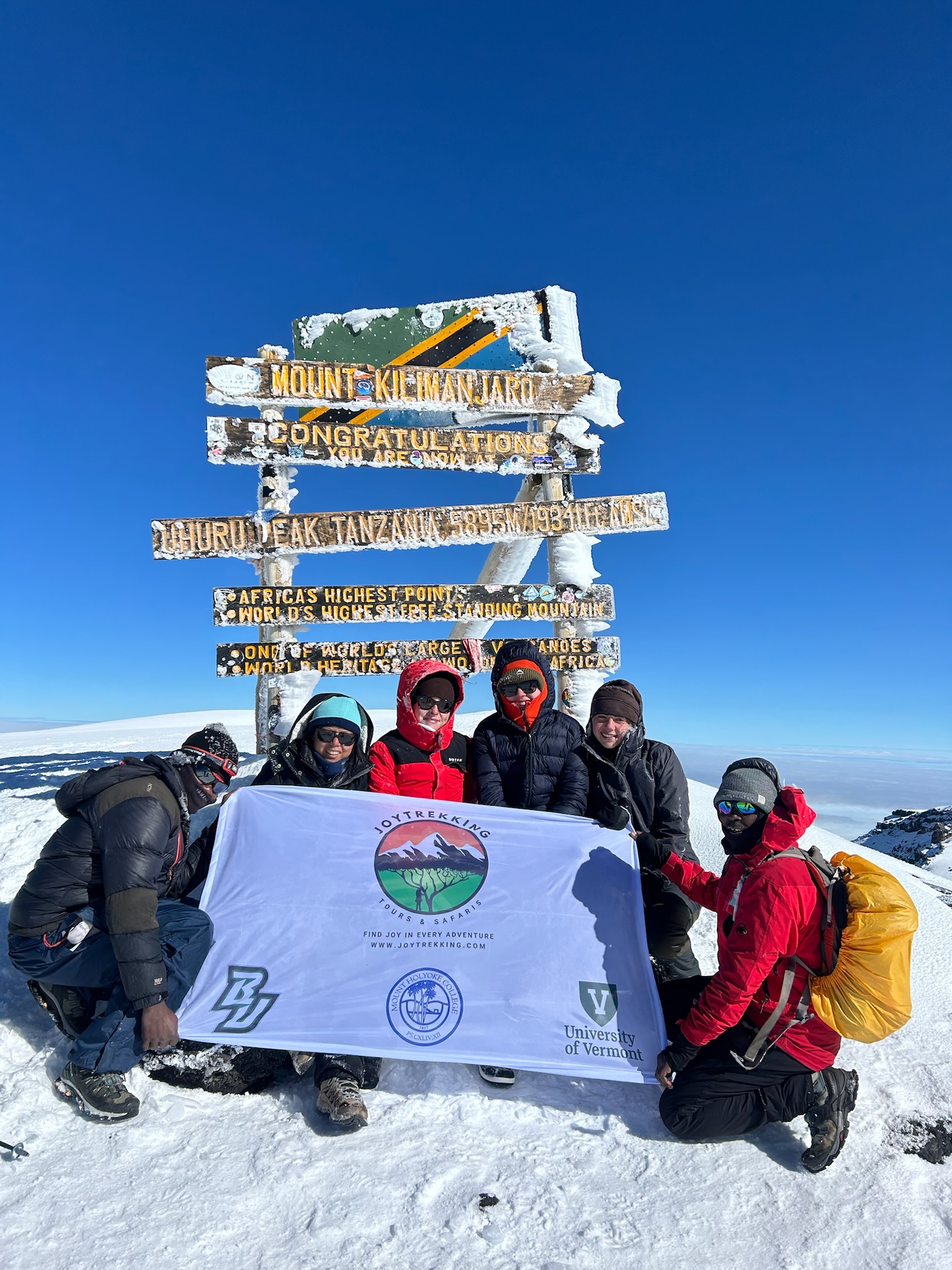
Discover the ultimate Mount Kilimanjaro Packing List with expert gear tips, clothing essentials, and trekking advice for a safe and successful summit.
Preparing to climb Mount Kilimanjaro? This complete packing list covers clothing, gear, and expert tips to help trekkers stay safe, warm, and ready for the summit.
Mount Kilimanjaro Packing List
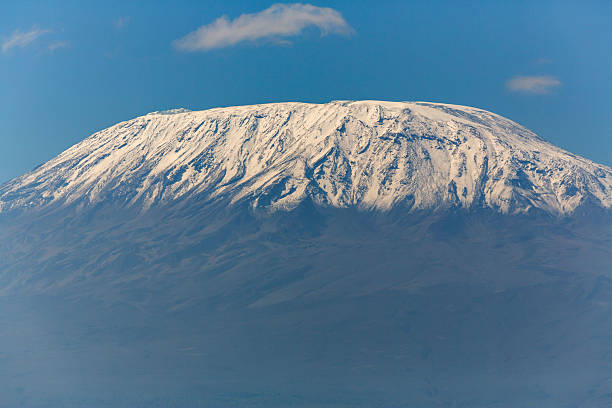
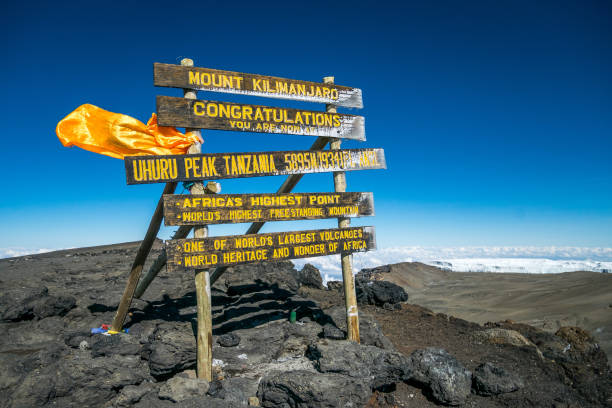
Climbing Mount Kilimanjaro, the tallest mountain in Africa at 5,895 meters (19,341 feet), is one of the world’s most iconic trekking adventures. While the climb does not require technical mountaineering skills, proper preparation is critical — and that begins with the right Mount Kilimanjaro Packing List.
Trekkers experience multiple climate zones during the journey, from tropical rainforest to arctic summit conditions. Temperatures can drop to -20°C (-4°F) near the summit, making the right clothing and gear essential for safety and comfort.
In this comprehensive guide created by the local experts at JoyTrekking Tours & Safaris, you’ll learn exactly what to pack, what you can rent locally, and how to prepare efficiently for a successful Kilimanjaro summit.
Quick Summary
- Kilimanjaro has five climate zones, requiring layered clothing.
- Essential gear includes thermal layers, waterproof jackets, and hiking boots.
- A daypack (20–35L) and duffel bag (80–100L) are recommended.
- Temperatures can drop below -20°C at the summit.
- Most trekking companies provide tents, meals, and safety equipment.
- Gear rental is available in Arusha and Moshi.
- Avoid overpacking — porters carry bags but weight limits apply.
Why a Proper Mount Kilimanjaro Packing List is Important
A well-prepared Mount Kilimanjaro Packing List ensures comfort, safety, and a higher chance of reaching the summit.
During the trek, climbers pass through several ecological zones:
- Rainforest
- Moorland
- Alpine desert
- Arctic summit zone
Each environment presents different weather conditions, including rain, strong winds, and freezing temperatures.
According to Kilimanjaro National Park Authority, proper gear is one of the most important factors affecting summit success rates.
For additional altitude safety guidance, the Centers for Disease Control and Prevention also recommends proper layering, hydration, and protection against cold exposure when trekking at high altitudes.
Mount Kilimanjaro Packing List Essentials
1. Clothing Layers
Layering is critical for adapting to Kilimanjaro’s rapidly changing weather.
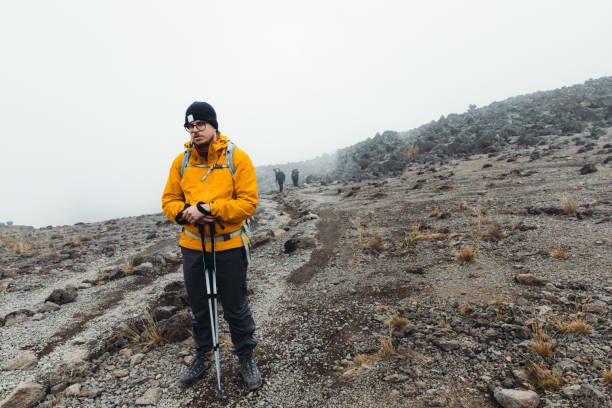
Essential clothing includes:
- Moisture-wicking base layers
- Insulated mid-layers (fleece or down jacket)
- Waterproof outer jacket
- Waterproof trekking pants
- Thermal underwear
- Warm hat and neck gaiter
Layering allows trekkers to stay comfortable while adjusting to different temperatures throughout the climb.
2. Footwear
Proper footwear can make or break your Kilimanjaro trek.
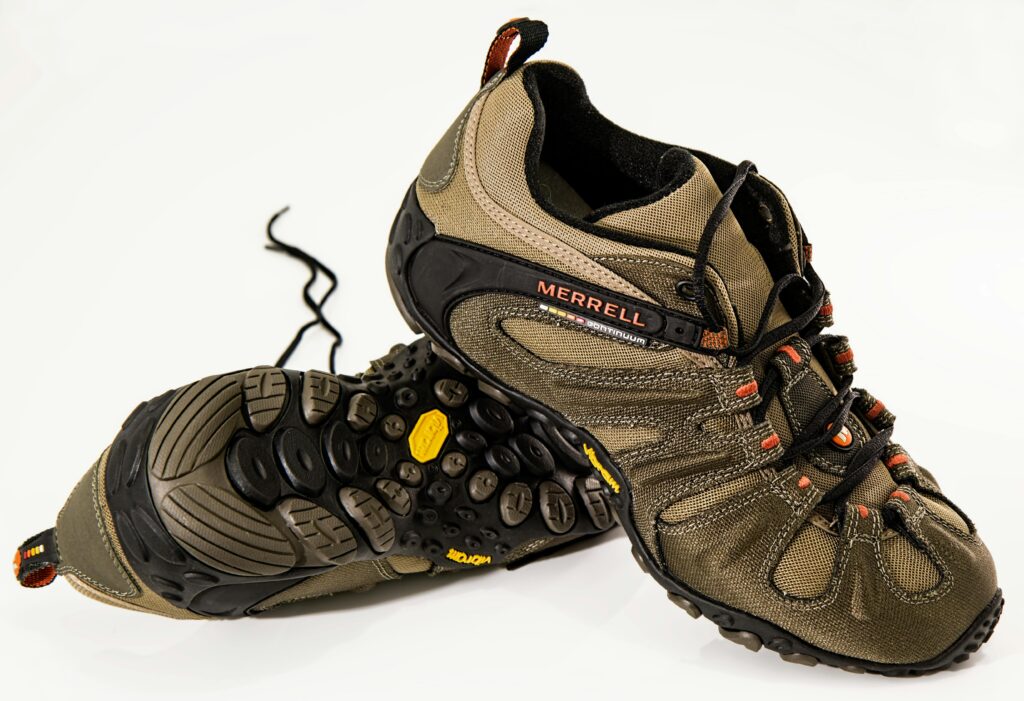
Recommended items:
- Waterproof hiking boots (well broken-in)
- 3–4 pairs of wool trekking socks
- Lightweight camp shoes or sandals
- Gaiters for dusty trails
Comfortable boots help prevent blisters and provide support during long trekking days.
3. Backpack and Bags
You’ll need two main bags:
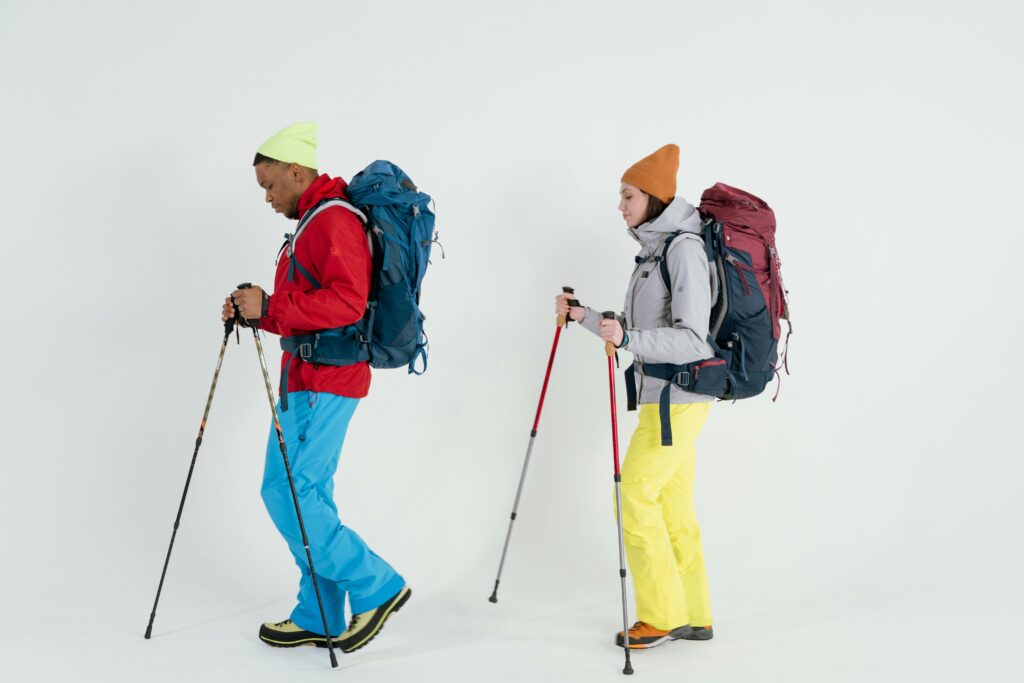
Daypack (20–35 liters)
Used to carry essentials during daily hikes:
- Water bottles or hydration bladder
- Snacks
- sunscreen
- camera
- rain gear
Duffel bag (80–100 liters)
This bag is carried by porters and contains the majority of your gear.
Most trekking companies limit duffel bag weight to 15 kg (33 lbs).
4. Sleeping Gear
Although trekking companies provide tents, personal sleeping equipment is still important.
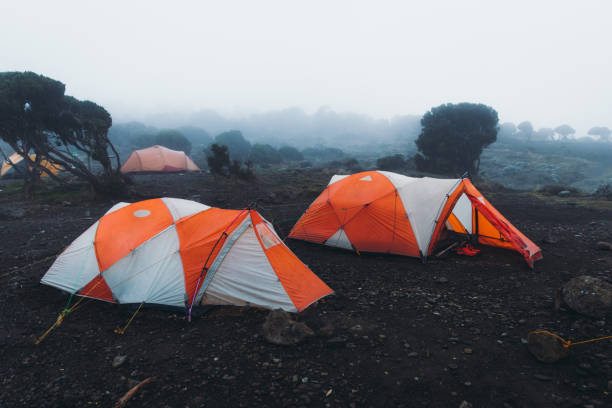
Recommended items:
- Four-season sleeping bag rated -10°C to -20°C
- Sleeping bag liner
- Inflatable pillow (optional)
Quality sleeping gear improves recovery after long hiking days.
5. Trekking Equipment
Essential trekking gear includes:
- Trekking poles
- Headlamp with extra batteries
- Sunglasses with UV protection
- Water bottles or hydration system
- Dry bags for waterproof storage
Trekking poles are particularly helpful during steep descents.
6. Health and Personal Items
Health preparation is extremely important at high altitude.
Recommended items:
- Personal medications
- Basic first aid kit
- Sunscreen SPF 50+
- Lip balm with SPF
- Wet wipes and hand sanitizer
- High-energy snacks
Altitude sickness medication should only be used under medical advice.
Kilimanjaro Packing List Comparison Table
| Category | Essential Items | Optional Items |
|---|---|---|
| Clothing | Base layers, down jacket, waterproof shell | Extra fleece |
| Footwear | Hiking boots, wool socks | Camp sandals |
| Bags | Daypack, duffel bag | Compression sacks |
| Sleeping | Cold-rated sleeping bag | Pillow |
| Accessories | Headlamp, sunglasses | Camera gear |
| Health | Sunscreen, first aid | Electrolyte tablets |
Local Expert Insights from JoyTrekking Tours & Safaris
Local mountain guides from JoyTrekking Tours & Safaris have helped thousands of international climbers reach the summit of Mount Kilimanjaro.
Here are some insider tips:
Pack light but smart.
Overpacking makes organization difficult during the climb.
Layering is more important than heavy clothing.
Temperatures change dramatically throughout the day.
Use dry bags.
Rain in the rainforest zone can soak gear quickly.
Train with your gear before the climb.
Practice hiking with your boots and daypack to avoid discomfort during the trek.
Customer Experience
Michael T., Canada
“The packing checklist from JoyTrekking Tours & Safaris was incredibly helpful. I arrived fully prepared for the climb and successfully reached Uhuru Peak without gear issues.”
Frequently Asked Questions
How heavy should my Kilimanjaro bag be?
Your duffel bag carried by porters is usually limited to 15 kg (33 lbs).
Can I rent gear in Tanzania?
Yes. Many items such as sleeping bags, trekking poles, and jackets can be rented in Arusha or Moshi.
Do I need a down jacket for Kilimanjaro?
Yes. Summit night temperatures can drop below -20°C, so an insulated down jacket is essential.
What should I carry in my daypack?
Your daypack should contain:
- Water
- Snacks
- Rain jacket
- Camera
- sunscreen
- headlamp
Final Thoughts
Preparing the right Mount Kilimanjaro Packing List is one of the most important steps toward a successful climb.
With the right clothing layers, trekking gear, and health essentials, climbers can safely experience one of the world’s most incredible trekking adventures.
Whether you choose the Machame Route, Lemosho Route, or Northern Circuit, being properly equipped will allow you to focus on enjoying the breathtaking landscapes and the unforgettable moment of standing at the summit of Africa.
About the Author
January Mziray
January Mziray is a Tanzanian tourism specialist and mountain expert with extensive experience guiding international travelers on Mount Kilimanjaro. Through JoyTrekking Tours & Safaris, he helps climbers prepare for safe and successful trekking adventures across Tanzania.
His insights combine local knowledge, professional guiding experience, and sustainable tourism practices, ensuring travelers enjoy authentic and responsible adventures.