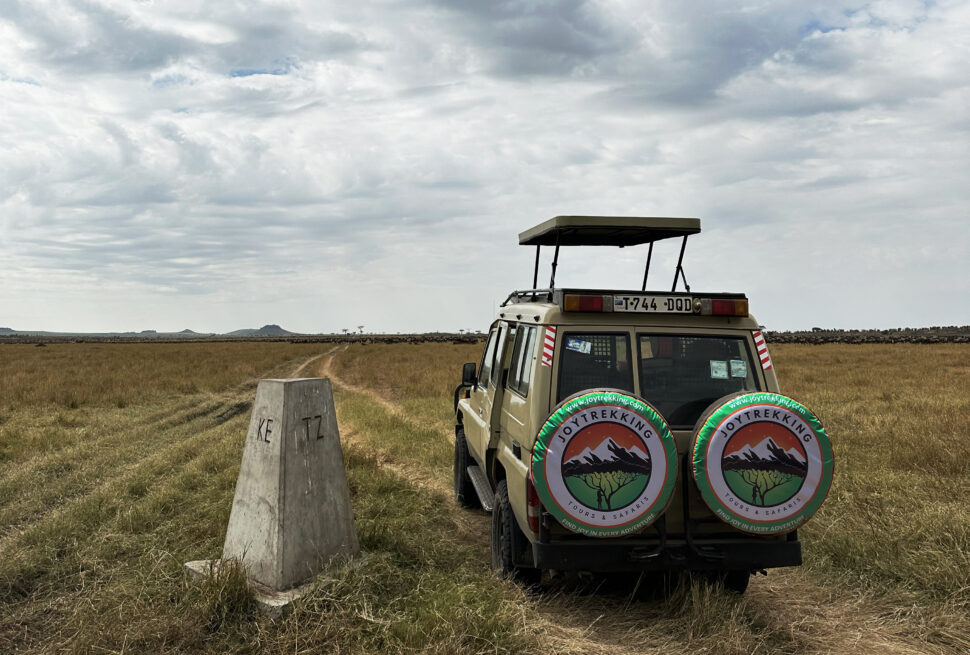
Discover Rare Animals Found Only in Tanzania with JoyTrekking Tours & Safaris. Explore exclusive wildlife safaris and hidden conservation gems.
Explore Tanzania’s most extraordinary endemic wildlife with JoyTrekking Tours & Safaris and experience authentic, conservation-focused safari adventures.
Rare Animals Found Only in Tanzania
Tanzania stands as one of Africa’s richest biodiversity destinations, home to landscapes that range from the endless plains of the Serengeti National Park to the dramatic crater of the Ngorongoro Conservation Area and the lush forests of the Udzungwa Mountains National Park.
At JoyTrekking Tours & Safaris, we specialize in immersive, ethical safari experiences that bring you face-to-face with Tanzania’s most extraordinary wildlife species — including those you simply cannot find anywhere else on Earth.
Quick Summary
- Tanzania hosts some of Africa’s most unique endemic wildlife species
- Several rare primates and antelopes exist only within Tanzania’s protected ecosystems
- Conservation efforts in Serengeti, Ngorongoro, and Udzungwa are globally recognized
- JoyTrekking Tours & Safaris offers customized wildlife safaris with expert local guides
- Sustainable tourism plays a key role in protecting endemic animals
Why Tanzania Is a Global Biodiversity Treasure
Tanzania’s geography is remarkably diverse. From volcanic highlands to coastal forests and alkaline lakes, each ecosystem supports specialized wildlife populations.
The country protects nearly 30% of its land under conservation frameworks — including national parks, game reserves, and conservation areas. According to the International Union for Conservation of Nature, habitat protection remains one of the most effective strategies for preserving endemic species.
This combination of vast protected areas and ecological diversity creates ideal conditions for rare species evolution.
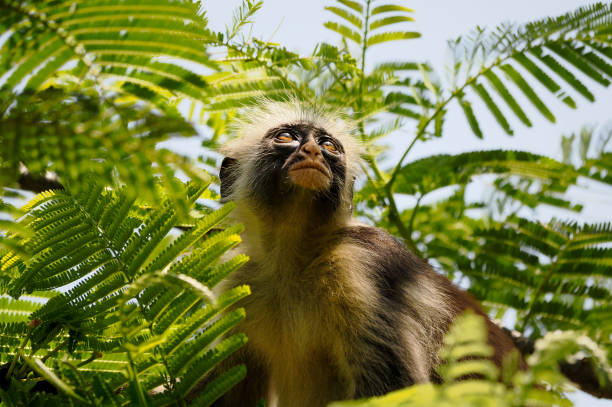
1. Kilombero Red Colobus
Found primarily in the Udzungwa Mountains, the Kilombero Red Colobus is one of Tanzania’s most striking primates. With reddish-brown fur and a distinctive black face, this monkey lives in highly specific forest habitats.
Where to See It
- Udzungwa Mountains National Park
- Kilombero Valley
Local Insight
Our JoyTrekking guides recommend early morning forest hikes in Udzungwa for the highest chances of sightings. Unlike the busy northern circuit parks, Udzungwa offers a quieter, intimate wildlife experience.
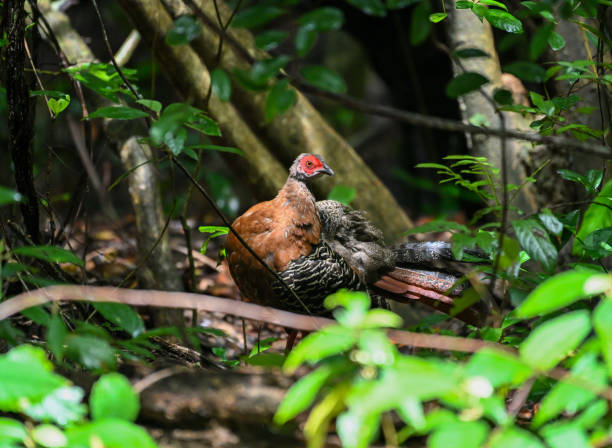
2. Udzungwa Forest Partridge
This ground-dwelling bird was only scientifically described in the 1990s — a reminder that Tanzania’s forests still hold secrets. Birdwatchers consider spotting this species a prestigious achievement.
Why It’s Special
- Extremely limited distribution
- Indicator of healthy forest ecosystems
JoyTrekking’s birding specialists work with local conservation researchers to ensure responsible viewing practices.
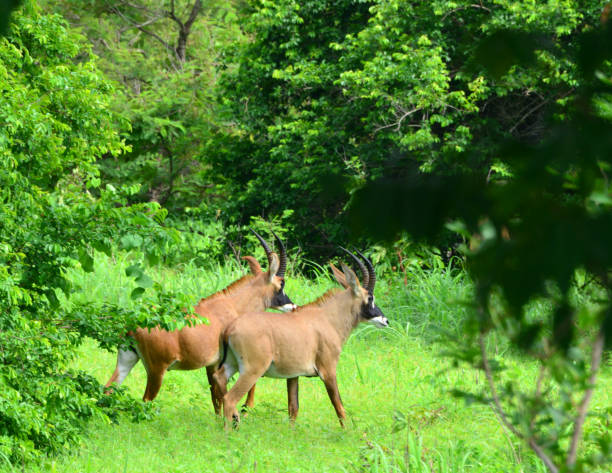
3. Abbott’s Duiker
A shy and rarely seen antelope species, Abbott’s Duiker inhabits dense montane forests.
Key Habitat
- Southern Highlands
- Udzungwa forest zones
Unlike the more common antelopes in Serengeti, this species prefers isolation and thick vegetation, making it a prized sighting for wildlife enthusiasts.
4. Tanzania Shrew (Myosorex Geata)
Small yet ecologically important, this insect-eating mammal contributes to forest balance. It thrives in highland forest ecosystems rarely visited by mass tourism.
JoyTrekking includes specialized eco-expeditions for travelers interested in lesser-known species and scientific biodiversity tours.
5. Loveridge’s Sunbird
Named after British herpetologist Arthur Loveridge, this brilliantly colored bird inhabits montane regions.
Birding safaris in the Eastern Arc Mountains provide one of the best opportunities for sightings.
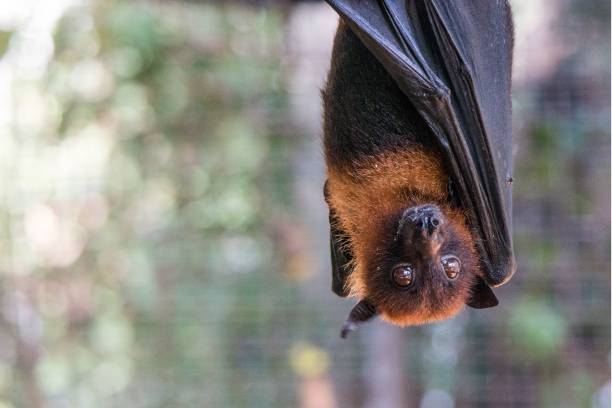
6. Pemba Flying Fox
On Pemba Island, part of the Zanzibar Archipelago, you’ll find this large fruit bat species.
Where to Explore
- Pemba Island community reserves
Community-based conservation programs have helped this species recover from severe population decline.
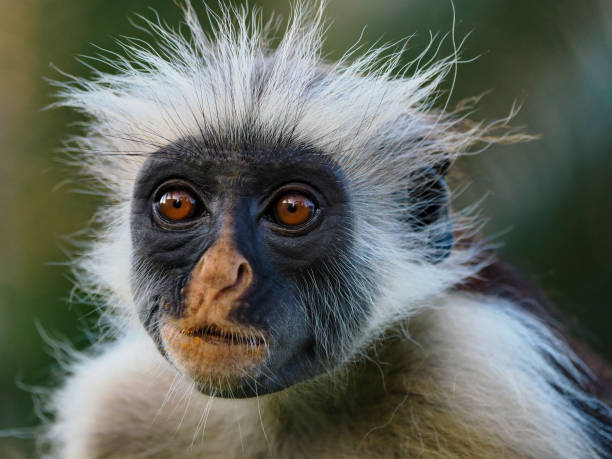
7. Zanzibar Red Colobus
Endemic to Zanzibar Island, this primate is a conservation success story.
Best Viewing Location
- Jozani Chwaka Bay National Park
Unlike mainland primates, this species is highly accustomed to human presence, making it easier to observe responsibly.
Comparison Table: Endemic vs Widely Distributed Safari Species
| Feature | Endemic Species | Widely Distributed Species |
|---|---|---|
| Geographic Range | Limited to Tanzania | Found across multiple African countries |
| Viewing Difficulty | Moderate to High | Easy |
| Habitat Specificity | Highly specialized | Broad habitat tolerance |
| Conservation Status | Often Vulnerable | Often Stable |
| Example | Kilombero Red Colobus | African Elephant |
This distinction highlights why Tanzania wildlife safari itineraries should include both iconic and lesser-known species.
Conservation & Sustainable Tourism
At JoyTrekking Tours & Safaris, we operate under strict ethical wildlife viewing guidelines:
- Small group sizes
- Certified local guides
- Collaboration with local conservation bodies
- Support for community tourism initiatives
Organizations like World Wildlife Fund emphasize community involvement as essential for species protection — a principle we strongly uphold.
Local Insights from Our Safari Experts
Our lead safari specialist, with over 15 years guiding experience across Serengeti and Ngorongoro, notes:
“Travelers often arrive expecting only the Big Five. But once they learn about Tanzania’s endemic wildlife, their entire safari perspective changes.”
The dry season (June–October) offers clearer trekking conditions for forest species, while the green season provides excellent birdwatching opportunities.
Customer Experience
“Our journey with JoyTrekking Tours & Safaris opened our eyes to Rare Animals Found Only in Tanzania. Seeing the Zanzibar Red Colobus in its natural habitat was unforgettable.”
— Sarah M., UK Traveler
Planning Your Wildlife Safari in Tanzania
Best Time to Visit
- June to October (Dry season)
- December to February (Birding peak)
Recommended Itinerary Structure
- Northern Circuit (Serengeti + Ngorongoro)
- Southern Highlands (Udzungwa trekking)
- Zanzibar extension
Our tailored Tanzania safari tours blend iconic wildlife with endemic-focused exploration.
Why Choose JoyTrekking Tours & Safaris?
- Deep local expertise
- Licensed professional guides
- Custom itinerary planning
- Conservation-centered approach
- Transparent pricing
We combine experiential travel with ecological responsibility — ensuring every safari contributes positively to Tanzania’s biodiversity future.
Frequently Asked Questions
Q1: What makes Tanzania unique for wildlife safaris?
Tanzania offers vast protected areas, diverse ecosystems, and endemic species unavailable anywhere else in Africa.
Q2: When is the best time to see endemic wildlife in Tanzania?
Dry season months (June–October) are ideal for trekking and forest exploration.
Q3: Are endemic species harder to see than the Big Five?
Yes, many endemic species live in specialized habitats requiring expert-guided tours.
Q4: Does JoyTrekking support conservation?
Yes, we collaborate with local communities and follow sustainable tourism principles.
Final Thoughts
Tanzania is more than just the Great Migration and the Big Five. Its forests, islands, and highlands shelter species that exist nowhere else on Earth.
Exploring these ecosystems with JoyTrekking Tours & Safaris means choosing depth over routine tourism — and contributing directly to conservation-driven travel.
If you’re seeking authenticity, ecological richness, and expertly guided Tanzania safari tours, our team is ready to design your next adventure.
About the Author
January Mziray
Senior Safari Consultant & Wildlife Specialist
JoyTrekking Tours & Safaris
With over 15 years of guiding experience across Tanzania’s national parks and conservation areas, January specializes in endemic wildlife tracking and sustainable safari planning. He collaborates with conservation researchers and local communities to ensure ethical tourism practices that protect Tanzania’s biodiversity for generations to come.