
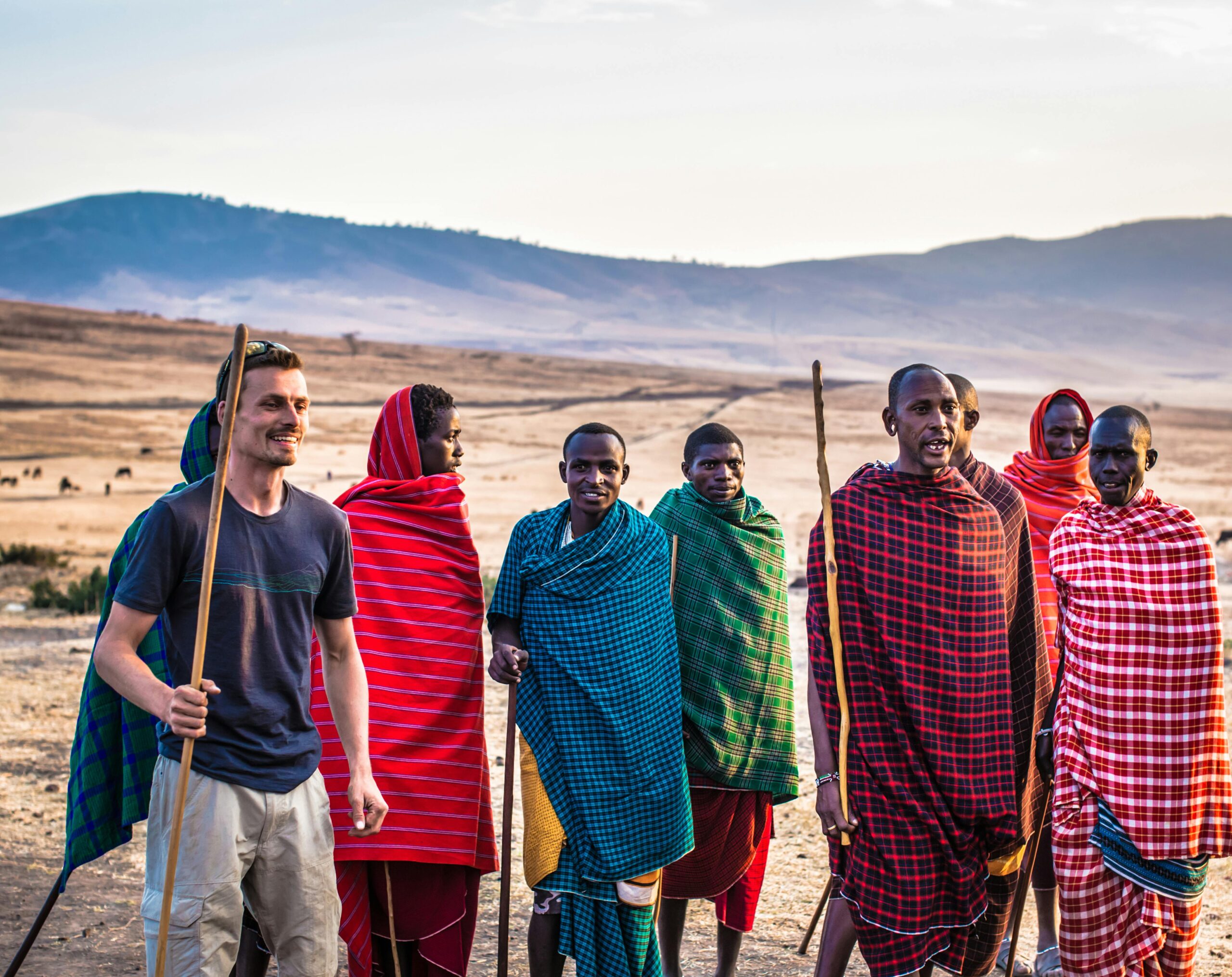
Discover how safari tourism supports local communities in Tanzania by empowering Maasai villages, preserving culture, and boosting sustainable livelihoods. https://joytrekking.com/activities/safaris/
1: Introduction to Safari Tourism in Tanzania and Its Impact on Local Communities
Safari tourism in Tanzania is more than just an adventure into the wild; it is a powerful driver of local development, cultural preservation, and economic growth. Understanding how safari tourism supports local communities in Tanzania requires looking at the unique way tourism is integrated into community life, the environment, and the economy. Tanzania is home to some of the most iconic wildlife destinations in the world, including Serengeti National Park, Ngorongoro Crater, Selous Game Reserve, and the majestic Mount Kilimanjaro region. These destinations attract thousands of international tourists each year, and the revenue generated from these visits has significant ripple effects on local communities.
One of the most critical aspects of how safari tourism supports local communities in Tanzania is the creation of direct employment opportunities. Many local Tanzanians work as guides, porters, cooks, lodge staff, and drivers in safari companies like JoyTrekking. By employing locals, safari tourism not only provides income but also fosters skill development and professional growth within communities. Beyond formal employment, tourism also stimulates micro-businesses. For instance, community members can sell handmade crafts, traditional art, local textiles, or offer home-stays to visitors seeking an authentic cultural experience. This integration of local businesses ensures that tourism revenue circulates directly within communities.
Another major factor illustrating how safari tourism supports local communities in Tanzania is the focus on community-based conservation programs. In Tanzania, wildlife and natural resources are often intertwined with the livelihoods of local populations. By linking tourism to conservation, communities are incentivized to protect wildlife habitats while benefiting economically. Programs that involve locals in anti-poaching patrols, wildlife monitoring, and eco-friendly lodge management ensure that tourism contributes positively to both people and the planet. The concept of sustainable tourism is central here. Tourists are increasingly seeking eco-tourism experiences, which include visiting villages, participating in cultural activities, and supporting local conservation projects. By emphasizing sustainability, safari tourism in Tanzania creates a win-win scenario where visitors enjoy authentic experiences, and communities gain financial and social benefits.
Education and awareness are another cornerstone of how safari tourism supports local communities in Tanzania. Many tourism companies, including JoyTrekking, invest in educational programs that teach local youth about wildlife, conservation, hospitality, and tourism management. This not only empowers the next generation but also ensures long-term sustainability of both the tourism sector and community welfare. For example, children in villages near game reserves often gain access to scholarships, school supplies, and training sessions funded through tourism revenue. These initiatives demonstrate the profound impact that thoughtful tourism can have on social development.
- Direct Employment Opportunities: Guides, lodge staff, cooks, drivers, and more.
- Community-Based Business Growth: Handicrafts, textiles, local cuisine, and home-stays.
- Conservation Incentives: Anti-poaching programs and eco-friendly initiatives.
- Education & Skill Development: Scholarships, training, and youth empowerment.
- Cultural Preservation: Showcasing local traditions, music, and storytelling.
Furthermore, tourism helps bridge the gap between urban and rural communities. By bringing international visitors to remote areas, tourism exposes both tourists and locals to cultural exchange, encouraging understanding, respect, and collaboration. Tourists learn about local traditions, while communities gain insights into global cultures and practices. This mutual exchange enriches the experience for visitors and creates pride among locals in their heritage and environment.
An additional example of community benefit is the development of infrastructure. Roads, health clinics, clean water projects, and local markets often emerge in regions with high tourism activity. These developments are often funded through park fees, community development funds, or tourism taxes. This demonstrates how safari tourism supports local communities in Tanzania in a tangible way, improving living standards and creating opportunities for future generations.
External sources also confirm these benefits. Organizations such as The African Wildlife Foundation highlight the crucial role of tourism in sustaining community livelihoods and wildlife conservation. Such partnerships between conservation groups, local communities, and tourism companies like JoyTrekking amplify the positive outcomes of tourism, ensuring that economic growth does not come at the expense of ecological and cultural integrity.
In conclusion, the intricate relationship between safari tourism and local communities in Tanzania is multifaceted. By combining employment, business opportunities, conservation efforts, education, cultural preservation, and infrastructure development, safari tourism supports local communities in Tanzania in sustainable and transformative ways. For international tourists, participating in these tourism activities not only provides unforgettable experiences but also ensures that their travel dollars contribute meaningfully to the prosperity of local people and the protection of Tanzania’s natural heritage.
2: Economic Benefits and Community Empowerment through Safari Tourism in Tanzania
Safari tourism in Tanzania has a profound economic impact on local communities, creating opportunities for empowerment, financial independence, and long-term growth. Understanding how safari tourism supports local communities in Tanzania from an economic perspective highlights why tourism is often considered a backbone of rural development. The influx of international tourists generates revenue not only for national parks and wildlife reserves but also directly impacts villages, small towns, and households that live near safari destinations. This economic integration demonstrates the unique role of tourism as both a livelihood enhancer and a driver of community empowerment.
Direct Income for Local Communities
One of the most immediate ways safari tourism supports local communities in Tanzania is through direct income. Local residents are employed in multiple sectors connected to tourism:
- Safari Guides and Tour Operators: Skilled guides are essential for creating memorable experiences for visitors. By training local youth as guides, communities benefit from sustainable income while preserving cultural knowledge and local expertise.
- Lodge and Camp Staff: Hotels, lodges, and camps employ locals as housekeepers, chefs, waiters, and managers. Employment provides a steady income and improves overall community standards of living.
- Drivers and Transport Services: Transporting tourists safely between parks, lodges, and airports generates additional revenue for local drivers and vehicle owners.
- Crafts and Souvenir Vendors: Tourists frequently purchase handmade products such as baskets, carvings, jewelry, and traditional clothing. This encourages entrepreneurship and preserves cultural artistry.
These income streams are significant because they reduce reliance on subsistence farming or informal labor. By creating consistent financial opportunities, safari tourism directly contributes to poverty reduction in rural areas. Moreover, income from tourism often circulates within the community, funding education, healthcare, and small business initiatives.
Community-Based Tourism and Revenue Sharing
Another key way safari tourism supports local communities in Tanzania is through community-based tourism initiatives. In these programs, a portion of tourism revenue is directly reinvested into local development projects. Examples include:
- Village Campsites: Villages host tourists in eco-friendly camps, with fees contributing to community welfare projects.
- Cultural Tourism Experiences: Visitors participate in traditional dances, cooking lessons, or storytelling sessions, paying a fee that benefits the entire village.
- Revenue-Sharing from Park Fees: National parks often allocate a percentage of entrance fees to surrounding communities, funding infrastructure, healthcare, and educational programs.
Community-based tourism ensures that locals have a stake in tourism success, fostering a sense of ownership and encouraging the protection of natural resources. By empowering communities economically, tourism incentivizes residents to conserve wildlife, forests, and cultural heritage, aligning financial interests with environmental sustainability.
Skills Development and Capacity Building
Safari tourism also empowers local communities through skills development. Training programs for guides, lodge staff, and entrepreneurs build long-term capabilities that extend beyond tourism alone. Skills development in Tanzania includes:
- Hospitality and Customer Service Training: Enhances professionalism and improves tourist experiences.
- Language Skills: English and other foreign language training opens doors for international tourism.
- Business Management: Equips locals with knowledge to run craft shops, small restaurants, or tour services.
- Conservation and Environmental Awareness: Programs teach locals how to manage resources sustainably and protect endangered species.
These initiatives show that safari tourism supports local communities in Tanzania not only financially but also by providing transferable skills that elevate overall economic resilience.
Infrastructure Development Driven by Tourism
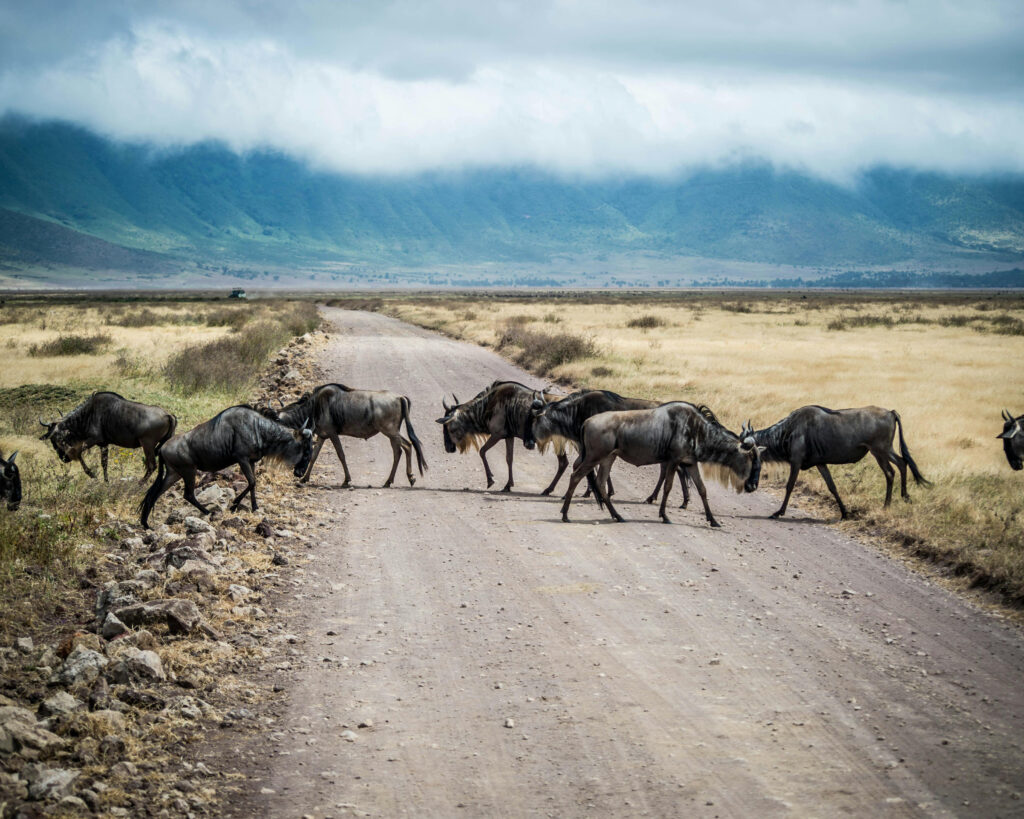
Tourism generates indirect economic benefits by driving infrastructure development. Roads, electricity, water supply, and healthcare facilities often improve in regions with high tourist traffic. This investment benefits both tourists and locals alike, creating a more connected and livable environment. For example:
- Paved roads in Serengeti and Ngorongoro improve access to markets and health centers.
- Electricity and clean water projects funded through tourism fees enhance daily life for local residents.
- Small businesses flourish as transport and communications improve, further stimulating the economy.
Through infrastructure development, safari tourism supports local communities in Tanzania by laying the foundation for diversified income streams beyond tourism, such as agriculture, trade, and small-scale manufacturing.
Entrepreneurship and Micro-Business Growth

Micro-businesses thrive when tourism is strong. Local residents often establish small enterprises tailored to tourist needs, which include:
- Handicraft Markets: Tourists purchase traditional items, providing consistent revenue for artisans.
- Food and Beverage Services: Restaurants, street vendors, and catering services benefit from tourism spending.
- Transport Services: Bicycle rentals, motorbike taxis, and guided safari vehicles generate supplemental income.
- Cultural Experiences: Tourists pay for guided village tours, drumming workshops, and traditional cooking sessions.
By fostering entrepreneurship, safari tourism creates a multiplier effect in local economies. When tourists spend money in these businesses, communities experience broader economic growth and increased financial independence.
Social and Community Empowerment

The economic benefits of tourism extend into social empowerment. Women and youth, in particular, are given opportunities to earn an income and gain independence through community-based tourism programs. This empowerment includes:
- Women’s Cooperatives: Women sell handicrafts, textiles, and local foods, generating income and gaining leadership skills.
- Youth Employment Programs: Young people are trained as guides, cooks, and lodge staff, reducing unemployment and enhancing skills.
- Community Decision-Making: Locals participate in tourism management committees, ensuring that projects reflect community priorities and values.
Through these initiatives, safari tourism supports local communities in Tanzania by fostering inclusive economic growth that addresses gender equality and youth employment.
Long-Term Economic Stability and Sustainable Tourism
Sustainable safari tourism ensures that the benefits are long-lasting. By promoting responsible tourism practices, JoyTrekking and similar companies help maintain wildlife populations, conserve landscapes, and preserve cultural heritage. When tourists choose eco-friendly lodges, participate in conservation programs, and support local businesses, their spending contributes to long-term community well-being. In this sense, economic benefits are not just short-term—they create a foundation for sustainable livelihoods and continued prosperity.
Bullet Points Summary: Economic Benefits of Safari Tourism
- Direct Income: Guides, lodge staff, drivers, and craft sellers.
- Revenue Sharing: Community-based tourism and national park fees fund local projects.
- Skill Development: Hospitality, language, conservation, and business training.
- Infrastructure Growth: Roads, water, electricity, and healthcare improvements.
- Entrepreneurship: Handicrafts, food services, transport, and cultural experiences.
- Social Empowerment: Women and youth gain financial independence and leadership skills.
- Sustainable Development: Tourism supports conservation and long-term community prosperity.
By examining these economic benefits, it becomes clear that safari tourism supports local communities in Tanzania in transformative ways. Tourists play a crucial role in this process by choosing companies committed to ethical, community-focused tourism. Supporting operators like JoyTrekking ensures that their visit positively impacts local livelihoods, empowering communities and promoting sustainable development across Tanzania.
3: Cultural Preservation and Social Impact of Safari Tourism in Tanzania
Safari tourism in Tanzania is not just about witnessing the majestic wildlife of the Serengeti or the stunning landscapes of Ngorongoro. It plays a profound role in preserving cultural heritage, strengthening social cohesion, and fostering community pride. Understanding how safari tourism supports local communities in Tanzania from a cultural and social perspective reveals the deep connections between tourism, identity, and sustainable development. International tourists increasingly seek authentic experiences that combine natural beauty with meaningful cultural engagement. This demand has created opportunities for local communities to showcase their traditions while deriving tangible benefits that improve social well-being and strengthen communal identity.
Cultural Preservation through Tourism
One of the most visible ways that safari tourism supports local communities in Tanzania is through cultural preservation. Many communities near safari destinations maintain centuries-old traditions, rituals, and crafts that can be at risk of disappearing without economic support. Tourism provides a platform for these traditions to thrive:
- Traditional Music and Dance: Villages near the Serengeti, Arusha, and Kilimanjaro regions organize performances for visitors, which both celebrate cultural identity and generate income for performers.
- Handicrafts and Artisanal Work: Tourists purchase handmade jewelry, carvings, beadwork, and textiles, ensuring that traditional craftsmanship is economically viable.
- Local Cuisine and Culinary Practices: Safari tourism encourages local culinary entrepreneurs to preserve traditional recipes while sharing them with international visitors.
- Storytelling and Oral History: Guided village tours often include storytelling sessions where elders share historical narratives and folklore, preserving collective memory while educating visitors.
By integrating cultural experiences into the tourism itinerary, safari tourism supports local communities in Tanzania by providing incentives for cultural continuity. Tourists gain authentic insights, while communities retain pride in their heritage and pass it on to younger generations.
Social Cohesion and Community Identity
Beyond cultural preservation, tourism strengthens social cohesion and community identity. The collective involvement of villages in tourism projects—such as hosting visitors, running craft markets, or managing eco-lodges—creates a shared sense of purpose. Key social benefits include:
- Collaboration and Community Organization: Villages work together to plan tourism initiatives, ensuring equitable distribution of benefits.
- Youth Engagement: Young people are encouraged to participate in cultural tourism projects, reducing rural-to-urban migration and fostering intergenerational collaboration.
- Gender Empowerment: Women gain leadership roles in craft cooperatives, hospitality, and cultural performance initiatives, promoting gender equality.
- Community Pride: Positive feedback from tourists reinforces pride in local traditions, cultural heritage, and natural surroundings.
In these ways, safari tourism supports local communities in Tanzania by fostering social unity, empowering marginalized groups, and cultivating a collective vision for sustainable development. Communities are not just passive recipients of tourism revenue—they actively shape and manage their cultural and social assets.
Education and Knowledge Sharing
Education is another vital area where safari tourism has a transformative impact. Many tourism initiatives fund schools, libraries, and skill development programs, directly benefiting communities. For example:
- Cultural Exchange Programs: Visitors interact with local schools and participate in educational activities that teach both parties about heritage and environmental conservation.
- Scholarships and School Support: Tourism revenue is often directed toward scholarships, classroom materials, and school infrastructure improvements.
- Training in Tourism and Hospitality: Community members gain professional skills, including guide training, customer service, and language instruction, which enhance employability.
By investing in education, safari tourism supports local communities in Tanzania not only economically but socially, enabling youth to maintain cultural knowledge while acquiring skills for a sustainable future.
Preservation of Traditional Land and Natural Resources
Tourism also encourages communities to protect the natural environments that sustain their culture and livelihoods. Sacred sites, traditional grazing lands, and community forests are often preserved because tourism provides a financial incentive for conservation. These practices demonstrate how safari tourism supports local communities in Tanzania:
- Sacred Site Protection: Villages safeguard sites of cultural and spiritual importance, integrating them into educational tours.
- Eco-Friendly Practices: Communities adopt environmentally responsible methods in agriculture, livestock management, and craft production to align with tourism sustainability standards.
- Wildlife Coexistence: Local people participate in conservation programs, balancing cultural land use with wildlife protection.
Tourism thus creates a framework where cultural and environmental sustainability are interdependent. Communities realize that preserving their heritage and environment enhances tourism appeal, creating a long-term benefit for both locals and visitors.
Mental Well-Being and Community Empowerment
Cultural tourism also supports the mental and social well-being of communities. Pride in cultural identity, the empowerment of youth and women, and recognition from international visitors contribute to collective confidence and social cohesion. Social and psychological benefits include:
- Reduced Migration Pressure: Engagement in tourism-related activities encourages youth to stay and invest in local development rather than leaving for urban centers.
- Enhanced Social Networks: Communities interact with tourists, NGOs, and government programs, building networks that offer new opportunities for growth.
- Recognition of Cultural Value: International interest in local culture reinforces the importance of preserving traditions and strengthens self-worth among community members.
These outcomes highlight how safari tourism supports local communities in Tanzania beyond the financial realm, fostering social resilience, cohesion, and intergenerational continuity.
Tourism as a Platform for Cultural Diplomacy
International visitors often leave with a deep appreciation of Tanzanian culture. This cross-cultural interaction promotes global awareness, tolerance, and cultural exchange. Communities gain a sense of pride knowing that their customs, arts, and ways of life are respected and admired internationally. This kind of cultural diplomacy is subtle yet powerful, encouraging locals to continue valuing their heritage while benefiting economically from tourism.
Bullet Points Summary: Cultural and Social Benefits of Safari Tourism
- Cultural Preservation: Music, dance, handicrafts, culinary arts, and storytelling.
- Social Cohesion: Collaborative projects, youth engagement, gender empowerment, community pride.
- Education & Skills Development: Scholarships, school support, and professional training in tourism.
- Environmental and Land Preservation: Sacred sites, forests, and wildlife protection.
- Mental Well-Being: Enhanced social identity, reduced migration, and collective empowerment.
- Cultural Diplomacy: International recognition and cross-cultural learning.
In summary, the cultural and social impact of safari tourism in Tanzania is profound. By enabling communities to showcase their traditions, preserve their environment, and engage in socially empowering initiatives, safari tourism supports local communities in Tanzania in ways that enrich both visitors and locals. The integration of cultural preservation with economic and social benefits ensures that tourism is a sustainable, mutually rewarding force.
4: Environmental Conservation and Community-Led Sustainability in Tanzania’s Safari Tourism
Safari tourism in Tanzania is widely recognized not only for its breathtaking wildlife and landscapes but also for its critical role in environmental conservation. Understanding how safari tourism supports local communities in Tanzania through conservation initiatives reveals the strong interdependence between tourism, ecosystems, and community livelihoods. Communities living adjacent to national parks, game reserves, and wildlife corridors often rely on natural resources for sustenance, yet face challenges from poaching, habitat loss, and climate change. Tourism provides a sustainable economic incentive to protect these resources, creating a mutually beneficial system where communities, tourists, and wildlife all gain.
Community-Based Conservation Programs
One of the primary ways that safari tourism supports local communities in Tanzania is through community-based conservation programs. These initiatives empower local people to take an active role in safeguarding their natural environment while generating income from tourism. Examples include:
- Wildlife Monitoring: Communities participate in tracking animal populations, which helps park management and generates employment for locals.
- Anti-Poaching Patrols: Tourism revenue funds community scouts who protect endangered species, such as elephants, rhinos, and lions.
- Forest and Habitat Management: Villagers manage forests sustainably, providing resources like firewood and medicinal plants without degrading ecosystems.
- Eco-Lodge Operations: Locals operate eco-friendly lodges that minimize environmental impact while benefiting economically.
By actively involving communities in conservation, safari tourism supports local communities in Tanzania by linking income generation directly to environmental protection. This creates a strong incentive for locals to maintain biodiversity, preserve forests, and prevent poaching.
Sustainable Wildlife Tourism Practices
Tourism companies, including JoyTrekking, integrate sustainable practices that reduce ecological footprints while maximizing benefits for communities. These practices demonstrate how safari tourism supports local communities in Tanzania:
- Eco-Friendly Accommodation: Lodges and camps use solar energy, water-saving technologies, and waste reduction methods to minimize environmental harm.
- Guided Low-Impact Safaris: Guides educate tourists about respecting wildlife habitats and reducing disturbances to animals.
- Conservation Education Programs: Communities and tourists learn about endangered species, habitat preservation, and ecological balance.
- Sustainable Transportation: Use of fuel-efficient vehicles or shared safari tours reduces carbon emissions while enhancing the visitor experience.
By adopting sustainable tourism models, communities not only benefit economically but also preserve the natural resources that underpin their livelihoods. This ensures that future generations will continue to enjoy both tourism and biodiversity.
Linking Conservation to Economic Benefits
One of the most effective ways that safari tourism supports local communities in Tanzania is by linking conservation with tangible economic rewards. When locals see direct financial benefits from protecting wildlife and ecosystems, they are more likely to participate actively in sustainable initiatives. Examples include:
- Revenue from Park Fees: Portions of national park entrance fees are shared with surrounding communities, funding schools, healthcare, and infrastructure.
- Tourism-Linked Employment: Conservation-related jobs, such as guides, scouts, and eco-lodge staff, provide consistent income while reinforcing environmental stewardship.
- Payment for Ecosystem Services (PES): Communities receive compensation for preserving forests, wetlands, or grasslands that maintain water quality, prevent soil erosion, and support wildlife.
- Community Eco-Projects: Funds from tourism support tree planting, clean water projects, and renewable energy initiatives.
This model demonstrates that protecting natural resources and earning livelihoods are complementary goals. As a result, safari tourism supports local communities in Tanzania in both ecological and financial terms, reinforcing long-term sustainability.
Climate Resilience and Environmental Awareness
Climate change poses a significant challenge to rural communities in Tanzania, affecting agriculture, water availability, and wildlife habitats. Tourism programs increasingly integrate climate resilience initiatives, helping communities adapt while benefiting from visitors. These include:
- Water Conservation Projects: Eco-lodges and community programs introduce rainwater harvesting and water-efficient technologies.
- Renewable Energy Integration: Solar panels and energy-efficient stoves reduce reliance on wood fuel, protecting forests.
- Awareness Campaigns: Education programs inform locals about climate risks, wildlife conservation, and sustainable land management.
- Community Reforestation: Tree planting and forest regeneration initiatives maintain habitats, improve soil quality, and provide carbon sequestration benefits.
By addressing climate challenges, safari tourism supports local communities in Tanzania by building resilience, protecting livelihoods, and ensuring the natural environment remains viable for both residents and tourists.
Partnerships Between Tourism, NGOs, and Communities
Strong partnerships amplify the impact of conservation efforts. Tourism companies often collaborate with non-governmental organizations, government agencies, and local councils to implement projects that directly benefit communities. Examples include:
- Training Programs: NGOs provide conservation and hospitality training funded by tourism revenue.
- Community Development Funds: Revenue from tourism contributes to schools, clinics, and water projects.
- Research Collaborations: Universities and conservation groups work with local communities to monitor wildlife and ecosystems, providing employment and educational opportunities.
- Eco-Certification Programs: Lodges and tour operators adopt eco-certifications that reward environmentally responsible practices while providing recognition to communities.
These collaborations show how safari tourism supports local communities in Tanzania by creating a structured framework for long-term environmental and social benefits.
Bullet Points Summary: Environmental and Sustainability Benefits
- Community-Based Conservation: Wildlife monitoring, anti-poaching patrols, and forest management.
- Sustainable Tourism Practices: Eco-lodges, low-impact safaris, and conservation education.
- Economic Incentives for Conservation: Park fees, employment, PES, and eco-projects.
- Climate Resilience: Water conservation, renewable energy, and reforestation initiatives.
- Partnerships: Collaboration with NGOs, government agencies, and research institutions.
In conclusion, environmental conservation is at the heart of safari tourism’s positive impact on Tanzanian communities. By linking ecological stewardship with financial rewards, safari tourism supports local communities in Tanzania in sustainable, measurable ways. Visitors, by choosing responsible tourism providers like JoyTrekking, contribute to this dynamic, ensuring that wildlife, landscapes, and communities thrive together.
5: Future Prospects and Sustainable Growth of Safari Tourism for Local Communities in Tanzania
The future of safari tourism in Tanzania is bright, but it relies on carefully balancing tourism growth with community welfare, cultural preservation, and environmental sustainability. Understanding how safari tourism supports local communities in Tanzania in the coming years involves exploring trends in eco-tourism, policy development, technological integration, and international collaboration. As global demand for authentic and responsible travel continues to rise, Tanzania is uniquely positioned to leverage its natural and cultural resources to benefit local communities economically, socially, and environmentally.
Emerging Trends in Community-Based Safari Tourism
Community-based tourism is expected to expand significantly as travelers increasingly seek authentic cultural experiences that connect them to local life. Key trends include:
- Experiential Tourism: Tourists want immersive experiences, such as participating in traditional ceremonies, cooking local dishes, or learning tribal arts.
- Eco-Conscious Travel: More visitors prioritize sustainable accommodations, renewable energy use, and environmentally responsible safari operators.
- Digital Connectivity: Online booking platforms, virtual tours, and social media exposure allow remote communities to attract a global audience.
- Personalized Itineraries: Custom tours tailored to visitor preferences encourage longer stays, higher spending, and increased community revenue.
These trends ensure that safari tourism supports local communities in Tanzania by creating diversified income streams, empowering residents to manage tourism ventures, and fostering global recognition of Tanzanian culture and conservation efforts.
Policy Support and Government Initiatives
Government policies play a vital role in sustaining tourism benefits for communities. Tanzania has been implementing policies to protect both wildlife and community interests, ensuring that tourism growth is inclusive and equitable. Examples include:
- Revenue Sharing Programs: Portions of park entrance fees and tourism taxes are allocated directly to communities near protected areas.
- Community Conservation Areas (CCAs): Policies allow local communities to manage their lands sustainably while benefiting from tourism.
- Tourism Licensing and Standards: Regulations ensure operators meet ethical, cultural, and environmental standards, protecting community interests.
- Infrastructure Investment: Road construction, electricity provision, and water access are prioritized in regions with high tourism potential.
Through such frameworks, safari tourism supports local communities in Tanzania by formalizing benefits, encouraging sustainable management, and safeguarding cultural and environmental resources.
Technological Advancements and Tourism Growth
Technology is reshaping how communities engage with safari tourism, expanding their ability to reach international tourists and improve services. Innovations include:
- Online Marketing and Social Media: Community lodges, craft shops, and cultural experiences gain global visibility, attracting more visitors.
- Mobile Payment Systems: Secure digital payments enable locals to transact safely with tourists, increasing convenience and revenue.
- Data-Driven Conservation: Mobile apps and GPS tracking allow communities to monitor wildlife and habitats more effectively.
- Virtual Tours and Storytelling: Communities can share their culture digitally, attracting tourists who later visit in person.
These technological tools ensure that safari tourism supports local communities in Tanzania by modernizing local enterprises, improving efficiency, and expanding access to international markets.
International Collaboration and Sustainable Tourism Models
International partnerships play a crucial role in enhancing tourism’s impact on Tanzanian communities. Collaboration with NGOs, conservation groups, and global tourism associations strengthens local capacity, promotes best practices, and generates additional funding. Examples include:
- Conservation Partnerships: NGOs help train community scouts and monitor wildlife populations, ensuring sustainable tourism practices.
- Fair Trade Tourism Programs: International certifications reward operators who prioritize ethical treatment of local employees and sustainable practices.
- Knowledge Exchange: Global experts provide training in hospitality, business management, and conservation techniques.
- Joint Marketing Initiatives: Tourism boards collaborate with international travel agencies to promote Tanzanian community-based experiences.
By engaging with global networks, safari tourism supports local communities in Tanzania while raising awareness about ethical and sustainable tourism, benefiting both locals and visitors.
Sustainable Growth Strategies for Local Communities
For long-term sustainability, communities must adopt strategies that maximize benefits while minimizing risks. These strategies include:
- Diversified Income Streams: Combining cultural tourism, wildlife safaris, craft sales, and local agriculture ensures resilience against market fluctuations.
- Capacity Building: Continuous training in hospitality, language skills, conservation, and entrepreneurship empowers locals to manage tourism independently.
- Environmental Stewardship: Implementing eco-friendly practices ensures that natural resources remain abundant and attractive to tourists.
- Youth and Women Empowerment: Encouraging participation of marginalized groups strengthens community cohesion and broadens economic benefits.
- Monitoring and Evaluation: Communities track tourism impacts on the environment, culture, and social well-being to adjust strategies proactively.
These approaches guarantee that safari tourism supports local communities in Tanzania in a sustainable, scalable, and equitable way, ensuring that growth benefits both current residents and future generations.
Bullet Points Summary: Future Prospects and Sustainable Growth
- Experiential Tourism: Cultural immersion, traditional arts, and authentic local experiences.
- Eco-Conscious Travel: Sustainable lodges, renewable energy, and low-impact safari practices.
- Government Policy Support: Revenue sharing, community conservation areas, and ethical standards.
- Technological Integration: Online marketing, digital payments, virtual tours, and wildlife tracking.
- International Collaboration: NGO partnerships, fair trade certifications, and knowledge exchange.
- Sustainable Community Strategies: Diversified income, capacity building, environmental stewardship, and empowerment programs.
In conclusion, the future of safari tourism in Tanzania offers immense opportunities for local communities to thrive economically, socially, and environmentally. By adopting sustainable practices, embracing technological innovation, and engaging in global collaborations, safari tourism supports local communities in Tanzania in ways that secure long-term prosperity and preserve the country’s rich cultural and natural heritage. International tourists visiting Tanzania play a crucial role in this positive cycle, ensuring that their travel choices leave a meaningful and lasting impact on local people, wildlife, and ecosystems.