
Lake Eyasi Community & Cultural Experience

12 Hours
  • 1
  • 80
  • English, French, Spanish, Kiswahili
  • Dry seasons: January to mid-March and June to October
  • 12 Days

Overview

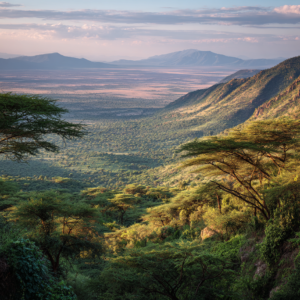
Lake Eyasi sits low in the Rift Valley, where the landscape opens into wide salt flats, acacia edges, and small farming settlements. It is a place that feels quieter than the northern parks, less about spectacle and more about understanding how life is shaped by land, season, and tradition.

This full-day experience is designed for guests who want cultural learning that is grounded and respectful. The day moves slowly, with time to listen, observe, and ask questions, rather than trying to collect moments quickly. Your guide helps you understand what you are seeing in a modern context, explaining how communities here balance heritage, changing economies, and the pressures of a world that is always
moving closer.

The experience includes time with the Hadzabe and a Datoga visit focused on craft and everyday work. Throughout the day, we keep the tone calm and human. We visit through established relationships, with local hosts guiding what is appropriate, and your presence supports community members through fair,
direct benefit.

Highlights

  • Full-day journey into the Rift Valley landscape of Lake Eyasi
  • Slow, context-rich cultural learning with space for questions
  • Time with the Hadzabe focused on observation and understanding
  • Datoga visit centered on craft, tools, and daily work
  • A respectful approach shaped by community guidance and consent

Itinerary

  • Lake Eyasi Community & Cultural Experience

    Your day begins early from Arusha (or the Karatu area by arrangement), while the air is still cool and the roads are quiet. As you travel toward Lake Eyasi, the scenery changes gradually from busy towns to open valley views. Your guide shares context on the Rift Valley, local livelihoods, and how communities here relate
    to land and water through the seasons.

    Morning, Hadzabe community visit
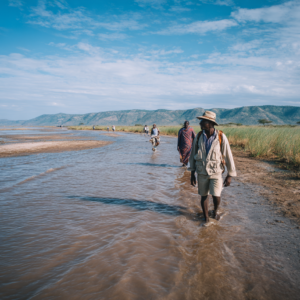
    Arriving in the Lake Eyasi area, you meet local hosts and begin the Hadzabe portion of the experience. The pace is intentionally gentle. Much of the value comes from learning how to observe without interrupting, noticing small details, listening, and letting conversation unfold naturally where it is welcomed.
    Your guide helps interpret what you are seeing and hearing, offering cultural and historical context without romanticizing. When light participation is appropriate, it remains simple, walking alongside, listening to explanations, and observing daily routines with respect.

    Midday, pause and refresh
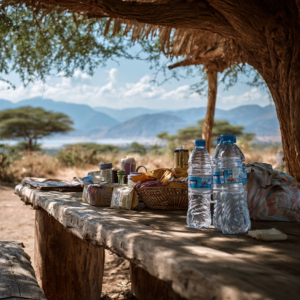
    As the day warms, you take a break for water and a packed lunch in a shaded area. This is a good moment to reflect, ask deeper questions, and connect the morning’s observations to the wider story of Tanzania today.

    Afternoon, Datoga craft and daily work
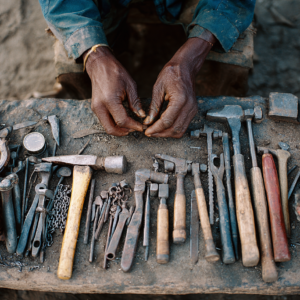
    In the afternoon, you visit the Datoga with a focus on craft and everyday work. The Datoga are known for skilled metalwork. You may see how tools and simple household items are made and repaired, and how craft connects to daily needs and local trade.
    This part of the day is approached quietly and practically. Your guide offers context on how craft skills are passed through generations, and how modern life is changing what people produce and how they sell it.

    Late afternoon, return journey
    You begin the drive back in the late afternoon, carrying a fuller understanding of the region and the people who call it home. Arrival back in Arusha is typically in the evening.

Cost Includes

  • Private vehicle and professional driver-guide
  • Community access arrangements through established local relationships
  • Hadzabe visit (context-led, respectful pacing)
  • Datoga craft and daily life visit
  • Packed lunch and drinking water

Cost Excludes

  • International or local flights
  • Travel insurance
  • Tips (optional)
  • Alcoholic drinks
  • Personal expenses

FAQs

Is this experience focused on observation or participation?

It is a balanced experience. Much of the day is observation and listening, with light participation when it is appropriate and welcomed.

How is this visit approached respectfully?

Visits are arranged through established relationships, and the day is guided by what local hosts consider appropriate. Your presence supports community members through direct, fair benefit.

What should I wear?

Light, comfortable clothing and closed-toe shoes are recommended. Neutral colors are best for blending into the environment.

Is lunch included?

Yes. A simple packed lunch and drinking water are included.

Can this be a private trip?

Yes. Private departures are available and allow more flexibility in pacing and discussion.