
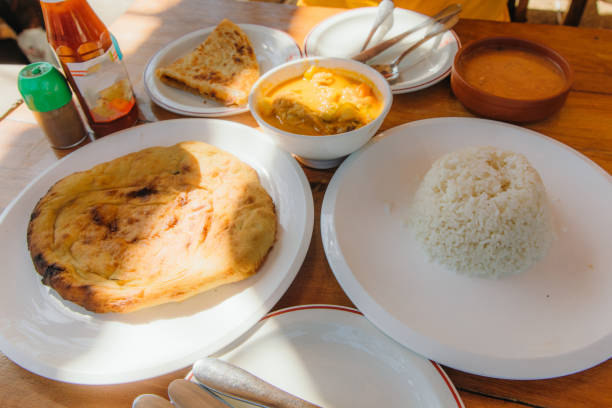
Discover Unique Foods in Zanzibar with JoyTrekking Tours & Safaris and explore 12 must-try dishes that enrich your island travel experience.
Explore the Unique Foods in Zanzibar with JoyTrekking Tours & Safaris and discover authentic island flavors, local insights, and must-try dishes for every traveler.
Unique Foods in Zanzibar: A Culinary Journey with JoyTrekking Tours & Safaris
Zanzibar is more than white-sand beaches and turquoise waters. Beyond the iconic shores of Zanzibar lies a vibrant culinary culture shaped by centuries of trade, migration, and Swahili heritage. At JoyTrekking Tours & Safaris, we believe that exploring local cuisine is one of the most authentic ways to experience a destination.
In this guide, we take you deep into the heart of island flavors, uncovering dishes that tell stories of Arab, Indian, Persian, and African influences blended into one unforgettable gastronomic identity.
Quick Summary
- Zanzibar cuisine reflects centuries of Indian Ocean trade.
- Spices like cloves, cinnamon, and cardamom define many dishes.
- Seafood dominates the coastal menu with octopus, prawns, and lobster.
- Street food in Stone Town offers authentic and affordable experiences.
- Food tours enhance cultural understanding and support local communities.
- JoyTrekking Tours & Safaris provides curated culinary experiences guided by locals.
Why Zanzibar’s Cuisine Is So Unique
The island’s strategic location along historic trade routes connected East Africa to the Middle East and Asia. Merchants brought spices, cooking methods, and ingredients that merged with indigenous traditions. The result is a cuisine that is bold, aromatic, and deeply cultural.
According to UNESCO, Stone Town’s cultural heritage reflects a fusion of African, Arab, Indian, and European influences — and that fusion extends beautifully into its food traditions.
Spices are central to island identity. Zanzibar was once one of the world’s leading clove producers. Even today, spice farms are popular stops for visitors seeking deeper understanding of Swahili gastronomy.
12 Must-Try Dishes in Zanzibar
1. Zanzibar Pizza

Not your typical Italian slice. This street food favorite is a thin dough filled with minced meat, vegetables, egg, and cheese, folded and fried on a flat pan. Sweet versions with banana and chocolate are also popular.
2. Octopus Curry (Pweza wa Nazi)
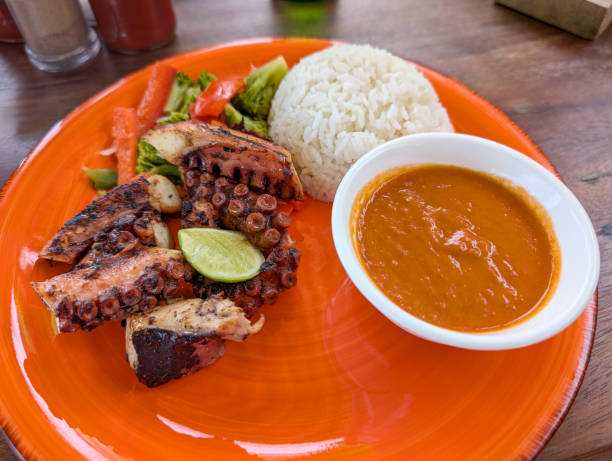
Fresh octopus simmered in coconut milk, lime, garlic, and spices. Tender and rich, it represents coastal cooking at its finest.
3. Biryani ya Zanzibar
Unlike Indian biryani, the Zanzibari version often features stronger spice blends and local rice varieties, delivering a fragrant and colorful plate.
4. Urojo (Zanzibar Mix)
A tangy soup made with potatoes, bhajias, boiled eggs, chutneys, and crunchy toppings. It’s a beloved street dish found throughout Stone Town.
5. Mishkaki
Grilled skewers of marinated beef or chicken served with chili sauce. Perfect for evening markets.
6. Pilau
Rice cooked with cinnamon, cloves, cumin, and cardamom. Often served during weddings and special occasions.
7. Fresh Lobster & Prawns
Grilled seafood served with lime and pili pili sauce, often caught the same morning.
8. Chapati & Maharage
Soft flatbread paired with coconut bean curry — a daily staple for many locals.
9. Mandazi
Lightly sweet fried dough, similar to a donut, commonly eaten at breakfast with tea.
10. Samaki wa Kupaka
Grilled fish coated in a coconut sauce blend.
11. Sugarcane Juice with Tangawizi

Freshly pressed sugarcane mixed with ginger and lime.
12. Date & Coconut Desserts
Reflecting Arab heritage, dates and coconut appear in many sweets.
Local Insight: Where to Experience Authentic Flavors
For a true culinary immersion, head to the Forodhani night market in Stone Town. Here, locals gather after sunset to enjoy seafood skewers, soups, and freshly made sugarcane juice.
Spice farm tours in rural Zanzibar allow visitors to see, touch, and taste cloves, vanilla, turmeric, and nutmeg. These tours support local farming communities and provide valuable agricultural education.
At JoyTrekking Tours & Safaris, we collaborate with family-owned kitchens to ensure our guests taste food prepared using traditional techniques passed down for generations.
Comparison Table: Street Food vs. Restaurant Dining
| Experience Aspect | Street Food | Restaurant Dining |
|---|---|---|
| Price Range | Budget-friendly | Mid to high range |
| Authenticity | Very traditional | Sometimes modernized |
| Hygiene Control | Varies by vendor | Generally standardized |
| Atmosphere | Lively, local | Relaxed, scenic |
| Interaction with Locals | High | Moderate |
Both options offer memorable experiences. Our tours help guests navigate safe and authentic choices.
The Cultural Importance of Spices
Zanzibar’s nickname, “The Spice Island,” is well-earned. Cloves, nutmeg, black pepper, and cinnamon shape daily cooking. Spice tours often include tasting sessions and explanations of medicinal uses.
You can learn more about the historical spice trade routes through resources from World Tourism Organization, which highlights how culinary tourism strengthens cultural preservation.
How Food Enhances Your Travel Experience
Food connects travelers to people. Sharing meals builds trust and cultural understanding. Through guided tasting experiences, guests learn:
- Proper Swahili dining etiquette
- Seasonal ingredients and sourcing
- The history behind each dish
- Sustainable fishing practices
Culinary tourism also supports small businesses and local families, strengthening Zanzibar’s economy.
What Our Guests Say
? ? ? ? ?
Sarah M. – United Kingdom
Family Traveler | Zanzibar Culinary Tour
“Exploring the Unique Foods in Zanzibar with JoyTrekking Tours & Safaris was truly the highlight of our holiday. We didn’t just taste amazing dishes — we learned the stories behind them. From spice farms to local night markets, every stop felt authentic and personal. Our guide made us feel safe, welcomed, and deeply connected to the culture.”
Sustainable & Responsible Culinary Tourism
JoyTrekking Tours & Safaris promotes:
- Support for local vendors
- Respect for marine conservation
- Ethical seafood sourcing
- Reduced plastic usage during tours
We encourage travelers to choose restaurants that practice sustainable fishing and minimize waste.
Why Choose JoyTrekking Tours & Safaris?
Experience: Years of operating guided tours across Tanzania.
Expertise: Knowledgeable local guides trained in cultural heritage.
Authoritativeness: Partnerships with certified local chefs and tourism boards.
Trustworthiness: Transparent pricing and verified customer reviews.
Our culinary tours can be combined with beach relaxation, spice farm visits, and historical walks in Stone Town.
Frequently Asked Questions
What makes Zanzibar cuisine different from mainland Tanzania?
Zanzibar cuisine is strongly influenced by Arab, Indian, and Persian traders who settled along the coast centuries ago. This influence brings heavier spice usage, coconut-based sauces, and a greater focus on seafood compared to mainland Tanzanian dishes.
Is street food safe in Stone Town?
Yes, street food in Stone Town is generally safe when you choose busy vendors with high turnover and freshly prepared ingredients. Booking a guided food tour with experienced local guides helps visitors enjoy authentic flavors while maintaining hygiene and safety standards.
Can vegetarians enjoy food in Zanzibar?
Absolutely. There are several vegetarian-friendly options such as coconut vegetable curries, chapati with beans, urojo without meat, and fresh tropical fruits. Many local restaurants are happy to adjust meals upon request.
When is the best time to explore local cuisine in Zanzibar?
Evenings are ideal for experiencing street food, especially at night markets in Stone Town. However, spice farm visits and restaurant dining can be enjoyed year-round.
Does JoyTrekking Tours & Safaris offer food tours in Zanzibar?
Yes. JoyTrekking Tours & Safaris offers curated culinary experiences led by knowledgeable local guides. These tours combine cultural storytelling, historical insight, and authentic tasting experiences to provide a deeper understanding of island life.
Final Thoughts
Zanzibar’s cuisine is a gateway into its history, culture, and community. Every spice tells a story. Every dish reflects centuries of exchange and adaptation. Whether enjoying octopus curry by the sea or sipping sugarcane juice in a lively market, your taste buds will travel through time.
JoyTrekking Tours & Safaris invites you to go beyond sightseeing — taste the island, connect with its people, and experience the richness of Swahili heritage through food.
About the Author
This article was written by the JoyTrekking Tours & Safaris content team, experienced Tanzanian travel specialists dedicated to promoting responsible tourism and authentic cultural experiences. Our writers collaborate with local chefs, historians, and licensed guides to ensure accurate, trustworthy, and experience-based insights for travelers seeking meaningful adventures in Tanzania.