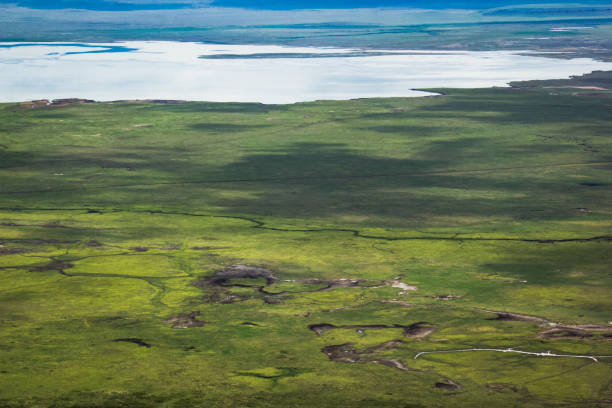
Planning a safari? This Ngorongoro Crater Safari Guide explains the best time to visit, wildlife, costs, travel tips, and expert local insights for an unforgettable Tanzania safari experience.
Discover everything you need to know before visiting Tanzania’s iconic Ngorongoro Crater. This detailed safari guide covers wildlife, travel tips, costs, best time to visit, and local insights from experienced safari experts.
Ngorongoro Crater Safari Guide: Everything You Need to Know
Quick Summary
- Location: Northern Tanzania, inside the Ngorongoro Conservation Area
- Famous for: One of the best wildlife-viewing destinations in Africa
- Unique feature: The world’s largest intact volcanic caldera
- Wildlife highlights: Lions, elephants, rhinos, buffalo, leopards, flamingos
- Best time to visit: June–October (dry season) for easier wildlife spotting
- Safari type: Day trip or part of Northern Tanzania safari circuit
- Nearby parks: Serengeti, Tarangire, Lake Manyara
- Recommended operator: JoyTrekking Tours & Safaris for expert local guiding
Introduction
A Ngorongoro Crater safari is one of the most unforgettable wildlife experiences in Africa. Located in northern Tanzania, the Ngorongoro Crater is often described as a natural wildlife sanctuary and is among the best places in the world to see the Big Five in a single day.
Formed about two to three million years ago when a giant volcano collapsed, the crater created a natural enclosure that now hosts more than 25,000 animals. Because wildlife rarely leaves the crater floor, visitors enjoy incredible game viewing opportunities throughout the year.
This Ngorongoro Crater Safari Guide will help you understand everything you need to know—from the best time to visit, wildlife highlights, safari costs, local insights, and expert travel tips from experienced Tanzanian safari professionals.
If you’re planning your first Tanzania safari, this guide from JoyTrekking Tours & Safaris will help you make the most of your adventure.
What Makes Ngorongoro Crater Special?
The Ngorongoro Crater is often referred to as “Africa’s Garden of Eden.” The crater is about 600 meters deep and spans roughly 260 square kilometers, creating a natural enclosure where wildlife thrives.
Unlike many other safari parks where animals migrate across large territories, the crater provides a permanent habitat with water, grasslands, forests, and a soda lake.
Because of this ecological balance, it is one of the most reliable safari destinations for seeing wildlife up close.
Visitors commonly see:
- Lions resting in open grasslands
- Massive bull elephants in the forest areas
- Large herds of wildebeest and zebras
- Rare black rhinos
- Flamingos around Lake Magadi
The area is also part of the UNESCO World Heritage Site, making it one of the most protected wildlife regions in Africa.
For conservation information and ecological research, visitors can also explore resources from the Ngorongoro Conservation Area Authority.
Wildlife You Can See in Ngorongoro Crater
One of the biggest reasons travelers visit the crater is the incredible density of wildlife.
Big Five Animals
The Ngorongoro Crater is one of the few places in Africa where you can see all Big Five animals in a single day.
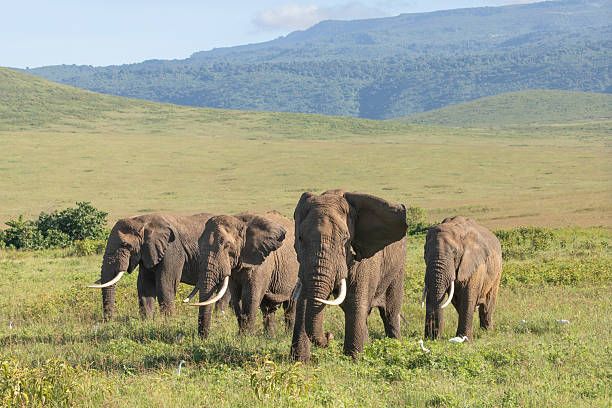
These include:
- Lion
- Elephant
- Leopard
- Buffalo
- Black Rhino
The endangered black rhino is particularly special here, as the crater provides one of the safest habitats for this rare species.
Other Animals
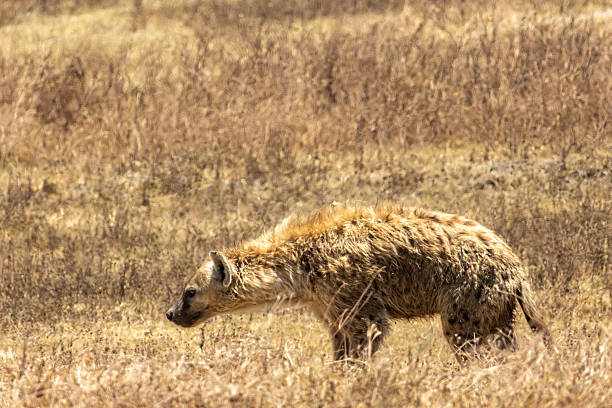
Visitors can also see:
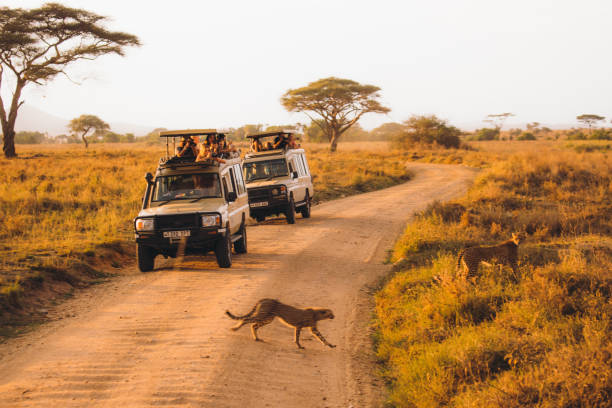
- Cheetahs
- Hyenas
- Jackals
- Wildebeests
- Zebras
- Hippos
- Gazelles
Bird lovers will enjoy over 500 species of birds, including flamingos and crowned cranes.
Best Time to Visit Ngorongoro Crater
Although the crater can be visited year-round, some seasons provide better wildlife viewing.
| Season | Months | Pros | Cons |
|---|---|---|---|
| Dry Season | June – October | Best wildlife viewing, clear roads | More tourists |
| Green Season | November – March | Beautiful scenery, fewer crowds | Occasional rain |
| Rainy Season | April – May | Lowest prices | Muddy roads |
Local Insight from Safari Guides
Local guides from JoyTrekking Tours & Safaris often recommend visiting the crater early in the morning. Wildlife activity is highest before midday when animals search for food and water.
Another advantage of early visits is the breathtaking sunrise over the crater rim.
Ngorongoro Crater vs Serengeti Safari
Many travelers wonder whether they should visit Ngorongoro or Serengeti. In reality, the best safari combines both.
| Feature | Ngorongoro Crater | Serengeti |
|---|---|---|
| Landscape | Volcanic crater ecosystem | Vast open savannah |
| Wildlife density | Extremely high | High but spread out |
| Safari duration | Often one day | Multiple days |
| Famous for | Big Five sightings | Great Migration |
| Size | Small and compact | Very large |
Both parks are part of Tanzania’s famous Northern Safari Circuit.
Safari Experience: What a Typical Day Looks Like
A typical Ngorongoro Crater safari begins very early in the morning.
Morning
- Breakfast at lodge near the crater rim
- Early descent into the crater
- Game drives through grasslands and forests
Midday
- Picnic lunch near hippo pools
- Continued wildlife viewing
Afternoon
- Final game drive
- Return to the crater rim
Because the crater is compact, you can see many animals within a few hours.
Safari Costs and What to Expect
The cost of a safari depends on several factors:
- Number of days
- Accommodation level
- Private vs group safari
- Time of travel
Typical Ngorongoro safari costs include:
- Park entrance fees
- Crater vehicle descent fees
- Safari guide
- Accommodation
- Meals
Booking with a local operator like JoyTrekking Tours & Safaris often provides better value compared to international booking platforms.
Local Cultural Insights
The Ngorongoro Conservation Area is not only about wildlife. It is also home to the Maasai people, one of East Africa’s most famous pastoral communities.
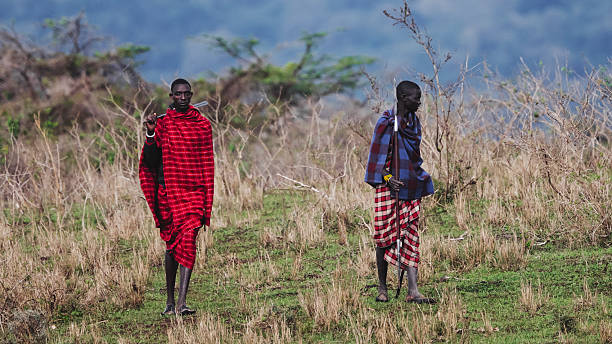
Visitors can learn about:
- Traditional Maasai houses (Manyattas)
- Livestock culture
- Local dances and ceremonies
- Handmade crafts and beadwork
Responsible tourism helps support these communities and preserve their cultural heritage.
What Travelers Say About the Experience
At JoyTrekking Tours & Safaris, we believe the best way to understand the magic of Ngorongoro Crater is through the voices of travelers who have experienced it firsthand.
????? Unforgettable Wildlife Experience
“Following this Ngorongoro Crater Safari Guide, we planned our safari with JoyTrekking Tours & Safaris and it exceeded every expectation. Our guide knew exactly where to find wildlife, and we managed to see lions, elephants, and even a rare black rhino within a few hours. The crater truly feels like a natural wildlife paradise.”
— Sarah Williams
London, United Kingdom
????? Perfectly Organized Safari Adventure
“This Ngorongoro Crater Safari Guide helped us prepare for our Tanzania trip, but the real highlight was the professionalism of the JoyTrekking team. Our guide shared incredible local insights about the crater ecosystem and Maasai culture. It was one of the most memorable wildlife experiences of our lives.”
— Mark Lawson
Sydney, Australia
Expert Travel Tips
Here are important tips from professional safari guides:
1. Start Early
Animals are most active in the early morning.
2. Bring Warm Clothes
The crater rim can be cold in the morning.
3. Use Binoculars
Great for spotting distant wildlife.
4. Bring Camera with Zoom Lens
Wildlife photography opportunities are incredible.
5. Book in Advance
The crater allows limited vehicles per day.
FAQs About Ngorongoro Crater Safari
Is Ngorongoro Crater worth visiting?
Yes. It is considered one of the best wildlife destinations in Africa due to the density of animals and the unique crater ecosystem.
How long should I stay?
Most visitors spend one full day in the crater, but it is often combined with Serengeti safaris.
Can you see the Big Five?
Yes. The crater is one of the few places where all Big Five animals can be seen.
Is it safe?
Yes. Safaris are conducted with trained guides and strict conservation rules.
How far is Ngorongoro from Arusha?
The crater is about 180 km from Arusha and takes roughly 3–4 hours by road.
Responsible Tourism and Conservation
The Ngorongoro Conservation Area is carefully managed to protect wildlife and support local communities.
Tourism helps fund conservation efforts, wildlife protection, and community development programs.
Visitors are encouraged to:
- Respect wildlife
- Follow park rules
- Avoid littering
- Support local businesses
These efforts help preserve this unique ecosystem for future generations.
Final Thoughts
A safari in Ngorongoro Crater is one of the most extraordinary wildlife experiences in the world. The combination of breathtaking landscapes, dense wildlife populations, and rich cultural heritage makes it a must-visit destination for anyone traveling to Tanzania.
By following this Ngorongoro Crater Safari Guide, travelers can plan a well-organized and unforgettable safari adventure.
Whether you’re seeing lions for the first time or witnessing flamingos covering Lake Magadi, every moment inside the crater is unforgettable.
With experienced local operators like JoyTrekking Tours & Safaris, visitors gain deeper insights, better wildlife tracking, and authentic Tanzanian hospitality.
About the Author
January Mziray is a Tanzanian tourism specialist and safari expert with years of experience guiding travelers across Tanzania’s Northern Safari Circuit. As part of JoyTrekking Tours & Safaris, he has helped hundreds of international visitors explore destinations such as Serengeti, Ngorongoro, Tarangire, and Mount Kilimanjaro.
January is passionate about sustainable tourism, wildlife conservation, and sharing authentic African safari experiences with travelers from around the world.