Discover the minimum age for walking safari in Tanzania, safety rules, park policies, and expert tips to plan a safe and unforgettable wildlife adventure.
Planning a walking safari in Tanzania? Learn the minimum age requirements, safety rules, and expert tips to ensure a safe and unforgettable wildlife experience.
Minimum Age for Walking Safari in Tanzania
Walking safaris are one of the most exciting ways to experience the African wilderness. Unlike traditional game drives, walking safaris allow travelers to explore nature on foot, guided by experienced rangers who interpret animal tracks, plants, and ecosystems in real time.
However, many international visitors ask an important question before booking their adventure: what is the minimum age for walking safari in Tanzania?
Age restrictions exist for safety reasons and vary depending on national parks, safari operators, and the type of walking safari. In this guide by JoyTrekking Tours & Safaris, we explain the official guidelines, safety considerations, and insider tips to help you plan a safe and memorable walking safari in Tanzania.
Quick Summary
The minimum age for walking safari in Tanzania is usually 12–16 years, depending on the park and operator.
Tanzania National Parks prioritize safety and wildlife protection.
Walking safaris are commonly offered in Serengeti, Tarangire, Arusha, and Nyerere National Parks.
Children younger than the required age can still enjoy game drives and family safaris.
The best walking safari experiences happen during the dry season (June–October).
Minimum Age for Walking Safari in Tanzania
The minimum age for walking safari in Tanzania typically ranges between 12 and 16 years old, depending on the location and safari operator.
Tanzania’s national parks and conservation authorities implement these rules to ensure both visitor safety and wildlife protection.
Why Age Restrictions Exist
Walking safaris take place in areas where wildlife roams freely. Unlike vehicles, walking tours require participants to follow strict safety instructions.
Younger children may:
Panic in wildlife encounters
Struggle to remain quiet
Have difficulty walking long distances
Because of these risks, safari authorities set age limits to ensure a safe experience for everyone involved.
Travelers should always confirm with their tour operator before booking.
For conservation details about Tanzania’s wildlife ecosystem, see the World Wildlife Fund overview:
Safety Rules for Walking Safaris
Walking safaris follow strict safety procedures led by trained professionals.
Armed Ranger Protection
Every walking safari is led by a licensed guide and an armed ranger trained in wildlife behavior and emergency response.
Small Group Sizes
Groups usually consist of 4–8 people to ensure safety and maintain a quiet environment.
Mandatory Safety Briefing
Before starting, guides provide a safety briefing covering:
How to behave near wildlife
Walking formation
Hand signals for communication
Emergency procedures
Following these instructions is essential for a safe experience.
What Makes Walking Safaris Special?
Many travelers say walking safaris offer a deeper connection with nature compared to vehicle safaris.
Track Wildlife Like a Ranger
Guides teach you how to identify:
Lion and elephant tracks
Animal droppings
Bird calls
Plant species used by wildlife
Experience the African Bush Up Close
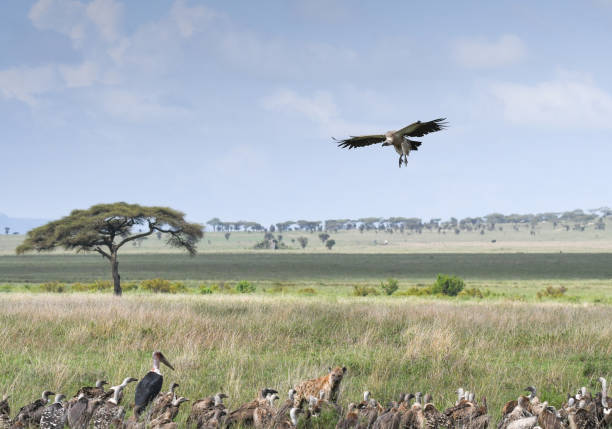
Vultures gathering in the Serengeti ecosystem, Tanzania — a powerful reminder of the raw and authentic African bush experience visitors can witness during a safari.
Without the noise of vehicles, visitors experience:
Natural sounds of the savannah
Birdlife and smaller animals
The rhythm of the wilderness ecosystem
This immersive experience is why walking safaris are often considered a highlight of luxury African safaris.
Family Safari Alternatives for Younger Children
If your children are younger than the minimum age for walking safari in Tanzania, there are still many incredible safari experiences available.
Game Drives
Classic vehicle safaris allow children of all ages to enjoy wildlife viewing safely.
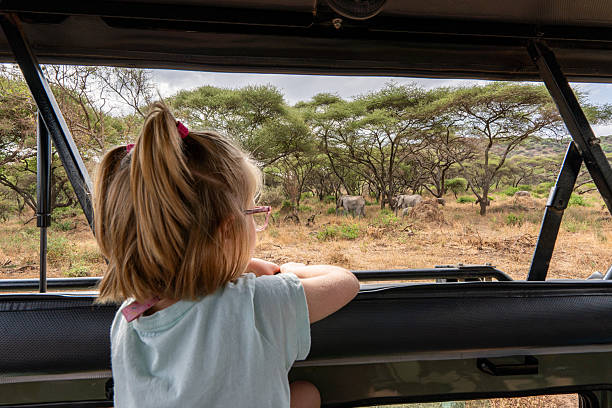
A young girl observes a majestic herd of African elephants during a family-friendly game drive in Lake Manyara National Park, Tanzania.
Cultural Visits
Families can explore Maasai villages to learn about traditional lifestyles and culture.
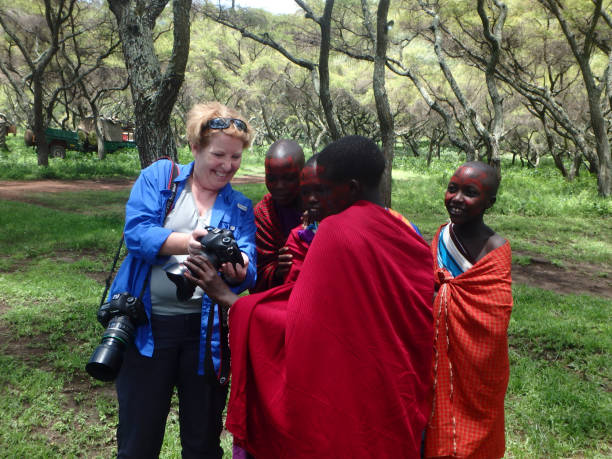
A tourist shares photos with Maasai girls during a cultural visit in Ngorongoro Conservation Area, Tanzania — a meaningful experience families can enjoy during a safari.
Short Nature Walks
Some lodges offer guided nature walks within camp boundaries suitable for younger children.
AtJoyTrekking Tours & Safaris, we specialize in designing family-friendly itineraries that ensure both safety and adventure.
Best Time for Walking Safaris in Tanzania
The best season for walking safaris is during the dry season, when vegetation is thinner and wildlife is easier to track.
Dry Season (June – October)
Advantages include:
Clear wildlife visibility
Comfortable walking conditions
Lower risk of insects
Green Season (November – May)
While landscapes are beautiful, thick vegetation and rain may limit walking safari opportunities.
Local Insights from Tanzanian Safari Guides
Experienced guides in Tanzania emphasize patience, awareness, and respect for nature.
One of the most exciting aspects of walking safaris is learning how animals interact with the environment.
For example:
Elephant trails often lead to hidden water sources
Birds act as warning signals for predators
Certain plants indicate the presence of grazing animals
These insights transform a simple walk into a true wildlife education experience.
Frequently Asked Questions About Minimum Age for Walking Safari in Tanzania
What is the minimum age for walking safari in Tanzania?
Most parks require participants to be between 12 and 16 years old, depending on the park and operator.
Are walking safaris safe?
Yes. Walking safaris are led by trained guides and armed rangers, and strict safety rules are followed.
How long do walking safaris last?
Most walks last 2–4 hours, although some multi-day walking safaris are available.
Can beginners join walking safaris?
Yes. Many parks offer beginner-friendly walks suitable for travelers with moderate fitness.
What should I wear on a walking safari?
Wear:
Neutral-colored clothing
Comfortable hiking shoes
Hat and sunscreen
Customer Experience
Ryan Day2024.10.13
Amazing company defiantly would recommend to anyone not sure about who to go with.
Final Thoughts
Understanding the minimum age for walking safari in Tanzania helps travelers plan a safe and enjoyable wildlife adventure.
Walking safaris offer a unique opportunity to explore Africa’s wilderness on foot while learning from expert guides about animal behavior, ecology, and conservation.
For families with younger children, alternative safari activities ensure everyone can still enjoy Tanzania’s spectacular wildlife.
If you are looking for an authentic and professionally guided walking safari experience, JoyTrekking Tours & Safaris is ready to help you design the perfect itinerary.
About the Author
January Mziray
January Mziray is a Tanzanian tourism specialist and safari expert with extensive experience guiding travelers across Tanzania’s national parks. As part of JoyTrekking Tours & Safaris, he focuses on creating authentic wildlife experiences that combine adventure, conservation awareness, and cultural discovery for international visitors.