Protect Flamingos
Observe birds from designated or guide-approved locations. Never approach nests, chase birds or disturb feeding and breeding activity.
Best Kilimanjaro tour operator
Best Kilimanjaro tour operator
Best Kilimanjaro tour operator
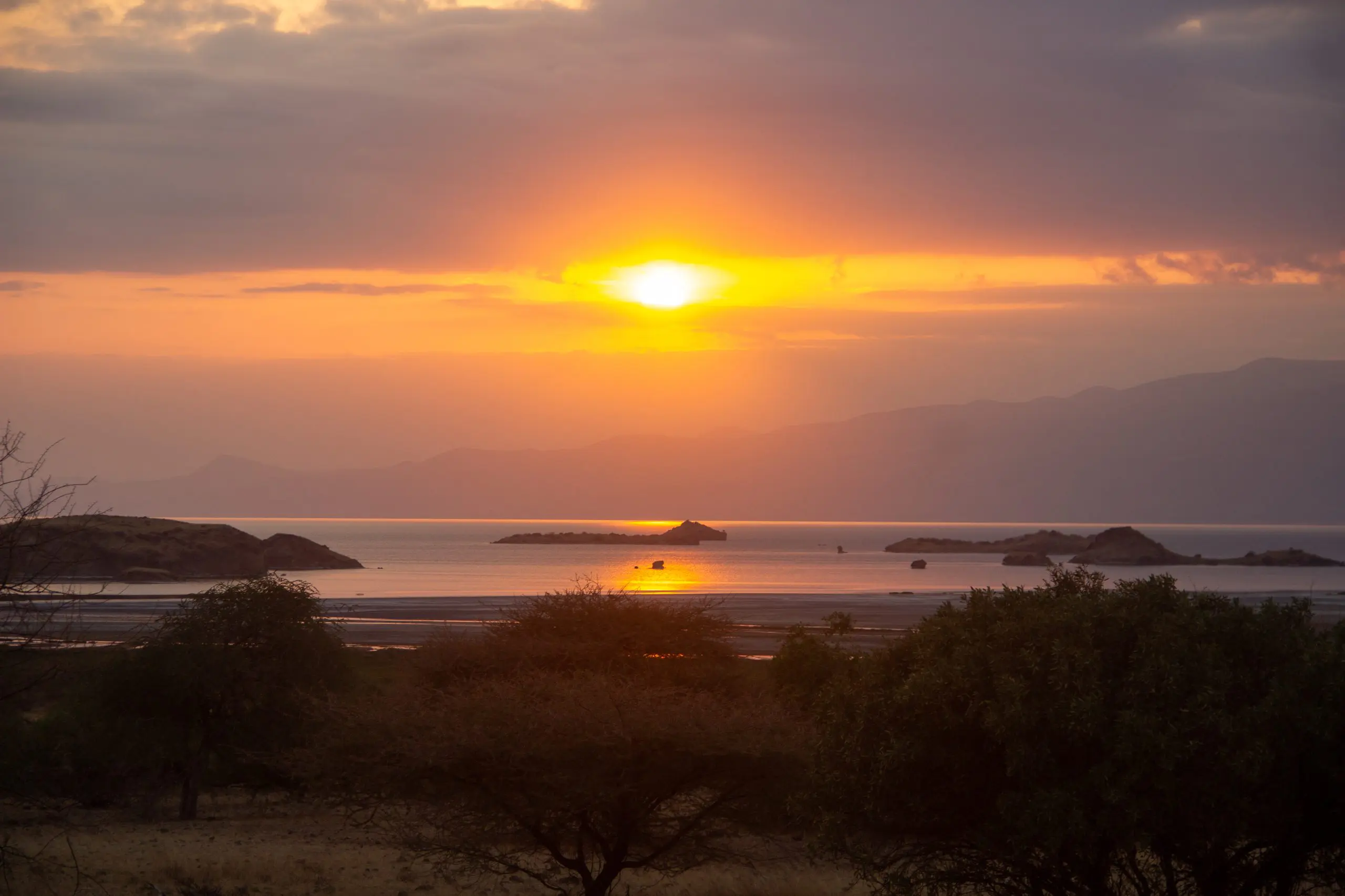
Discover a remarkable soda lake in the Great Rift Valley, watch for lesser flamingos, explore the Engare Sero waterfalls and experience the volcanic landscapes surrounding Ol Doinyo Lengai.
Nature · Flamingos · Waterfalls · Maasai culture
Lake Natron is a shallow, mineral-rich soda lake in northern Tanzania, close to the Kenyan border. Located in the Gregory Rift section of the East African Rift Valley, it is surrounded by dramatic escarpments, arid plains and volcanic mountains. Nearby Ol Doinyo Lengai rises above the landscape and is known as the “Mountain of God” in the Maasai language.
Unlike Tanzania’s better-known wildlife destinations, Lake Natron offers a different kind of adventure. Visitors come for the striking lake scenery, seasonal flamingo gatherings, guided walks to waterfalls, volcanic views and opportunities to learn about local Maasai life. The experience is about landscapes, ecology and cultural connection as much as it is about wildlife photography.
Lake Natron is also ecologically important. Its highly alkaline water and salt-loving microorganisms create a specialised habitat that supports lesser flamingos. The wetland is internationally recognised under the Ramsar Convention, making responsible tourism and respect for wildlife especially important.
Lake Natron lies in the Arusha Region of northern Tanzania, near the international border with Kenya. It is roughly 113 km northwest of Arusha as a general geographic reference, although the actual road journey is longer and depends on the route taken.
The lake sits in a low-lying section of the Gregory Rift. Its landscape is defined by expansive salt flats, seasonal shallow water, rugged escarpments and volcanic peaks. Ol Doinyo Lengai is one of the most distinctive landmarks in the area.
Lake Natron is very shallow, generally less than three metres deep. Its water coverage changes with rainfall, evaporation and inflows from rivers and springs. Consequently, the visible shoreline and colour of the lake can change considerably between visits.
These facts help explain why Lake Natron is so different from other lakes and safari destinations in Tanzania.
| Feature | Details | Why It Matters |
|---|---|---|
| Location | Northern Tanzania, near the Kenya border | A distinctive stop for travellers exploring the Rift Valley. |
| Geological setting | Gregory Rift, part of the East African Rift Valley | Creates dramatic volcanic and escarpment scenery. |
| Approximate dimensions | Up to about 57 km long and 22 km wide, according to TAWA | The lake’s outline and visible water coverage change seasonally. |
| Depth | Generally less than 3 metres | Shallow water and evaporation contribute to changing salt flats. |
| Water chemistry | Highly alkaline; reported pH can range approximately from 9.5 to 12 | Specialised organisms can thrive, but the water is unsuitable for swimming. |
| Temperature | Can be very hot; local conditions vary | Visitors should carry water, sun protection and avoid heat exposure. |
| Conservation status | Ramsar Wetland of International Importance since 2001 | Wildlife and habitat protection are essential. |
| Signature wildlife | Lesser flamingos and other waterbirds | Birdwatching is one of the area's principal attractions. |
Sources: Tanzania Wildlife Management Authority and the Ramsar Convention. Measurements and water conditions vary with seasonal conditions; figures are approximate.
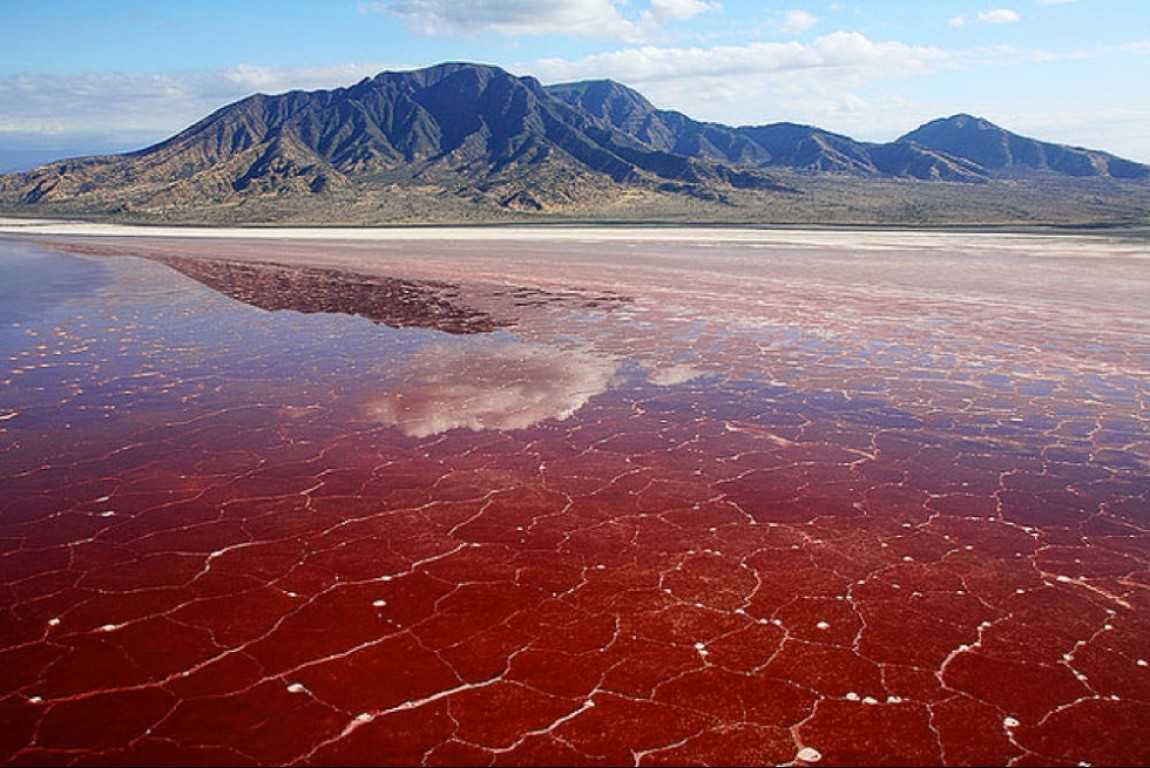
Lake Natron’s unusual colours are associated with its high salinity, alkaline water, evaporation and specialised microorganisms. Salt-loving cyanobacteria and other microscopic organisms contribute pigments that can make parts of the lake appear red, pink or orange.
The colour is not constant. It can vary with the amount of water, season, sunlight, concentration of dissolved minerals and biological activity. Some areas may look pale or reflective, while others show stronger colours across shallow water and salt-encrusted surfaces.
Natron and trona are naturally occurring sodium carbonate minerals associated with alkaline lake environments. Evaporation concentrates dissolved minerals in the closed basin. This chemistry, combined with the lake’s specialised microorganisms, helps create its unusual ecological conditions.
Visitor safety: Lake Natron’s water can be highly caustic and may be extremely hot in places. Do not enter the lake, drink its water or touch unknown mineral deposits. Observe the lake from safe locations with your guide.

Lake Natron is internationally known for its role in the life cycle of the lesser flamingo. Conservation sources estimate that East Africa supports around 1.5–2.5 million lesser flamingos, representing roughly three-quarters of the global population. Lake Natron is recognised as the region’s only regular breeding site for this species.
The lake’s specialised ecosystem provides food, including microscopic algae, and nesting areas that can be difficult for many land predators to reach. The flamingos build raised mud nests in suitable shallow areas, where successful breeding depends on water levels, rainfall and other environmental conditions.
Breeding is not guaranteed on every visit. Timing varies with seasonal rainfall and lake conditions, so visitors should treat flamingo viewing as a wildlife experience rather than a guaranteed spectacle.
Depending on habitat and conditions, the wider area may support additional waterbirds, including pelicans and other wading birds, as well as terrestrial wildlife across the surrounding plains. Specialised alkaline tilapia live in less extreme waters around springs and inflows.
Responsible birdwatching: Keep a respectful distance from nesting areas, follow your guide’s instructions and never approach, touch or disturb flamingos or their nests to obtain a photograph.
Lake Natron is ideal for travellers seeking remote scenery, birdlife, walking experiences and cultural encounters. Activities should be arranged locally, with attention to weather, access conditions and conservation requirements.
Join a guided visit to suitable viewpoints along the lake. Your guide can help identify birdlife and explain the importance of the wetland. Numbers and nesting activity vary by season.
Explore the gorge and surrounding landscape on a guided walk. The route may involve uneven rocks, water crossings and slippery sections. Swimming may be possible in an appropriate natural pool when conditions and the guide permit.
Admire views of the active volcano, a striking landmark above the Rift Valley. Summit ascents are demanding and require advance arrangements, suitable fitness, local guidance and confirmation that conditions allow the climb.
With an appropriate local arrangement, learn about pastoral traditions, crafts, daily life and local perspectives. Visits should be respectful, consent-based and guided by the community.
Capture the wide lake basin, salt flats, volcanic silhouettes and shifting colours. Sunrise and late-afternoon light can be beautiful, although dust, cloud and weather affect visibility.
Observe escarpments, rocky terrain, open plains and volcanic features. A knowledgeable guide can explain how geology and seasonal water shape the landscape.
Where available, arrange a community-led experience to learn about local livelihoods, traditions and the relationship between people and the surrounding environment.
Spend time in a locally available camp or lodge and experience the quiet atmosphere of the Rift Valley. Accommodation standards, facilities and availability should be confirmed before travelling.
Rising above the Lake Natron landscape, Ol Doinyo Lengai is an active volcano of great geological and cultural significance. Its Maasai name is commonly translated as “Mountain of God,” and the mountain holds meaning for local communities.
The ascent is steep, strenuous and often organised to begin at night or in the early hours to reduce exposure to daytime heat. The terrain can be loose and challenging, and conditions on an active volcano can change. It is not a casual walk.
Travellers considering the climb should discuss current access, volcanic activity, guide arrangements, fitness requirements, footwear and emergency procedures with an experienced local operator. The decision to climb must depend on current safety conditions.

Image placeholder: replace with an authentic Ol Doinyo Lengai photograph.
Safety note: Ol Doinyo Lengai is an active volcano. Do not attempt an independent ascent or rely on old reports of volcanic conditions. Check current local guidance and follow official instructions and your guide’s decision.
Lake Natron can be visited at different times of year, but the best period for your trip depends on the experience you want. Rainfall influences road conditions, water coverage, flamingo breeding and access to walking routes. Temperatures can be very high, especially during the day.
| Travel consideration | What to know | Planning advice |
|---|---|---|
| Flamingo viewing | Bird numbers and breeding activity vary with rainfall and lake conditions. | Ask local guides about recent sightings and nesting activity before travel. |
| Walking and waterfalls | Water levels, slippery rocks and gorge conditions can change seasonally. | Check route conditions and follow the guide’s advice on whether a walk is appropriate. |
| Hot weather | Temperatures around the lake can be very high. | Plan activities at suitable times, carry water and use sun protection. |
| Road access | Rain can affect unpaved roads and travel times. | Confirm vehicle suitability, route conditions and departure times in advance. |
| Volcano ascent | Access and safety depend on current conditions and local guidance. | Confirm arrangements and whether climbing is permitted before making plans. |
Is September to April best for flamingos? This period is often highlighted for birdwatching, but breeding and sightings vary. Tanzania Wildlife Management Authority notes that breeding depends on seasonal conditions and can occur at different times. Ask for current local information rather than relying on a fixed calendar.
Arusha is a common starting point for journeys to Lake Natron. Although the lake is approximately 113 km northwest of Arusha as a straight-line or general geographic reference, the road journey is substantially longer because the route follows the terrain and available roads.
Travellers commonly arrange a private 4x4 vehicle with a driver-guide. Road conditions, weather and the chosen route influence journey time, so avoid planning the transfer around a fixed estimate without checking conditions close to departure.
Lake Natron can be included in a broader northern Tanzania itinerary. Depending on access and your schedule, your operator may help plan a route that connects the area with other destinations. Confirm all driving distances, overnight stops and accommodation before booking.
Image placeholder: use a real photo of a suitable safari vehicle travelling in the Lake Natron region.
This is an illustrative itinerary to help you plan your time. The actual programme depends on road conditions, accommodation, local access, weather and the activities available on your dates.
| Day | Suggested programme | Important considerations |
|---|---|---|
| Day 1 | Travel from Arusha toward Lake Natron, enjoy scenic stops where appropriate, check in to your accommodation and take a guided visit to a suitable viewpoint if time and conditions permit. | Allow flexibility for road conditions. Avoid rushing the journey or scheduling activities too close to arrival. |
| Day 2 | Choose a guided flamingo and landscape visit, an Engare Sero waterfall walk or a community-led cultural experience, then begin your onward journey according to your confirmed plan. | Activity access and timing depend on conditions. A volcano ascent generally requires a separate, carefully arranged itinerary. |
Have more time? Ask JoyTrekking about a longer Lake Natron stay or a multi-destination itinerary that combines the Rift Valley landscape with other northern Tanzania experiences.
Lake Natron is a fragile wetland with exceptional ecological importance. Responsible visitors can help protect the environment by following local guidance, respecting wildlife and supporting community-led experiences.
Observe birds from designated or guide-approved locations. Never approach nests, chase birds or disturb feeding and breeding activity.
Ask permission before taking photographs of people. Choose respectful, locally guided visits and follow community rules.
Take rubbish away, avoid disturbing natural features and do not remove minerals, plants, eggs or other natural objects.
Remember: Do not swim in Lake Natron or drink its water. Waterfalls and natural pools are different environments and should only be entered if your guide confirms that the specific location is safe under current conditions.
The area can be hot, dusty and exposed to strong sunlight. If your itinerary includes hiking, prepare for uneven ground, possible wet rocks and changing conditions.
Lake Natron can be a distinctive addition to a wider Tanzania holiday. Depending on the time you have available, consider combining the Rift Valley with wildlife safaris, a Kilimanjaro trekking adventure or a relaxing beach stay in Zanzibar.
Explore safari packages featuring destinations such as Serengeti National Park, Ngorongoro Conservation Area, Tarangire and Lake Manyara. Ask about routes and durations that fit your travel schedule.
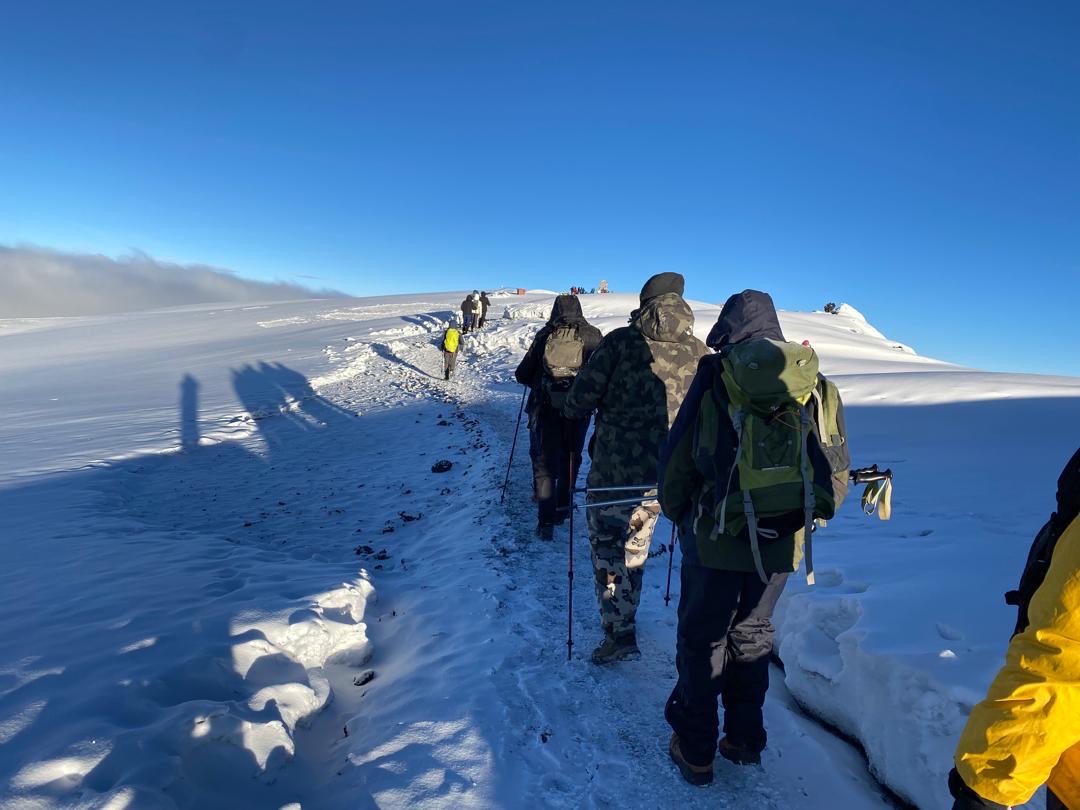
For travellers seeking a mountain challenge, ask about Kilimanjaro routes, trek duration, acclimatisation plans, equipment requirements and current package pricing.

Complete your adventure with coastal scenery, beach time, historic Stone Town and island experiences. Discuss transfers and the number of nights you want to spend on the island.
Choosing a tour operator is an important part of planning your trip. Read feedback from previous travellers, compare their experiences and contact JoyTrekking directly if you need clarification about an itinerary or service.
View the available reviews for JoyTrekking Tours & Safaris through its linked review profile. The review page identifies the review source and provides the full feedback for you to read.
Answers to common questions about the destination, wildlife, activities and travel planning.
Lake Natron is in northern Tanzania, near the Kenyan border, in the Gregory Rift section of the East African Rift Valley. Arusha is a common starting point for a road trip, although the actual driving distance is longer than the approximate geographic distance.
Lake Natron is known for its highly alkaline water, mineral-rich landscape, changing colours, lesser flamingos, nearby Engare Sero waterfalls and views of the active Ol Doinyo Lengai volcano.
Salt-loving microorganisms, including cyanobacteria, contribute pigments that can make parts of the lake appear pink, red or orange. The colour changes with water levels, evaporation, sunlight and biological activity.
No. Lake Natron can be highly alkaline and caustic, and parts can be very hot. Do not enter the lake or drink its water. Swimming may be possible in a suitable natural pool at the Engare Sero waterfalls only when a local guide confirms conditions are safe.
Flamingos can be present at different times, but breeding and concentrations vary with rainfall and ecological conditions. Some travel guides highlight September to April for viewing; ask local guides about recent sightings rather than treating any month as a guarantee.
Conservation sources estimate around 1.5–2.5 million lesser flamingos across East Africa, approximately 75% of the global population. Lake Natron is recognised as the region’s only regular breeding site, but the number visible during an individual visit can vary greatly.
Popular activities include guided flamingo viewing, landscape photography, walks to the Engare Sero waterfalls, appropriate community-led cultural visits and viewing Ol Doinyo Lengai. Volcano ascents require separate planning and current safety checks.
No. The climb is steep and physically demanding, and the volcano is active. Anyone considering it should consult a qualified local operator, check current access and volcanic conditions, and follow guide and official safety advice.
A two-day visit is one possible starting point for a short experience, while longer stays may suit visitors interested in more walking, birdwatching, cultural activities or a separately arranged volcano climb. Road conditions and activity access should determine the final schedule.
Yes, it can be arranged as part of a northern Tanzania itinerary. Because road conditions and travel times vary, confirm the route, vehicle, accommodation and activity schedule with your operator. Avoid assuming it is a quick day trip without checking the actual plan.
It may be possible to combine Lake Natron with other northern Tanzania destinations. The best route depends on road access, trip duration, accommodation and the activities you want to include. Ask for a day-by-day itinerary before booking.
Yes, these experiences can be combined in a wider holiday when the schedule and transport arrangements allow. Plan enough time for transfers and recovery after strenuous activities, and confirm any flights and accommodation before finalising the itinerary.
Wear breathable clothing, comfortable closed walking shoes, a sun hat and sunglasses. Bring sunscreen, sufficient drinking water and suitable footwear for rocky or potentially slippery trails. Follow the local guide’s equipment advice for the activities you choose.
Contact JoyTrekking Tours & Safaris with your travel dates, group size, interests and approximate budget. Request a current quotation showing the itinerary, transport, accommodation, activities, inclusions, exclusions and applicable fees before confirming.
Explore more destinations and holiday ideas from JoyTrekking Tours & Safaris.
Tell JoyTrekking Tours & Safaris your travel dates, group size and interests. Ask for a personalised Lake Natron itinerary or combine this extraordinary destination with a wildlife safari, Kilimanjaro trek or Zanzibar holiday.
JoyTrekking Tours & Safaris offers Tanzania travel experiences, including wildlife safaris and mountain adventures. For Lake Natron, ask the team to confirm local access, current road conditions, accommodation, guides and the activities available on your dates.
Email: findjoy@joytrekking.com
Phone / WhatsApp: +255 755 557 547
Travel information is general guidance and can change. Wildlife sightings are not guaranteed. Check current access, weather, local guidance and activity safety before travelling.