Menu
Best time to summit Mount Kilimanjaro in Tanzania
Kilimanjaro Climbing Guide · Tanzania

Best Time to Summit Kilimanjaro: A Month-by-Month Guide

Discover the best climbing seasons, understand Kilimanjaro's changing weather, and choose the right time for your journey to Uhuru Peak, the Roof of Africa.

📍 Northern Tanzania ⛰️ 5,895 metres ⏱️ 8 min read
Jan–MarShort dry season
Jun–OctLong dry season
5,895 mUhuru Peak elevation
Year-roundWeather varies by altitude
Your Kilimanjaro Journey Starts Here

When Is the Best Time to Summit Mount Kilimanjaro?

The best time to summit Mount Kilimanjaro, is generally during Tanzania's two main dry seasons: January to early March and June to October. These periods usually offer more favourable trekking conditions, better visibility and fewer persistent rain showers than the main rainy seasons.

However, choosing the right month is about more than checking a weather calendar. You should also consider trail conditions, temperature, the number of other climbers, your preferred route and the number of days available for acclimatisation.

Standing at Uhuru Peak, 5,895 metres above sea level, is a remarkable achievement. Thoughtful planning helps you prepare for the experience while making your time on the mountain more enjoyable.

Our practical recommendation: January and February are excellent options for climbers who prefer the warmer short dry season. July to September are popular for generally dry conditions and clear views, although the mountain is busier.
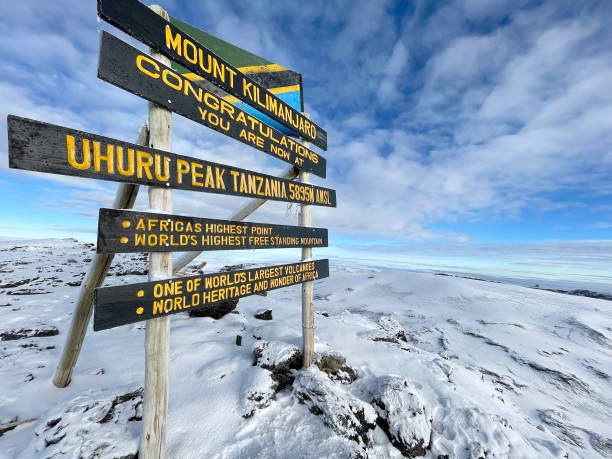
Snow-covered mountain landscape representing Mount Kilimanjaro summit conditions
Understanding the Mountain

Why Does the Time of Year Matter?

Kilimanjaro is a high-altitude mountain with several ecological zones. Conditions at the forest gate can be very different from those near the summit.

Natural mountain wilderness and changing weather conditions

Weather, Visibility and Trail Conditions

During drier months, trails are generally firmer and the chances of prolonged rainfall are lower. Clearer mornings can also create beautiful views of the mountain, surrounding plains and distant landscapes.

Temperature at Different Altitudes

Lower slopes may feel warm and humid, especially in the rainforest. As you gain altitude, temperatures drop considerably. The summit zone is cold throughout the year, and wind can make it feel even colder.

Crowds and Camp Availability

July, August and parts of September attract many climbers. January and February are also popular. Travellers seeking a quieter experience may consider less busy dates within suitable weather windows.

The Two Main Climbing Windows

The Best Seasons to Climb Kilimanjaro

Most travellers plan their climb around the two relatively dry periods. Each season offers a different atmosphere and set of advantages.

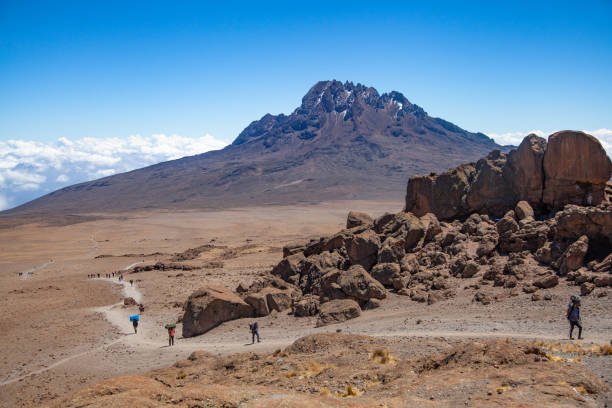
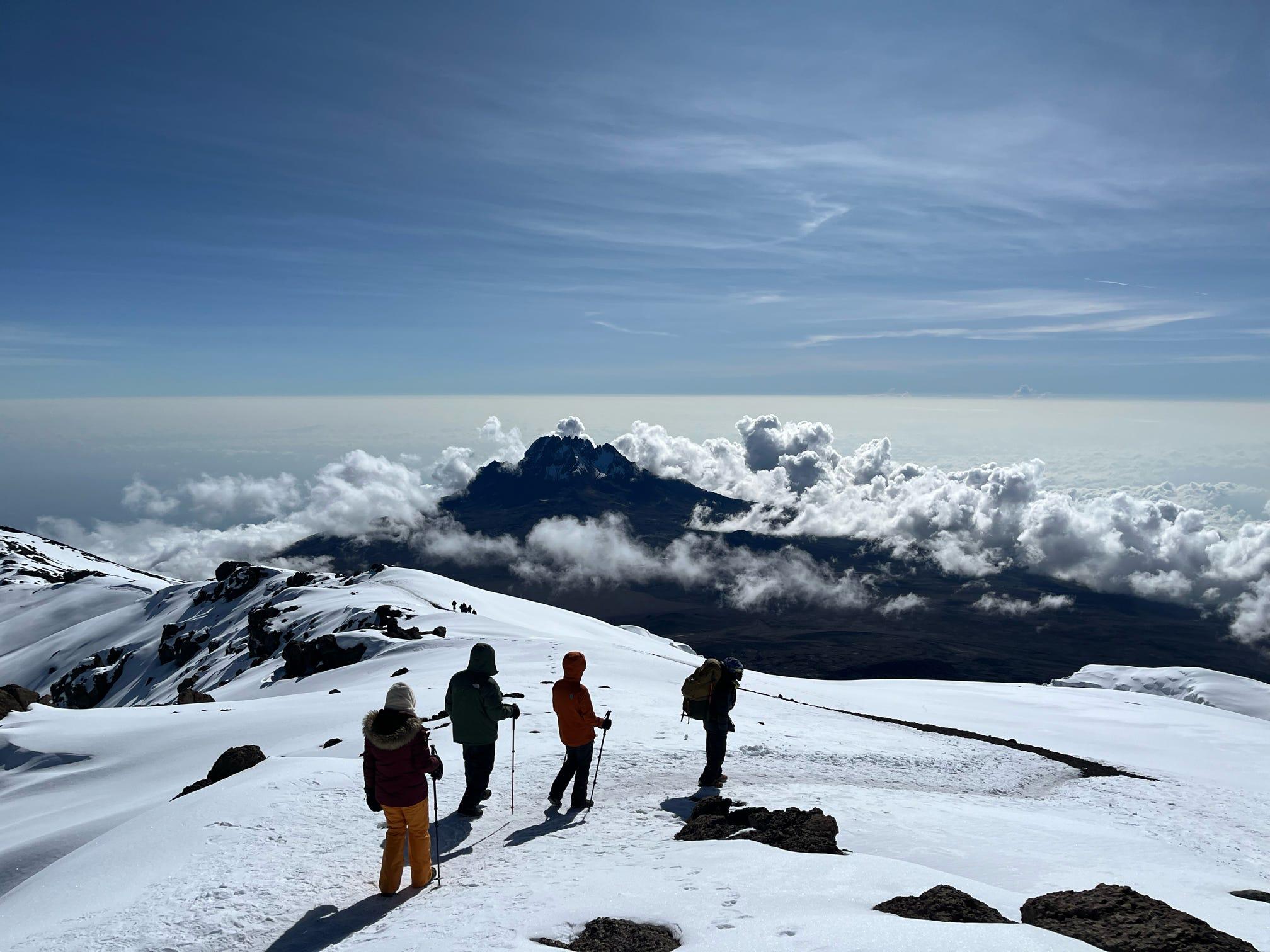
Mountain scenery during the June to October Kilimanjaro climbing season
Long Dry Season

June to October: The Main Climbing Season

This is the most popular period for climbing Kilimanjaro. The weather is generally drier, visibility can be excellent, and trails are often more comfortable than during the rainy months.

Why choose it?

  • Generally lower rainfall than the wet seasons.
  • Good opportunities for clear mountain views.
  • Popular for international holiday planning.
  • September and early October can offer a balance of weather and crowds.

Things to consider: July, August and September can be busy, particularly on popular routes. Temperatures at higher camps can be very cold.
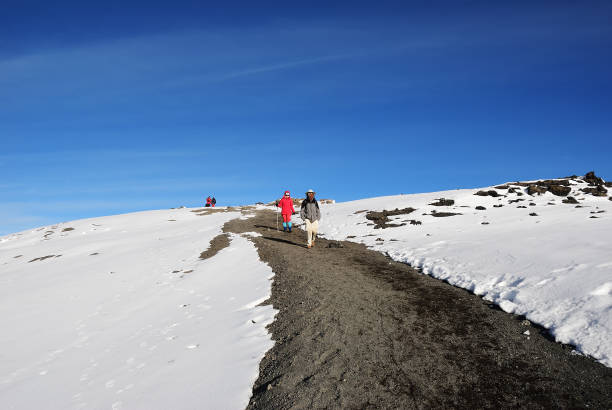
Mountain landscape during the January to March Kilimanjaro climbing season
Short Dry Season

January to Early March: A Warmer Climbing Window

January and February are often excellent months to climb. Lower slopes can feel warmer, and many days offer good visibility. This period is generally less crowded than the July–September peak, although popular dates can still be busy.

Why choose it?

  • Often favourable trekking conditions.
  • Warmer conditions on lower mountain sections.
  • Good opportunities for mountain photography.
  • Can be a useful option for combining trekking with a Tanzania safari.

Things to consider: Higher elevations remain extremely cold. Snowfall can occur near the summit, and conditions can change quickly, especially as March progresses.

Plan Your Travel Dates

Kilimanjaro Weather: Month-by-Month Guide

Use this overview to compare typical seasonal patterns. It is a general planning guide, not a daily forecast or a guarantee of summit conditions.

MonthTypical ConditionsCrowdsPlanning Advice
JanuaryGenerally dry, with good visibility on many days.Moderate to busyExcellent option for a planned climb.
FebruaryOften warm on lower slopes and relatively dry.ModerateOne of the strongest months to consider.
MarchConditions become more changeable as long rains approach.Usually quieterEarly March may be suitable; later dates carry greater rain uncertainty.
AprilLong rainy season; wet trails and reduced visibility are more likely.LowGenerally not recommended for travellers prioritising dry conditions.
MayRainy conditions can continue, with muddy trails.LowUsually best avoided for a first-choice climbing window.
JuneTransition towards the long dry season; can be cool.IncreasingA useful option, especially later in the month.
JulyGenerally dry, cool and often clear.HighBook early if you prefer this popular period.
AugustOften dry with good visibility; cold at altitude.Very highExcellent weather window, but expect busier trails.
SeptemberGenerally dry and often favourable for trekking.HighA strong choice for clear views and established dry-season conditions.
OctoberOften dry early in the month; showers may become more likely later.ModerateEarly October is worth considering; monitor seasonal forecasts.
NovemberShort rains often bring showers and changeable conditions.Low to moderatePossible, but less predictable than the main dry seasons.
DecemberConditions vary; short rains may continue into early December.Increasing near holidaysCheck current conditions and plan dates carefully.

Note: Seasonal patterns vary from year to year. Kilimanjaro's altitude creates local weather differences, so conditions on the mountain may not match forecasts for Moshi or Arusha.

Know Before You Book

When Is the Rainy Season on Kilimanjaro?

Tanzania generally experiences two rainy periods around Kilimanjaro. The long rains usually occur from March to May, while the shorter rains are commonly associated with November and sometimes extend into early December.

April to May: The Long Rains

These months are generally the wettest period for a Kilimanjaro trek. Lower forest trails can become muddy, rainfall may affect comfort, and cloud cover can reduce visibility. Many climbers choose another time of year.

November to Early December: The Short Rains

The short rains are often less persistent than the long rains, but conditions can still be unpredictable. Some days may be suitable for trekking, while others bring showers and cloud cover.

Our advice: If this is your first Kilimanjaro experience and you have flexibility, consider January–February or June–October rather than planning around the wettest months.
Waterfall and wet forest landscape illustrating rainy season conditions
For Flexible Travellers

Are March and October Good Months to Climb?

These months can be transition periods, so the exact dates matter.

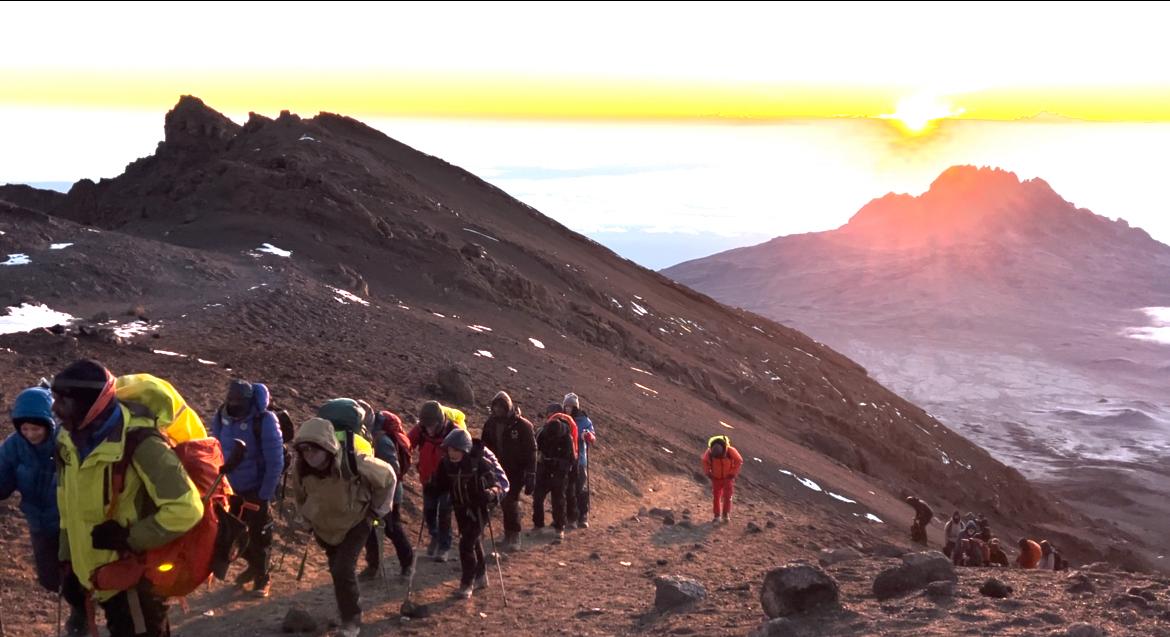
Sunrise over a mountain landscape during a seasonal transition

March: Choose Dates Carefully

Early March can still provide reasonable climbing conditions, depending on the year's weather. As the month progresses, rainfall often becomes more likely ahead of the long rainy season.

October: A Useful Shoulder Option

Early October is often a good option after the busy July–September period. Later in October, the chance of short rains may increase. Flexible dates and current weather advice are important.

Neither month should be treated as a guaranteed quiet or dry season. A local operator can help assess the current seasonal outlook and route conditions before confirming a plan.

Choose Your Climbing Window

Which Month Should You Choose?

The best month depends on the kind of experience you want and how flexible your travel dates are.

For Generally Drier Weather

Consider January, February, July, August or September. These months are commonly selected for their relatively favourable seasonal conditions.

For Fewer Crowds

Consider dates outside the busiest holiday periods, such as some dates in January, February, June or October. Crowd levels vary by route and departure date.

For a Warmer Lower-Slope Experience

January and February are often warmer on the lower mountain than the middle of the year. Remember that the summit remains cold.

For Clear Mountain Views

The dry-season windows generally offer better opportunities for clear views, although clouds and changing weather are possible at any time.

For a Safari Combination

June to October is popular for combining a Kilimanjaro climb with a Northern Tanzania wildlife safari.

For Flexible Travel Dates

Share your available dates with a local team so they can discuss route options and the seasonal conditions expected during your trip.

Beyond Choosing a Month

Does Your Kilimanjaro Route Affect the Best Time to Climb?

Yes. The route you choose influences the landscapes you experience, the number of days spent on the mountain and your opportunities for acclimatisation.

Popular options include the Machame, Lemosho, Marangu, Rongai and Northern Circuit routes. Some routes approach the mountain from different sides, and local weather can vary across the slopes.

For many climbers, a longer itinerary is worth considering because it allows more time for gradual acclimatisation. The right route should be selected according to your experience, available time, preferences and professional safety advice.

Ask About Kilimanjaro Routes
Mountain trekking route landscape in Tanzania
A Successful Climb Begins With Preparation

Why Acclimatisation Matters More Than Picking a Perfect Month

Good seasonal timing is helpful, but it does not remove the challenges of high altitude.

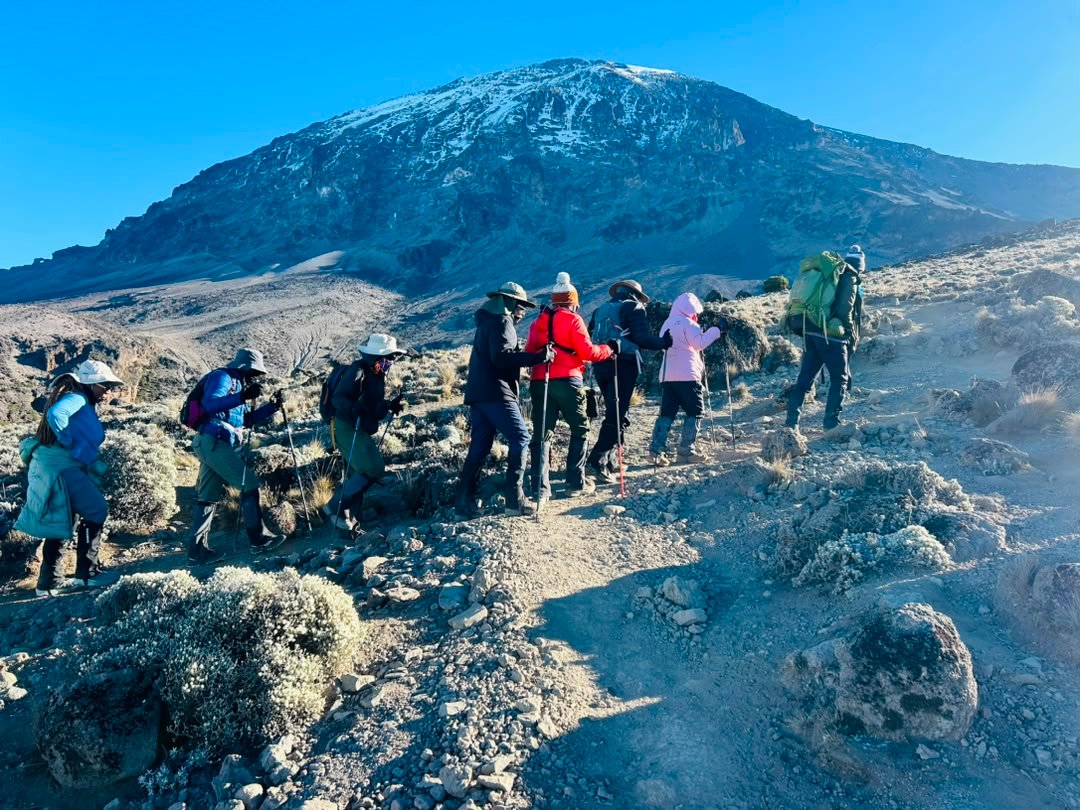
Hikers walking together on a mountain trekking trail

Give Your Body Time to Adjust

At higher elevations, the amount of available oxygen is lower. A gradual ascent and an itinerary that allows time for acclimatisation are important parts of responsible mountain planning.

  • Consider an itinerary with sufficient days for acclimatisation.
  • Follow your mountain guides' instructions and walking pace.
  • Tell your guide promptly if you feel unwell.
  • Follow professional medical advice before travelling.
  • Understand the operator's emergency and evacuation arrangements.
Important: Reaching the summit is never guaranteed. Your safety and the decisions of your qualified mountain team should always come before reaching the top.
Prepare for Changing Conditions

What Should You Pack for a Kilimanjaro Climb?

Even in the dry season, you should be prepared for rain, wind, sunshine and very cold temperatures at higher elevations.

Layered Clothing

Thermal base layers, warm mid-layers, an insulated jacket and a waterproof outer layer.

Footwear

Comfortable, properly fitted hiking boots, trekking socks and suitable camp footwear.

Weather Protection

Waterproof jacket and trousers, gloves, a warm hat and sun protection.

Personal Essentials

Headlamp, reusable water bottles, personal toiletries and any prescribed medication.

Travel Documents

Passport, travel insurance documents and relevant booking information.

Professional Guidance

Ask your operator for a complete equipment list based on your route and itinerary.

Plan With JoyTrekking Tours & Safaris

Ready to Plan Your Kilimanjaro Summit Adventure?

Whether you are considering January, February, September or another suitable climbing period, JoyTrekking Tours & Safaris can help you explore route options, itinerary lengths and travel arrangements for your Tanzania adventure.

Explore Tanzania With Us

Combine Your Kilimanjaro Climb With a Tanzania Safari or Beach Holiday

Your journey does not have to end at the summit. Tanzania offers extraordinary wildlife experiences, beautiful coastlines and cultural destinations.

Tanzania wildlife safari landscape

Tanzania Safari Packages

Explore wildlife destinations such as Serengeti, Ngorongoro, Tarangire and Lake Manyara.

Explore Safari Packages →
Tropical beach and Indian Ocean holiday

Zanzibar Beach Holidays

Relax after your mountain adventure with beautiful beaches, ocean experiences and island culture.

Explore Zanzibar →
Mount Kilimanjaro trekking adventure

Kilimanjaro Climbing

Discover different climbing routes and find an itinerary that suits your available time.

Explore JoyTrekking →
Google Reviews
Traveller Feedback

Planning Your Adventure With Confidence

Choosing a local tour operator is an important part of planning your Tanzania adventure. Read feedback from travellers who have shared their experiences with JoyTrekking Tours & Safaris.

Visit our review profile to see the latest available Google review feedback.

Read JoyTrekking Reviews
Frequently Asked Questions

Best Time to Summit Kilimanjaro: FAQs

Answers to common questions travellers ask when choosing their Kilimanjaro climbing dates.

What is the best month to summit Mount Kilimanjaro?
January and February are often excellent months because they fall within the short dry season. July, August and September are also popular due to generally dry conditions and good visibility. The best choice depends on your preferred weather, crowd levels and available dates.
Is January a good time to climb Kilimanjaro?
Yes. January is generally part of the short dry season and can offer favourable trekking conditions. It is a popular month, so it is sensible to plan your preferred dates ahead of time.
Is February better than July for climbing Kilimanjaro?
Both can be good options. February is often warmer on the lower slopes, while July is usually cooler and part of the main dry-season peak. July may also be busier. Your preference for temperature, crowds and travel dates can help determine which is better for you.
Can you climb Kilimanjaro in March?
Early March can sometimes offer reasonable conditions. However, rainfall often becomes more likely as the long rainy season approaches. Travellers considering March should check current seasonal conditions and discuss dates with a local operator.
Which months should I generally avoid?
April and May are generally the wettest months and are often avoided by climbers who prefer drier trails and clearer views. November and early December can also bring short rains and less predictable conditions.
Is Kilimanjaro cold throughout the year?
Temperatures vary significantly with altitude. The lower slopes can be warm, but the upper mountain and summit are cold throughout the year. Proper layered clothing and preparation are essential regardless of the month.
Does the rainy season make climbing impossible?
Not necessarily. Climbs may take place outside the main dry seasons, but rain, muddy trails and reduced visibility can make the experience more challenging. Discuss the current conditions, route choice and safety arrangements with a qualified local operator.
How many days should I plan for a Kilimanjaro climb?
Many itineraries take around five to nine days on the mountain, depending on the route. Longer itineraries can provide more time for acclimatisation. Your route and duration should be selected with professional guidance.
Can I combine Kilimanjaro with a Tanzania safari?
Yes. Many travellers combine a Kilimanjaro climb with a Northern Tanzania safari to destinations such as Serengeti, Ngorongoro and Tarangire. The itinerary should include enough time for rest and travel between activities.
Can I combine Kilimanjaro with a Zanzibar holiday?
Yes. Zanzibar is a popular beach extension after a mountain climb or safari. You can discuss a combined trekking and beach holiday itinerary with JoyTrekking Tours & Safaris.
Does choosing the dry season guarantee reaching Uhuru Peak?
No. Dry-season timing can improve general trekking conditions, but it cannot guarantee a summit. Weather, altitude response, health, acclimatisation and guide decisions all influence the outcome. Safety must always come first.
Further Reading

Trusted Resources for Planning Your Kilimanjaro Climb

Explore these resources for additional information about Mount Kilimanjaro, park guidance and seasonal conditions.

JoyTrekking Tours & Safaris · Arusha, Tanzania

Your Kilimanjaro Adventure Begins With the Right Plan

Tell us when you would like to travel, how many days you have available and what kind of experience you are looking for. Our team can help you explore a suitable Kilimanjaro itinerary and possible safari or Zanzibar extensions.

Email: findjoy@joytrekking.com · Arusha, Tanzania