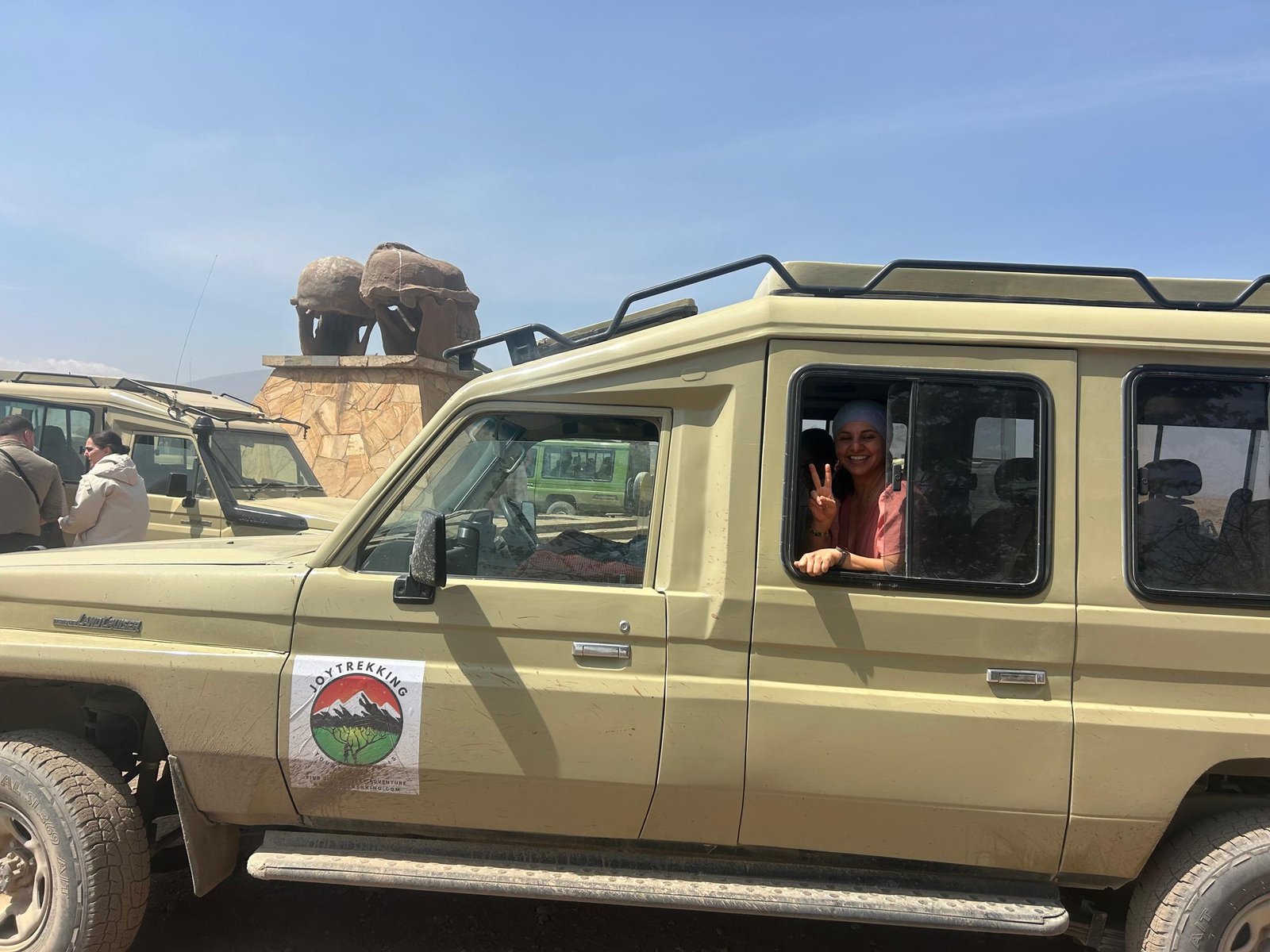
Tanzania Wildlife Safaris
Explore the Serengeti, Ngorongoro, Tarangire and other remarkable wildlife destinations with a guided safari.
Explore Safari Packages →
Best Kilimanjaro tour operator
Best Kilimanjaro tour operator
Best Kilimanjaro tour operator
The Complete Kilimanjaro Preparation Guide
Your journey to the Roof of Africa begins long before you reach the mountain. Discover how to choose the right route, train your body, prepare your gear and understand altitude before taking on Tanzania's greatest trekking adventure.
Before You Start Your Adventure
Standing on Uhuru Peak at 5,895 metres (19,341 feet) is a remarkable achievement. Mount Kilimanjaro is Africa's highest mountain and the world's tallest free-standing mountain. It rises above northern Tanzania, close to the equator, and takes climbers through several striking natural environments—from cultivated foothills and lush rainforest to alpine desert and the icy summit zone.
Unlike technical mountaineering expeditions, most standard Kilimanjaro routes do not require ropes or advanced climbing skills. However, that does not mean the climb is easy. Long walking days, steep trails, cold nights and reduced oxygen at altitude make preparation essential.
If this is your first high-altitude trek, planning with an experienced local team can make the process clearer and more comfortable. At JoyTrekking Tours & Safaris, we help travellers understand their route options, prepare their equipment and plan a realistic itinerary before arriving in Tanzania.
Route duration depends on the selected itinerary. Longer itineraries generally allow more time for acclimatisation. TANAPA Kilimanjaro overview.
01 / Choose Your Trail
Choosing a route is one of the most important decisions you will make. Each trail has a different landscape, starting point, camping arrangement and acclimatisation profile. Your ideal route should match your fitness, travel schedule, budget and personal preferences—not simply the shortest number of days.

| Route | Typical duration | What makes it different? | Good to know |
|---|---|---|---|
| Lemosho | 7–8 days | Beautiful western approach, varied scenery and a gradual start. | A strong option for trekkers who want a scenic, longer itinerary. |
| Machame | 6–7 days or longer | Popular scenic trail with the climb-high, sleep-low approach on parts of the route. | Includes some steeper sections and can be physically demanding. |
| Marangu | 5–6 days or longer | Uses shared mountain huts rather than camping tents. | Its shorter itineraries provide less time to acclimatise; consider adding a day. |
| Rongai | 6–7 days or longer | Approaches from the north, near the Kenyan border, with a quieter trail feel. | Useful for travellers interested in a different mountain approach. |
| Northern Circuit | 8–9 days | Longer northern traverse with extensive mountain scenery. | Its extra days can provide valuable acclimatisation time. |
| Umbwe | 6–7 days or longer | A steep, direct and physically challenging approach. | Generally better suited to experienced and very fit trekkers. |
The official Tanzania National Parks Authority explains that Kilimanjaro climbs take approximately 5 to 8 days depending on the route. Explore the official Kilimanjaro National Park visitor guide before making your final choice.
02 / Build Your Fitness
You do not need to be an elite athlete to climb Kilimanjaro, but you should be comfortable walking for several hours on consecutive days. The challenge is usually the combination of distance, elevation, uneven terrain and altitude.
If possible, begin a progressive training programme around 8–12 weeks before your climb. If you are currently inactive or have a medical condition, speak with a healthcare professional before starting a demanding exercise plan.
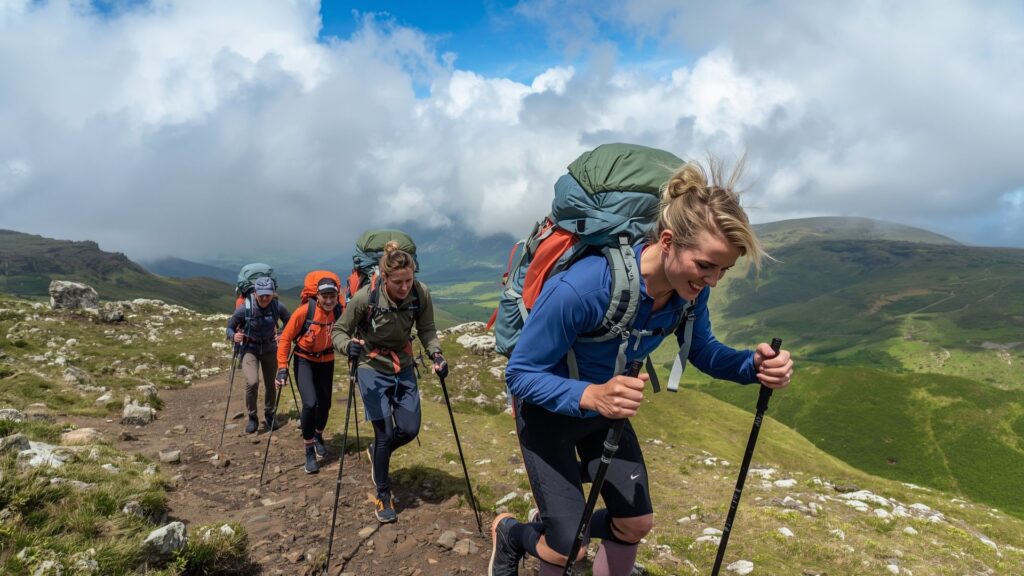
Practise long walks and uphill hiking before your expedition.
A Practical Training Timeline
Use this as a general planning framework rather than a medical or personalised training prescription. Adjust the programme to your current fitness and experience.
Build a consistent routine of walking, cardio and basic strength training. Start with manageable sessions.
Increase the length of your hikes gradually. Add hills, stairs and some longer walks with your daypack.
Practise with your actual hiking boots, socks, backpack and trekking poles. Include a longer hike if your body is recovering well.
Reduce hard training, check your equipment, sleep well and travel with enough time to rest before the climb.

03 / Understand Altitude
Altitude is one of the biggest challenges on Kilimanjaro. As you climb higher, atmospheric pressure decreases and less oxygen is available with each breath. Even fit and experienced hikers can develop altitude illness.
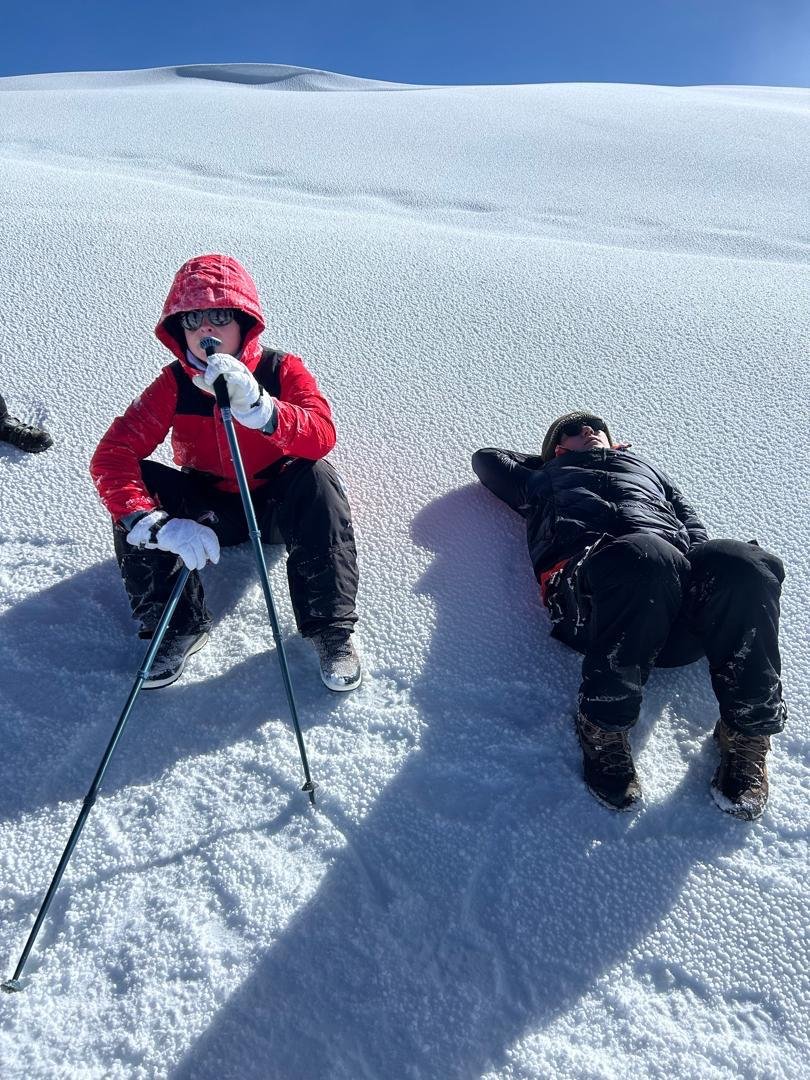
On suitable sections of a route, climbers walk to a higher elevation during the day and return to sleep at a lower camp. This can help the body adapt to altitude. Your guide will manage the daily pace and itinerary according to the route and the group's condition.
Headache, nausea, dizziness, unusual tiredness and loss of appetite can be signs of acute mountain sickness. Symptoms should be reported to your guide promptly, even if they initially seem mild.
Worsening symptoms, difficulty walking straight, confusion, breathlessness at rest or severe weakness can indicate a medical emergency. Do not continue ascending when unwell. Immediate assessment and descent may be necessary.
04 / Hydration & Nutrition
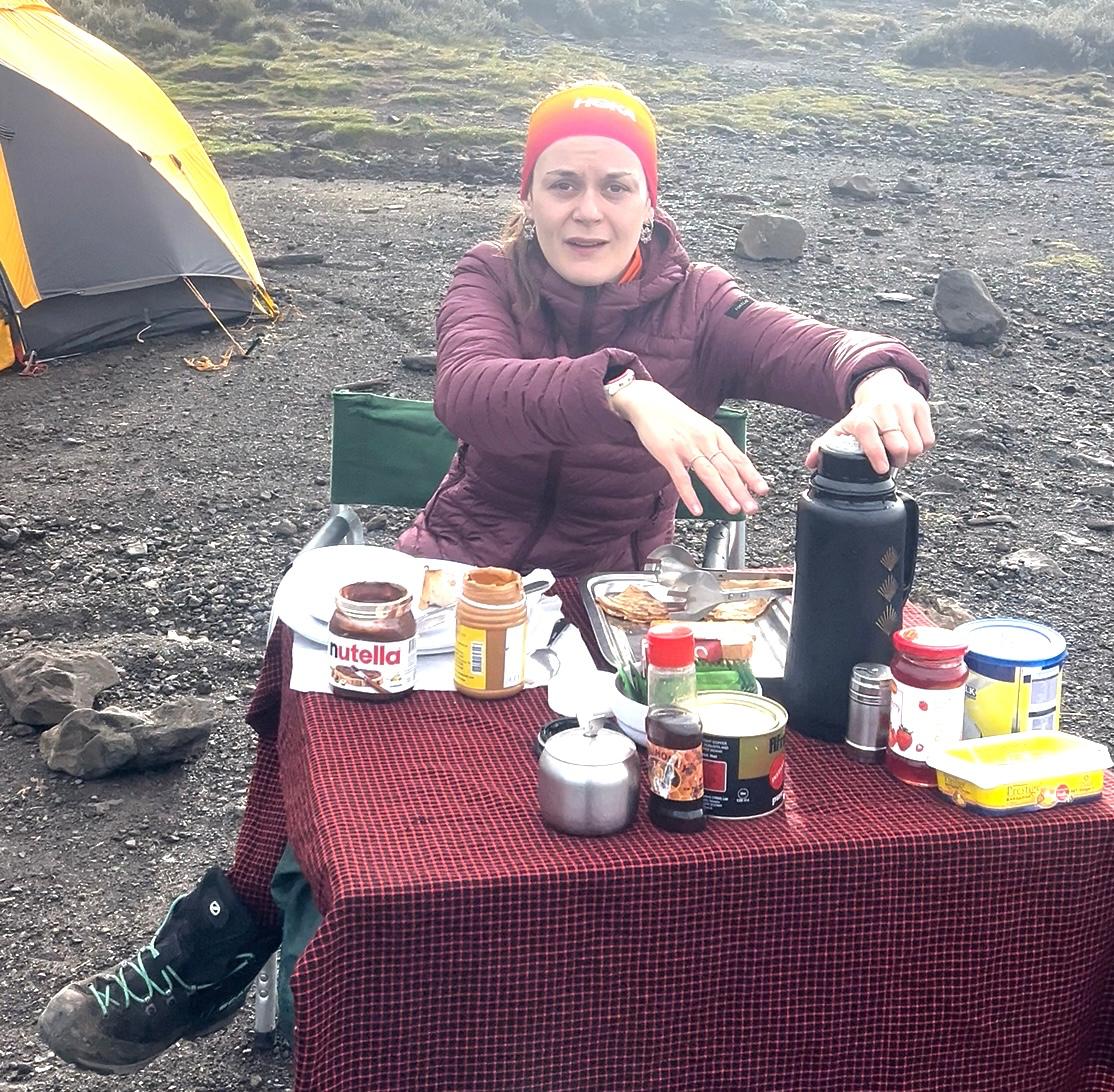
Trekking at altitude uses energy, and your appetite may change as you climb. Eat regular meals and snacks, even when you do not feel especially hungry. A balanced diet with carbohydrates, protein and fats helps support long walking days.
There is no single water target that is right for every climber. Your needs depend on exertion, weather, body size and medical circumstances. Drink consistently without forcing excessive amounts.
05 / Clothing & Equipment
Kilimanjaro's environment changes dramatically as you gain elevation. The lower rainforest can be warm and wet, while the summit zone can be extremely cold, windy and exposed. A reliable layering system is more useful than relying on one very thick jacket.

06 / Prepare for Summit Night
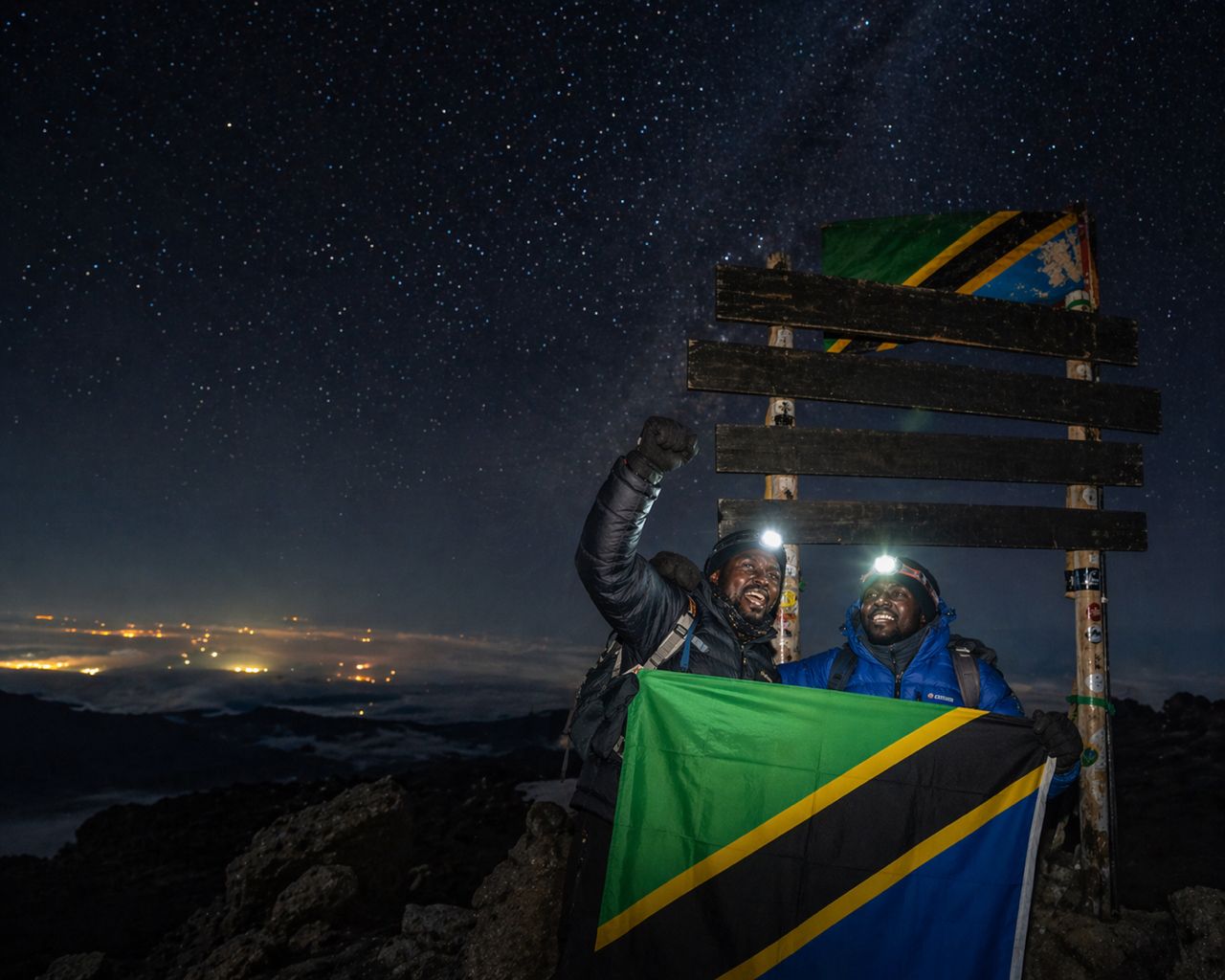
Summit night is often the most demanding part of the expedition. Depending on the route and camp location, climbers commonly begin walking around midnight or in the early hours, aiming to reach the summit around sunrise.
You may walk slowly for many hours in darkness, cold and wind. Your guide will set a sustainable pace and monitor how the group is responding. This is where your training, clothing, hydration and mental preparation all come together.
07 / Health, Documents & Safety
A successful climb depends on more than fitness and equipment. Your travel arrangements, insurance, mountain support team and safety procedures deserve careful attention.
Speak with a travel-health professional before departure. Discuss altitude, existing medical conditions, medication, vaccinations and any individual concerns.
Choose a policy that explicitly covers trekking to at least 5,895 metres and emergency medical evacuation. Check exclusions and coverage limits carefully.
Check passport validity, visa requirements, flight details and entry conditions using official Tanzanian immigration information before travelling.
Climbs must be organised through an authorised operator and accompanied by licensed guides. Ask who handles permits, crew, meals and safety arrangements.
Ask about the operator's emergency communication, first-aid arrangements, oxygen policy, evacuation procedures and health monitoring on the mountain.
Respect park rules, stay on designated routes, carry out waste and choose a company that treats guides, cooks and porters fairly.
For official park regulations and visitor information, consult Tanzania National Parks Authority (TANAPA). For general health advice, see the CDC Tanzania travel health page.
08 / Arriving in Tanzania
Most international climbers arrive through Kilimanjaro International Airport (JRO), with Arusha and Moshi serving as popular bases for mountain adventures. Arrange your airport transfer and pre-climb accommodation in advance.
Whenever possible, arrive at least one day before the scheduled climb. This gives you time to rest after your international flight, meet your guide team, check your equipment and attend the pre-climb briefing. Arriving earlier can provide an additional buffer if flights are delayed.
Your Local Tanzania Mountain Partner
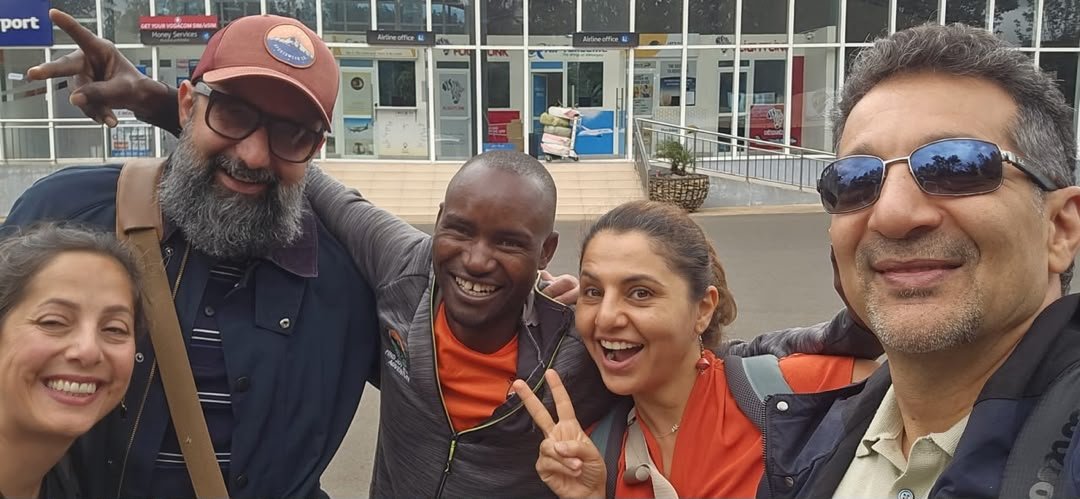
Planning a climb from another country can feel complicated. You may be comparing routes, checking equipment, arranging flights and wondering which itinerary gives you enough time on the mountain. Our Tanzania-based team can help you discuss route options, travel dates and the arrangements needed for your expedition.
Tell us your preferred travel month, group size, trekking experience and the number of days you can spend on the mountain. We can help you explore an itinerary that suits your plans and explain the services included in your quotation.
09 / Make More of Your Tanzania Holiday
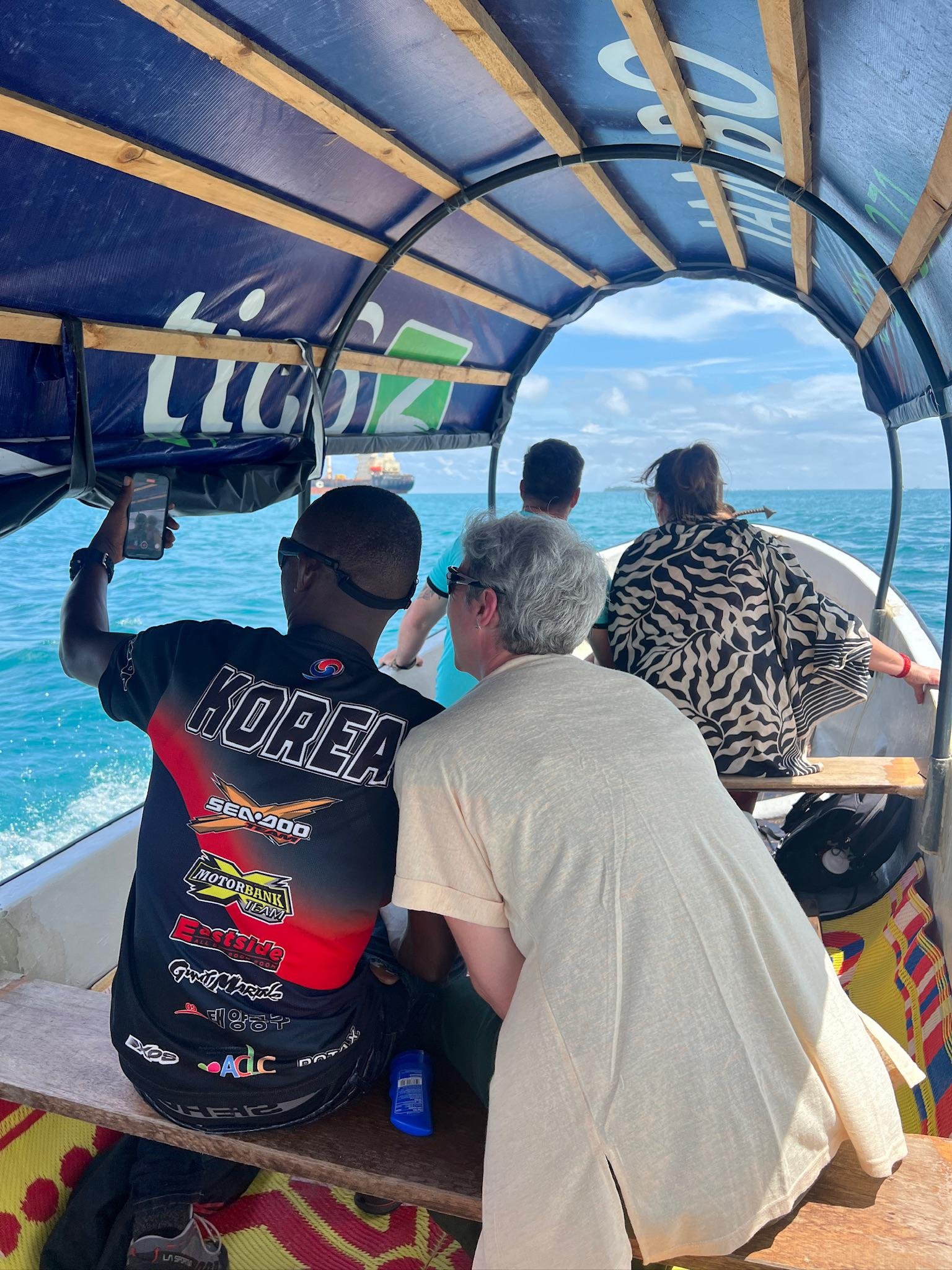
Your Kilimanjaro expedition can be part of a bigger Tanzania holiday. After the mountain, many travellers choose a wildlife safari or a few relaxing days on the Indian Ocean coast. You can also arrange a safari before your climb, depending on your dates, energy levels and flight schedule.
Guest Experiences
Choosing a local tour company is an important part of planning your Tanzania holiday. Read feedback from travellers who have shared their experiences with JoyTrekking Tours & Safaris before making your decision.
View the review platform for the latest guest feedback and published ratings.
Common Questions
Helpful answers for first-time climbers planning a Mount Kilimanjaro trekking holiday in Tanzania.
You should be comfortable walking for several hours on uneven terrain and completing consecutive days of hiking. Build your endurance with regular walks, hill training, cardio and strength exercises. You do not need to be an elite athlete, but preparation is important.
Many first-time trekkers benefit from beginning a progressive fitness programme around 8–12 weeks before departure. If you are new to exercise, have health concerns or need more time to build endurance, start earlier and seek professional advice.
Lemosho and Machame are popular scenic options, while the Northern Circuit offers a longer itinerary. Marangu uses mountain huts. The best route depends on your fitness, available days, budget and acclimatisation needs. A longer itinerary is generally worth considering.
Routes vary, but many itineraries take approximately 5–8 days on the mountain. For first-time climbers, a 7- or 8-day itinerary can offer more time for acclimatisation than a rushed shorter climb. Ask your operator to explain the sleeping elevations and daily ascent profile.
Technical mountaineering experience is not normally required for standard trekking routes, but hiking experience is useful. Practising long walks, uphill trails and using your equipment before travelling will help you prepare.
Essential equipment includes broken-in hiking boots, moisture-wicking base layers, insulating clothing, waterproof outerwear, warm gloves, a headlamp, trekking poles, a daypack and sun protection. Your operator should provide a detailed packing list for your route and season.
Yes. Fitness does not prevent altitude illness. Anyone can be affected, regardless of age, experience or physical condition. Choose a suitable itinerary, ascend gradually, report symptoms to your guide and follow medical advice.
Acetazolamide (Diamox) may be recommended for some travellers, but it is not suitable for everyone and does not replace gradual acclimatisation. Discuss its benefits, risks, dosage and your medical history with a qualified doctor before your trip.
No. Kilimanjaro climbs must be arranged through an authorised operator and accompanied by licensed guides under park regulations. A reputable operator also coordinates permits, mountain staff and expedition logistics.
Yes. You can combine your climb with a wildlife safari to destinations such as Serengeti, Ngorongoro or Tarangire. The order depends on your travel dates, itinerary and recovery needs after the climb.
Absolutely. Zanzibar is a popular beach extension after a mountain or safari adventure. You can plan time for the beaches, Stone Town and other island experiences as part of your Tanzania holiday.
Contact JoyTrekking Tours & Safaris with your preferred dates, number of travellers, route preference and approximate trip duration. Our team can help you discuss available options and the arrangements included in your proposed climb.
Further Reading
Use these trusted resources to check park guidance and health information while planning your climb.
Health, park, insurance, route and travel requirements can change. Confirm the latest details with the relevant authority, your medical professional and your tour operator before departure. This article is general travel information, not medical advice.
Your African Adventure Awaits
Let JoyTrekking Tours & Safaris help you plan a Kilimanjaro climb that fits your travel dates and goals. Start with a conversation and get guidance from our Tanzania team.
JoyTrekking Tours & Safaris · Arusha, Tanzania · findjoy@joytrekking.com