
01
African Lions
Lions are among the most exciting animals to encounter during a Ngorongoro safari. They may be seen resting in open grasslands, near prey animals or around suitable shelter.
Best Kilimanjaro tour operator
Best Kilimanjaro tour operator
Best Kilimanjaro tour operator
Discover one of Africa's most extraordinary wildlife destinations. Explore the crater's incredible landscapes, Big Five wildlife, best travel seasons, safari activities and everything you need to plan an unforgettable Ngorongoro adventure.
Imagine standing on the edge of a vast volcanic crater, looking down at open grasslands, beautiful lakes, scattered acacia trees and wild animals moving across the landscape. This is the remarkable experience that awaits visitors at Ngorongoro Crater>, one of Tanzania's most celebrated safari destinations.
Located in northern Tanzania, Ngorongoro Crater is famous for its spectacular scenery and impressive concentration of wildlife. It offers opportunities to encounter lions, elephants, buffaloes, zebras, wildebeest and many other species within a relatively compact natural environment.
Whether you are planning your first African safari, travelling as a couple, visiting with family or looking for an unforgettable wildlife photography experience, Ngorongoro deserves a place on your Tanzania itinerary.
This guide explains what to expect, the best time to visit, wildlife highlights, activities, accommodation options and practical tips to help you plan your journey.
Ngorongoro Crater is located within the Ngorongoro Conservation Area in northern Tanzania. It forms part of the wider Serengeti ecosystem and is one of the most important destinations on the Northern Tanzania Safari Circuit.

The conservation area is situated approximately:
Most visitors reach Ngorongoro by road from Arusha. The journey passes through changing landscapes, rural communities, agricultural areas and the beautiful Karatu highlands before reaching the conservation area.
Ngorongoro is not an ordinary wildlife destination. It is a huge volcanic caldera formed when a large volcano collapsed after a major eruption millions of years ago.
Today, the crater forms a remarkable natural environment surrounded by steep walls and highland forests. Its grasslands, swamps, freshwater sources and woodland habitats support a wide variety of wildlife.
Ngorongoro is recognised as the world's largest intact, unfilled volcanic caldera. The wider conservation area is also internationally recognised for its natural and cultural significance.
Its remarkable scenery and concentration of resident wildlife make it one of the most rewarding places to include in a northern Tanzania safari.
The crater supports a rich variety of wildlife, making it an exciting destination for game drives and wildlife photography.

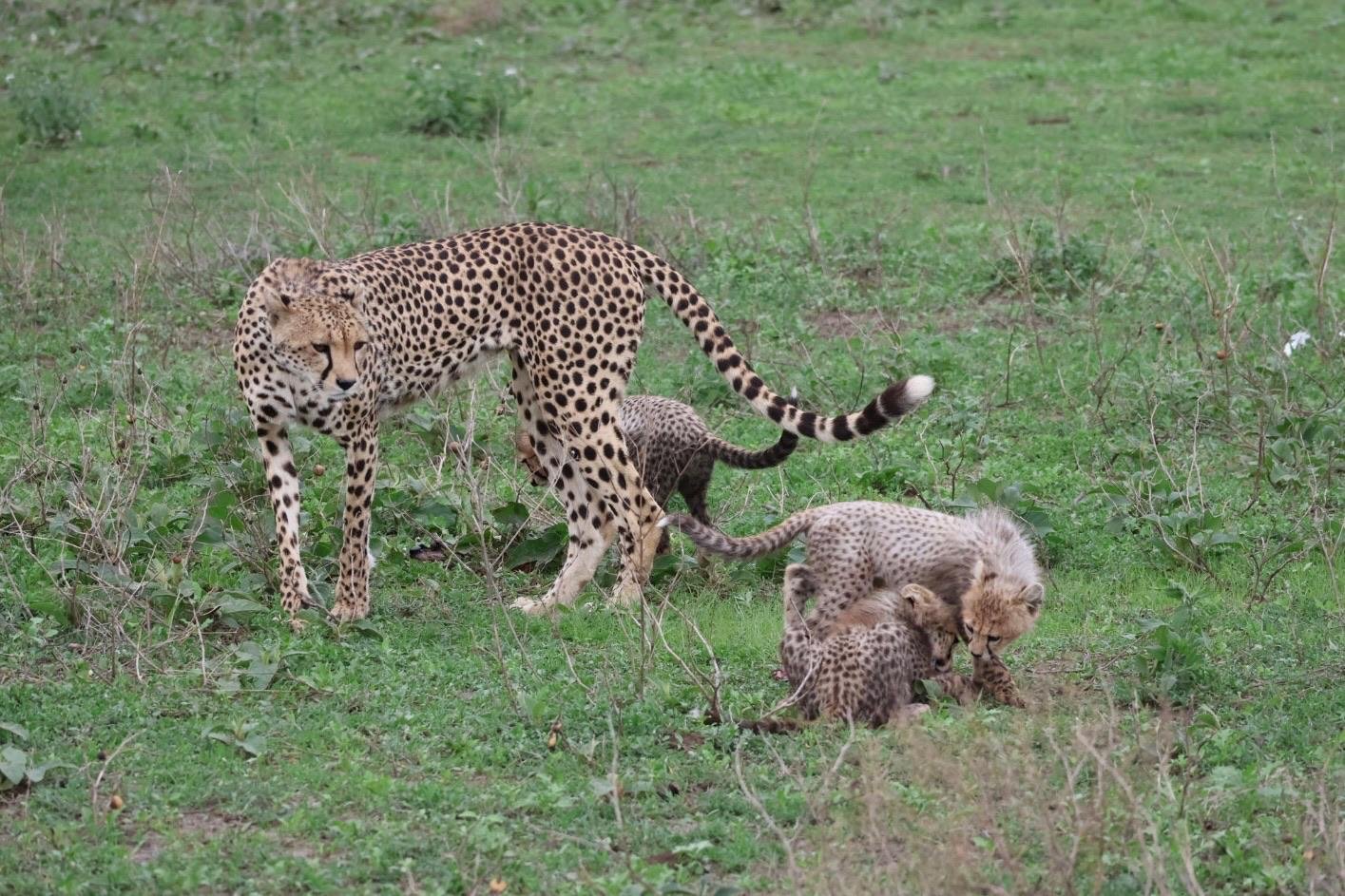
Ngorongoro is particularly famous for its Big Five wildlife. Visitors may have opportunities to encounter all five species, although sightings are never guaranteed.
Lions are among the most exciting animals to encounter during a Ngorongoro safari. They may be seen resting in open grasslands, near prey animals or around suitable shelter.

Elephants are an important part of the crater's wildlife. Visitors may encounter them moving through grasslands or near wooded areas.

Buffaloes are often seen grazing in groups across the crater floor. Their large herds provide excellent wildlife photography opportunities.
Ngorongoro is an important habitat for the endangered black rhinoceros. Sightings are special and should always be enjoyed from a respectful distance.
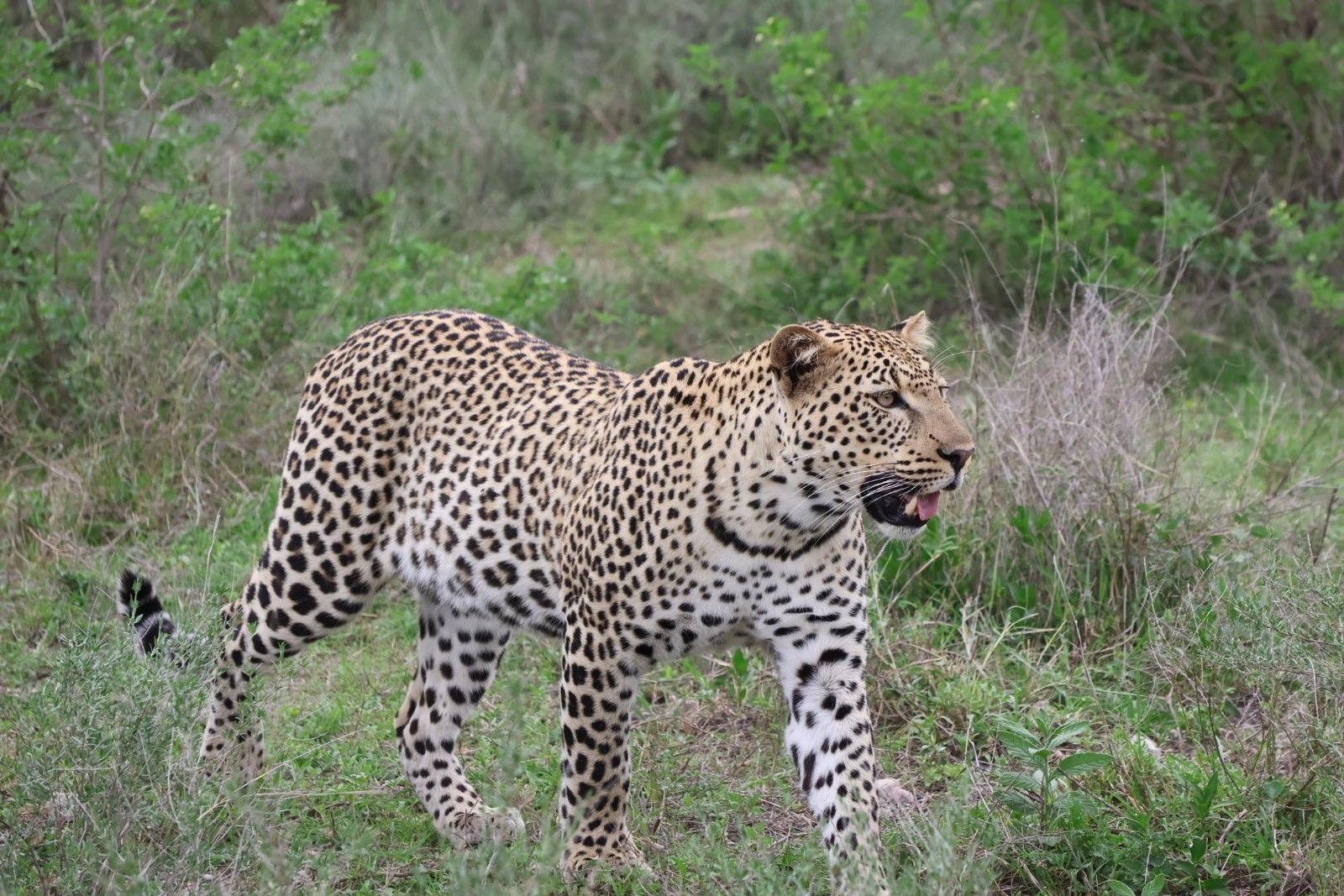
Leopards are elusive animals that are generally associated with woodland and areas offering cover. Finding one requires patience and a knowledgeable guide.

Zebras, wildebeest, hippos, spotted hyenas, gazelles, warthogs, elands and jackals add to the diversity of the crater ecosystem.
Ngorongoro is also an interesting destination for birdwatchers. Its different habitats attract waterbirds, grassland species and birds of prey.
Lake Magadi, a shallow alkaline lake on the crater floor, can attract flamingos and other waterbirds depending on seasonal conditions. The surrounding grasslands and woodland areas offer further opportunities to observe birdlife.
Bird species you may encounter include:

Wildlife viewing is the main attraction, but the wider conservation area offers different experiences for nature lovers, photographers and travellers interested in Tanzania's history.
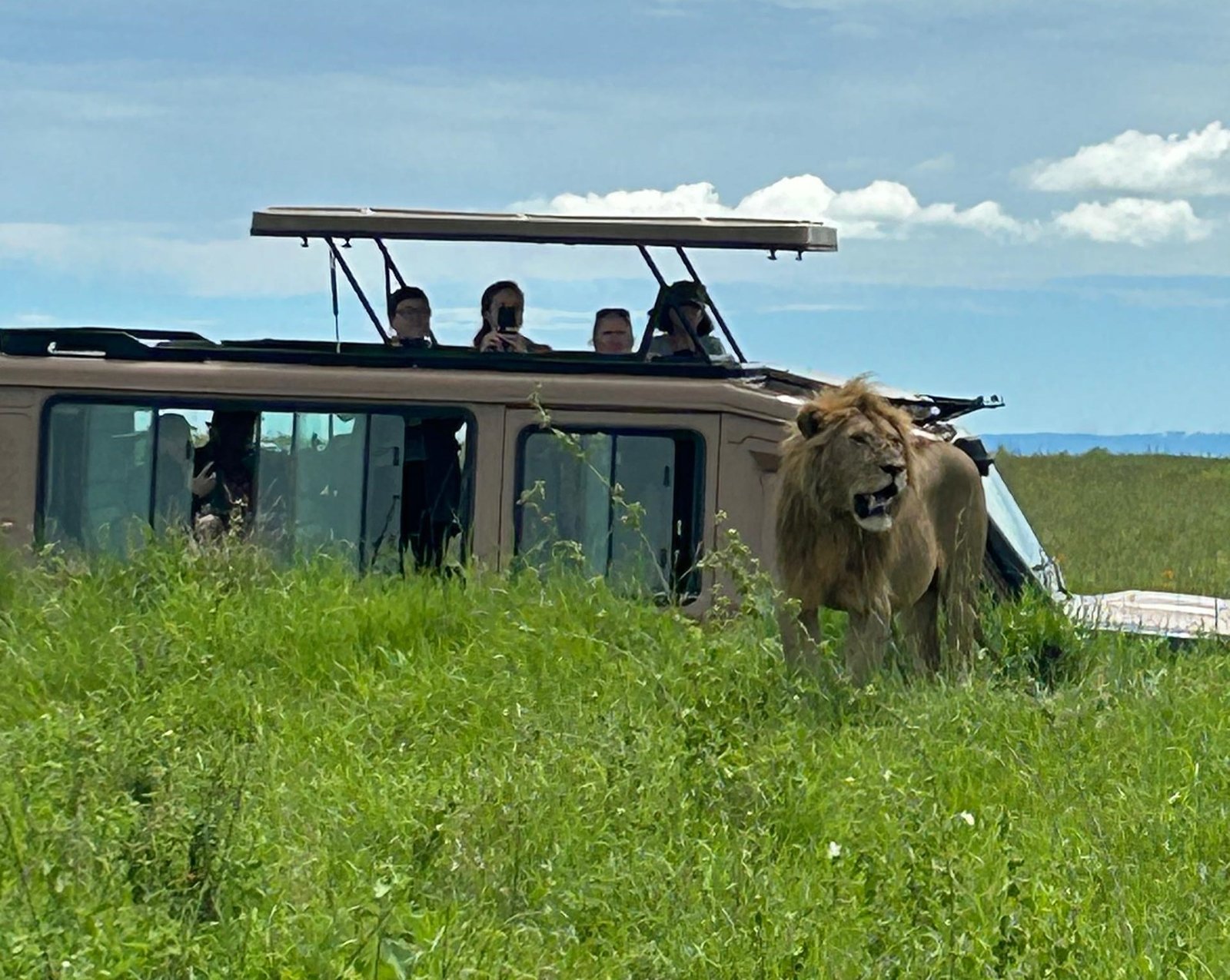
A game drive is the main activity in Ngorongoro. Visitors descend from the crater rim to explore different habitats while looking for wildlife. A professional guide helps identify animals and explains their behaviour.
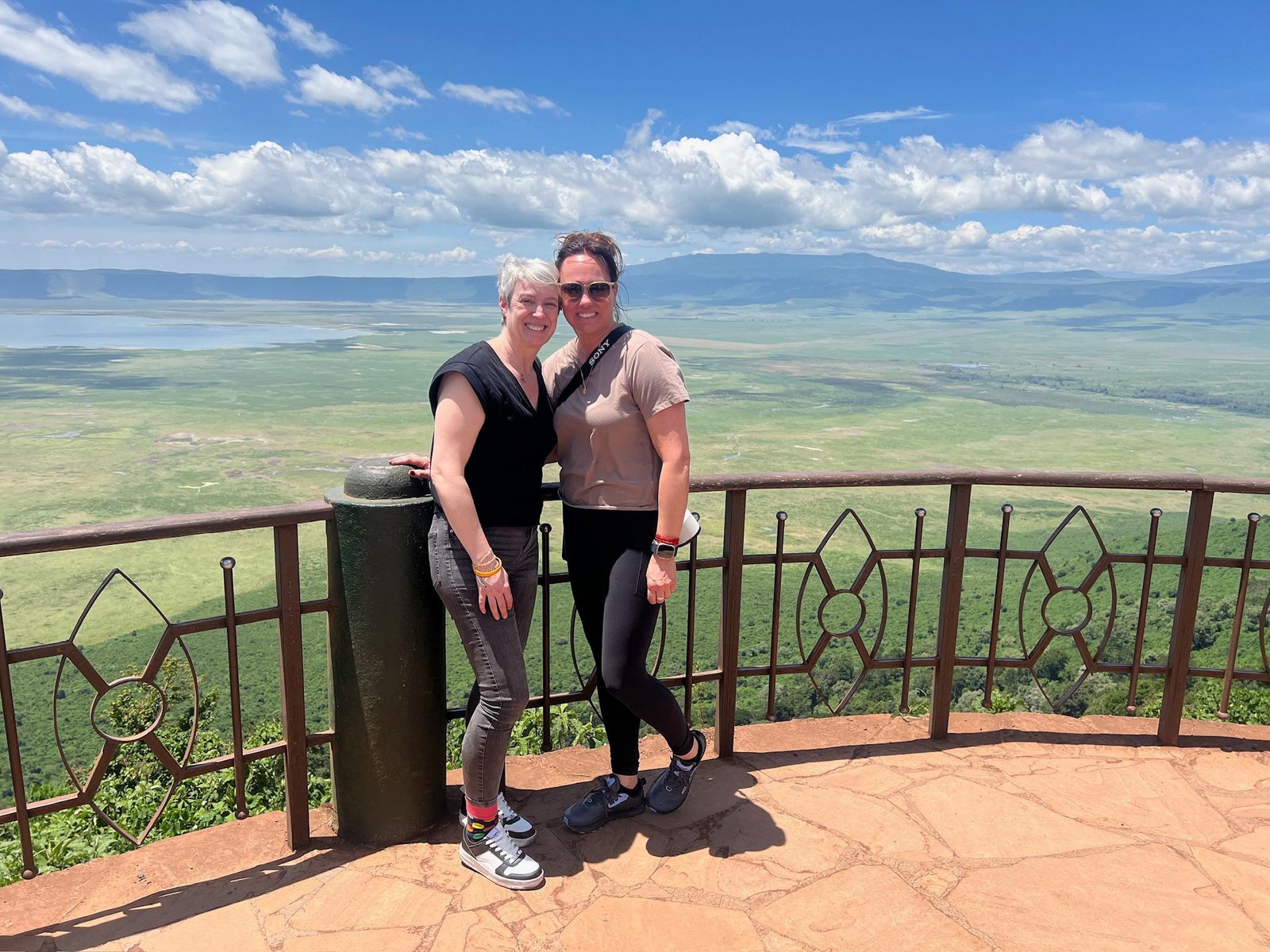
The elevated viewpoints around the rim provide spectacular views across the crater floor. They are excellent places for landscape photography and appreciating the scale of this volcanic formation.

Lake Magadi is a shallow alkaline lake on the crater floor. Depending on water levels and seasonal conditions, visitors may see flamingos and other waterbirds around the lake.

The wider conservation area includes highland forests, rolling hills, volcanic landscapes and beautiful natural scenery. Additional visits depend on the route and arrangements.
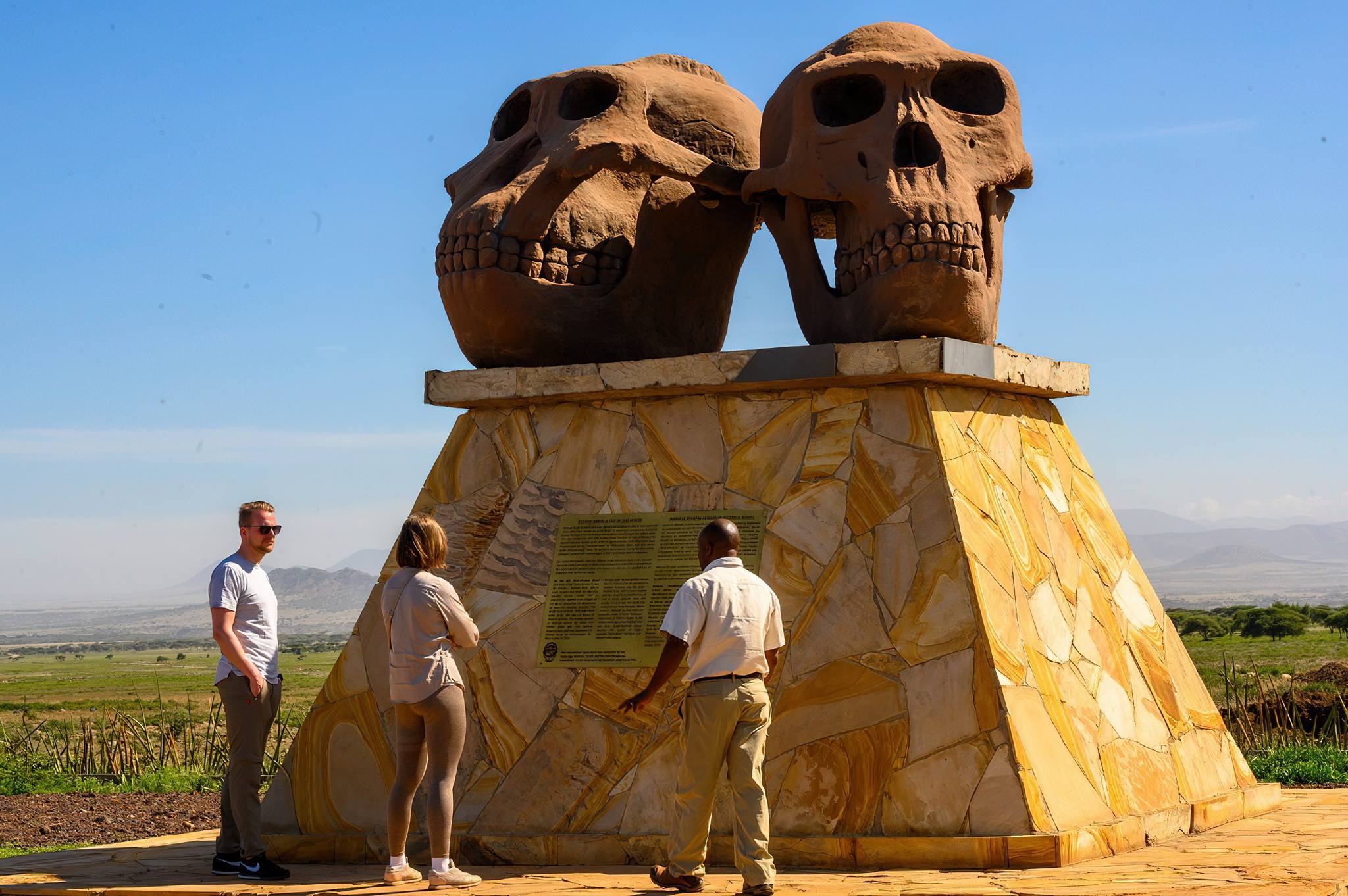
Olduvai Gorge is an important archaeological site associated with discoveries that have contributed to our understanding of human evolution. It is an interesting stop for travellers who enjoy archaeology, history and anthropology.
From wildlife encounters to dramatic crater landscapes, Ngorongoro offers a wide range of photographic subjects. Bring a camera, suitable lenses and binoculars if you enjoy observing wildlife.
Ngorongoro Crater can be visited throughout the year. However, different seasons offer different experiences depending on weather, vegetation, photography preferences and road conditions.
| Season | Months | What to Expect |
|---|---|---|
| Main dry season | June–October | Generally drier conditions and easier wildlife viewing in open grasslands. |
| Short rainy season | November–December | Greener landscapes and occasional showers. |
| Short dry period | January–February | Often a good period for combining Ngorongoro with southern Serengeti wildlife experiences. |
| Main rainy season | March–May | Lush scenery, possible heavy rainfall and changing road conditions. |
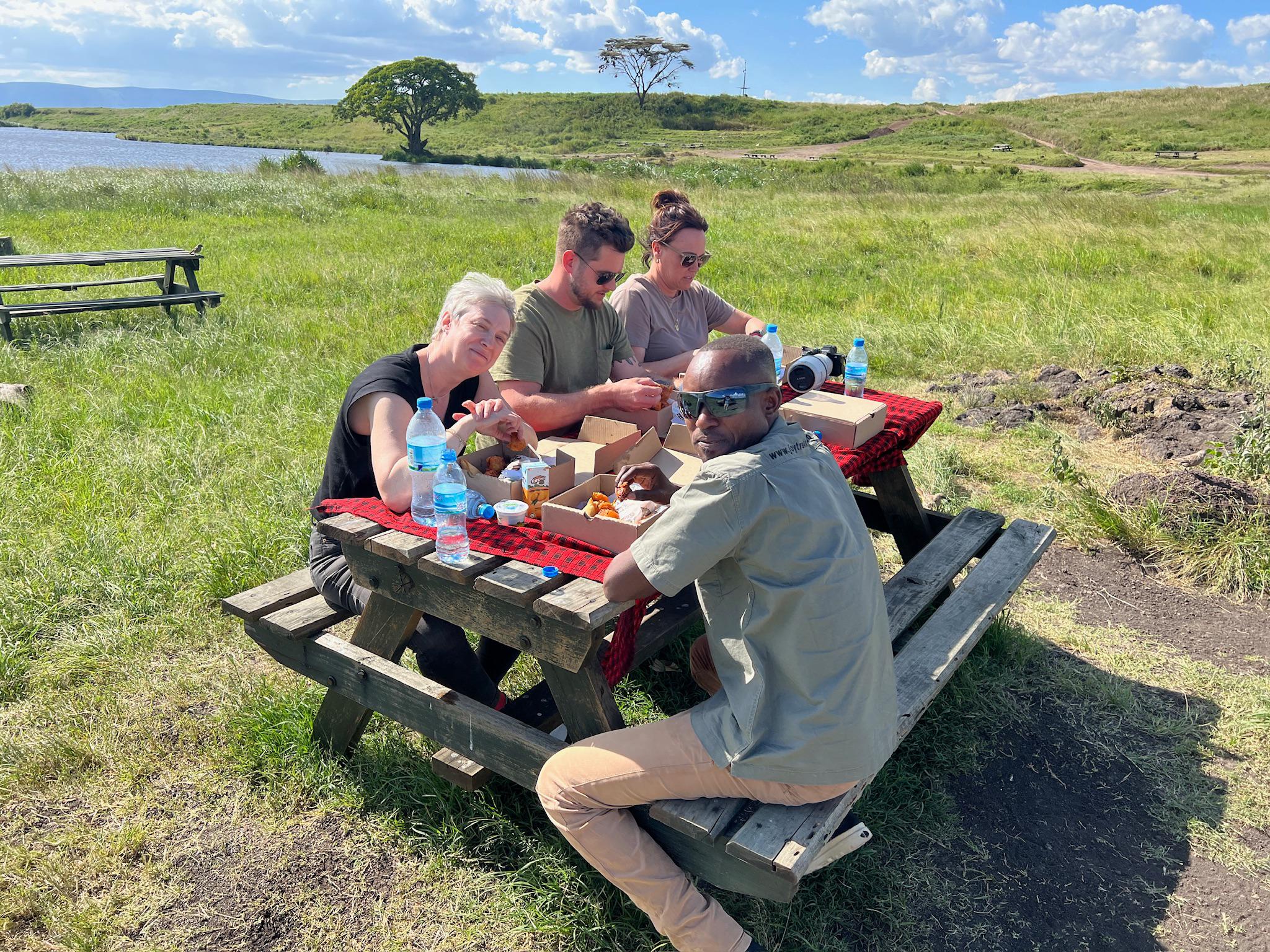
June to October is a popular period for northern Tanzania safaris. Vegetation is often shorter, which can make animals easier to observe in open areas. Early mornings in the highlands can be cool, so warm clothing is useful.
The rainy months bring greener landscapes and a different atmosphere to the conservation area. Photographers may appreciate the fresh scenery, dramatic clouds and natural colours. However, rainfall can affect road conditions and travel schedules.
Most international visitors begin their Tanzania safari in Arusha or arrive through Kilimanjaro International Airport. From there, Ngorongoro can be reached by road or through selected air travel arrangements.
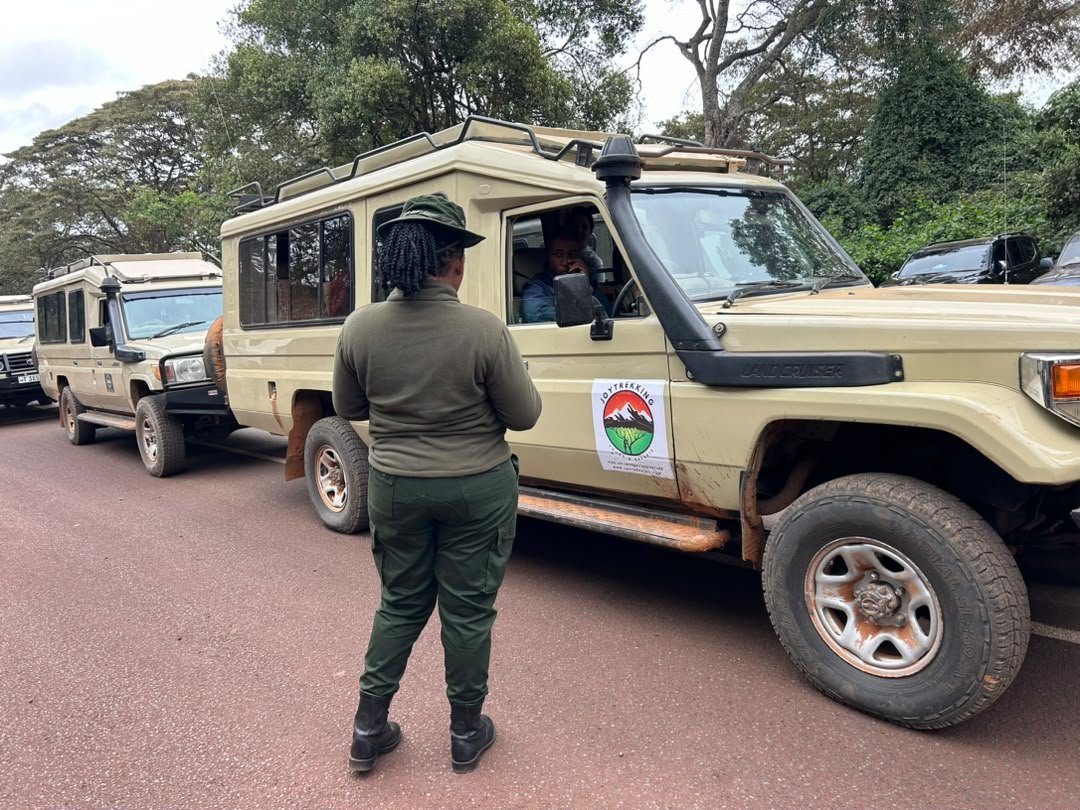
Travelling by road is the most common way to reach Ngorongoro. The journey usually takes around 3–4 hours or longer, depending on traffic, road conditions, stops and your exact destination within the conservation area.
Travellers with limited time may consider flying to an appropriate airstrip serving the wider Ngorongoro or Serengeti safari region. The best option depends on your itinerary, accommodation and available flight schedules. Ground transfers may still be required.
For most first-time visitors, a private 4×4 safari vehicle is a comfortable and flexible option. It allows you to travel with a professional guide, enjoy planned stops and explore the crater according to your safari arrangements.
The cost of visiting Ngorongoro depends on several factors. There is no single price that applies to every safari because travel style, accommodation, group size and included services can vary.
| Cost Category | What It Covers |
|---|---|
| Conservation fees | Applicable entrance and conservation charges. |
| Crater service fee | Specific charges associated with crater access. |
| Safari vehicle | Transport and game-drive vehicle arrangements. |
| Professional guide | Safari guiding services and wildlife interpretation. |
| Accommodation | Lodge, hotel, tented camp or other selected stay. |
| Meals | Meals included in the safari package. |
| Transfers | Transport to and from the safari destination. |
Your total safari budget may also depend on the number of travellers, number of days, accommodation category, private or group arrangements and whether Ngorongoro is combined with other parks.
There are different accommodation options in and around the Ngorongoro Conservation Area. Your choice will depend on your budget, preferred comfort level and safari schedule.

Luxury lodges offer premium accommodation, excellent hospitality, beautiful surroundings and comfortable facilities. Some are located along or near the crater rim, offering impressive views.
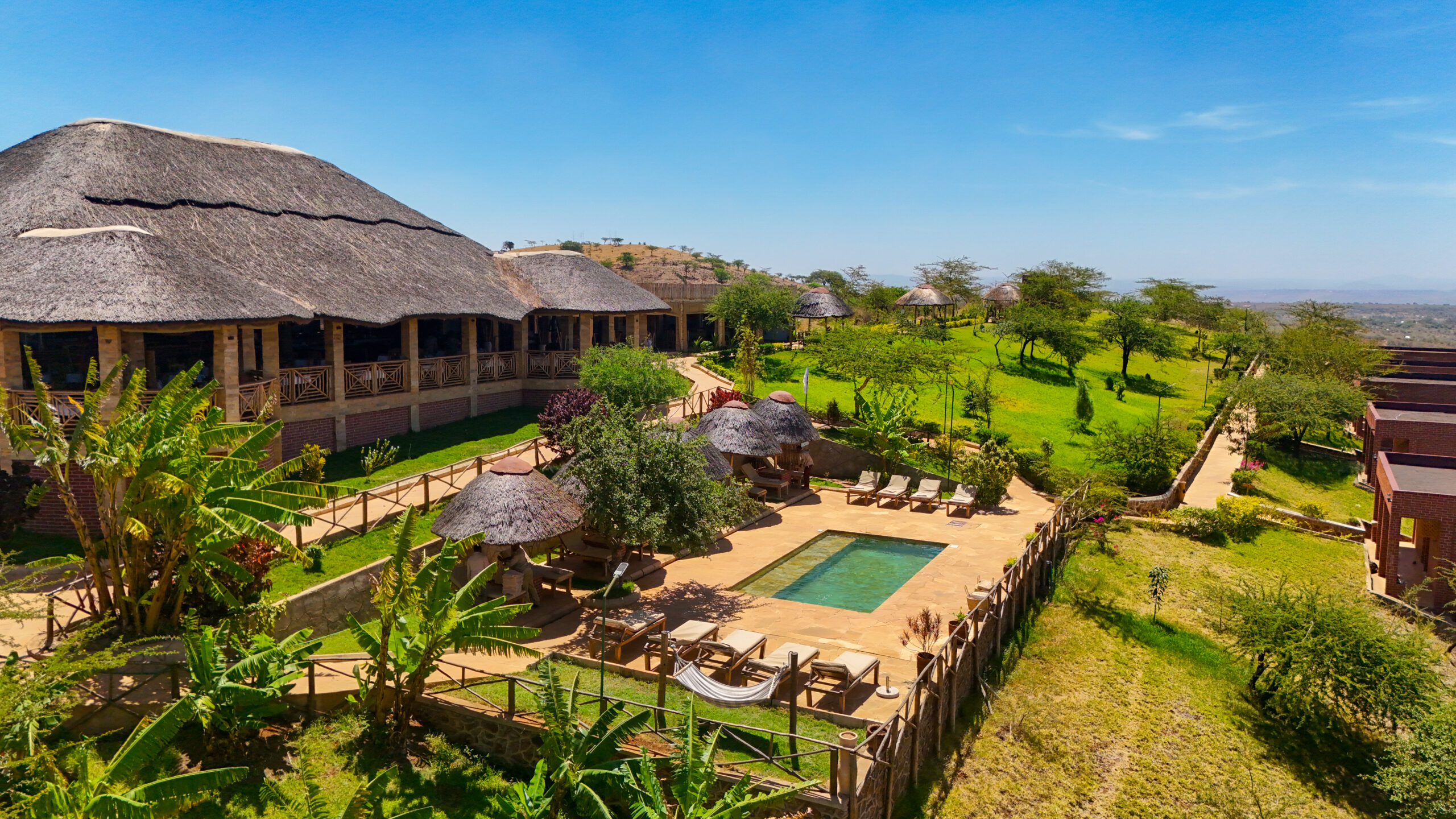
Mid-range accommodation provides a balance between comfort and affordability. Karatu is a popular base for travellers visiting Ngorongoro and other northern circuit destinations.

Budget lodges, guesthouses and camps can suit travellers who want to manage safari expenses while still enjoying the experience.
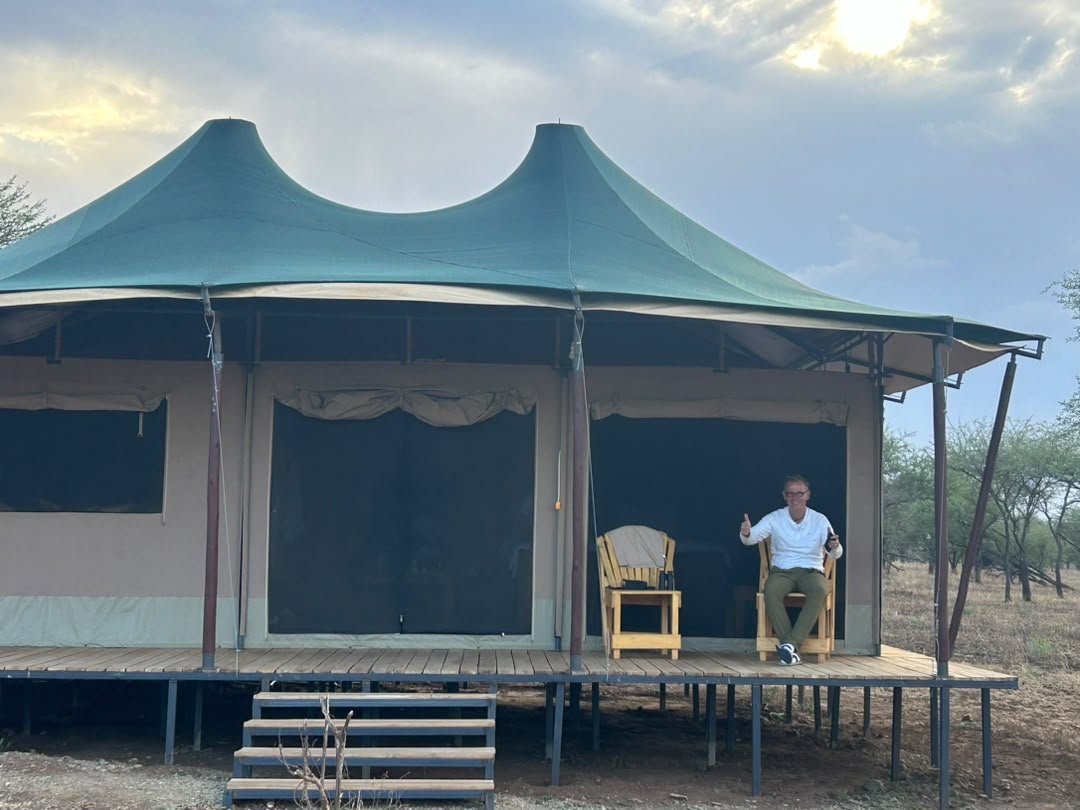
Camping offers a closer connection to nature and is suitable for travellers who enjoy outdoor adventures. Arrangements must follow the applicable conservation area rules and authorised campsite requirements.
For most visitors, one day is enough to experience the main attraction: a crater game drive. However, the ideal duration depends on how much of the wider conservation area you want to explore and whether you plan to visit other national parks.
Suitable for travellers with limited time who want to focus on the crater.

A two-day itinerary allows more time to enjoy the area and may include additional attractions in the wider conservation area.

A longer trip allows you to combine Ngorongoro with other famous northern Tanzania destinations.
Ngorongoro is commonly combined with other destinations on the Northern Tanzania Safari Circuit. Here are three itinerary ideas to help you plan.
Suitable for travellers with limited time who want to experience different northern Tanzania habitats.
Combines different wildlife environments and offers opportunities to explore the Serengeti ecosystem.
A rewarding option for travellers who want to experience three iconic northern Tanzania destinations.
Preparing properly makes your safari more comfortable. Ngorongoro's high elevation means mornings and evenings can be cool, even when temperatures are warmer elsewhere in Tanzania.

| Item | Why You Need It |
|---|---|
| Warm jacket | Useful during early mornings and cool highland weather. |
| Comfortable clothing | Suitable for long game drives and outdoor activities. |
| Closed shoes | Practical around lodges and outdoor areas. |
| Sunglasses | Protection from bright sunlight. |
| Sunscreen | Protection during outdoor activities. |
| Hat or cap | Additional sun protection. |
| Camera | For wildlife and landscape photography. |
| Binoculars | Useful for observing animals and birds. |
| Reusable water bottle | Helps you stay hydrated. |
| Personal medication | Bring any medication you personally require. |
| Small day bag | For carrying personal essentials. |
Neutral-coloured clothing such as khaki, brown, olive and beige is practical for safari travel. A warm layer is particularly useful when starting your game drive early in the morning.
Ngorongoro is a protected conservation area, and responsible tourism is essential to protecting its wildlife, landscapes and cultural heritage.
During your visit:
Absolutely. Ngorongoro is one of the most rewarding places to include in a Tanzania safari. Its combination of extraordinary scenery, volcanic history, wildlife diversity and cultural significance makes it different from many other safari destinations.

Ngorongoro is particularly suitable for:
One of the greatest advantages of Ngorongoro is the opportunity to explore a remarkable range of wildlife within the crater floor during a relatively short visit. Although sightings can never be guaranteed, its natural environment makes it an exceptional destination for game viewing.
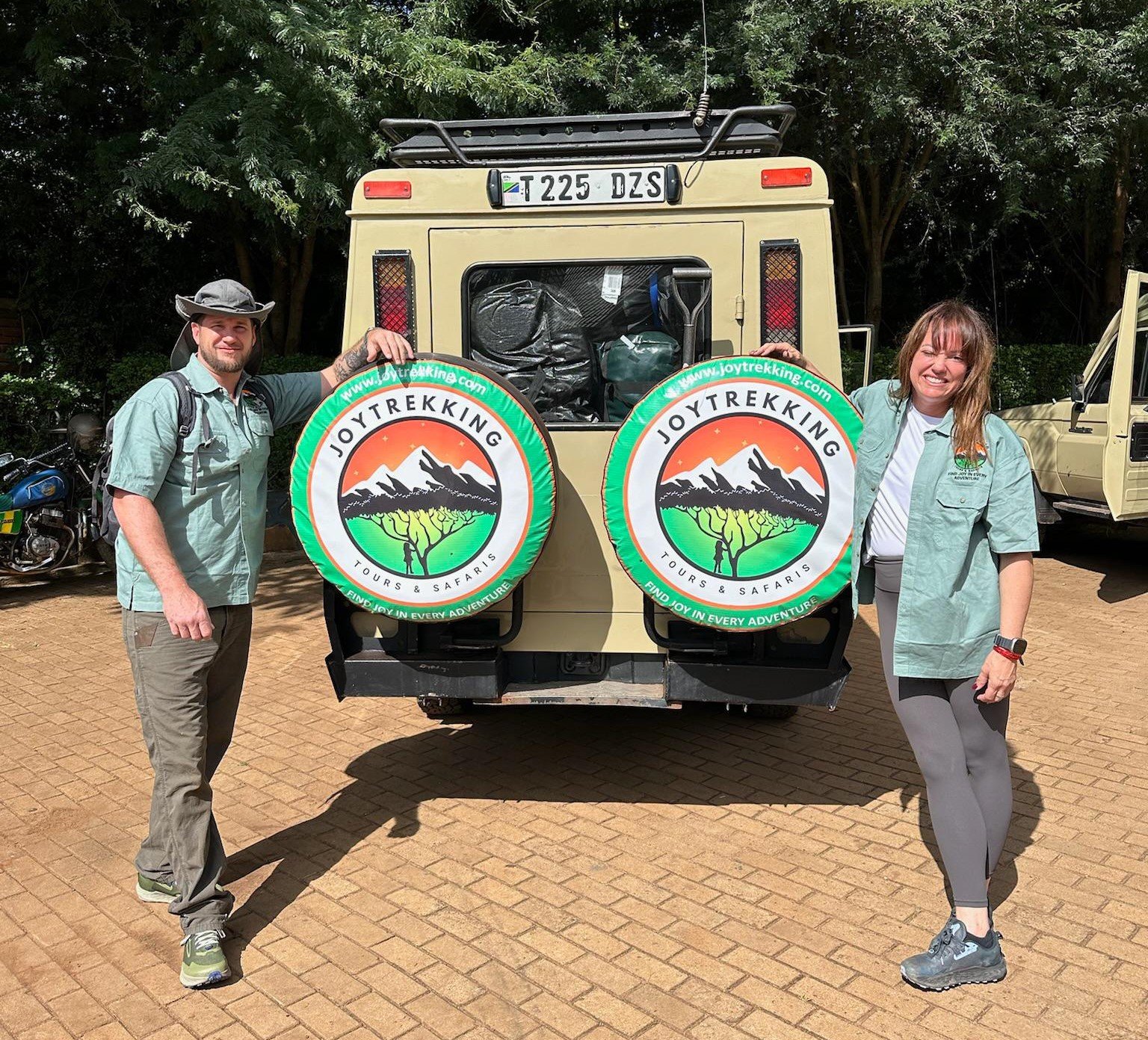
Choosing the right safari operator can make a significant difference to your experience. At JoyTrekking Tours & Safaris, we believe a memorable safari should be about more than travelling between destinations. It should be about discovering Tanzania through local knowledge, thoughtful planning and genuine hospitality.
When planning your Ngorongoro safari with JoyTrekking, you can discuss:
Whether you are interested in a short Ngorongoro Crater visit or a longer northern Tanzania adventure, our team can help you plan an itinerary around your travel dates, interests and budget.
Find answers to common questions travellers ask when planning a Ngorongoro safari.
Ngorongoro Crater is located within the Ngorongoro Conservation Area in northern Tanzania. It is part of the Northern Tanzania Safari Circuit and can be visited from Arusha.
Ngorongoro is famous for its enormous volcanic caldera, spectacular scenery and rich wildlife. Visitors come to see lions, elephants, buffaloes, zebras, hippos and, with some luck, black rhinos.
Ngorongoro can be visited throughout the year. June to October is a popular dry-season period, while the rainy seasons offer greener landscapes and different photographic opportunities.
Yes. Ngorongoro is home to lions, elephants, buffaloes, leopards and black rhinoceros. However, seeing all five during a single game drive is not guaranteed.
A crater game drive is generally planned as a half-day experience. Your actual schedule depends on access arrangements and your safari itinerary.
Ngorongoro is approximately 180–190 km from Arusha, depending on the destination and route. The road journey generally takes around 3–4 hours or longer.
Yes. A one-day visit is possible, especially when staying in or near the conservation area. Travellers starting in Arusha should plan carefully because of the road journey and crater access arrangements.
Yes. Families can enjoy wildlife viewing, beautiful landscapes and educational experiences. Parents should discuss children's ages, accommodation requirements and safari arrangements with their operator before booking.
Wear comfortable safari clothing, preferably neutral colours. Bring a warm jacket because temperatures can be cool in the early morning and evening.
Yes. Ngorongoro and Serengeti are commonly combined in northern Tanzania safari itineraries. Many travellers also include Tarangire and Lake Manyara.
Yes. There are lodges, tented camps and other accommodation options within the wider conservation area and in nearby Karatu.
Visitors should arrange their visit through an authorised safari operator and follow the conservation authority's current visitor requirements. A professional guide also helps you understand the wildlife and landscape.
For updated conservation information, visitor guidance and heritage details, consult the following official resources before travelling.
Travel information, access arrangements, fees, regulations, road conditions and accommodation availability may change. Confirm current details with the relevant authorities and your safari operator before travel.
From the dramatic crater rim to the wildlife-filled grasslands below, Ngorongoro offers an unforgettable introduction to Tanzania's natural beauty. Whether you have one day or several days to explore northern Tanzania, JoyTrekking Tours & Safaris can help you plan your journey.
Discover more destinations and safari experiences with JoyTrekking Tours & Safaris.
Explore one of Africa's most celebrated wildlife destinations and discover its remarkable ecosystems.
Explore Serengeti Destinations →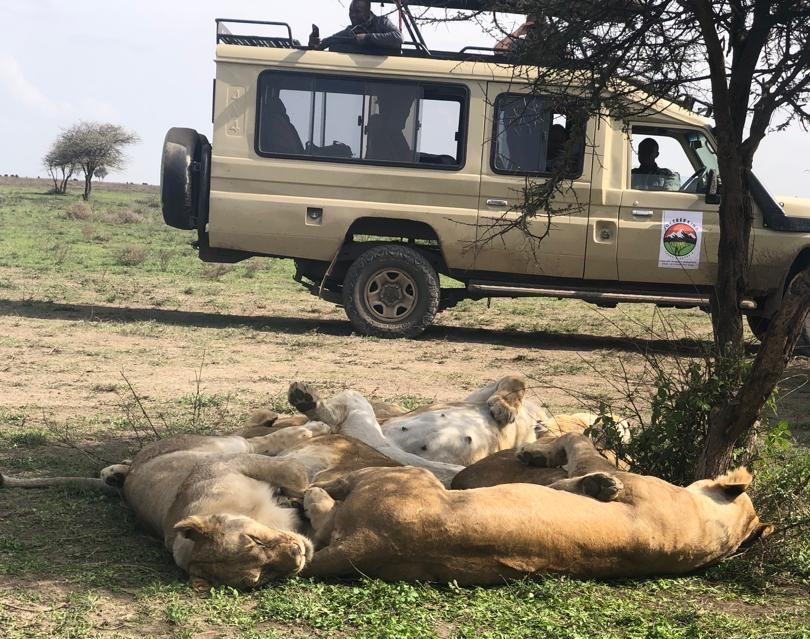
Discover safari experiences and plan a journey through Tanzania's remarkable national parks.
Explore Safari Tours →