What are the three African Great Lakes connected to Tanzania?
Lake Victoria, Lake Tanganyika and Lake Nyasa, also called
Lake Malawi. All are shared with neighbouring countries rather
than being located entirely within Tanzania.
Is Lake Victoria entirely in Tanzania?
No. Lake Victoria is shared by Tanzania, Kenya and Uganda.
Tanzania has an extensive part of its southern lake shoreline.
What makes Lake Tanganyika special?
Lake Tanganyika is renowned for its exceptional depth and freshwater
biodiversity. The Tanzanian region around Kigoma also provides
access to protected areas known for chimpanzees.
Are Lake Natron and Lake Manyara Great Lakes?
No. They are separate lakes associated with the Great Rift Valley.
They are still important destinations for scenery, birdlife and
nature-based travel in Tanzania.
Can I visit all three Great Lakes on one short safari?
It is generally not practical to treat them as nearby stops.
They lie in different regions, so visiting more than one may
require substantial additional travel time and careful planning.
Can I combine a lake trip with a wildlife safari?
Yes, depending on the lake, safari parks, transport and total
time available. Lake Manyara fits naturally into many northern
circuit itineraries, while western and southern lakes require
more specialised planning.
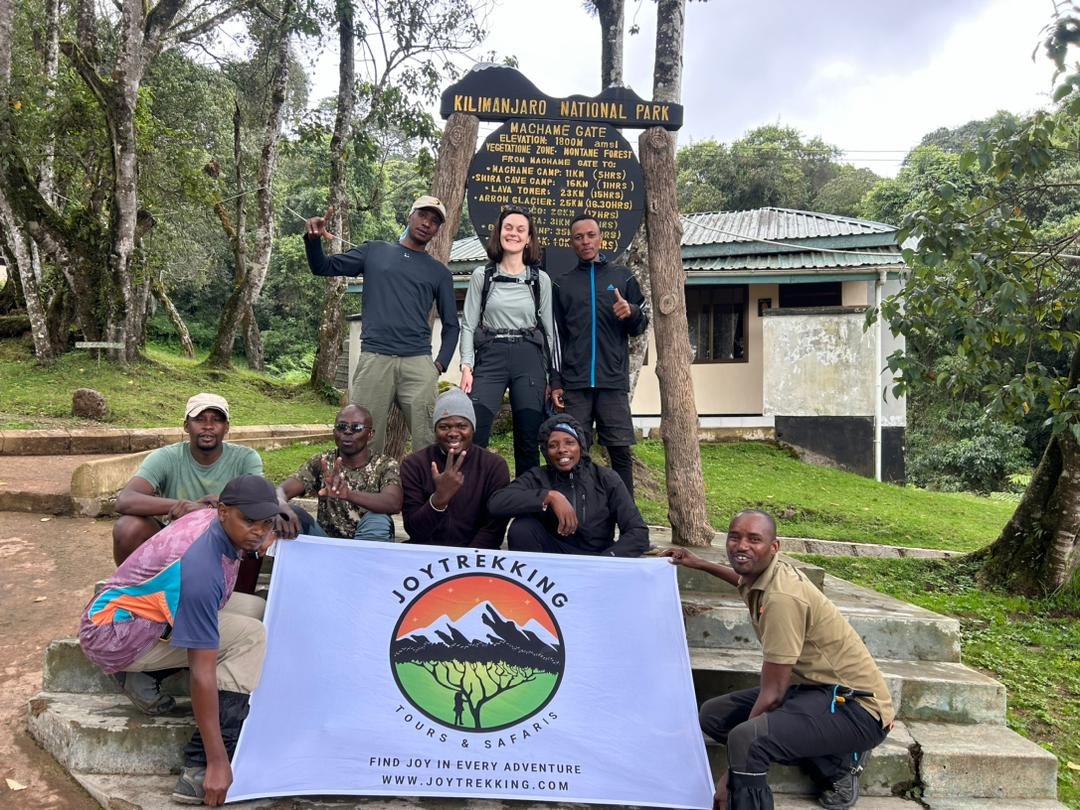
Can I combine my trip with Kilimanjaro climbing?
Yes, with enough time and appropriate preparation. A Kilimanjaro
climb is a demanding high-altitude trek and should be planned
separately from other activities, including rest and acclimatisation.
Can I add a Zanzibar beach holiday?
Yes. Zanzibar is an Indian Ocean island destination, not a Great
Lake. Ask JoyTrekking about possible flight connections, transfers,
accommodation and holiday activities.
How can I plan a lake-focused trip with JoyTrekking?
Share your travel dates, the lakes or regions you want to see,
your interests and the time available. Ask the team to confirm
whether they can arrange your preferred lake itinerary and request
a written quote with all inclusions.