African Wildlife Migration Tanzania: Witness the Great Migration
Follow one of nature's greatest wildlife journeys across the Serengeti. Discover the calving season, dramatic river crossings and the best months to plan your Tanzania migration safari.
What Is the African Wildlife Migration in Tanzania?
The Great Wildebeest Migration is one of the most extraordinary natural wildlife events on Earth. Every year, enormous herds of wildebeest, zebras and gazelles move through the Serengeti–Mara ecosystem in search of fresh grazing and water.
This continuous journey takes place across northern Tanzania's Serengeti National Park, and Kenya's Maasai Mara National Reserve. The animals follow seasonal rainfall and the growth of nutritious grass, moving through different landscapes as conditions change.
The migration is not simply a journey from one destination to another. It is a natural cycle involving calving, mating, predator activity, long-distance movement and dangerous river crossings.
For international travellers, a migration safari offers an opportunity to witness wildlife behaviour on an extraordinary scale while exploring some of Africa's most beautiful landscapes.
Why Do Millions of Animals Move Across the Serengeti?
The Great Migration is driven mainly by rainfall, fresh grass, water availability and the animals' need to survive and reproduce.
Fresh Grazing
Wildebeest and zebras are grazers. They move towards areas where seasonal rainfall produces fresh grass for feeding.
Water Availability
As seasonal water sources change, herds travel across the ecosystem to find suitable places to drink and feed.
Breeding and Calving
The southern plains provide important grazing grounds for pregnant wildebeest and their newborn calves during the calving season.
Predator Relationships
Lions, cheetahs, leopards, hyenas and other predators follow the seasonal availability of prey.
Seasonal Rainfall
The timing and distribution of rain influence where grass grows and how the herds move through the year.
Survival
The migration is a natural survival strategy shaped by changing environmental conditions across the ecosystem.
Where Is the Great Migration Throughout the Year?
The herds move through different parts of the Serengeti ecosystem. The following calendar is a general seasonal guide, not a fixed schedule.
December – March: Calving Season
Large herds gather on the short-grass plains of the southern Serengeti and Ndutu area. January and February are particularly important months for wildebeest births, with many calves arriving over a relatively short period.
The abundance of newborn calves attracts predators such as lions, cheetahs, hyenas and other carnivores. This makes the calving season especially rewarding for wildlife photography and predator behaviour observation.
Best for: Newborn wildebeest, predator sightings, large herds and green-season scenery.
April – May: Northward Movement
As the seasonal rains and grazing patterns change, herds begin moving away from the southern plains. Some travel through central Serengeti while others move towards the Western Corridor.
This period can bring beautiful green landscapes, dramatic skies and fewer safari vehicles in some areas. However, April and May are generally part of Tanzania's long rainy season, so road and weather conditions need careful consideration.
Best for: Green landscapes, photography and travellers who prefer quieter safari periods.
May – July: Western Corridor and Grumeti
As the herds continue west and north, some reach the Grumeti River in the Western Corridor. River crossings may take place as animals move through this region.
The river environment supports crocodiles and hippos, and the surrounding woodland and grasslands offer additional wildlife viewing opportunities.
Best for: Western Serengeti exploration, migration movement and possible Grumeti River crossings.
July – September: Mara River Crossing Season
The herds move towards the northern Serengeti, where some gather around the Mara River. River crossings are among the most famous and dramatic migration experiences.
Wildebeest and zebras must navigate steep riverbanks, strong currents and crocodile habitats. Some groups may cross quickly, while others wait for hours or days before making a move.
Some herds continue into Kenya's Maasai Mara, while others move between the two sides of the wider ecosystem.
Best for: Northern Serengeti migration safaris and opportunities to observe possible Mara River crossings.
October – November: The Southern Return
As seasonal short rains develop in parts of the ecosystem, herds begin moving southwards through northern, eastern and central Serengeti routes.
The movement is spread across a wide area, and the exact route varies according to rainfall and grazing conditions. This can be a rewarding period for travellers interested in the migration without focusing only on river crossings.
Best for: Following the return movement, quieter areas and seasonal landscape photography.
December: Back Towards the Southern Plains
Many herds move back towards the southern plains as the seasonal rains encourage fresh grass growth. Zebra and wildebeest groups begin gathering in areas associated with the next calving season.
Best for: Early calving-season planning and following the beginning of the next migration cycle.
More Than a River Crossing
The Great Migration is a year-round story of survival, movement and life. Every season reveals a different side of the Serengeti ecosystem.
Wildebeest Calving Season: A Special Time in Southern Serengeti
The calving season is one of the most fascinating periods of the Great Migration. During this time, large numbers of pregnant wildebeest gather on the southern Serengeti and Ndutu plains, where nutritious short grass provides important feeding grounds.
February is often considered the peak calving period, although births take place over a wider seasonal window. Hundreds of thousands of calves may be born during the main calving period.
What Makes Calving Season Special?
- Opportunities to see newborn wildebeest calves.
- Large herds spread across the southern plains.
- Predator activity involving lions, cheetahs and hyenas.
- Beautiful green landscapes and dramatic skies.
- Excellent wildlife photography opportunities.
For travellers interested in animal behaviour and the circle of life, this season can be a memorable alternative to the famous river crossings.
Mara River Crossings: One of Africa's Most Dramatic Wildlife Events
The Mara River is an important part of the Great Migration route. During the northern movement, herds may gather along its banks before attempting to cross.
Crossing can be dangerous. Wildebeest and zebras face steep entry and exit points, strong currents and crocodiles that inhabit parts of the river.
However, not every herd crosses at the same time. Some animals may wait, turn back or move to a different crossing point. This uncertainty is part of the natural event.
How to Plan a Mara River Safari
- Choose accommodation in the northern Serengeti for the relevant season.
- Allow several days in the region rather than relying on one game drive.
- Work with guides who understand seasonal migration patterns.
- Remain patient and follow park regulations at viewing points.
Great Migration Month-by-Month Safari Guide
Use this table as a starting point when choosing your travel dates and Serengeti region.
| Month | Typical Migration Area | What You May Experience | Safari Focus |
|---|---|---|---|
| January | Southern Serengeti / Ndutu | Herd gathering and calving activity | Calving safari |
| February | Southern Serengeti / Ndutu | Peak calving period in many years | Newborn calves and predators |
| March | Southern Serengeti | Calving continues; seasonal movement begins | Calving and wildlife photography |
| April | Southern / Central Serengeti | Herds begin moving north and west | Green-season safari |
| May | Central / Western Serengeti | Northwest movement and herd concentration | Western Corridor |
| June | Western Corridor / Grumeti | Migration movement and possible river crossings | Grumeti region |
| July | Western / Northern Serengeti | Northward movement and possible crossings | Grumeti and northern routes |
| August | Northern Serengeti | Possible Mara River crossing activity | River crossing safari |
| September | Northern Serengeti | Herds may remain around the Mara River region | River crossing safari |
| October | Northern / Eastern Serengeti | Return movement begins in some areas | Migration tracking |
| November | Eastern / Central Serengeti | Movement towards southern grazing grounds | Seasonal wildlife safari |
| December | Southern Serengeti / Ndutu | Herds return towards calving grounds | Early calving-season safari |
This is a general seasonal pattern. Exact herd locations vary with rainfall, grazing and local conditions. Confirm recent migration reports before finalising accommodation and travel arrangements.
Where Should You Stay to See the Great Migration?
The Serengeti is a large ecosystem. Choosing the right region for your travel month is one of the most important decisions when planning a migration safari.
Southern Serengeti & Ndutu
Known for short-grass plains, wildebeest calving and seasonal predator activity, especially around January to March.
Explore Serengeti →Central Serengeti
A valuable region for resident wildlife and big-cat viewing. It can also be part of the herds' seasonal movement routes.
Explore Serengeti →Western Corridor
Important for migration movement towards the Grumeti River, with woodland, river habitats and diverse wildlife.
Explore Serengeti →Northern Serengeti
Popular during the northern migration period, especially for possible Mara River crossing opportunities.
Explore Serengeti →Ngorongoro Conservation Area
A spectacular addition to a Northern Circuit itinerary, known for the crater's concentrated wildlife and dramatic scenery.
Explore Ngorongoro →Tarangire National Park
Famous for elephants, baobab trees and seasonal wildlife concentrations. It is a popular addition before or after Serengeti.
Explore Tarangire →How to Plan a Successful Great Migration Safari
A good migration safari is built around your travel dates, the region where the herds are expected and the amount of time you can spend in the Serengeti.
Decide whether you prefer calving season, western migration movement or possible Mara River crossings.
Match your month to the southern, central, western or northern Serengeti.
Spend sufficient time in the relevant area so your safari is not rushed.
Check current herd movements, weather and accommodation availability before travelling.
How Much Does a Great Migration Safari Cost?
The cost of a migration safari depends on the season, accommodation location, number of days, group size, transport and whether you choose a private or shared experience.
Migration-focused camps in the northern or southern Serengeti may have seasonal rates and limited availability. Travelling in a high-demand period can therefore influence the overall budget.
- Budget: camping or simpler accommodation options.
- Mid-range: comfortable lodges and tented camps.
- Luxury: premium camps, exclusive locations and selected fly-in arrangements.
- Private safari: more flexibility and a dedicated vehicle.
- Group safari: shared arrangements that may reduce individual costs.
Ask for a detailed quotation showing accommodation, park fees, transport, meals, guide services and any additional activities.
Combine Your Migration Safari With Kilimanjaro or Zanzibar
Tanzania offers more than wildlife. You can combine a Serengeti migration experience with a mountain adventure or a relaxing Indian Ocean beach holiday.
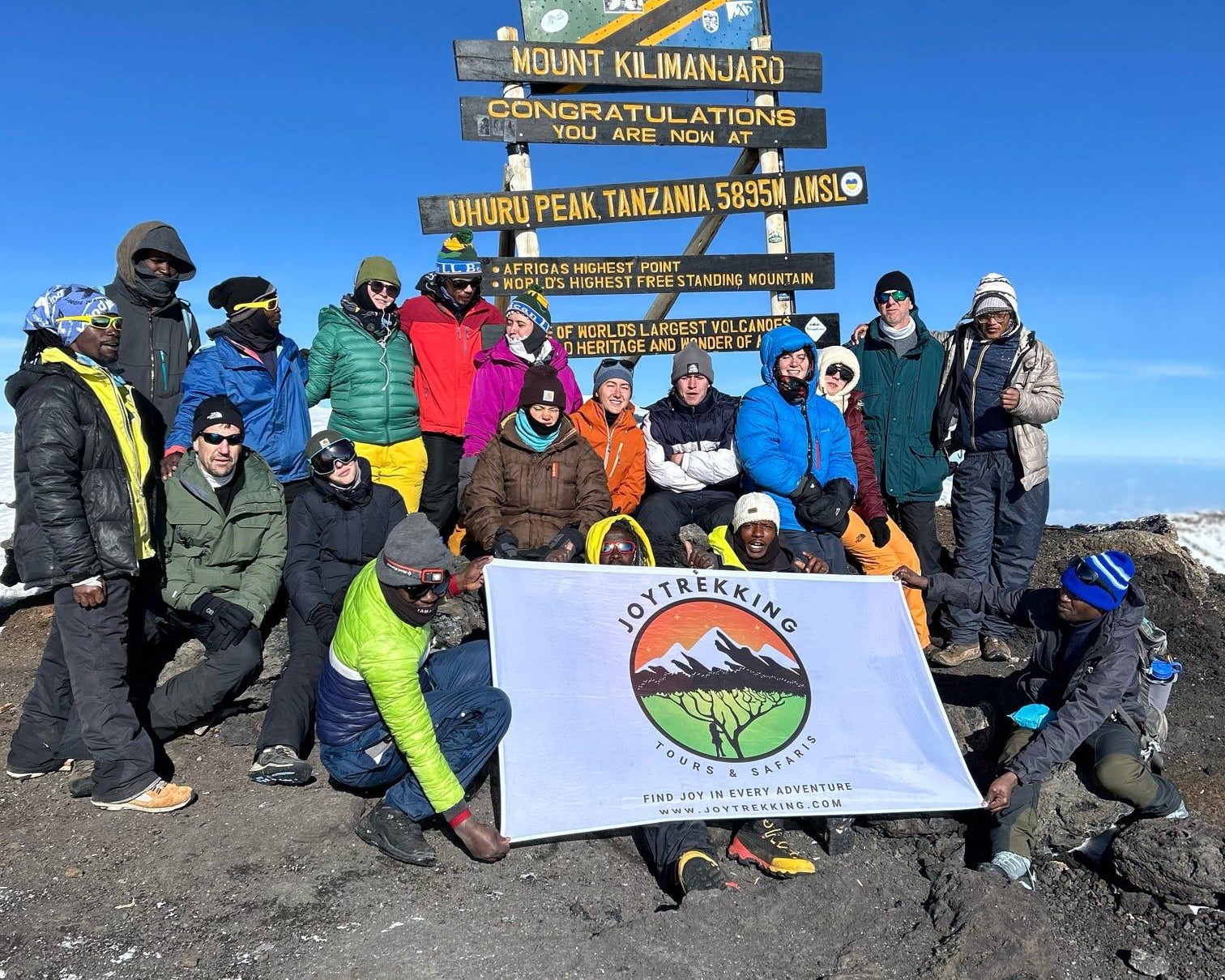
Mount Kilimanjaro Trekking
Extend your adventure with a guided climb on Africa's highest mountain. Choose a route and duration that suit your experience and preparation.
Discover Kilimanjaro Adventures →
Zanzibar Beach Holidays
Relax after your safari on beautiful beaches, explore Stone Town and enjoy the Indian Ocean's island atmosphere.
Explore Zanzibar Holidays →
Tanzania Safari Packages
Explore different safari itineraries across Serengeti, Ngorongoro, Tarangire and Lake Manyara.
View Safari Packages →
Plan Your Great Migration Safari With a Local Tanzania Team
At JoyTrekking Tours & Safaris, we understand that every traveller has a different reason for visiting Tanzania. Some want to see newborn wildebeest during calving season, while others dream of watching herds gather near the Mara River.
Our aim is to help you plan a safari around your travel dates, preferred wildlife experiences, accommodation style and budget.
- Migration-focused safari planning.
- Private and group safari options.
- Budget, mid-range and luxury accommodation choices.
- Custom itineraries across Northern Tanzania.
- Safari combinations with Kilimanjaro and Zanzibar.
Share your preferred month and number of travellers. We can help you explore a suitable safari itinerary.
Talk to Our Safari TeamRead Reviews From JoyTrekking Travellers
Planning an African safari is a meaningful investment. Reading feedback from previous travellers can help you understand their experiences and make a more informed decision.
Explore the latest available reviews for JoyTrekking Tours & Safaris through our review profile.
Read Guest ReviewsReviews and ratings may change over time. Visit the review profile for the latest information.
Frequently Asked Questions About African Wildlife Migration in Tanzania
Answers to common questions from international travellers planning a Great Migration safari.
What is the best time to see the Great Migration in Tanzania?
Where does the Great Migration take place?
How many animals are involved in the Great Migration?
Can I see the Great Migration throughout the year?
Are Mara River crossings guaranteed?
Where is the best place to see wildebeest calving?
How many days should I spend on a Great Migration safari?
Can I combine the Great Migration with Ngorongoro Crater?
Can I combine a migration safari with Zanzibar?
What should I pack for a migration safari?
How do I book a Great Migration safari with JoyTrekking?
Further Reading and Wildlife Conservation Resources
Use these resources to learn more about the Serengeti ecosystem, migration behaviour and responsible wildlife viewing.
- Tanzania National Parks – Serengeti National Park: Official park information and Great Migration overview.
- TANAPA – Mara River Migration Crossing Guidelines: Responsible visitor conduct and rules at river crossing areas.
- Tanzania National Parks (TANAPA): Official information about Tanzania's protected national parks.
- Discover Africa – Great Wildebeest Migration: Additional migration planning information.
Ready to Witness the Great Migration in Tanzania?
Tell JoyTrekking Tours & Safaris when you want to travel and what you hope to experience. Whether it is wildebeest calving, the Grumeti River or the Mara River crossing season, let's start planning your Tanzania adventure.
JoyTrekking Tours & Safaris · Arusha, Tanzania
Email: findjoy@joytrekking.com