
Menu
People · Heritage · Authentic Experiences

Culture of Tanzania Africa: Discover Traditions, Food & Local Life

Go beyond wildlife and discover the people, languages, food, music, history and living traditions that make Tanzania such a memorable destination. Explore cultural experiences thoughtfully with local guides and JoyTrekking Tours & Safaris.

120+ Ethnic communities commonly cited in tourism references
Kiswahili A shared language connecting people across the country
Coast to Highlands Different landscapes, histories and cultural experiences
A country of many stories

What Makes the Culture of Tanzania Unique?

Tanzania is a country in East Africa where cultural identity is expressed through language, family life, food, farming, music, craftsmanship, faith, celebrations and connections to the land. Its communities have different histories and customs, so there is no single tradition that represents every Tanzanian.

Kiswahili plays an important role in everyday communication and national identity. Along the coast and in Zanzibar, Swahili culture reflects centuries of Indian Ocean connections. Inland, visitors can learn about farming communities, pastoral traditions, highland life, artistic heritage and the histories of different regions.

For international travellers, cultural tourism adds a human dimension to a safari or mountain holiday. A village walk, coffee experience, local cooking session or heritage tour can help visitors understand the country beyond its famous landscapes.

Travel thoughtfully: Cultural visits should be based on local consent, respectful behaviour and fair benefits for participating communities. People are hosts and individuals, not tourist attractions.
African landscape illustrating the natural setting of a Tanzania cultural holiday

Tanzania's landscapes and communities offer many ways to combine nature, heritage and meaningful travel.

Meet the living heritage

Tanzania's Cultural Traditions and Communities

These are examples of cultural experiences travellers may be able to explore in different regions. Availability depends on the route, local arrangements, season and the wishes of the communities involved.

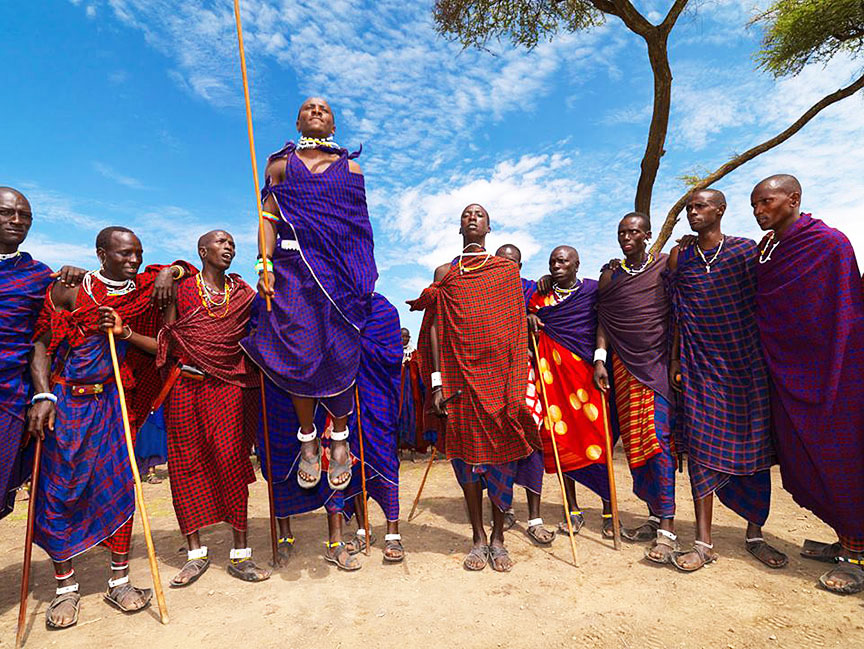
Traditional outdoor cultural celebration representing music and community life in Africa
Northern Tanzania

Maasai Heritage

Maasai communities are widely associated with pastoral traditions, beadwork, distinctive clothing, oral history and community celebrations. Cultural visits may introduce guests to local perspectives on cattle, family life and the relationship between people, land and wildlife.

Maasai people are not all the same; customs and everyday life differ between communities and individuals.

Coffee beans and coffee preparation representing a coffee experience in northern Tanzania
Kilimanjaro and Moshi

Chagga Traditions and Coffee

On the fertile slopes of Mount Kilimanjaro, visitors may learn about Chagga history, banana and coffee farming, local foods and mountain village life. A guided coffee experience can explain how beans are harvested, prepared, roasted and brewed.

Village walks and waterfall excursions can complement a Kilimanjaro climb or northern Tanzania safari.

Indian Ocean coastline illustrating the coastal setting of Swahili culture
Coast and Zanzibar

Swahili Coastal Culture

Swahili coastal culture has developed through African coastal communities and long-standing Indian Ocean trade and cultural exchange. It can be experienced through language, architecture, seafood, markets, poetry, music and everyday life.

Zanzibar's Stone Town offers a particularly rich introduction to coastal history and heritage.

Artistic materials representing craftsmanship and creative traditions
Art and Craft

Makonde Art and Wood Carving

Makonde artistic traditions are known internationally for expressive wood carving and sculpture. In appropriate craft markets or workshops, visitors can learn about artistic techniques, the meaning of particular works and the skill involved in making them.

Where possible, buy directly from artists and ask about materials, authenticity and the maker's story.

Musician performing on stage representing the importance of music in cultural life
Music and Performance

Taarab, Traditional Music and Dance

Tanzania's musical traditions vary by region and occasion. Taarab is strongly associated with the Swahili coast and Zanzibar, while other communities maintain distinctive rhythms, instruments, dances and storytelling traditions.

Ask local hosts whether a performance is open to visitors, especially when music or dance forms part of a private or religious occasion.

A prepared meal representing the importance of food and shared meals in Tanzanian culture
Food and Hospitality

Tanzanian Food Traditions

Food is an important part of hospitality and social life. Depending on the region, travellers may encounter ugali, pilau, chapati, nyama choma, banana-based dishes, coconut curries, fresh seafood and locally grown coffee.

Ingredients and recipes vary between households and regions, making local food experiences a useful way to learn about everyday life.

A selection of food illustrating the variety of meals travellers may discover in Tanzania

Food experiences can be arranged around local markets, family recipes, coffee farms and coastal cuisine.

Taste the destination

Traditional Tanzanian Food You Should Know

Exploring local cuisine is one of the easiest ways to connect with the culture of Tanzania. Ingredients, cooking methods and favourite dishes change from one region to another, reflecting local agriculture, trade and family traditions.

  • Ugali: A staple made from maize flour or other suitable flour, commonly served with vegetables, beans, meat or fish.
  • Pilau: A spiced rice dish often served at celebrations and gatherings.
  • Nyama choma: Grilled meat often enjoyed socially with friends and family.
  • Chapati: A flatbread commonly eaten with tea, beans, meat or other dishes.
  • Banana dishes: Various preparations are found in northern highland communities, including around Kilimanjaro.
  • Coastal cuisine: Seafood, coconut-based dishes, spices and rice dishes feature in many coastal menus.
  • Tanzanian coffee: A coffee-farm visit can introduce travellers to local growing and preparation methods.
Tell your guide about food allergies, dietary needs or restrictions before a meal or cooking activity. Ask how food is prepared if you need to avoid particular ingredients.
A few words go a long way

Useful Swahili Phrases for International Travellers

Learning a few Kiswahili expressions can make everyday interactions more welcoming. Pronunciation may vary slightly by speaker and region.

Kiswahili English Meaning When to Use It
Habari? How are you? / What's the news? A common greeting.
Habari za asubuhi Good morning Greeting someone in the morning.
Asante Thank you Showing appreciation.
Asante sana Thank you very much Expressing extra gratitude.
Tafadhali Please Making a polite request.
Samahani Excuse me / Sorry Getting attention or apologising.
Ndiyo / Hapana Yes / No Simple everyday conversations.
Kwaheri Goodbye Leaving or ending a conversation.

Tip: A friendly greeting and a sincere thank-you are good starting points. If you are unsure how to address someone, follow your local guide's advice.

Plan by region

Where to Experience Tanzania's Culture

Cultural experiences are spread across the country. Use this guide to choose options that fit your route rather than trying to visit every region on one short holiday.

Region Possible Cultural Experiences Can Combine With
Arusha and northern Tanzania Local markets, guided village walks and selected community experiences. Northern safari circuit.
Moshi and Kilimanjaro Chagga heritage, coffee experiences, farming and village walks. Kilimanjaro climbing and day excursions.
Lake Eyasi area Potential Hadzabe and Datoga community visits through responsible local arrangements. Selected northern Tanzania itineraries.
Zanzibar Stone Town heritage, Swahili architecture, food, markets and spice experiences. Beach holidays and marine activities.
Bagamoyo and the coast Coastal heritage, historical sites and local cultural experiences. Dar es Salaam and coastal travel.
Central Tanzania Regional music, local markets and Kondoa rock-art heritage trips. Specialist heritage itineraries.
Southern Tanzania Regional histories, music, crafts and highland or coastal heritage. Longer southern Tanzania journeys.

This is a planning guide, not a promise that every activity is available daily. Access, local consent, travel time and opening arrangements should be confirmed before booking.

Respect makes the difference

How to Experience Tanzanian Culture Respectfully

A good cultural visit should be enjoyable for travellers and respectful of the people welcoming them.

Ask Before Taking Photos

Always request permission before photographing people, homes, children, craftspeople or community activities. Follow any restrictions explained by your guide.

Respect Local Customs

Dress appropriately for villages, religious sites and historic areas. Ask before entering private spaces or joining a ceremony.

Support Local Livelihoods

Use responsible guides, buy crafts fairly and ask how community visits are organised and how local participants benefit.

Questions to Ask Before Booking a Cultural Tour

  • Is the visit organised with the consent of the community?
  • What is included in the price, and who receives the payment?
  • Are there photography or clothing guidelines?
  • Is the experience appropriate for children or travellers with limited mobility?
  • How much time is allocated for travel and the actual visit?
One country, many experiences

Combine Culture with a Tanzania Safari, Kilimanjaro or Zanzibar Holiday

Cultural travel can be part of a larger Tanzania itinerary. The best combination depends on your available days, budget, interests and preferred pace.

Wildlife Safaris

Explore destinations such as Serengeti, Ngorongoro, Tarangire and Lake Manyara, with selected cultural experiences before, during or after your safari where the route allows.

Explore Safari Packages

Mount Kilimanjaro

Add a mountain village walk, coffee experience or a local excursion around Moshi to a carefully planned Kilimanjaro climbing holiday.

Explore Kilimanjaro Trips

Zanzibar Beach & Culture

Discover Stone Town's heritage, coastal food and spice traditions, then enjoy time to relax on Zanzibar's beaches. Plan transfers and activities around your travel dates.

Explore Zanzibar
Guest feedback

What Travellers Say About JoyTrekking Tours & Safaris

Guest feedback can help travellers understand how a tour operator handles planning, guiding and support. The excerpts below are from publicly displayed reviews of JoyTrekking's safari and trekking services; they are not presented as reviews of a specific cultural tour.

★★★★★
“Everything was well organized and our guide was excellent.”
asuu said · Tarangire safari review
★★★★★
“January went above and beyond helping us before the trek with supplies, preparation, and logistics.”
Griff B · Kilimanjaro trekking review
★★★★★
“Excellent trip led by excellent people. Whole-heartedly recommend this local company with local guides and porters.”
Madeline Wayne · Trekking review

The linked review profile displayed a 5.0 rating from 15 Google reviews when checked. Ratings and review counts may change over time.

For automatically updated reviews, use the official Trustindex widget/embed code from the company's review account instead of relying only on these manually displayed excerpts.

Before you travel

Planning Your Cultural Holiday in Tanzania

The right itinerary gives you enough time to enjoy each place without rushing between distant regions. Cultural activities can be short excursions or part of a longer route, depending on local arrangements and your interests.

  • Choose your region: Decide whether you are most interested in northern Tanzania, the coast, Zanzibar or a more specialised heritage route.
  • Allow realistic travel time: Distances, road conditions and connections can affect the schedule.
  • Confirm inclusions: Ask whether transport, guiding, entrance fees, meals and community contributions are included in your quote.
  • Check travel documents: Visa and entry requirements depend on your nationality and itinerary. Check official guidance before departure.
  • Prepare for local conditions: Bring comfortable walking shoes, sun protection and clothing suitable for the activities planned.
Mountain landscape representing the varied scenery travellers can include in a Tanzania holiday

Build your holiday around your interests, available days and the experiences that matter most to you.

Frequently asked questions

Culture of Tanzania Africa: FAQs

Answers to common questions international travellers ask when planning a cultural experience in Tanzania.

What is Tanzania famous for culturally?

Tanzania is known for its cultural diversity, Kiswahili language, Maasai and Chagga heritage, Swahili coastal culture, food, music, craftsmanship and historic destinations such as Stone Town. Traditions vary between communities and regions.

How many ethnic groups are there in Tanzania?

Tourism and cultural references commonly describe Tanzania as having more than 120 ethnic groups. Exact classifications can vary by source, and every community should not be assumed to share the same customs or lifestyle.

Can I experience local culture during a Tanzania safari?

Yes. Depending on the itinerary and local arrangements, you may be able to add a guided village visit, coffee experience, craft workshop or cultural heritage stop. These activities should be agreed in advance and conducted respectfully.

Is Zanzibar culture different from mainland Tanzania?

Zanzibar has a strong Swahili coastal identity shaped by African coastal communities and centuries of Indian Ocean exchange. Mainland Tanzania also contains many different cultural, linguistic and regional traditions.

What should I wear for a cultural visit?

Comfortable, modest clothing is a good starting point, particularly in villages, towns and religious or historic settings. Follow guidance from your local guide and respect any specific community or site requirements.

Is it appropriate to photograph local people?

Ask permission first and respect the answer. Some people may welcome photographs while others prefer privacy. Follow local guidance for ceremonies, homes, children and religious sites.

Can I combine culture, safari, Kilimanjaro and Zanzibar?

Many travellers combine two or more of these experiences. The best itinerary depends on your total trip length, budget, season and preferred pace. Ask JoyTrekking to help plan a realistic route.

How do I arrange a cultural tour with JoyTrekking?

Contact JoyTrekking with your travel dates, group size, preferred region and interests. Ask for a written itinerary and confirmation of the cultural activities, local arrangements and services included in your quotation.

Further reading

Useful Tanzania Tourism and Cultural References

Explore these sources for additional background on Tanzania's people, cultural tourism and travel experiences.

Your Tanzania story starts here

Discover Tanzania Beyond the Ordinary

Whether you dream of learning about local traditions, tasting Tanzanian food, exploring wildlife destinations, climbing Mount Kilimanjaro or relaxing on Zanzibar's beaches, JoyTrekking Tours & Safaris can help you discuss an itinerary suited to your trip.

Email: findjoy@joytrekking.com