Lower Slopes and Forest
The lower mountain can be warm and humid, with muddy or slippery trails after rain. Lightweight breathable clothing and waterproof protection are useful.

Best Kilimanjaro tour operator
Best Kilimanjaro tour operator
Best Kilimanjaro tour operator

Planning to climb Africa’s highest mountain in January? Explore seasonal conditions, recommended routes, preparation tips and practical advice for planning your Kilimanjaro adventure.
Mountain preparation · Route guidance · Tanzania travel inspiration
January can be an excellent time to plan a Mount Kilimanjaro climb. It falls within one of the mountain’s commonly preferred climbing periods, when conditions are often relatively favourable compared with the main long-rain season. However, Kilimanjaro has several climate zones, and weather can change quickly as you gain altitude.
From the forested lower slopes to the open alpine desert and the icy summit region, every stage of the ascent brings a different environment. Good preparation, a suitable route, enough time for acclimatisation and guidance from an experienced local mountain team are all important parts of planning responsibly.
January offers an opportunity to experience Kilimanjaro during the warmer part of the Northern Hemisphere winter. Lower slopes can feel warm during the day, while higher camps and the summit can be extremely cold, especially at night and before sunrise.
The mountain’s changing landscapes are part of the appeal. Trekkers move through cultivated foothills and montane forest before reaching moorland, rocky high-altitude terrain and the summit zone. The journey is as much about gradual acclimatisation and pacing as it is about reaching the top.
Planning tip: Do not choose a route based on scenery or price alone. Consider the number of days, altitude profile, acclimatisation opportunities and your previous trekking experience.
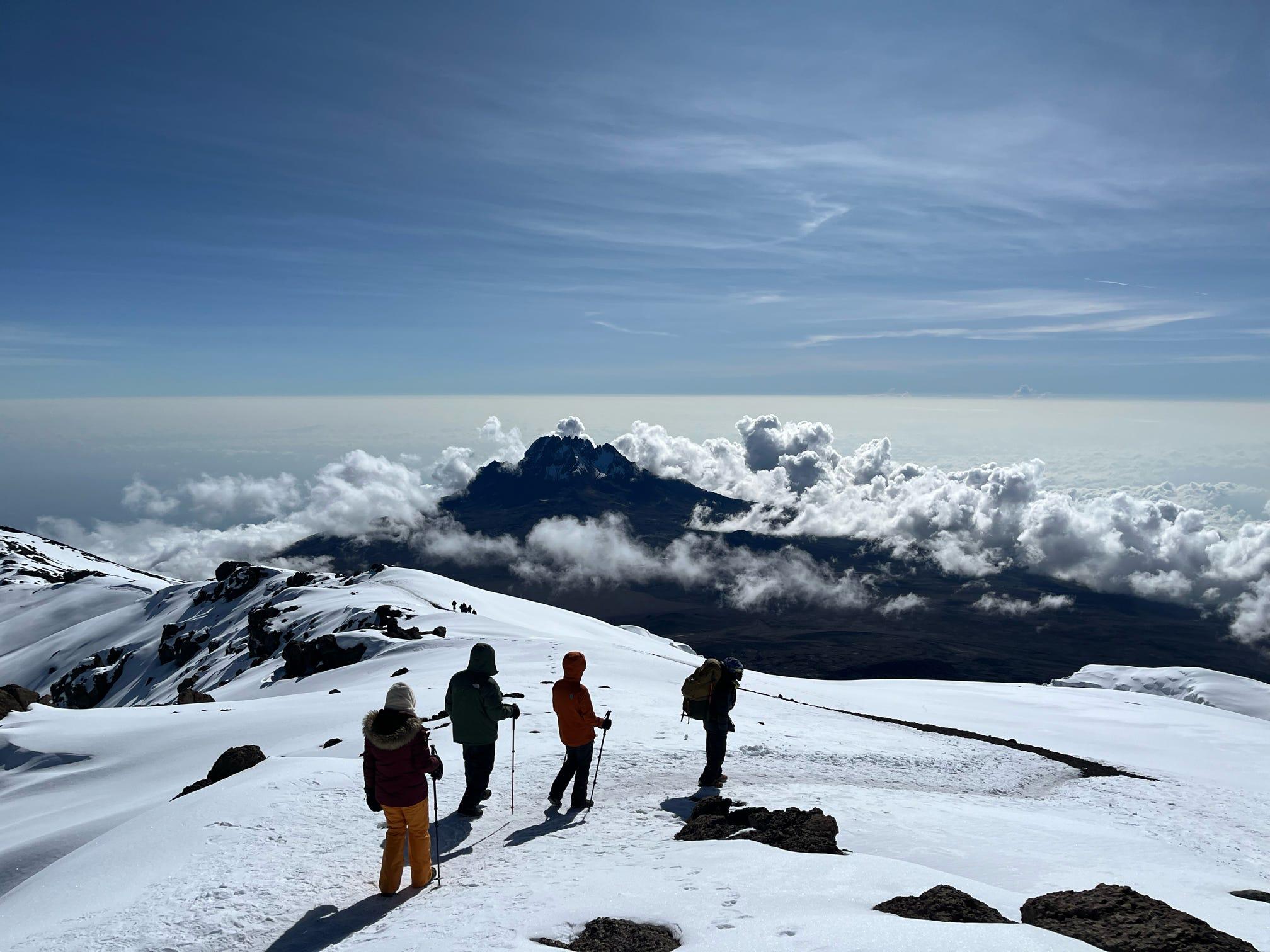
January is generally part of a relatively drier climbing window, but it is not a guarantee of clear skies. Local showers, cloud, wind and rapidly changing temperatures are possible. Conditions differ between the foothills, forest, high camps and summit.
The lower mountain can be warm and humid, with muddy or slippery trails after rain. Lightweight breathable clothing and waterproof protection are useful.
Temperatures generally fall with altitude. Wind, sun exposure and limited shelter make layered clothing, sun protection and regular hydration important.
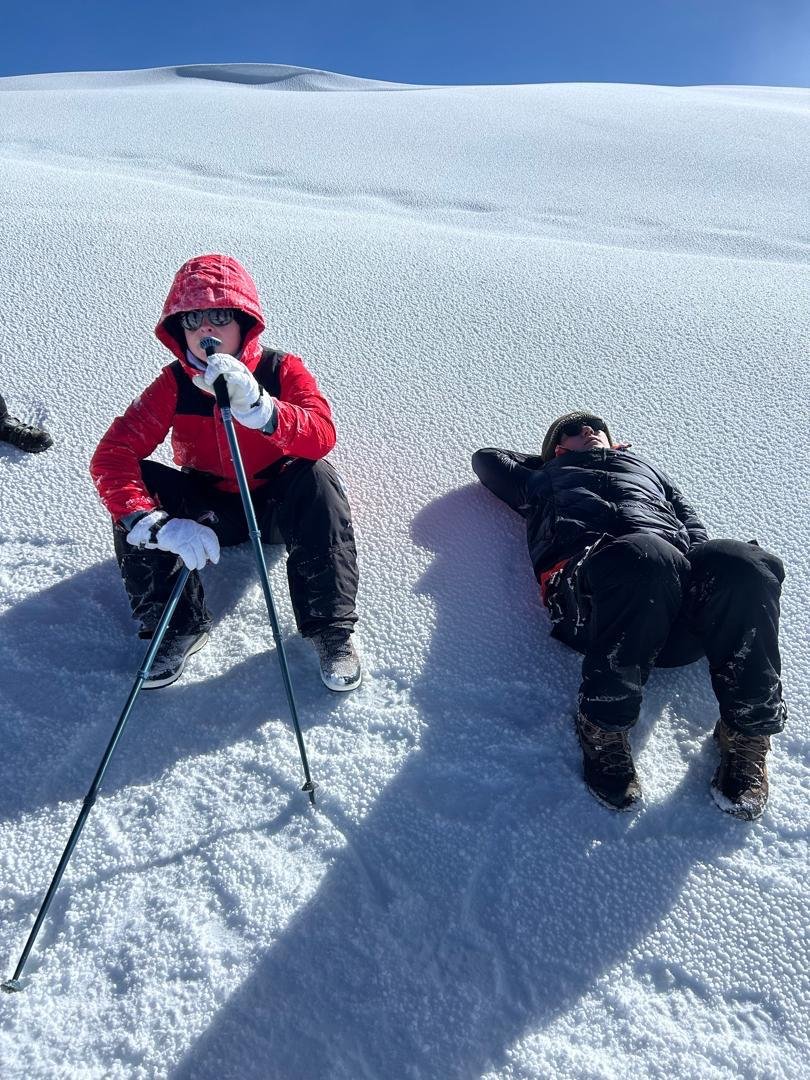
Summit night can be bitterly cold, with strong wind and possible ice or snow. Proper insulated clothing and suitable equipment are essential.
Important: Temperatures vary significantly with altitude and weather. Avoid relying on a single forecast or a fixed temperature estimate for the entire mountain. Check an up-to-date forecast and your operator’s advice before departure.
January can suit many trekkers, but the best month depends on your travel dates, expectations and tolerance for changing mountain conditions.
January is commonly included among the preferred periods for climbing. Conditions can be favourable, although rain, cloud and cold remain possible.
The route passes through several ecological zones, offering changing scenery from forest and moorland to the high mountain environment.
Some departure dates may be in demand. If your dates are fixed, ask about availability and suitable route options in advance.
Warm daytime conditions lower down should not be mistaken for warmth at high altitude. Good insulation and wind protection are essential.
Even during a preferred climbing season, rain, clouds or poor visibility may affect parts of your trip. Flexibility is useful.
Fitness, a realistic pace, a suitable itinerary and appropriate altitude management are more important than choosing a month alone.
Several established routes are used to climb Mount Kilimanjaro. They differ in scenery, trail character, camping arrangements, duration and acclimatisation profile. There is no single best route for every traveller.
Scenic camping route
Machame passes through varied landscapes and is known for its scenic trail. It includes challenging sections and is commonly offered over several durations.
Scenic western approach
Lemosho approaches from the west and offers varied scenery. Longer itineraries allow more time for the ascent and acclimatisation.
Mountain huts
Marangu uses designated mountain huts rather than camping tents. The standard approach is often shorter, so ask about additional acclimatisation time.
Northern approach
Rongai approaches from the north, near the Kenyan border. Its landscape and approach differ from the southern and western routes.
Longer mountain journey
The Northern Circuit follows a longer route around the mountain. Its extended itinerary offers additional time on the mountain compared with shorter climbs.
Steep and demanding
Umbwe is known for a steep ascent and is generally considered demanding. It may be less suitable for trekkers who need a gentler acclimatisation profile.
Our planning advice: If you have enough time, compare longer itineraries that provide more opportunity to acclimatise. A guide can help you choose based on your experience, schedule and the current conditions.
The table below provides reference prices for comparing selected JoyTrekking route options. Confirm the current price, exact itinerary and inclusions directly with the company before booking.
| Route | Reference duration | Reference price per person | Accommodation |
|---|---|---|---|
| Marangu | 6 days / 5 nights | $1,770 | Mountain huts |
| Machame | 7 days / 6 nights | $2,160 | Camping |
| Umbwe | 5 days / 4 nights | $2,180 | Camping |
| Rongai | 7 days / 6 nights | $2,240 | Camping |
| Lemosho | 8 days / 7 nights | $2,840 | Camping |
| Northern Circuit | 9 days / 8 nights | $2,850 | Camping |
These are reference figures, not a live quotation. Prices may vary with group size, itinerary, travel dates, accommodation, park charges and included services. The listed route durations reflect specific itinerary options and may differ from other versions of the same route.
Climbing Kilimanjaro is a multi-day trekking challenge. You do not need to be an elite athlete, but you should be prepared to walk for several hours on consecutive days, sometimes on steep or uneven terrain while carrying a daypack.
In the weeks and months before your trip, build up regular walking and hiking gradually. Include hills or stairs where practical, and practise with the footwear and daypack you intend to use. Increase your training progressively and allow time for recovery.
Your clothing system should work in warm, wet forest conditions and cold, windy high-altitude conditions. Layers make it easier to adapt without becoming overheated or chilled.
Allow time to arrive in northern Tanzania, meet your operator, check equipment and rest before the climb. Many travellers also schedule time after the trek to recover or explore a safari destination.
Practise hiking before your trip and use comfortable, well-tested footwear.
Pack for changing weather, cold summit conditions, sun exposure and several days of walking. Your operator should provide a detailed equipment list based on the route and services booked.
Before departure: Ask your operator which equipment is supplied, which items you must bring or rent, and what weight limits apply to your luggage. Discuss medication and altitude-related concerns with a qualified healthcare professional before travelling.
Reaching 5,895 metres is a significant physical undertaking. People of different fitness levels can be affected by altitude, and being fit does not guarantee protection against altitude illness. A well-planned ascent and a team that takes symptoms seriously are essential.
Choose an itinerary with a sensible altitude profile and sufficient time for acclimatisation. Avoid rushing to gain height.
Tell your guide promptly if you feel unwell. Do not hide symptoms or feel pressured to continue toward the summit.
Follow the mountain team's safety instructions, hydration guidance, health checks and decisions about stopping or descending.
Safety comes first: Severe or worsening symptoms at altitude require immediate assessment by your mountain team. Confusion, difficulty walking straight, or breathlessness at rest are emergency warning signs and require urgent descent and medical assistance. Your guide's safety decision must take priority over reaching the summit.
The following is an illustrative outline, not a bookable itinerary. Exact camps, walking times, distances and summit-day arrangements depend on your chosen route and operator.
| Stage | Typical activity | Planning focus |
|---|---|---|
| Before the climb | Arrival in northern Tanzania, briefing and equipment checks | Rest, paperwork and preparation |
| Early trekking days | Enter the mountain and progress through lower ecological zones | Steady pace, hydration and observing how you feel |
| Middle trekking days | Continue toward higher camps and across alpine terrain | Acclimatisation and following guide instructions |
| Summit attempt | Begin the summit ascent according to the route schedule | Cold protection, careful pacing and safety assessment |
| Descent | Descend to lower elevations and continue to the designated exit | Recovery, hydration and watching for symptoms |
| After the climb | Transfer to accommodation or continue with a separate holiday | Rest and onward travel arrangements |
Your actual day-by-day itinerary should be provided and confirmed by your tour operator before booking.
After your trek, you may wish to explore more of Tanzania. A safari offers a chance to experience wildlife and open landscapes, while Zanzibar offers coastal scenery, historic Stone Town and time by the Indian Ocean. Plan sufficient recovery time between the mountain and any demanding onward activities.

Explore safari options featuring destinations such as Serengeti National Park, Ngorongoro Conservation Area, Tarangire and Lake Manyara.

Consider adding beach time, coastal excursions, local culture and a visit to historic Stone Town to your Tanzania itinerary.
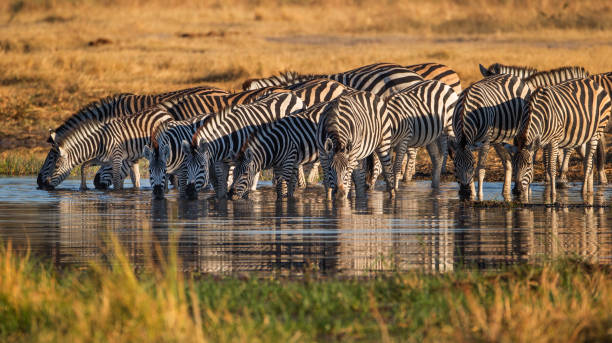
Discuss a route that suits your time, interests and budget. Your operator can help you compare driving distances, accommodation and activities.
Here are answers to common questions travellers ask when planning a January climb.
January is commonly considered one of the favourable periods for climbing Kilimanjaro. However, weather is variable, and rain, cloud, wind and cold conditions can still occur. Preparation and route selection remain important.
Snow or ice can occur in the upper mountain and summit region. Conditions vary from year to year, so you should prepare for cold summit conditions rather than assuming the trail will be snow-free.
Many itineraries take around 6–9 days on the mountain, depending on the route. Longer itineraries can provide more time for acclimatisation. Discuss the altitude profile and exact number of trekking days before choosing.
There is no single best route for everyone. Machame and Lemosho are often selected for their scenery, Marangu offers mountain huts, Rongai approaches from the north, and the Northern Circuit provides a longer itinerary. Compare duration, acclimatisation and your preferences.
Some first-time high-altitude trekkers successfully climb Kilimanjaro, but the mountain should not be underestimated. Build your fitness gradually, choose a suitable itinerary, use an experienced mountain team and understand altitude-related risks.
Conditions vary substantially by altitude and time of day. Lower slopes may be warm, while high camps and summit areas can be below freezing. Bring suitable layers, insulation, gloves and head protection.
Use a layering system: moisture-wicking base layers, insulating mid-layers and a waterproof, wind-resistant outer layer. Pack suitable trekking boots, warm gloves, a hat and insulated clothing for summit night. Follow your operator's equipment list.
The cost depends on route, duration, group size, park charges, accommodation, equipment and services included. Use the price table above as a reference only and request a current, itemised quotation before making travel arrangements.
Yes. Many travellers combine a mountain trek with a northern Tanzania safari. Allow time for recovery and consider the driving distances, safari duration and accommodation before confirming your schedule.
Yes. Zanzibar can be added to a Tanzania itinerary, subject to your available time and travel arrangements. Plan a realistic transfer schedule and give yourself time to recover after the climb.
Technical climbing experience is not usually required for the standard trekking routes, but endurance, preparation and the ability to walk for several hours on consecutive days are important. High altitude presents risks even to experienced athletes.
Contact JoyTrekking Tours & Safaris with your preferred dates, group size, route and approximate trip duration. Ask for current availability, a detailed itinerary, inclusions and exclusions, payment terms and safety arrangements.
Explore these destinations and trip options as you plan your mountain adventure.
Share your preferred January dates, group size and route preferences with JoyTrekking Tours & Safaris. Ask for a personalised itinerary and current quotation before confirming your trip.
Travel information and route details are general guidance and may change. Prices shown are reference figures and must be reconfirmed. Always follow official park rules, your mountain team's guidance and appropriate medical advice.