Menu
Tanzania • Kilimanjaro National Park

Kilimanjaro Peak: Stand on the Roof of Africa

Discover the mountain that rises above the African plains. Explore the legendary Uhuru Peak, understand the trekking routes and start planning your journey to Africa's highest point with local experts.

5,895 METRES · AFRICA'S HIGHEST PEAK · TANZANIA
5,895 mMountain Elevation
19,341 ftAbove Sea Level
3Volcanic Cones
5–9+Typical Trekking Days
Kilimanjaro Peak in Tanzania, the iconic mountain landscape of East Africa
The Roof of Africa One mountain. Three volcanic cones. A lifetime achievement.
The Mountain Explained

What Makes Kilimanjaro Peak So Special?

Mount Kilimanjaro is the highest mountain in Africa and the world's tallest free-standing mountain. It stands in northeastern Tanzania, within Kilimanjaro National Park, rising to approximately 5,895 metres (19,341 feet) above sea level.

Unlike many of the world's famous high mountains, Kilimanjaro does not form part of a long mountain range. It rises dramatically above the surrounding plains, creating one of the most recognisable landscapes in Africa.

The journey from tropical forest to alpine desert and the icy summit makes the climb an extraordinary experience. Each altitude zone reveals a different environment, climate and landscape.

  • Located in northeastern Tanzania.
  • Protected within Kilimanjaro National Park.
  • Summit point: Uhuru Peak on Kibo.
  • Accessible through several established trekking routes.
Good to know: Kilimanjaro is a high-altitude trek, not a technical mountaineering expedition on the standard routes. However, altitude, cold, weather and physical demands make proper preparation essential.
Geography & Geology

Discover Kilimanjaro's Three Volcanic Cones

Kilimanjaro is made up of three major volcanic features: Kibo, Mawenzi and Shira. Each has a different elevation, geological history and character.

Kibo volcanic cone and high mountain summit landscape on Mount Kilimanjaro
5,895 METRES

Kibo – Home of Uhuru Peak

Kibo is the highest volcanic cone and the location of Uhuru Peak, the highest point in Africa. It is considered dormant and has the mountain's famous summit crater and remaining glaciers. Climbers following the standard trekking routes aim to reach Uhuru Peak.
Rugged alpine mountain ridges representing the Mawenzi volcanic peak
5,149 METRES

Mawenzi – The Rugged Peak

Mawenzi is the dramatic, jagged eastern cone of Kilimanjaro. Its steep rock faces, pinnacles and ridges make it very different from Kibo. Unlike the standard Uhuru Peak trek, climbing Mawenzi requires technical mountaineering skills and special arrangements.

High-altitude volcanic plateau landscape inspired by the Shira Plateau on Kilimanjaro
3,962 METRES

Shira – The Ancient Plateau

Shira is the oldest volcanic feature. Its summit collapsed long ago, leaving a broad high-altitude plateau with remarkable scenery. The Shira area is an important part of the western approach used by some Kilimanjaro trekking itineraries.

The Ultimate Goal

Uhuru Peak: The Highest Point in Africa

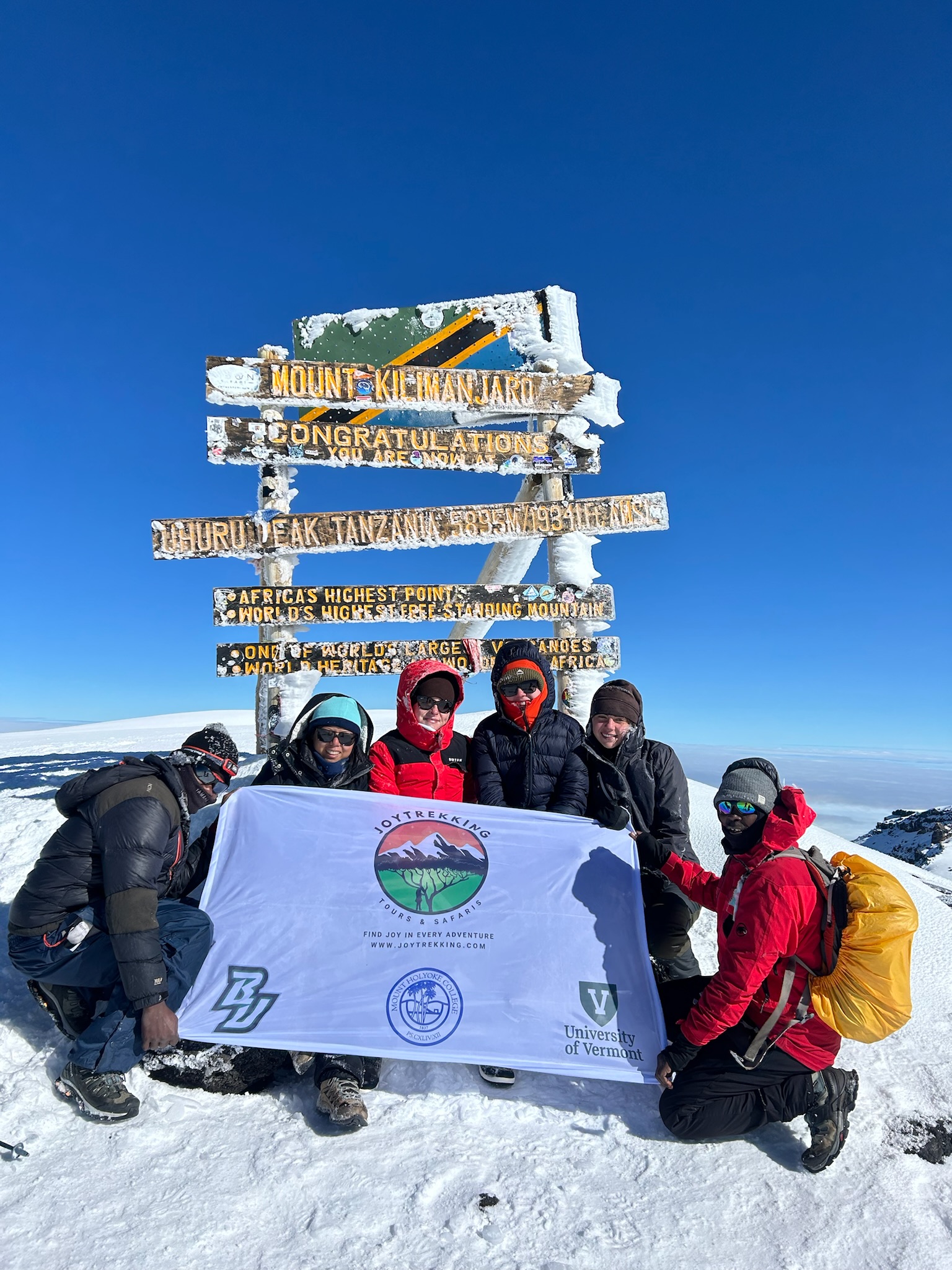
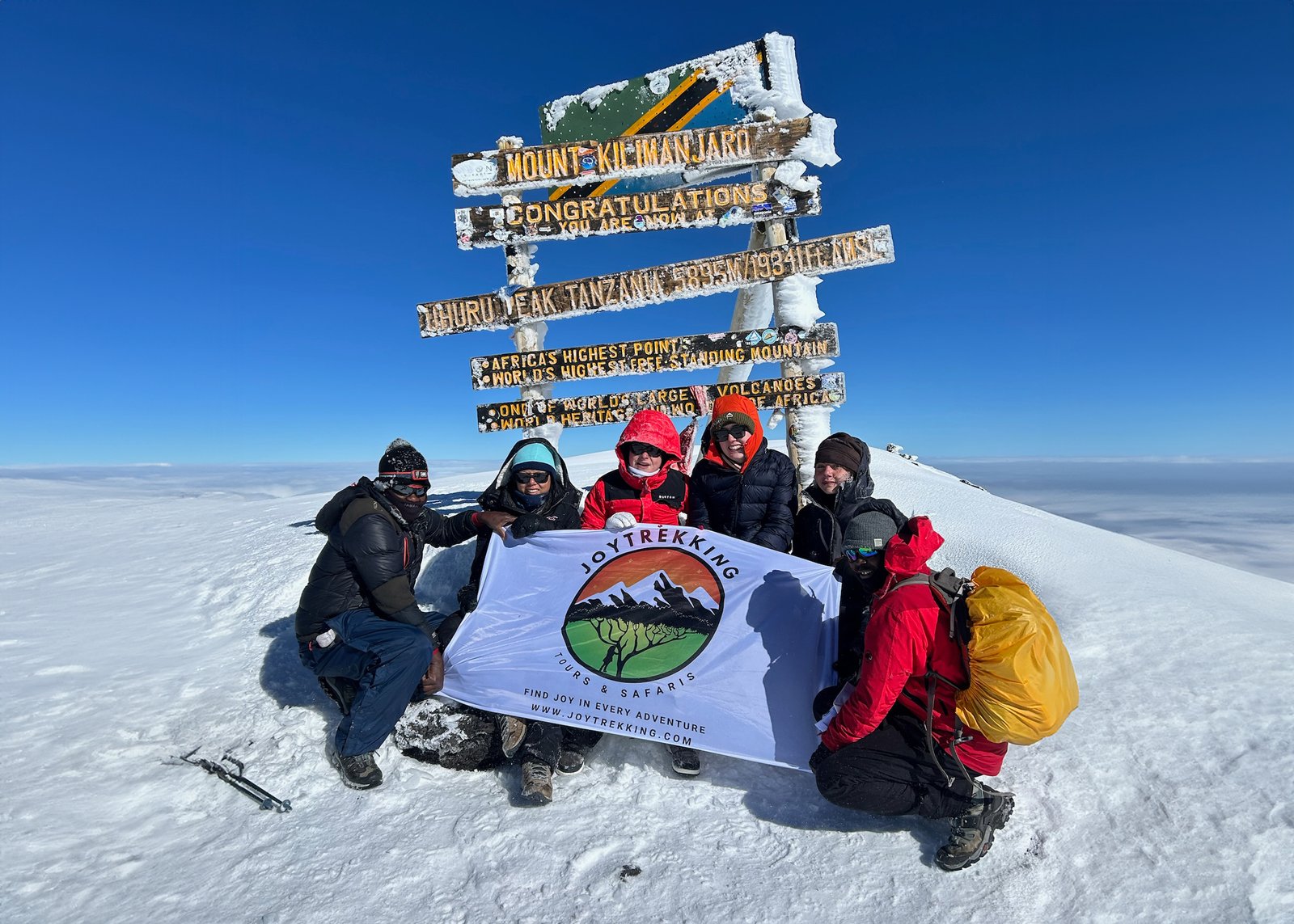
At 5,895 metres above sea level, Uhuru Peak is the summit of Mount Kilimanjaro. It stands on the Kibo volcanic cone and represents the final destination for trekkers attempting to reach the top of Africa.

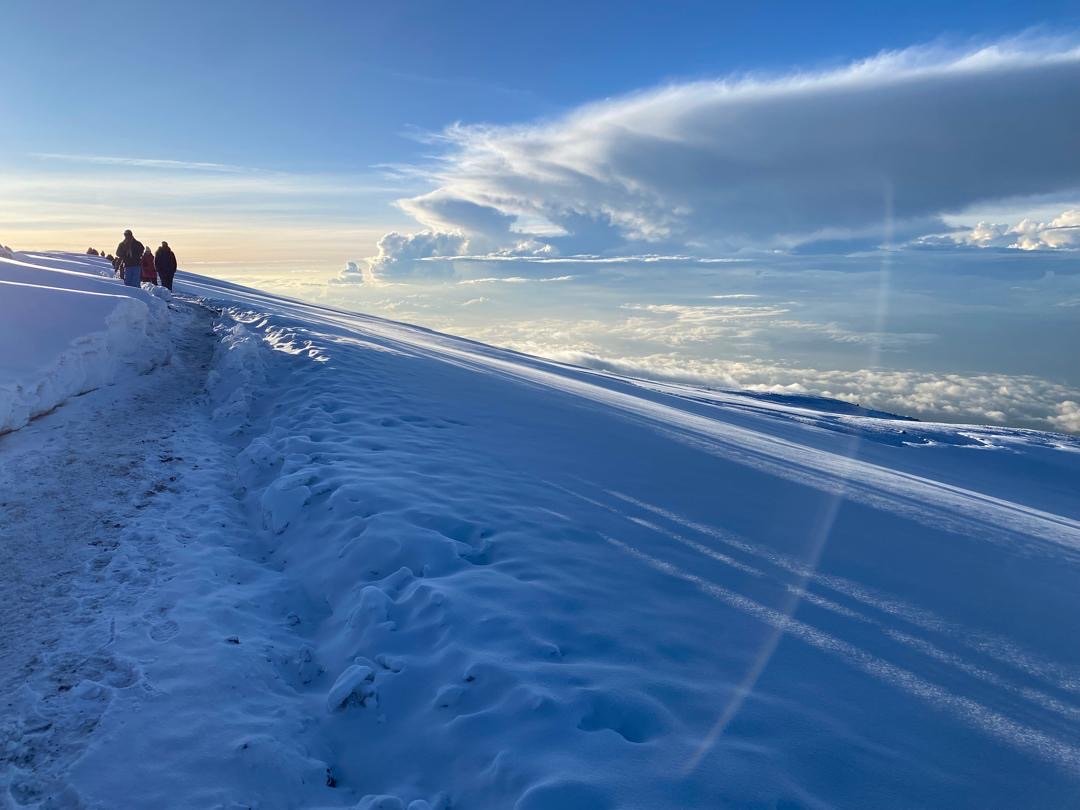
Summit night usually begins around midnight. Climbers move slowly through the darkness, guided by their mountain crew, before reaching the crater rim and continuing towards Uhuru Peak.

For many travellers, arriving at the summit around sunrise is one of the most emotional moments of their lives. The views, the cold air and the sense of achievement create a memory that stays with them long after returning home.

Summit success is never guaranteed. Choosing enough trekking days, allowing time for acclimatisation and following your guide's safety advice can make a meaningful difference.
Snow-covered high mountain summit representing the Uhuru Peak experience on Kilimanjaro
Choose Your Adventure

Popular Routes to Kilimanjaro Peak

There is more than one way to reach Uhuru Peak. The right route depends on your available time, trekking experience, preferred scenery, accommodation style and acclimatisation needs.

Scenic & Popular

Machame Route

Often called the Whiskey Route, Machame is known for dramatic scenery, varied landscapes and the climb-high, sleep-low acclimatisation profile. It is commonly completed in 6 or 7 days, with longer itineraries offering more time on the mountain.

6–7 DAYS
Scenic Western Approach

Lemosho Route

Lemosho begins on the western side of the mountain and offers beautiful forest, wide landscapes and a gradual traverse towards the southern circuit. Seven- or eight-day itineraries are popular choices for travellers seeking more acclimatisation time.

7–8 DAYS
Mountain Huts

Marangu Route

Known as the Coca-Cola Route, Marangu is the classic route with shared mountain hut accommodation. It follows the same trail up and down and is often offered in 5 or 6 days. The longer option provides additional acclimatisation time.

5–6 DAYS
Northern Approach

Rongai Route

Rongai approaches Kilimanjaro from the northern side near the Kenyan border. It is often quieter than the southern routes and offers a different perspective of the mountain. It is a useful option to discuss when comparing seasonal conditions.

6–7 DAYS
Our planning advice: Do not select a route based on price or the shortest number of days alone. More time on the mountain generally gives your body a better opportunity to adapt to altitude. Ask our team to compare the itinerary options before booking.
Compare Before You Book

Which Kilimanjaro Route Is Right for You?

A quick comparison to help you begin planning your climb.

RouteTypical DurationAccommodationWhat Makes It Different?
Machame6–7 daysMountain tentsScenic trail, varied terrain and popular acclimatisation profile.
Lemosho7–8 daysMountain tentsWestern approach, beautiful landscapes and longer itinerary options.
Marangu5–6 daysShared mountain hutsClassic route with hut accommodation and a direct ascent/descent trail.
Rongai6–7 daysMountain tentsNorthern approach, often quieter and geographically distinct.

Note: Duration varies by operator and itinerary. These are general planning ranges, not a promise of summit success. Longer itineraries may be available.

When to Visit Tanzania

Best Time to Climb Kilimanjaro

Kilimanjaro can be climbed throughout the year, but weather conditions change with the seasons. Many travellers prefer the drier periods for more favourable trekking conditions.

JANUARY – MARCH

Warm Season & Clearer Windows

These months are popular for climbing, especially January and February. Conditions can be relatively dry, although afternoon showers and changing mountain weather are always possible.

JUNE – OCTOBER

Main Dry Season

A popular period for Kilimanjaro trekking. The weather is generally drier, but nights at high altitude can be extremely cold. July, August and September are particularly busy months.

MARCH – MAY

Long Rain Season

The long rains can bring wet trails, cloud and more challenging conditions. Some experienced travellers still choose this period, but careful route and itinerary planning is important.

NOVEMBER – DECEMBER

Short Rains & Seasonal Changes

Short rains may affect visibility and trail conditions, although weather varies. Some days can still offer excellent mountain views. Speak with your operator about the specific dates.

A Journey Through Different Worlds

Experience the Landscapes of Kilimanjaro

From tropical rainforest to high-altitude desert, every stage of the climb brings a new landscape and a different feeling.

Prepare With Confidence

Is Climbing Kilimanjaro Difficult?

You do not need technical climbing experience for the standard trekking routes, but reaching 5,895 metres is a serious physical challenge. Preparation and responsible guiding matter.

01

Altitude Acclimatisation

Your body needs time to adjust to lower oxygen levels. Choose an itinerary with sufficient days, walk slowly and report symptoms such as headache, nausea or dizziness to your guide immediately.

02

Physical Preparation

Build your fitness with regular walking, hiking, stair climbing and endurance activities. Practise walking with the daypack and footwear you intend to use on the mountain.

03

Proper Mountain Gear

Pack warm layers, waterproof clothing, broken-in hiking boots, gloves, a warm hat, headlamp, sunglasses, sun protection and personal medication recommended by your healthcare professional.

04

Experienced Mountain Crew

Climb with a licensed operator and trained mountain guides. Follow their instructions, respect park regulations and understand the group's emergency and descent procedures.

05

Hydration & Nutrition

Drink regularly and eat the meals provided during the trek. Your guide and support crew can help you maintain a steady pace and manage your energy throughout the day.

06

Listen to Your Body

Altitude illness can affect people regardless of fitness. Never hide symptoms or push through serious illness. Your guide may recommend stopping or descending for safety.

Important safety message: No operator can guarantee that every climber will reach Uhuru Peak. Your health and safety must always come before reaching the summit. Consult a qualified medical professional before undertaking a high-altitude trek, especially if you have an existing medical concern.
Make More of Your Tanzania Holiday

Why Stop at the Mountain?

Many international travellers combine a Kilimanjaro climb with a wildlife safari or a relaxing Zanzibar beach holiday. After the physical challenge of the mountain, you can discover Tanzania's wildlife, landscapes, culture and Indian Ocean coastline.

Build My Tanzania Trip ↗
Explore More with JoyTrekking

Combine Your Kilimanjaro Climb with More Experiences

Turn your mountain adventure into a memorable Tanzania holiday with wildlife safaris and tropical island experiences.

Tanzania wildlife safari experience in African national parks
Wildlife & Nature

Tanzania Safari Packages

Explore the Serengeti, Ngorongoro Crater, Tarangire and other remarkable wildlife destinations. Look for elephants, lions, giraffes, zebras and, depending on the season, the Great Migration.

Explore Safari Packages →
Tropical Indian Ocean beach holiday experience in Zanzibar Tanzania
Beach & Relaxation

Zanzibar Beach Holidays

Enjoy white-sand beaches, turquoise water, beautiful island accommodation, Stone Town heritage and ocean experiences after your Kilimanjaro adventure.

Explore Zanzibar Holidays →
Mountain trekking landscape for a Kilimanjaro climbing adventure in Tanzania
Mountain Adventure

Kilimanjaro Climbing

Compare routes, trekking durations and acclimatisation options. Let our team help you discuss a climb that fits your travel dates and expectations.

View Climbing Packages →
Tanzania natural landscape representing local guided adventure travel
Travel with Local Knowledge

Plan Your Kilimanjaro Adventure with JoyTrekking Tours & Safaris

Planning a successful mountain adventure starts long before arriving at the park gate. You need the right route, a suitable itinerary, reliable logistics and clear information about what is included.

JoyTrekking Tours & Safaris is based in Arusha, Tanzania. Our team can help you explore mountain climbing options and combine your adventure with a northern Tanzania safari or Zanzibar holiday.

  • Discuss routes and trekking durations.
  • Plan your arrival and pre-climb arrangements.
  • Ask about mountain equipment and packing requirements.
  • Explore safari and Zanzibar extensions.
Contact JoyTrekking ↗
Guest Feedback & Experiences
★★★★★

Read Reviews from JoyTrekking Guests

Choosing a tour operator is an important part of planning your Tanzania holiday. Read guest feedback and independent reviews before making your travel decision.

Read Guest Reviews ↗

Reviews are hosted on an independent review platform. Please visit the review profile to read the original guest feedback.

Frequently Asked Questions

Kilimanjaro Peak: Questions Travellers Ask

Helpful answers before you start planning your climb.

How high is Kilimanjaro Peak?

Mount Kilimanjaro rises to 5,895 metres (19,341 feet) above sea level. Uhuru Peak, located on the Kibo volcanic cone, is the highest point in Africa.

Where is Mount Kilimanjaro located?

Mount Kilimanjaro is in northeastern Tanzania, close to the town of Moshi and within Kilimanjaro National Park. International visitors commonly arrive through Kilimanjaro International Airport.

Do I need technical climbing experience?

No technical mountaineering skills or ropes are normally required on the standard trekking routes to Uhuru Peak. However, the climb is physically demanding and involves significant altitude. Mawenzi technical ascents are a different undertaking.

Which is the best route to climb Kilimanjaro?

There is no single best route for everyone. Machame and Lemosho are popular scenic choices, Marangu offers hut accommodation, and Rongai approaches from the northern side. Consider duration, acclimatisation, budget and your preferences before choosing.

What is the best month to climb Kilimanjaro?

January to early March and June to October are commonly preferred periods because conditions are generally drier. Weather is variable at altitude, so no month guarantees clear skies.

How many days does it take to reach Uhuru Peak?

Many standard itineraries take approximately 5 to 9 days or longer, depending on the route. Longer itineraries generally allow more time for acclimatisation and should be considered carefully.

Can I combine Kilimanjaro with a Tanzania safari?

Yes. Many travellers combine a Kilimanjaro climb with a wildlife safari in destinations such as Serengeti National Park, Ngorongoro Conservation Area and Tarangire National Park.

Can I combine Kilimanjaro with Zanzibar?

Absolutely. Zanzibar is a popular beach extension after a mountain climb or safari. You can enjoy the island's beaches, marine activities and cultural attractions.

Is reaching the summit guaranteed?

No. Summit success depends on several factors, including altitude response, health, weather, preparation and itinerary. A responsible guide may recommend turning back or descending if a climber's health is at risk.

How can I book a Kilimanjaro climb with JoyTrekking?

Contact JoyTrekking Tours & Safaris through WhatsApp or the contact page. Share your preferred travel dates, group size and route if you have one in mind. The team can help you discuss available itinerary options.

Official Kilimanjaro Travel Resources

For accurate park information, conservation updates and visitor guidance, consult recognised tourism authorities:

Your African Mountain Adventure Starts Here

Are You Ready to Stand on the Roof of Africa?

Tell us when you would like to travel, how many people are joining and which route interests you. Let JoyTrekking Tours & Safaris help you take the next step towards your Kilimanjaro adventure.