01
Steep and Sustained Ascents
Some sections gain altitude quickly, particularly as you climb from Miriakamba Hut towards Saddle Hut. Your legs, lungs and cardiovascular system need to handle sustained uphill walking.
Best Kilimanjaro tour operator
Best Kilimanjaro tour operator
Best Kilimanjaro tour operator
Mount Meru may be shorter than Kilimanjaro, but its steep trails, exposed summit ridge and high-altitude conditions make it a serious mountain challenge. Discover what to expect, how fit you need to be and how to prepare for the summit.
4,566 METRES · 3–4 DAYS · ARUSHA NATIONAL PARK · GUIDED TREK
Yes. Mount Meru is a challenging high-altitude trek that requires good physical fitness, endurance and mental preparation. Standing at 4,566 metres (14,980 feet), it is Tanzania's second-highest mountain and one of East Africa's most rewarding trekking experiences.
The climb takes place inside Arusha National Park. Trekkers move through open grassland, montane forest, heathland and high-altitude volcanic terrain before reaching the dramatic crater rim and Socialist Peak.
What makes Meru demanding is not simply its height. The trail gains elevation over relatively short distances, some sections are steep, and summit night involves a long climb in cold, dark conditions.
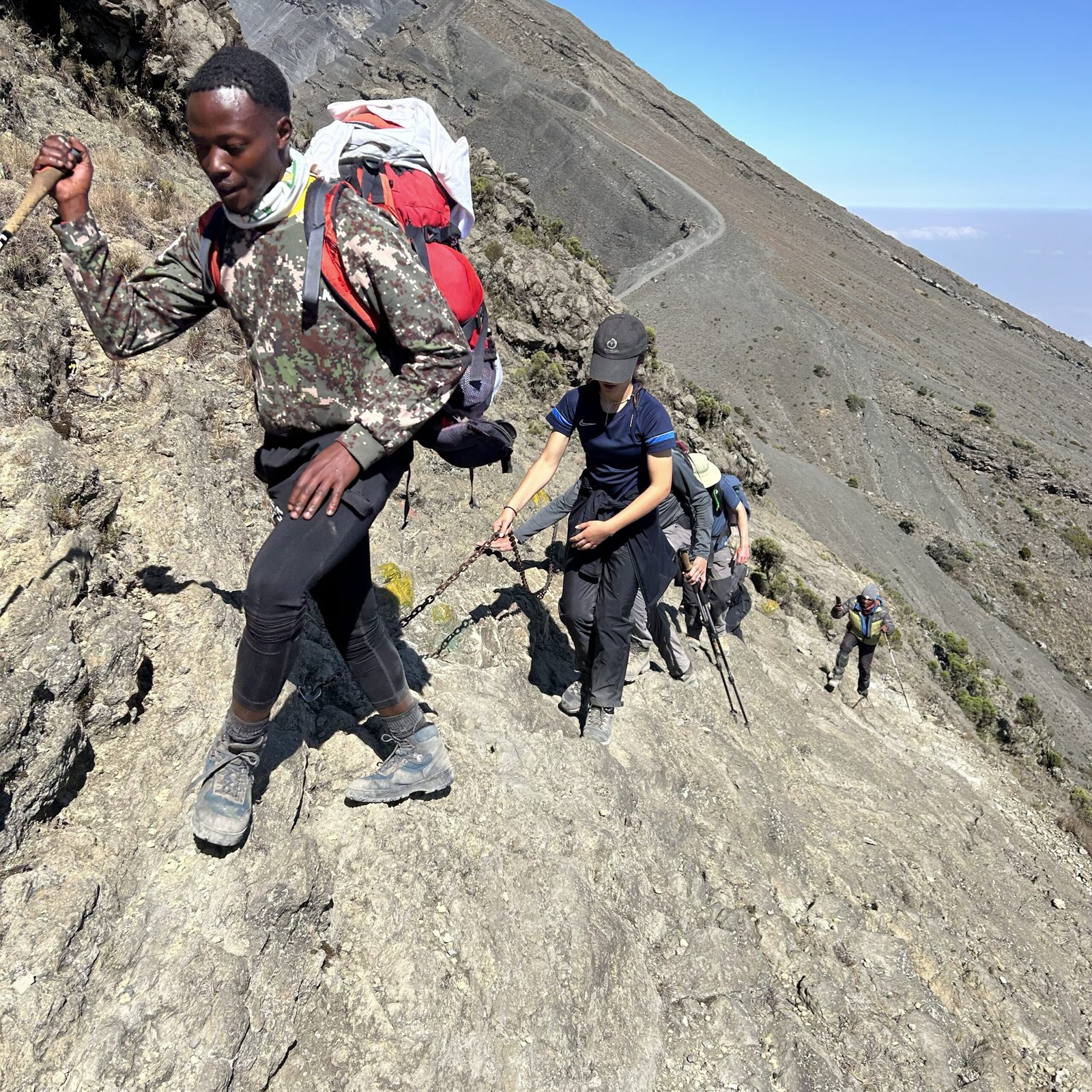
Understanding the difficult sections in advance helps you prepare physically and mentally for the mountain.
Some sections gain altitude quickly, particularly as you climb from Miriakamba Hut towards Saddle Hut. Your legs, lungs and cardiovascular system need to handle sustained uphill walking.
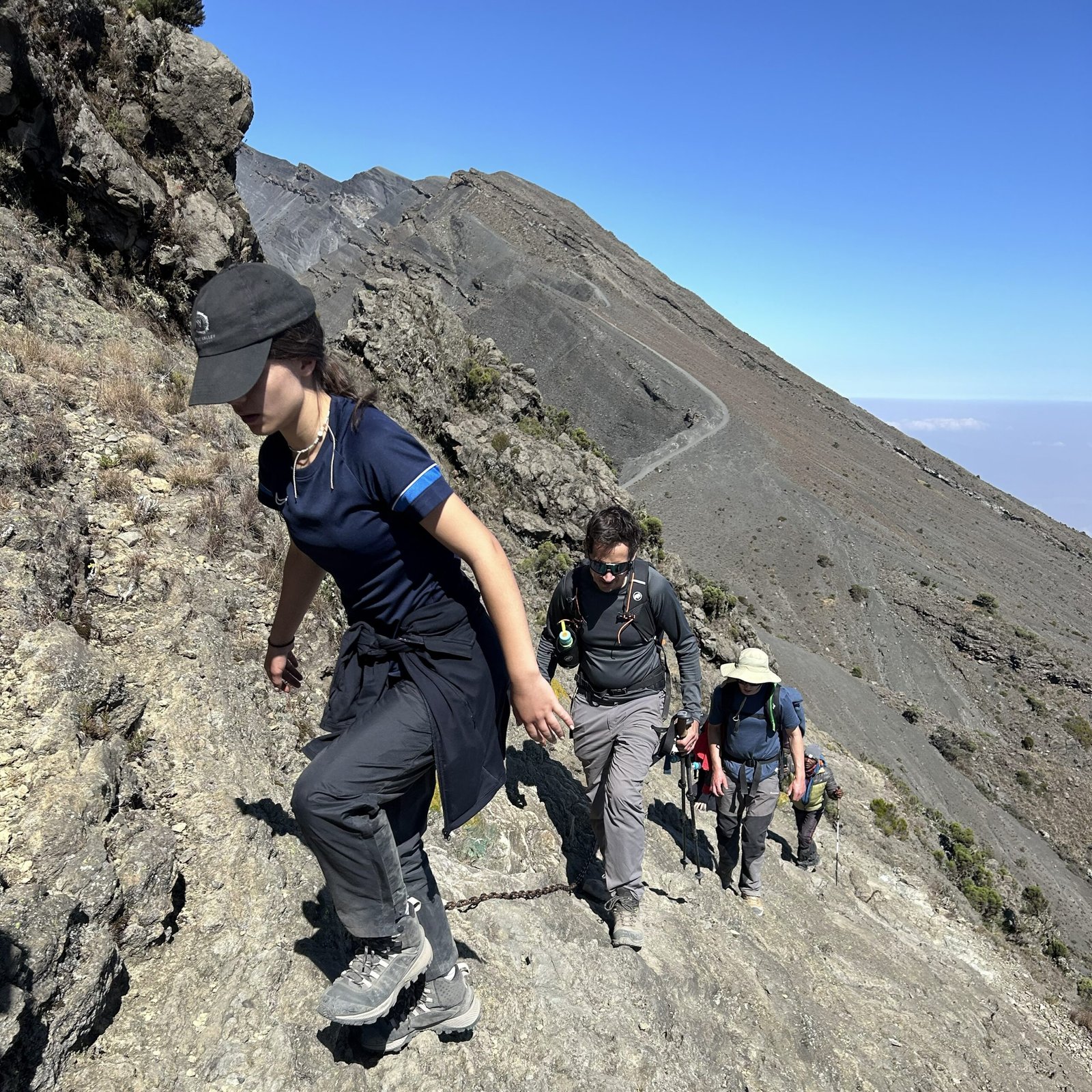
The approach to Socialist Peak follows a high volcanic crater rim. Sections around Rhino Point and the upper ridge can feel narrow and exposed. Wind, darkness and poor visibility may increase the psychological challenge.
At 4,566m, oxygen availability is significantly lower than at sea level. You may experience slower movement, breathlessness, headaches or fatigue. Good fitness does not eliminate altitude sickness risk.
Summit departures are usually made during the night or very early morning. Temperatures can be below freezing, especially with wind chill. Warm layers, gloves and suitable head protection are essential.
Summit day combines a demanding ascent with a substantial descent. The total walking time varies with the itinerary, pace and conditions. Tired legs and reduced concentration can make the descent particularly demanding.
The lower slopes pass through wildlife habitat in Arusha National Park. Mountain trekking must be arranged with the required park-authorised guide and armed ranger escort. Follow all ranger instructions.
Reaching the summit is only half the challenge. Descending on tired legs places extra demand on your knees, ankles and balance. Trekking poles can help with stability when used correctly.
Conditions can change quickly with altitude. Rain, cloud, wind and cold can affect comfort and visibility. The guide and ranger may adjust the pace or plan according to safety conditions.
A dark summit start, slow uphill progress and the effort of continuing when tired can test your determination. A steady pace and a willingness to listen to your guide are important.
For many trekkers, the summit ridge is the most mentally demanding part of Mount Meru. The final approach follows the rim of the mountain's enormous volcanic crater, with steep slopes falling away on either side in some exposed sections.
Depending on the itinerary and conditions, climbers leave Saddle Hut during the night, using headlamps to follow the trail towards Rhino Point, Cobra Point and ultimately Socialist Peak.
This section is not a conventional technical rock-climbing route, but it should never be treated casually. A steady pace, careful footing, suitable clothing and close attention to the guide and ranger are essential.
This is one of the most common questions from travellers planning a Tanzania mountain adventure. The answer depends on what you find difficult: steep daily climbing, total duration, altitude exposure or summit-day endurance.
| Comparison | Mount Meru | Mount Kilimanjaro |
|---|---|---|
| Highest Point | 4,566m – Socialist Peak | 5,895m – Uhuru Peak |
| Typical Trek Duration | 3–4 days | Usually 5–9 days, depending on route |
| Terrain | Steep forest trails and an exposed crater rim | Varied trails across several ecological zones |
| Daily Physical Demand | Can feel steep and demanding over a shorter itinerary | Depends strongly on route length and daily elevation gain |
| Altitude Challenge | High altitude up to 4,566m | Greater altitude, up to 5,895m |
| Summit Experience | Night ascent along the crater rim | Usually a long summit ascent from high camp |
| Best Preparation | Uphill endurance, balance and confidence on exposed terrain | Endurance, gradual acclimatisation and altitude preparation |
This is a general comparison, not a universal difficulty ranking. Kilimanjaro routes differ considerably, and individual experiences depend on fitness, acclimatisation, weather and itinerary.
You do not need to be a professional athlete, but you should arrive with a good fitness foundation and the ability to walk uphill for several consecutive days.

If you are new to mountain trekking, allow several weeks or months to build fitness gradually. The plan below is a general preparation framework, not a medical or personalised training prescription.
Build regular walking into your week. Gradually increase duration and include hills or stairs.
Use activities such as cycling, swimming or jogging at a manageable intensity to develop endurance.
Include squats, step-ups, lunges and calf raises, adapting the exercises to your ability.
Practise longer walks on consecutive days, with appropriate rest and recovery.
Wear your intended trekking boots on training walks to identify discomfort before the climb.
Use a light pack similar to what you expect to carry, then increase gradually if comfortable.
Physical fitness does not prevent acute mountain sickness. Headache, nausea, dizziness, unusual fatigue or loss of appetite can be warning signs after gaining altitude. Report symptoms to your guide promptly. Severe or worsening symptoms require immediate assessment and descent when advised. Discuss relevant health concerns and medication with a qualified medical professional before travelling.
A four-day schedule is a popular choice because it spreads the descent over a more manageable period. The exact walking times and sequence can vary according to park arrangements, weather, group pace and the operator's confirmed itinerary.
After registration and meeting the authorised mountain team, begin walking through the lower slopes of Arusha National Park. The trail passes open grassland and forest before reaching Miriakamba Hut, your first overnight stop.
What makes it challenging: The gradual but sustained elevation gain, especially for travellers who have not been hiking regularly.
Continue climbing through forest and higher vegetation zones towards Saddle Hut. Depending on the confirmed programme and conditions, an acclimatisation walk to Little Meru may be included before returning to the hut.
What makes it challenging: The steeper trail and the noticeable change in altitude. Move slowly and stay hydrated.
Begin the summit attempt during the night or very early morning. Follow the guided route towards Rhino Point and along the crater rim to Socialist Peak at 4,566m. After the summit, descend carefully, usually continuing to Miriakamba on a four-day plan.
What makes it challenging: Cold, darkness, altitude, exposed terrain and the combined effort of ascending and descending.
Complete the descent through the forest and lower slopes to Momella Gate. After the park formalities, meet your transfer vehicle and return to Arusha or Moshi, depending on your arrangements.
What makes it challenging: Your legs may still be tired after summit day, so controlled downhill walking is important.
This is a general itinerary outline, not a substitute for the final programme confirmed by your licensed operator and the national park. Some three-day itineraries use a different descent schedule. Ask for the exact route, hut nights and walking hours before booking.
Both schedules are used for Mount Meru. The right choice depends on your previous hiking experience, available time, comfort with long walking days and the itinerary offered by your operator.
| Feature | 3-Day Climb | 4-Day Climb |
|---|---|---|
| Duration | Shorter schedule | More time on the mountain |
| Walking pace | Can involve a more compressed schedule | Allows a more spread-out descent |
| Summit day | Demanding summit and descent schedule | Summit day followed by an overnight at Miriakamba on the itinerary shown |
| Best suited to | Experienced trekkers with limited time, subject to operator assessment | Many first-time Meru trekkers who prefer a less compressed schedule |
| Our general guidance | Understand the full walking schedule before choosing | Our suggested option for most travellers with enough time |
Unlike many mountain climbs, the Mount Meru experience begins inside a national park known for its varied landscapes and wildlife. The lower slopes include forest and open grassland habitats where animals such as giraffes, buffaloes and several monkey species may be encountered.
Wildlife sightings are never guaranteed. The park's safety procedures are important because this is a natural habitat, not a controlled walking trail. Trekkers must remain with their authorised team and follow the armed ranger's instructions.
This combination of mountain scenery and wildlife makes Meru a distinctive experience for travellers who want more than a conventional summit trek.
EXPLORE ARUSHA NATIONAL PARKPeople who regularly hike, walk long distances or take part in endurance activities may enjoy the challenge with suitable preparation.
Trekkers with experience on steep and uneven trails may be more comfortable with the mountain's terrain and summit ridge.
Meru can be a useful trekking experience before Kilimanjaro, helping you practise pacing, mountain routines and hiking with a team. It does not guarantee acclimatisation or summit success on Kilimanjaro.
Anyone with a medical condition, previous altitude-related problems, significant mobility limitations or concerns about exposed heights should discuss the climb with a qualified healthcare professional and an experienced trekking operator before booking. A guide may recommend a different itinerary or advise against continuing if conditions are unsafe.
Proper equipment improves comfort and helps you manage cold, changing weather and long walking days.
| Equipment | Why You Need It | Priority |
|---|---|---|
| Broken-in hiking boots | Support and grip on uneven terrain | Essential |
| Warm base and mid layers | Help regulate body temperature at altitude | Essential |
| Waterproof jacket and trousers | Protection against rain and wind | Essential |
| Warm gloves and hat | Protection during cold summit hours | Essential |
| Headlamp and spare batteries | Visibility during the night ascent | Essential |
| Trekking poles | Extra stability and support on descents | Recommended |
| Daypack and water system | Carry personal essentials and drinking water | Essential |
| Sunglasses and sunscreen | Protection from strong high-altitude sunlight | Essential |
Confirm the full equipment list with your operator. Ask what is supplied, what can be rented and what you must bring yourself.
Combine a Mount Meru trek with a carefully planned Kilimanjaro expedition. Our team can help you consider the schedule, recovery time and the right route for your experience.
Your mountain adventure can be the beginning of a wider journey. Explore Tanzania's wildlife, landscapes and tropical coastline with JoyTrekking Tours & Safaris.
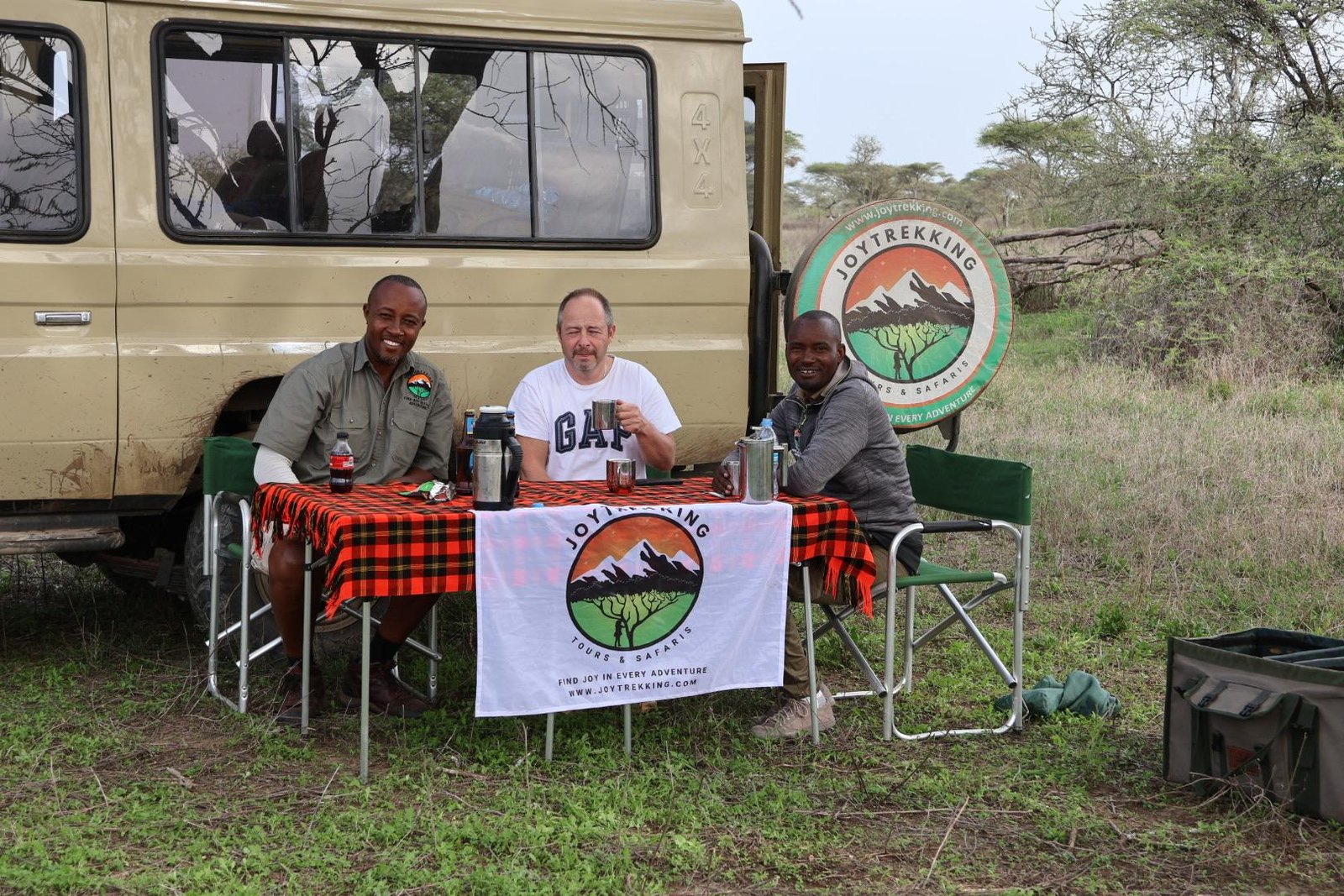
Explore the Northern Circuit, from the elephant-rich landscapes of Tarangire to the wildlife plains of Serengeti and the Ngorongoro Conservation Area.
EXPLORE SAFARI PACKAGES
Take on Africa's highest mountain with a route and itinerary selected around your fitness, experience and acclimatisation needs.
EXPLORE MOUNT KILIMANJARO
After your mountain or safari adventure, enjoy white-sand beaches, Indian Ocean views, island experiences and time to relax in Zanzibar.
EXPLORE ZANZIBARA successful mountain experience begins with realistic expectations and careful organisation. Before you travel, you should understand the route, the daily walking demands, the equipment required and the arrangements made for your mountain team.
JoyTrekking Tours & Safaris is based in Arusha, Tanzania. Our team helps international travellers plan mountain experiences and combine them with wildlife safaris and beach holidays.

Choosing a tour operator is an important decision. Read feedback from travellers who have shared their experiences with JoyTrekking Tours & Safaris.
We want you to hear directly from travellers. Visit our independent review profile to read the available guest feedback and learn more about their experiences.
READ JOYTREKKING REVIEWSReviews are hosted on the linked review profile. No guest quotations, ratings or review counts have been invented here.
Answers to common questions travellers ask before booking a Mount Meru climb.
Mount Meru is challenging and is not an ideal first hiking experience for someone with little or no physical preparation. Beginners who build good endurance, practise uphill walking and choose a suitable itinerary may be able to undertake it, subject to a realistic assessment of their fitness and health.
Meru can feel steeper and more demanding on a day-to-day basis because the climb is shorter and includes an exposed crater-rim summit section. Kilimanjaro is much higher at 5,895m and normally takes longer, giving more time for acclimatisation on suitable routes. Difficulty depends on the itinerary and the individual.
Mount Meru is commonly climbed in three or four days. A four-day itinerary is a good option for many travellers because it can spread the descent over an additional day. Confirm the exact schedule with your operator.
Previous mountain experience is helpful but is not always essential. Good fitness, preparation, suitable equipment and the ability to follow your guide's instructions are important. Ask your operator to assess your experience before booking.
Yes. At 4,566m, altitude-related illness is a real risk. Symptoms can include headache, nausea, dizziness and unusual fatigue. Fitness does not guarantee protection. Report symptoms promptly to your guide and follow medical and safety advice.
It is generally considered a trekking climb rather than a technical mountaineering route requiring specialist rock-climbing skills. However, the upper crater-rim sections can be exposed and require careful footing, confidence and suitable conditions.
Yes. Mount Meru trekking takes place inside Arusha National Park, and the park requires the appropriate ranger escort and authorised guiding arrangements. Your operator should organise these requirements before the climb.
Yes. Some travellers climb Meru before Kilimanjaro to gain trekking experience and practise mountain routines. However, Meru does not guarantee successful acclimatisation for Kilimanjaro. Allow suitable recovery time and plan the two climbs carefully.
For many travellers, four days is a sensible option because the schedule is less compressed. Your ideal duration depends on your hiking experience, available time, the confirmed route and the operator's safety assessment.
Yes. Mount Meru can be combined with a Northern Tanzania safari to destinations such as Tarangire, Serengeti and Ngorongoro. Allow enough recovery time between the mountain climb and demanding safari activities.
Yes. You can arrange a beach holiday in Zanzibar after your trekking or safari experience. Your travel plan can include transfers and flights or other transport arrangements, depending on your preferred schedule.
For park regulations, current visitor information and additional destination details, consult these useful resources.
Park fees, hut charges, ranger arrangements and regulations may change. Confirm the applicable rates and requirements for your travel dates before making payment.
Whether you want to climb Mount Meru on its own or combine it with Kilimanjaro, a Tanzania wildlife safari or a Zanzibar beach holiday, JoyTrekking Tours & Safaris can help you plan the next step.