Tanzania Wildlife Safaris
Explore Serengeti, Ngorongoro, Tarangire and Lake Manyara through different safari itineraries.
View Safari Packages →
Best Kilimanjaro tour operator
Best Kilimanjaro tour operator
Best Kilimanjaro tour operator
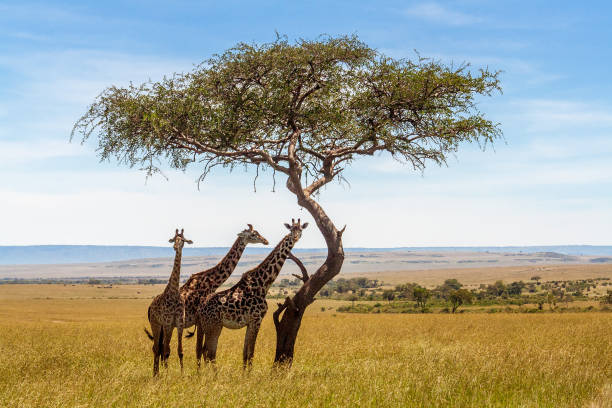
From the legendary Serengeti Great Migration to the wildlife-rich Ngorongoro Crater, experience extraordinary landscapes, iconic animals and unforgettable African safari adventures.
Tanzania is one of Africa's most remarkable safari destinations, celebrated for its exceptional wildlife, vast open plains, ancient baobab trees, dramatic volcanic landscapes and diverse natural habitats.
For many international travellers, a safari in Tanzania is an opportunity to experience Africa's wilderness in an extraordinary way. You may watch elephants moving through the savannah, lions resting beneath acacia trees, giraffes crossing open grasslands and thousands of wildebeest moving across the Serengeti ecosystem.
Tanzania is also home to world-famous natural attractions including Serengeti National Park, Ngorongoro Conservation Area, Tarangire National Park and Lake Manyara National Park.
Whether you are planning your first African safari, a family holiday, a honeymoon or a private wildlife photography trip, Tanzania offers a wide range of experiences to consider.

Tanzania is an important destination for observing some of Africa's most iconic wildlife in protected natural habitats.
Often seen resting in the shade, moving through grasslands or living in family groups called prides.
One of the most memorable wildlife sightings, especially in Tarangire and the Serengeti ecosystem.
Elusive and beautifully patterned, leopards are sometimes spotted resting in trees or moving through woodland.
Powerful herd animals commonly seen grazing across open plains and near water sources.
Rare and protected. Ngorongoro is among the places where visitors may have an opportunity to see this endangered animal.
Look out for giraffes, zebras, wildebeest, hippos, cheetahs, hyenas, antelopes and many bird species.
Wildlife sightings are never guaranteed. Animals move freely in their natural habitats, and every game drive is different.
Serengeti National Park is one of Africa's most celebrated wildlife destinations. Its expansive grasslands, rocky kopjes, river systems and open savannah support a remarkable diversity of animals.
The park is internationally famous for the Great Migration, an annual movement of wildebeest, zebras and other grazing animals across the Serengeti ecosystem in search of fresh grazing and water.
Best time: The Serengeti offers wildlife viewing throughout the year. January–February is associated with calving in the southern plains, while June–September can offer opportunities to follow migration herds in the western and northern areas, depending on rainfall and movement patterns.
Explore SerengetiThe Great Migration is a continuous wildlife movement rather than a single event that happens in one place on one date.
More than a million wildebeest, accompanied by large numbers of zebras and gazelles, move through the Serengeti–Mara ecosystem in response to seasonal rainfall, fresh grass and water availability.
The herds travel through different parts of the ecosystem throughout the year. Their exact location changes with the rains, so migration-focused safari planning should consider the month of travel and the region you want to visit.
The southern Serengeti and Ndutu area are well known for the wildebeest calving period. Large numbers of young wildebeest are born during this season, attracting predators and creating important wildlife viewing opportunities.
Depending on the year, herds move through the western and northern Serengeti. Some travellers plan around possible Grumeti or Mara River crossings, but crossing dates and locations cannot be guaranteed.
The Ngorongoro Conservation Area is one of Tanzania's most extraordinary landscapes. Its famous crater is a vast volcanic caldera with a wildlife-rich floor surrounded by steep green walls.
The crater supports a high concentration of wildlife, making it one of the most rewarding places in Tanzania for a game drive. Visitors may encounter elephants, buffaloes, lions, zebras, wildebeest, hippos and, with luck, the endangered black rhinoceros.
Best time: Ngorongoro offers wildlife viewing throughout the year. The drier months from June to October are popular for safari travel, while greener months bring beautiful scenery and seasonal birdlife.
Explore Ngorongoro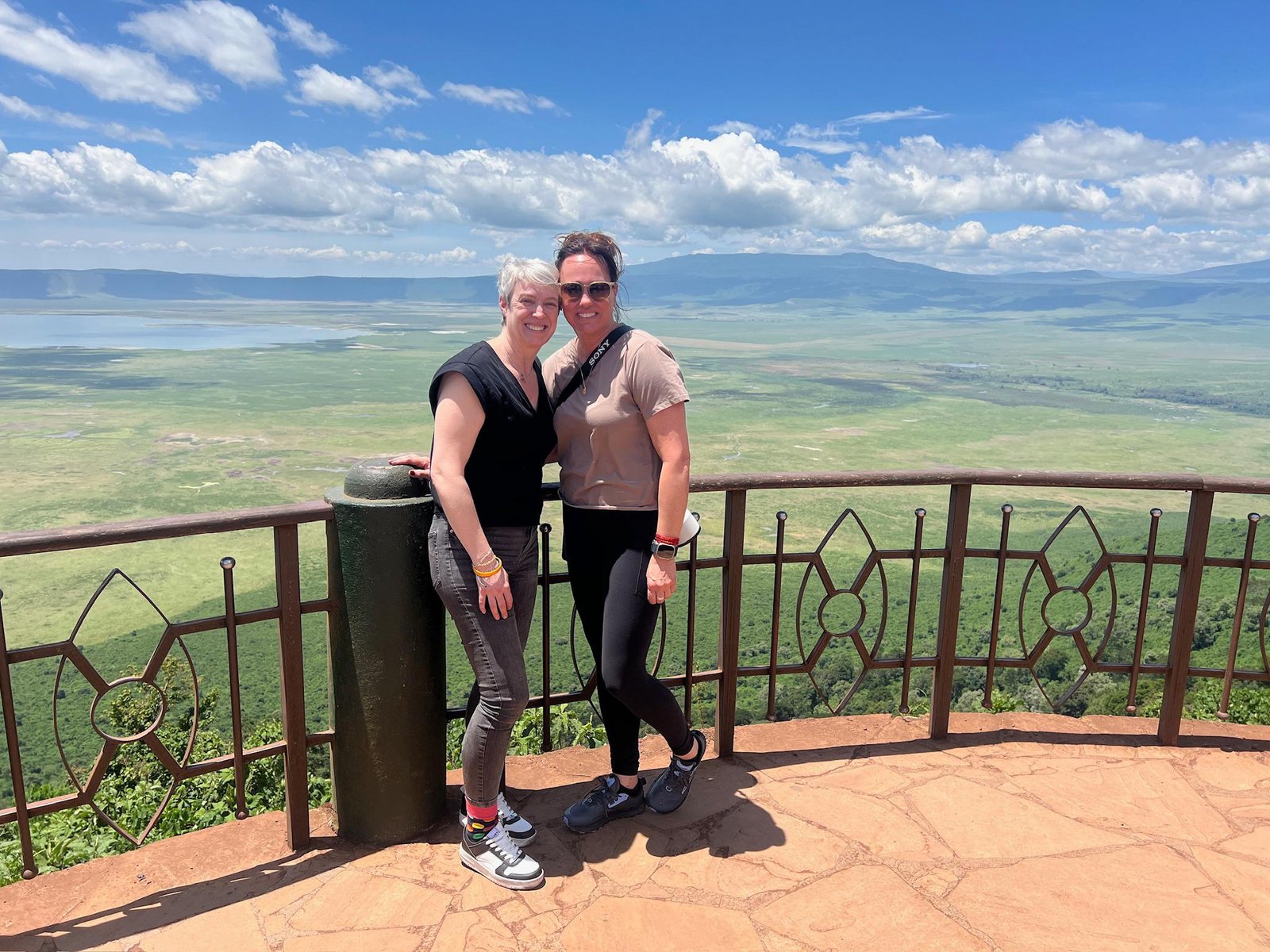
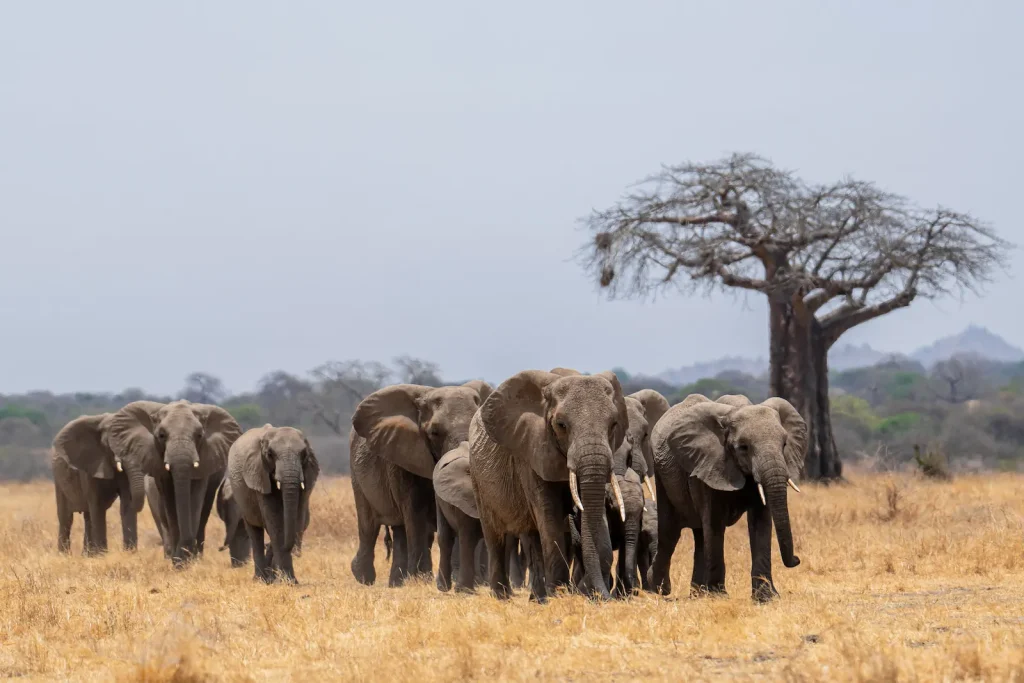
Tarangire National Park is famous for its large elephant herds, ancient baobab trees and varied wildlife habitats.
The Tarangire River is an important water source, particularly during the dry season when wildlife gathers around available water and grazing areas.
Best time: June to October is especially popular for wildlife viewing because animals often concentrate around the river and other remaining water sources. The park can also be rewarding at other times of year.
Explore TarangireLake Manyara National Park offers a different safari atmosphere, with groundwater forests, open grassland, woodland and a shallow alkaline lake.
The park is known for its birdlife, seasonal flamingo gatherings, elephants, baboons and the possibility of seeing lions resting in trees.
Best time: Wildlife viewing is possible throughout much of the year. Dry months can make some animals easier to observe, while wetter periods can be especially attractive for birdwatching.
Explore Lake Manyara
Each destination offers a different wildlife experience. This comparison can help you decide which parks best match your interests.
| Destination | Famous For | Wildlife Highlights | Popular Travel Period |
|---|---|---|---|
| Serengeti | Great Migration and endless plains | Lions, leopards, cheetahs, wildebeest and zebras | Year-round; timing depends on migration location |
| Ngorongoro | Volcanic crater and dense wildlife | Lions, elephants, buffaloes and black rhinos | Year-round |
| Tarangire | Elephant herds and baobab trees | Elephants, giraffes, zebras and birds | June–October |
| Lake Manyara | Forest, lake and birdlife | Flamingos, elephants, baboons and tree-climbing lions | Year-round; seasonal birdlife |
Seasonal wildlife movements and weather conditions can vary. The best itinerary depends on your travel dates and the experiences you want to prioritise.
Tanzania is a year-round safari destination, but different months offer different wildlife and landscape experiences.
A popular period for general wildlife viewing. Vegetation is often thinner and animals may gather around water sources.
This is also a busy travel period, so advance planning is recommended.
One of the most interesting periods for travellers who want to experience the wildebeest calving season in the southern Serengeti and Ndutu area.
The exact timing and concentration of herds depend on rainfall.
The long rains usually occur during this period, especially in April and May. Landscapes become lush, and some areas can be quieter.
Discuss lodge operations, road conditions and itinerary flexibility before booking.
The cost of a Tanzania safari depends on accommodation, park fees, transport, number of travellers, travel season and the level of service included.
| Safari Style | Indicative Cost Per Person / Day | Typical Experience | Suitable For |
|---|---|---|---|
| Budget | US$200–570 | Camping or basic budget accommodation, shared or group arrangements depending on the itinerary. | Travellers prioritising affordability. |
| Mid-Range | US$400–900 | Comfortable lodges or tented camps, with a balance of comfort and value. | Couples, families and small groups. |
| Luxury | US$800–1,500+ | High-end lodges, premium tented camps and selected fly-in arrangements. | Luxury travellers and special occasions. |
The ideal safari duration depends on how many parks you want to visit and how much time you would like to spend observing wildlife.
A shorter safari can introduce you to destinations such as Tarangire, Ngorongoro and Lake Manyara. It is suitable for travellers with limited time, although including the Serengeti may require a more carefully planned route.
This duration allows a more complete Northern Circuit experience, often combining Tarangire, Serengeti and Ngorongoro, depending on the itinerary.
A longer safari offers more time in the Serengeti, more flexible wildlife viewing and opportunities to explore additional areas or include a special experience.
A memorable safari should also respect wildlife, local communities and the natural environment.
Keep a safe distance from animals and follow your guide's instructions. Never feed or disturb wildlife.
Stay on authorised roads and observe park regulations designed to protect habitats and visitors.
Choose respectful cultural experiences and support local businesses and community initiatives.
Use reusable water bottles where practical and take all rubbish out of protected natural areas.
Ask about guide experience, vehicle standards, safety arrangements and conservation practices.
Wildlife sightings happen naturally. Give animals space and enjoy the wider landscape, not only the Big Five.
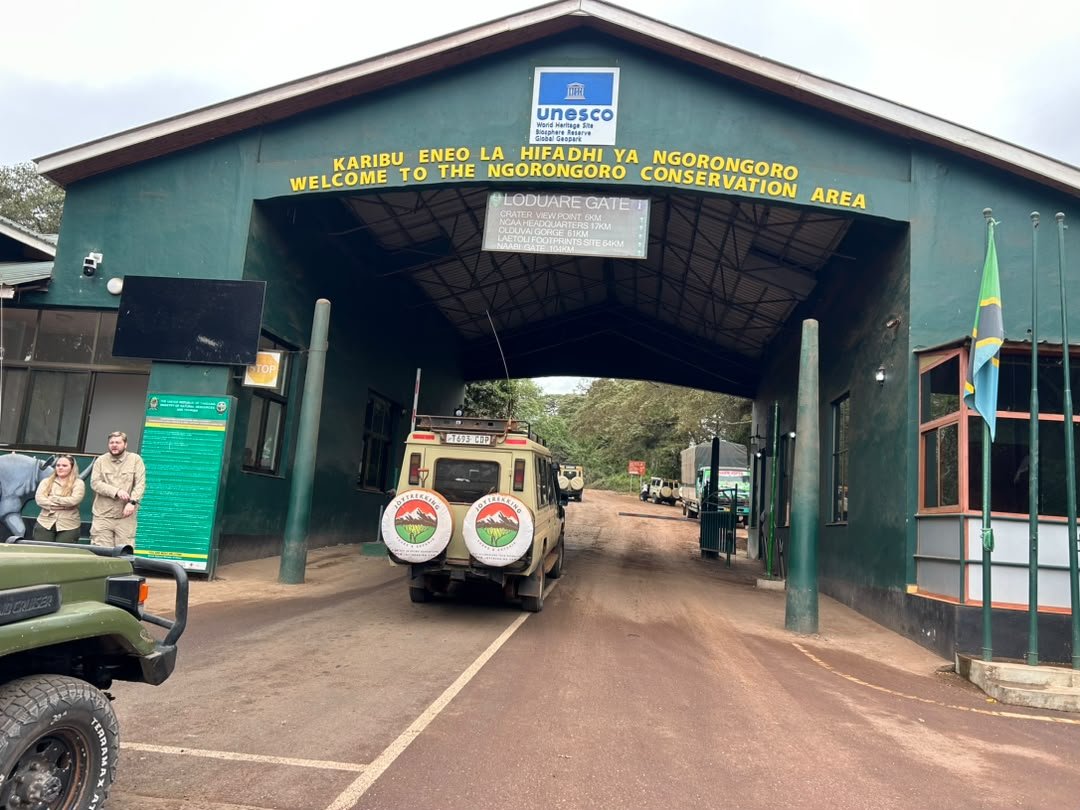
At JoyTrekking Tours & Safaris, we help travellers explore Tanzania through wildlife safaris, mountain adventures and beach holidays.
Whether you are dreaming of the Serengeti Great Migration, a Ngorongoro Crater game drive, Tarangire's elephant herds or a relaxing Zanzibar escape, the right itinerary starts with understanding your travel interests.
Share your preferred dates, group size and travel style so the team can help you explore a suitable itinerary.
Request a Safari PlanMake the most of your time in Tanzania by combining wildlife, mountain scenery and beautiful Indian Ocean beaches.
Explore Serengeti, Ngorongoro, Tarangire and Lake Manyara through different safari itineraries.
View Safari Packages →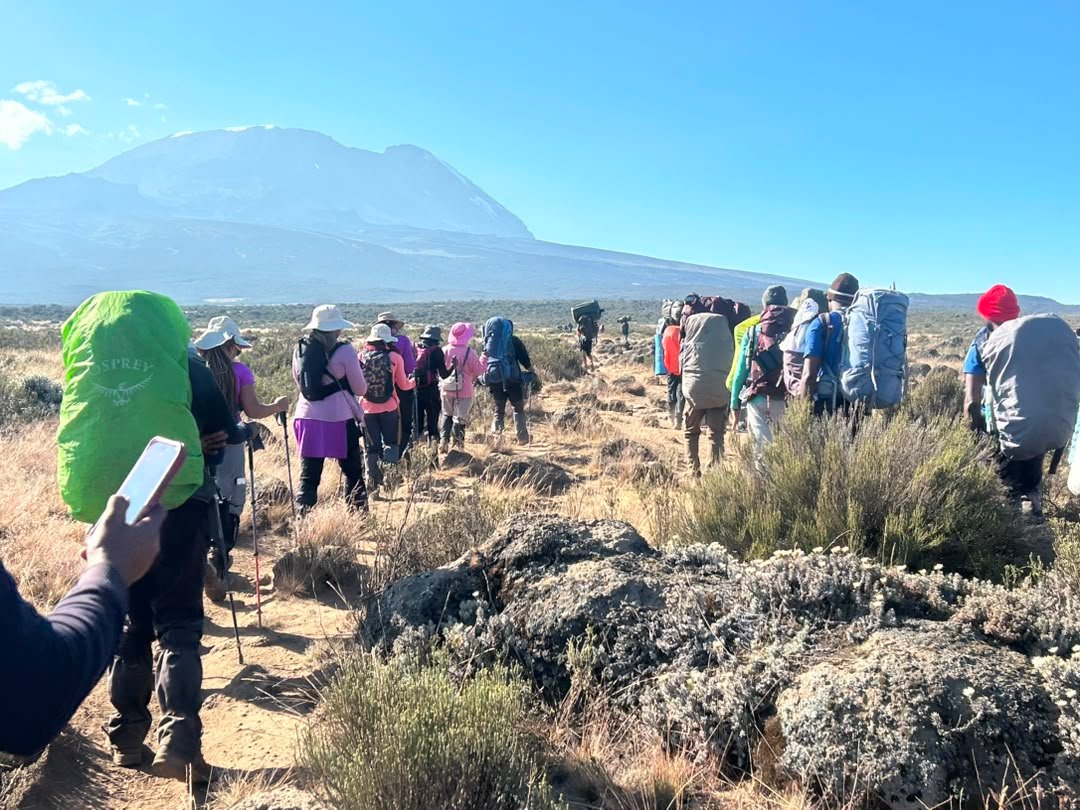
Discover the routes, landscapes and mountain experiences of Africa's highest peak.
Explore Kilimanjaro Adventures →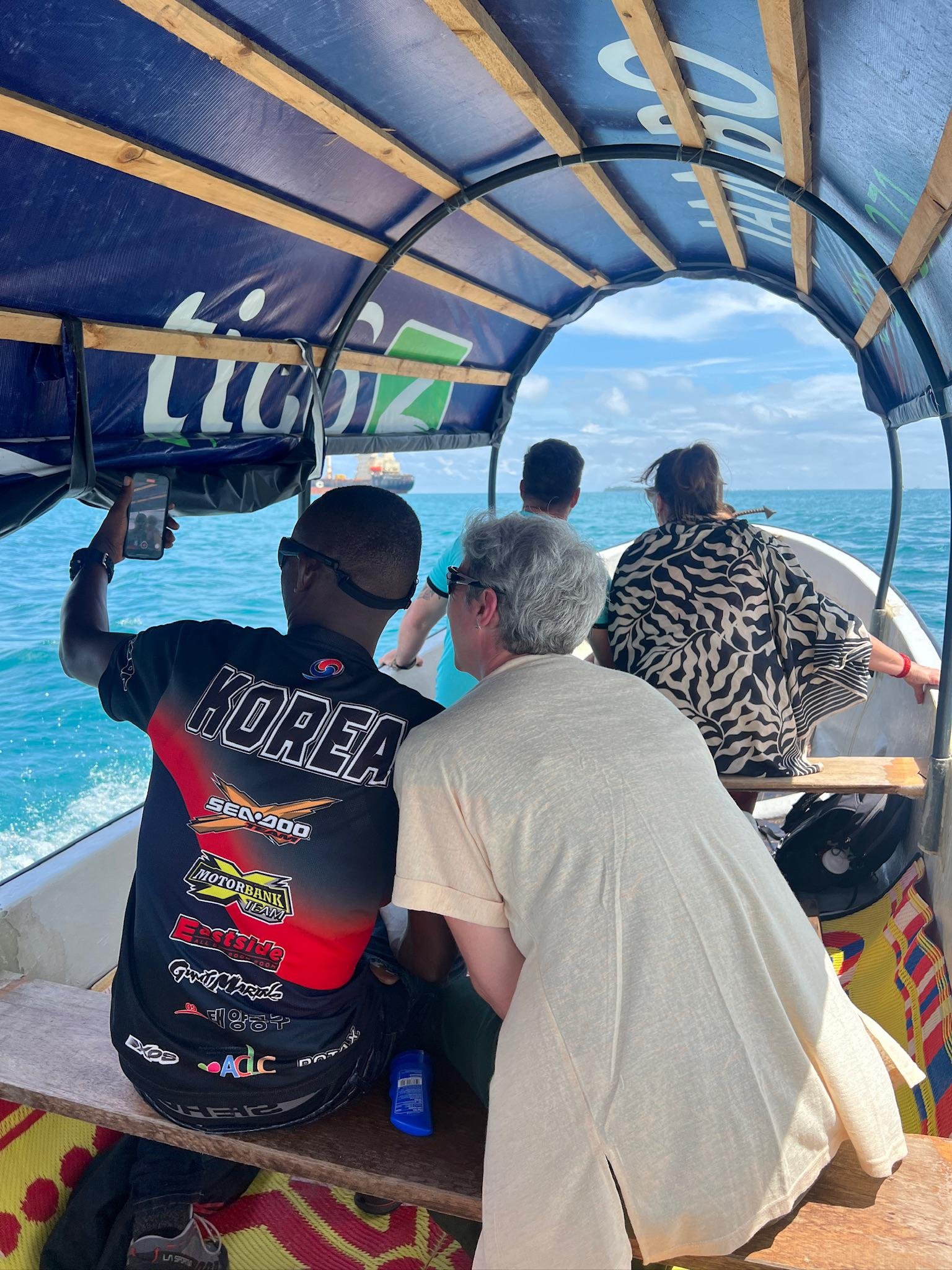
Enjoy tropical beaches, ocean experiences, Stone Town and relaxing island escapes.
Explore Zanzibar Holidays →Choosing a safari operator is an important part of planning your journey. Before making your decision, take time to read feedback from travellers who have shared their experiences with JoyTrekking Tours & Safaris.
Visit our review profile to read the latest available reviews and feedback.
Read Google ReviewsHelpful answers to common questions from travellers planning an African safari in Tanzania.
Explore these tourism and conservation resources for additional information when planning your Tanzania safari.
Tell us about your dream safari. Whether you want to witness the Great Migration, explore Ngorongoro Crater, photograph Tarangire's elephants or enjoy a combined safari and Zanzibar holiday, we would be happy to help you explore your options.
Email: findjoy@joytrekking.com · Arusha, Tanzania