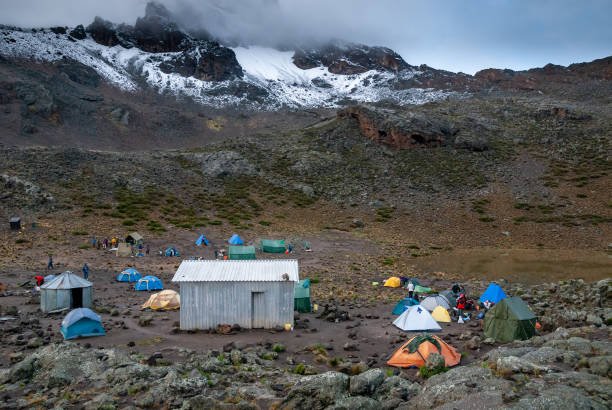
Discover the 7-Day Kilimanjaro Climb Cost via Rongai Route: Explore the Itinerary, Route Highlights & Essential Trekking Tips.
7-Day Kilimanjaro Climb Cost via Rongai Route: Price, Itinerary & What’s Included
Planning to climb Mount Kilimanjaro via the Rongai Route but unsure how much a 7-day trek will cost?
A 7-Day Kilimanjaro Climb via the Rongai Route gives trekkers more time on the mountain to approach the summit gradually, experience different landscapes and prepare for the final ascent. But the total cost is not simply the price of accommodation and guiding — it also reflects park fees, mountain crew, meals, camping logistics, transfers and the operational requirements of a professionally organised Kilimanjaro climb.
At JoyTrekking Tours & Safaris, we help international travellers understand exactly what they are paying for before they commit to their trek.
Important: The price shown on this guide should be treated as a planning reference. Your final quotation can vary depending on travel dates, group size, accommodation arrangements, transfers and other personal requirements.
7-Day Rongai Route Kilimanjaro Cost at a Glance
For travellers comparing Kilimanjaro climbing prices, the cost of a 7-day Rongai trek depends heavily on whether the quoted price is per person or a group/package rate.
For JoyTrekking’s current 7-day Kilimanjaro cost structure, the Rongai Route is listed at approximately:
This figure is based on the current JoyTrekking cost information and should be confirmed with the company when requesting your exact quotation.
Your final price can depend on:
- Number of trekkers
- Travel dates
- Accommodation before and after the climb
- Airport or hotel transfers
- Private or group trekking arrangements
- Personal porter requirements
- Equipment requirements
- Any additional nights in Tanzania
The best way to compare Kilimanjaro prices is therefore not to look at the headline figure alone. Instead, check what is included in the quotation.
Why Choose the Rongai Route?
The Rongai Route approaches Mount Kilimanjaro from the northern side of the mountain near the Tanzania–Kenya border.
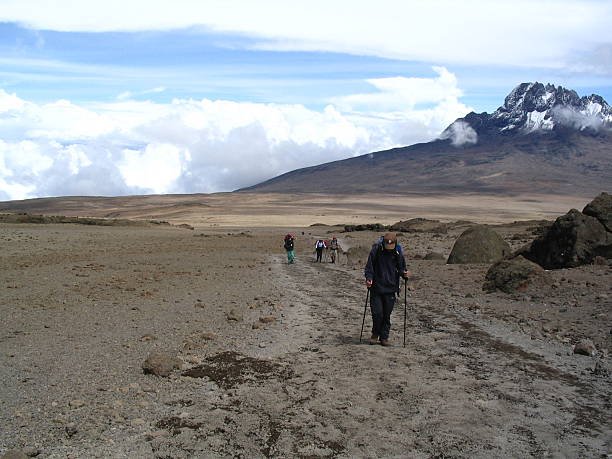
TANAPA identifies Rongai as one of the access points around Kilimanjaro National Park and notes that the mountain has several different routes, each offering its own attractions and challenges.
One reason international trekkers consider Rongai is its different geographical approach compared with routes such as Machame and Lemosho.
The route also provides an opportunity to experience several of Kilimanjaro’s ecological zones as you gain altitude.
UNESCO describes Kilimanjaro as Africa’s highest mountain at 5,895 metres, with vegetation and environmental zones ranging from lower slopes and montane forest to heath and moorland, alpine desert and the summit area.
That changing landscape is one of the reasons a Kilimanjaro climb feels like much more than simply reaching a summit.
What Does the 7-Day Kilimanjaro Climb Cost via Rongai Route Include?
When evaluating a Kilimanjaro trekking quotation, ask your tour operator for a clear breakdown of inclusions.
A professionally organised trek commonly involves several major cost categories.
Park and Conservation Fees
A significant part of the cost of climbing Kilimanjaro comes from the fees associated with entering and operating within the national park.
TANAPA states that Kilimanjaro fees can include conservation, camping or hut and rescue-related charges depending on the route and visitor category.
These fees are an important reason why a legitimate Kilimanjaro climb costs more than an ordinary mountain hiking excursion.
Professional Mountain Crew
Your trekking team is another major part of the cost.
Depending on the arrangement, this can include:
- Mountain guides
- Porters
- Cooks
- Camp support staff
TANAPA states that Kilimanjaro climbs must be guided by a licensed operator, and solo trekking is not permitted.
This is an important point for international travellers comparing operators.
The cheapest quotation is not automatically the best quotation if it does not provide the level of professional support required for a responsible mountain expedition.
Meals During the Trek
A multi-day Kilimanjaro trek requires organised meals throughout the mountain journey.
Food provision is therefore part of the operational cost of a professionally managed climb.
At high altitude, having an organised meal system also helps keep the trek structured rather than leaving travellers to manage food logistics independently.
Camping and Mountain Logistics
Unlike the Marangu Route, where climbers use mountain huts, Rongai is a camping route.
TANAPA’s visitor information explains that routes other than Marangu use designated tented camps operated through licensed operators.
Your quotation should therefore make clear whether camping equipment, tents, sleeping arrangements and camp logistics are included.
Transfers
Transfers can also form part of your Kilimanjaro budget.
Depending on your itinerary, these may include:
- Arrival transfer
- Transfer from your hotel to the mountain
- Transfer from the mountain after the trek
- Airport transfer
- Pre- or post-climb hotel transfers
Always ask whether these services are included before comparing two different quotations.
7-Day Rongai Route Itinerary
A 7-day Rongai itinerary allows the climb to be spread across multiple days rather than treating the mountain as a rushed ascent.
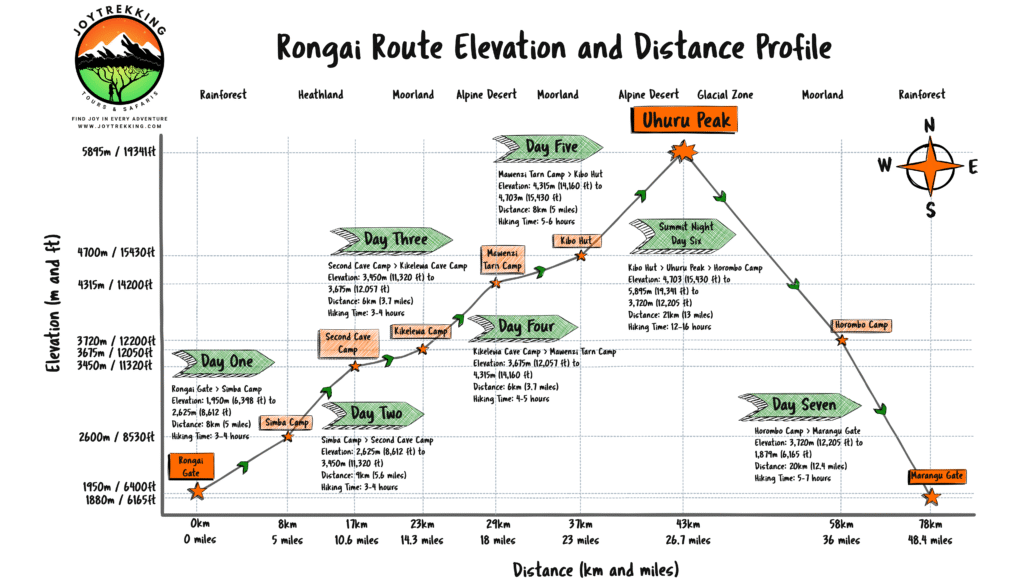
A typical itinerary follows a progression similar to this:
Day 1 — Rongai Gate to fisrt Camp
The trek begins on the northern side of Mount Kilimanjaro.
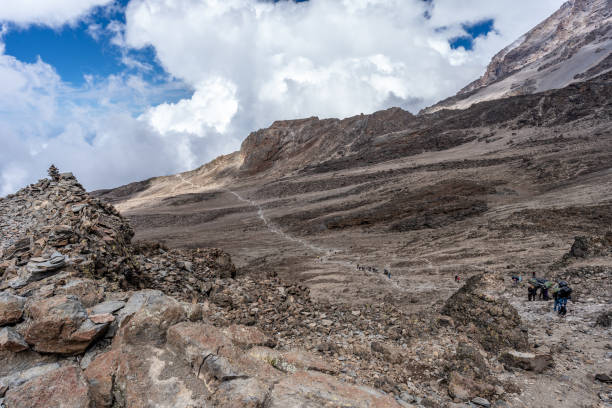
The first day introduces trekkers to the mountain environment while gradually moving through the lower vegetation zones.
Day 2 — Trek Through the Moorland
The landscape begins to change as the route gains elevation.
The forest environment gradually gives way to more open mountain terrain.
Day 3 — Higher Altitude Terrain
The trek continues toward the higher sections of the mountain.
The pace remains controlled as the body adjusts to increasing altitude.
Day 4 — Toward Kibo Area
The landscape becomes increasingly alpine as the route approaches the high-altitude areas beneath Kibo.
This is where preparation, pacing and following your guide’s instructions become particularly important.
Day 5 — Acclimatization and Summit Preparation
The schedule allows trekkers to prepare physically and mentally for the summit attempt.
Rest, hydration and careful pacing become increasingly important.
Day 6 — Summit Attempt
This is the major challenge of the trek.
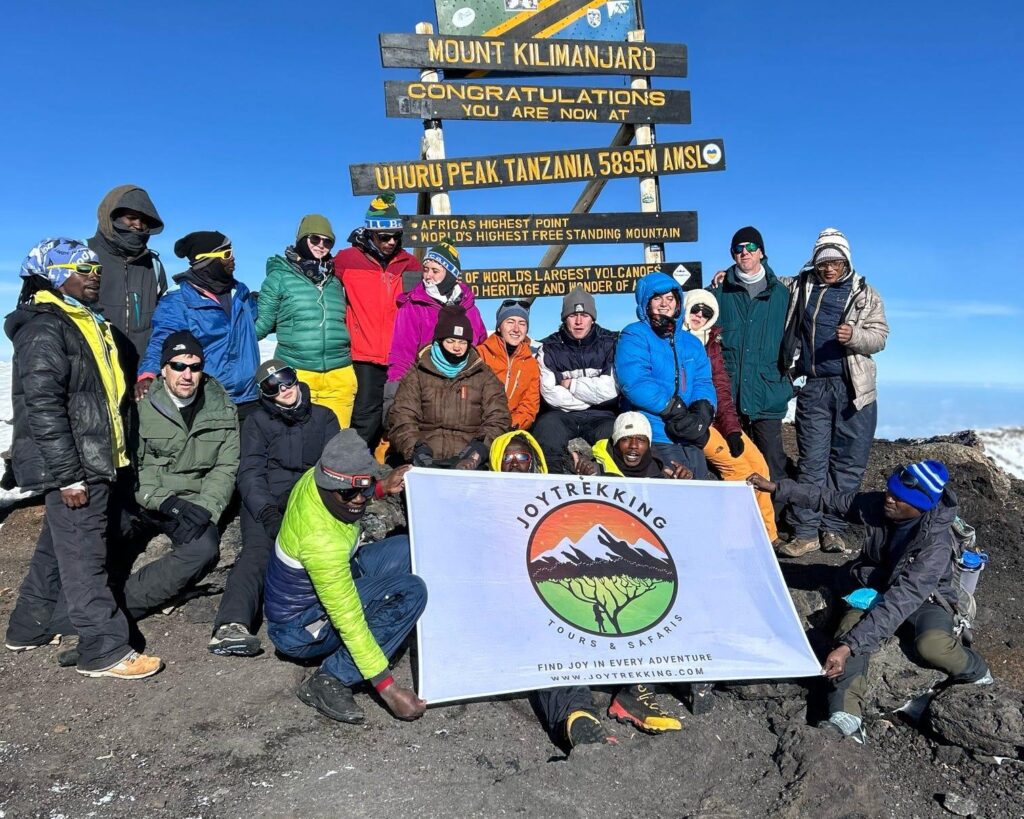
Trekkers begin the summit push toward Uhuru Peak at 5,895 metres, Africa’s highest point.
After reaching the summit area, the descent begins toward the appropriate camp.
Day 7 — Final Descent
The final day focuses on descending from the mountain and completing the trek.
Your transport arrangements can then take you back toward your hotel or onward travel plans.
Exact camps and daily hiking times can vary depending on the operator’s itinerary and current park arrangements.
Why Choose 7 Days Instead of a Shorter Kilimanjaro Trek?
One of the most important things to understand when comparing Kilimanjaro prices is that more days on the mountain are not simply extra nights.
A longer itinerary can provide more time for gradual progression and acclimatization.
TANAPA’s visitor guidance specifically recommends choosing an itinerary with acclimatization time and ascending slowly when planning for altitude.
For this reason, travellers should consider the overall trekking experience rather than choosing an itinerary purely because it is cheaper.
A 7-day trek may suit travellers who want:
- A structured multi-day experience
- More time to adjust to altitude
- A less rushed mountain journey
- Professional mountain crew support
- Time to experience changing landscapes
- A dedicated summit attempt
Rongai Route vs Other Kilimanjaro Routes
The cost of Kilimanjaro climbing varies from one route to another.
| Route | Typical Character | Main Consideration |
|---|---|---|
| Rongai | Northern approach | Different landscape and quieter route experience |
| Machame | Scenic and popular | More varied terrain |
| Lemosho | Scenic and longer approach | Strong acclimatization potential |
| Marangu | Hut accommodation | Different camping experience |
| Umbwe | Steeper approach | More demanding route profile |
| Northern Circuit | Longest route | Extended time for acclimatization |
The right route therefore depends on more than price.
What Makes a Kilimanjaro Climb More Expensive?
If you receive two different quotations for what appears to be the same 7-day Rongai trek, several factors may explain the difference.
1. Group Size
Private treks and smaller groups can have a higher per-person cost because certain operational expenses are distributed among fewer travellers.
2. Accommodation Before and After the Trek
Some packages include hotel nights in Moshi or Arusha while others do not.
Always check this carefully.
3. Transfers
Airport transfers, hotel transfers and mountain transfers can either be included or quoted separately.
4. Crew and Logistics
The size and organisation of the mountain support team can affect the overall price.
5. Personal Requirements
Travellers may require additional services such as:
- Extra hotel nights
- Private transfers
- Equipment rental
- Additional porter support
- Special dietary arrangements
This is why a professional quotation should be customised rather than based only on a generic online price.
What Is Usually Not Included?
Before paying a deposit, ask your operator to clearly identify exclusions.
Common expenses that may be separate include:
- International flights
- Tanzania visa
- Travel insurance
- Personal trekking equipment
- Tips for mountain crew
- Personal expenses
- Additional accommodation
- Optional activities
- Personal purchases
The exact inclusions and exclusions should always appear in your quotation.
Is $4,100 a Reasonable Budget for a 7-Day Rongai Climb?
The most important question is not simply whether a price looks high or low.
Ask:
What does the price actually cover?
A legitimate Kilimanjaro expedition involves park-related fees, licensed guiding, mountain crew, meals, camping logistics and transport arrangements.
TANAPA confirms that park fees vary according to visitor category, route and number of days, while guiding services are arranged through licensed tour operators.
Therefore, when comparing a 7-Day Kilimanjaro Climb via Rongai Route, compare the complete package rather than comparing one headline price against another.
Best Time to Climb Kilimanjaro via Rongai
Kilimanjaro can be climbed throughout much of the year, but weather conditions are an important consideration.
TANAPA’s Kilimanjaro information identifies the drier periods as generally extending from late June to September and from December to early March, while the mountain also experiences wetter periods.
However, mountain weather can change quickly.
Rather than choosing dates based only on a calendar, travellers should consider:
- Weather conditions
- Personal schedule
- Crowds
- Route preference
- Accommodation availability
- Overall Tanzania itinerary
If your Kilimanjaro trek is part of a larger Tanzania holiday, the timing can also be coordinated with a safari or Zanzibar extension.
What Should You Budget Beyond the Trek Price?
Your Kilimanjaro budget should not stop at the trekking package.
International travellers should also plan for:
Before the climb
- International flights
- Visa
- Travel insurance
- Hotel accommodation
- Airport transfers
- Trekking equipment
During the climb
- Trekking package
- Personal items
- Any equipment rental
- Crew tips
After the climb
- Hotel accommodation
- Transfers
- Safari or Zanzibar extension if planned
Creating this full-trip budget makes it easier to avoid unexpected expenses.
Why Book Your Rongai Climb With a Local Tanzania Operator?
Choosing a local Tanzania trekking company gives international travellers the opportunity to work directly with a team familiar with the mountain and the logistics surrounding a Kilimanjaro expedition.
At JoyTrekking Tours & Safaris, our goal is not simply to give you a price.
We want you to understand:
- Which route you are choosing
- How many days you will spend on the mountain
- What your package includes
- What you should prepare
- What additional costs to expect
- How your airport, hotel and mountain transfers will work
That transparency helps you make an informed decision before travelling to Tanzania.
Kilimanjaro Rongai Route Cost Checklist
- Before confirming your trek, ask your tour operator:
- Is the quoted price per person or for the whole group?
- How many days and nights are included?
- Are park fees included?
- Are guides, porters and cooks included?
- Are meals included?
- Is camping equipment included?
- Are airport and hotel transfers included?
- Are pre- and post-climb hotel nights included?
- What is excluded from the price?
- Are crew tips included or separate?
- What happens if the itinerary needs to change?
A clear answer to these questions can help you compare Kilimanjaro packages fairly.
Frequently Asked Questions
How much does a 7-day Rongai Route Kilimanjaro climb cost?
JoyTrekking’s current 7-day Rongai cost reference is $4,100 per person. The final quotation should be confirmed based on your group size, travel dates, accommodation and requested services.
Is the Rongai Route good for a 7-day Kilimanjaro climb?
Yes, a 7-day itinerary can provide a structured multi-day experience with time to progress gradually toward the summit. The exact itinerary should be confirmed with your trekking operator.
Is Rongai Route easier than Machame?
It is not accurate to describe one route as simply “easy.” Each route has its own terrain, elevation profile and itinerary structure. Your choice should consider your experience, preferred scenery, schedule and acclimatization strategy.
Does the Rongai Route use tents?
Yes. Unlike the Marangu Route, Rongai uses designated camping arrangements rather than the Marangu hut system. TANAPA notes that routes other than Marangu use designated tented camps operated through licensed operators.
Can I combine a Rongai climb with a Tanzania safari?
Absolutely. Kilimanjaro can be combined with a Northern Tanzania safari in destinations such as Tarangire, Ngorongoro and Serengeti, depending on your available time.
Is Mount Kilimanjaro really 5,895 metres high?
Yes. UNESCO identifies Mount Kilimanjaro as Africa’s highest mountain at 5,895 metres.
Do I need a guide to climb Kilimanjaro?
Yes. TANAPA states that all Kilimanjaro climbs must be guided by a licensed operator and that solo trekking is not permitted.
Plan Your 7-Day Rongai Route Climb
A Kilimanjaro climb is a major travel experience, and understanding the cost before you arrive in Tanzania makes planning much easier.
The 7-Day Rongai Route offers an alternative northern approach to Africa’s highest mountain, with a multi-day itinerary designed around the mountain’s changing landscapes and the demands of high-altitude trekking.
At JoyTrekking Tours & Safaris, we can help you build your Kilimanjaro experience around your travel dates, group size and wider Tanzania holiday.
Ready to Climb Kilimanjaro?
Plan your trek with a Tanzania-based team and receive a clear quotation showing what is included, what is excluded and what you should expect before travelling.
JoyTrekking Tours & Safaris
Kilimanjaro Trekking • Tanzania Safaris • Zanzibar Holidays
Request Your Rongai Route Itinerary