How Difficult Is It to Climb Mount Kilimanjaro? Discover routes, success rates, costs, and expert tips from JoyTrekking Tours & Safaris.
How Difficult Is It to Climb Mount Kilimanjaro? This in-depth 2026 guide by JoyTrekking Tours & Safaris explains routes, altitude challenges, preparation tips, and local insights to help you summit successfully.
How Difficult Is It to Climb Mount Kilimanjaro?
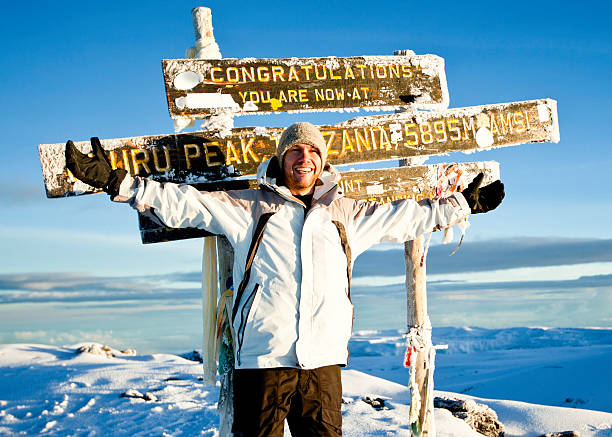
Climbing Mount Kilimanjaro is a dream for many adventurers worldwide. Rising 5,895 meters (19,341 feet) above sea level, it is Africa’s highest peak and the tallest free-standing mountain on Earth. But before booking your flight to Tanzania, one important question naturally arises: How challenging is this adventure really?
At JoyTrekking Tours & Safaris, we have guided climbers of all ages and fitness levels to the summit. This detailed guide explains the true level of difficulty, what makes it demanding, and how you can prepare for success.
Quick Summary
Kilimanjaro is a non-technical trek no ropes or climbing skills required.
The biggest challenge is altitude, not steep terrain.
Success rates vary from 60% to 95%, depending on route and acclimatization.
The best months to climb are January–March and June–October.
Choosing an experienced local operator improves safety and comfort.
Mental resilience is just as important as physical fitness.
Understanding the Real Challenge
Many travelers assume climbing Africa’s tallest mountain requires mountaineering skills. In reality, Kilimanjaro is a high-altitude trek. You walk to the top but that does not mean it is easy.
The difficulty comes from:
High altitude (5,895m)
Rapid elevation gain
Long trekking days
Cold summit night temperatures (-10°C to -20°C)
Mental endurance
Unlike technical peaks such as Mount Everest, Kilimanjaro requires no ice axes or ropes. However, the oxygen level at the summit is about 50% of that at sea level. This is what makes the climb demanding.
Altitude: The Main Difficulty Factor
Altitude sickness (Acute Mountain Sickness – AMS) is the number one reason climbers fail to summit.
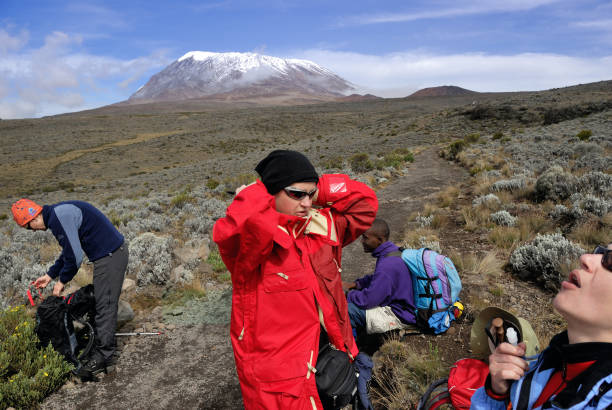
Climbers take a short rest during their ascent of Mount Kilimanjaro in Tanzania. Each year, thousands attempt to reach the summit, with varying success rates depending on preparation and route choice.
Symptoms may include:
Headaches
Nausea
Fatigue
Dizziness
Loss of appetite
The key to managing altitude is slow acclimatization. Routes that allow more days on the mountain dramatically increase summit success rates.
According to the Kilimanjaro National Park, longer routes significantly improve safety and summit percentages.
At JoyTrekking Tours & Safaris, we recommend Lemosho or Northern Circuit for first-time climbers because they offer better altitude adaptation.
Physical Fitness: Do You Need to Be an Athlete?
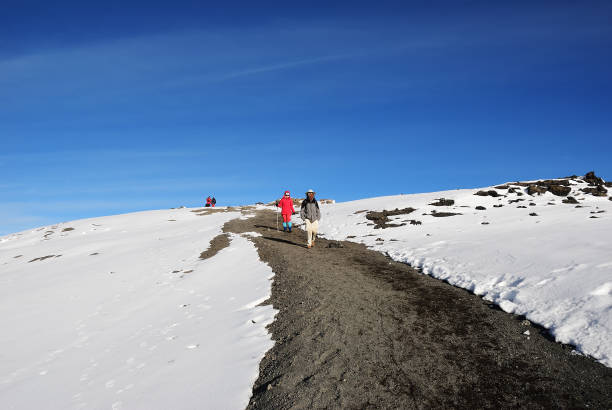
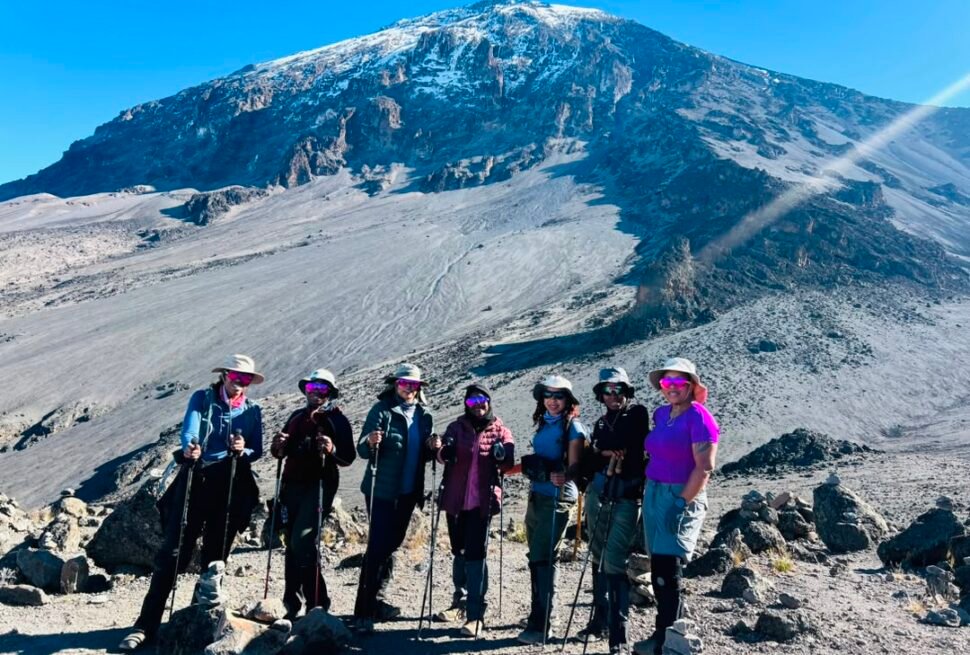
Climbers walking along the crater rim of Mount Kilimanjaro near Gilman’s Point after visiting Uhuru Peak. High altitude and reduced oxygen levels make this section physically demanding.
You do not need to be a marathon runner. However, you should be in good general health and capable of:
Walking 6–8 hours daily
Handling uphill terrain
Carrying a small daypack (5–7 kg)
Training suggestions:
Weekly hikes
Stair climbing
Cardiovascular exercises (cycling, jogging)
Strength training for legs and core
Mental strength matters just as much. Summit night begins at midnight and involves 6–8 hours of uphill trekking in freezing temperatures.
Local Insights from Tanzania
As a Tanzanian-owned company, JoyTrekking Tours & Safaris provides insights international agencies often overlook:
Local guides understand microclimate changes on the mountain.
Weather shifts quickly afternoons can bring mist or light rain.
Porters are essential; ethical treatment and fair wages are critical.
Swahili phrases like “Pole Pole” (slowly, slowly) are central to summit success.
The culture around Kilimanjaro is deeply tied to the Chagga community, who have lived on its slopes for generations. Respecting local customs enhances your experience.
Nearby town Moshi serves as the main base for climbers. It offers gear rental shops, coffee tours, and cultural experiences before and after your trek.
Weather Conditions and Best Time to Climb
Kilimanjaro can be climbed year-round, but the best seasons are:
January to March (cooler, fewer crowds)
June to October (dry season, busier)
Avoid April and May due to heavy rains.
At the summit, temperatures can drop to -20°C. Layered clothing and quality sleeping bags are essential.
Cost vs. Difficulty: Why Cheap Can Be Risky
Some budget operators cut costs by:
Reducing acclimatization days
Providing undertrained guides
Underpaying porters
Using low-quality equipment
Lower prices often mean lower safety margins. A reputable operator invests in:
Wilderness First Responder-certified guides
Daily health checks (oxygen saturation monitoring)
Emergency oxygen
Proper nutrition
Your safety should never be compromised.
Summit Night: The Toughest Part
The final ascent to Uhuru Peak is the most physically and mentally challenging stage.
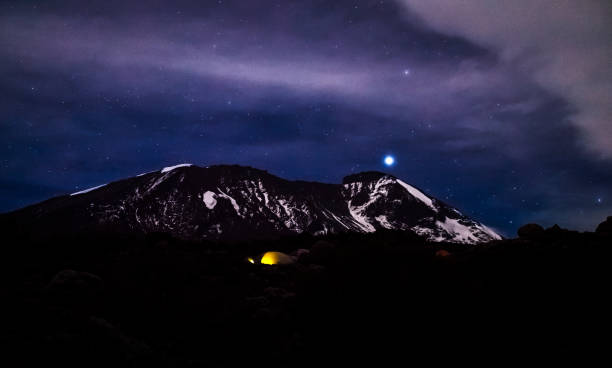
Climbers resting at the second camp on the Lemosho Route of Mount Kilimanjaro, preparing mentally and physically for the demanding summit night ascent.
Challenges include:
Thin air
Darkness
Steep volcanic scree
Freezing temperatures
Yet, reaching Uhuru Peak at sunrise watching Africa unfold beneath you makes every step worth it.
Success Rates Explained
Your chances of reaching the summit depend on:
Route selection
Number of days
Physical preparation
Weather
Guide experience
With proper acclimatization and a professional team, success rates exceed 90%.
Customer Experience
Isadora Theberge2025.01.14
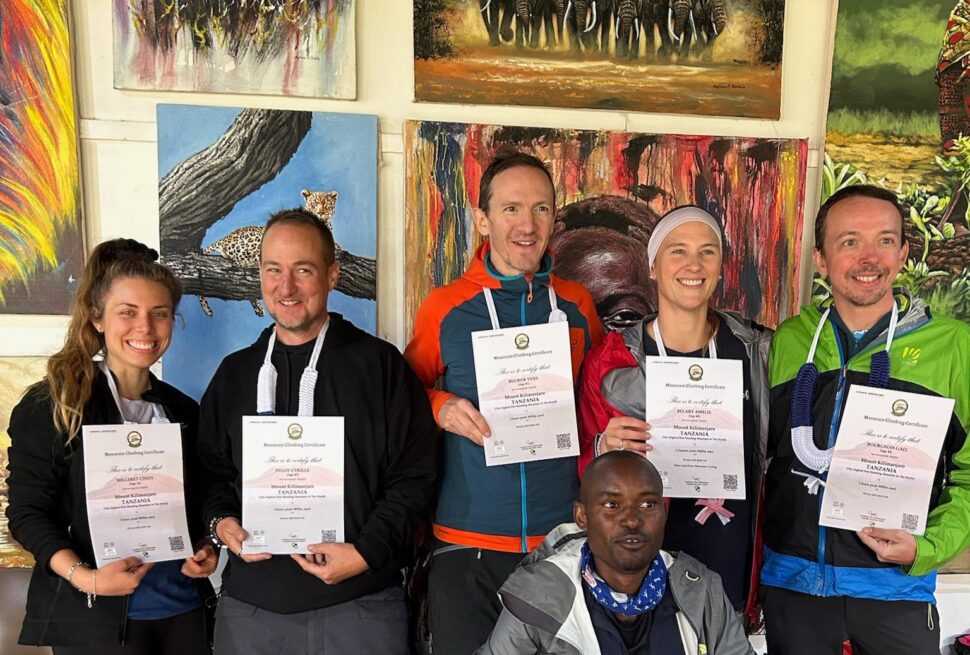
A really awesome company! I climbed Kilimanjaro with them and everything was well organized, and I always felt cared for on the trek. Everyone had really great energy, singing and dancing, lifting our spirits up. Would definitely recommend booking through them!
Is Kilimanjaro Harder Than Other Treks?
Compared to:
Mount Kenya – More technical climbing required.
Mount Elbrus – Requires crampons and glacier travel.
Everest Base Camp – Lower altitude but longer duration.
Kilimanjaro is physically demanding but technically straightforward.
Safety Measures at JoyTrekking Tours & Safaris
We prioritize:
Twice-daily medical checks
Pulse oximeter monitoring
Emergency evacuation protocols
Highly trained mountain crew
Ethical porter treatment
Our guides are licensed by Tanzania National Parks Authority (TANAPA).
Frequently Asked Questions
Is Kilimanjaro harder than Everest Base Camp? Kilimanjaro reaches a higher altitude in fewer days, making acclimatization more challenging, though the terrain is less technical.
Can beginners climb Kilimanjaro? Yes, with proper preparation, route choice, and a professional guide team.
What is the minimum age to climb Kilimanjaro? The minimum age allowed by park regulations is 10 years old.
How long does it take to climb Kilimanjaro? Most routes take 6–9 days, depending on acclimatization strategy.
Do I need oxygen to climb Kilimanjaro? Supplemental oxygen is not typically required but is carried for emergencies.
Final Thoughts
Climbing Kilimanjaro is not a technical mountaineering expedition, but it is a serious high-altitude challenge. With the right preparation, mindset, and experienced support team, reaching the summit is achievable for many people.
The mountain rewards patience, discipline, and respect.
If you are considering this life-changing journey, JoyTrekking Tours & Safaris is ready to guide you safely to the Roof of Africa.
About the Author
This guide was written by a senior mountain expert at JoyTrekking Tours & Safaris with over 12 years of experience leading successful Kilimanjaro expeditions. Our team has guided hundreds of climbers from around the world, prioritizing safety, sustainability, and authentic Tanzanian hospitality.
We combine local expertise, certified training, and a deep passion for adventure to ensure every client receives a world-class trekking experience.