Discover why Mount Kilimanjaro is so famous with expert insights on its peaks, trekking routes, wildlife, and cultural significance for adventure travelers.
Explore why Mount Kilimanjaro is so famous. Learn about its towering peaks, scenic trekking routes, unique wildlife, cultural significance, and why it captivates adventurers worldwide.
Why Mount Kilimanjaro Is So Famous
Mount Kilimanjaro, standing majestically in northern Tanzania, is not only Africa’s highest peak at 5,895 meters (19,341 feet) but also one of the most iconic mountains in the world. For adventure seekers, trekkers, and photographers alike, Why Mount Kilimanjaro Is So Famous becomes clear as soon as you experience its unique landscapes, wildlife, and cultural significance.
Rising above the plains near Moshi and Arusha, Kilimanjaro offers a trekking experience that combines dramatic volcanic peaks, tropical forests, alpine deserts, and glacial summits—all in one hike. At JoyTrekking Tours & Safaris, we guide international travelers through unforgettable Kilimanjaro experiences, highlighting why climbers and nature lovers worldwide are drawn to this African giant.
Quick Summary
Mount Kilimanjaro is Africa’s tallest peak at 5,895 meters.
The mountain has 6 trekking routes, each offering unique landscapes.
Kilimanjaro is famous for its snow-capped summit near the equator.
It hosts diverse ecosystems: rainforest, moorland, alpine desert, and glacier.
The mountain holds cultural and spiritual significance for local Chagga communities.
Wildlife includes elephants, leopards, colobus monkeys, and exotic birds.
Kilimanjaro trekking is achievable for non-technical climbers with preparation.
Sunrise views from Uhuru Peak are globally renowned.
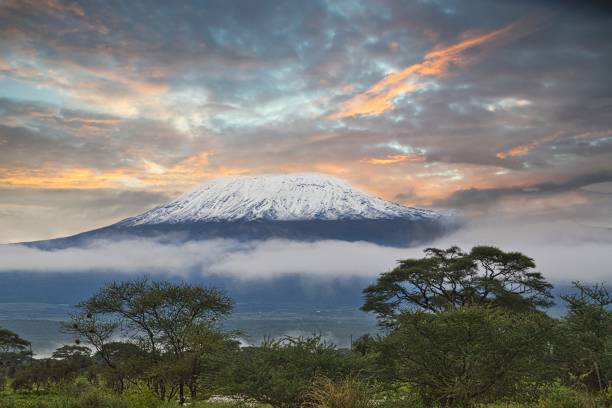
The most obvious reason Why Mount Kilimanjaro Is So Famous is its height. At 5,895 meters, it is the tallest free-standing mountain in the world and Africa’s highest peak. Unlike mountain ranges, Kilimanjaro rises independently from the surrounding plains, creating a dramatic silhouette visible for miles.
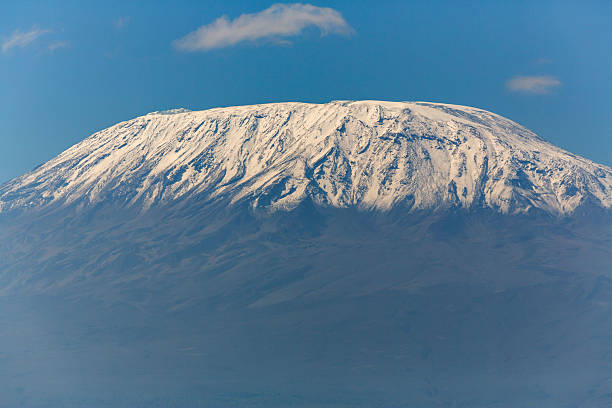
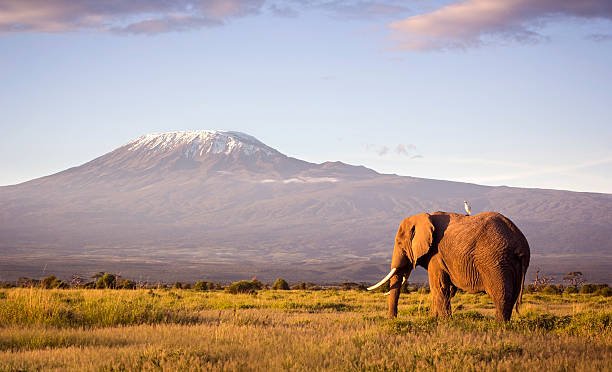
The iconic snow-capped Mount Kilimanjaro in Tanzania, Africa’s tallest mountain, showcasing the breathtaking summit that makes it famous worldwide.
Its iconic snow-capped summit, Kibo Peak, despite being near the equator, makes Kilimanjaro instantly recognizable in global imagery. Travelers are fascinated by the contrast of glaciers against tropical landscapes a rarity anywhere on Earth.
2. Unique Multi-Ecosystem Trekking Experience
Mount Kilimanjaro is not just a mountain; it is an entire ecological journey. Trekkers pass through:
Rainforest Zone (rich with colobus monkeys, birds, and waterfalls)
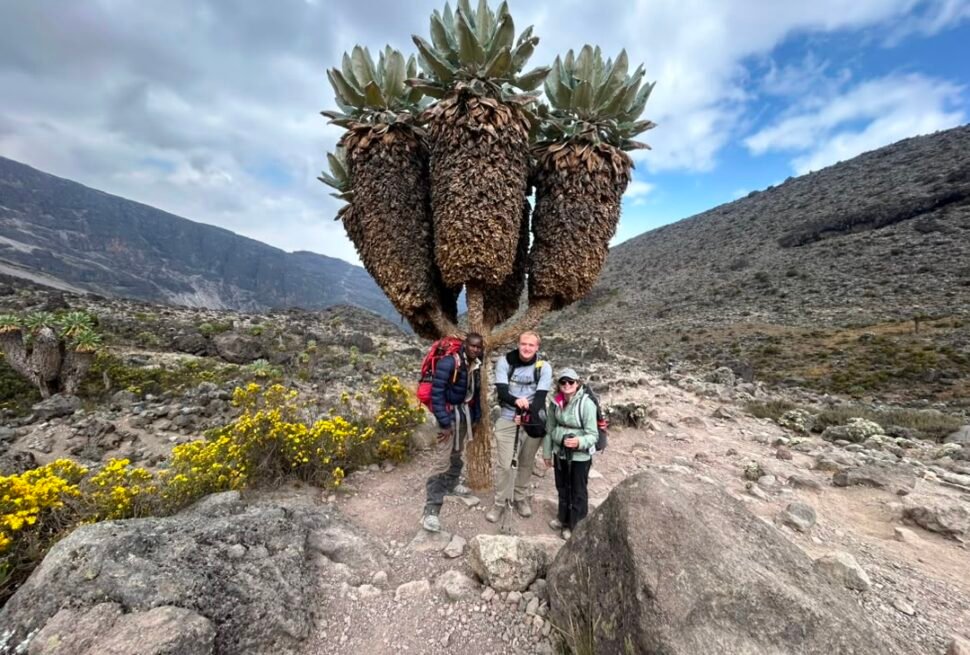
Heath & Moorland Zone (dramatic volcanic terrain and giant lobelias)
Alpine Desert Zone (rocky, high-altitude conditions with sparse vegetation)
Arctic Summit Zone (glacial ice fields and Uhuru Peak snow)
Each zone offers distinct flora, fauna, and scenery, which is why Kilimanjaro is considered one of the most varied trekking experiences in the world.
3. Cultural Significance of Kilimanjaro
The Chagga people, who live on Kilimanjaro’s lower slopes, hold the mountain in deep respect. It appears in local mythology and serves as a source of water, medicine, and livelihood. Trekkers often pass through villages, experiencing authentic cultural encounters, from coffee farm visits to storytelling by elders about the mountain’s history.
This cultural dimension adds depth to the adventure, enhancing the answer to Why Mount Kilimanjaro Is So Famous beyond just height and scenery.
4. Multiple Trekking Routes
Kilimanjaro’s fame is also due to the diversity of trekking routes, each catering to different levels of experience:
This variety allows first-time trekkers and experienced climbers to enjoy Kilimanjaro safely and enjoyably.
5. Wildlife and Flora
Kilimanjaro supports diverse ecosystems, hosting wildlife like:
Elephants on lower slopes
Leopards, bushbucks, and hyenas
Colobus monkeys in forests
Exotic birds including sunbirds and hornbills
The flora is equally remarkable, with giant lobelias, groundsel plants, and endemic species that thrive in alpine conditions.
6. Accessibility for Non-Technical Climbers
Unlike mountains requiring mountaineering expertise, Kilimanjaro is a non-technical climb. Trekking is possible with:
Proper acclimatization
Professional guide support
Moderate physical fitness
This accessibility has contributed to its global popularity among adventure travelers, families, and international tourists.
7. Sunrise at Uhuru Peak
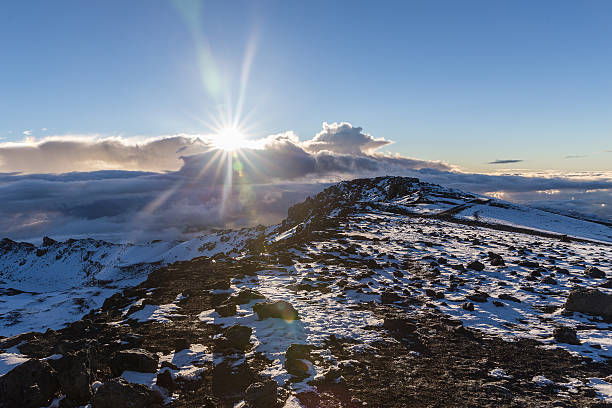
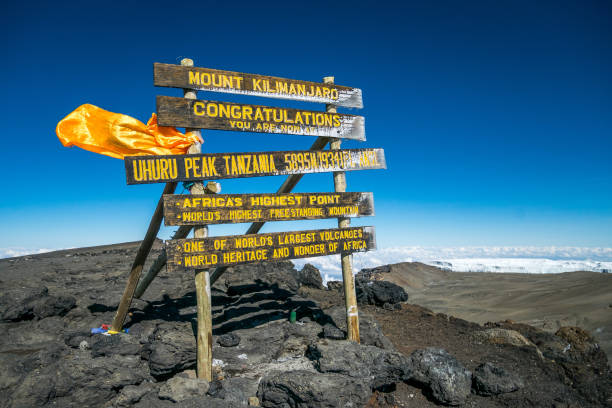
Breathtaking sunrise at Uhuru Peak, Mount Kilimanjaro, Tanzania, showcasing the three volcanic cones—Kibo, Mawenzi, and Shira—and why Kilimanjaro is so famous.
Reaching Uhuru Peak at sunrise is an iconic experience. Watching the first light touch the surrounding plains is one of the most photographed moments in African adventure tourism, making Kilimanjaro famous across travel magazines and social media worldwide.
Local Insights from JoyTrekking Tours & Safaris
Best Time to Climb: January–March, June–October (dry seasons)
Top Tip: Trek slowly to acclimatize and improve summit success
Recommended Route: Machame or Lemosho for scenery and higher success rate
Cultural Tip: Visit Chagga villages on lower slopes to learn about coffee farming
Professional Customer Experiences
Isadora Theberge2025.01.14
A really awesome company! I climbed Kilimanjaro with them and everything was well organized, and I always felt cared for on the trek. Everyone had really great energy, singing and dancing, lifting our spirits up. Would definitely recommend booking through them!
Samantha Rice2024.12.21
Joy Trekking Tours is the best tour company for hiking Kili hands down. They have so much energy and care about their clients so much.
Comparison Table: Kilimanjaro vs Other Famous Peaks
Kilimanjaro’s combination of height, ecosystems, wildlife, and accessibility makes it globally famous.
Frequently Asked Questions
Why is Mount Kilimanjaro so famous?
It is Africa’s tallest mountain, non-technical climb, has unique ecosystems, snow-capped summit, and cultural significance.
How long does it take to climb Kilimanjaro?
Most routes take 5–8 days, depending on difficulty and acclimatization.
What is the best time to climb Kilimanjaro?
Dry seasons: January–March and June–October.
Is Kilimanjaro safe for beginner climbers?
Yes. With guides and proper acclimatization, it is achievable for healthy, moderately fit trekkers.
Which route is most scenic?
Lemosho and Machame routes are renowned for breathtaking views and high summit success rates.
Final Thoughts
Why Mount Kilimanjaro Is So Famous becomes obvious once you stand on its summit or trek through its forests, moorlands, and alpine deserts. The combination of non-technical climbability, diverse ecosystems, cultural richness, and iconic sunrise views makes it a bucket-list destination for adventure travelers globally.
AtJoyTrekking Tours & Safaris, we ensure climbers experience Kilimanjaro safely while immersing themselves in the mountain’s wildlife, culture, and breathtaking scenery.
Whether you are an experienced adventurer or a first-time trekker, Kilimanjaro promises an unforgettable journey and one of Africa’s most iconic travel experiences.
About the Author
January Mziray
January Mziray is a Tanzanian adventure travel expert specializing in mountain trekking and wildlife experiences. As part of JoyTrekking Tours & Safaris, he has guided hundreds of international travelers to the summit of Mount Kilimanjaro, combining safety, cultural immersion, and ecological education. His work promotes responsible tourism, sustainable trekking practices, and unforgettable adventure travel in East Africa.