Are Walking Safaris Safe in Tanzania? Discover safety measures, expert ranger tips, and why guided bush walks are secure with professionals.
Are Walking Safaris Safe in Tanzania? This in-depth 2026 guide by JoyTrekking Tours & Safaris explains safety protocols, armed ranger protection, park regulations, and expert tips for a secure bush experience.
Are Walking Safaris Safe in Tanzania?
A walking safari in Tanzania is one of the most immersive wildlife experiences in Africa. Unlike traditional game drives, you step out of the vehicle and explore the bush on foot, guided by armed rangers and experienced trackers. But for many first-time visitors, one concern stands out: safety.
AtJoyTrekking Tours & Safaris, we have led professionally guided bush walks across Tanzania’s most iconic protected areas. This comprehensive guide explains how walking safaris are conducted, the strict regulations in place, and why, when done correctly, they are safe and incredibly rewarding.
Quick Summary
Walking safaris are conducted with armed, certified park rangers.
Tanzania has strict wildlife safety regulations enforced by national authorities.
Small group sizes (usually 4–6 guests) enhance control and security.
Briefings and wildlife behavior training are mandatory before each walk.
The safest parks for bush walks include Nyerere National Park, Tarangire National Park, and Ruaha National Park.
Risk is minimized through route planning and expert tracking skills.
Walking safaris are different from hiking — they are controlled conservation activities.
Understanding What a Walking Safari Really Is
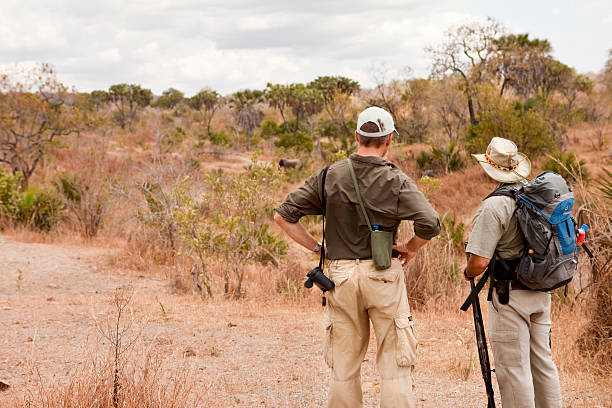
A walking safari is not wandering freely through the wilderness. It is a carefully managed wildlife activity led by:
A licensed safari guide
An armed Tanzania National Parks (TANAPA) ranger
Sometimes a local tracker
The purpose is education, conservation awareness, and a deeper understanding of ecosystems — not adrenaline or danger.
Unlike vehicle safaris, walking allows guests to observe:
Animal tracks and spoor
Medicinal plants
Birdlife at close range
Insect ecosystems
Smaller species often missed in vehicles
The experience focuses on awareness and respect, not confrontation.
For official conservation policies and park rules, you can refer to the International Union for Conservation of Nature, which outlines global wildlife management standards.
These layers of oversight ensure safety is never left to chance.
The Role of Armed Rangers
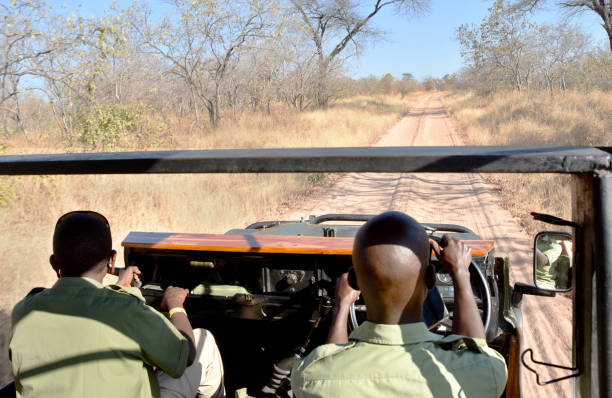
A safari driver and armed guide in Ruaha National Park ensuring safety during a walking safari. Armed rangers play a crucial role in monitoring wildlife and protecting guests.
A professional ranger is trained to:
Read animal behavior
Detect warning signals
Position guests strategically
Use a firearm only as a last resort deterrent
Firearms are rarely discharged. Their presence alone acts as a precaution.
In our experience at JoyTrekking Tours & Safaris, proper wildlife distance management prevents dangerous encounters long before escalation.
Where Are Walking Safaris Safest?
Not all parks allow walking safaris in the same way. Here is a comparison:
Serengeti National Park allows limited walking zones, but it is not the primary destination for bush walks.
We typically recommend Nyerere for first-time walking safari guests due to its open terrain and excellent ranger infrastructure.
What Makes Walking Safaris Safe?
1. Small Group Size
Most walks are limited to 4–6 guests. Smaller groups are easier to manage and control.
2. Pre-Walk Safety Briefing
Guests are instructed on:
Walking in single file
Maintaining silence
Avoiding sudden movements
Following ranger commands immediately
3. Strategic Route Planning
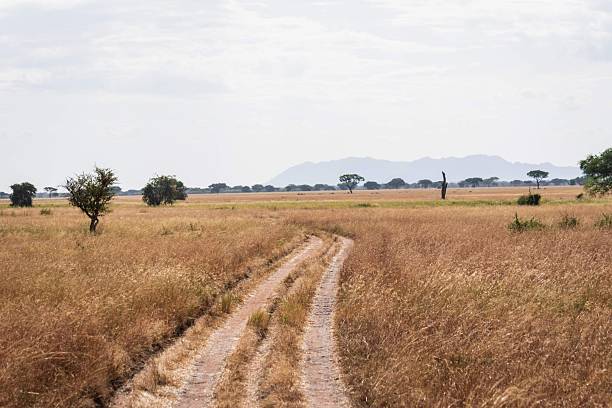
A well-planned safari trail in the Tanzanian bush, demonstrating how JoyTrekking Tours & Safaris designs safe walking routes with rangers for optimal wildlife observation and guest safety.
Guides avoid:
Thick brush with limited visibility
Areas with aggressive animal behavior
Elephant corridors during peak hours
4. Wildlife Awareness
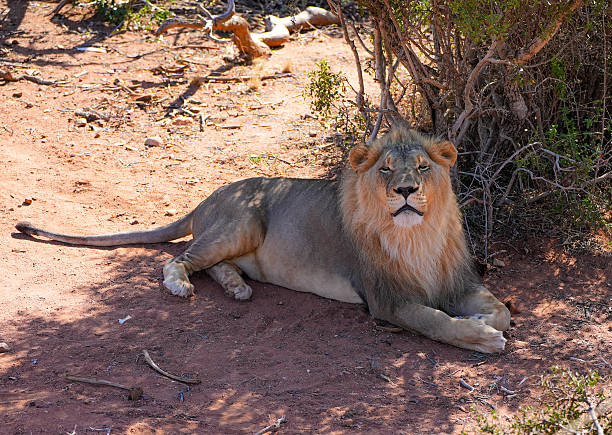
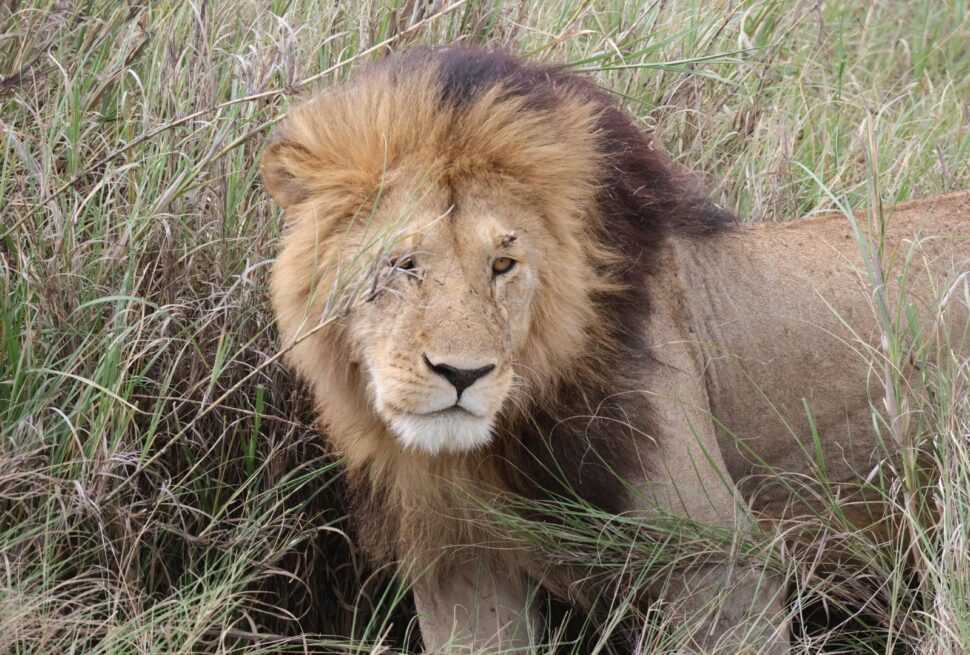
A powerful male lion with a golden mane rests on the reddish soil of the Tanzanian bush. Observing wildlife behavior carefully is key for safe and responsible walking safaris.
Animals generally avoid humans. Incidents are rare and typically linked to rule violations or unauthorized walking.
Local Insight: Animal Behavior in Tanzania
Tanzanian wildlife is accustomed to safari vehicles but also recognizes ranger presence on foot. Experienced local guides understand subtle behavioral cues such as:
Elephant ear positioning
Buffalo herd formations
Bird alarm calls
Lion tail flick patterns
This knowledge is built over years of field experience something international operators may lack.
Comparing Walking Safari vs Game Drive Safety
Factor
Walking Safari
Game Drive
Distance from Animals
Closer but controlled
Safer distance
Ranger Presence
Armed escort
Driver-guide only
Risk Level
Low (regulated)
Very low
Experience Depth
High immersion
Observational
Emergency Response
Immediate ranger action
Vehicle mobility
Both are safe when professionally guided but walking requires greater discipline from guests.
Health and Physical Safety
Participants should:
Be moderately fit
Inform guides of medical conditions
Wear neutral-colored clothing
Stay hydrated
We advise travel insurance covering adventure activities.
Malaria risk is low in dry seasons but preventive measures are recommended.
Common Misconceptions
“You walk among predators freely.” False. Rangers constantly assess surroundings.
“It’s dangerous because there’s no vehicle.” Vehicles can limit visibility in thick bush. On foot, awareness increases.
“Animals always attack humans on foot.” Most animals retreat when aware of human presence.
Real Guest Experience
Ryan Day2024.10.13
Amazing company defiantly would recommend to anyone not sure about who to go with.
Emergency Preparedness
At JoyTrekking Tours & Safaris, we ensure:
Satellite communication devices
First-aid trained guides
Coordination with park headquarters
Clear evacuation routes
Safety planning begins before the first step in the bush.
Why Choose a Professional Operator?
Choosing a licensed operator ensures:
Compliance with TANAPA regulations
Ethical wildlife interaction
Proper ranger coordination
Insurance coverage
Experienced leadership
Unlicensed walking experiences are illegal and unsafe.
The Psychological Element
Walking in the African bush heightens senses. You hear branches crack, wind shift, distant calls. This can feel intense but intensity does not equal danger.
With proper guidance, fear transforms into respect and awe.
Do walking safaris involve close encounters with lions? Encounters are possible but carefully controlled. Rangers maintain safe distances at all times.
Are children allowed on walking safaris? Most parks require participants to be at least 12–16 years old depending on regulations.
What happens if an elephant charges? Rangers are trained to read behavior early and avoid escalation. Preventive positioning minimizes such risks.
Is travel insurance required? While not mandatory, comprehensive insurance covering safari activities is strongly recommended.
Can elderly travelers participate? Yes, if they are reasonably fit and cleared by a medical professional.
Final Thoughts
Walking safaris in Tanzania are safe when conducted under strict park regulations and led by experienced professionals. The presence of armed rangers, structured safety protocols, and deep local knowledge significantly reduce risk.
For travelers seeking connection beyond vehicle windows, guided bush walks offer one of Africa’s most authentic wildlife experiences.
This article was written by a senior field safari specialist at JoyTrekking Tours & Safaris with over a decade of guiding experience across Tanzania’s national parks. Our team works closely with certified rangers and conservation authorities to deliver safe, ethical, and immersive walking safari experiences.
We combine professional training, local ecological knowledge, and strict adherence to national park regulations to ensure every guest enjoys a secure and unforgettable journey.