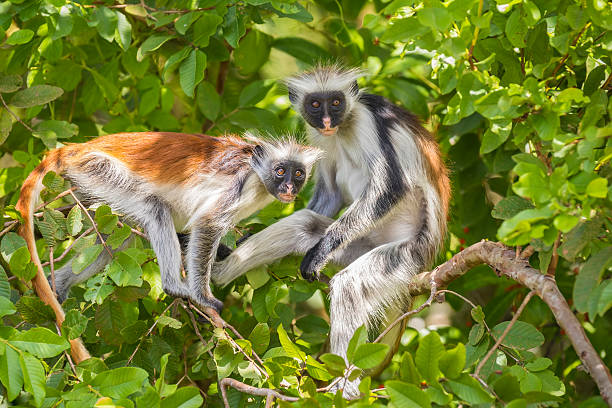
Discover everything you need to know about Jozani Forest and Red Colobus Monkey in Zanzibar. Learn the best time to visit, what to expect, wildlife highlights, travel tips, and book the affordable Jozani Forest & Red Colobus Experience with JoyTrekking Tours & Safaris from just US$35.
Jozani Forest is one of the top nature attractions in Zanzibar and one of the best places in the world to observe the endangered Zanzibar Red Colobus Monkey in its natural habitat.
Why Visit Jozani Forest?
When people think of Zanzibar, pristine beaches, turquoise waters, and spice farms often come to mind. Yet beyond the coastline lies one of the island’s most remarkable natural treasures Jozani Forest, home to the iconic Zanzibar Red Colobus Monkey, a species found nowhere else on Earth.
For travelers seeking a deeper connection with Zanzibar, a visit to Jozani Forest offers something truly different. It combines wildlife encounters, lush tropical scenery, conservation, and cultural significance into a memorable experience suitable for families, couples, photographers, birdwatchers, and nature enthusiasts alike.
Located within Jozani Chwaka Bay National Park, this protected forest is the only national park on Zanzibar and plays a vital role in conserving the island’s unique ecosystems. Walking beneath towering indigenous trees while watching endangered Red Colobus Monkeys leap effortlessly through the canopy is an experience that captures the wild beauty of Zanzibar beyond its famous beaches.
Whether you’re spending a few days on the island after climbing Mount Kilimanjaro, enjoying a Tanzania safari, or planning a dedicated Zanzibar holiday, Jozani Forest deserves a place on your itinerary.
Quick Answer: Is Jozani Forest Worth Visiting?
Yes. Jozani Forest is one of the top nature attractions in Zanzibar and one of the best places in the world to observe the endangered Zanzibar Red Colobus Monkey in its natural habitat.
A typical visit lasts around two hours, making it an excellent half-day excursion that combines wildlife viewing, tropical forest walks, and a visit to the scenic mangrove boardwalk.
If you’re looking for an affordable and enriching excursion, JoyTrekking Tours & Safaris offers the Jozani Forest & Red Colobus Experience, a professionally guided 2-hour tour starting from US$35 per person. It’s an excellent option for travelers who want to explore Zanzibar’s wildlife with knowledgeable local guides while enjoying a seamless and well-organized experience.
Where Is Jozani Forest?
Jozani Forest is located in the central part of Unguja Island, commonly known as Zanzibar Island. It lies approximately:
| Destination | Approximate Driving Time |
|---|---|
| Stone Town | 45–60 minutes |
| Paje | 30 minutes |
| Jambiani | 35 minutes |
| Nungwi | 1.5–2 hours |
| Kendwa | 1.5–2 hours |
| Kizimkazi | 45 minutes |
Its central location makes it easy to combine with other popular attractions, including spice farms, the Blue Lagoon, dolphin tours, or the stunning beaches of southeastern Zanzibar.
Because of its accessibility, Jozani Forest is one of the most popular day-trip destinations for visitors staying anywhere on the island.
History of Jozani Forest
Long before Zanzibar became known as a world-class beach destination, Jozani Forest served as an important natural sanctuary for the island’s wildlife and local communities.
The forest is believed to have survived centuries of environmental changes thanks to traditional beliefs that regarded parts of the woodland as sacred. These customs helped protect sections of the forest from extensive logging and agricultural expansion.
During the twentieth century, increasing pressure from farming, timber harvesting, and human settlement threatened the forest’s biodiversity. Conservation organizations, government agencies, and local communities responded by implementing long-term protection measures that gradually restored the area’s ecological importance.
These efforts culminated in the establishment of Jozani Chwaka Bay National Park, Zanzibar’s only national park. Today, it protects a diverse range of habitats, including:
- Groundwater forests
- Coastal forests
- Mangrove ecosystems
- Salt marshes
- Grasslands
- Coral rag forests
The park has become a leading example of community-based conservation, demonstrating how tourism and environmental protection can work together to benefit both wildlife and local residents.
Visitors who explore Jozani Forest are not only enjoying one of Zanzibar’s finest natural attractions they are also contributing to conservation initiatives that safeguard endangered species and support nearby communities.
What Makes Jozani Forest Special?
Unlike many tropical forests that focus solely on scenery, Jozani Forest offers an extraordinary combination of biodiversity, accessibility, and conservation success.
Several features distinguish it from other attractions in Zanzibar:
1. Home of the Endemic Red Colobus Monkey
The forest is globally renowned as the primary habitat of the Zanzibar Red Colobus Monkey, one of Africa’s rarest primates.
2. Zanzibar’s Only National Park
Jozani Chwaka Bay National Park is the only officially designated national park on the islands, making it a key destination for eco-tourism and environmental education.
3. Diverse Ecosystems
Within a relatively small area, visitors can experience tropical forests, mangrove swamps, coral rag vegetation, and wetlands, each supporting different plant and animal communities.
4. Exceptional Wildlife Viewing
Unlike many wildlife destinations where sightings are unpredictable, Red Colobus Monkeys are frequently observed at close range in Jozani Forest. This provides excellent opportunities for photography while minimizing disturbance to the animals.
5. Family-Friendly Adventure
The walking trails are generally flat and well maintained, making the forest suitable for travelers of varying ages and fitness levels.
Meet the Famous Zanzibar Red Colobus Monkey
The star attraction of Jozani Forest is undoubtedly the Zanzibar Red Colobus Monkey (Piliocolobus kirkii), an endangered primate found exclusively on Zanzibar Island.
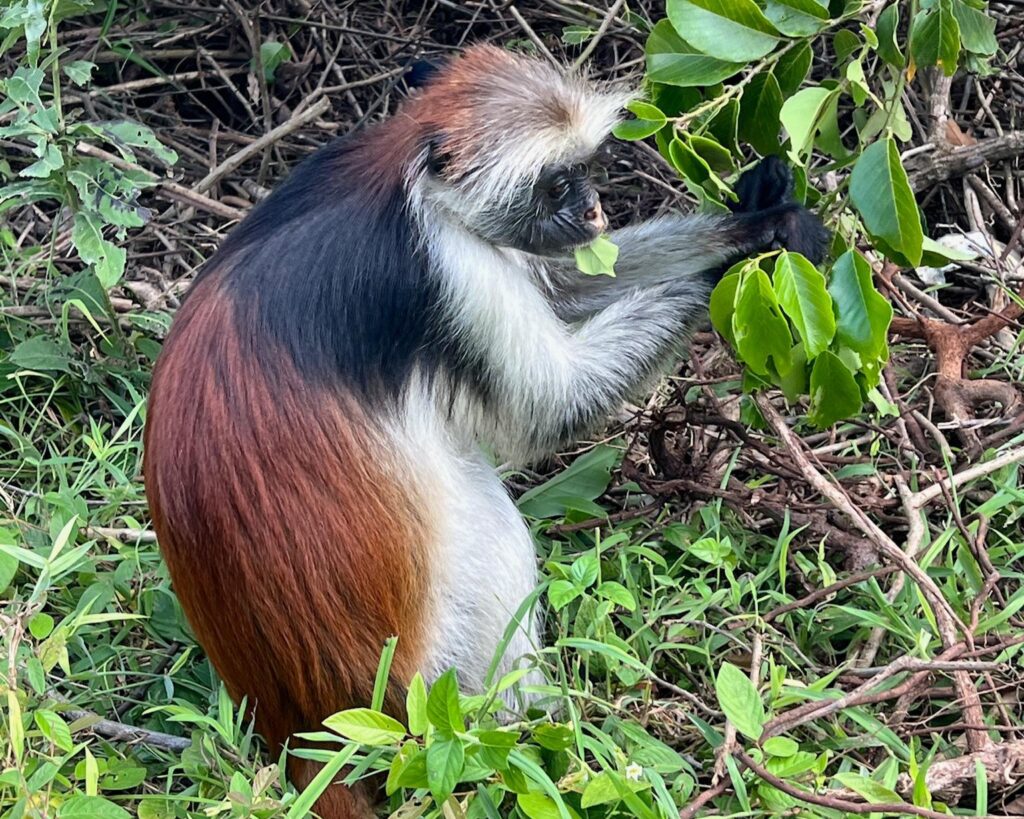
Because this species exists nowhere else on Earth, seeing these monkeys in their natural habitat is a truly special experience.
Physical Characteristics
These striking primates are easy to recognize thanks to their distinctive appearance:
- Bright reddish-brown back
- Black face framed by white fur
- Long tail used for balance
- Grey shoulders
- Expressive eyes
- Soft, shaggy coat
Adult males can weigh around 12 kilograms, while females are slightly smaller. Their long limbs allow them to move gracefully through the forest canopy.
A Social Lifestyle
Red Colobus Monkeys are highly social animals that live in groups ranging from a dozen individuals to more than forty.
A typical troop includes:
- Adult males
- Adult females
- Juveniles
- Infants
Watching the interactions within these groups is one of the highlights of a forest walk. Visitors often observe grooming, playful behavior, feeding, and impressive leaps between branches.
Because the monkeys have lived alongside researchers and responsible visitors for many years, they are relatively accustomed to human presence. Even so, guides encourage guests to maintain a respectful distance to avoid disturbing their natural behavior.
Why Are They Endangered?
Although the population has recovered in recent decades, the Zanzibar Red Colobus Monkey remains endangered due to several ongoing threats:
- Habitat loss
- Road accidents
- Fragmented forests
- Human development
- Climate change
Conservation initiatives supported by tourism revenue have played a significant role in protecting these remarkable primates and their habitat.
Every responsible visitor contributes indirectly to these conservation efforts by choosing sustainable tourism experiences.
Wildlife and Biodiversity Beyond the Monkeys
While the Red Colobus Monkey is the park’s most famous resident, Jozani Forest supports an impressive variety of wildlife.
Nature enthusiasts may also encounter:
Sykes’ Monkeys
Often seen alongside the Red Colobus, these agile monkeys are another fascinating primate species inhabiting the forest.
Bush Babies
Although rarely seen during daylight hours, these nocturnal primates are among the forest’s most intriguing residents.
Blue Monkeys
Occasionally spotted in the upper canopy, Blue Monkeys add to the diversity of Zanzibar’s primate population.
Birdlife
Birdwatchers can look forward to sightings of colorful forest birds, kingfishers, sunbirds, hornbills, and several migratory species depending on the season.
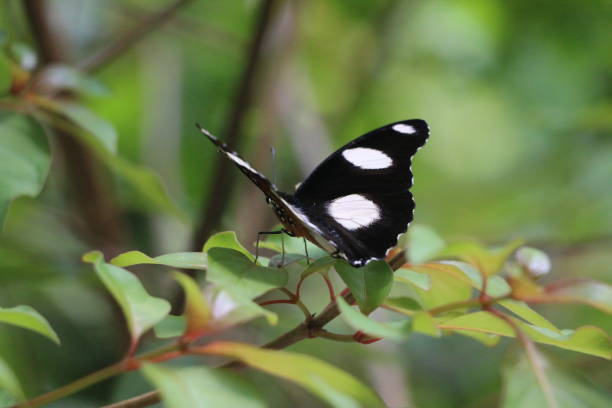
Butterflies and Insects
The forest’s humid environment supports a rich variety of butterflies and insects that play essential roles in pollination and maintaining ecological balance.
Reptiles
Keep an eye out for harmless lizards and other small reptiles basking in sunny patches along the forest trails.
Why Choose a Guided Tour?
Although it is possible to visit Jozani Forest independently, joining a guided experience greatly enhances your visit.
Experienced local guides help you:
- Spot wildlife that might otherwise go unnoticed.
- Learn about the forest’s ecology and conservation efforts.
- Understand the behavior of the Red Colobus Monkeys.
- Discover medicinal plants and indigenous tree species.
- Explore the mangrove ecosystem responsibly.
- Gain cultural insights into the surrounding communities.
For travelers looking for a seamless experience, JoyTrekking Tours & Safaris offers the Jozani Forest & Red Colobus Experience, a 2-hour guided tour priced from US$35 per person. The tour is designed for visitors who want an informative, well-paced introduction to Zanzibar’s only national park while maximizing opportunities to observe its unique wildlife.
Exploring Jozani Forest: What to Expect During Your Visit
A visit to Jozani Forest is much more than simply seeing monkeys. It is an immersive nature experience that takes you through one of Zanzibar’s richest ecosystems, where every trail introduces you to fascinating wildlife, towering indigenous trees, medicinal plants, and peaceful mangrove wetlands.
Most guided tours last approximately two hours, making this excursion ideal for travelers who want to combine it with other Zanzibar attractions such as a Spice Farm Tour, The Rock Restaurant, Kuza Cave, or the beautiful beaches of Paje and Jambiani.
Unlike large safari parks where wildlife can sometimes be difficult to spot, Jozani Forest offers excellent opportunities to observe animals at close but respectful distances while walking through well-maintained forest trails.
What You’ll Experience on a Typical Jozani Forest Tour
Your journey usually begins at the visitor center, where your guide provides a brief introduction to the history, ecology, and conservation importance of Jozani Chwaka Bay National Park.
From there, you’ll venture into the lush forest, stopping regularly to observe wildlife and learn about the unique ecosystem.
A typical itinerary includes:
- Guided rainforest walk
- Red Colobus Monkey viewing
- Indigenous tree and plant identification
- Medicinal plant explanations
- Birdwatching opportunities
- Mangrove Boardwalk visit
- Time for photography
- Questions and discussion with your guide
Because the trails are relatively easy to walk, the experience is suitable for most travelers, including families with children and older visitors.
Walking Through the Tropical Forest
The forest trails are shaded by a dense canopy of towering mahogany, eucalyptus, palm species, fig trees, and other indigenous vegetation that has flourished here for centuries.
As you walk deeper into the forest, the sounds of civilization gradually disappear, replaced by birdsong, rustling leaves, and the occasional call of monkeys moving overhead.
One of the most enjoyable aspects of the experience is that the pace is relaxed. There is no rush, allowing plenty of opportunities to pause, observe wildlife, ask questions, and capture memorable photographs.
Your guide will often point out fascinating details that many visitors would otherwise overlook, including:
- Ancient tree species
- Medicinal herbs used by local communities
- Unique fungi
- Termite mounds
- Colorful butterflies
- Rare insects
- Native flowers
This educational component makes the experience rewarding even for travelers who are not primarily interested in wildlife.
The Famous Mangrove Boardwalk
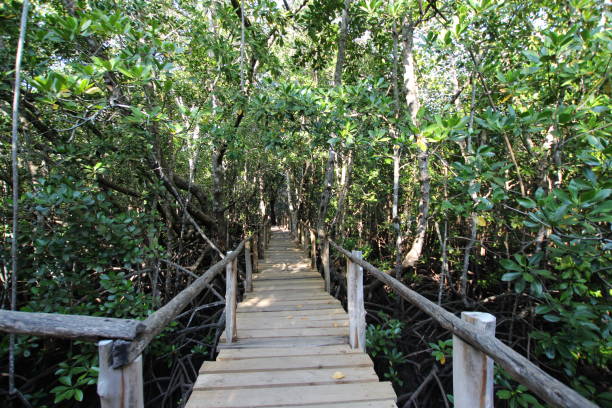
One of the highlights of Jozani Forest is the beautiful Mangrove Boardwalk.
This elevated wooden pathway winds through an extensive mangrove ecosystem where fresh groundwater meets the salty waters of Chwaka Bay.
Mangroves are among the world’s most valuable coastal ecosystems because they:
- Protect shorelines from erosion
- Provide breeding grounds for fish
- Store large amounts of carbon
- Filter seawater naturally
- Support numerous bird species
- Improve water quality
Walking along the boardwalk offers a completely different perspective from the rainforest section of the park.
Here, visitors can observe:
- Complex mangrove root systems
- Mud crabs
- Small fish
- Shore birds
- Mangrove seedlings
- Unique wetland vegetation
Your guide will explain how these forests help protect Zanzibar’s coastline from storms and rising sea levels while supporting the livelihoods of nearby fishing communities.
For many visitors, the Mangrove Boardwalk becomes one of the most memorable parts of the entire excursion because it demonstrates how interconnected Zanzibar’s ecosystems truly are.
Wildlife You May Encounter Besides the Red Colobus Monkey
Although the Zanzibar Red Colobus Monkey is undoubtedly the park’s biggest attraction, Jozani Forest is home to a surprisingly rich diversity of wildlife.
Sykes’ Monkeys
These agile primates are frequently seen in the upper canopy and are known for their energetic movements and curious behavior.
Unlike the Red Colobus Monkey, Sykes’ Monkeys tend to be slightly more cautious around people, making sightings especially rewarding.
Bush Babies
These tiny nocturnal primates remain hidden during most daytime visits but are nevertheless an important part of the forest ecosystem.
Their large eyes and remarkable jumping ability make them one of Africa’s most fascinating mammals.
Birds
Bird enthusiasts often enjoy spotting numerous forest species, including:
- Fischer’s Turaco
- Sunbirds
- Kingfishers
- Hornbills
- Weavers
- Doves
- Herons
- Egrets near the mangrove area
Depending on the season, migratory birds also visit the park, making each trip slightly different.
Butterflies
The forest supports dozens of butterfly species that thrive in the warm, humid climate.
Their vibrant colors add another layer of beauty to the walking trails, particularly during the rainy seasons when flowering plants are abundant.
Reptiles
Visitors occasionally encounter:
- Forest lizards
- Geckos
- Chameleons
- Small, harmless snakes
These animals play an important role in maintaining ecological balance within the forest.
Best Time to Visit Jozani Forest
One of the advantages of visiting Jozani Forest is that it is open throughout the year.
However, some months provide even better conditions for wildlife viewing and photography.
| Season | Weather | Wildlife Viewing | Photography |
|---|---|---|---|
| June – October | Dry and pleasant | Excellent | Excellent |
| December – February | Warm and sunny | Excellent | Very Good |
| March – May | Rainy season | Good | Moderate |
| November | Short rains | Good | Good |
Dry Season (June to October)
This is widely regarded as the best time to visit.
The weather is comfortable, trails are easier to walk, humidity is lower, and wildlife is generally easier to observe.
December to February
These months also offer excellent conditions.
The forest remains lush and green while rainfall is generally limited, making it another popular period for international travelers.
Rainy Season
Although rainfall can occasionally interrupt walking tours, visiting during the rainy season has its own advantages.
The forest becomes exceptionally green, bird activity increases, and there are often fewer visitors, creating a quieter atmosphere.
Opening Hours
Jozani Forest is generally open every day.
| Information | Details |
|---|---|
| Opening Days | Daily |
| Typical Opening Hours | 7:30 AM – 5:00 PM |
| Recommended Visit Duration | Approximately 2 Hours |
Morning visits are especially recommended because temperatures are cooler and wildlife tends to be more active.
Jozani Forest Entrance Fees
Entrance fees may change periodically as part of conservation and park management initiatives.
It’s advisable to confirm the latest rates before traveling or book through a trusted local tour operator who can arrange your visit.
When booking with JoyTrekking Tours & Safaris, travelers benefit from a well-organized experience with knowledgeable local guides, ensuring they gain valuable insights into the forest’s wildlife, ecology, and conservation efforts while enjoying a smooth and hassle-free excursion.
How to Get to Jozani Forest
Jozani Forest is centrally located on Unguja Island, making it easily accessible from most of Zanzibar’s popular tourist destinations.
| Starting Point | Approximate Drive |
|---|---|
| Stone Town | 45–60 Minutes |
| Paje | 30 Minutes |
| Jambiani | 35 Minutes |
| Michamvi | 45 Minutes |
| Kizimkazi | 45 Minutes |
| Nungwi | Around 2 Hours |
| Kendwa | Around 2 Hours |
Most visitors travel by:
- Private transfer
- Organized tour
- Taxi
- Rental vehicle
Booking a guided tour eliminates the need to arrange transportation separately and often includes valuable local insights throughout the journey.
What to Wear
Although Jozani Forest is not a strenuous hike, dressing appropriately will make your visit much more comfortable.
Recommended clothing includes:
- Lightweight breathable clothing
- Comfortable walking shoes
- Hat or cap
- Sunglasses
- Light rain jacket during rainy months
- Neutral-colored clothing for wildlife viewing
Avoid very bright colors if you hope to photograph wildlife.
What to Bring
Packing a few essentials will help you enjoy your visit even more.
Recommended items include:
- Camera
- Smartphone
- Reusable water bottle
- Sunscreen
- Insect repellent
- Small backpack
- Binoculars
- Extra camera batteries
- Power bank
- Personal medication if needed
Photography Tips
Jozani Forest provides outstanding opportunities for wildlife and nature photography.
For the best results:
- Visit early in the morning for softer natural light.
- Keep your camera ready, as monkeys move quickly.
- Avoid using flash photography around wildlife.
- Be patient—natural behavior often produces the most memorable images.
- Include the surrounding forest to tell the story of the habitat, not just the animals.
Remember that respectful wildlife photography is always more rewarding than attempting to get excessively close to animals.
Responsible Tourism in Jozani Forest
As one of Zanzibar’s most important protected areas, Jozani Forest depends on responsible visitors to help preserve its biodiversity for future generations.
While exploring the park:
- Stay on designated walking trails.
- Never feed the monkeys or other wildlife.
- Avoid touching or chasing animals.
- Speak quietly to minimize disturbance.
- Carry reusable water bottles to reduce plastic waste.
- Dispose of litter responsibly.
- Follow your guide’s instructions at all times.
- Respect other visitors who are enjoying the peaceful environment.
By choosing responsible travel practices, you contribute directly to the conservation of Zanzibar’s unique ecosystems and help ensure that future generations can continue to enjoy encounters with the remarkable Red Colobus Monkey.
Is Jozani Forest Suitable for Families?
Absolutely.
Jozani Forest is one of the most family-friendly excursions in Zanzibar.
The relatively short walking distance, flat trails, abundant wildlife, and educational nature of the tour make it enjoyable for:
- Families with children
- Couples
- Solo travelers
- Nature enthusiasts
- Birdwatchers
- Photographers
- Educational groups
- Senior travelers with moderate mobility
Whether you’re visiting Zanzibar for a relaxing beach holiday or as part of a broader Tanzania adventure, Jozani Forest offers a refreshing change of pace and an opportunity to connect with one of East Africa’s most unique natural environments.
Why Choose JoyTrekking Tours & Safaris for Your Jozani Forest Experience?
Choosing the right tour operator can make a significant difference when exploring Zanzibar’s natural attractions. While Jozani Forest is accessible to independent travelers, a professionally guided experience allows visitors to discover more about the forest, understand its conservation importance, and enjoy a smoother travel experience.
JoyTrekking Tours & Safaris specializes in creating authentic Tanzania and Zanzibar experiences designed around comfort, local knowledge, and memorable encounters. With experienced guides and carefully planned excursions, the company helps travelers discover the hidden beauty of Zanzibar beyond the beaches.
The Jozani Forest & Red Colobus Experience is designed for visitors who want a meaningful wildlife encounter without spending an entire day on the road. The tour provides an excellent opportunity to explore Zanzibar’s only national park, meet the famous Red Colobus Monkeys, and learn about the island’s unique ecosystem.
Jozani Forest & Red Colobus Experience by JoyTrekking Tours & Safaris
Tour Overview
| Tour Feature | Details |
|---|---|
| Tour Name | Jozani Forest & Red Colobus Experience |
| Duration | 2 Hours |
| Price | US$35 per person |
| Destination | Jozani Forest, Zanzibar |
| Tour Type | Nature & Wildlife Experience |
| Main Highlight | Zanzibar Red Colobus Monkey Viewing |
| Ideal For | Couples, Families, Solo Travelers, Nature Lovers |
This experience is perfect for travelers who want to add a wildlife adventure to their Zanzibar holiday without committing to a full-day excursion.
What Is Included in the Experience?
The Jozani Forest & Red Colobus Experience gives visitors the chance to explore one of Zanzibar’s most important conservation areas with the support of a knowledgeable local guide.
During the tour, travelers can expect:
Guided Forest Walk
Explore the tropical forest trails while learning about the plants, trees, and wildlife that make Jozani unique.
Your guide will help you understand how different species interact within this delicate ecosystem.
Red Colobus Monkey Encounter
The highlight of the experience is meeting the endangered Zanzibar Red Colobus Monkey.
Visitors have the opportunity to observe these rare primates as they:
- Move through the forest canopy
- Search for food
- Socialize within their groups
- Care for young monkeys
- Display their natural behaviors
A local guide helps visitors understand the importance of protecting this species and its habitat.
Mangrove Ecosystem Discovery
The experience can also introduce travelers to the fascinating mangrove environment surrounding Jozani Chwaka Bay National Park.
Visitors learn how mangrove forests protect Zanzibar’s coastline and support marine ecosystems.
Why This Tour Is Perfect for Zanzibar Travelers
Many visitors come to Zanzibar expecting only beaches and ocean activities. While the island’s coastline is spectacular, Jozani Forest reveals another side of Zanzibar a destination rich in wildlife, forests, and conservation stories.
The tour is especially suitable for travelers who:
Want a Short but Memorable Excursion
With a duration of only two hours, the experience fits easily into a Zanzibar itinerary.
You can enjoy the forest in the morning and still have enough time for beach relaxation, snorkeling, or exploring local villages later in the day.
Are Interested in Wildlife but Have Limited Time
Not every traveler has time for a multi-day safari on mainland Tanzania.
Jozani Forest provides a convenient opportunity to experience African wildlife while staying in Zanzibar.
Prefer Authentic Local Experiences
A guided forest walk offers a deeper understanding of Zanzibar’s natural environment and local conservation efforts compared with simply visiting a location independently.
Travel With Children or Older Family Members
The gentle walking trails and short duration make this experience accessible for different age groups.
Children especially enjoy seeing monkeys in their natural environment, while adults appreciate the educational and cultural aspects of the visit.
The Benefits of Booking a Local Tour Operator
Booking through a local company provides several advantages compared with arranging everything independently.
Local Expertise
Local guides understand the forest, animal behavior, and the best areas for wildlife viewing.
Their knowledge increases your chances of having a rewarding experience.
Better Time Management
A professional operator helps organize transportation, timing, and logistics, allowing you to focus entirely on enjoying your holiday.
Supporting Local Tourism
Choosing a responsible local tour company helps support:
- Local guides
- Conservation awareness
- Community tourism
- Sustainable travel initiatives
Tourism plays an important role in protecting Zanzibar’s natural attractions and creating economic opportunities for local communities.
Common Mistakes Travelers Make When Visiting Jozani Forest
Although Jozani Forest is easy to visit, some travelers miss opportunities because they are not properly prepared.
Here are common mistakes to avoid:
1. Visiting Without Enough Time
Some travelers rush through the forest because they underestimate how much there is to discover.
Allow enough time to walk slowly, observe wildlife, and listen to your guide’s explanations.
2. Expecting a Traditional Safari Experience
Jozani Forest is not the same as Serengeti or Ngorongoro.
You will not see lions, elephants, or large herds of animals.
Instead, the attraction is the unique opportunity to encounter an endemic primate species in its natural habitat.
3. Getting Too Close to Monkeys
Although Red Colobus Monkeys are accustomed to visitors, they are still wild animals.
Avoid touching, feeding, or chasing them.
Responsible observation protects both visitors and wildlife.
4. Visiting Without Proper Footwear
The forest environment can be humid, and some areas may become slippery after rainfall.
Comfortable walking shoes make the experience more enjoyable.
5. Ignoring Conservation Rules
Simple actions such as staying on trails and avoiding litter help protect this fragile ecosystem.
Every visitor has a role in preserving Jozani Forest.
Expert Tips for the Best Jozani Forest Experience
To make your visit more enjoyable, consider these recommendations:
Visit in the Morning
Morning tours usually provide cooler temperatures and better conditions for wildlife viewing.
Combine Jozani Forest With Other Zanzibar Attractions
Because of its central location, Jozani Forest can easily be combined with:
- Spice Farm Tours
- Beaches of Paje and Jambiani
- The Rock Restaurant
- Kuza Cave
- Blue Lagoon activities
- Cultural village experiences
Bring a Camera
The Red Colobus Monkeys, tropical vegetation, and mangrove landscapes provide excellent photography opportunities.
Listen to Your Guide
Local guides provide information that cannot be discovered through photographs alone.
They explain:
- Animal behavior
- Conservation challenges
- Forest traditions
- Local history
- Environmental importance
Book Your Jozani Forest Adventure With JoyTrekking Tours & Safaris
A Zanzibar holiday becomes even more memorable when you experience the island’s natural wonders beyond the coastline.
The Jozani Forest & Red Colobus Experience by JoyTrekking Tours & Safaris offers travelers an affordable and authentic opportunity to discover Zanzibar’s unique wildlife.
With a 2-hour guided experience from US$35, you can explore Jozani Forest, meet the famous Zanzibar Red Colobus Monkey, and gain a deeper appreciation of the island’s incredible biodiversity.
Whether you are traveling as a couple, family, solo explorer, or wildlife enthusiast, this experience provides a perfect balance of adventure, education, and conservation.
Ready to Explore Jozani Forest?
Contact JoyTrekking Tours & Safaris today to reserve your Jozani Forest & Red Colobus Experience and add one of Zanzibar’s most unforgettable nature adventures to your holiday itinerary.
Your journey into Zanzibar’s wild heart begins with a simple inquiry.
Frequently Asked Questions About Jozani Forest and Red Colobus Monkey
Is Jozani Forest worth visiting in Zanzibar?
Yes, Jozani Forest is one of the best nature and wildlife experiences in Zanzibar. The forest is especially famous because it is home to the endangered Zanzibar Red Colobus Monkey, a species that exists nowhere else in the world.
Unlike beach activities, a visit to Jozani Forest allows travelers to discover Zanzibar’s natural heritage, learn about conservation, and experience the island’s tropical ecosystem.
For travelers interested in wildlife, photography, nature, and authentic experiences, Jozani Forest is definitely worth adding to a Zanzibar itinerary.
How long does a Jozani Forest tour take?
A typical Jozani Forest visit takes approximately 2 hours, depending on the pace of the group and the areas explored.
The Jozani Forest & Red Colobus Experience by JoyTrekking Tours & Safaris is designed as a 2-hour guided excursion, making it convenient for travelers who want to combine the forest visit with other Zanzibar activities during the same day.
Can I see Red Colobus Monkeys in Jozani Forest?
Yes. Jozani Forest is the best place in Zanzibar to observe the endangered Red Colobus Monkey in its natural habitat.
These monkeys are commonly seen within the forest area, often moving through the trees, feeding, and interacting with other members of their groups.
A knowledgeable local guide increases your chances of finding the best viewing locations while explaining their behavior and conservation challenges.
What is the best time to visit Jozani Forest?
The best time to visit Jozani Forest is generally during the dry seasons:
June to October
December to February
During these months, the weather is more comfortable, walking conditions are better, and wildlife viewing is usually excellent.
However, Jozani Forest is open throughout the year, and the rainy season also offers advantages, including greener vegetation and fewer visitors.
What should I bring for a Jozani Forest tour?
For a comfortable experience, travelers should bring:
Comfortable walking shoes
Lightweight clothing
Drinking water
Camera or smartphone
Sunscreen
Insect repellent
Hat or sunglasses
Small backpack
During rainy months, carrying a light rain jacket is recommended.
Is Jozani Forest suitable for children and elderly travelers?
Yes, Jozani Forest is considered one of the most accessible wildlife experiences in Zanzibar.
The walking routes are relatively easy, and the short duration makes it suitable for families with children, couples, and older travelers who can comfortably walk on natural trails.
Travelers with mobility concerns should discuss their requirements with their tour operator before visiting.
How much does the Jozani Forest tour cost?
The cost depends on the tour operator, inclusions, transportation arrangements, and group size.
The Jozani Forest & Red Colobus Experience offered by JoyTrekking Tours & Safaris is available from:
US$35 per person
The package provides travelers with a guided 2-hour experience focused on wildlife viewing, forest exploration, and learning about Zanzibar’s unique ecosystem.
Why should I book Jozani Forest with JoyTrekking Tours & Safaris?
Booking with JoyTrekking Tours & Safaris provides travelers with a locally guided experience designed for comfort, knowledge, and memorable wildlife encounters.
The team understands Zanzibar’s attractions and helps visitors enjoy Jozani Forest without worrying about logistics, timing, or missing important highlights.
The company focuses on creating authentic Tanzania travel experiences that connect visitors with nature, culture, and local communities.
Discover Zanzibar’s Wild Side With JoyTrekking Tours & Safaris
Your Zanzibar adventure should be more than beaches and sunsets. Step into the island’s natural world and experience the unforgettable beauty of Jozani Forest and the famous Red Colobus Monkey.
Join the Jozani Forest & Red Colobus Experience with JoyTrekking Tours & Safaris:
Duration: 2 Hours
Price: From US$35 per person
Explore Zanzibar’s unique rainforest, discover rare wildlife, and create memories that will last a lifetime.
Contact JoyTrekking Tours & Safaris today to request your booking and start planning your unforgettable Zanzibar nature experience.