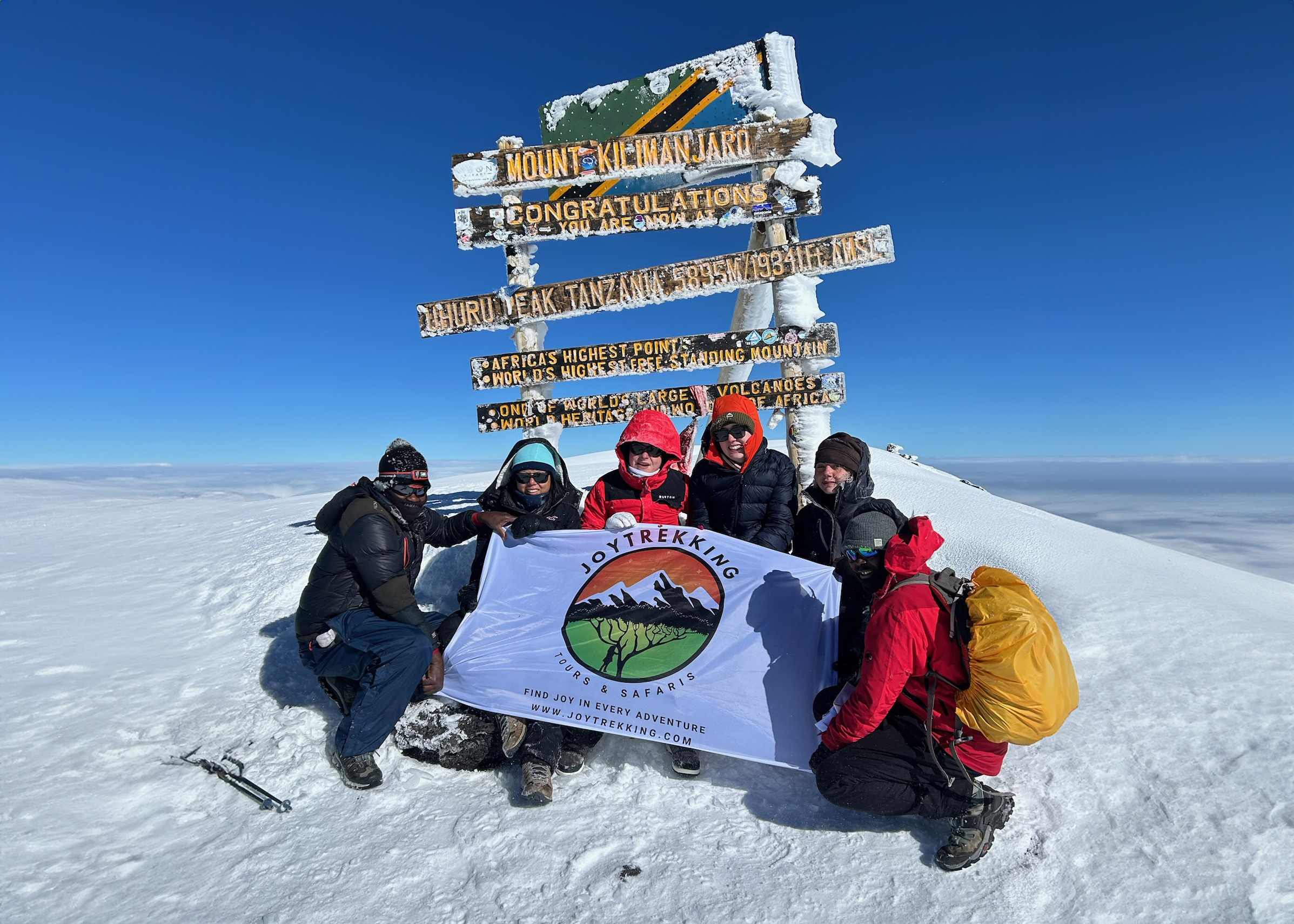
Discover the Kilimanjaro Safety Essentials every traveler must know before climbing Africa’s highest peak. Learn expert safety tips, gear checklist, routes, and trekking advice from JoyTrekking Tours & Safaris for a safe and successful Mount Kilimanjaro summit experience.
Quick Summary (Overview)
Climbing Mount Kilimanjaro is one of the most iconic adventures in the world. However, reaching the summit safely requires preparation, awareness, and proper guidance. This blog from JoyTrekking Tours & Safaris breaks down the 7 Kilimanjaro Safety Essentials every climber must know—from altitude sickness prevention to gear selection and route planning.
You will also learn:
- How to prepare physically and mentally
- Best routes for safety and success
- Essential gear checklist
- Real safety tips from experienced guides
- Frequently asked questions from global climbers
Introduction
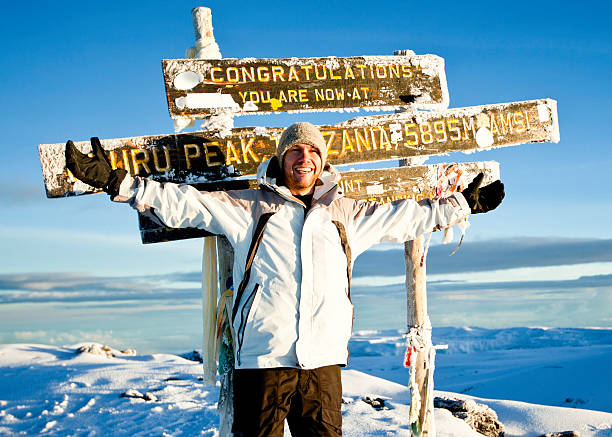
The Kilimanjaro Safety Essentials are critical for anyone planning to climb Africa’s highest peak and one of the world’s most famous trekking destinations—Mount Kilimanjaro in Tanzania.
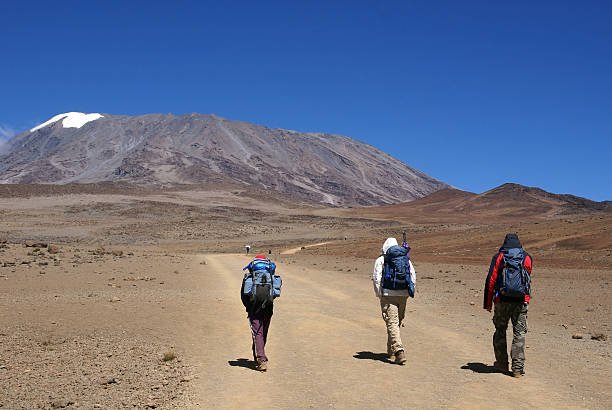
Rising at 5,895 meters above sea level, Kilimanjaro attracts thousands of international tourists every year who dream of standing on “the Roof of Africa.” But while it is a non-technical climb, it is not an easy hike. The biggest challenge is not steep climbing—it is altitude, weather changes, and physical endurance.
Many trekkers underestimate the mountain and end up facing altitude sickness, exhaustion, or even failure to reach the summit. That is why understanding the right Kilimanjaro Safety Essentials is not optional—it is life-saving.
At JoyTrekking Tours & Safaris, we have guided climbers from over 40 countries, and we know exactly what makes a summit successful and safe. This guide will walk you through everything you need to know before your adventure begins in Tanzania.
1. Proper Acclimatization Strategy (Altitude Safety First)
Altitude sickness is the biggest risk on Mount Kilimanjaro. Your body needs time to adapt to reduced oxygen levels.
Key Safety Tips:
- Choose longer routes (6–8 days minimum)
- “Climb high, sleep low” strategy
- Avoid rushing the summit
- Drink at least 3–4 liters of water daily
Why it matters:
Over 75% of climbers who fail summit attempts do so due to poor acclimatization, not fitness.
2. Choosing the Right Kilimanjaro Route
Not all routes are equal when it comes to safety.
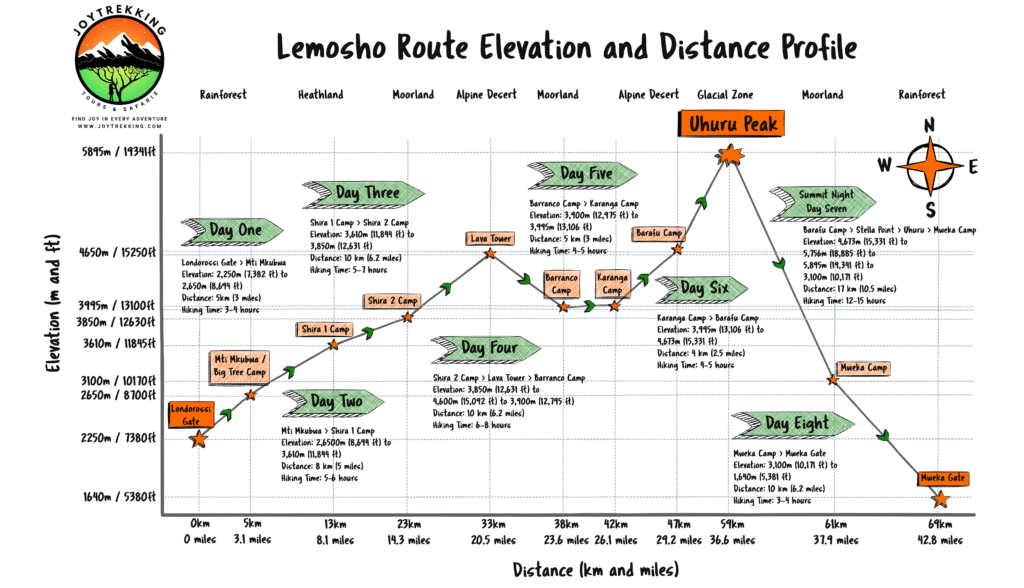
Comparison Table: Kilimanjaro Routes
| Route | Duration | Difficulty | Safety Level | Success Rate |
|---|---|---|---|---|
| Marangu | 5–6 days | Moderate | Medium | 60% |
| Machame | 6–7 days | Challenging | High | 85% |
| Lemosho | 7–8 days | Moderate | Very High | 90%+ |
| Rongai | 6–7 days | Moderate | High | 80% |
> Recommended: Lemosho Route for best safety and scenic experience.
3. Essential Gear & Proper Clothing System
Weather on Kilimanjaro changes rapidly—from tropical heat to freezing snow.
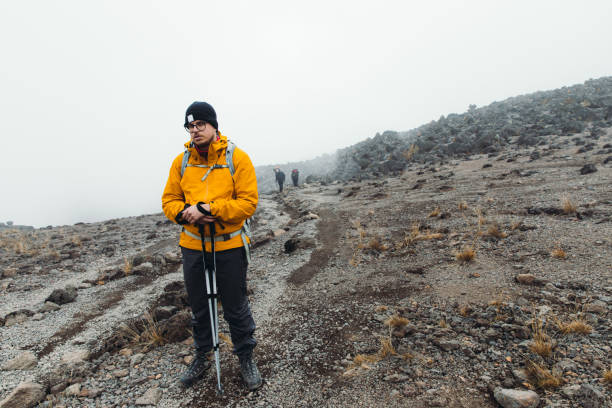
Must-have gear:
- Waterproof jacket & pants
- Thermal base layers
- High-quality hiking boots
- Sleeping bag (-10°C rated or lower)
- Gloves, hat, and sunglasses
Pro Tip:
Use the layering system:
- Base layer (moisture control)
- Middle layer (insulation)
- Outer layer (protection)
4. Physical Fitness & Pre-Climb Training
You don’t need to be an athlete, but you must be prepared.
Training suggestions:
- Hiking practice with a backpack
- Cardio exercises (running, cycling)
- Stair climbing workouts
- Long walks (5–10 km regularly)
Why it matters:
Good fitness reduces fatigue and improves altitude adaptation.
5. Professional Guides & Licensed Tour Operators
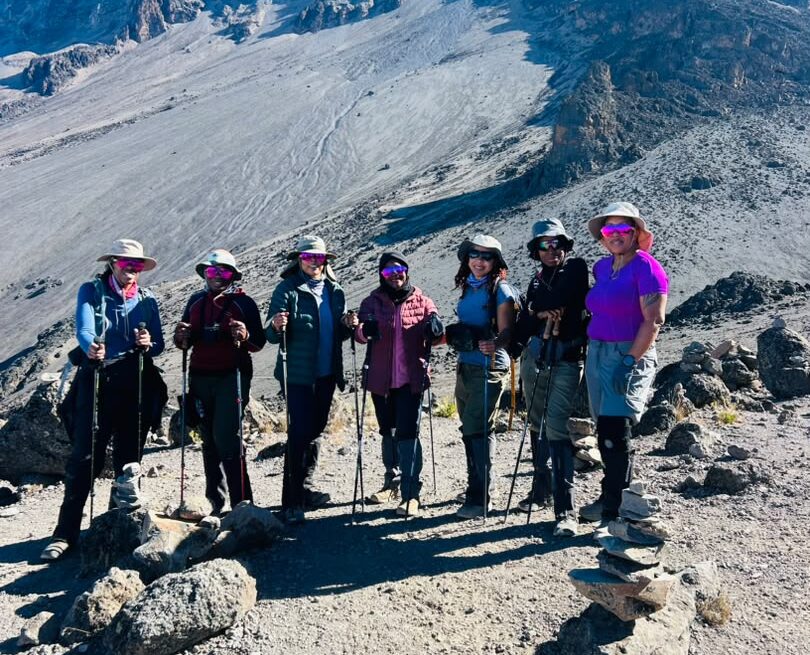
A licensed guide is not optional on Kilimanjaro—it is mandatory under Tanzanian park regulations.
Experienced guides:
- Monitor your health daily
- Detect altitude sickness early
- Set safe climbing pace
- Provide emergency support
> Always book with trusted operators like JoyTrekking Tours & Safaris for safety assurance.
For more information about national park regulations, visit:
6. Nutrition, Hydration & Energy Management
Your body burns more calories at high altitude.
Daily essentials:
- Balanced meals (carbs + protein)
- Energy snacks (nuts, chocolate, fruits)
- Electrolytes and hydration salts
- Hot soups and teas at camp
Hydration rule:
Drink at least 3–4 liters of water per day.
7. Weather Awareness & Emergency Preparedness
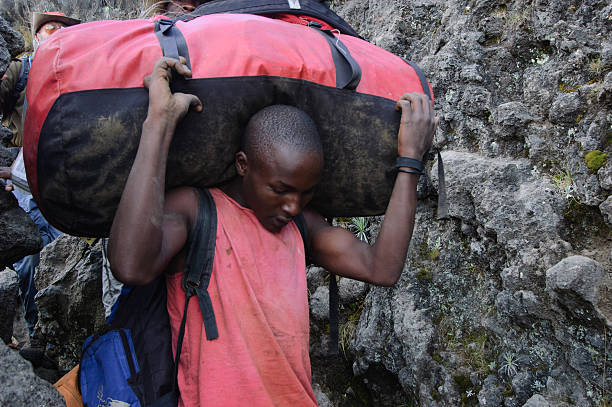
Weather can shift quickly on Mount Kilimanjaro.
Safety precautions:
- Check weather updates before trekking
- Always carry rain gear
- Know evacuation procedures
- Carry a basic first aid kit
Emergency readiness:
Guides are trained in:
- Oxygen support
- Altitude sickness response
- Rescue coordination with park authorities
Comparison Table: Best Time to Climb Kilimanjaro
| Season | Weather | Crowd Level | Safety Condition |
|---|---|---|---|
| Jan–Mar | Cold, clear skies | Medium | Excellent |
| Apr–May | Heavy rains | Low | Not recommended |
| Jun–Oct | Dry, cold nights | High | Best safety conditions |
| Nov–Dec | Light rains | Medium | Good |
Customer Excerpt
“Climbing Kilimanjaro with JoyTrekking Tours & Safaris was life-changing. The guides monitored our health daily, and the pacing made all the difference. I felt safe even during the summit night.”
— Sarah Johnson, UK
Our social Media Resources
- Instagram Inspiration: Click here
- TikTok Travel Stories: Click here
Frequently Asked Questions – Kilimanjaro Safety Essentials
Is climbing Kilimanjaro safe for beginners?
Yes, with proper preparation and a professional guide, beginners can safely reach the summit.
What is the biggest danger on Kilimanjaro?
Altitude sickness is the main risk, not technical climbing difficulty.
How many days are safe for climbing?
A minimum of 6–8 days is recommended for proper acclimatization.
Do I need special equipment?
Yes, warm layered clothing, waterproof gear, and proper hiking boots are essential.
Can I climb Kilimanjaro without a guide?
No. It is mandatory to climb with a licensed guide.
Conclusion
Climbing Mount Kilimanjaro is more than a journey—it is a personal achievement that requires preparation, discipline, and safety awareness. Understanding these Kilimanjaro Safety Essentials significantly increases your chances of reaching Uhuru Peak successfully and safely.
At JoyTrekking Tours & Safaris, we specialize in safe, well-guided, and unforgettable Kilimanjaro experiences. Our expert guides, personalized itineraries, and safety-first approach ensure that your dream summit becomes reality.
> Ready to climb Kilimanjaro safely?
Contact JoyTrekking Tours & Safaris today and start planning your adventure to the Roof of Africa.
About the Author
January Mziray is a professional travel writer and safari consultant based in Tanzania. With years of experience in East African tourism, he specializes in mountain trekking, wildlife safaris, and cultural travel storytelling. His mission is to help international travelers explore Tanzania safely and meaningfully through expert-guided experiences.