Discover Climbing Mount Kilimanjaro Facts including routes, difficulty levels, costs, preparation tips, and expert travel insights for 2026. Plan your Tanzania adventure with JoyTrekking Tours & Safaris.
Mount Kilimanjaro is Africa’s highest peak and one of the world’s most iconic trekking destinations. This guide reveals essential Climbing Mount Kilimanjaro Facts, including routes, difficulty, costs, and insider tips to help international travelers prepare for a safe and unforgettable adventure in Tanzania.
Quick Summary Overview
- Location: Northern Tanzania, near the Kenya border
- Height: 5,895 meters (19,341 feet) – Africa’s highest peak
- Main Routes: Marangu, Machame, Lemosho, Rongai, Northern Circuit
- Duration: 5–9 days depending on route
- Cost Range: $1,800 – $4,500 per climber
- Best Time to Climb: January–March & June–October
- Success Rate: 65%–90% depending on route and acclimatization
The Magic Behind Climbing Mount Kilimanjaro Facts
When travelers first hear about Tanzania, one image dominates their imagination the snow-capped peak of Mount Kilimanjaro rising above the African savannah. It is not just a mountain; it is a symbol of achievement, resilience, and natural wonder.
Understanding Climbing Mount Kilimanjaro Facts is essential before you take on this legendary adventure. Many travelers arrive in Tanzania expecting a simple hike, only to discover that Kilimanjaro is a complex, high-altitude trek requiring preparation, strategy, and mental strength.
The journey begins long before you step onto the trail. It starts with curiosity, research, and that irresistible feeling of “Can I really reach the Roof of Africa?”
For international tourists, Kilimanjaro is more than a destination it is a life-changing experience. Every step taken on its slopes tells a story of climate change, biodiversity, cultural heritage, and human endurance.
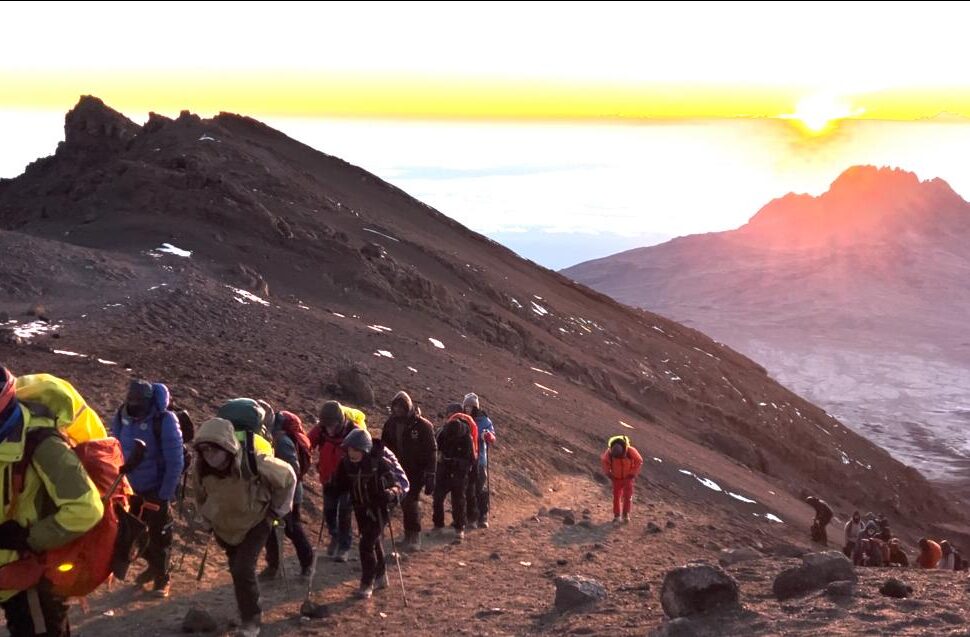
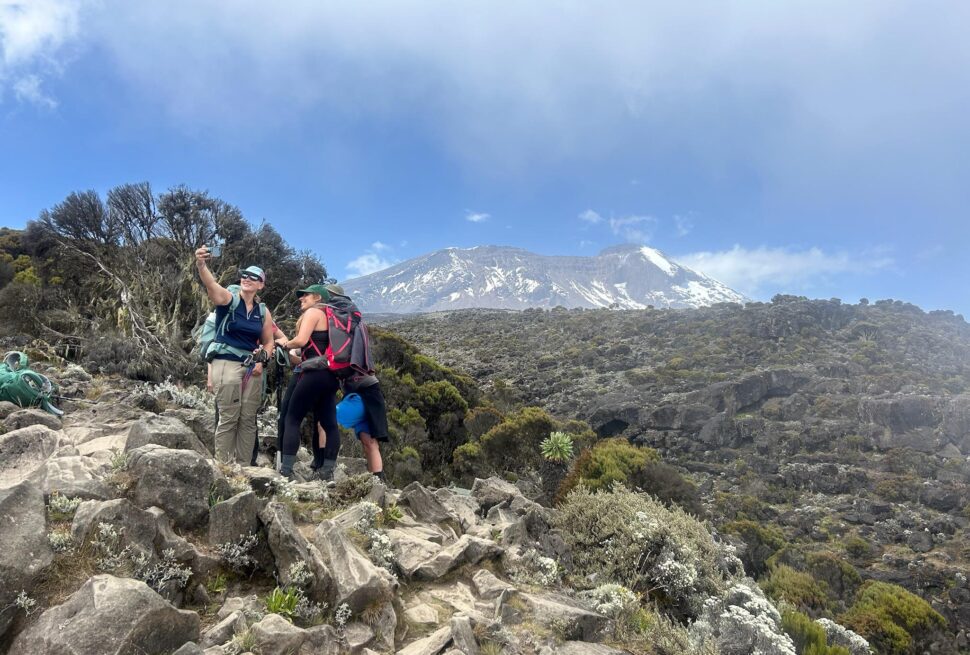
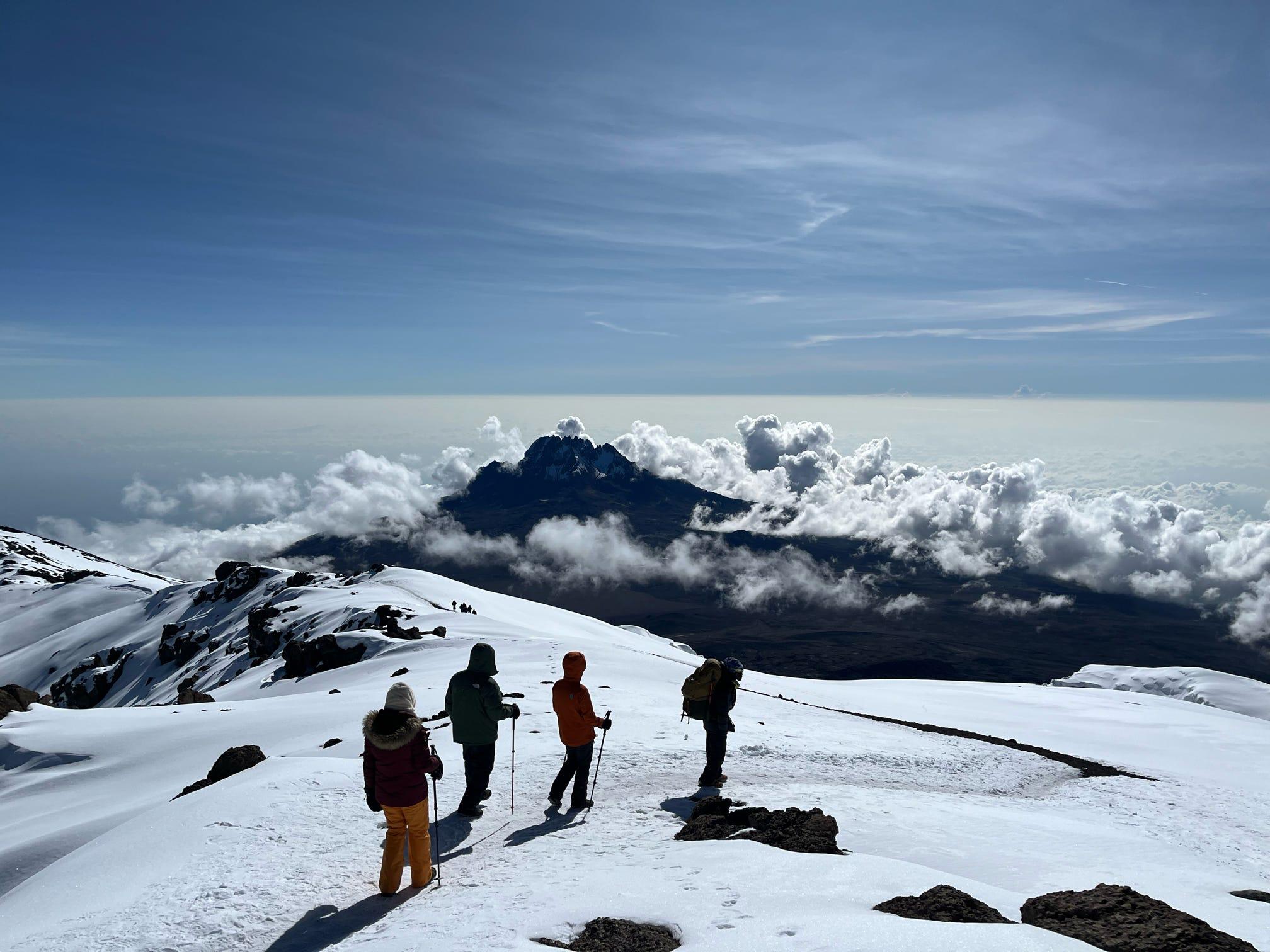
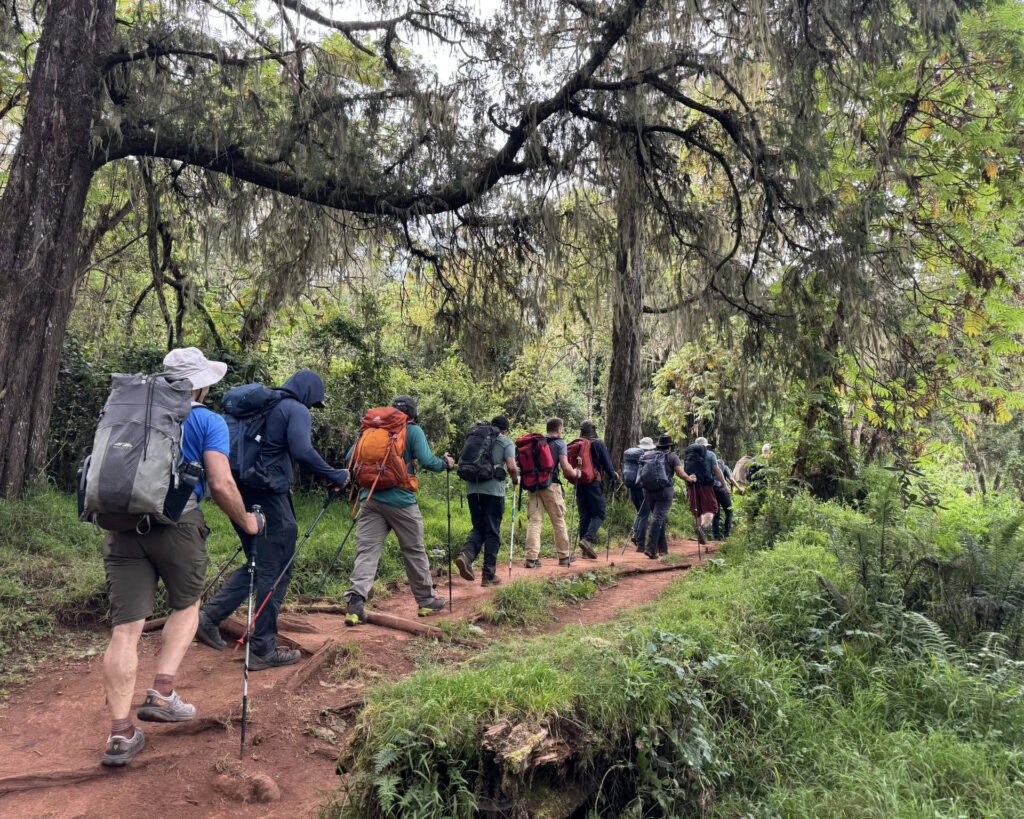
Imagine walking through lush rainforest where colobus monkeys leap above you. A few hours later, you are crossing moorlands that feel like another planet. By the time you reach the alpine desert, silence surrounds you except for your breathing and footsteps. Then finally, at Uhuru Peak, you stand above the clouds.
This is the emotional power behind Climbing Mount Kilimanjaro Facts it is not just about reaching the top, but about transformation along the way.
Many climbers underestimate the mountain, thinking it is a “walk-up peak.” The truth is different. Altitude sickness, weather changes, and physical demand make preparation critical. Yet, with the right guidance from experienced operators like JoyTrekking Tours & Safaris, success becomes highly achievable.
This guide is designed to give you everything you need routes, difficulty levels, costs, safety tips, and insider advice to help you plan a successful climb in 2026.
Why Mount Kilimanjaro Is One of the World’s Most Iconic Treks
Mount Kilimanjaro is not just Africa’s tallest mountain it is one of the most accessible high-altitude summits in the world.
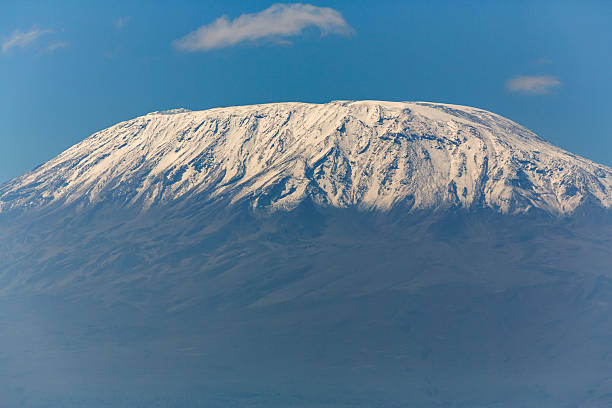
Unlike technical climbs that require ropes and mountaineering skills, Kilimanjaro is a trekking peak. However, this does not make it easy.
Key reasons Kilimanjaro stands out:
- It is one of the “Seven Summits” of the world
- No technical climbing equipment required
- Climbers pass through 5 distinct ecological zones
- UNESCO World Heritage Site
- Offers sunrise views above the clouds from Uhuru Peak
Many travelers combine Kilimanjaro with safari adventures in Serengeti or relaxation in Zanzibar, making Tanzania a complete tourism destination.
Climbing Mount Kilimanjaro Facts – Routes Explained
Choosing the right route is one of the most important decisions.
1. Machame Route (Most Popular)
- Duration: 6–7 days
- Difficulty: Moderate to Hard
- Success Rate: High (with proper acclimatization)
- Known as: “Whiskey Route”
2. Marangu Route (Easiest but Risky for Altitude)
- Duration: 5–6 days
- Accommodation: Hut system
- Lower success rate due to faster ascent
3. Lemosho Route (Most Scenic & Recommended)
- Duration: 7–8 days
- Difficulty: Moderate
- Best for acclimatization
4. Rongai Route (Dry Season Friendly)
- Less crowded
- Starts from northern side
- Gradual ascent
5. Northern Circuit (Longest & Highest Success Rate)
- Duration: 8–9 days
- Best acclimatization experience
- Most scenic panoramic views
Comparison Table: Kilimanjaro Routes
| Route | Duration | Difficulty | Scenic Value | Success Rate |
|---|---|---|---|---|
| Machame | 6–7 days | Medium-Hard | High | High |
| Marangu | 5–6 days | Easy-Medium | Medium | Medium |
| Lemosho | 7–8 days | Medium | Very High | Very High |
| Rongai | 6–7 days | Medium | Medium | High |
| Northern Circuit | 8–9 days | Medium | Highest | Highest |
Difficulty Level – Is Kilimanjaro Really Hard?
One of the most searched Climbing Mount Kilimanjaro Facts is difficulty level.
The honest answer: It depends on preparation and altitude adaptation.
Main challenges:
- High altitude (oxygen levels drop significantly above 3,000m)
- Cold temperatures near the summit (-10°C to -20°C)
- Long trekking hours (5–8 hours daily)
- Mental fatigue
What makes it manageable:
- No technical climbing required
- Gradual routes improve acclimatization
- Professional guides monitor health daily
- Well-planned itineraries
Many climbers who follow proper guidance successfully reach the summit.
Costs of Climbing Mount Kilimanjaro (2026 Guide)
Understanding costs is essential for planning.
Average Cost Breakdown:
| Category | Estimated Cost (USD) |
|---|---|
| Park Fees | $800 – $1,000 |
| Guide & Crew | $600 – $1,200 |
| Accommodation | Included in package |
| Food & Supplies | Included |
| Equipment Rental | $100 – $300 |
| Total Package | $1,800 – $4,500 |
Why prices vary:
- Route chosen
- Number of days
- Quality of operator
- Group vs private climb
Choosing a trusted operator like JoyTrekking Tours & Safaris ensures safety, fair wages for porters, and quality service.
Best Time to Climb Kilimanjaro
Weather plays a huge role in success rates.
Best Seasons:
- January – March (cool, fewer climbers)
- June – October (dry season, best visibility)
Avoid:
- April – May (heavy rains)
- November (short rains, slippery trails)
What to Expect During the Climb
A typical Kilimanjaro trek includes:
- Rainforest zone (Day 1–2)
- Heath & moorland (Day 2–3)
- Alpine desert (Day 3–5)
- Arctic summit zone (final ascent)
Daily routine:
- Morning breakfast at camp
- 5–8 hours hiking
- Lunch break on trail
- Evening arrival at camp
- Dinner & briefing
Safety & Acclimatization Tips
To increase success rate:
- “Pole Pole” (slow walking pace)
- Drink 3–4 liters of water daily
- Use altitude sickness medication if recommended
- Choose longer routes (7+ days)
- Train before arrival (cardio & hiking)
Customer Experience Excerpt
“Climbing Kilimanjaro was the hardest and most rewarding experience of my life. The guides from JoyTrekking Tours & Safaris were incredibly supportive. I never thought I would reach Uhuru Peak, but step by step, I made it.”
— Glory M., UK
“The scenery changed every day. It felt like walking through different planets. Highly recommended for anyone visiting Tanzania.”
— Michael T., USA
External Resources for Travelers
Frequently Asked Questions About Climbing Mount Kilimanjaro Facts
Do I need climbing experience?
No technical climbing experience is required.
How fit should I be?
Moderate fitness is enough, but training improves success.
Can beginners climb Kilimanjaro?
Yes, with proper guidance and longer routes.
What is the biggest challenge?
Altitude sickness is the main challenge.
Is Kilimanjaro safe?
Yes, when climbing with licensed guides and proper preparation.
How many days should I choose?
7–8 days is recommended for higher success rates.
Conclusion
Climbing Mount Kilimanjaro is not just a physical journey it is an emotional and spiritual experience that stays with you forever. Understanding these Climbing Mount Kilimanjaro Facts helps you prepare properly and increases your chances of reaching Uhuru Peak successfully.
Tanzania offers more than just a mountain it offers safari adventures, rich culture, and unforgettable landscapes.
If you are ready to turn your dream into reality, the expert team at JoyTrekking Tours & Safaris is here to guide you every step of the way.
> Start your Kilimanjaro journey today:
- Book a consultation
- Choose your route
- Get personalized preparation support
About the Author – January Mziray
January Mziray is a professional Tanzanian safari and mountain guide with extensive experience in organizing and leading Mount Kilimanjaro climbs and wildlife safaris across Tanzania. As the founder and lead expert behind JoyTrekking Tours & Safaris, he has spent years guiding international travelers through safe, well-planned, and life-changing expeditions to Africa’s highest peak. His deep knowledge of Kilimanjaro’s routes, weather patterns, and altitude challenges allows him to provide practical, experience-based insights that help climbers prepare effectively and increase their summit success rates. January is passionate about showcasing Tanzania’s natural beauty while ensuring every guest experiences a safe, authentic, and unforgettable adventure.