Climbing Mount Kilimanjaro is less about physical strength and more about mental resilience. The biggest challenge most climbers face is not their legs or lungs – it’s managing doubt, discomfort, and the voice that tells them to stop.
From our experience guiding climbers on Kilimanjaro for over 15 years, the difference between those who summit and those who turn back often comes down to mindset, not fitness.
Why Is Mental Preparation for Kilimanjaro So Important?
Mental preparation for Kilimanjaro is essential because altitude, fatigue, and long days create psychological challenges that physical training alone cannot solve.
As you gain altitude, your body slows down. Simple tasks feel harder. Sleep becomes lighter. Small discomforts feel bigger than they are. This combination creates moments where even strong, well-trained climbers question whether they can continue.
Our guides consistently report that the most common reason climbers turn back is not physical inability – it’s losing confidence during difficult moments, especially on summit night.
What Does Summit Night Feel Like on Mount Kilimanjaro?
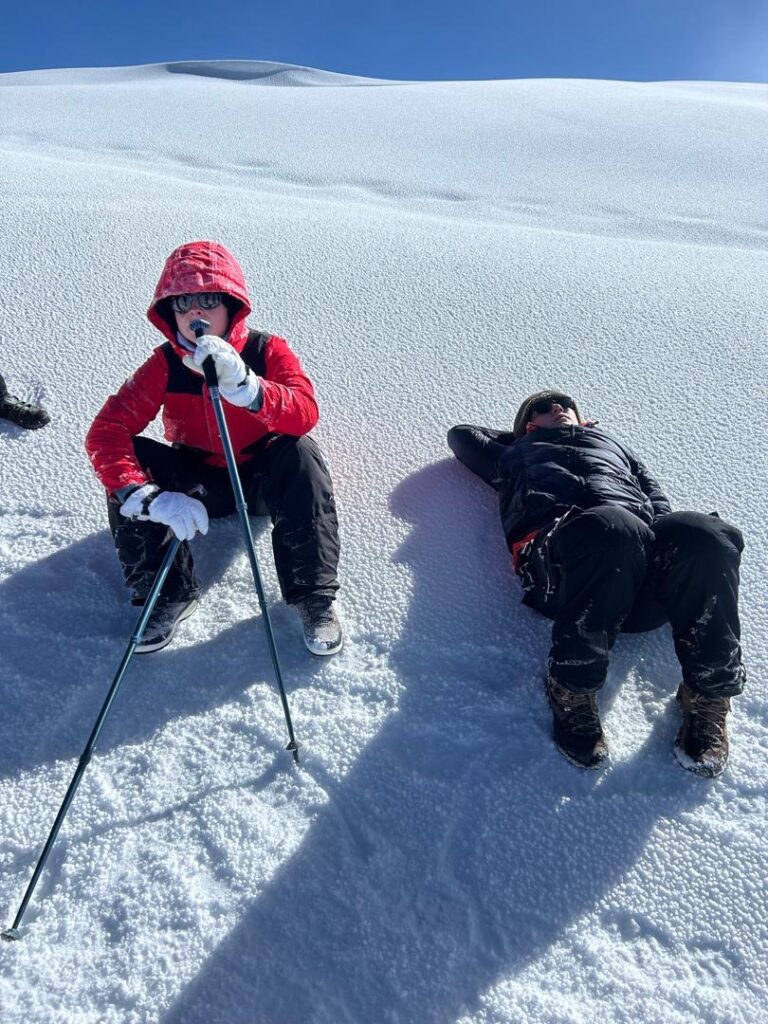
Summit night feels slow, cold, and mentally overwhelming, with progress measured in small steps rather than distance.
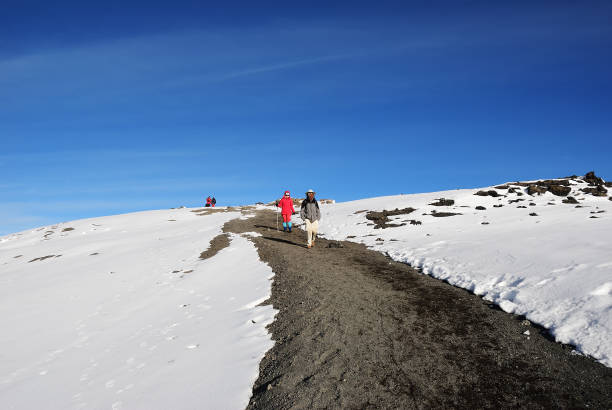
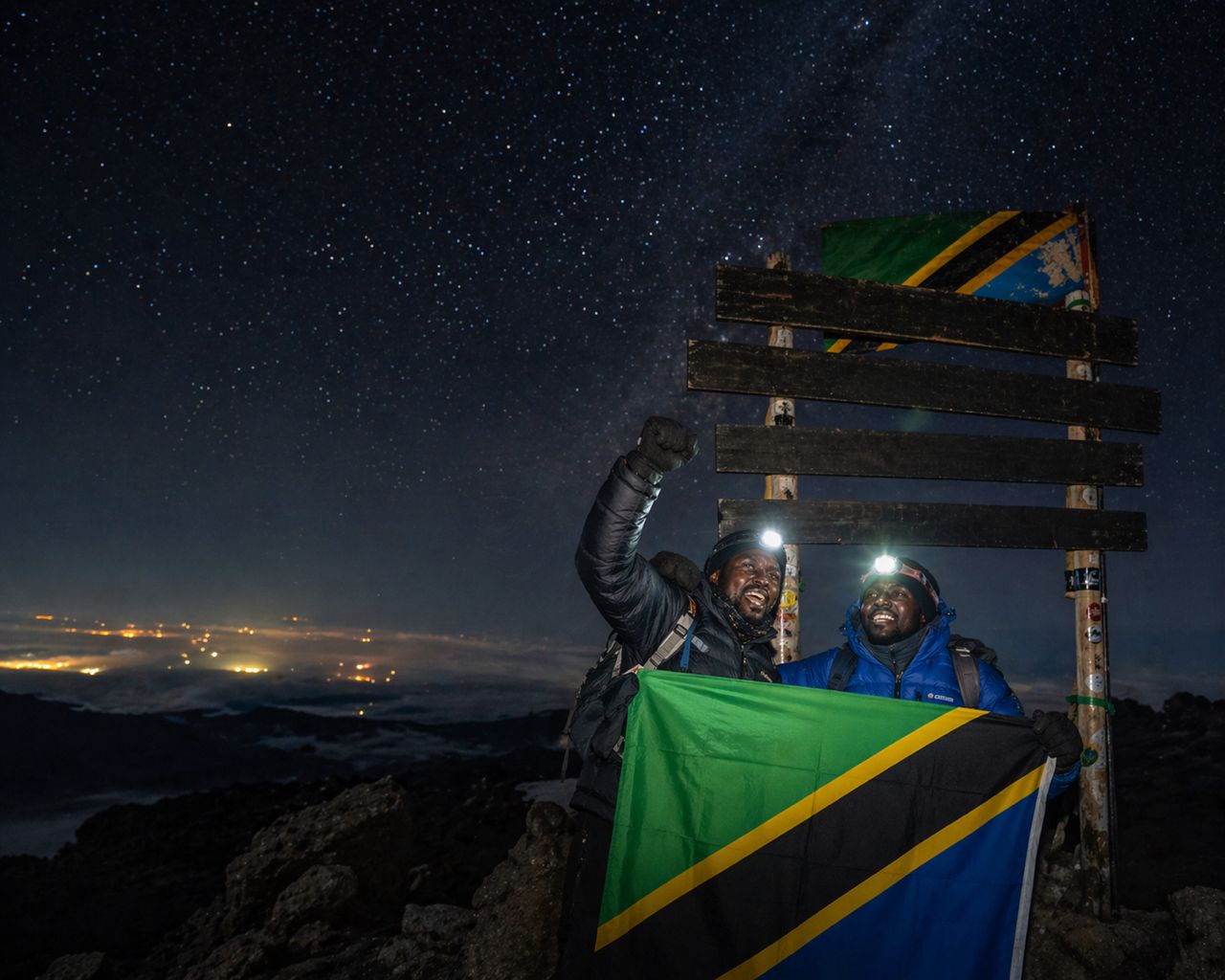
You start around midnight in darkness. The air is thin, temperatures drop well below freezing, and every step feels heavier than the last. You might walk for 6–8 hours without seeing the summit, which can make progress feel invisible.
From our experience, climbers often go through emotional waves – confidence, doubt, determination, and exhaustion – sometimes all within the same hour.
Why Having a Strong “Why” Makes the Difference
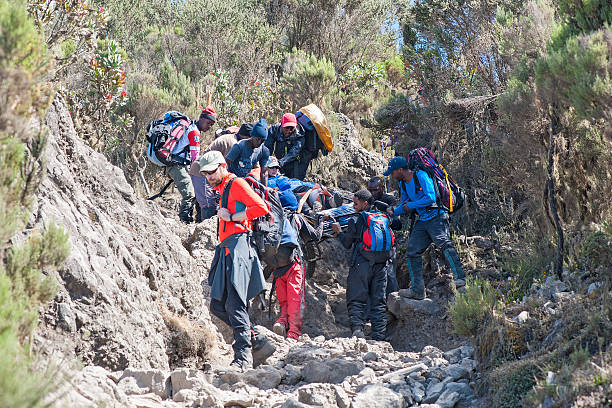
Having a personal reason for climbing Kilimanjaro gives you something to hold onto when your motivation fades.
We once guided a group climbing to raise funds for the Michael J. Fox Foundation. Each climber had a deeply personal connection – some were living with Parkinson’s, others had parents who had the disease.
Their reason wasn’t abstract – it was deeply personal. When summit night became difficult, they didn’t focus on discomfort. They focused on the people supporting them, the purpose behind their climb, each other and the responsibility they felt to finish what they started.
That shared purpose carried them forward step by step.
Not everyone comes with a cause like that. But every climber has a reason – whether it’s proving something to themselves, marking a life transition, or stepping outside their comfort zone. What our guides tell every client is this: your “why” is what you return to when your body wants to stop.
How Do You Build Mental Strength Before Your Climb?
You build mental strength for Kilimanjaro by training your mind to stay calm, patient, and focused during discomfort.
Physical training prepares your body, but mental training prepares your response to challenge. The most effective preparation is not pushing harder – it’s learning how to stay steady when things feel difficult.
1. Practice Patience (Pole Pole Mindset)
The most important mindset on Kilimanjaro is “pole pole”, meaning slowly, slowly.
Our guides repeat this every day because rushing creates fatigue, frustration, and altitude problems. Climbers who accept a slower pace early tend to feel stronger later in the trek.
2. Get Comfortable Being Uncomfortable
You should expect discomfort – cold mornings, long walking days, and basic sleeping conditions.
Instead of resisting it, practice accepting it. During training hikes, try walking in less-than-perfect conditions. This teaches your mind that discomfort is temporary and manageable.
3. Break the Climb into Small Goals
Focusing only on the summit can feel overwhelming.
Our guides encourage climbers to think in small steps—reach the next rock, the next turn, the next rest stop. This approach reduces mental pressure and keeps progress manageable.
How Do You Stay Mentally Strong During the Climb?
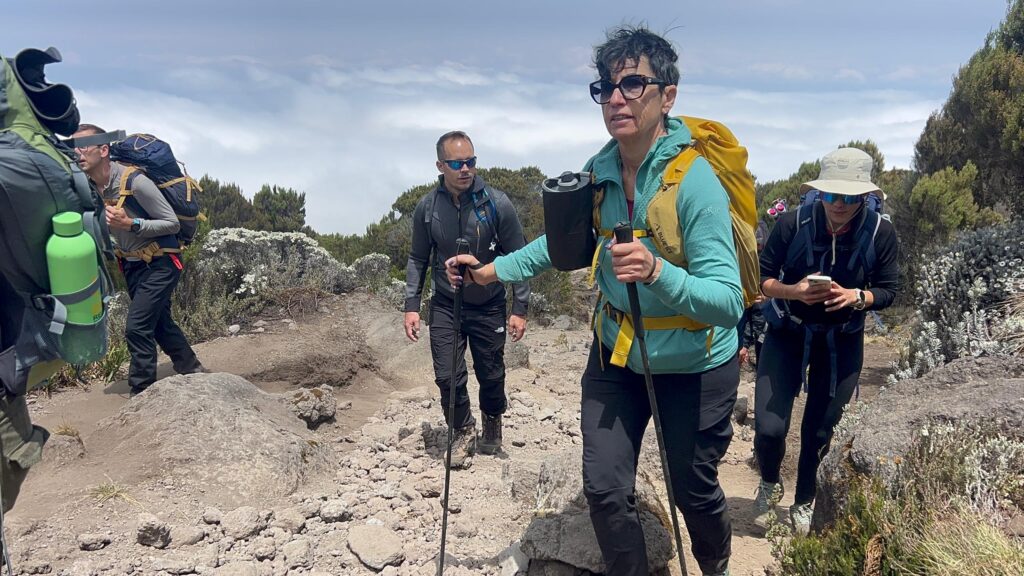
You stay mentally strong on Kilimanjaro by focusing on routine, teamwork, and consistent encouragement from your guides.
Climbing is not a solo effort. Your mindset is influenced by the people around you – your group and your guides.
Trust Your Guides
Our team monitors your pace, hydration, and even oxygen levels throughout the climb. This is part of our commitment to strong health and safety standards, ensuring that decisions are made with your wellbeing in mind.
When climbers trust the process, they conserve mental energy instead of second-guessing every step.
Lean on the Group
Climbers who support each other perform better mentally.
We’ve seen groups where encouragement becomes contagious – one person struggles, another lifts them, and that energy carries forward. The shared experience becomes a source of strength.
Accept the Ups and Downs
Mood changes are normal at altitude.
One hour you feel strong, the next you feel unsure. This doesn’t mean you’re failing – it’s simply part of the process. Recognizing this helps you stay calm when your mindset shifts.
Which Routes Help with Mental Preparation the Most?
Longer routes like the Lemosho Route and the Machame Route provide better acclimatization and more time to mentally adjust to the climb.
The Lemosho Route offers a gradual ascent and quieter trails in the early days, giving you time to settle into the rhythm of the mountain. Many climbers feel more mentally prepared by the time summit night arrives.
The Machame Route is slightly more direct but follows a “climb high, sleep low” profile, which helps both physically and mentally. Each day builds confidence as you adapt to altitude and terrain.
From our experience, climbers on 7–8 day itineraries are more mentally composed on summit night than those on shorter schedules.
What Are the Most Common Mental Challenges on Kilimanjaro?
The most common mental challenges include self-doubt, fear of altitude symptoms, and frustration with slow progress.
Understanding these in advance helps you manage them when they arise.
Self-doubt: “Can I really do this?” is a common thought during difficult sections
Fear: Mild altitude symptoms can feel alarming if you’re not prepared
Impatience: The slow pace can feel frustrating at first
Our guides consistently remind climbers that these thoughts are temporary and not a reflection of their actual ability.
How Can You Prepare Mentally at Home?
You can prepare mentally at home by simulating challenge, building routine, and visualizing success.
Train Your Mind During Physical Workouts
Instead of only focusing on fitness, notice how you respond when workouts become difficult. Practice staying calm rather than pushing aggressively.
Visualize Summit Night
Spend time imagining the experience – walking in darkness, feeling tired, but continuing step by step. This reduces uncertainty and builds confidence.
Prepare Logistically to Reduce Stress
Knowing your gear is ready removes unnecessary worry. Following a detailed Kilimanjaro packing list helps you feel more in control before the climb even begins.
The Role of Experience and Preparation
Experience matters because Kilimanjaro is not just a hike – it’s a controlled challenge that requires careful pacing, monitoring, and support.
JoyTrekking has been guiding climbers in Tanzania for over 15 years, and one pattern is clear: climbers who combine realistic expectations with strong mental preparation perform far better than those who rely only on physical training.
If you’re unsure what to expect overall, understanding how difficult Kilimanjaro really is helps set the right mindset from the beginning.
Final Thoughts: Your Mind Takes You to the Summit
Mental preparation for Kilimanjaro is what carries you through the hardest moments when physical strength alone isn’t enough.
There will be times when you feel tired, cold, or uncertain. That’s part of the journey. But with the right mindset, a clear reason for climbing, and the support of experienced guides, those moments become manageable.
Your “why” doesn’t have to be extraordinary – it just has to matter to you. And when it does, it becomes the force that keeps you moving forward, one step at a time, all the way to the summit.
Kilimanjaro Mental Preparation FAQs
How important is mental preparation for Kilimanjaro compared to fitness?
Mental preparation is equally important as fitness because Kilimanjaro challenges your mindset through altitude, fatigue, and long days. Many physically strong climbers struggle when discomfort sets in.
A calm, patient mindset helps you manage these challenges and continue moving forward when motivation drops during the climb.
What is the biggest mental challenge on Kilimanjaro?
The biggest mental challenge is self-doubt during difficult moments, especially on summit night.
Climbers often question their ability when progress feels slow and conditions are cold and exhausting.
Understanding that these thoughts are temporary helps you stay focused and continue climbing despite discomfort and uncertainty.
How do I stay motivated during summit night?
Staying motivated during summit night comes from focusing on small steps and remembering your
personal reason for climbing. Breaking the climb into short goals reduces overwhelm. Many climbers also draw strength from their group and guides, using encouragement and shared energy to keep moving forward.
Can beginners handle the mental challenge of Kilimanjaro?
Yes, beginners can handle the mental challenge if they prepare properly and choose the right route.
Longer itineraries like Lemosho or Machame provide time to adjust both physically and mentally. With realistic expectations, steady pacing, and guide support, first-time climbers often perform just as well as experienced hikers.
How do guides help with mental preparation on the mountain?
Guides play a critical role by setting the pace, offering encouragement, and monitoring your condition throughout the climb. Their experience helps normalize challenges and keep you focused.
Many climbers say the reassurance and steady presence of guides makes a significant difference in staying mentally strong.
About the Author
January Mziray is a Tanzanian Kilimanjaro specialist and founder of JoyTrekking Tours & Safaris. With years of experience guiding international climbers, he focuses on safety, acclimatization, and responsible mountain practices.