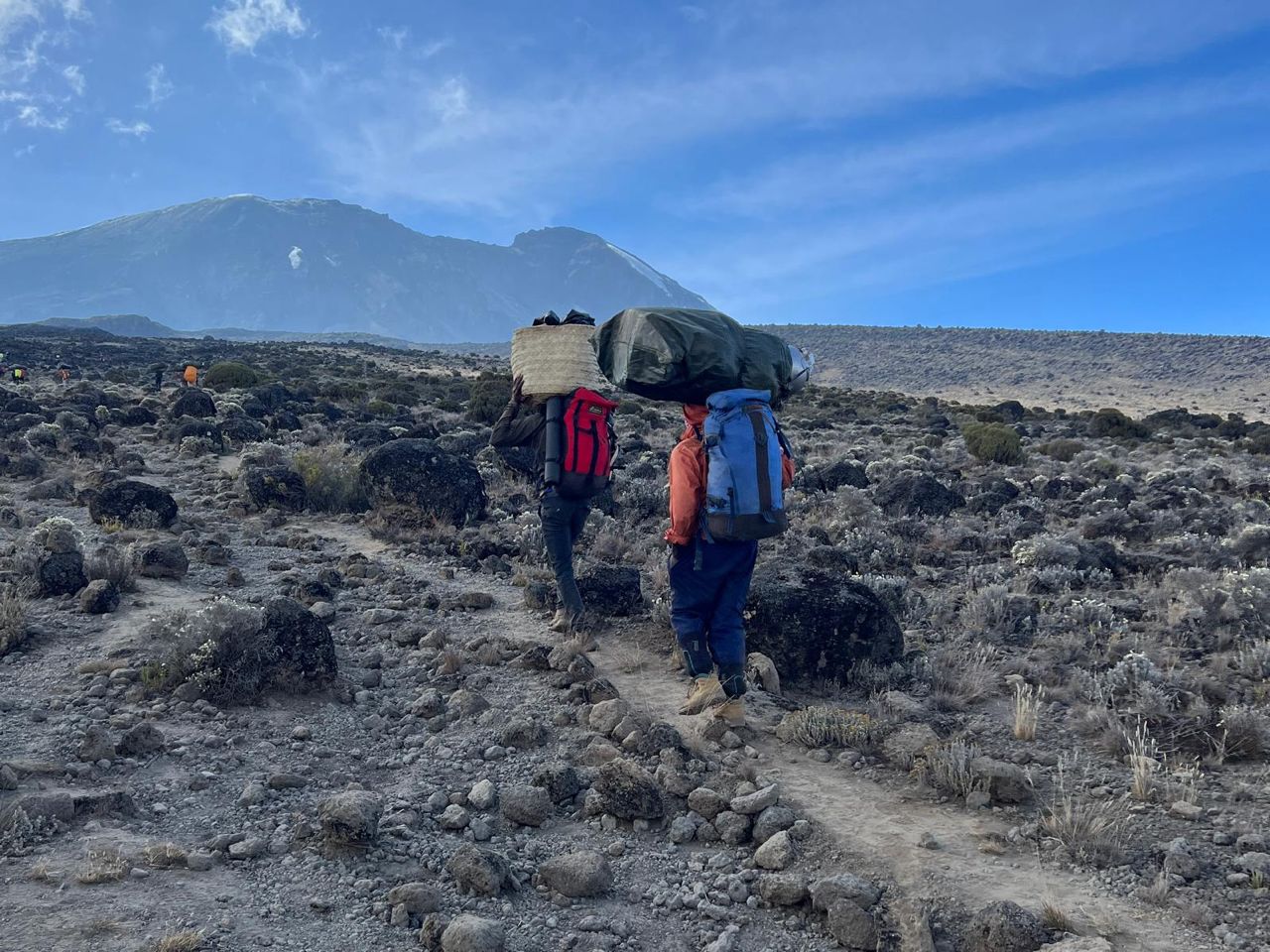
Planning to climb Mount Kilimanjaro?, Discover all Mount Kilimanjaro routes, including their pros, cons, success rates and key differences to help you choose the best route in 2026.
Learn which Kilimanjaro route suits your fitness level, budget, and experience expert insights from Tanzania specialists at JoyTrekking Tours & Safaris.
Excerpt
Choosing the right Kilimanjaro route can make or break your summit success. This complete 2026 guide breaks down every route, helping you pick the best path to Uhuru Peak.
Quick Facts Summary
- Location: Tanzania, East Africa
- Mountain Height: 5,895 meters (19,341 ft)
- Climbing Duration: 5–9 days depending on route
- Best Time to Climb: January–March & June–October
- Number of Main Routes: 7
- Success Rate Range: 50% – 95% depending on route
- Difficulty Level: Moderate to Challenging
- No Technical Climbing Required
Which route will you choose to climb Mount Kilimanjaro in 2026?
Imagine standing at the base of Mount Kilimanjaro, looking up at its snow capped summit, knowing that in just a few days, you could be standing at the highest point in Africa. It’s exciting but also overwhelming.
Because here’s the reality most climbers don’t expect:
not all Kilimanjaro routes are the same.
Some routes like Machame offer dramatic scenery but require strong endurance. Others like Marangu seem easier but have lower success rates. Routes like Lemosho and the Northern Circuit give you the best chance of reaching the summit but require more time and budget.
This is where many travelers get stuck.
Choosing the wrong route can lead to altitude sickness, exhaustion or even failing to reach Uhuru Peak. But choosing the right one? It can turn your climb into a smooth, successful and unforgettable life experience.
That’s exactly why understanding Mount Kilimanjaro routes is critical before booking your trek.
In this complete 2026 guide, you’ll discover the key differences between all Mount Kilimanjaro routes, including their pros, cons, success rates, and which route is best for your fitness level, travel goals, and budget.
By the end, you won’t feel confused you’ll feel confident and ready to take the first step toward the summit.
Mount Kilimanjaro Routes Explained (Pros, Cons & Key Differences)
Now that you understand the big picture, let’s break down each of the Mount Kilimanjaro routes in detail so you can clearly identify which one matches your goals, fitness level, and travel style.
1. Marangu Route (The “Coca-Cola Route”)
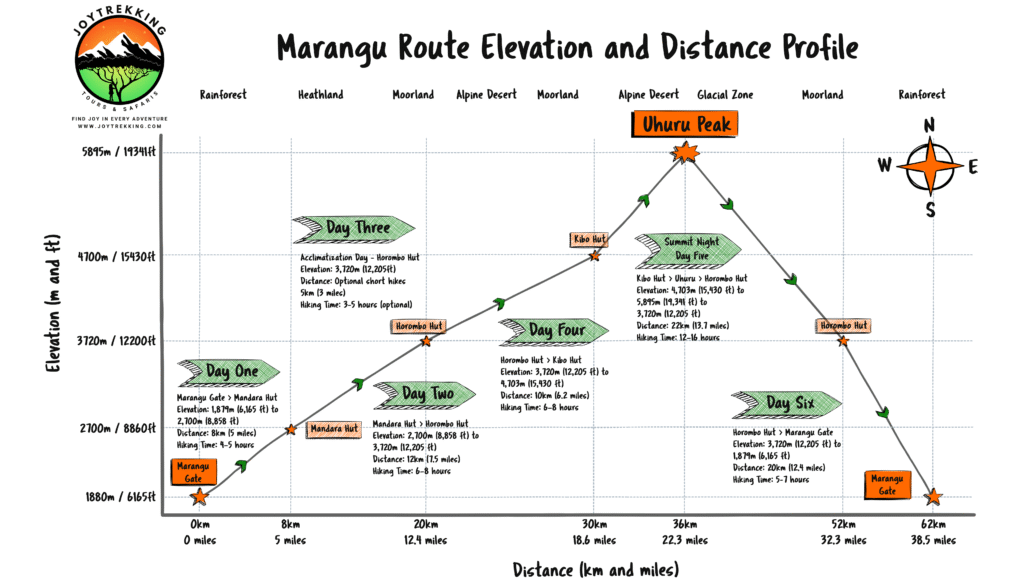
The Marangu Route is the oldest and most established trail on Mount Kilimanjaro, often chosen by beginners due to its simplicity.
Why Choose Marangu Route
- Only route with hut accommodation (no camping required)
- Short duration (5–6 days)
- Perceived as “easier”
Drawbacks
- Low success rate (50–65%) due to poor acclimatization
- Same route used for ascent and descent (less variety)
- Can feel crowded
Verdict: Good for comfort, but risky if your goal is to reach the summit.
2. Machame Route (The “Whiskey Route”)
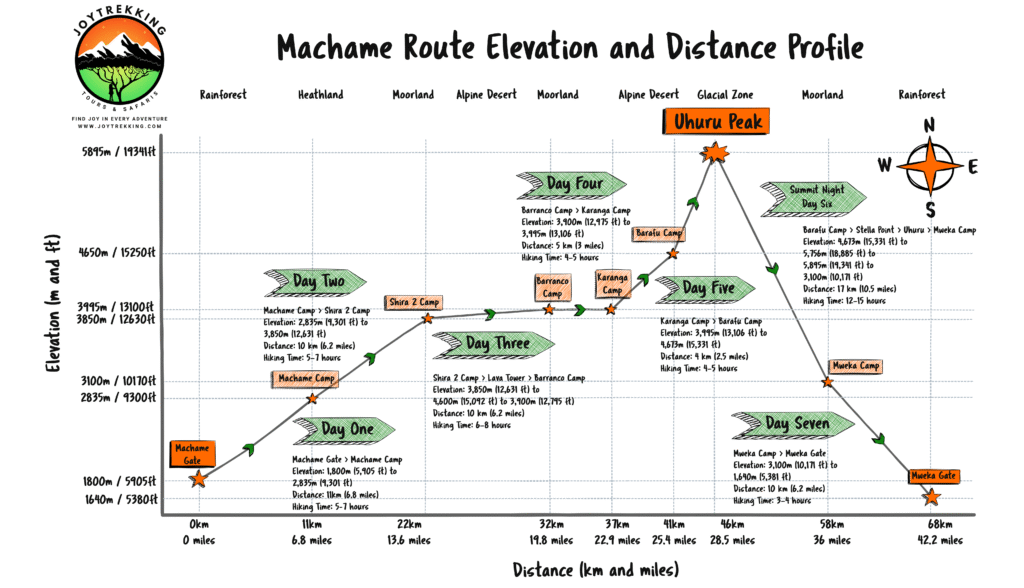
Machame is one of the most popular Kilimanjaro routes, known for its scenic beauty and challenging trails.
Why Choose Machame Route
- Stunning landscapes (rainforest ? alpine desert ? glacier)
- Better acclimatization profile
- Strong success rate (75–85%)
Drawbacks
- Physically demanding
- Can be crowded during peak season
Verdict: Perfect balance between challenge and success.
3. Lemosho Route (Best Overall Route)
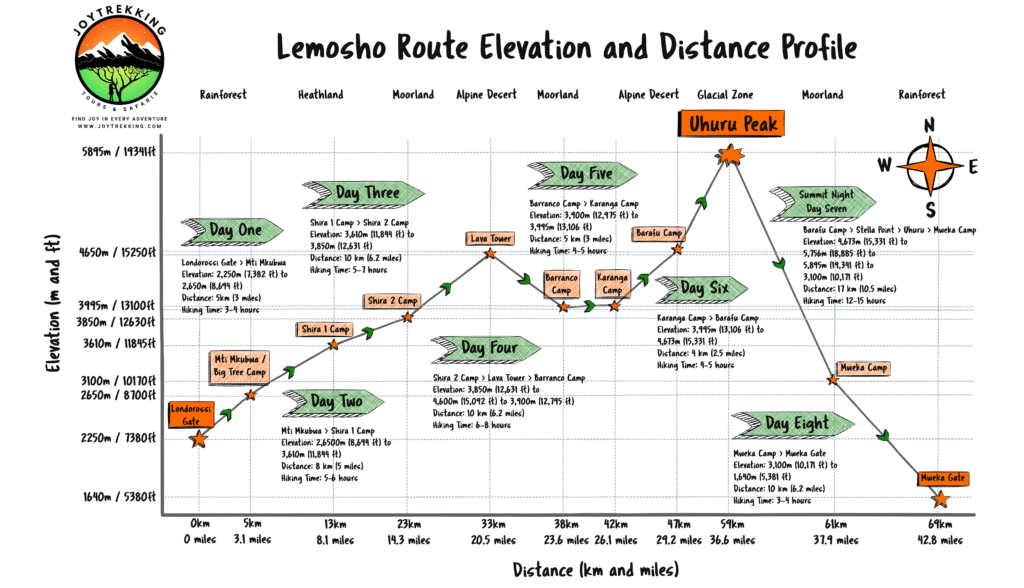
Lemosho is widely considered the best Mount Kilimanjaro route for most climbers.
Why Choose Lemosho Route
- Highest success rate (85–95%)
- Excellent acclimatization (longer duration)
- Less crowded at the start
- Incredible scenery
Drawbacks
- Slightly more expensive
- Requires 7–8 days
Verdict: Best choice for first-time climbers who want the highest chance of success.
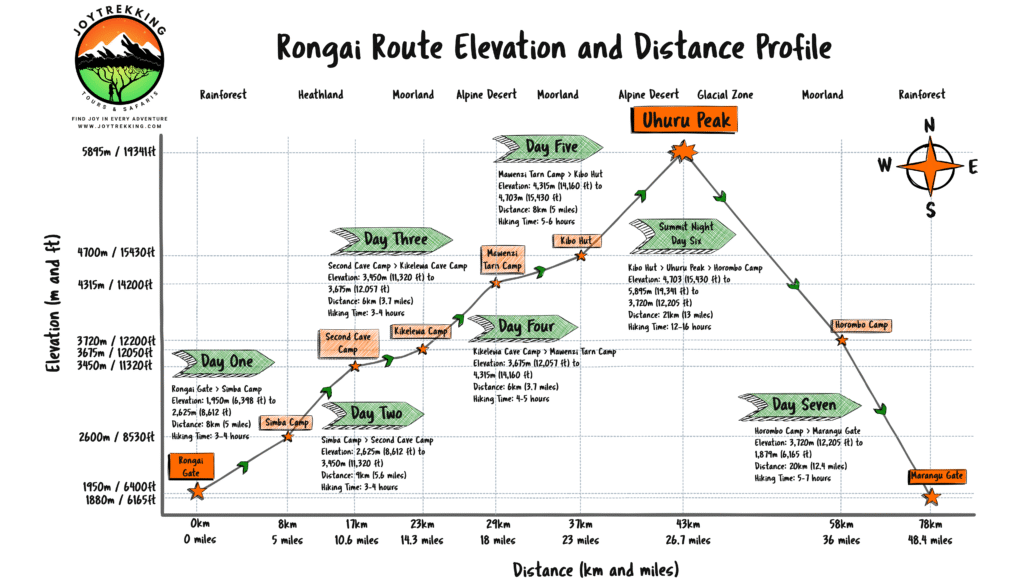
4. Rongai Route (Quiet Northern Approach)
Rongai approaches Mount Kilimanjaro from the north, offering a completely different experience.
Why Choose Rongai Route
- Less crowded
- Drier conditions (ideal during rainy season)
- Gradual ascent
Drawbacks
- Less scenic compared to western routes
- Moderate success rate
Verdict: Best for climbers seeking solitude and a quieter trek.
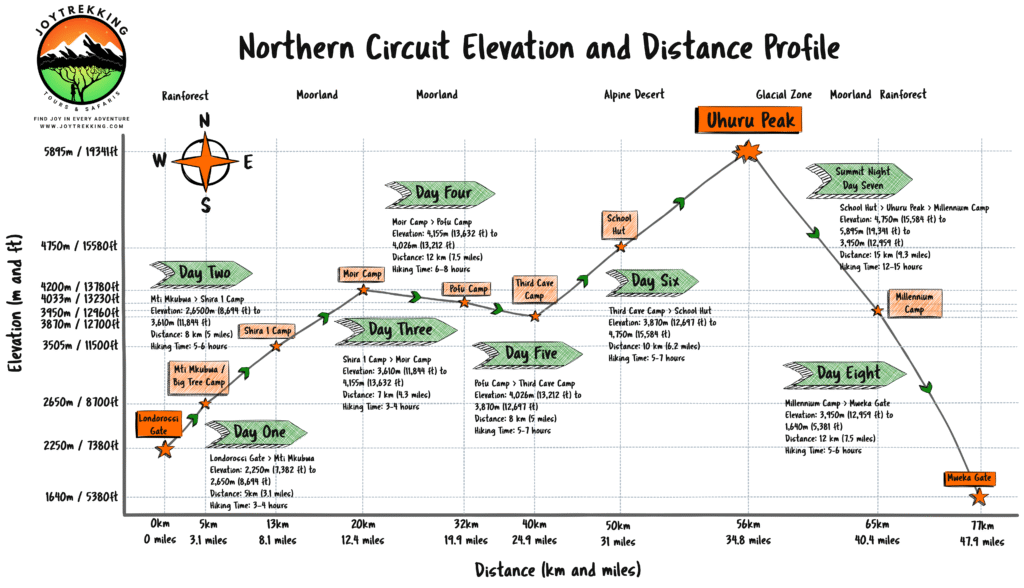
5. Northern Circuit (Safest & Most Successful Route)
The Northern Circuit is the longest and most comprehensive Kilimanjaro route.
Why Choose Northern Circuit
- Highest success rate (~95%)
- Best acclimatization profile
- Extremely quiet and remote
Drawbacks
- Longest route (8–9 days)
- Higher cost
Verdict: The safest and most reliable route to reach the summit.
6. Shira Route
Shira is similar to Lemosho but starts at a higher altitude.
Why Choose Shira Route
- Beautiful and less crowded
- Good for experienced trekkers
Drawbacks
- High starting altitude increases risk of altitude sickness
Verdict: Not ideal for beginners.
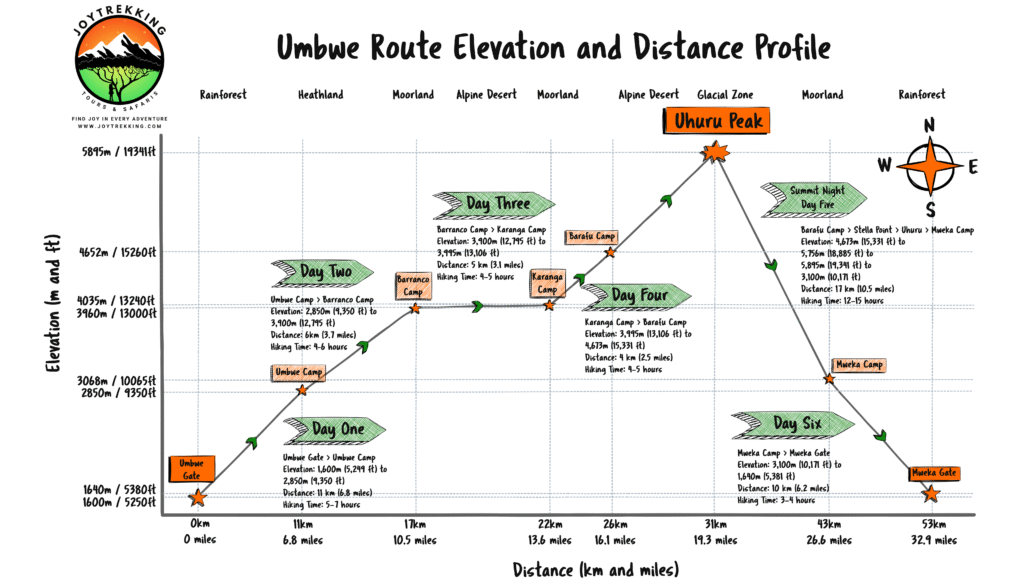
7. Umbwe Route (Most Challenging Route)
Umbwe is the steepest and most direct route on Mount Kilimanjaro.
Why Choose Umbwe Route
- Fast and direct
- Very quiet
Drawbacks
- Very low success rate
- Extremely demanding
- Poor acclimatization
Verdict: Only for highly experienced climbers.
Comparison Table (Quick Decision Guide)
| Route | Duration | Difficulty | Success Rate | Scenery | Crowd Level | Best For |
|---|---|---|---|---|---|---|
| Marangu | 5–6 days | Moderate | 50–65% | Low | High | Budget & hut preference |
| Machame | 6–7 days | Challenging | 75–85% | High | High | Adventure seekers |
| Lemosho | 7–8 days | Moderate | 85–95% | Very High | Medium | First-timers (best overall) |
| Rongai | 6–7 days | Moderate | 70–80% | Medium | Low | Quiet trekking experience |
| Northern Circuit | 8–9 days | Moderate | 90–95% | Exceptional | Very Low | Maximum success & safety |
| Shira | 7 days | Challenging | 70–80% | High | Low | Experienced climbers |
| Umbwe | 5–6 days | Very Hard | 50–60% | Medium | Very Low | Expert climbers only |
How to Choose the Best Mount Kilimanjaro Route (2026)
If you’re still unsure, here’s a simple way to decide:
- Want highest success rate? ? Lemosho or Northern Circuit
- Short on time or budget? ? Machame (7 days recommended)
- Prefer comfort (no camping)? ? Marangu
- Avoid crowds? ? Rongai or Northern Circuit
- Love scenic photography? ? Lemosho or Machame
Pro Insight (From Local Experts)
At JoyTrekking Tours & Safaris, most international climbers choose:
Lemosho Route (70% of bookings)
Machame Route (20%)
Others (10%)
Why? Because they offer the best balance between experience, safety, and summit success.
Detailed Breakdown of Each Mount Kilimanjaro Route
Now let’s go deeper into each route so you can clearly understand what makes them different and which one fits your climbing style best on Mount Kilimanjaro.
Machame Route (The “Whiskey Route”)
The Machame Route is one of the most popular and scenic paths to the summit.
Pros
- Very scenic with diverse landscapes (rainforest, moorland, alpine desert)
- Excellent acclimatization due to “climb high, sleep low” pattern
- High summit success rate compared to shorter routes
Cons
- Physically challenging with steep sections
- Can be busy during peak trekking seasons
Best for: Adventurous climbers who want beauty + high success chances.
Marangu Route (The “Coca-Cola Route”)
Marangu is the only route offering hut accommodation instead of camping.
Pros
- Comfortable huts (no tents required)
- Easier logistics and simpler trekking setup
- Shorter itinerary (5–6 days)
Cons
- Lower acclimatization time ? lower success rate
- Less scenic compared to other routes
- Same path for ascent and descent
Best for: Budget travelers or first-timers looking for comfort.
Lemosho Route
Lemosho is widely regarded as the best overall route for climbing Kilimanjaro.
Pros
- Stunning and remote scenery
- One of the highest success rates
- Excellent acclimatization due to longer itinerary
Cons
- More expensive than shorter routes
- Requires more days (7–8 days)
Best for: First-time climbers who want maximum success and experience.
Rongai Route
Rongai is the only route that approaches from the northern side of Mount Kilimanjaro.
Pros
- Less crowded and more peaceful
- Unique northern landscape views
- Drier conditions, even in rainy seasons
Cons
- Less scenic diversity compared to southern routes
- Moderate acclimatization profile
Best for: Climbers who prefer solitude and quiet trekking.
Umbwe Route
Umbwe is the most direct and steepest route to the summit.
Pros
- Very quiet and uncrowded
- Direct and fast ascent
Cons
- Extremely steep and physically demanding
- Very low acclimatization ? not beginner-friendly
- Lower summit success rate
Best for: Highly experienced and strong climbers only.
Northern Circuit Route
The Northern Circuit is the longest and most complete Kilimanjaro route.
Pros
- Highest summit success rate (~90–95%)
- Best acclimatization of all routes
- Very scenic and less crowded
Cons
- Long duration (8–9 days)
- Higher overall cost due to extra days
Best for: Climbers who want the safest and most successful summit experience.
Key Differences Between Mount Kilimanjaro Routes
Understanding the differences between the Mount Kilimanjaro routes is the key to choosing the right trek for your success on Mount Kilimanjaro. Below is a clear comparison based on the most important factors every climber should consider.
1. Difficulty Level
- Easiest Routes: Marangu, Rongai
- Moderate Routes: Lemosho, Machame (7 days)
- Hard Routes: Shira
- Very Hard Routes: Umbwe, Machame (6 days)
Insight: Difficulty increases with steeper terrain and shorter itineraries.
2. Acclimatization Profile (Altitude Adjustment)
- Best Acclimatization: Northern Circuit, Lemosho
- Good Acclimatization: Machame, Rongai
- Average Acclimatization: Marangu
- Poor Acclimatization: Umbwe, Shira (high start)
Insight: Longer routes significantly increase your chance of reaching Uhuru Peak safely.
3. Cost Level
- Budget-Friendly: Marangu
- Mid-Range: Machame, Rongai
- High Cost: Lemosho, Northern Circuit
- Premium (due to difficulty/logistics): Umbwe
Insight: Cost increases with duration, crew support, and park fees per day.
4. Experience Level Required
- Beginner-Friendly: Marangu, Rongai (with proper fitness)
- Intermediate Climbers: Machame, Lemosho
- Advanced Climbers: Northern Circuit
- Expert-Level Only: Umbwe, Shira
Insight: Fitness matters more than technical skills Kilimanjaro is a trekking mountain, not a technical climb.
Quick Summary Insight
- If you want highest success rate ? choose Lemosho or Northern Circuit
- If you want balance of cost and experience ? Machame or Rongai
- If you want comfort ? Marangu
- If you want challenge ? Umbwe
Which Mount Kilimanjaro Route Is Best for You?
Choosing the right route on Mount Kilimanjaro is not about popularity it’s about matching the route to your fitness level, expectations, budget and travel style. Here is a simple breakdown to help you decide confidently.
Beginners (First-Time Climbers)
Recommended Routes: Marangu / Lemosho
- Marangu Route
- Easier logistics and hut accommodation
- Shorter itinerary (5–6 days)
- Good comfort for first-time climbers
- Lemosho Route
- Best balance of scenery and success rate
- Longer acclimatization (7–8 days)
- Less crowded at the start
Best choice for beginners: Lemosho (recommended for higher success rate)
Experienced Hikers
Recommended Routes: Machame / Umbwe
- Machame Route
- Challenging but rewarding
- Excellent acclimatization
- Very scenic and popular
- Umbwe Route
- Steep and physically demanding
- Fast ascent with minimal acclimatization
- Requires strong hiking experience
Best choice for experienced hikers: Machame (balanced challenge + success)
Luxury / Slow Travelers
Recommended Route: Northern Circuit
- Longest route (8–9 days)
- Maximum acclimatization time
- Very low crowd levels
- Highest summit success rate
Why it stands out:
- More time to enjoy landscapes
- More comfort in pacing
- Best overall safety margin
Best choice for luxury travelers: Northern Circuit
Budget Travelers
Recommended Routes: Machame / Marangu
- Marangu
- Lower cost option
- Shorter duration reduces total expenses
- Machame
- Slightly higher cost but better success rate
- Good value for experience vs price
Best choice for budget travelers: Machame (best value overall)
Final Decision Tip
If you are unsure, always remember this simple rule:
- More days = higher success rate
- Shorter routes = cheaper but harder on the body
- Scenic routes = better experience but require fitness
Choosing the right route is the difference between just attempting Kilimanjaro and successfully standing on Uhuru Peak.
Best Time to Climb Mount Kilimanjaro (2026 Update)
Timing your climb on Mount Kilimanjaro is just as important as choosing the right route. Weather conditions directly affect visibility, trail safety, and your overall summit experience.
In 2026, the climbing seasons remain consistent, with two main windows offering the best conditions.
January – March (Cool & Clear Season)
This is one of the most popular periods for climbing Kilimanjaro.
What to Expect
- Clear skies with excellent summit views
- Cold temperatures at night and summit
- Occasional light snow at higher elevations
- Fewer crowds compared to peak season
Best Routes in This Season
- Lemosho Route
- Northern Circuit
- Rongai Route (especially good during wetter conditions elsewhere)
Why it works well:
Stable weather improves visibility and makes acclimatization more predictable.
June – October (Peak Climbing Season)
This is the busiest and most reliable climbing period.
What to Expect
- Dry conditions (very low rainfall)
- Clear trails and excellent trekking safety
- Busy routes and campsites
- Warmer daytime temperatures
Best Routes in This Season
- Machame Route
- Marangu Route
- Lemosho Route (very popular during peak season)
Why it works well:
Dry weather reduces slipping risks and makes trekking more comfortable.
Weather Impact on Kilimanjaro Routes
Weather conditions affect each route differently:
- Western Routes (Lemosho, Machame):
- More exposed to rain during wet seasons
- Extremely scenic during clear months
- Northern Routes (Rongai, Northern Circuit):
- Drier climate year-round
- Ideal during rainy seasons (April–May, November)
- Short Routes (Marangu, Umbwe):
- More sensitive to weather changes due to faster ascent
- Higher risk of discomfort in bad conditions
Months to Avoid (Less Ideal Conditions)
- April – May (Long rainy season)
- November (Short rainy season)
Trails can be slippery, visibility reduces, and summit success rates may drop.
Pro Insight (2026 Travel Tip)
For the best balance of weather, safety, and success rate, most guides recommend:
Late January–February OR June–September
These windows give you the highest chance of a safe, enjoyable, and successful summit.
Tips for Choosing the Right Mount Kilimanjaro Route
Choosing the right route on Mount Kilimanjaro is not just about picking the most famous option it’s about matching the route with your personal travel goals. Below are practical tips to help you make the right decision in 2026.
1. Budget
Your budget will significantly influence your route choice.
- Lower Budget: Marangu, Machame
- Mid-Range Budget: Rongai, Machame (7 days)
- Higher Budget: Lemosho, Northern Circuit
Tip: Longer routes cost more but increase your summit success rate, making them better value in the long run.
2. Fitness Level
Your physical condition determines how comfortably you handle altitude and terrain.
- Beginner Fitness: Marangu, Rongai
- Moderate Fitness: Machame, Lemosho
- High Fitness / Experienced Climbers: Northern Circuit, Umbwe
Tip: Kilimanjaro is a trekking mountain, but altitude not fitness is the biggest challenge.
3. Time Availability
How many days you can spend on the mountain matters a lot.
- 5–6 Days: Marangu, Umbwe
- 6–7 Days: Machame, Rongai
- 7–9 Days: Lemosho, Northern Circuit
Tip: More days = better acclimatization = higher chance of reaching the summit.
4. Crowd Preference
Some climbers prefer busy social trails, others want solitude.
- Crowded Routes: Marangu, Machame
- Moderate Crowds: Lemosho
- Low Crowds: Rongai, Northern Circuit, Umbwe
Tip: If you want a peaceful experience, choose northern or longer western routes.
5. Photography & Scenery Interest
If your goal is capturing breathtaking landscapes, route selection is key.
- Best Scenic Routes: Lemosho, Machame
- Unique Views: Rongai (northern side perspective)
- Good but Limited Variety: Marangu
- Raw Adventure Feel: Umbwe
Tip: The longer and less rushed the route, the more diverse your scenery will be.
Common Mistakes to Avoid When Choosing Mount Kilimanjaro Routes
Many climbers fail to reach the summit of Mount Kilimanjaro not because they are unfit but because they make avoidable planning mistakes before the climb even begins. Understanding these mistakes can significantly increase your chances of success in 2026.
1. Choosing the Shortest Route Just to Save Time
One of the biggest mistakes is selecting a route simply because it is the shortest or cheapest.
- Short routes like Marangu (5–6 days) and Umbwe may look attractive
- However, they provide limited time for acclimatization
- This increases the risk of altitude sickness and summit failure
Reality check: On Kilimanjaro, shorter is not easier it is often harder.
2. Ignoring Acclimatization Requirements
Altitude acclimatization is the most important factor for reaching the summit.
- Many climbers underestimate how their body reacts above 3,000m
- Routes with poor acclimatization profiles increase risk of headaches, nausea, and fatigue
- Longer routes like Lemosho and Northern Circuit are designed to reduce this risk
Reality check: Good acclimatization = higher summit success rate.
3. Underestimating the True Difficulty of the Climb
Even though Kilimanjaro is a non-technical mountain, it should never be underestimated.
- Steep sections can be physically exhausting
- Cold temperatures at summit can drop below -10°C
- Long trekking hours (5–8 days) test endurance and mental strength
Reality check: Fitness helps, but mental resilience and pacing matter more.
Bonus Mistake: Choosing a Route Based Only on Price or Popularity
- Cheap packages may cut essential support or acclimatization days
- Popular routes may be overcrowded during peak season
Always balance price, safety and success rate instead of focusing on one factor.
Frequently Asked Questions (FAQ) – Mount Kilimanjaro Routes
This section answers the most common questions climbers ask before booking their trek on Mount Kilimanjaro. These FAQs are also optimized for search engines and featured snippets.
Which Kilimanjaro route has the highest success rate?
The Northern Circuit Route has the highest summit success rate, often between 90%–95%, due to its long duration and excellent acclimatization profile.
Closely following is the Lemosho Route, which also offers a very high success rate.
Key reason: More days on the mountain = better altitude adjustment = higher chance of reaching Uhuru Peak.
Is Machame better than Marangu?
In most cases, yes.
- Machame Route
- More scenic
- Better acclimatization
- Higher success rate (75%–85%)
- Marangu Route
- More comfortable (hut accommodation)
- Shorter duration
- Lower success rate (50%–65%)
Conclusion: Machame is generally better for summit success, while Marangu is better for comfort.
How many days do you need to climb Kilimanjaro?
The duration depends on the route:
- Shortest routes: 5–6 days (Marangu, Umbwe)
- Standard routes: 6–7 days (Machame, Rongai)
- Recommended routes: 7–9 days (Lemosho, Northern Circuit)
Best practice: 7+ days is recommended for higher success rates and safer acclimatization.
Which Kilimanjaro route is the safest?
The safest routes are those with longer acclimatization periods:
- Northern Circuit (safest overall)
- Lemosho Route
- Machame Route (7 days version)
Why they are safer:
- Slower ascent reduces altitude sickness risk
- Better body adjustment time
- More recovery opportunities during the climb
Customer’s testimonial

Isadora Theberge2025.01.14
A really awesome company! I climbed Kilimanjaro with them and everything was well organized, and I always felt cared for on the trek. Everyone had really great energy, singing and dancing, lifting our spirits up. Would definitely recommend booking through them!
Conclusion
At the end of the day, there is no single “best route” for climbing Mount Kilimanjaro that fits everyone.
Each route offers a different experience some are more scenic, others have higher summit success rates, while others are shorter, quieter or more budget-friendly. The right choice depends entirely on your personal goals, fitness level, time and budget.
So instead of asking “Which route is the best?”, the better question is: Which route is best for you?
Call to Action:
Choose your route based on your goals, not popularity. A well-planned climb with the right preparation and support makes all the difference.
For a safe and well-organized expedition, consider booking with a trusted local operator JoyTrekking Tours & Safaris, who specialize in Kilimanjaro climbs and tailor-made safari experiences in Tanzania.
Always make sure your trip is handled by a licensed authority approved by Tanzania National Parks Authority for safety, compliance, and professionalism.
If you’re ready to plan your climb, reach out early, compare routes carefully, and start your journey to the Roof of Africa the right way.
About the Author
January Mziray
January Mziray is a professional mountain guide, travel writer, and Tanzania tourism specialist with extensive experience leading expeditions across Mount Kilimanjaro. Over the years, he has worked closely with both first-time climbers and experienced hikers, helping them safely navigate different Kilimanjaro routes and successfully reach Uhuru Peak.
Connect & Travel With Us
If you are planning your Kilimanjaro adventure, safari or Zanzibar holiday, you can connect directly with January and the team at JoyTrekking Tours & Safaris.
Follow us for travel insights and updates
Contact us for expert travel planning
Book your Kilimanjaro adventure today