Planning a Tanzania trekking adventure? Discover the key differences between Mount Meru vs Mount Kilimanjaro, including altitude, routes, difficulty, and costs in this complete 2026 guide.
Compare both mountains to choose the perfect climb for your African safari experience with expert insights from JoyTrekking Tours & Safaris.
Excerpt
Mount Meru and Mount Kilimanjaro are Tanzania’s most iconic trekking destinations but which one is right for you? This guide breaks down altitude, routes, costs, and difficulty levels to help you make the best decision for your adventure.
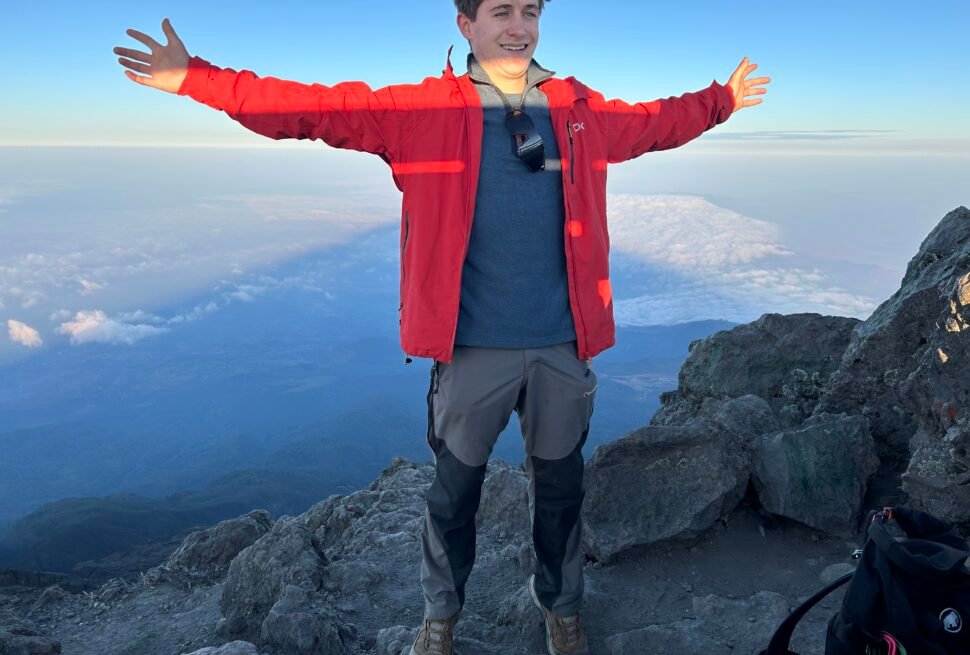
The first light of dawn breaks over the painting the African sky in shades of gold and crimson. You’re standing above the clouds, breathing in thin, crisp air as the vast wilderness of Tanzania stretches endlessly beneath your feet. In the distance, silhouettes of ancient volcanic peaks rise with quiet authority each holding a different promise, a different challenge, a different story.
For many travelers, this is not just a climb. It’s a personal milestone. A test of endurance. A journey into something deeper than adventure.
And yet, before that first on the trail, there’s a decision that shapes everything that follows: Do you climb Mount Kilimanjaro, the legendary “Roof of Africa,” or choose the quieter, untamed beauty of Mount Meru?
At first glance, the answer seems obvious. Kilimanjaro is world famous featured in documentaries, travel magazines and bucket lists across the globe. But what many don’t realize is that Mount Meru offers something entirely different: a more intimate, wildlife rich and strategically smarter climb especially for those seeking both success and experience.
This is where many travelers get it wrong. They choose based on popularity, not purpose. They underestimate altitude, overlook acclimatization, and miss the chance to fully experience what Tanzania truly offers.
In this guide, we go beyond the surface. We break down the real differences between Mount Meru and Mount Kilimanjaro altitude, routes, difficulty and overall experience so you can make a confident, informed decision.
Because the right mountain doesn’t just give you a summit. It gives you a story worth telling.
Mount Meru vs Mount Kilimanjaro: Which One Should You Choose?
Choosing between Mount Meru and Mount Kilimanjaro isn’t just about picking a mountain it’s about aligning your expectations, fitness level and travel goals with the right experience.
For many international travelers, Kilimanjaro is the obvious choice. It’s iconic, globally recognized and carries the prestige of standing on Africa’s highest point. But that popularity comes with trade-offs: higher costs, larger crowds and a significantly tougher physical and mental challenge especially due to altitude.
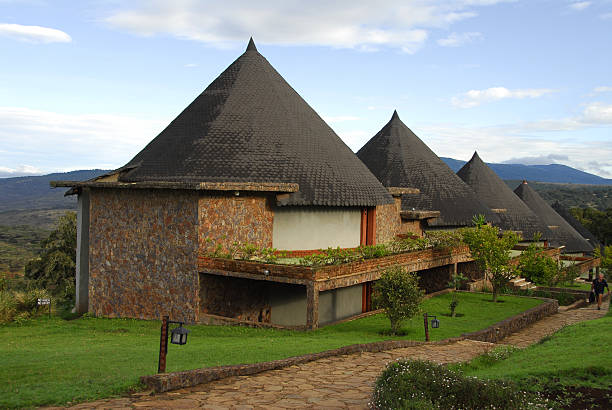
Mount Meru, on the other hand, offers a more refined and often underestimated alternative. Located within Arusha National Park, it delivers a unique blend of trekking and wildlife experience. Imagine hiking through open savannah with giraffes in sight, escorted by an armed ranger and spending nights in comfortable mountain huts all while gradually adapting to altitude in a more controlled way.
The Strategic Perspective
The real question isn’t “Which mountain is better?” It’s: Which mountain is better for you right now?
If your goal is achievement and global recognition, Kilimanjaro is unmatched.
If your goal is experience, acclimatization, and a quieter climb, Meru stands out.
If your goal is success on Kilimanjaro, starting with Meru can significantly increase your chances.
The Common Mistake Travelers Make
Many climbers underestimate the impact of altitude and jump straight into Kilimanjaro with minimal preparation. This often leads to exhaustion, altitude sickness or even failed summit attempts turning what should be a once-in-a-lifetime journey into a frustrating experience.
The Smart Approach (Recommended by Experts)
Professional trekking operators, JoyTrekking Tours & Safaris, often recommend a combined approach: Start with Mount Meru to build confidence and acclimatize, then take on Kilimanjaro with a stronger foundation both physically and mentally.
Bottom Line
Choose Mount Meru if you want a scenic, less crowded and strategically smart climb.
Choose Mount Kilimanjaro if you’re ready for a demanding challenge and want to conquer Africa’s highest peak.
Choose both if you want the ultimate Tanzania trekking experience with higher success, better enjoyment, and a deeper connection to the journey.
In the end, the best choice is not about following the crowd it’s about choosing the path that gives you the experience you came for.
Altitude Comparison: How High is Too High?
Altitude is not just a number on a map it’s the single most important factor that determines how your body will respond during a high-altitude trek. Whether you succeed, struggle or even reach the summit at all often comes down to how well you adapt to decreasing oxygen levels as you ascend.
When comparing Mount Kilimanjaro and Mount Meru, the difference in altitude is more than just 1,300 meters it represents a completely different physiological challenge.
Mount Kilimanjaro: Extreme Altitude, Maximum Challenge
Standing at 5,895 meters (19,341 ft), Kilimanjaro is not only the highest mountain in Africa but also one of the tallest free standing mountains in the world. At this elevation, oxygen levels drop to nearly 50% of what you experience at sea level.
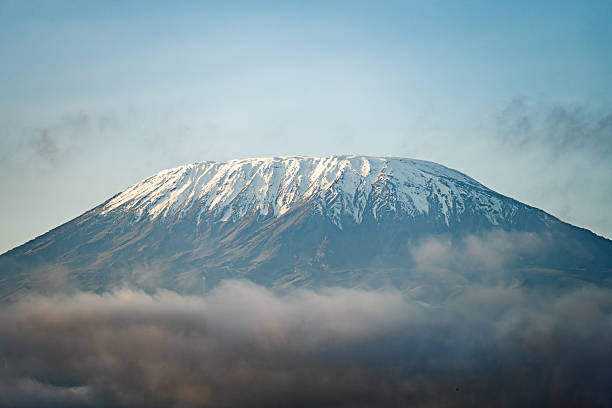
The snow-covered summit of Mount Kilimanjaro highlights the extreme altitude and ?????? climbers face on Africa’s highest peak.
This means your body must work significantly harder to perform even basic tasks. Symptoms of altitude sickness such as headaches, nausea, dizziness and fatigue are common, especially during the final summit push.
What makes Kilimanjaro particularly challenging is the speed of ascent. Most routes take between 5–9 days, which may not be enough time for proper acclimatization if not carefully planned. This is why route selection and pacing are critical for success.
Mount Meru: Ideal Altitude for Acclimatization
At 4,566 meters (14,980 ft), Mount Meru still qualifies as a high altitude trek but it is significantly more forgiving. Oxygen levels are higher and the shorter trekking duration (typically 3–4 days) allows for a more gradual and manageable ascent.
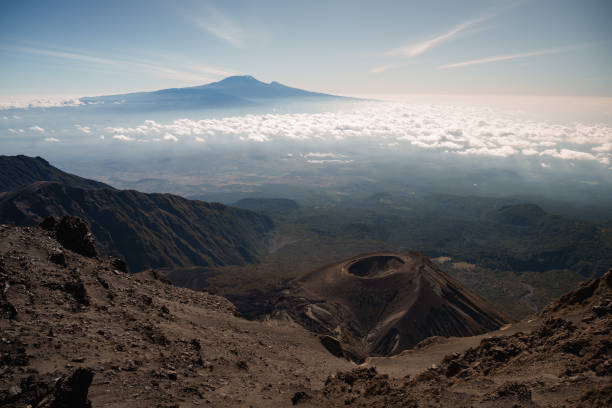
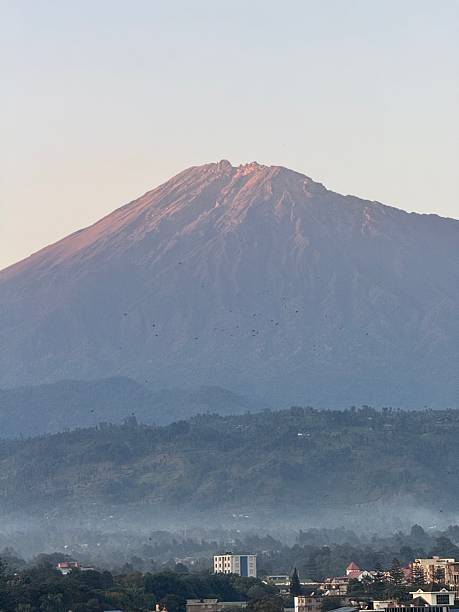
Mount Meru in Arusha offers the perfect altitude for acclimatization before attempting higher peaks like Kilimanjaro.
For many climbers, Meru represents the perfect balance between challenge and safety. You still experience the effects of altitude, but the risk of severe altitude sickness is considerably lower compared to Kilimanjaro.
This is one of the key reasons why experienced guides often recommend Meru as a pre-acclimatization climb before attempting Kilimanjaro.
What This Means for You
Understanding altitude is not about fear it’s about preparation and strategy.
If you have no prior high-altitude experience, Mount Meru provides a safer introduction.
If you are aiming for Kilimanjaro success, climbing Meru first can significantly improve your body’s ability to adapt.
If you are short on time but still want a rewarding summit experience, Meru is a strong and practical option.
Expert Insight from the Field
At JoyTrekking Tours & Safaris, we’ve seen a clear pattern: climbers who respect altitude and plan for it have a far higher success rate and a more enjoyable experience.
Altitude doesn’t care about fitness alone. Even the strongest hikers can struggle if they ascend too quickly without proper acclimatization.
Key Takeaway
Mount Kilimanjaro = Higher risk, greater reward, requires serious preparation
Mount Meru = Lower risk, strategic advantage, ideal stepping stone
Choosing the right altitude profile isn’t just a detail it’s the foundation of your entire trekking experience.
Kilimanjaro offers variety. Meru offers exclusivity and wilderness.
Difficulty Level: Which Climb is Harder?
Mount Kilimanjaro Difficulty
Long trekking days (6–9 days)
Extreme altitude
Summit night is very demanding
Mount Meru Difficulty
Shorter climb (3–4 days)
Steep final ascent
Less altitude pressure
Verdict
Kilimanjaro is significantly harder. Meru is challenging but more manageable for beginners.
Experience & Scenery
Mount Meru Highlights
Walking among giraffes and buffalo
Fewer crowds
Stunning crater views
Mount Kilimanjaro Highlights
Diverse ecosystems
Iconic “Roof of Africa” summit
Global recognition
Comparison Table (Detailed)
Category
Mount Meru
Mount Kilimanjaro
Best For
Beginners & acclimatization
Bucket-list climbers
Trek Style
Quiet & wild
Popular & structured
Success Rate
High
Moderate
Accommodation
Mountain huts
Camps or huts
Cost
Lower
Higher
Views
Crater & wildlife
Glaciers & summit
Cost Breakdown (2026 Estimates)
Mount Meru Costs
Park fees: $250–$300
Guide & ranger: $150–$250
Accommodation: Included (huts)
Total: $600–$1,200
Mount Kilimanjaro Costs
Park fees: $800–$1,200
Guides & porters: $500–$1,000
Camping gear: Included
Total: $1,500–$4,000+
Money-Saving Tip
Climbing Meru first can reduce your Kilimanjaro risk saving money if you fail due to altitude.
Packing List for Your Climb
Essential Gear
Hiking boots (waterproof)
Warm layers (temperatures drop below freezing)
Sleeping bag
Headlamp
Trekking poles
Health & Safety
Altitude sickness medication
Reusable water bottles
Sunscreen & sunglasses
Pro Tip
Even Meru requires serious preparation don’t underestimate it.
Frequently Asked Questions
Can beginners climb Mount Kilimanjaro?
Yes, but proper preparation and longer routes are recommended.
Is Mount Meru worth it?
Absolutely. Many climbers say it’s more scenic and peaceful than Kilimanjaro.
Which mountain has better views?
Both are stunning Meru offers wildlife, Kilimanjaro offers glaciers.
How long should I stay in Tanzania?
7–14 days is ideal to combine trekking with safari or Zanzibar relaxation.
Can I combine both climbs?
Yes, and it’s highly recommended for acclimatization.
Customer Testimonial
Annika Smart2024.06.02
I would highly recommend JoyTrekking tours and Safaris with January and his crew. Emmanuel was an incredible assistant guide, and the larger team was highly skilled. I felt safe, comfortable, and confident climbing Mt Kilimanjaro thanks to Joy Trekking! We completed the Marangu route in 5 days and 4 nights and then went to Chemka hot springs afterwards! It was so fun!
Start Your Tanzania Adventure Today
You’ve explored the differences. You understand the altitude, the routes, and the challenge ahead. Now comes the most important step turning your plan into a real experience.
At JoyTrekking Tours & Safaris, we don’t just organize trips we craft safe, personalized, and unforgettable journeys across Tanzania. Whether you choose Mount Meru, Mount Kilimanjaro or a complete itinerary that includes wildlife safaris and the white sand beaches of Zanzibar, our team is here to guide you every step of the way.
Why Travel With Us?
Experienced, licensed mountain guides
High summit success rates
Tailor-made itineraries based on your goals
Strong focus on safety, acclimatization, and comfort
Our team at JoyTrekking Tours & Safaris will help you choose the perfect route, prepare your gear and ensure a safe, unforgettable journey.
Final Thoughts
Mount Kilimanjaro may be the headline, but Mount Meru is the hidden gem.
If you want a quieter, safer, and equally rewarding climb Meru is your answer. If you’re chasing the ultimate bucket-list achievement Kilimanjaro awaits.
The best choice? Combine both and experience Tanzania the right way.
About the Author
January Mziray Tourism Expert & Founder of JoyTrekking Tours & Safaris
January has guided international travelers across Tanzania for over a decade, specializing in mountain trekking, wildlife safaris, and Zanzibar beach holidays.