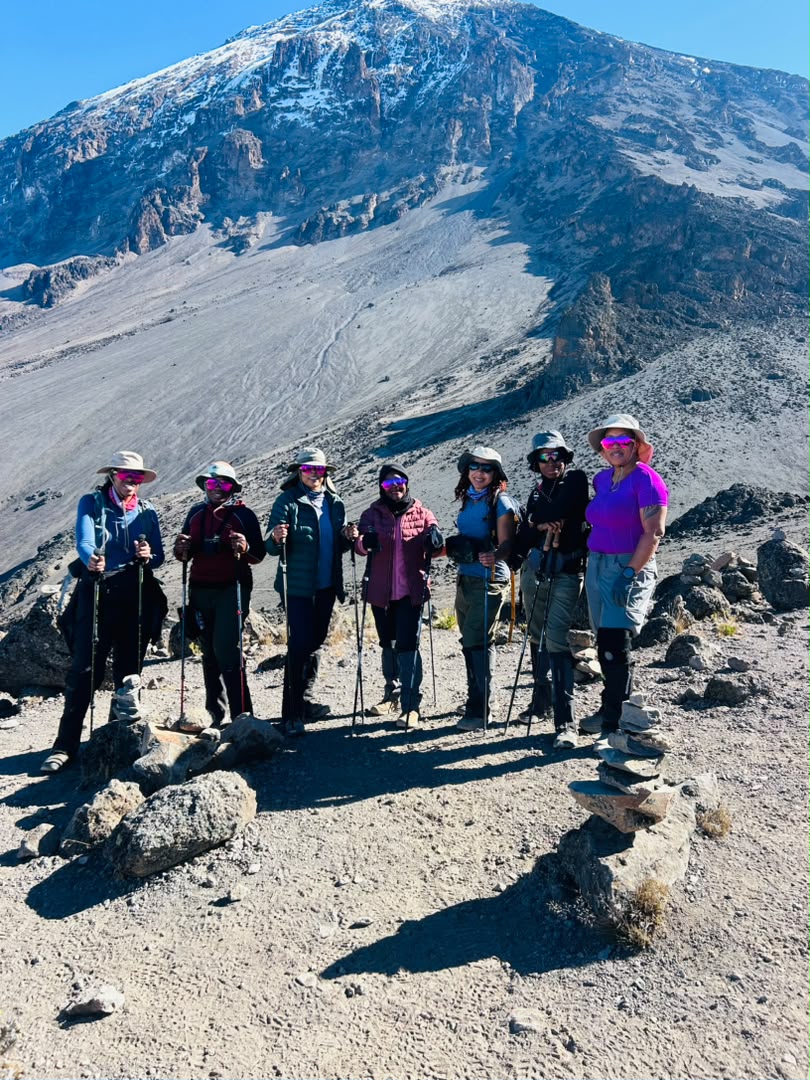
Planning your first Kilimanjaro for Beginners adventure? Discover the best routes, climbing costs, preparation tips, altitude advice, packing essentials, and expert guidance from JoyTrekking Tours & Safaris to help you reach Uhuru Peak with confidence.
Kilimanjaro for Beginners: The Complete First-Time Climber’s Guide
Standing at 5,895 meters (19,341 feet) above sea level, Mount Kilimanjaro is Africa’s highest mountain and one of the world’s most iconic trekking destinations. Every year, thousands of people from around the globe travel to Tanzania with one goal in mind reaching the legendary Uhuru Peak.
The good news is that you do not need to be an experienced mountaineer to climb Kilimanjaro.
Many successful climbers are complete beginners taking on their first high-altitude adventure. With proper preparation, the right route, experienced guides, and a positive mindset, climbing Kilimanjaro is an achievable challenge for people of different ages and fitness levels.
In this comprehensive beginner’s guide, you’ll learn everything you need to know before booking your climb from choosing the best route and understanding costs to preparing for altitude and selecting the right itinerary. Whether you’re planning your adventure months in advance or comparing trekking packages, this guide will help you make informed decisions and increase your chances of standing on the Roof of Africa.
Can Beginners Climb Mount Kilimanjaro?
Yes.
Mount Kilimanjaro is widely regarded as one of the most accessible high mountains in the world because it is a non-technical trek. Unlike many famous peaks, climbing Kilimanjaro does not require ropes, crampons, ice axes, or previous mountaineering experience.
Instead, success depends on several important factors:
- Choosing the right route
- Allowing enough days for acclimatization
- Walking at a slow, steady pace
- Preparing physically before arrival
- Following your guides’ instructions
- Staying hydrated throughout the climb
For most people, altitude not steep terrain is the biggest challenge.
This is why selecting a longer itinerary significantly improves your summit success rate. Extra days allow your body to adapt gradually to the decreasing oxygen levels as you ascend.
At JoyTrekking Tours & Safaris, guides emphasize the famous Swahili phrase “Pole Pole,” meaning “slowly, slowly.” Walking slowly conserves energy, reduces fatigue, and gives your body more time to acclimatize, making it one of the most effective strategies for reaching Uhuru Peak.
How Difficult Is Kilimanjaro?
One of the most common questions first-time travelers ask is:
“Is Kilimanjaro hard?”
The answer depends on your preparation.
Physically, Kilimanjaro is a demanding multi-day hike rather than a technical climb. You will spend several consecutive days walking for five to eight hours, with summit night often lasting between 10 and 15 hours.
The greatest challenge is the mountain’s altitude.
As you climb higher, oxygen levels decrease significantly, making even simple activities feel more strenuous. Symptoms such as headaches, fatigue, shortness of breath, or nausea are common during the ascent.
However, these challenges can often be managed by:
- Walking slowly
- Drinking plenty of water
- Eating regular meals
- Getting enough rest
- Following an itinerary that includes adequate acclimatization
Many beginners are surprised to discover that mental determination plays just as important a role as physical fitness. A positive attitude, patience, and consistency often make the difference between turning back and reaching the summit.
Why Choosing the Right Route Matters
Not all Kilimanjaro routes offer the same experience.
Some routes are shorter and steeper, while others provide gradual ascents that are ideal for acclimatization. As a beginner, selecting the right itinerary can significantly improve both your comfort and your chances of success.
Below are the Kilimanjaro climbing packages offered by JoyTrekking Tours & Safaris.
| Route | Duration | Price (USD) | Beginner Friendly |
|---|---|---|---|
| Marangu Route | 6 Days / 5 Nights | $1,770 | five stars |
| Machame Route | 7 Days / 6 Nights | $2,160 | five stars |
| Umbwe Route | 6 Days / 5 Nights | $2,180 | five stars |
| Rongai Route | 7 Days / 6 Nights | $2,240 | five stars |
| Lemosho Route | 8 Days / 7 Nights | $2,840 | five stars |
| Northern Circuit | 9 Days / 8 Nights | $2,850 | five stars |
Each route has its own scenery, difficulty level, and acclimatization profile. Choosing the right one depends on your fitness, available time, budget, and overall trekking goals.
Best Kilimanjaro Routes for Beginners
1. Machame Route – The Best Overall Choice
The 7-day Machame Route is one of the most popular options for first-time climbers.
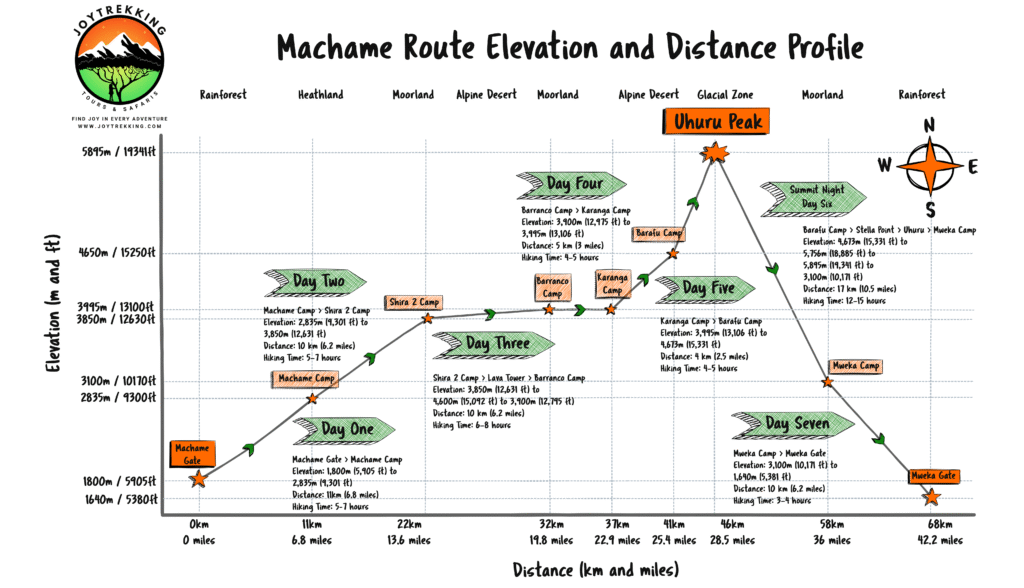
Often called the “Whiskey Route,” it offers spectacular scenery while providing a gradual ascent that supports better acclimatization than shorter itineraries.
Why beginners choose it:
- Excellent acclimatization profile
- Diverse landscapes
- High summit success rates
- Great value for money
- Suitable for reasonably fit first-time trekkers
Package Price: US$2,160
2. Lemosho Route – Highest Success Rate
If your priority is maximizing your chances of reaching Uhuru Peak, the 8-day Lemosho Route is widely regarded as one of the best choices.
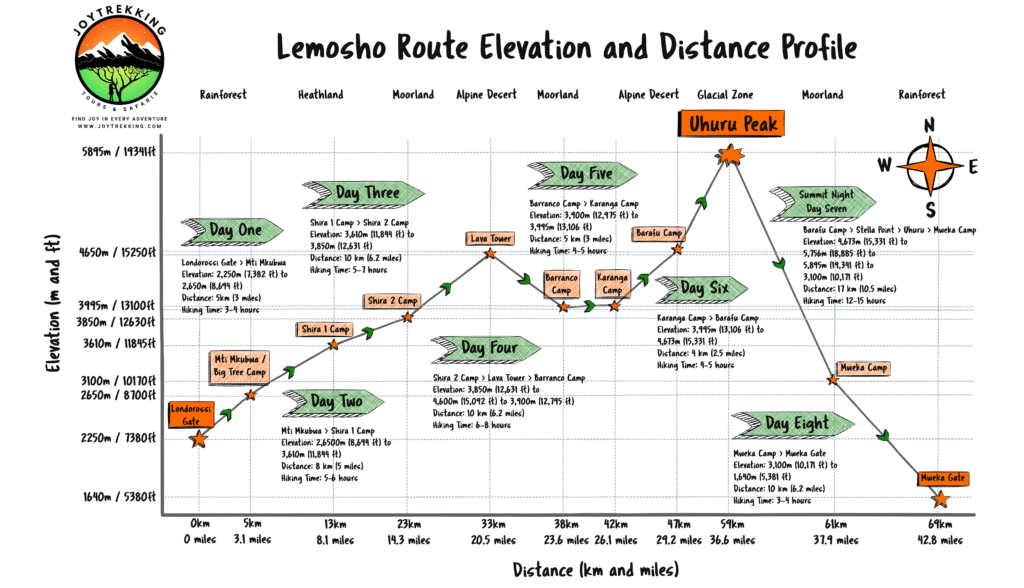
Its extended itinerary allows climbers to adapt more effectively to the altitude while enjoying quieter trails and breathtaking scenery.
For travelers who have enough time and budget, this route offers an outstanding balance of comfort, scenery, and summit success.
Package Price: US$2,840
3. Marangu Route – Comfortable Hut Accommodation
Unlike the camping routes, the Marangu Route provides accommodation in mountain huts, making it an attractive option for travelers who prefer not to sleep in tents.
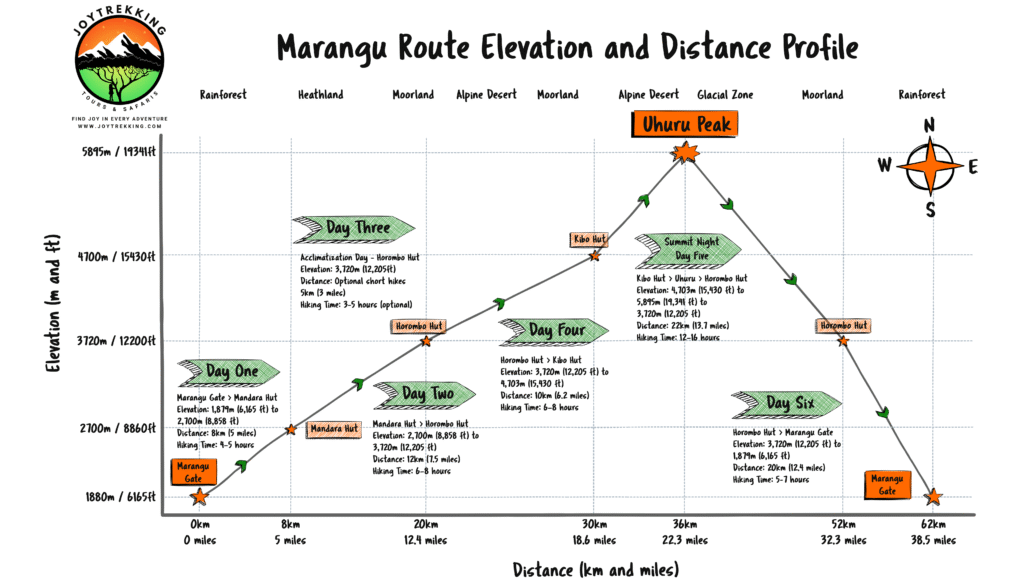
Although the six-day itinerary is beginner-friendly, the shorter acclimatization period means some climbers may find the altitude more challenging than on longer routes.
It remains one of the most affordable options and is ideal for those seeking greater overnight comfort.
Package Price: US$1,770
Which Route Should You Choose?
For most first-time climbers, the choice comes down to three priorities:
- Best value: Machame Route
- Highest comfort and acclimatization: Lemosho Route
- Most budget-friendly with hut accommodation: Marangu Route
Selecting a route that matches your fitness level, travel schedule, and expectations can make a significant difference to your overall experience. In the next section, we’ll compare all six routes in more detail, explain which travelers each route suits best, and look at the key factors that influence the cost of climbing Kilimanjaro.
Continue to Part 2: We’ll explore route comparisons, climbing costs, the best time to climb Kilimanjaro, altitude sickness, and how to prepare physically for your adventure.
Kilimanjaro Route Comparison: Which Route Is Best for Beginners?
Choosing the right route is one of the most important decisions you’ll make when planning your Kilimanjaro adventure. Each route offers a unique experience in terms of scenery, acclimatization, difficulty, and overall trekking style.
For beginners, the goal should not simply be choosing the cheapest itinerary it should be selecting a route that gives you the highest chance of reaching Uhuru Peak safely and enjoyably.
| Route | Duration | Difficulty | Accommodation | Scenery | Recommended For |
|---|---|---|---|---|---|
| Marangu | 6 Days | Moderate | Mountain Huts | Good | Budget-conscious beginners who prefer huts |
| Machame | 7 Days | Moderate | Camping | Excellent | Most first-time climbers |
| Umbwe | 6 Days | Challenging | Camping | Excellent | Experienced hikers |
| Rongai | 7 Days | Moderate | Camping | Very Good | Climbers seeking quieter trails |
| Lemosho | 8 Days | Moderate | Camping | Outstanding | Beginners prioritizing success |
| Northern Circuit | 9 Days | Moderate | Camping | Exceptional | Travelers wanting maximum acclimatization |
Our Recommendation for First-Time Climbers
At JoyTrekking Tours & Safaris, we generally recommend:
Lemosho Route (8 Days) – Best overall for beginners thanks to excellent acclimatization, stunning scenery, and one of the highest summit success rates.
Machame Route (7 Days) – Perfect balance of affordability, adventure, and high success rates.
Marangu Route (6 Days) – Ideal for travelers who prefer sleeping in huts instead of tents.
If your schedule allows, choosing a longer itinerary is almost always the better investment. Spending an extra day on the mountain greatly improves your body’s ability to adapt to the altitude.
How Much Does It Cost to Climb Kilimanjaro?
One of the first questions travelers ask is:
“How much should I budget for climbing Mount Kilimanjaro?”
The cost depends on several factors, including:
- Route selected
- Number of climbing days
- Park fees
- Guide and porter services
- Meals during the trek
- Camping or hut accommodation
- Airport transfers
- Safety equipment
- Group size
Below are the current Kilimanjaro trekking packages offered by JoyTrekking Tours & Safaris.
| Package | Duration | Price (USD) |
|---|---|---|
| Marangu Route | 6 Days / 5 Nights | $1,770 |
| Machame Route | 7 Days / 6 Nights | $2,160 |
| Umbwe Route | 6 Days / 5 Nights | $2,180 |
| Rongai Route | 7 Days / 6 Nights | $2,240 |
| Lemosho Route | 8 Days / 7 Nights | $2,840 |
| Northern Circuit | 9 Days / 8 Nights | $2,850 |
Although a lower price may seem attractive, remember that the cheapest itinerary isn’t always the best value. Longer routes provide better acclimatization, increasing your chances of standing on Africa’s highest point.
When comparing operators, always check what’s included in the package. A professional Kilimanjaro climb should include experienced mountain guides, licensed porters, quality camping equipment (where applicable), meals, safety monitoring, and park fees. Transparent pricing helps you avoid unexpected costs after arrival.
What Is Included in a Typical Kilimanjaro Package?
While inclusions may vary slightly, a quality Kilimanjaro package generally includes:
- Kilimanjaro National Park entrance fees
- Professional English-speaking mountain guides
- Certified mountain crew and porters
- Three freshly prepared meals each day
- Camping equipment (or hut accommodation on the Marangu Route)
- Dining tent and camping furniture
- Rescue fees
- Daily health and oxygen level monitoring
- Airport transfers
- Pre-climb briefing
Personal gear such as hiking boots, clothing, sleeping bags (if not included), travel insurance, visas, flights, and guide/porter tips are usually paid separately.
Before booking, ask for a detailed inclusions list so you know exactly what your package covers.
Best Time to Climb Mount Kilimanjaro
Mount Kilimanjaro can be climbed throughout the year, but some months offer better weather conditions than others.
January to March
This season usually brings cooler temperatures and relatively quiet trails. Snow is more likely near the summit, creating spectacular scenery.
Best for:
- Fewer crowds
- Clear summit views
- Photographers
June to October
This is the most popular climbing season due to generally dry weather and excellent trekking conditions.
Best for:
- First-time climbers
- Stable weather
- Peak travel season
November
Short rains make this a less popular time. Some trekkers still enjoy quieter trails, but weather conditions can be less predictable.
April and May
These months experience the long rainy season and are generally considered the least favorable period for climbing.
How to Prepare for Your First Kilimanjaro Climb
You don’t need to be a marathon runner to climb Kilimanjaro but you should prepare your body for several consecutive days of hiking.
Ideally, begin training at least 8–12 weeks before your trip.
Your preparation should include:
Cardiovascular Training
Aim for activities such as:
- Hiking
- Jogging
- Cycling
- Swimming
- Stair climbing
Three to five sessions each week can significantly improve your endurance.
Strength Training
Focus on building leg and core strength with exercises like:
- Squats
- Lunges
- Step-ups
- Planks
- Deadlifts (with proper technique)
These exercises help your body cope with long trekking days while carrying a daypack.
Practice Hiking
If possible, complete several long hikes wearing the boots and backpack you plan to use on Kilimanjaro.
This helps prevent blisters and ensures your equipment fits comfortably before your expedition.
Understanding Altitude Sickness
Altitude is the single biggest challenge on Mount Kilimanjaro.
As elevation increases, oxygen levels decrease. Even healthy, fit individuals can experience symptoms of altitude sickness.
Common symptoms include:
- Headache
- Fatigue
- Dizziness
- Loss of appetite
- Nausea
- Difficulty sleeping
The good news is that these symptoms are often mild and manageable when detected early.
Professional guides regularly monitor climbers throughout the trek using health checks, including oxygen saturation measurements, to help ensure everyone’s safety.
Tips to Reduce the Risk
- Walk slowly (“Pole Pole”)
- Drink 3–4 liters of water daily
- Eat even if you don’t feel hungry
- Avoid alcohol before and during the climb
- Follow your guide’s pace
- Choose a longer itinerary for better acclimatization
Remember, reaching the summit is rewarding, but your health and safety always come first.
Common Mistakes First-Time Climbers Make
Learning from other trekkers’ experiences can make your own journey much smoother.
Avoid these common mistakes:
- Choosing the shortest route simply to save money.
- Underestimating the effects of altitude.
- Wearing brand-new hiking boots without breaking them in.
- Packing too much unnecessary gear.
- Ignoring hydration.
- Hiking too fast on the first few days.
- Skipping physical preparation.
- Forgetting travel insurance that covers high-altitude trekking.
A successful Kilimanjaro climb is built on preparation, patience, and the support of an experienced mountain team.
Complete Kilimanjaro Packing List for Beginners
Packing the right gear can make the difference between an enjoyable trek and an uncomfortable experience. Mount Kilimanjaro takes you through several climate zones—from warm rainforest to freezing alpine desert and arctic conditions near the summit.
Temperatures can range from 25°C (77°F) at the base to -15°C (5°F) or lower on summit night. Dressing in layers is the key to staying comfortable.
Essential Clothing
? Moisture-wicking base layers
? Insulated fleece or down jacket
? Waterproof and windproof outer jacket
? Waterproof hiking trousers
? Thermal underwear
? Warm hiking socks (4–6 pairs)
? Sun hat
? Warm beanie
? Neck gaiter or buff
? Lightweight gloves
? Insulated summit gloves
Footwear
- Broken-in waterproof hiking boots
- Comfortable camp shoes or sandals
- Gaiters (optional but useful)
Backpack Essentials
- Daypack (20–35L)
- Duffel bag (carried by porters)
- Reusable water bottles or hydration bladder
- Headlamp with spare batteries
- Sunglasses with UV protection
- Sunscreen (SPF 50+)
- Lip balm
- Trekking poles
- Personal medications
- Wet wipes
- Hand sanitizer
- Camera or smartphone
- Power bank
Pro Tip: Avoid overpacking. Most climbers only use a portion of the items they bring. Your guide can also advise you on rental equipment if you don’t want to purchase everything before your trip.
Expert Tips to Increase Your Summit Success
Every year, thousands of trekkers attempt to reach Uhuru Peak. While fitness matters, success is often determined by preparation and decision-making rather than athletic ability.
Here are our top recommendations for beginners:
Choose a Longer Route
The biggest reason climbers fail to reach the summit is altitude sickness—not lack of fitness.
Routes with seven days or more allow your body to acclimatize gradually, significantly improving your chances of success.
Listen to Your Guides
Professional mountain guides have climbed Kilimanjaro many times and know how to recognize early signs of altitude-related illness. Follow their advice on pacing, hydration, and rest.
Stay Hydrated
Aim to drink 3–4 liters of water each day. Proper hydration supports acclimatization and helps reduce the risk of headaches and fatigue.
Eat Regularly
Even if your appetite decreases at higher elevations, try to eat enough calories to maintain your energy levels.
Pace Yourself
Remember the famous Kilimanjaro philosophy:
“Pole Pole” (Slowly, Slowly).
Walking slowly is not a sign of weakness it is one of the smartest strategies for reaching the summit.
Why Choose JoyTrekking Tours & Safaris?
Choosing the right operator is just as important as choosing the right route. Your guides, equipment, logistics, and safety procedures all contribute to your overall experience on the mountain.
At JoyTrekking Tours & Safaris, every Kilimanjaro expedition is designed to give climbers the confidence and support they need from the first briefing to the final steps on Uhuru Peak.
What You Can Expect
- Experienced, professional mountain guides
- Friendly and dedicated porter team
- Carefully planned itineraries
- Quality camping equipment
- Safety-focused mountain operations
- Transparent pricing with no hidden surprises
- Personalized support before your arrival
- Assistance choosing the best route based on your goals and fitness level
Whether you’re traveling solo, as a couple, with friends, or as part of a private group, the team can help you plan an itinerary that matches your schedule, budget, and experience level.
Frequently Asked Questions
Can a beginner really climb Mount Kilimanjaro?
Yes. Thousands of beginners successfully reach Uhuru Peak every year. You do not need technical climbing experience, but you should prepare physically, choose an appropriate route, and trek with experienced guides.
Which Kilimanjaro route is best for beginners?
The Lemosho Route and Machame Route are widely recommended because they provide better acclimatization than shorter itineraries. The Marangu Route is also a good option for travelers who prefer sleeping in mountain huts.
How fit do I need to be?
You should be able to walk for several hours on consecutive days while carrying a light daypack. Regular hiking, walking, cycling, or jogging in the weeks leading up to your trip can help build the necessary endurance.
Is altitude sickness guaranteed?
No. Anyone can experience altitude sickness, regardless of age or fitness level. Choosing a longer route, staying hydrated, and ascending gradually all help reduce the risk.
What is the best time to climb Kilimanjaro?
The most popular months are January to March and June to October, when weather conditions are generally more favorable for trekking.
How many days should I spend on Kilimanjaro?
For most beginners, a 7–9 day itinerary offers the best balance between acclimatization and summit success.
Do I need travel insurance?
Yes. Comprehensive travel insurance that covers high-altitude trekking and emergency evacuation is strongly recommended before climbing Kilimanjaro.
How far in advance should I book?
Booking several months ahead is advisable, especially if you plan to climb during the peak seasons. Early booking also gives you more time to prepare physically and arrange flights.
Final Thoughts
Climbing Mount Kilimanjaro is more than reaching Africa’s highest point it’s a journey that challenges your determination, rewards your preparation, and creates memories that last a lifetime.
The mountain is accessible to beginners, but success depends on making informed choices. Selecting the right route, allowing enough time for acclimatization, training before your trip, packing wisely, and trekking with an experienced team all contribute to a safer and more enjoyable climb.
For many first-time climbers, the Machame Route offers an excellent balance of scenery, value, and acclimatization, while the Lemosho Route provides one of the best opportunities for summit success. If you prefer hut accommodation, the Marangu Route remains a popular alternative.
Whatever route you choose, remember that the goal is not simply to reach the summit it’s to enjoy every step of the journey.
Plan Your Kilimanjaro Adventure with JoyTrekking Tours & Safaris
Are you ready to turn your dream of standing on the Roof of Africa into reality?
JoyTrekking Tours & Safaris specializes in professionally guided Mount Kilimanjaro expeditions designed for both beginners and experienced trekkers. From helping you choose the right route to supporting you throughout your climb, the team is committed to delivering a safe, memorable, and rewarding experience.
Whether you’re interested in the scenic Lemosho Route, the popular Machame Route, the comfortable Marangu Route, or any of the other carefully designed itineraries, you’ll receive expert guidance every step of the way.
Request Your Free Kilimanjaro Quote Today
Contact JoyTrekking Tours & Safaris to:
- Compare Kilimanjaro routes
- Get personalized itinerary recommendations
- Receive transparent pricing
- Ask questions about preparation and equipment
- Reserve your preferred climbing dates
Your Kilimanjaro adventure starts with a single step and the right team beside you. Let JoyTrekking Tours & Safaris help you take that first step with confidence.