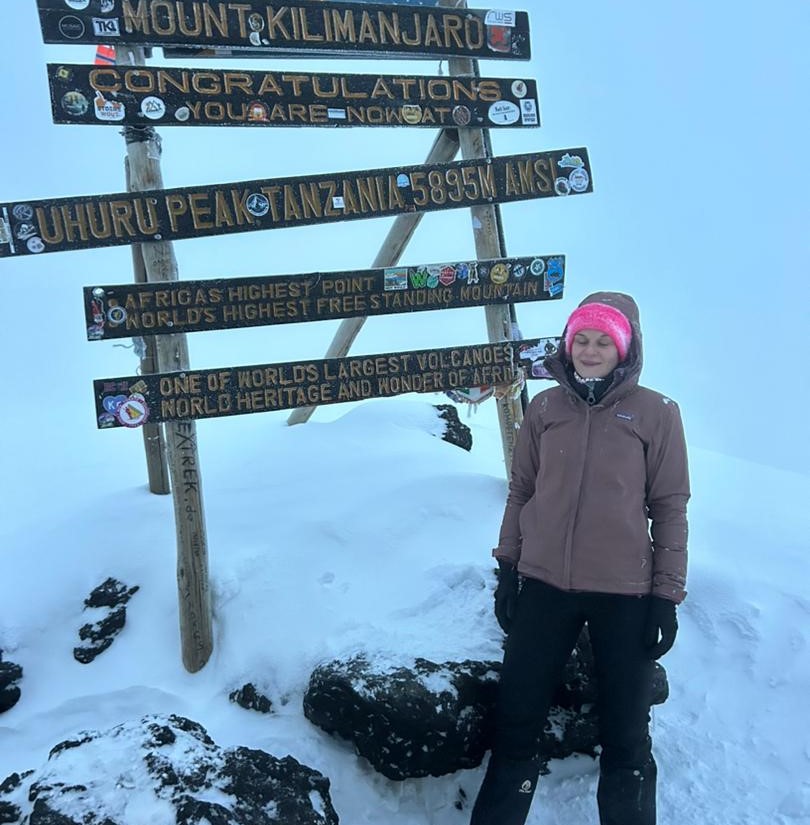
Learn how to avoid altitude sickness on Mount Kilimanjaro with this complete 2026 guide by JoyTrekking Tours & Safaris. Discover expert acclimatization tips, best routes, symptoms, hydration advice and how to summit safely.
Introduction
Standing on the roof of Africa is not just another travel experience. It is emotional. It is personal. It is life-changing.
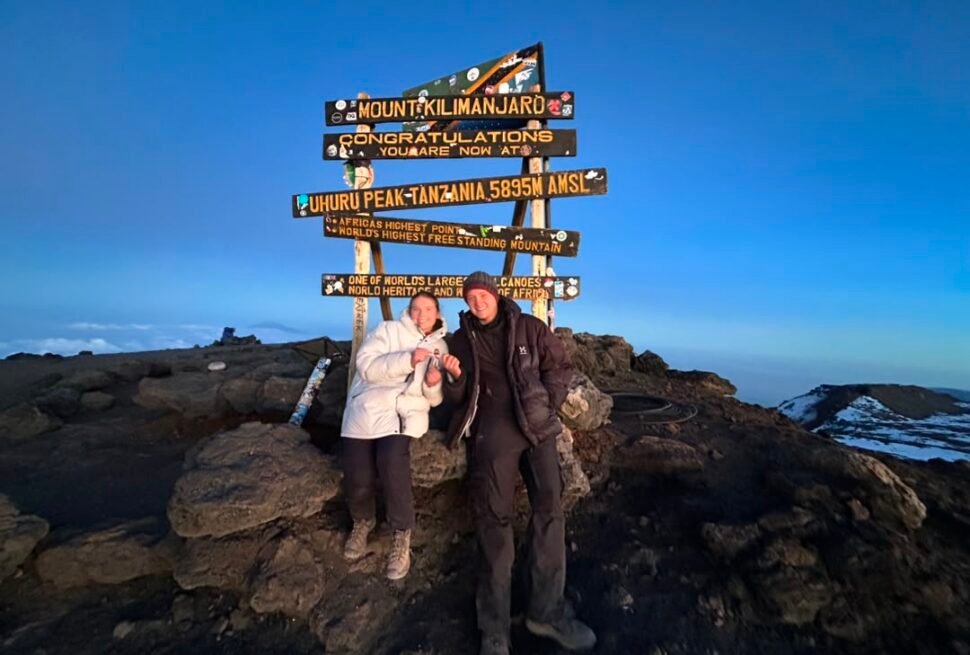
Every year, thousands of travelers arrive in Tanzania with one dream reaching Uhuru Peak on Mount Kilimanjaro. Some come to celebrate birthdays, some to heal after difficult seasons in life and others simply to prove to themselves that they can do something extraordinary.
But there is one challenge that surprises many climbers more than the cold, the hiking distance or even the summit night itself: altitude sickness.
At JoyTrekking Tours & Safaris, we have guided climbers from all over the world beginners, families, solo travelers, honeymooners and experienced hikers. One truth remains the same:
Kilimanjaro is not technically difficult, but altitude can affect anyone.
The good news?
Altitude sickness is manageable and often preventable when you prepare correctly.
This complete 2026 Kilimanjaro altitude guide will help you understand:
- Why altitude sickness happens
- How to avoid it
- The best routes for acclimatization
- Foods and hydration tips
- Warning signs to never ignore
- Expert local advice from Tanzanian mountain guides
If climbing Kilimanjaro is on your bucket list, this guide may become the most important thing you read before your adventure begins.
Quick Answer / Summary
The best ways to avoid altitude sickness on Mount Kilimanjaro include:
- Choose a longer route (7–9 days)
- Walk slowly (“Pole Pole”)
- Stay hydrated
- Eat enough carbohydrates
- Sleep properly
- Avoid alcohol and smoking
- Train before the climb
- Listen to your guides
- Consider Diamox after consulting your doctor
- Allow proper acclimatization
The Lemosho Route and Northern Circuit Route have the highest summit success rates because they provide better acclimatization time.
Understanding Altitude Sickness on Mount Kilimanjaro
What is Altitude Sickness?
Altitude sickness, also known as Acute Mountain Sickness (AMS), happens when your body struggles to adapt to lower oxygen levels at high elevations.
Mount Kilimanjaro stands at:
5895 meters=19341 feet
At this altitude, oxygen levels are significantly lower than at sea level.
This means your body must work harder to breathe, sleep and recover.
Even healthy and fit travelers can experience altitude sickness.
Why Kilimanjaro is Unique
Unlike many mountains around the world, Kilimanjaro allows climbers to ascend very quickly.
You can move from tropical rainforest to arctic summit conditions in less than a week.
That rapid elevation gain is exactly why acclimatization matters so much.
Symptoms of Altitude Sickness (AMS) on Mount Kilimanjaro
Mild Symptoms (Early Warning Signs)
At high altitude on Mount Kilimanjaro, it is very common for climbers to experience mild Acute Mountain Sickness (AMS) as the body begins adapting to lower oxygen levels. These symptoms are usually manageable but they should never be ignored or dismissed.
Common Mild Symptoms include:
- Headache – often the first and most common sign, ranging from mild pressure to a persistent dull pain
- Fatigue or unusual tiredness – feeling drained even after light walking or rest
- Dizziness or lightheadedness – especially when standing up or walking uphill
- Nausea or mild stomach discomfort – sometimes accompanied by reduced energy levels
- Loss of appetite – food may feel less appealing even when your body needs energy
- Poor sleep quality – frequent waking, vivid dreams, or difficulty staying asleep
- Shortness of breath – feeling out of breath during normal walking pace
These symptoms are common and expected at altitude, especially above 3,000 meters. However, they are also your body’s first signal that it is struggling to adjust.
Important Guidance from Mountain Experts
On Kilimanjaro, experienced guides always monitor these symptoms closely because early recognition is the key to preventing progression to more serious conditions.
- Mild AMS often improves with slower pace, rest, hydration, and proper acclimatization
- Symptoms should not worsen over time; if they do, immediate action is required
- The safest approach is always to communicate openly with your guide as soon as symptoms begin
At JoyTrekking Tours & Safaris, we emphasize one principle:
“A successful summit is not about pushing harder, it is about listening to your body early.”
Even mild symptoms are part of the mountain experience, but with proper management, most climbers continue safely and successfully toward Uhuru Peak.
Severe Symptoms (Danger Signs of Altitude Sickness)
When altitude sickness progresses beyond the mild stage, it can develop into a serious medical emergency. On Mount Kilimanjaro, this is rare when proper acclimatization is followed, but it must always be taken seriously.
At this stage, the body is no longer adapting effectively to low oxygen levels, and immediate action is required.
Warning Signs You Must Never Ignore
If any of the following symptoms appear, stop ascending immediately and begin descent under the guidance of your mountain team:
- Confusion or altered mental state – difficulty thinking clearly, disorientation, or unusual behavior
- Difficulty walking or loss of coordination – stumbling, imbalance, or inability to walk in a straight line
- Persistent vomiting – inability to keep food or fluids down, leading to rapid dehydration
- Severe breathing problems – breathlessness even at rest or worsening shortness of breath
- Chest tightness or chest pain – pressure, discomfort, or unusual heaviness in the chest
- Blue or grayish lips and fingernails – a sign of dangerously low oxygen levels in the body
These symptoms may indicate serious conditions such as High Altitude Cerebral Edema (HACE) or High Altitude Pulmonary Edema (HAPE), both of which require urgent descent and medical attention.
Expert Safety Principle from Kilimanjaro Guides
On the mountain, professional guides are trained to act immediately when severe symptoms appear. At JoyTrekking Tours & Safaris, safety protocols are strict and non-negotiable:
“The mountain can always wait, your life cannot.”
If severe symptoms are detected:
- The climb is stopped immediately
- The client is monitored closely
- Descent is prioritized without delay
- Oxygen support may be provided if available
Critical Reminder for Climbers
- Never try to “push through” severe symptoms
- Do not ignore your body signals in hope of reaching the summit
- Inform your guide immediately, early reporting saves lives
- Proper acclimatization reduces these risks significantly
Final Safety Message
At high altitude, decisions must always favor safety over ambition.
At JoyTrekking Tours & Safaris, we believe:
No summit is worth risking your health or life.
A successful Kilimanjaro climb is not only measured by reaching Uhuru Peak but also by returning safely with your health intact and your story to tell.
The Golden Rule on Kilimanjaro: “Pole Pole”
Why Tanzanian Guides Always Say “Pole Pole”
If you climb Kilimanjaro, you will hear one phrase constantly:
“Pole Pole”
In Swahili, this means:
“Slowly slowly.”
Many first-time climbers underestimate how important this is.
Walking too fast increases your heart rate and prevents your body from adapting properly.
The Science Behind Slow Climbing
Climbing slowly helps your body:
- Use oxygen more efficiently
- Stabilize breathing
- Reduce stress on the heart
- Improve acclimatization
Sometimes the strongest hikers struggle because they move too quickly.
Meanwhile, slower climbers often reach the summit successfully.
Best Kilimanjaro Routes to Avoid Altitude Sickness
Choosing the right route on Mount Kilimanjaro is one of the most important decisions you will make before your climb. In fact, at JoyTrekking Tours & Safaris, we often say:
“Your summit success starts with the route you choose, not the day you start walking.”
Altitude sickness is strongly linked to how fast you ascend. That is why longer routes with better acclimatization profiles significantly increase your chances of reaching Uhuru Peak safely and comfortably.
Below are the best Kilimanjaro routes recommended by local mountain experts to reduce altitude sickness risk.
1. Lemosho Route (Best Overall Choice)
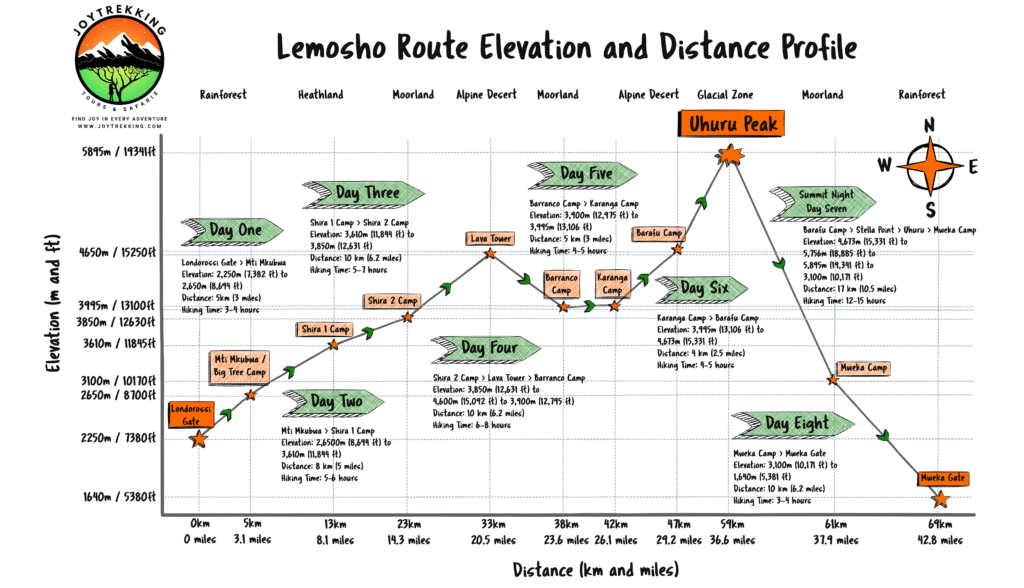
The Lemosho Route is widely considered the most balanced and beginner-friendly route for high summit success.
Why We Recommend It
This route is loved by both guides and climbers because it offers the perfect balance between safety, scenery, and success rate.
- Excellent acclimatization profile (“climb high, sleep low” opportunities)
- Stunning and diverse landscapes from rainforest to alpine desert
- Low crowd levels, especially in the early days
- One of the highest summit success rates on Kilimanjaro
Recommended Duration
- 8 days (ideal for acclimatization)
- 7 days (minimum acceptable option)
Best For
- First-time climbers
- Couples seeking a scenic experience
- Photographers and nature lovers
- Travelers focused on summit success and safety
2. Northern Circuit Route (Best for Acclimatization)
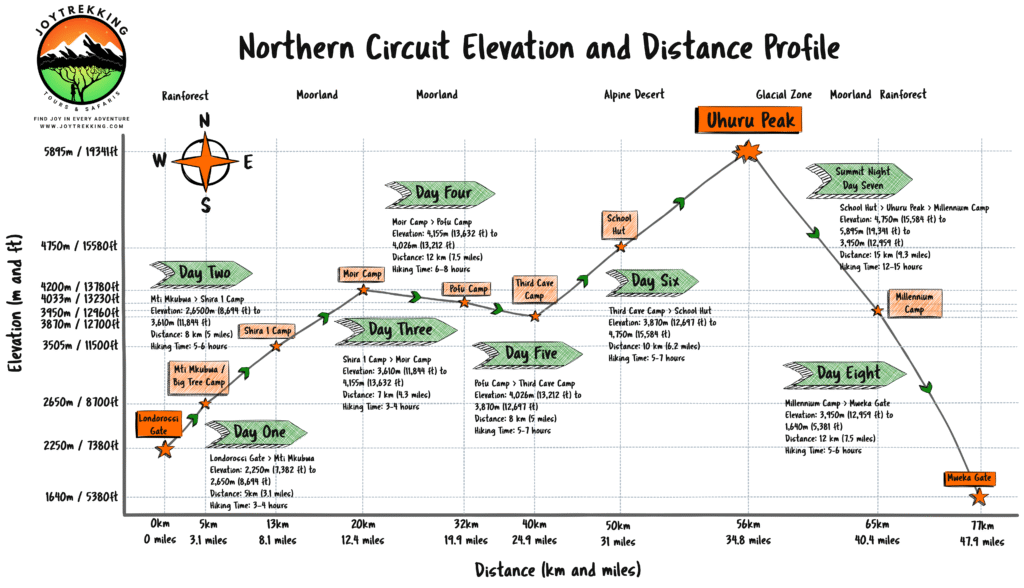
The Northern Circuit Route is the longest and most effective route for reducing altitude sickness risk.
Why It Stands Out
This route is designed for maximum acclimatization, making it one of the safest choices on the mountain.
- Best acclimatization profile on Kilimanjaro
- Highest overall summit success rate
- Very quiet and peaceful trekking experience
- 360-degree panoramic views of the mountain
Best For
- Older climbers or those with altitude concerns
- Beginners who want maximum safety
- Travelers prioritizing comfort over speed
3. Machame Route (“Whiskey Route”)
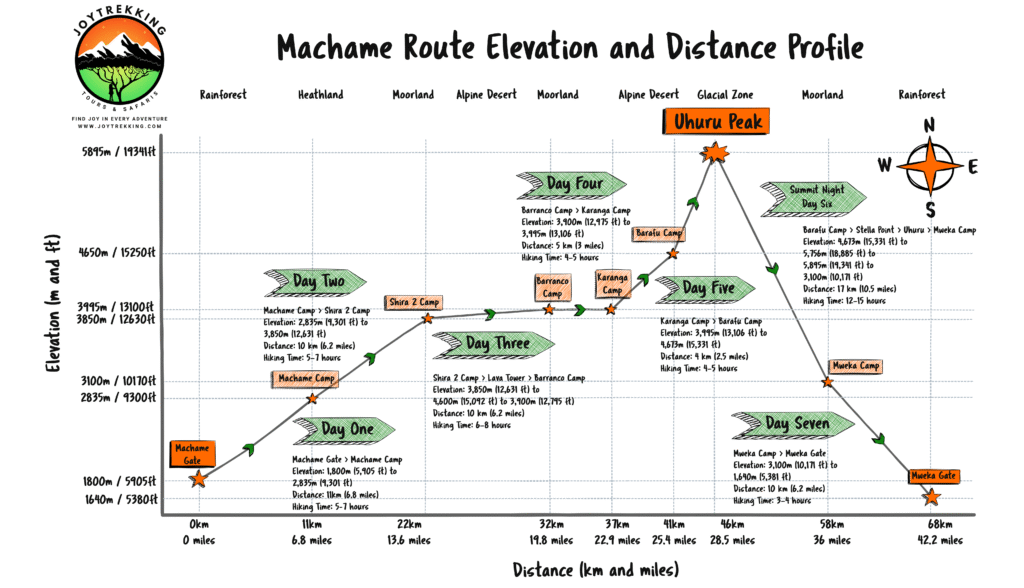
The Machame Route is one of the most famous and scenic routes on Kilimanjaro.
Why Climbers Love It
It offers dramatic landscapes and a strong trekking adventure experience.
- Beautiful and varied scenery
- Good acclimatization if done over 7 days
- Strong sense of adventure and challenge
Challenges to Consider
- Can be crowded during peak seasons
- Steeper summit approach compared to Lemosho
- Requires good mental endurance on summit night
Best For
- Adventurous hikers
- Physically active travelers
- Those comfortable with moderate challenge
4. Marangu Route (“Coca-Cola Route”)
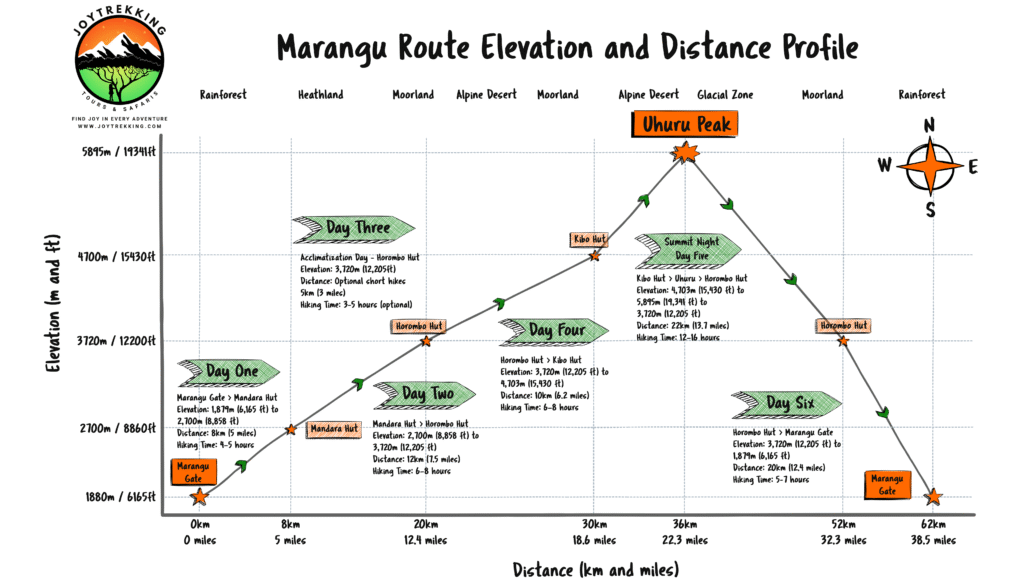
The Marangu Route is the oldest and most established route on Kilimanjaro.
Important Warning
Although it is often marketed as the “easiest” route due to hut accommodation, it actually has a higher altitude sickness risk because of its shorter itinerary.
- Faster ascent increases AMS risk
- Less time for proper acclimatization
- Lower summit success rates compared to longer routes
Not Ideal For
- Travelers in a hurry
- First-time climbers choosing 5-day itineraries
- Anyone concerned about altitude sickness
Final Expert Insight from JoyTrekking Guides
On Kilimanjaro, the difference between success and struggle is often not fitness, it is time and acclimatization strategy.
At JoyTrekking Tours & Safaris, we consistently recommend:
- Choose 7–9 day routes whenever possible
- Prioritize Lemosho or Northern Circuit for safety
- Avoid rushing the mountain experience
“The mountain rewards patience, not speed.”
A well-chosen route doesn’t just improve your summit chances, it transforms your entire Kilimanjaro journey into a safer, more enjoyable and more meaningful adventure.
Comparison Table: Kilimanjaro Routes & Altitude Success
| Route | Days Recommended | Acclimatization Quality | Success Rate | Difficulty |
|---|---|---|---|---|
| Lemosho | 8 Days | Excellent | Very High | Moderate |
| Northern Circuit | 9 Days | Best | Extremely High | Moderate |
| Machame | 7 Days | Good | High | Moderate to Challenging |
| Rongai | 7 Days | Good | High | Moderate |
| Marangu | 5–6 Days | Poor to Fair | Lower | Moderate |
How Many Days Should You Spend on Kilimanjaro?
More Days = Better Chances
One of the biggest mistakes travelers make is choosing shorter itineraries to save money or vacation time.
Truth:
Longer climbs dramatically improve summit success.
Recommended Minimum
- 7 days minimum
- 8–9 days ideal
Your body needs time to adapt.
Hydration Tips That Actually Work on Mount Kilimanjaro
Proper hydration is one of the simplest yet most powerful ways to prevent altitude sickness on Mount Kilimanjaro. Many climbers underestimate it but experienced guides will tell you:
“Water is your silent medicine on the mountain.”
At high altitude, your body loses fluids faster through breathing, sweating and increased respiration. If you don’t replace this fluid consistently, symptoms of AMS can develop or worsen quickly.
How Much Water Should You Drink?
On Kilimanjaro, most climbers should aim for:
3?5 liters of water per day
This amount may feel high compared to normal daily life but at altitude your body is working harder than usual even when resting.
Why this range matters:
- Helps maintain oxygen flow in the bloodstream
- Supports energy production during long hikes
- Reduces risk of headaches and dizziness
- Helps your body adapt more efficiently to altitude
Signs You Are Dehydrated on Kilimanjaro
Dehydration can happen quietly, especially when cold weather reduces your feeling of thirst. Watch closely for:
- Dark yellow urine – one of the earliest and most reliable signs
- Dry or cracked lips – indicating fluid loss
- Unusual fatigue or weakness – feeling heavier than normal while walking
- Frequent headaches – often confused with altitude sickness
- Dizziness or poor concentration – reduced oxygen and hydration combined
If you notice these signs, increase fluid intake immediately and inform your guide.
Local Guide Hydration Strategy (Tanzania Expert Practice)
At JoyTrekking Tours & Safaris, our mountain crews follow a proven hydration approach used by experienced Kilimanjaro guides:
“Sip, don’t gulp” method
Instead of drinking large amounts at once, climbers are encouraged to:
- Sip water continuously throughout the day
- Take small amounts every 10–15 minutes during hiking
- Drink before you feel thirsty
Consistency over volume spikes
- Steady hydration = better absorption
- Prevents stomach discomfort
- Maintains energy levels during long ascents
Warm drinks in the evening
- Tea or warm fluids help recovery
- Support better sleep at high altitude
- Keep body temperature stable in cold camps
Expert Insight from JoyTrekking Guides
Hydration on Kilimanjaro is not just about drinking water it is about discipline and rhythm.
Climbers who stay consistently hydrated often:
- Experience fewer headaches
- Adapt faster to altitude
- Maintain better energy on summit night
While those who ignore hydration often struggle even if they are physically strong.
“Strong legs climb the mountain, but good hydration carries you to the summit.”
Final Reminder
Water is one of your most important tools on Kilimanjaro. It doesn’t replace acclimatization but it significantly supports your body while adjusting to altitude.
Drink early. Drink often. Drink consistently.
Your summit journey depends on it.
Best Foods for High Altitude Climbing
Eat Even When You Don’t Feel Hungry
Altitude often reduces appetite.
But your body desperately needs calories.
Best Foods on Kilimanjaro
- Soups
- Rice
- Pasta
- Potatoes
- Fruits
- Oatmeal
- Energy snacks
Why Carbohydrates Matter
Your body burns carbs more efficiently at altitude.
That is why experienced Kilimanjaro chefs prepare carbohydrate-rich meals during climbs.
Should You Take Diamox?
What is Diamox?
Diamox is a medication commonly used to help prevent altitude sickness.
It helps your body acclimatize faster.
Should Everyone Use It?
Not necessarily.
Some climbers use it successfully, while others climb without it.
Important:
Always consult your doctor before using Diamox.
Possible side effects include:
- Tingling fingers
- Frequent urination
- Taste changes
- Mild nausea
Sleep & Recovery on Mount Kilimanjaro
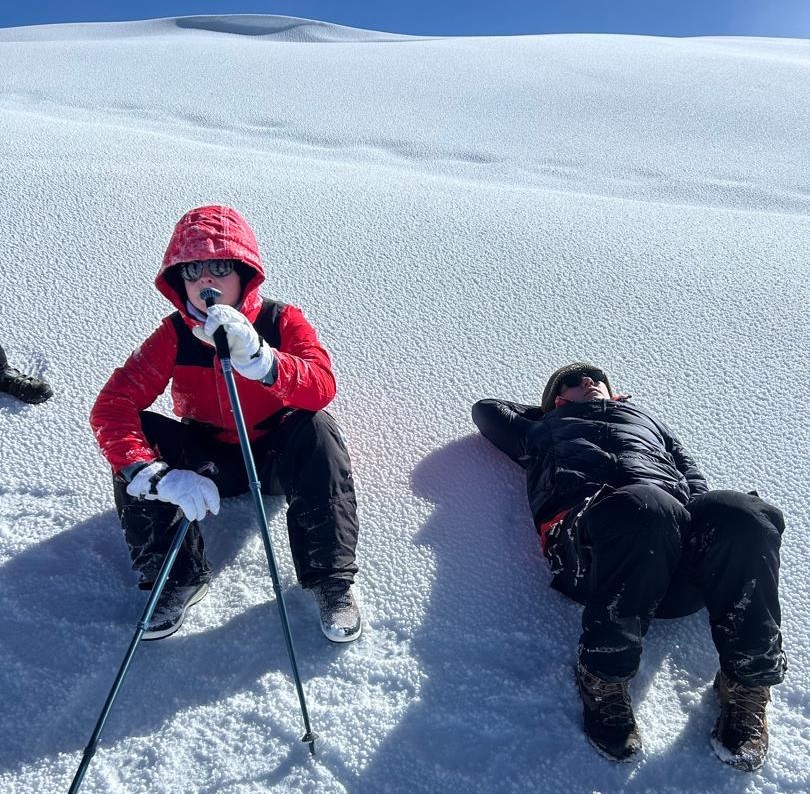
Sleep on Mount Kilimanjaro is one of the most misunderstood parts of the entire climb. Many climbers arrive expecting deep, peaceful rest after long hiking days but the reality is often different.
At higher altitudes, your body is working continuously to adapt to reduced oxygen levels, even while you are resting. That is why sleep quality naturally becomes lighter and more fragmented.
Why Sleeping Becomes Difficult at High Altitude
Once you ascend on Kilimanjaro, your body starts experiencing physiological changes that directly affect sleep quality:
- Reduced oxygen levels make breathing less efficient during rest
- Irregular breathing patterns (periodic breathing) may cause you to wake up frequently
- Cold temperatures make it harder for the body to stay comfortable through the night
- Increased heart rate as your body works harder to adjust to altitude
As a result, many climbers experience:
- Light sleep instead of deep sleep
- Frequent waking during the night
- Vivid dreams or restless sleep cycles
- Mild fatigue upon waking
This is completely normal and expected on high-altitude expeditions.
Tips for Better Sleep & Recovery
Good recovery on Kilimanjaro is not about perfect sleep, it is about maximizing comfort and rest quality under challenging conditions.
Essential gear to bring:
- A high-quality warm sleeping bag rated for low temperatures
- A comfortable travel pillow or inflatable pillow
- Earplugs to reduce wind or tent noise
- Proper thermal base layers for warmth inside the sleeping bag
Smart habits for better rest:
- Avoid caffeine or stimulants late in the day
- Eat your dinner fully, even if appetite is low
- Stay properly layered and warm before sleeping
- Keep hydrated earlier in the evening (but avoid excessive water right before bed)
Local Guide Recovery Insight
Experienced Tanzanian mountain guides often remind climbers:
“Your body does not fully sleep on Kilimanjaro, it adapts.”
This means even light rest contributes to recovery. You don’t need perfect sleep; you need consistent rest and energy conservation.
Climbers who prioritize rest and warmth tend to:
- Recover faster between trekking days
- Experience fewer altitude-related symptoms
- Maintain better stamina for summit night
Expert Advice from JoyTrekking Tours & Safaris
At JoyTrekking Tours & Safaris, we always emphasize that recovery on Kilimanjaro is a combination of:
- Proper pacing during the day
- Good nutrition and hydration
- Mental calmness before sleeping
- Staying warm throughout the night
Even when sleep feels light or broken, your body is still healing and adapting.
“Every hour of rest on the mountain is a step closer to the summit.”
Final Thought
Do not expect luxury sleep on Kilimanjaro. Instead, focus on effective recovery under mountain conditions. When you understand this early, you reduce frustration and improve your overall climbing experience.
Rest well, stay warm and let your body do the quiet work of adaptation.
Fitness vs Acclimatization
Being Fit Does NOT Guarantee Summit Success
This surprises many travelers.
We have seen:
- Marathon runners fail
- Older beginners succeed
Why?
Because altitude adaptation matters more than athletic ability alone.
Best Training Before Kilimanjaro
Focus On:
- Long walks
- Hiking practice
- Stair climbing
- Cardio endurance
- Mental resilience
Local Expert Tips From JoyTrekking Guides
1. Never Rush the Mountain
Kilimanjaro rewards patience. Slow climbers often have better summit success.
2. Listen to Your Guide
Your guide monitors your pace, oxygen levels, symptoms and energy. Trust their decisions they are trained for your safety.
3. Keep Eating and Drinking
Even when you feel tired or have no appetite, keep fueling your body. It helps your acclimatization.
4. Prepare Mentally
Summit night is cold, dark, and demanding but reaching Uhuru Peak at sunrise is unforgettable. Many climbers feel emotional because they realize their true strength at the top.
Emotional Reality of Climbing Mount Kilimanjaro
The Mountain Teaches Humility
Mount Kilimanjaro is not a mountain to be “conquered.” It is a journey that teaches respect, patience and humility at every step.
As many expedition leaders and outdoor safety bodies emphasize, high-altitude trekking is not about ego or speed, it is about steady adaptation, awareness and teamwork. This is why successful climbs always prioritize gradual ascent and guided support.
High-altitude safety and expedition best practices are widely supported by the International Mountaineering and Climbing Federation.
Kilimanjaro demands more than physical strength. It asks for discipline, patience and mental endurance.
There are moments on the mountain when:
- Your legs feel unusually heavy
- Every breath feels shorter than the last
- Doubt quietly enters your mind
At these moments, even well-prepared climbers face the true test, not of fitness but of mindset.
But then something changes.
You keep walking.
Slowly. Steadily. Quietly.
One step at a time.
And just as many climbers describe in wilderness expedition experiences, persistence through discomfort is what leads to breakthrough moments at high altitude.
Human endurance and expedition psychology in extreme environments are also studied and supported by the National Outdoor Leadership School.
The Summit Moment
Then suddenly, everything opens up.
You are standing above the clouds, at the highest point in Africa, watching the sunrise paint the sky over Tanzania.
It is cold. It is quiet. It is overwhelming.
And in that moment, the struggle fades into meaning.
Many climbers describe it not as achievement alone but as transformation because the mountain reveals strength they didn’t realize they had.
Broader research on human adaptation and performance in extreme environments is also referenced by global health and safety authorities such as the World Health Organization in relation to physical stress and high-altitude exposure.
FAQs About Altitude Sickness on Mount Kilimanjaro
Can beginners climb Kilimanjaro?
Yes. Many first-time climbers successfully reach the summit. The key is choosing the right route and allowing enough acclimatization time.
What is the best route to avoid altitude sickness?
The Northern Circuit and Lemosho Routes are the best for acclimatization and reducing altitude sickness risk.
How common is altitude sickness on Kilimanjaro?
Mild symptoms are very common, but severe cases are rare when climbers ascend properly and follow guide instructions.
Is Kilimanjaro dangerous?
Kilimanjaro is generally safe with a professional operator. Most risks come from ignoring altitude symptoms or rushing the ascent.
Can I climb Kilimanjaro without Diamox?
Yes. Many climbers reach the summit without medication. Proper acclimatization is the most important factor.
What is the hardest part of Kilimanjaro?
Most climbers find summit night the most challenging due to:
- Cold temperatures
- Low oxygen levels
- Long hours of hiking
What age can climb Kilimanjaro?
Both young adults and older climbers have successfully reached the summit. Fitness, preparation and acclimatization matter more than age.
Conclusion
Avoiding altitude sickness on Mount Kilimanjaro is not about luck, it is about preparation, pacing, hydration, route choice and listening to experienced guides.
The mountain does not care how strong, wealthy, or experienced you are. But if you respect the process, move slowly (“Pole Pole”), and give your body time to adapt, your chances of reaching Uhuru Peak increase significantly.
Kilimanjaro is more than a mountain, it is a journey that transforms you physically, mentally and emotionally.
And with the right support, that dream of standing on the Roof of Africa can become your reality.
Customer Experience
Samantha Rice2024.12.21
Joy Trekking Tours is the best tour company for hiking Kili hands down. They have so much energy and care about their clients so much.
Ready to Climb Kilimanjaro Safely?
At JoyTrekking Tours & Safaris, we specialize in:
- Safe Kilimanjaro climbs
- Professional local mountain guides
- Personalized itineraries
- Ethical trekking experiences
- High summit success rates
Whether you are a beginner or experienced adventurer, we help you prepare properly and climb with confidence.
Contact JoyTrekking Tours & Safaris Today
Start planning your unforgettable Kilimanjaro adventure with trusted local experts from Tanzania.
Your journey to the Roof of Africa begins now.
About the Author
January Mziray
January Mziray is a Tanzanian tourism expert and Kilimanjaro travel specialist at JoyTrekking Tours & Safaris Company. With years of experience guiding international travelers across Mount Kilimanjaro and Tanzania’s safari destinations, he shares practical local insights, safety guidance, and authentic trekking knowledge to help travelers prepare confidently for African adventures.