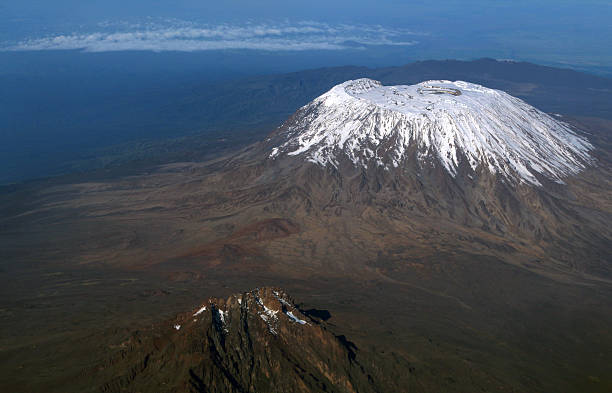
Prepare for your Kilimanjaro trek with our complete guide covering fitness, packing, altitude, routes, health, training, costs and expert tips for a successful summit.
The best way to prepare for Kilimanjaro is to combine regular hiking, cardiovascular fitness, leg and core strength, appropriate equipment, mental preparation and a route that provides enough time for acclimatization.
Kilimanjaro Trekking Preparation: The Complete Guide for First-Time Climbers
Climbing Mount Kilimanjaro is one of Africa’s most rewarding travel experiences, but reaching Uhuru Peak requires more than simply booking a flight to Tanzania and arriving at the trailhead. Good Kilimanjaro trekking preparation can make the difference between struggling through the mountain and enjoying the journey with confidence.
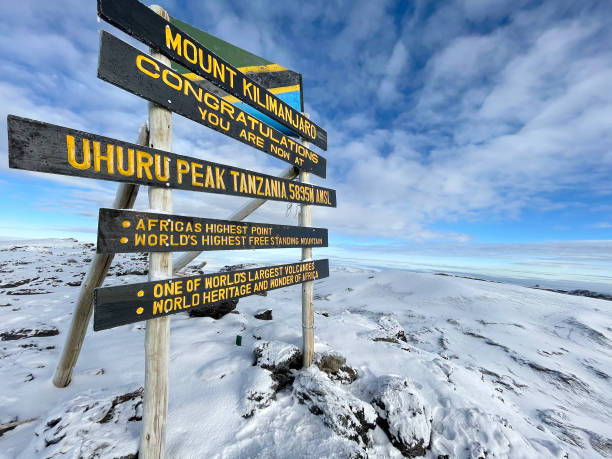
The good news is that you do not need to be an elite athlete to climb Kilimanjaro. You do, however, need to prepare your body for several consecutive days of walking, your feet for long hours on uneven terrain, and your mind for cold temperatures, fatigue and high altitude. Kilimanjaro reaches approximately 5,895 metres (19,341 feet), where altitude becomes a major consideration for every climber. The CDC identifies altitude illness as one of the most important risks for people climbing Kilimanjaro and recommends proper preparation and awareness of altitude symptoms.
This guide explains exactly how to prepare for Kilimanjaro, from fitness training and packing to route selection, acclimatization, health preparation and choosing the right trekking package.
How Do You Prepare for a Kilimanjaro Trek?
The best way to prepare for Kilimanjaro is to combine regular hiking, cardiovascular fitness, leg and core strength, appropriate equipment, mental preparation and a route that provides enough time for acclimatization.
You should ideally begin structured training several weeks before your trek. Your preparation should focus less on speed and more on endurance. Kilimanjaro is not a race. Most trekking days involve walking at a controlled pace, and summit day is particularly demanding because of the altitude, cold and long hours on the trail.
One of the most important points to understand is that being physically fit does not make you immune to altitude sickness. A very fit person can experience altitude illness, while someone with average fitness can reach the summit successfully if they acclimatize properly, pace themselves and follow their guide’s instructions.
The CDC notes that Kilimanjaro reaches about 5,895 metres and that high-altitude environments expose travelers to reduced air pressure, cold, low humidity and increased ultraviolet exposure.
That is why your preparation should cover the whole experience not just exercise.
Understand What Climbing Kilimanjaro Really Involves
Before you begin training, understand what you are preparing for.
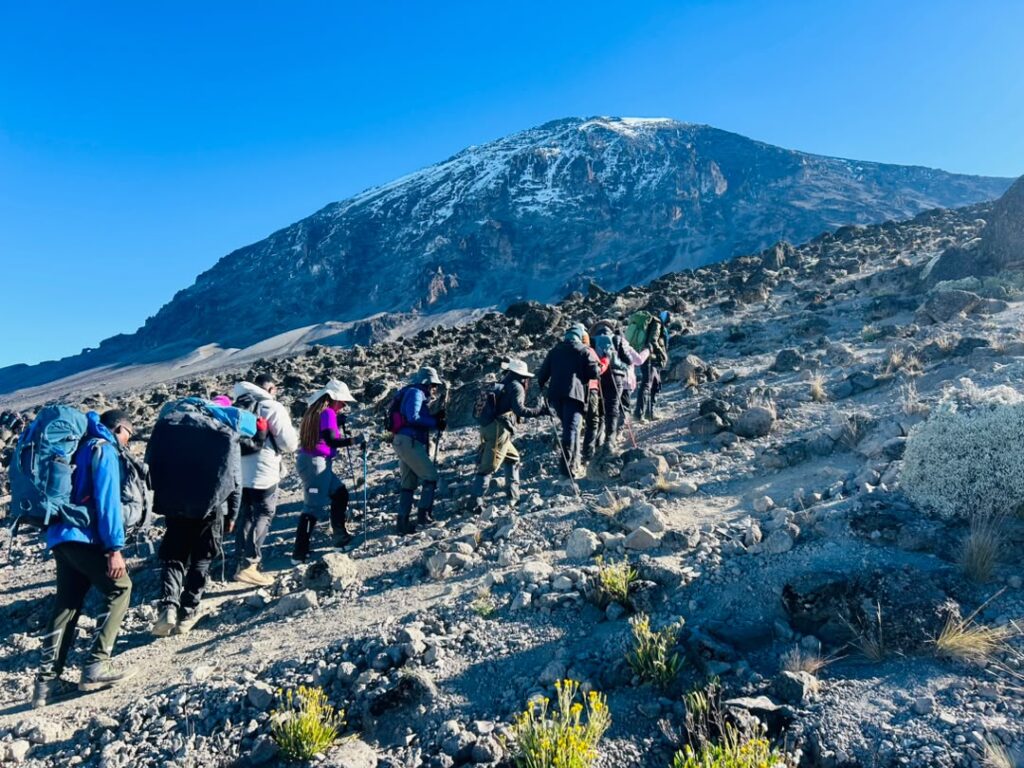
Mount Kilimanjaro is Africa’s highest mountain, and the trek passes through several ecological zones before reaching the high-altitude summit environment. You may experience warm conditions at lower elevations and freezing conditions near the summit.
A typical Kilimanjaro trek involves:
- Several consecutive days of hiking
- Uneven and sometimes rocky terrain
- Long uphill and downhill sections
- Early mornings and cold nights
- Sleeping at progressively higher elevations
- Reduced oxygen at altitude
- A demanding summit attempt
- Significant changes in temperature
- Long hours on your feet
Summit day is usually the most challenging part of the expedition. You may begin walking during the night and continue toward Uhuru Peak before descending to a lower camp.
For that reason, your training should teach your body to keep moving even when you are tired.
Start Your Kilimanjaro Fitness Training
You do not need to spend every day in a gym to prepare for Kilimanjaro. Hiking is one of the best forms of preparation because it allows you to train the muscles and movement patterns you will actually use on the mountain.
Walking and Hiking
Make regular walking the foundation of your training.
Start with comfortable walks and gradually increase distance and duration. If possible, include hills, stairs or trails with elevation gain.
A useful progression is:
| Training Stage | Main Focus |
|---|---|
| Early preparation | 30–60 minute walks |
| Building endurance | 1–2 hour hikes |
| Intermediate stage | Longer weekend hikes |
| Final preparation | 3–5+ hour endurance hikes |
| Final week | Reduce training and prioritize recovery |
You do not need to reproduce Kilimanjaro’s exact elevation at home. The goal is to improve your cardiovascular endurance and strengthen the muscles that will work throughout the trek.
If you live in a flat area, use stairs, a treadmill with incline or step-up exercises to simulate uphill walking.
Cardio Training
Cardiovascular fitness helps you maintain a steady effort during long trekking days.
Good options include:
- Brisk walking
- Hiking
- Cycling
- Jogging
- Swimming
- Stair climbing
- Incline treadmill walking
For many beginners, brisk walking and hiking are preferable to suddenly starting intense running. Your training should prepare you for sustained effort rather than short bursts of maximum intensity.
Strength Training
Strong legs and a stable core make trekking easier, particularly during steep ascents and descents.
Include exercises such as:
- Squats
- Lunges
- Step-ups
- Calf raises
- Glute bridges
- Planks
- Bodyweight exercises
You do not need to become a bodybuilder. The objective is functional strength and muscular endurance.
Stair and Uphill Training
If you have access to stairs, hills or an incline treadmill, use them.
Uphill training is particularly useful because Kilimanjaro involves long periods of ascending. Practice maintaining a slow, consistent pace instead of rushing.
Rest and Recovery
Training every day at maximum intensity is not necessary.
Rest allows your muscles to recover and adapt. Include easier days in your schedule and reduce the intensity before your actual departure.
Arriving in Tanzania exhausted from overtraining is not good preparation.
Prepare for Kilimanjaro Altitude
Altitude is arguably the most important part of Kilimanjaro preparation.
Kilimanjaro’s summit is approximately 5,895 metres above sea level. At this elevation, the amount of oxygen available to your body is significantly lower than at sea level.
Why Fitness Alone Is Not Enough
You can train for months and still experience altitude sickness.
Altitude illness occurs because your body needs time to adapt to lower oxygen availability. This is why acclimatization is one of the most important factors when selecting your Kilimanjaro itinerary.
The CDC recommends gradual acclimatization for high-altitude travel and notes that people should not continue ascending when experiencing worsening altitude symptoms.
Choose Enough Days
When comparing Kilimanjaro routes, do not automatically choose the shortest itinerary because it is cheaper.
Additional days can provide more time for your body to adjust to altitude. The CDC’s guidance for African climbing expeditions specifically notes that adding one or two days to a Kilimanjaro ascent can facilitate acclimatization, particularly on shorter itineraries.
For first-time climbers, this is one of the most important decisions you can make.
Know the Symptoms of Altitude Sickness
Common symptoms can include:
- Headache
- Fatigue
- Dizziness
- Loss of appetite
- Nausea
- Vomiting
- Shortness of breath
More serious altitude conditions can cause confusion, severe weakness, loss of coordination, persistent breathlessness or other dangerous symptoms. These require immediate medical attention and descent.
Never hide symptoms from your guide because you are afraid of stopping the climb.
A professional mountain crew should monitor climbers and know when a trekker needs to slow down, stop ascending or descend.
For medical advice, medication decisions and individual risk assessment, speak with a qualified travel-health professional before your trip.
Choose the Right Kilimanjaro Route
Route selection is an important part of Kilimanjaro trekking preparation because routes differ in duration, scenery, terrain, camping style and acclimatization opportunities.
JoyTrekking Tours & Safaris offers several Kilimanjaro routes, including Marangu, Machame, Umbwe, Rongai, Lemosho and Northern Circuit.
Based on the package information supplied for this article, the available options are:
| Route | Duration | Price |
|---|---|---|
| Marangu Route | 6 Days / 5 Nights | US$1,770 |
| Machame Route | 7 Days / 6 Nights | US$2,160 |
| Umbwe Route | 6 Days / 5 Nights | US$2,180 |
| Rongai Route | 7 Days / 6 Nights | US$2,240 |
| Lemosho Route | 8 Days / 7 Nights | US$2,840 |
| Northern Circuit Route | 9 Days / 8 Nights | US$2,850 |
Prices and durations above reflect the package information supplied for this article. Confirm availability, final itinerary and current pricing directly with JoyTrekking Tours & Safaris before booking.
Marangu Route
The Marangu Route is a popular choice for travelers who prefer a more established trekking route and hut accommodation rather than camping throughout the climb.
JoyTrekking’s Marangu package can be viewed here:
Marangu Route – JoyTrekking Tours & Safaris
Best for: Travelers interested in the Marangu experience and hut-based accommodation.
Machame Route
Machame is one of the best-known Kilimanjaro routes and is often selected by travelers who want a scenic trekking experience.
Machame Route – JoyTrekking Tours & Safaris
Best for: Trekkers looking for a scenic route and a traditional mountain camping experience.
Umbwe Route
Umbwe is generally considered a more demanding route because of its steep sections.
Best for: Experienced or confident hikers looking for a more challenging route.
Rongai Route
Rongai approaches Kilimanjaro from the northern side and offers a different perspective of the mountain.
Best for: Travelers attracted to the northern approach and a quieter trekking experience.
Lemosho Route
Lemosho is a longer itinerary that gives trekkers more time on the mountain.
Lemosho Route – JoyTrekking Tours & Safaris
Best for: Travelers who prioritize a longer itinerary, scenery and additional acclimatization time.
Northern Circuit Route
The Northern Circuit is the longest option in the package list, at nine days.
Best for: Trekkers who want a longer itinerary and more time for acclimatization.
Which Route Should a Beginner Choose?
There is no single route that is perfect for every beginner.
When choosing, consider:
- Your hiking experience
- Your available vacation time
- Your budget
- Your preference for huts or camping
- How much time you want for acclimatization
- Your comfort with steep terrain
- Your overall trekking goals
If you are unsure, ask JoyTrekking to recommend a route based on your fitness, experience, travel dates and budget rather than simply choosing the cheapest package.
What to Pack for Kilimanjaro
A good Kilimanjaro packing strategy is based on layers.
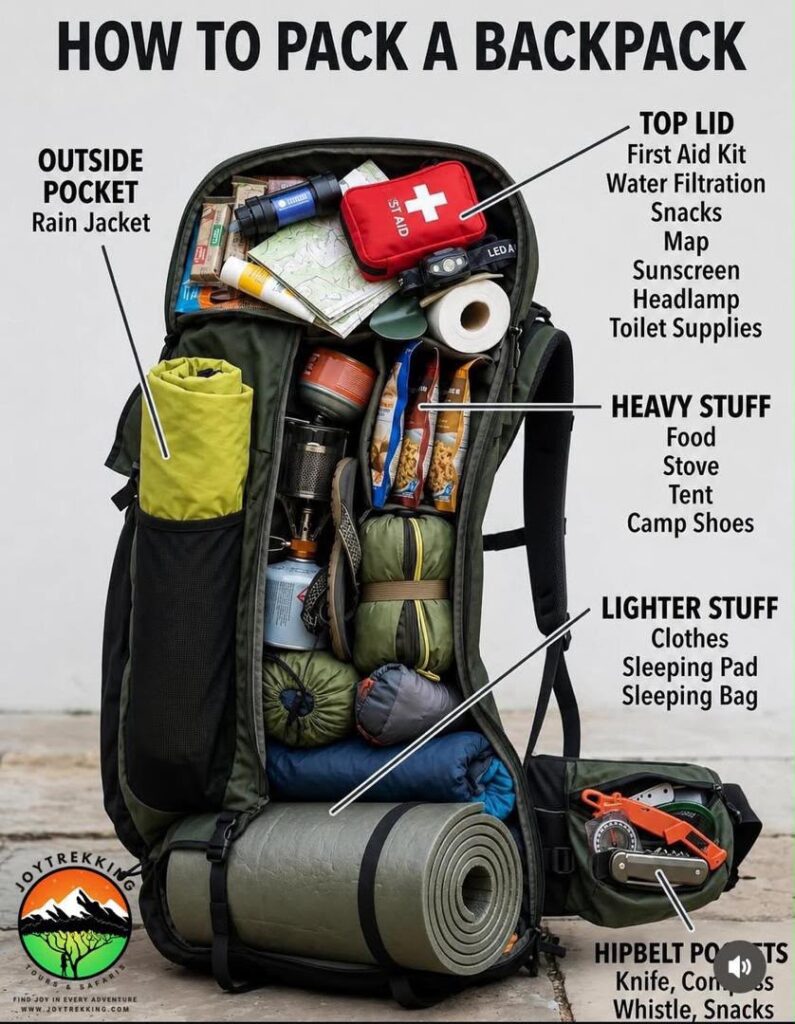
You may experience different climates during one trek, so packing only for hot Tanzania weather is a common mistake.
Clothing
Consider packing:
- Moisture-wicking base layers
- Fleece or insulating mid-layer
- Warm down or insulated jacket
- Waterproof and windproof outer shell
- Hiking trousers
- Warm trousers for summit night
- Thermal underwear
- Hiking socks
- Warm wool or thermal socks
- Gloves
- Warm hat
- Sun hat
- Buff or neck gaiter
The CDC also recommends appropriate clothing and protection from cold temperatures and increased sun exposure at high elevations.
Footwear
Your hiking boots are among the most important pieces of equipment.
Choose boots that:
- Fit comfortably
- Provide good ankle support
- Have suitable traction
- Are waterproof or water-resistant
- Have enough room for your toes
- Are already broken in
Do not arrive in Tanzania with brand-new boots.
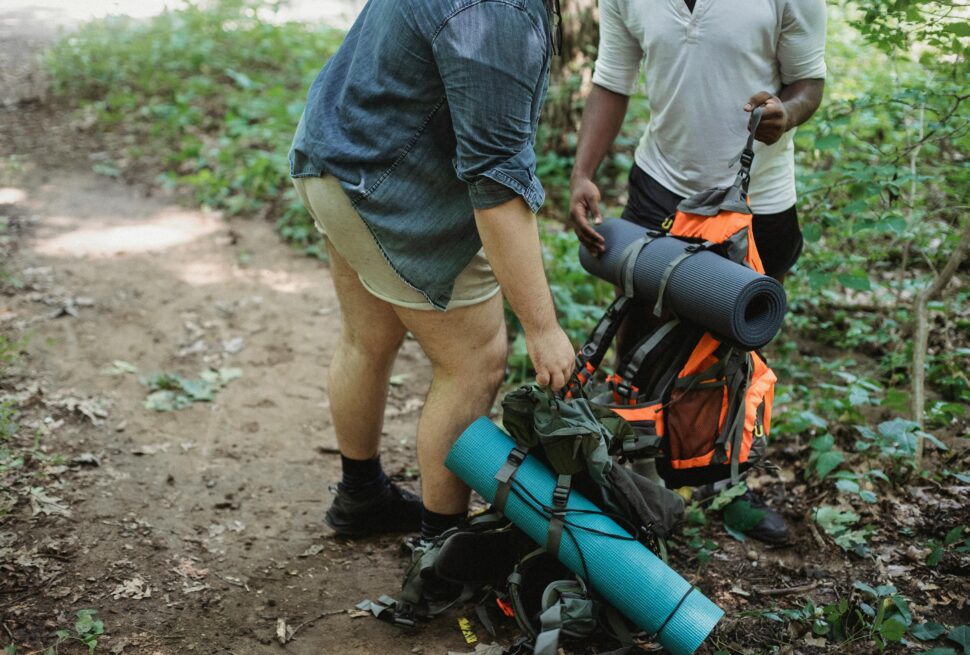
Daypack
Your daypack should contain the items you may need during the day, such as:
- Water
- Snacks
- Rain jacket
- Extra layer
- Sunscreen
- Sunglasses
- Camera
- Personal medication
- Headlamp
- Small personal items
Your main luggage and trekking equipment may be handled separately depending on the trekking arrangement.
Sleeping and Camp Equipment
Depending on your route and package, you may need:
- Sleeping bag
- Sleeping bag liner
- Sleeping mat if not provided
- Headlamp
- Spare batteries
- Small travel towel
- Earplugs
- Comfortable sleeping clothes
JoyTrekking also publishes guidance on sleeping equipment and Kilimanjaro gear for travelers who want more detailed preparation information.
Personal and Health Items
Pack:
- Personal medications
- Basic first-aid supplies
- Lip balm
- Sunscreen
- Hand sanitizer
- Wet wipes
- Toiletries
- Water bottles or hydration system
- Small personal medical kit
Before traveling, consult a qualified medical professional about medications, vaccines and travel-health requirements relevant to your individual circumstances.
The CDC recommends that Tanzania travelers review vaccination and medication needs with a healthcare provider before travel.
Break In Your Hiking Boots Before Tanzania
This deserves special attention.
Blisters can turn an enjoyable trek into a painful experience.
Wear your trekking boots during training walks before arriving in Tanzania. Ideally, complete several long walks in them and test them with the same socks you plan to use on Kilimanjaro.
This lets you identify:
- Heel rubbing
- Tight areas
- Toe pressure
- Poor sock combinations
- Inadequate waterproofing
- Problems with lacing
Do not wait until Day 1 of your climb to discover that your boots are uncomfortable.
Prepare Mentally for Kilimanjaro
Physical training gets much of the attention, but mental preparation matters too.
Kilimanjaro can be uncomfortable.
You may experience:
- Cold mornings
- Wet weather
- Tired legs
- Slow walking
- Poor sleep
- Reduced appetite
- Headaches
- Long summit hours
Your mindset should be based on consistency rather than speed.
A useful Kilimanjaro mindset is:
Pole pole — slowly, slowly.
Your objective is not to prove how fast you can hike. Your objective is to conserve energy, acclimatize and keep moving safely.
Listen to your mountain guide.
If your guide recommends slowing down, do it.
If you need to rest, communicate.
If you develop concerning symptoms, report them.
A successful summit is not only about physical strength; it is also about patience and decision-making.
What to Eat and Drink Before and During the Trek
Nutrition supports your training and recovery.
Before the trek, focus on a balanced diet containing:
- Carbohydrates
- Protein
- Healthy fats
- Fruits and vegetables
- Adequate fluids
During training, learn which snacks your stomach tolerates during long hikes.
Useful trekking snacks can include:
- Energy bars
- Nuts
- Dried fruit
- Chocolate
- Biscuits
- Electrolyte products
During the trek, follow your guide’s and trekking team’s advice regarding hydration and meals.
Do not wait until you feel extremely thirsty before drinking.
At the same time, avoid assuming that drinking excessive amounts of water is automatically safer. Hydration should be balanced and appropriate to your activity and conditions.
Health and Travel Preparation
Kilimanjaro preparation begins before you fly to Tanzania.
Schedule a Travel-Health Consultation
Ideally, discuss your trip with a qualified travel-health professional well before departure.
Ask about:
- Routine vaccinations
- Tanzania-specific recommendations
- Malaria prevention
- Altitude illness
- Personal medications
- Travel insurance
- Medical evacuation coverage
The CDC currently advises travelers to Tanzania to review vaccines and medications with a healthcare provider and notes malaria risk in parts of Tanzania.
Travel Insurance
Consider insurance that specifically covers trekking at high altitude.
Read the policy carefully.
Do not assume that a standard travel insurance policy automatically covers mountain trekking, evacuation or high-altitude activities.
Check:
- Medical expenses
- Emergency evacuation
- Trekking altitude limits
- Trip cancellation
- Lost luggage
- Travel delays
Medical Conditions
If you have an existing medical condition, discuss your Kilimanjaro plans with your doctor before traveling.
The CDC specifically advises travelers with certain pre-existing conditions to seek medical advice before traveling to high elevations.
How Much Does Kilimanjaro Trekking Cost?
The cost of climbing Kilimanjaro depends on route, duration, accommodation style, group size, inclusions and the trekking operator.
For travelers considering JoyTrekking Tours & Safaris, the package information supplied for this article ranges from US$1,770 to US$2,850.
| Package | Duration | Listed Price |
|---|---|---|
| Marangu Route | 6 Days / 5 Nights | $1,770 |
| Machame Route | 7 Days / 6 Nights | $2,160 |
| Umbwe Route | 6 Days / 5 Nights | $2,180 |
| Rongai Route | 7 Days / 6 Nights | $2,240 |
| Lemosho Route | 8 Days / 7 Nights | $2,840 |
| Northern Circuit Route | 9 Days / 8 Nights | $2,850 |
Do not compare packages based only on the headline price.
Ask what is included, such as:
- Park fees
- Guides
- Porters
- Meals
- Accommodation
- Camping equipment
- Transfers
- Pre- and post-trek accommodation
- Rescue or emergency arrangements
- Gear rental
You should also ask about porter welfare, guide experience, safety procedures and acclimatization planning.
A 12-Week Kilimanjaro Preparation Plan
If you have approximately three months before your climb, use the following as a general framework.
Weeks 12–9
Focus on building a consistent fitness routine.
Aim for:
- 3–4 cardio sessions per week
- 2 strength sessions
- Regular walking
- One longer weekend hike
Do not increase everything at once.
Weeks 8–5
Increase your endurance.
Add:
- Longer hikes
- More elevation gain
- Longer stair sessions
- Longer weekend walks
- Hiking with your daypack
This is also a good time to test your boots, socks and clothing.
Weeks 4–2
Your training should now resemble trekking.
Complete longer hikes when possible, but avoid destroying your legs with excessive training.
Test:
- Backpack
- Boots
- Rain gear
- Hiking clothes
- Water system
- Snacks
Final Week
Reduce training.
Prioritize:
- Sleep
- Hydration
- Normal balanced meals
- Travel preparation
- Equipment checks
- Medical preparations
- Mental readiness
Do not attempt to build fitness during the final few days.
Common Kilimanjaro Preparation Mistakes
1. Choosing the Cheapest Route Automatically
The cheapest itinerary is not necessarily the best value.
Consider duration and acclimatization alongside price.
2. Buying New Boots at the Last Minute
This can cause painful blisters.
Break them in before Tanzania.
3. Training Only in a Gym
Strength is useful, but you also need walking endurance.
Get outside and hike whenever possible.
4. Ignoring Altitude
Fitness does not eliminate altitude risk.
Understand acclimatization and altitude symptoms before you arrive.
5. Packing Only for Warm Weather
Kilimanjaro includes cold and high-altitude conditions.
Pack appropriate layers.
6. Walking Too Fast
Fast hikers can burn unnecessary energy.
Maintain a steady pace.
7. Hiding Symptoms
Do not hide headaches, nausea, dizziness or other symptoms from your guide.
8. Overtraining Before the Trek
You want to arrive in Tanzania strong—not exhausted.
9. Choosing a Route Without Considering Your Experience
Route difficulty and duration matter.
Ask a professional operator for advice.
10. Treating Summit Day Like a Normal Hiking Day
Summit night is different.
You will be tired, cold and at very high altitude.
Prepare mentally for a slow and demanding final ascent.
Final Kilimanjaro Trekking Preparation Checklist
Before flying to Tanzania, make sure you have considered:
Fitness
- I can walk for several hours comfortably.
- I have trained my legs.
- I have included uphill training.
- I have completed several long hikes.
- I have allowed adequate recovery.
Altitude
- I understand altitude sickness.
- I understand the importance of acclimatization.
- I have selected an appropriate itinerary.
- I know I must report concerning symptoms.
Equipment
- My hiking boots are broken in.
- I have thermal layers.
- I have warm summit clothing.
- I have waterproof protection.
- I have suitable socks.
- I have a headlamp.
- I have sunglasses.
- I have sunscreen.
- I have trekking poles if desired.
- I have my personal medications.
Travel
- My passport is valid.
- I have checked Tanzania entry requirements.
- I have appropriate travel insurance.
- I have reviewed travel-health recommendations.
- I have confirmed my airport transfers.
- I have confirmed my trekking dates.
- I have confirmed the final itinerary with my operator.
Booking
- I have chosen the right route.
- I understand what my package includes.
- I have confirmed the current price.
- I know who my trekking operator is.
- I have asked questions about safety and acclimatization.
Why Prepare With JoyTrekking Tours & Safaris?
Good preparation starts with the traveler, but the trekking company you choose also matters.
JoyTrekking Tours & Safaris provides Kilimanjaro trekking options across the major routes, allowing travelers to select an itinerary according to their time, budget and trekking goals.
The company offers routes including Marangu, Machame, Umbwe, Rongai, Lemosho and Northern Circuit. Its current website also provides detailed route pages and preparation resources for travelers planning Kilimanjaro climbs.
For first-time climbers, the most important question is not simply:
“How much does Kilimanjaro cost?”
A better question is:
“Which Kilimanjaro itinerary gives me the right balance of duration, acclimatization, difficulty, comfort and budget?”
That is where speaking directly with a knowledgeable local trekking company can be valuable.
JoyTrekking can help you compare the available routes and select an itinerary around your experience, travel dates and personal goals.
Conclusion: Start Your Kilimanjaro Preparation Early
Successful Kilimanjaro trekking preparation is not about becoming an elite athlete.
It is about arriving prepared.
Train your legs and cardiovascular system. Practice long-distance walking. Break in your boots. Learn how to use your gear. Understand altitude. Choose an itinerary that gives you appropriate time on the mountain. Prepare for cold temperatures. Organize your travel health requirements. And most importantly, approach the mountain with patience.
Kilimanjaro is a serious high-altitude trek, but with thoughtful preparation and a professional mountain team, you can give yourself the best possible foundation for an unforgettable journey to Uhuru Peak.
If you are still deciding between Marangu, Machame, Lemosho, Rongai, Umbwe or Northern Circuit, you do not have to make the decision alone.
Speak with the team at JoyTrekking Tours & Safaris, explain your experience, preferred travel dates and budget, and ask them to recommend the Kilimanjaro route that best fits your goals.
Your Kilimanjaro adventure starts long before the first step on the trail. Start preparing today.