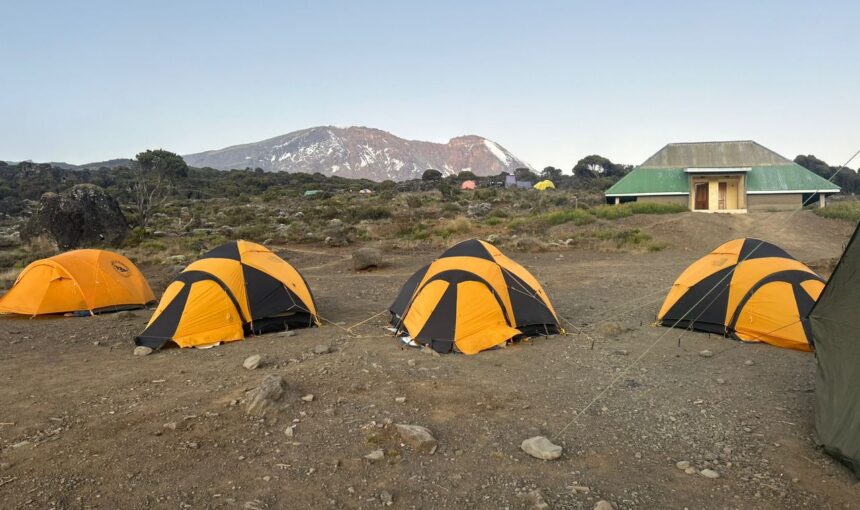
Mount Kilimanjaro is more than Africa’s highest mountain, it is a living symbol of Tanzania. Rising 5,895 meters (19,341 feet) above the plains, it is the tallest free-standing mountain in the world and one of the most iconic adventure destinations on the planet.
What makes Mount Kilimanjaro so unique is its accessibility. Unlike other famous peaks, Kilimanjaro is a trekking mountain, meaning you don’t need technical climbing skills, ropes, or crampons. Instead, it is a journey that rewards determination, preparation, and respect for the environment.
For us, as Tanzanians, Kilimanjaro is not only a mountain but a part of our heritage. From the Chagga community that lives on its fertile slopes to the porters and guides who dedicate their lives to helping climbers succeed, this mountain is woven into daily life and culture.
Why Climb Mount Kilimanjaro?
Climbing Mount Kilimanjaro is a life-changing experience. It’s the chance to stand on the Roof of Africa, to walk through five different climate zones in just a few days, and to test yourself in a way few other journeys allow.
Highlights include:
- The lush rainforest filled with monkeys and birdlife.
- Vast alpine deserts with sweeping views.
- Glaciers at the summit, remnants of an ancient ice cap.
- A sunrise from Uhuru Peak that stays with you forever.
Mount Kilimanjaro Routes
There are seven main routes up Mount Kilimanjaro, each offering its own challenges, scenery, and success rates. Choosing the right route is one of the most important decisions you’ll make.
Here’s a quick overview of each of the routes:
| Route | Duration | Difficulty | Success Rate | Highlights |
|---|---|---|---|---|
| Machame | 6–7 days | Challenging | High | Most popular, varied scenery |
| Lemosho | 7–8 days | Moderate–Challenging | Very High | Most scenic, great acclimatization |
| Marangu | 5–6 days | Moderate | Medium | Huts, easiest logistics |
| Rongai | 6–7 days | Moderate | High | Quieter, approaches from the north |
| Northern Circuit | 8–9 days | Moderate | Highest | Longest route, best acclimatization |
| Shira | 6–7 days | Challenging | Medium | Starts high, risk of altitude issues |
| Umbwe | 5–6 days | Very Difficult | Low | Steepest, shortest, most direct |
How Much Does It Cost to Climb Kilimanjaro?
The cost of climbing Kilimanjaro depends on the route, number of days, and the operator you choose. Park fees, guide and porter wages, equipment, and logistics all play a role.
Read our full breakdown: Kilimanjaro Climbing Costs
Preparing for Your Trek
Success on Kilimanjaro comes from preparation. Good fitness, the right gear, and an understanding of altitude are key.
Safety & Responsible Trekking
Climbing Kilimanjaro should be safe, ethical, and sustainable. We follow Kilimanjaro Porters Assistance Project (KPAP) guidelines to ensure fair treatment and proper wages for our porters. Our guides are wilderness first-aid certified, and we carry oxygen and medical kits on every trek.
Learn more: Kilimanjaro Safety Protocols
Culture & Local Insights
Kilimanjaro is deeply connected to the Chagga people, who farm its fertile volcanic soil and share stories passed down for generations. The mountain is a source of life, inspiration, and pride for our community.
By climbing with us, you are not just reaching a summit, you are also supporting local families and conservation efforts that protect this extraordinary environment.
FAQs
How high is Mount Kilimanjaro?
Mount Kilimanjaro stands 5,895 meters (19,341 feet) above sea level, making it the highest peak in Africa and the tallest free-standing mountain in the world.
Do I need technical climbing experience for Kilimanjaro?
No. Kilimanjaro is a trekking peak, accessible without ropes or climbing equipment. Good physical fitness and determination are essential.
What is the best time to climb Mount Kilimanjaro?
The best seasons are January–March and June–October, offering stable weather and clear skies.
How long does it take to climb Kilimanjaro?
Treks last between 5–9 days, depending on the route chosen. Longer routes offer better acclimatization and higher success rates.