Serengeti vs Kruger: Which African Safari Is Best for You?
Two legendary wildlife destinations. Two unforgettable safari experiences. Discover the differences between Tanzania’s Serengeti National Park and South Africa’s Kruger National Park before choosing your next African adventure.
Serengeti or Kruger: Where Should You Go on Safari?
Choosing between Serengeti and Kruger is not simply about deciding which park has more animals. It is about the kind of African experience you want: dramatic migration scenes, open grassland horizons, independent self-drive adventures or comfortable guided wildlife journeys.
Choose the Serengeti in Tanzania if the Great Wildebeest Migration, enormous open plains, classic East African landscapes and guided safari experiences are high on your list.
Choose Kruger in South Africa if you value established self-drive infrastructure, a wide choice of rest camps and the flexibility to explore at your own pace.
Serengeti vs Kruger: At a Glance
Compare the location, wildlife highlights, safari access, terrain, elevation and general travel style of these two famous national parks.
| Feature | Serengeti National Park | Kruger National Park |
|---|---|---|
| Country | Tanzania, East Africa | South Africa, Southern Africa |
| Signature Experience | Great Wildebeest Migration, vast plains and seasonal calving | Year-round resident wildlife and flexible safari experiences |
| Landscape | Open grasslands, kopjes, rivers, woodland and rolling plains | Savannah, riverine woodland, bushveld and varied vegetation |
| Park Elevation | Approximately 920–1,850 metres above sea level | Varies by location; SANParks lists camp elevations from about 177m to 577m |
| Safari Style | Popular with guided 4x4 safaris and fly-in journeys | Well suited to self-drive and guided safaris |
| Wildlife | Lions, leopards, cheetahs, elephants, buffalo, rhinos and migrating herds | Lions, leopards, elephants, buffalo, rhinos, wild dogs and many other species |
| Best Known For | Migration, open plains and classic East African safari scenery | Self-drive convenience, rest camps and diverse wildlife viewing |
| Accommodation | Tented camps, mobile camps, lodges and luxury safari properties | Public rest camps, private lodges, luxury properties and nearby reserves |
| Ideal Traveller | Migration seekers, photographers and guided safari travellers | Independent travellers, self-drive visitors and flexible-budget travellers |
Elevation figures describe the parks and selected camp locations, not hiking routes. Exact values vary across each park.
Why Choose Serengeti National Park?
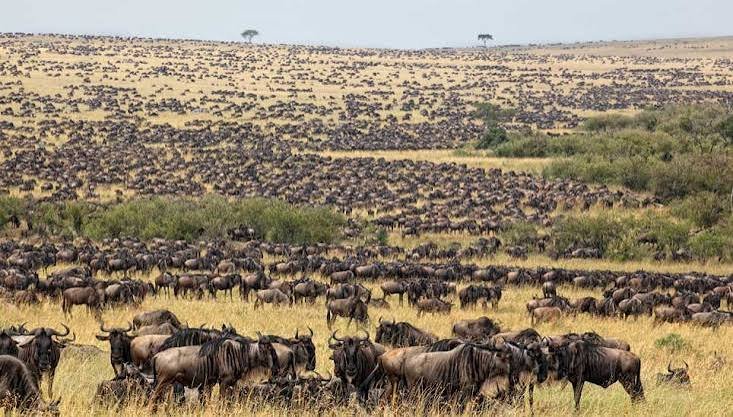
Located in northern Tanzania, the Serengeti is internationally recognised for its enormous savannah ecosystem and the annual movement of wildebeest, zebras and gazelles in search of fresh grazing and water.
The wider migration system supports around two million wildebeest, alongside large numbers of zebras and gazelles. The animals move through different areas of the ecosystem during the year, followed by predators such as lions, hyenas and cheetahs.
- Experience the Great Wildebeest Migration at different stages of the year.
- Explore open plains, rocky kopjes and beautiful river landscapes.
- Look for lions, leopards, cheetahs, elephants and other wildlife.
- Combine your safari with Ngorongoro Crater and Tarangire National Park.
- Choose from mobile camps, tented camps and luxury safari lodges.
When Is the Best Time to See the Migration?
The Great Migration is a year-round ecological journey rather than a single event. The best region to visit depends on the season, rainfall and movement of the herds.
Southern Serengeti: Calving Season
The southern plains and Ndutu area are important calving grounds. Large numbers of young wildebeest attract predators, creating fascinating wildlife-viewing opportunities.
Central and Western Serengeti
Herd movements generally progress north and west as grazing conditions change. The Western Corridor can offer opportunities to explore migration activity around the Grumeti region.
Northern Serengeti: River-Crossing Season
The northern Serengeti and Mara River region may offer opportunities to witness dramatic river crossings. These events are unpredictable and cannot be guaranteed on a specific date.
Why Choose Kruger National Park?
Kruger National Park is one of Africa's best-known wildlife destinations. Its extensive road network, public rest camps and range of accommodation make it particularly attractive to visitors who want to organise independent self-drive safaris.
Kruger supports a rich variety of wildlife habitats, from open savannah to riverine vegetation. Visitors can search for the Big Five and many other mammals, birds and reptiles throughout the year.
- Excellent infrastructure for self-drive safari holidays.
- Public rest camps and different accommodation categories.
- Wildlife viewing opportunities throughout the year.
- Guided game drives and walking activities at selected camps.
- Private reserves nearby can offer additional safari experiences.
Self-Drive vs Guided Safari
One of the biggest practical differences between the two parks is how visitors usually explore them.

Guided Safari Experience
Many international visitors explore the Serengeti with a professional driver-guide in a 4x4 safari vehicle. A guide helps with navigation, wildlife interpretation, park logistics and adapting the daily route to current conditions.
Fly-in safaris are also available for travellers who want to reduce long road transfers between destinations.
Independent Self-Drive
Kruger is especially popular with self-drive visitors because of its established public road network, rest camps and visitor facilities. Travellers can plan their own daily game-viewing schedule within park regulations.
Guided drives and walks are available through selected camps and private safari properties.
Always check current park rules, road conditions, opening times and activity availability before travelling. Off-road driving, night drives and walking activities are restricted to authorised areas and operators.
Serengeti vs Kruger: Elevation Explained
Elevation affects temperature, vegetation, scenery and the physical feel of a destination. However, these are wildlife safari parks, not trekking routes. Their elevation figures describe the landscape rather than a climb from a trailhead to a summit.
Serengeti National Park
Approximate elevation range above sea level.
The park includes broad grasslands, rolling plains, rocky kopjes, river systems and higher wooded areas. The elevation changes across the park contribute to differences in local climate and habitat.
Reference: Tanzania National Bureau of Statistics and Serengeti wildlife research information.
Kruger National Park
Example range across selected SANParks rest camps.
Kruger's camp elevations differ by location. SANParks lists Lower Sabie at 177m and Pretoriuskop at 577m, illustrating the variation across the park.
Reference: SANParks official elevation information for Kruger camps.
Is Serengeti or Kruger More Expensive?
The total cost of a safari depends on accommodation, transport, park fees, meals, activities, trip duration and the number of travellers sharing a vehicle. A park entrance fee is only one part of the overall budget.
| Cost Factor | Serengeti – Tanzania | Kruger – South Africa |
|---|---|---|
| Park Entry | Official TANAPA tariff depends on visitor category and season. | Official SANParks conservation fee depends on visitor category and date. |
| Accommodation | Public camping, tented camps, mobile camps and luxury lodges. | Public rest camps, self-catering units, private lodges and luxury reserves. |
| Transport | Guided 4x4 vehicle safaris and optional domestic flights. | Self-drive rental vehicles or guided safari vehicles. |
| Activities | Game drives and optional experiences such as hot-air balloon safaris. | Game drives and selected guided walking activities. |
| Budget Flexibility | Can be tailored through group safaris, camping and lodge choices. | Self-drive and public rest camps can offer flexible budget options. |
Official Park Fee Examples
TANAPA Adult Non-Resident Entry
Official listed adult non-resident entry amount for the period 16 May 2026 to 14 March 2027.
Other charges, including accommodation concession fees and applicable vehicle or activity fees, may also apply.
View TANAPA TariffSANParks International Adult Fee
Official international adult daily conservation fee for 1 November 2026 to 31 October 2027.
Accommodation, vehicle hire, meals and additional activities are separate costs.
View SANParks FeesBest Time to Visit Serengeti vs Kruger
Both parks offer wildlife viewing throughout the year, but seasonal conditions influence vegetation, visibility, rainfall and wildlife movement.
When to Visit Tanzania
- January–March: Southern plains calving season.
- April–May: Green-season scenery and changing herd movements; some roads can be challenging.
- June–July: Western and central areas may offer migration viewing.
- July–October: Northern Serengeti can offer river-crossing opportunities.
- November–December: Herds often move toward the southern plains as rains develop.
Wildlife movement is rainfall-dependent and can vary from year to year.
When to Visit South Africa
- May–September: Dry-season conditions often improve visibility as vegetation becomes thinner.
- October–November: Temperatures rise and seasonal changes become more noticeable.
- December–March: Summer rainfall brings greener landscapes and many young animals.
- Year-round: Resident wildlife remains present, although sightings are never guaranteed.
Local weather, vegetation and animal behaviour influence daily sightings.
Which Safari Destination Is Right for You?
Think about the experience you want most from your African holiday.
Choose Serengeti If You Want:
- To plan your trip around the Great Wildebeest Migration.
- Wide-open savannah and iconic East African landscapes.
- A guided safari with a professional local driver-guide.
- To combine several northern Tanzania parks in one itinerary.
- To experience Tanzania's wildlife, culture and hospitality.
Choose Kruger If You Want:
- To organise an independent self-drive safari.
- Established public rest camps and visitor facilities.
- Flexible accommodation and travel arrangements.
- To explore South Africa as part of a wider holiday.
- To combine a national park visit with private-reserve options.
Kruger is a strong choice for travellers who prefer a flexible South African self-drive experience.
Discover the Serengeti With JoyTrekking Tours & Safaris
If the Serengeti is your preferred destination,JoyTrekking Tours & Safaris can help you plan a Tanzania safari around your travel dates, interests, group size and accommodation preferences.
From the endless plains of the Serengeti to the wildlife-rich Ngorongoro Crater and elephant country in Tarangire, northern Tanzania offers opportunities to build a varied safari itinerary.
- Private and tailor-made safari planning.
- Professional local driver-guides.
- 4x4 safari vehicle arrangements.
- Accommodation options based on your travel budget.
- Seasonal planning for migration-focused journeys.
Example: 5-Day Northern Tanzania Safari
A sample itinerary for travellers who want to experience the Serengeti alongside other famous wildlife destinations in northern Tanzania. The final route may change according to season and availability.
1Arrival in Arusha
Meet your safari team, receive a trip briefing and prepare for the journey.
2Tarangire National Park
Explore elephant country, baobab landscapes and wildlife along the Tarangire ecosystem.
3Serengeti National Park
Travel into the Serengeti and enjoy a game drive in the region selected for your travel season.
4Full Day in the Serengeti
Spend more time searching for wildlife and exploring the plains with your guide.
5Ngorongoro Crater and Departure
Depending on the itinerary and logistics, enjoy a crater visit before returning toward Arusha.
This is an illustrative route only. A five-day trip may require adjustments to driving times, park access and overnight locations. Ask for a personalised itinerary before booking.
Combine Your Tanzania Safari With Mount Kilimanjaro
Tanzania is also home to Mount Kilimanjaro, Africa's highest mountain. Travellers with more time can combine a wildlife safari with a guided mountain trekking adventure.
Marangu Route
A popular trekking route known for hut accommodation and a gradual approach to the mountain.
Listed JoyTrekking group package rate.
Machame Route
A scenic camping route with varied landscapes and an acclimatisation profile that many trekkers prefer.
Listed JoyTrekking group package rate.
Northern Circuit
A longer route offering additional time on the mountain and a more gradual trekking itinerary.
Listed JoyTrekking group package rate.
Serengeti vs Kruger: FAQs
Helpful answers to common questions from international safari travellers.
1. Is Serengeti better than Kruger?
Neither park is universally better. Serengeti is especially famous for the Great Migration and vast open plains, while Kruger is popular for self-drive safaris and established visitor infrastructure. Your travel preferences should determine the best choice.
2. Which park is better for seeing the Big Five?
Both parks support the Big Five: lion, leopard, elephant, buffalo and rhinoceros. Sightings depend on location, season, wildlife movement and time spent in the park. No responsible operator can guarantee every sighting.
3. Can I see the Great Wildebeest Migration in Kruger?
No. The Great Wildebeest Migration discussed in this article is the seasonal movement of herds across the Serengeti-Mara ecosystem in Tanzania and Kenya. Kruger has its own resident wildlife populations and seasonal ecological patterns.
4. What is the elevation of Serengeti National Park?
Serengeti National Park is generally described as lying approximately 920 to 1,850 metres above sea level. Elevation varies across its landscapes and regions.
5. What is the elevation of Kruger National Park?
Kruger's elevation varies across the park. SANParks publishes individual elevations for its camps, including Lower Sabie at 177 metres and Pretoriuskop at 577 metres above sea level.
6. Is Kruger suitable for a self-drive safari?
Yes. Kruger is particularly well known for its self-drive opportunities, established roads and public rest camps. Visitors must follow park regulations and remain within authorised areas.
7. How many days do I need for a Serengeti safari?
Many travellers allocate three to five days or more to explore different parts of the Serengeti. The ideal duration depends on your itinerary, migration interests, arrival point and overall budget.
8. Can I combine Serengeti with Ngorongoro Crater?
Yes. Serengeti and Ngorongoro are commonly combined in northern Tanzania safari itineraries. Tarangire and Lake Manyara can also be included depending on the number of days available.
9. Is the Great Migration guaranteed during my safari?
No. The herds move in response to rainfall and grazing conditions. A safari can be planned around the most likely seasonal locations, but exact herd positions and river crossings cannot be guaranteed.
10. Can JoyTrekking Tours & Safaris organise a Serengeti safari?
JoyTrekking Tours & Safaris can help you plan a Tanzania safari based on your dates, group size, interests and accommodation preferences. Contact the team to discuss a suitable itinerary.
Ready to Experience the Serengeti?
Let JoyTrekking Tours & Safaris help you plan a memorable Tanzania wildlife journey. Tell us when you want to travel, how many people are joining and what you hope to experience.
Official Safari Resources & References
For accurate trip planning, park regulations, conservation information and current entry fees, consult the official sources below.
- UNESCO – Serengeti National Park World Heritage Site
- Tanzania National Parks (TANAPA)
- TANAPA – Serengeti National Park Tariff
- SANParks – Kruger National Park
- SANParks – Kruger Rates and Entry Fees
- SANParks – Kruger Camp Elevations
- Tanzania Wildlife Research Institute – Serengeti Wildlife Research Center
Information is provided as a travel-planning guide. Park fees, access rules, wildlife movements and accommodation prices may change. Confirm current information with the relevant park authority and your safari operator.