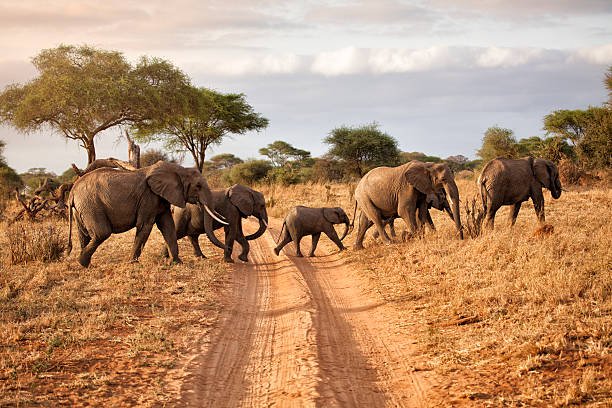
Discover Tarangire elephant safaris in Tanzania for 2026–2027. See large elephant herds, baobabs and Big Five wildlife with JoyTrekking Tours & Safaris.
Introduction: Tarangire Elephant Safaris
If seeing elephants in their natural environment is high on your Tanzania travel wish list, Tarangire elephant safaris deserve a place near the top of your itinerary. Tarangire National Park is one of northern Tanzania’s most rewarding wildlife destinations, famous for its large elephant herds, ancient baobab trees, seasonal wetlands and diverse savanna wildlife.
For travelers planning a Tanzania safari in 2026–2027, Tarangire offers something particularly appealing: exceptional elephant viewing combined with spectacular scenery and the opportunity to explore a different ecosystem from the Serengeti and Ngorongoro Crater.
The Tanzania National Parks Authority (TANAPA) describes Tarangire as the “Paradise of Elephants” and highlights its exceptional elephant concentrations, baobab landscapes and dry-season wildlife gatherings.
If you want to experience Tarangire as part of a broader Northern Tanzania safari, JoyTrekking Tours & Safaris offers itineraries ranging from a one-day Tarangire experience to multi-day journeys combining Tarangire with Lake Manyara, Serengeti and Ngorongoro.
Quick Answer: Are Tarangire Elephant Safaris Worth It?
Yes. Tarangire is one of the best places in Tanzania to experience elephants, particularly during the dry season when wildlife becomes concentrated around permanent water sources such as the Tarangire River.
The park covers approximately 2,850 square kilometres and forms part of a much larger ecosystem extending beyond the park boundaries. TANAPA identifies the park as a major elephant destination and notes that wildlife concentrations become particularly impressive during the dry season.
For travelers who want more than an elephant encounter, Tarangire also offers opportunities to see:
- Lions
- Leopards
- Buffalo
- Giraffes
- Zebras
- Wildebeest
- Eland
- Warthogs
- Ostriches
- Numerous bird species
- Other smaller mammals and reptiles
A Tarangire safari can therefore work as a standalone wildlife adventure or as the first stage of a longer Northern Tanzania itinerary.
Why Tarangire Elephant Safaris Are So Special
There are many places in Africa where travelers can see elephants. Tarangire stands out because elephants are not simply one of many attractions they are central to the identity and character of the park.
TANAPA’s current visitor information describes Tarangire as being famous for large elephant herds and iconic baobab trees, while its attractions information highlights elephant families browsing beneath ancient baobabs and around river terraces.
1. Large Elephant Herds
One of the defining experiences of Tarangire is watching elephants moving through the landscape.
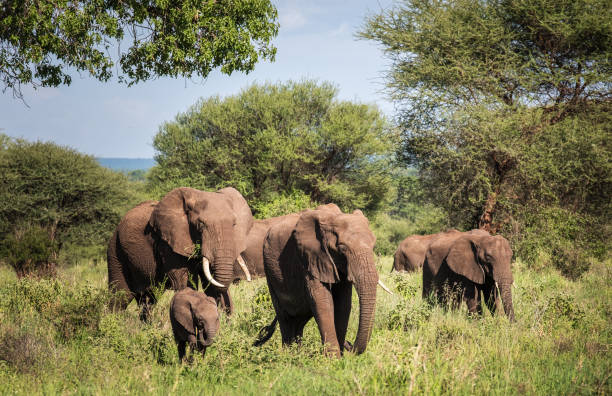
You may see individual bulls, mothers with calves, family groups or larger gatherings around water and feeding areas.
The experience is particularly impressive when elephants are framed against Tarangire’s enormous baobabs.
Instead of simply checking “elephant” off your wildlife list, Tarangire gives you the opportunity to spend extended periods observing elephant behaviour.
You may see them:
- Feeding on vegetation
- Walking toward water
- Dust bathing
- Socializing
- Caring for young calves
- Moving through woodland
- Crossing open savanna
This makes Tarangire particularly attractive to wildlife photographers and travelers who appreciate slower, observation-focused safari experiences.
What Makes Tarangire National Park Unique?
The Elephant Heartland of Northern Tanzania
Tarangire’s wildlife experience is closely connected to water.
During dry periods, water becomes increasingly important across the wider ecosystem. Animals move toward reliable sources, helping create concentrated wildlife viewing.
TANAPA explains that the Tarangire River becomes a vital dry-season lifeline, while seasonal areas such as Silale Swamp can attract elephants, buffalo and birdlife.
This seasonal pattern is one of the reasons experienced safari guides pay close attention to weather, water availability and recent wildlife movements when planning game drives.
A good safari is not simply about entering a park and driving randomly.
Timing, route selection, local knowledge and patience matter.
Ancient Baobabs and Dramatic Landscapes
Tarangire would be memorable even without its elephants.
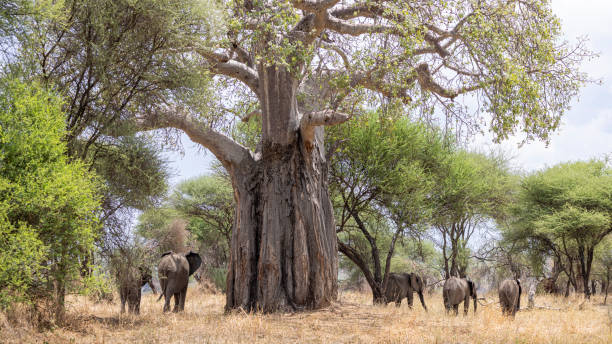
Its landscape is dominated in places by enormous baobab trees, open grasslands, acacia woodland, seasonal swamps and riverine environments.
The combination creates some of Tanzania’s most distinctive safari photography.
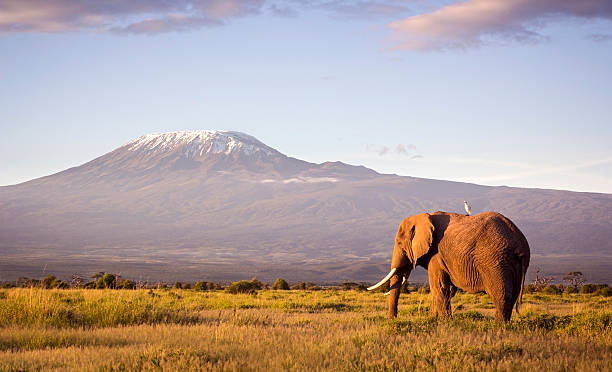
Imagine a large elephant walking slowly beneath a giant baobab as the afternoon sun creates long shadows across the savanna.
That is the kind of scene that gives Tarangire its visual identity.
TANAPA specifically identifies baobab landscapes as one of the park’s major attractions and notes that some of the trees are centuries old.
The Tarangire River: A Wildlife Lifeline
The Tarangire River gives the park its name and plays an important role in its ecology.
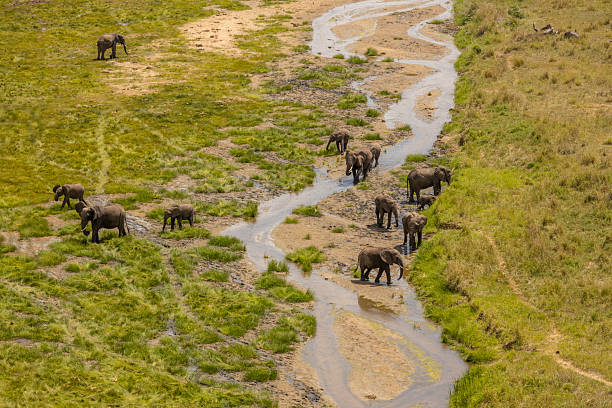
During the dry season, surrounding areas become less productive and wildlife movement changes. Animals may increasingly gather around remaining water sources.
This is why the dry months can produce particularly rewarding game-viewing conditions.
TANAPA’s official visitor guide also advises visitors to keep a safe distance from elephants and buffalo and never block their movement toward water.
For visitors, this creates an important lesson:
The best elephant safari is not about getting as close as possible. It is about observing wildlife safely and respectfully.
What Can You See on a Tarangire Elephant Safari?
Although elephants are the headline attraction, Tarangire is home to a much broader range of wildlife.
Elephants
Elephants are the primary reason many travelers choose Tarangire.
Their size, intelligence, family structure and behaviour make them fascinating to observe.
Photographers should look for opportunities where elephants interact with the landscape rather than focusing exclusively on close-up portraits.
A wide-angle photograph showing an elephant beneath a baobab can tell a much stronger story about Tarangire than a tight animal portrait.
Lions and Other Predators
Tarangire is not exclusively a herbivore destination.
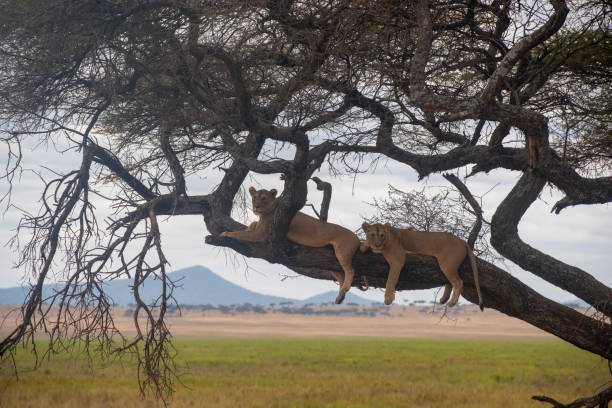
Lions occur in the park, and leopards and hyenas may also be encountered.
TANAPA lists lions, leopards and hyenas among the predators found in Tarangire, while also noting the presence of tree-climbing pythons in suitable habitats.
Predator sightings are never guaranteed, however.
A responsible safari operator should never promise a specific wild-animal sighting.
Instead, guides use experience and current wildlife conditions to maximize opportunities while respecting the animals.
Giraffes, Zebras, Wildebeest and Buffalo
Tarangire’s varied habitats support numerous grazing and browsing species.
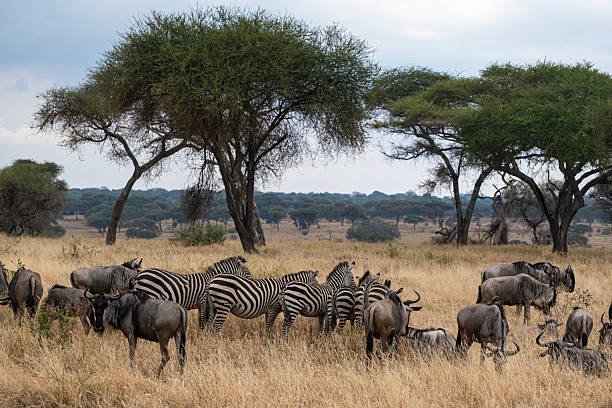
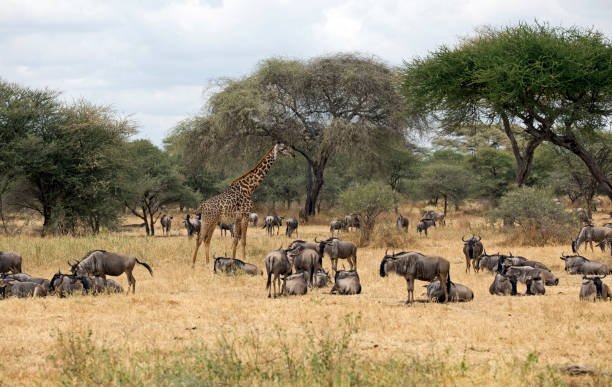
Depending on the season and location, you may encounter:
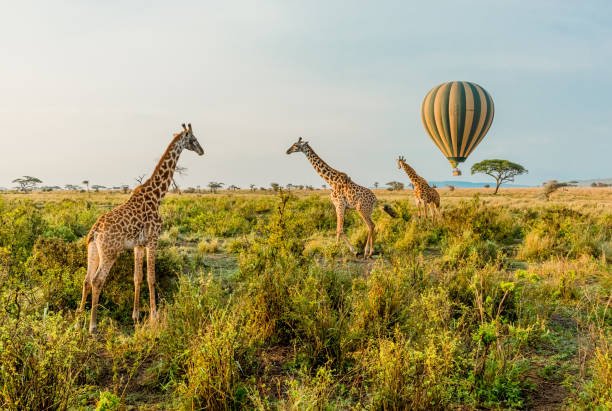
- Giraffes feeding among acacias
- Zebras moving across open plains
- Wildebeest grazing in groups
- Buffalo around wetter areas
- Eland and other large antelope
- Warthogs in open grassland
The changing composition of wildlife is part of what makes repeated visits interesting.
Birds and Smaller Wildlife
Tarangire is also an excellent destination for bird enthusiasts.
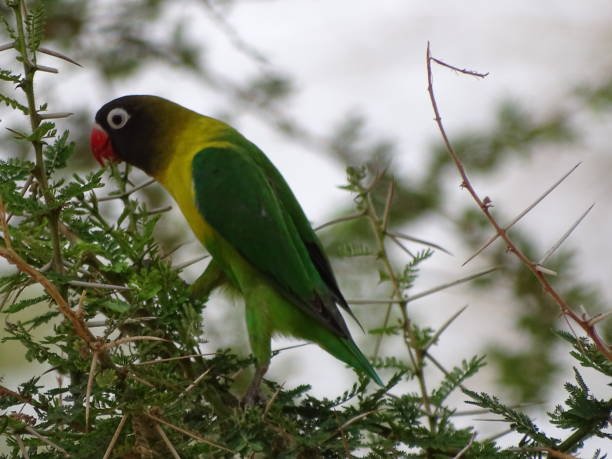
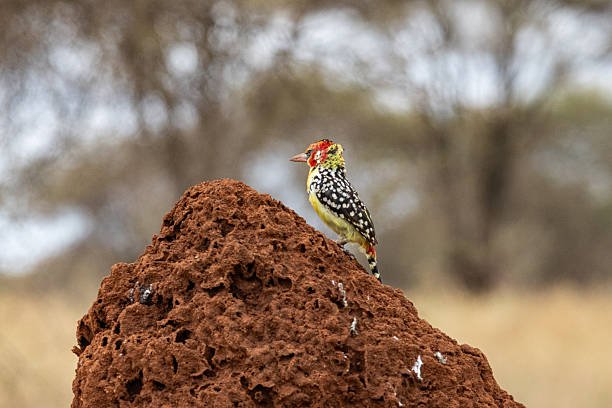
TANAPA currently highlights 550+ bird species in the park’s attractions information.
Birdwatchers can look for species including:
- Ostriches
- Kori bustards
- Bee-eaters
- Raptors
- Hornbills
- Lovebirds
- Other savanna and wetland species
If you enjoy photography, birding or nature observation, tell your safari guide before departure. Your interests can influence where and how long you spend during game drives.
Best Time for Tarangire Elephant Safaris in 2026–2027
One of the most important decisions when planning a Tarangire safari is when to travel.
There is no single month that is perfect for every traveler.
The best time depends on whether your priority is concentrated elephant viewing, green landscapes, birding, fewer visitors or combining Tarangire with other destinations.
June to October: Peak Dry Season
For travelers whose number-one priority is wildlife viewing, June to October is generally one of the strongest periods to consider.
TANAPA identifies June to October as Tarangire’s dry season and explains that wildlife becomes particularly concentrated around water sources during dry periods.
Advantages include:
- Excellent general wildlife viewing
- Strong elephant-viewing opportunities
- Drier roads
- Comfortable safari conditions
- Beautiful golden landscapes
- Strong photographic conditions
July through October can be particularly attractive for travelers seeking classic dry-season safari scenery.
November to February: Green Season
The landscape changes when rainfall returns.
Grass becomes greener, vegetation develops and the atmosphere can feel completely different from the dry season.
This period can appeal to travelers who prefer:
- Green landscapes
- Fewer crowds in some areas
- Birdwatching
- Dramatic skies
- Photography
- A different perspective of Tanzania’s ecosystems
TANAPA describes Tarangire’s rainfall pattern as bimodal, with short rains generally around November–December and a longer rainy period around March–May.
March to May: Long Rains
The long-rain period can bring lush vegetation and dramatic weather.
However, some roads and tracks can become more challenging, and wildlife may be more dispersed when water is available across a wider area.
This does not mean Tarangire should be avoided.
It simply means your expectations should match the season.
Travelers who prioritize easy game viewing above everything else may prefer the drier months.
How Many Days Do You Need for a Tarangire Elephant Safari?
The answer depends on your overall Tanzania itinerary.
One Day
A one-day safari is ideal if your time is limited.
JoyTrekking Tours & Safaris offers a Tarangire National Park Day Trip, currently listed at $230 with a duration of approximately 12 hours.
This is a practical choice for:
- Travelers staying in Arusha
- Short Tanzania trips
- Kilimanjaro climbers with extra time
- Travelers who want a dedicated Tarangire experience without overnighting
Two Days
Two days allow you to combine Tarangire with another destination.
JoyTrekking offers:
- 2-Day Tarangire & Manyara Safari — $650
- 2-Day Tarangire & Ngorongoro Safari — $720
These options work well for travelers with limited vacation time who still want more than a single game drive.
Three to Four Days
A three- or four-day itinerary gives you more variety.
JoyTrekking’s options include:
- 3-Day Tarangire, Lake Manyara & Ngorongoro Safari — $1,050
- 4-Day Tarangire, Lake Manyara & Ngorongoro Safari — $1,280
- 4-Day Tarangire, Serengeti & Ngorongoro Safari — $1,450
These itineraries allow travelers to experience multiple ecosystems rather than focusing exclusively on Tarangire.
Five Days or More
For international visitors flying to Tanzania specifically for safari, five days can be an excellent balance.
You have enough time to combine Tarangire with major destinations such as Lake Manyara and Serengeti without trying to squeeze an entire Northern Circuit into an extremely short trip.
Recommended Package: 5-Day Tarangire, Lake Manyara & Serengeti Safari
For travelers who want Tarangire elephants plus a broader Northern Tanzania wildlife experience, one of the strongest options from JoyTrekking Tours & Safaris is the:
Duration: 5 Days / 4 Nights
Price: From $1,780
This itinerary is particularly attractive because it combines three very different wildlife environments.
Tarangire National Park
The safari begins with the elephant-focused experience Tarangire is famous for.
Expect:
- Elephants
- Baobabs
- Giraffes
- Zebras
- Buffalo
- Lions
- Diverse birdlife
Lake Manyara
Lake Manyara introduces a contrasting ecosystem with lake, forest and woodland habitats.
Depending on season and conditions, travelers may encounter elephants, giraffes, buffalo, birds and other wildlife.
Serengeti National Park
The journey then continues toward the Serengeti, where the scale of the landscape changes dramatically.
The Serengeti offers vast plains and opportunities to search for lions, cheetahs, leopards, elephants, giraffes, zebras, wildebeest and other wildlife.
JoyTrekking’s current safari information describes this five-day itinerary as combining Tarangire elephants and baobabs, Lake Manyara’s wildlife and forests, and the Serengeti’s expansive plains.
For first-time international visitors, this combination gives you considerably more variety than a Tarangire-only trip.
Tarangire Elephant Safari Cost in 2026–2027
Safari pricing varies considerably depending on duration, accommodation, group size, season, vehicle arrangements and destinations included.
For JoyTrekking Tours & Safaris, current listed Tarangire-related packages include:
| Safari Package | Duration | Listed Price |
|---|---|---|
| Tarangire National Park Day Trip | 12 Hours | $230 |
| 2-Day Tarangire & Manyara Safari | 2 Days / 1 Night | $650 |
| 2-Day Tarangire & Ngorongoro Safari | 2 Days / 1 Night | $720 |
| 3-Day Tarangire, Manyara & Ngorongoro | 3 Days / 2 Nights | $1,050 |
| 4-Day Tarangire, Manyara & Ngorongoro | 4 Days / 3 Nights | $1,280 |
| 4-Day Tarangire, Serengeti & Ngorongoro | 4 Days / 3 Nights | $1,450 |
| 5-Day Tarangire, Manyara & Serengeti | 5 Days / 4 Nights | $1,780 |
| 5-Day Tarangire, Serengeti & Ngorongoro | 5 Days / 4 Nights | $1,850 |
| 6-Day Tarangire, Serengeti & Ngorongoro | 6 Days / 5 Nights | $2,350 |
| 7-Day Tarangire, Manyara, Serengeti & Ngorongoro | 7 Days / 6 Nights | $3,250 |
| 8-Day Northern Circuit with Lake Eyasi | 8 Days / 7 Nights | $3,650 |
Important: Safari prices can change according to travel dates, accommodation availability, group size and itinerary customization. Travelers should confirm the final quotation before booking.
For official park information, visitors should also consult the TANAPA Tarangire National Park visitor information and current TANAPA park tariff information.
Tarangire Elephant Safari vs Serengeti Safari
A common question is whether travelers should choose Tarangire or Serengeti.
The answer is: if your budget and time allow, visit both.
| Feature | Tarangire | Serengeti |
|---|---|---|
| Famous for | Elephants & baobabs | Great Migration & big cats |
| Landscape | River, baobabs, woodland, savanna | Vast open plains |
| Elephant experience | Excellent | Excellent |
| Predator viewing | Good | Excellent |
| Birdwatching | Excellent | Excellent |
| Dry-season concentration | Excellent | Excellent |
| Short safari suitability | Excellent | Better with more time |
| Best combined with | Manyara, Ngorongoro | Ngorongoro, Tarangire |
Tarangire and Serengeti are not competing experiences.
They complement one another.
Tarangire gives you a distinctive elephant-and-baobab environment, while Serengeti provides the enormous open landscapes for which Tanzania is globally famous.
That is one reason the 5-Day Tarangire, Lake Manyara & Serengeti Safari is such a useful itinerary for first-time visitors.
Why Combine Tarangire with Lake Manyara and Serengeti?
A common mistake when planning a Tanzania safari is trying to visit too many destinations without enough time.
The better strategy is to choose parks that offer genuinely different experiences.
Tarangire provides:
Elephants + baobabs + seasonal wildlife
Lake Manyara provides:
Forest + lake + diverse birdlife + varied habitats
Serengeti provides:
Open plains + predators + large herbivore populations + migration landscapes
Together, they create a much more complete wildlife story.
Tanzania’s official tourism platform also highlights Tarangire, Ngorongoro and Serengeti as key components of the Northern Tanzania safari circuit, specifically identifying Tarangire for elephant herds and baobab landscapes.
How to Get to Tarangire National Park
Most travelers visiting Tarangire as part of a Northern Tanzania safari travel by road from the Arusha area.
According to TANAPA’s visitor guide, Tarangire is approximately 2.5–3 hours by road from Arusha, depending on route and conditions, with access via the Makuyuni–Minjingu corridor.
For international travelers, the most practical approach is usually to arrange airport transfers and safari transportation as part of the itinerary.
A professional safari operator can coordinate:
- Airport pickup
- Accommodation
- Safari vehicle
- Park entry arrangements
- Professional guide
- Meals
- Inter-park transfers
- Accommodation bookings
This is especially useful when combining Tarangire with Serengeti and other destinations.
Where Should You Stay During a Tarangire Safari?
Accommodation options around Tarangire range from campsites and tented camps to lodges and other safari properties.
TANAPA notes that accommodation options include public campsites, special campsites and partner lodges and tented camps around areas such as the Tarangire River and Silale Swamp.
When choosing accommodation, don’t look only at the room.
Consider:
Location
Staying closer to your next day’s safari area can reduce unnecessary driving.
Comfort
Choose accommodation that matches your expectations regarding beds, bathrooms, meals and services.
Budget
There are significant differences between budget, mid-range and luxury safari properties.
Safari Style
If your primary goal is wildlife photography, ask your tour operator about the practical advantages of your accommodation location.
Private vs Group Tarangire Elephant Safari
Private Safari
A private safari gives you greater flexibility.
You can generally discuss:
- Departure times
- Photography stops
- Wildlife interests
- Pace of the game drive
- Accommodation preferences
- Additional destinations
Private safaris are particularly attractive to couples, families and photographers.
Group Safari
Group travel can reduce the cost per traveler and can be a good option for solo travelers or budget-conscious visitors.
However, you may have less control over the itinerary and daily pace.
If elephants and photography are your main priorities, ask whether a private safari would better suit your goals.
What to Pack for a Tarangire Elephant Safari
You do not need to bring an enormous amount of luggage.
Focus on practical safari essentials.
Clothing
Pack:
- Lightweight trousers
- Breathable shirts
- Comfortable walking shoes
- Light fleece or jacket for cool mornings
- Neutral-colored clothing
- Hat or cap
Sun Protection
Bring:
- Sunscreen
- Sunglasses
- Hat
- Lip balm
Photography
If photography is important, consider:
- Camera
- Spare batteries
- Memory cards
- Telephoto lens
- Lens cleaning cloth
- Power bank
Binoculars are also highly recommended.
TANAPA specifically advises visitors to carry binoculars, sunscreen and neutral-colored clothing.
Insect Protection
Pack insect repellent, especially when traveling during wetter periods
Responsible Wildlife Viewing in Tarangire
Seeing elephants at close range is exciting, but responsible behavior is essential.
Wild elephants are powerful and unpredictable animals.
During your safari:
- Stay inside the safari vehicle unless your guide confirms it is safe to exit.
- Never attempt to approach an elephant on foot.
- Do not feed wildlife.
- Never shout at or deliberately disturb animals.
- Do not block wildlife paths.
- Follow your guide’s instructions.
- Remain on designated tracks.
- Avoid requesting unsafe driving simply to obtain a photograph.
TANAPA specifically instructs visitors not to feed or harass wildlife, to remain on designated tracks and to maintain generous distances from elephants and buffalo.
Responsible tourism protects both travelers and wildlife.
Expert Tips for Getting the Most from a Tarangire Elephant Safari
1. Start Early
Morning game drives often provide cooler temperatures and beautiful light.
Early starts can also increase the amount of time you have available for wildlife observation.
2. Tell Your Guide What You Want
Before entering the park, tell your guide whether your priority is:
- Elephants
- Big cats
- Photography
- Birds
- Landscapes
- General wildlife
This helps your guide understand what type of experience you want.
3. Don’t Rush Every Sighting
One of the biggest mistakes on safari is treating wildlife like a checklist.
If you find a herd of elephants behaving naturally, slow down.
Watch.
Listen.
Observe.
Sometimes 20 minutes with one elephant family can be more memorable than rushing between ten different sightings.
4. Bring Binoculars
Binoculars help you observe wildlife without requiring close approaches.
They are particularly useful for birds, distant predators and animals partially hidden in vegetation.
5. Choose the Season Carefully
If elephant viewing is your primary objective, the dry season is particularly attractive because wildlife tends to concentrate around reliable water sources.
If green landscapes and birding are more important, the wetter months may offer a different experience.
6. Leave Room for Flexibility
Wildlife does not follow a timetable.
A safari itinerary should have structure, but experienced guides also need the freedom to react to what is happening in the park.
Common Mistakes to Avoid
Mistake 1: Trying to See Everything in One Day
Tanzania is enormous.
Trying to combine too many parks into a short itinerary can result in long driving days and less time watching wildlife.
Mistake 2: Choosing Only by Price
The cheapest safari is not necessarily the best value.
Consider:
- Vehicle quality
- Guide experience
- Accommodation
- Park time
- Group size
- Meals
- Transfers
- Customer support
Mistake 3: Expecting Guaranteed Animal Sightings
No ethical operator can guarantee a lion, leopard, cheetah or specific elephant encounter.
Wildlife is wild.
Mistake 4: Ignoring Travel Season
Your experience can change considerably between dry and wet periods.
Choose the season according to your priorities.
Mistake 5: Getting Too Close to Elephants
A photograph is never worth compromising safety.
Follow your guide’s instructions and respect wildlife space.
Is Tarangire Good for Families?
Yes.
Tarangire can be an excellent choice for families interested in wildlife and nature.
Children often find elephants particularly fascinating because their size and social behavior are easy to appreciate from a safari vehicle.
However, parents should consider:
- Children’s ages
- Daily driving distances
- Accommodation suitability
- Meal arrangements
- Heat
- Early departures
- Appropriate safari duration
A family itinerary should be designed around realistic daily pacing rather than simply maximizing the number of parks visited.
Is Tarangire Good for Photographers?
Absolutely.
Tarangire is especially attractive for photographers because it combines wildlife with distinctive landscapes.
Instead of only photographing animals against open grassland, you may have opportunities to compose images featuring:
- Elephants and baobabs
- Giraffes against sunset skies
- Herds crossing open plains
- Birds in wetlands
- Wildlife around water
- Silhouettes during golden hour
For serious photographers, communicate your priorities before booking.
A private safari can provide greater flexibility to spend additional time at interesting sightings.
Why Choose JoyTrekking Tours & Safaris?
For travelers considering Tarangire elephant safaris in 2026–2027, the choice of safari company is just as important as the destination.
JoyTrekking Tours & Safaris is a Tanzania-based tour operator offering safari, Kilimanjaro trekking, cultural experiences and Zanzibar travel.
Its current safari portfolio includes Tarangire-focused itineraries ranging from day trips to multi-day Northern Circuit safaris.
The company also offers several itineraries that combine Tarangire with Serengeti, Lake Manyara and Ngorongoro, allowing travelers to choose an itinerary according to available time and budget.
For a first-time visitor who wants elephants but also wants to experience Tanzania’s broader wildlife diversity, this flexibility can be valuable.
Tarangire Safari Packages to Consider
If the five-day itinerary does not fit your schedule, JoyTrekking offers several alternatives.
For Limited Time
Tarangire National Park Day Trip – $230
Best for travelers who have approximately one day available for Tarangire.
For a Short Safari
2-Day Tarangire & Manyara Safari – $650
A practical combination of two different northern Tanzania ecosystems.
For Tarangire + Ngorongoro
2-Day Tarangire & Ngorongoro Safari – $720
Suitable for travelers who want elephants and the dramatic Ngorongoro landscape.
For a More Complete Northern Circuit
4-Day Tarangire, Serengeti & Ngorongoro Safari – $1,450
A strong option for travelers prioritizing three iconic destinations.
For a Full 7-Day Experience
7-Day Tarangire, Lake Manyara, Serengeti & Ngorongoro Safari – $3,250
This option provides considerably more time to experience the Northern Circuit at a less rushed pace.
Tarangire Elephant Safari: A Wildlife Experience Worth Planning
Tarangire is not simply a place where you go to “see elephants.”
It is an ecosystem where elephants, baobabs, rivers, wetlands, predators, birds and seasonal wildlife movements interact.
That is what makes the experience so memorable.
For 2026–2027, travelers have an opportunity to build Tarangire into a broader Tanzania itinerary or make it the centerpiece of a dedicated elephant safari.
If your time is limited, a day trip can work.
If you want greater variety, two to four days can combine Tarangire with nearby destinations.
And if this is your first Tanzania safari, the 5-Day Tarangire, Lake Manyara & Serengeti Safari from $1,780 offers an attractive balance between Tarangire’s elephant experience and the broader wildlife landscapes of northern Tanzania.
For official conservation, visitor and park information, travelers can consult Tanzania National Parks (TANAPA) before travel.
Frequently Asked Questions
What is Tarangire National Park famous for?
Tarangire is particularly famous for its large elephant herds, iconic baobab trees and seasonal wildlife concentrations around the Tarangire River and other water sources.
What is the best time for Tarangire elephant safaris?
The dry season, especially June to October, is generally excellent for wildlife viewing because animals can become concentrated around remaining water sources. However, Tarangire can be visited in other seasons, and wetter months offer greener landscapes and strong birding opportunities.
How much does a Tarangire safari cost in 2026–2027?
JoyTrekking’s currently listed Tarangire packages range from approximately $230 for a day trip to $3,650 for an eight-day Northern Circuit safari with Lake Eyasi. Prices depend on itinerary, duration, accommodation and other factors.
Can I see elephants in Tarangire all year?
Yes, elephants are resident in the ecosystem, but the quality and location of wildlife viewing changes seasonally. Dry-season conditions can create particularly strong concentrations around water.
Is Tarangire better than Serengeti for elephants?
Tarangire is particularly renowned for elephant viewing, while Serengeti is famous for its vast plains, predators and the Great Migration. If your itinerary allows, visiting both provides a more complete Tanzania safari experience.
Ready to Experience Tanzania’s Elephants?
Imagine watching a family of elephants move slowly beneath ancient baobabs, listening to the sounds of the African savanna while your experienced guide explains the behavior and ecology unfolding in front of you.
That experience is waiting in Tarangire National Park.
Whether you have one day or an entire week, JoyTrekking Tours & Safaris can help you choose an itinerary that matches your travel dates, budget and wildlife interests.
For the best balance of elephants, landscapes and Northern Tanzania wildlife, explore the 5-Day Tarangire, Lake Manyara & Serengeti Safari from $1,780.
Or start with a personalized plan:
Request your safari quote today and let JoyTrekking Tours & Safaris design your 2026–2027 Tarangire elephant adventure.