Explore Responsible Tourism in Tanzania with JoyTrekking Tours & Safaris. Support local communities, protect wildlife, and enjoy sustainable adventures.
Discover how Responsible Tourism in Tanzania can transform your travel experience support communities, protect wildlife, and enjoy sustainable adventures with JoyTrekking Tours & Safaris.
Introduction
Tanzania is a country of unparalleled beauty, rich wildlife, and vibrant cultures. But traveling here responsibly is key to preserving these treasures for future generations. Responsible Tourism in Tanzania means experiencing the country while supporting local communities, protecting wildlife, and minimizing your environmental impact.
JoyTrekking Tours & Safaris is committed to creating sustainable and ethical travel experiences that allow international tourists to explore Tanzania safely, authentically, and responsibly.
Whether you are visiting the Serengeti, Ngorongoro Crater, or Zanzibar, learning the principles of responsible tourism ensures your journey leaves a positive mark on the environment, society, and economy.
Quick Summary
Responsible tourism focuses on sustainability, conservation, and ethical travel.
Tanzania offers eco-lodges, community-based tourism, and wildlife-friendly safaris.
Best practices include supporting local communities, minimizing waste, and respecting wildlife.
Ideal for international travelers seeking meaningful and ethical travel experiences.
Learn and experience cultural immersion, wildlife conservation, and eco-friendly accommodation.
Why Responsible Tourism in Tanzania Matters
Sustainable travel is not just a trend; it’s a necessity for protecting Tanzania’s natural and cultural wealth.
Protecting Wildlife and Natural Habitats
Tanzania is home to the Big Five and the Great Migration, but wildlife faces threats from poaching and habitat loss. By choosing responsible safari operators, tourists help fund conservation initiatives.
Responsible tourism ensures that local communities benefit economically from tourism.
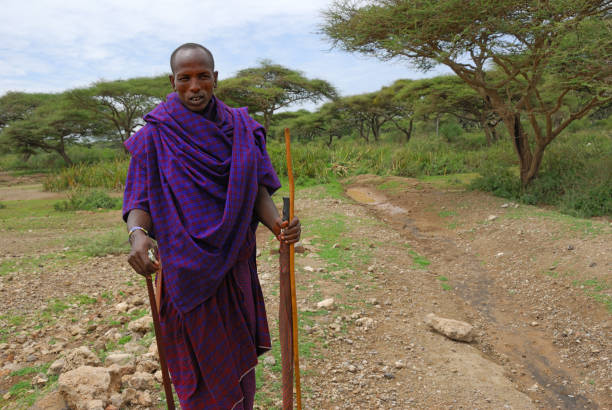
Responsible tourism allows travelers to positively impact local communities in Tanzania, like supporting education and livelihoods in villages near Mgandu.
This includes:
Employing local guides and staff
Purchasing crafts and products locally
Supporting community projects like schools and healthcare
These initiatives help preserve cultural heritage while creating sustainable livelihoods.
Minimizing Environmental Impact
Responsible travel encourages actions like:
Using eco-friendly accommodations
Reducing single-use plastics
Walking or cycling where possible
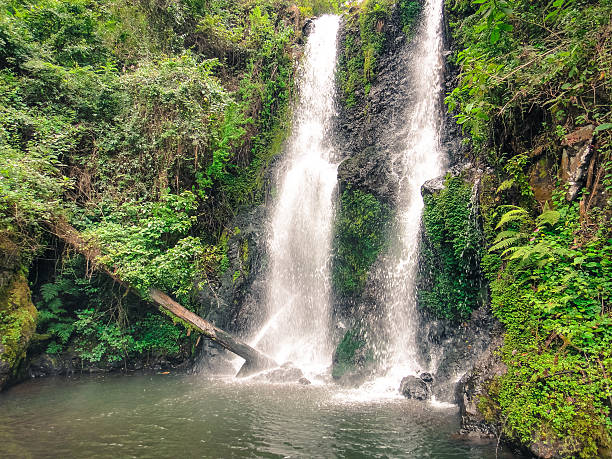
Respecting natural landscapes and wildlife
This helps keep Tanzania pristine for future travelers.
Top Responsible Tourism Experiences in Tanzania
Community-Based Tourism
Visitors can stay in villages or visit local projects to experience authentic Tanzanian culture while supporting local livelihoods.
Eco-Lodges and Sustainable Safari Camps
Many lodges are solar-powered, water-efficient, and wildlife-friendly, offering luxury while minimizing environmental impact.
Wildlife Conservation Safaris
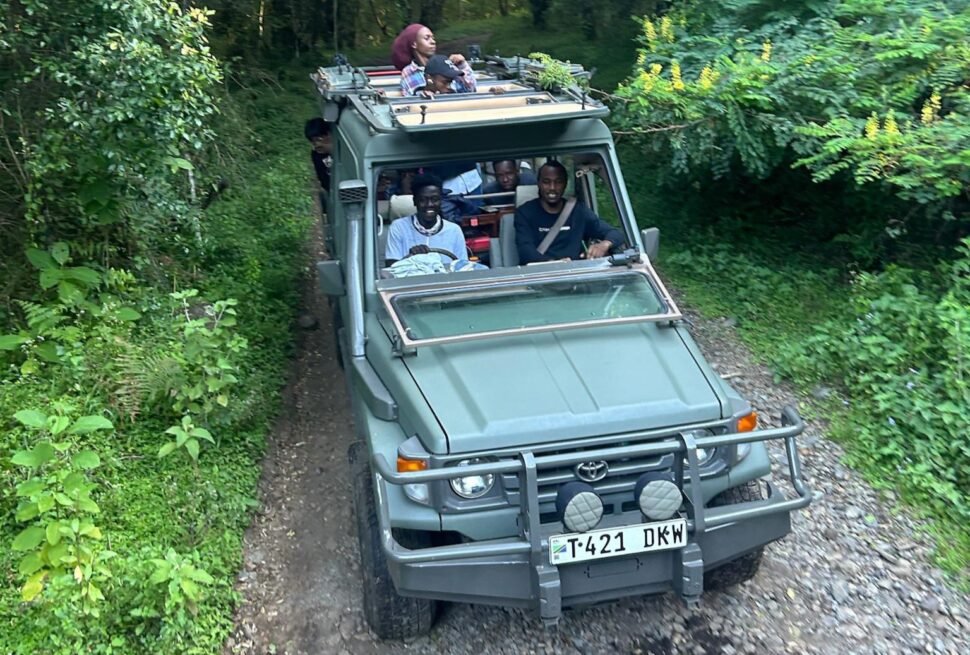
Some safari tours include opportunities to support anti-poaching units or research programs, allowing tourists to engage in meaningful conservation work.
Volunteering and Educational Programs
Responsible tourism in Tanzania helps fund education and empower children in rural communities near safari destinations.
Couples or groups can participate in tree planting, school support, or environmental education, creating a positive impact while traveling.
Comparing Responsible vs Conventional Tourism in Tanzania
Feature
Responsible Tourism
Conventional Tourism
Environmental Impact
Low – eco-friendly practices
High – more waste and resource use
Community Benefit
High – supports local communities
Low – profits often go to large operators
Wildlife Interaction
Ethical, guided by conservation rules
Sometimes exploitative
Cultural Respect
Immersive and educational
Often superficial or commercialized
Long-term Sustainability
High – benefits future generations
Low – minimal lasting impact
Local Insights from JoyTrekking Tours & Safaris
As a Tanzanian-based tour operator, JoyTrekking Tours & Safaris offers insider tips to practice responsible tourism:
Choose locally-owned accommodations and safari operators
Learn basic Kiswahili phrases to respect culture
Avoid disturbing wildlife or feeding animals
Engage with community projects ethically
Travel during the off-peak season to reduce overcrowding
These local insights transform a regular safari into a meaningful and ethical journey.
Testimonials from Responsible Traveler
Ryan Day2024.10.13
Amazing company defiantly would recommend to anyone not sure about who to go with.
Ready to Witness the responsible tourism in Tanzania?
Experience Africa’s most powerful wildlife event with expert-guided safaris.
WhatsApp Us Now for Safari Planning Book Your Migration Safari Today
Frequently Asked Questions About Responsible Tourism in Tanzania
What is responsible tourism in Tanzania?
Responsible tourism is about sustainable travel that protects wildlife, supports communities, and reduces environmental impact.
Can I do luxury safari responsibly?
Yes. Many eco-lodges and responsible safari companies offer luxury experiences that follow ethical and sustainable practices.
How can I support local communities while traveling?
Hire local guides, buy locally-made products, and participate in community-based tourism initiatives.
Is wildlife conservation integrated into tours?
Reputable operators likeJoyTrekking Tours & Safaris often partner with conservation programs to give travelers an ethical safari experience.
When is the best time to practice responsible tourism?
Tanzania’s dry season (June–October) is ideal for wildlife viewing and sustainable travel without putting stress on the environment.
Final Thoughts
Responsible Tourism in Tanzania is more than a way to travel it’s a commitment to protect wildlife, empower local communities, and preserve natural landscapes for future generations.
By choosingJoyTrekking Tours & Safaris, international travelers can enjoy ethical safaris, eco-friendly accommodations, and meaningful cultural experiences, creating memories that also give back to the country.
About the Author – January Mziray
January Mziray is a Tanzanian tourism expert specializing in sustainable and responsible travel. With years of experience guiding international tourists across the Serengeti, Ngorongoro Crater, Tarangire, and Zanzibar, he focuses on delivering authentic, ethical, and memorable experiences.
Through JoyTrekking Tours & Safaris, January promotes responsible tourism practices that benefit local communities, conserve wildlife, and protect Tanzania’s natural beauty for generations to come.