Learn Basic Swahili Words for Travellers to navigate Tanzania. Greetings, directions, numbers, and polite phrases for an authentic cultural experience.
Master Basic Swahili Words for Travellers in Tanzania to communicate effectively. Greetings, numbers, directions, and polite phrases enhance your travel experience.
15 Essential Basic Swahili Words for Travellers in Tanzania
Visiting Tanzania is an incredible experience filled with breathtaking wildlife, stunning landscapes, and vibrant culture. Knowing some basic Swahili words for travellers not only helps with practical communication but also enriches your cultural experience.
Whether you are on safari in the Serengeti National Park, exploring the historic streets of Stone Town, Zanzibar, or visiting the markets of Arusha, learning a few Swahili words can help you connect with locals and navigate your journey smoothly.
Quick Summary
Here’s a quick overview of essential Swahili words for international travellers:
Greetings and common phrases to start conversations
Numbers and basic counting for shopping and travel
Directions and transportation vocabulary
Polite expressions and cultural etiquette
Food and dining-related phrases
Emergency and health-related words
Why Learn Basic Swahili Words for Travellers
Learning basic Swahili words improves your travel experience by:
Enhancing Communication
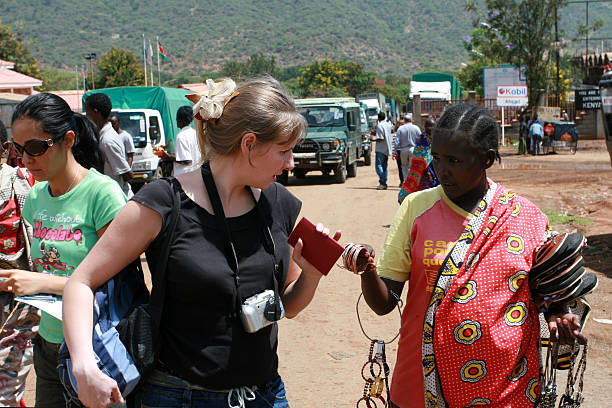
Image showing a traveller using basic Swahili words to interact with a local jewelry seller in Tanzania, illustrating the importance of language for effective communication and cultural connection.
Even simple phrases like “Asante” (Thank you) or “Tafadhali” (Please) show respect and help interactions go smoothly.
Showing Cultural Respect
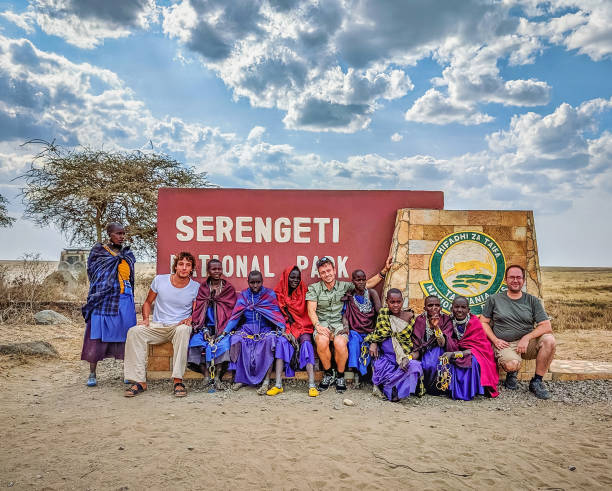
Tourists interact respectfully with Maasai people at Serengeti National Park, Tanzania, demonstrating how basic Swahili words help show cultural appreciation and respect during travel.
Locals appreciate travellers who attempt their language, strengthening cultural connections.
Navigating Daily Travel
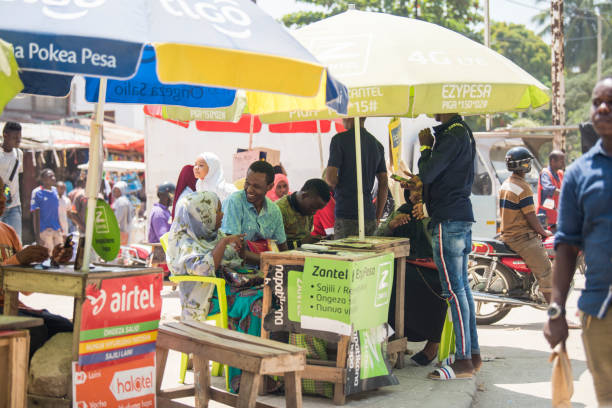
Street view of Zanzibar, Tanzania, showing locals going about daily life. Using basic Swahili words helps travellers navigate markets, streets, and public spaces safely and efficiently.
Understanding numbers, directions, and transportation phrases makes moving through cities and rural areas easier.
Common Swahili Phrases for Travellers
Greetings
English
Swahili
Pronunciation
Hello
Jambo
jahm-boh
How are you?
Habari gani?
hah-bah-ree gah-nee
Good morning
Habari za asubuhi
hah-bah-ree zah ah-soo-boo-hee
Thank you
Asante
ah-sahn-teh
Directions and Transportation
English
Swahili
Pronunciation
Where is…?
Wapi…?
wah-pee
Left
Kushoto
koo-sho-toh
Right
Kulia
koo-lee-ah
Straight ahead
Moja kwa moja
moh-jah kwah moh-jah
Numbers
English
Swahili
Pronunciation
One
Moja
moh-jah
Two
Mbili
mm-bee-lee
Three
Tatu
tah-too
Ten
Kumi
koo-mee
Food and Dining
English
Swahili
Pronunciation
Water
Maji
mah-jee
Rice
Wali
wah-lee
Meat
Nyama
nyah-mah
I am hungry
Ninasikia njaa
nee-nah-see-kee-ah n-jah-ah
Local Insights for Travellers
Polite phrases go a long way in markets and shops.
Attempting numbers and greetings increases friendliness and reduces bargaining stress.
Swahili is widely spoken, but regional variations exist listen and adjust.
Many Tanzanians speak English in tourist areas, but locals love efforts to use Swahili.
For more Swahili language visit ETHNOLOGUE official site:
Comparison Table: Common Swahili Words for Different Scenarios
Scenario
Words/Phrases
Tips
Greetings
Jambo, Habari gani?
Smile and use polite tone
Shopping
Bei gani? (What’s the price?)
Know numbers 1–100 for bargaining
Directions
Wapi…? Kushoto/Kulia
Ask politely; listen carefully
Dining
Maji, Wali, Nyama
Confirm ingredients to avoid allergies
Emergency
Polisi (Police), Hospitali
Learn pronunciation and carry contacts
Practical Tips for Using Swahili in Tanzania
Be Polite
Always use Tafadhali (please) and Asante (thank you) to show respect.
Listen and Repeat
Mimic pronunciation from locals—tone and stress matter.
Combine with Gestures
Non-verbal cues, like pointing or nodding, help bridge any gaps.
Use in Safari
Use Swahili phrases when interacting with guides or drivers to build rapport.
Frequently Asked Questions About Basic Swahili Words for Travellers
Do I need to speak Swahili to travel in Tanzania?
No, English is widely spoken in tourist areas, but basic Swahili helps in rural areas and shows cultural respect.
How quickly can I learn these words?
Simple greetings, numbers, and common phrases can be learned in a few hours of practice.
Are there dialect differences?
Yes, but standard Swahili is understood throughout Tanzania.
Can using Swahili improve my travel experience?
Yes. Locals appreciate any effort and it often results in friendlier interactions and better prices in markets.
Customer Experience
Samantha Rice2024.12.21
Joy Trekking Tours is the best tour company for hiking Kili hands down. They have so much energy and care about their clients so much.
Final Thoughts
Mastering basic Swahili words for travellers enriches your Tanzania journey. From navigating cities and markets to connecting with locals, even a small vocabulary goes a long way.
Combine your language skills with professional guidance from JoyTrekking Tours & Safaris to ensure a smooth, respectful, and culturally immersive safari adventure.
About the Author
January Mziray
January Mziray is a Tanzanian travel expert and safari consultant at JoyTrekking Tours & Safaris, specializing in guiding international tourists. He helps travelers explore Tanzania’s wildlife, landscapes, and culture while providing practical tips like learning basic Swahili words for travellers to enhance communication and cultural understanding.