Planning to climb Mount Kilimanjaro? Discover the best sleeping gear for Kilimanjaro, including sleeping bags, sleeping pads, and altitude comfort tips to ensure a safe and restful trek.
Learn how to stay warm, sleep better, and improve your summit success with expert-recommended Kilimanjaro sleeping gear.
Excerpt
Choosing the right sleeping gear for Kilimanjaro can make or break your climbing experience. From freezing summit nights to thin mountain air, this guide covers everything you need to sleep comfortably at high altitude.
Quick Facts Summary
Mountain: Mount Kilimanjaro (5,895m)
Temperature Range: +20°C to -20°C
Best Sleeping Bag Rating: -10°C to -20°C
Recommended Pad Type: Insulated sleeping pad (R-value 4+)
Climb Duration: 5–9 days
Main Challenge: Cold temperatures + altitude
Best Time to Climb: January–March, June–October
Introduction
Rising majestically above the plains of Tanzania, Mount Kilimanjarostands as the highest peak in Africa at 5,895 meters. It is one of the world’s most iconic trekking destinations drawing thousands of adventurers each year who dream of standing on the roof of Africa.
What makes Kilimanjaro unique is not just its height, but its dramatic environmental diversity. In just a few days, climbers pass through five distinct climate zones from lush rainforest and moorland to alpine desert and finally the icy Arctic summit. Each zone brings its own challenges, especially when it comes to temperature and weather conditions.
During the day, temperatures can feel surprisingly warm sometimes reaching 20°C in the lower regions. But as the sun sets, the mountain transforms. Nights become cold, winds pick up, and temperatures can drop well below freezing especially at higher altitudes where oxygen levels are low and the air is dry.
By the time you approach summit night, conditions can be extreme. Temperatures often fall to -15°C to -20°C and the combination of cold, altitude, and fatigue makes rest more difficult than ever.
This is where many climbers face a critical challenge.
Despite spending hours trekking each day getting quality sleep on Kilimanjaro is not guaranteed. The altitude affects breathing and recovery while the cold can easily seep through inadequate gear. Without proper preparation nights can become uncomfortable or even unbearable.
That’s why understanding and choosing the right sleeping gear for Kilimanjaro is essential. It’s not just about comfort it’s about giving your body the recovery it needs to adapt, stay strong, and successfully reach the summit.
In this guide, we’ll break down exactly what you need to stay warm, sleep better and enjoy your Kilimanjaro adventure to the fullest.
Why Sleeping Gear Matters on Kilimanjaro
What Is Sleeping Gear?
In the context of high-altitude trekking, sleeping gear for Kilimanjaro refers to a carefully selected set of equipment designed to provide thermal insulation, comfort, and recovery support during overnight stays on the mountain.
Unlike conventional travel, climbing Mount Kilimanjaro involves camping in progressively colder and more demanding environments. As climbers ascend through multiple ecological zones, nighttime conditions become increasingly harsh requiring a reliable and technically appropriate sleep system.
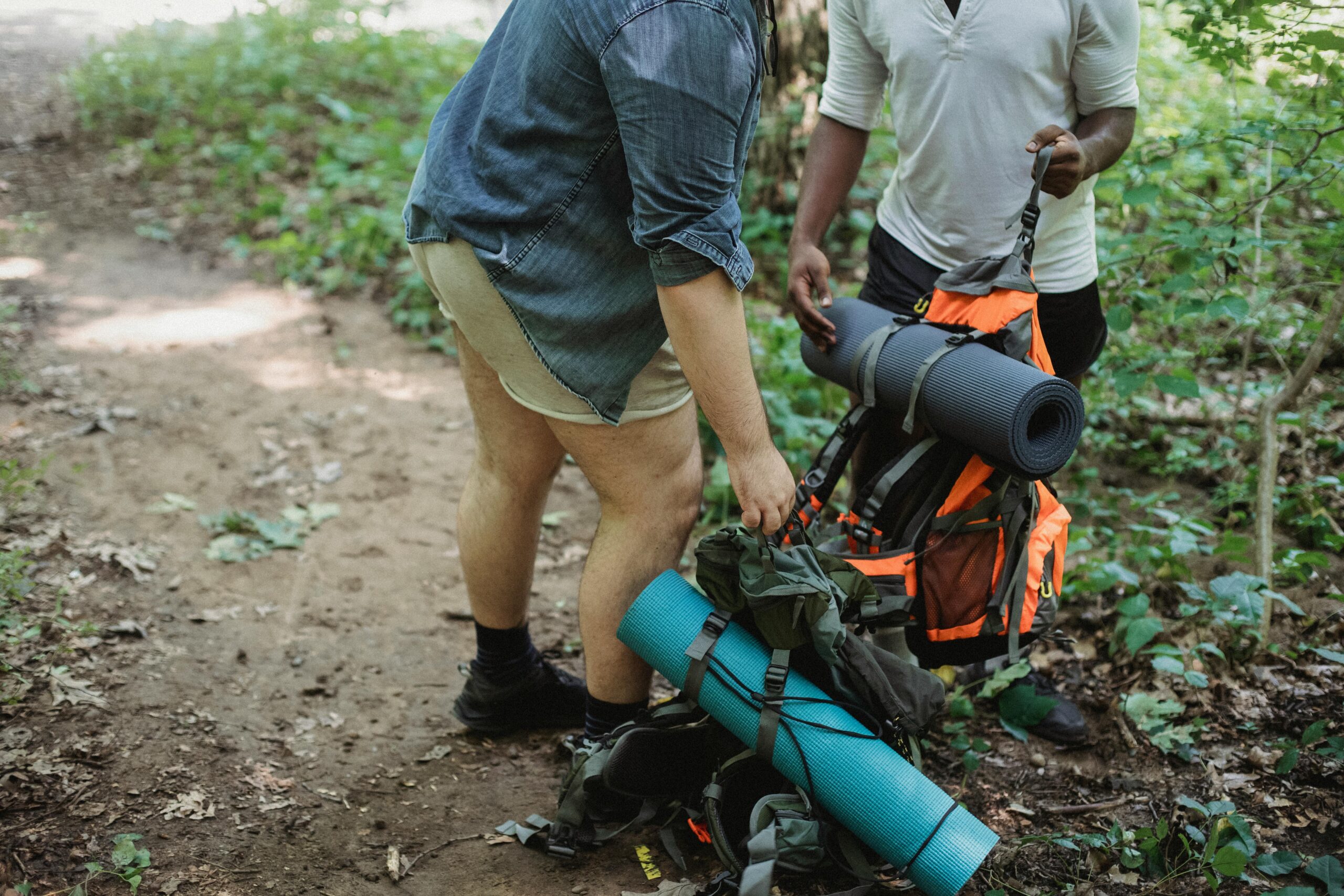
A complete sleeping gear system typically includes:
High-performance sleeping bag (rated for sub-zero temperatures)
Insulated sleeping pad (to minimize conductive heat loss from the ground)
Sleeping bag liner (for added warmth and hygiene)
Thermal sleepwear (base layers, socks, and head insulation)
These components function collectively to create a controlled microclimate, preserving body heat and enabling effective physiological recovery.
The Challenge: Cold Stress and Altitude Impact
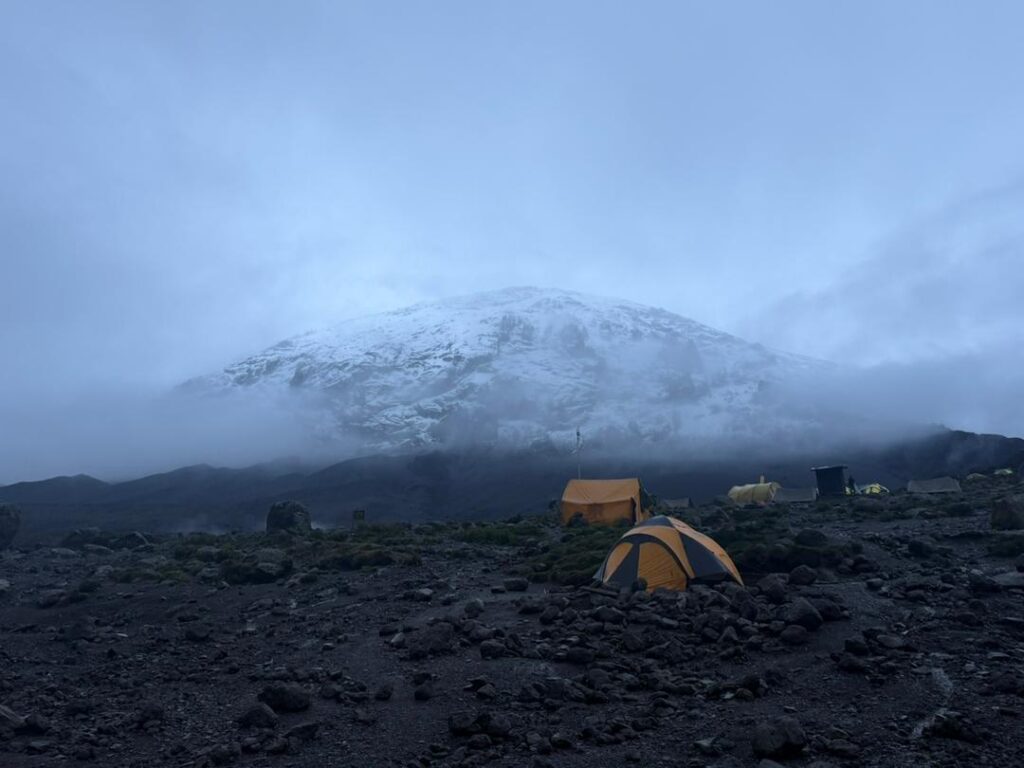
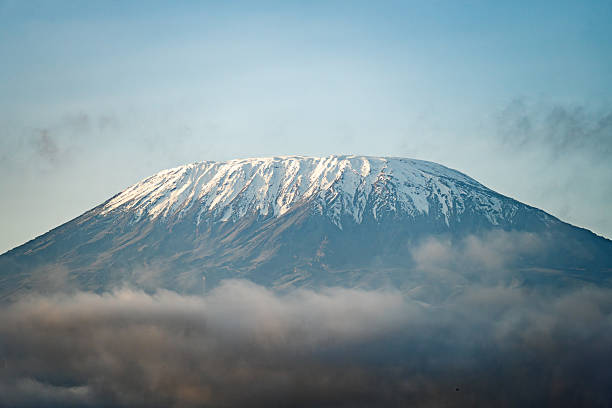
Fog and cold conditions on Mount Kilimanjaro highlight the environmental challenges climbers face at high altitude.
Sleeping on Kilimanjaro presents two primary challenges: extreme cold exposure and altitude-related physiological stress.
As elevation increases:
Nighttime temperatures frequently drop below freezing, reaching -15°C to -20°C near the summit
Air density decreases, resulting in lower oxygen availability
The body experiences disrupted sleep cycles, including frequent waking and shallow breathing
Additionally, direct contact with cold ground surfaces accelerates heat loss through conduction, which can significantly reduce core body temperature if not properly managed.
These combined stressors often lead to:
Reduced sleep quality and duration
Slower acclimatization
Increased fatigue accumulation
Elevated risk of altitude-related complications
The Solution: An Optimized Sleep System
Mitigating these risks requires more than just a standard sleeping bag it demands a well-integrated sleep system engineered for high-altitude performance.
An effective setup ensures:
Thermal efficiency: Retains body heat even in sub-zero conditions
Ground insulation: Prevents heat loss and enhances comfort
Moisture management: Reduces dampness caused by perspiration
Sleep continuity: Supports deeper, more restorative rest cycles
JoyTrekking Tours & Safaris emphasize the importance of quality sleeping gear by offering equipment that meets international trekking standards.
Professional Insight: The Role of Sleep in Summit Success
In high-altitude expeditions, recovery is a critical determinant of performance. Adequate sleep directly influences:
Energy restoration for daily trekking
Altitude adaptation efficiency
Cognitive clarity and decision-making
Overall physical resilience
Industry experience consistently shows that climbers equipped with appropriate sleeping gear demonstrate higher endurance levels and improved summit success rates.
Key Takeaway
Sleeping gear on Kilimanjaro is not merely about comfort it is a strategic investment in safety, performance, and success.
Selecting the right sleeping gear for Kilimanjaro ensures that your body remains protected, well-rested, and prepared to meet the physical demands of Africa’s highest peak.
Yes, most reputable tour operators provide rental gear.
Is a 0°C sleeping bag enough?
No, Kilimanjaro temperatures drop far below freezing.
Do I need an inflatable sleeping pad?
Highly recommended for comfort and insulation.
How cold does it get at night?
Temperatures can drop to -15°C to -20°C near the summit.
What if I don’t sleep well at altitude?
This is common. Proper gear and acclimatization help reduce the impact.
Customer Testimonial
Isadora Theberge2025.01.14
A really awesome company! I climbed Kilimanjaro with them and everything was well organized, and I always felt cared for on the trek. Everyone had really great energy, singing and dancing, lifting our spirits up. Would definitely recommend booking through them!
Start Your Kilimanjaro Journey with Confidence
Climbing Mount Kilimanjaro is more than just an adventure it’s a personal milestone that requires the right preparation expert guidance and reliable support at every step.
At JoyTrekking Tours & Safaris, we specialize in delivering professionally guided Kilimanjaro expeditions tailored for international travelers. From high-quality sleeping gear and experienced mountain crews to carefully designed itineraries for proper acclimatization, every detail is handled to ensure your safety, comfort, and summit success.
Whether you’re planning your first climb or seeking a premium trekking experience, our team is ready to support you from start to summit.
Take the Next Step
Speak directly with our Kilimanjaro experts today:
Your journey to the Roof of Africa starts with the right partner.
Final Thoughts
Climbing Mount Kilimanjaro is a powerful blend of physical endurance, mental resilience and careful preparation. While most climbers focus on training, fitness, and choosing the right route one of the most underestimated factors remains your sleeping environment on the mountain.
The reality is simple: your body does not recover on the trail it recovers at night. When temperatures drop below freezing and oxygen levels decrease the quality of your rest becomes a critical element in how well you adapt and perform each day. Without proper sleeping gear even the strongest climbers can experience fatigue, poor acclimatization and reduced summit success chances.
Investing in the right sleeping gear for Kilimanjaro a high-quality sleeping bag, insulated pad, and proper layering is not just about comfort. It is a strategic decision that directly impacts your safety, recovery, and overall trekking experience.
AtJoyTrekking Tours & Safaris, we believe that every successful summit begins with proper preparation and reliable support. When your gear is right and your team is experienced, the mountain becomes not just achievable but truly enjoyable.
Ultimately, Kilimanjaro rewards those who prepare wisely. And in that preparation, quality sleep is not a luxury it is a necessity that can define your entire journey to the Roof of Africa.
About the Author
January Mziray A Tanzania tourism expert and professional safari planner, January specializes in Kilimanjaro expeditions, wildlife safaris, and Zanzibar beach holidays. With years of experience guiding international travelers, he shares practical insights to help adventurers explore Tanzania safely and comfortably.