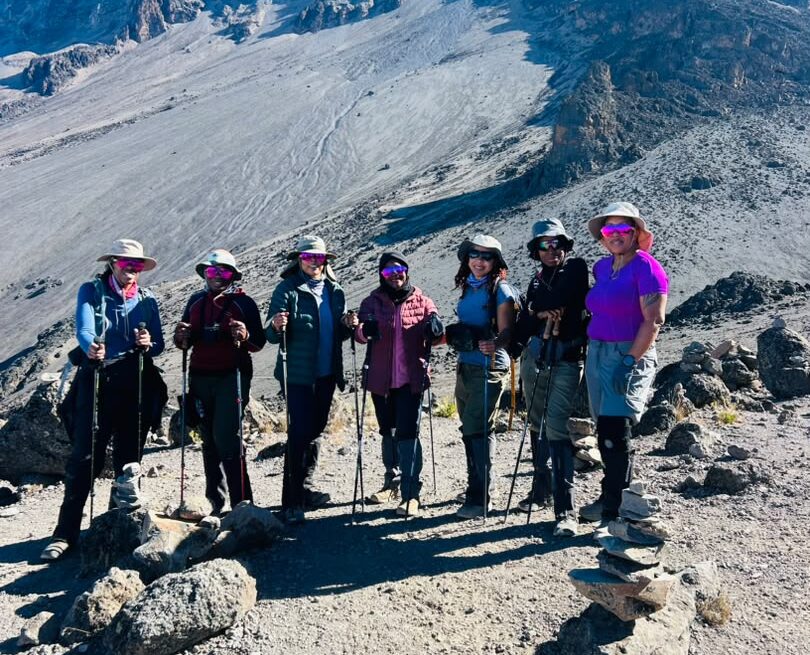
Planning to climb Mount Kilimanjaro? Discover what to eat and drink on Mount Kilimanjaro to maintain energy, stay hydrated, and prevent altitude fatigue. This expert guide helps you prepare for a successful and enjoyable trek.
Learn the best Kilimanjaro diet plan, hydration strategies, and practical tips used by professional guides to keep climbers strong and safe throughout the journey.
Excerpt
Fuel your Kilimanjaro adventure the right way. From high-energy meals to hydration secrets, this guide reveals exactly what to eat and drink to conquer Africa’s highest peak successfully.
Quick Facts Summary
Location: Tanzania, East Africa
Altitude: 5,895 meters (19,341 ft)
Climb Duration: 5–9 days
Main Challenge: Altitude sickness & fatigue
Diet Type: High-carb, moderate protein, low-fat
Water Intake: 3–5 liters per day
Best Drinks: Water, tea, soup, electrolyte fluids
Recommended By: Professional trekking operators like JoyTrekking Tours & Safaris
Introduction
Rising majestically from the plains of northern Tanzania, Mount Kilimanjaro is the tallest free-standing mountain in the world and Africa’s highest peak, reaching an impressive 5,895 meters (19,341 feet) above sea level. Unlike mountain ranges that form chains, Kilimanjaro stands alone an iconic natural landmark visible from miles away, even from across the border in Kenya.
Geographically, Kilimanjaro is located near the equator, yet its summit is permanently capped with ice and glaciers a striking contrast that makes it one of the most unique ecosystems on Earth. The mountain is part of the Kilimanjaro National Park, a UNESCO World Heritage Site that protects its diverse landscapes, ranging from tropical rainforest at the base to arctic conditions at the summit.
Kilimanjaro is not a single peak but a massive stratovolcano composed of three distinct volcanic cones:
Kibo – the highest and central cone, home to the famous Uhuru Peak (the true summit)
Mawenzi – a rugged, jagged peak to the east
Shira – the oldest and most eroded cone to the west
These formations were created through volcanic activity over 750,000 years ago, with Kibo being the youngest and still considered dormant. While there is no recorded modern eruption, scientists believe the last major volcanic activity occurred approximately 360,000 years ago, leaving behind the crater that climbers can still observe near the summit today.
This extraordinary geological structure creates multiple climate zones in a single climb each affecting how your body responds to altitude, temperature, and oxygen levels. As you ascend, your nutritional needs change dramatically, making it essential to understand not just how to climb Kilimanjaro, but how to fuel your body throughout the journey.
Because here’s the reality: Many climbers prepare physically but underestimate the impact of altitude on appetite, hydration, and energy.
And that’s exactly where the right food and drink strategy becomes the difference between struggle and success.
What to Eat and Drink on Mount Kilimanjaro (Complete Guide)
Climbing Mount Kilimanjaro is not just about physical strength it’s about how well you fuel your body. At high altitude, your metabolism changes, appetite drops, and dehydration increases rapidly. This means your food and drink choices must be intentional, strategic, and consistent throughout the trek.
Below is a detailed breakdown of what to eat and drink and why each choice matters.
Why Nutrition Matters at High Altitude
As you ascend Kilimanjaro, your body undergoes several physiological changes:
Oxygen levels decrease, making energy production less efficient
Your body burns more calories even at rest
Appetite often decreases due to altitude
Fluid loss increases through faster breathing
This combination creates a dangerous cycle: you eat less, drink less, and feel weaker.
The Solution: You need a high-energy, easy-to-digest diet combined with consistent hydration. Even when you don’t feel hungry or thirsty, eating and drinking regularly is essential to prevent altitude fatigue and increase your chances of reaching the summit.
Best Foods to Eat on Mount Kilimanjaro
1. High-Carbohydrate Meals (Primary Energy Source)
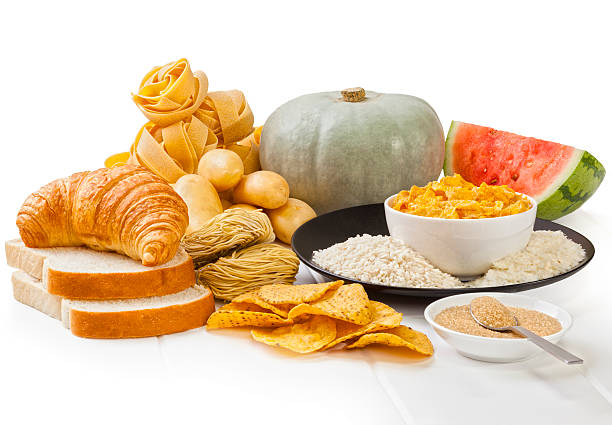
Carbohydrates are the foundation of your Kilimanjaro diet. At high altitude, your body prefers carbs because they require less oxygen to convert into energy compared to fats or proteins.
High Glycaemic Index Foods – carbohydrates which have a high glycaemic index rating, on a white background. Front to back focus.
Why they matter:
Provide quick and sustained energy for long trekking hours
Help maintain blood sugar levels
Reduce fatigue and dizziness
What you’ll typically eat:
Rice with vegetables or sauce
Pasta dishes
Boiled or mashed potatoes
Oatmeal for breakfast
Pancakes or chapati
JoyTrekking Tours & Safaris designs menus heavily based on carbs to keep climbers energized throughout the climb.
Pro Tip: Eat full portions at breakfast and dinner even if you feel slightly full. These meals fuel your next trekking phase.
2. Protein for Muscle Recovery
While carbohydrates provide energy, protein helps your body recover from the physical stress of trekking for multiple days.
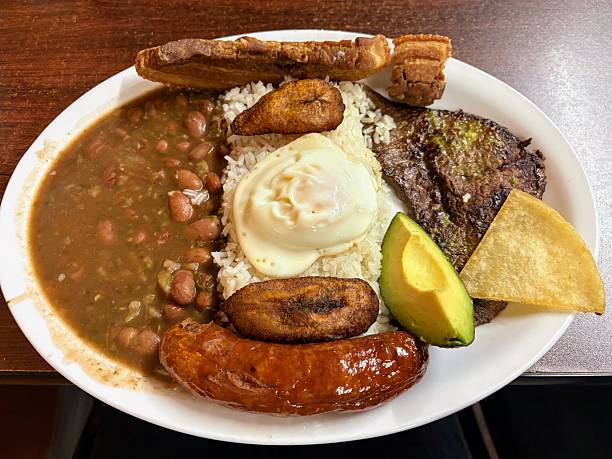
Protein-rich foods play a key role in muscle recovery and strength maintenance for climbers on Mount Kilimanjaro, helping the body recover after long trekking days.
Why protein is important:
Repairs muscle tissue after long hikes
Supports immune function at altitude
Helps maintain strength and endurance
Common protein sources on the mountain:
Eggs (especially at breakfast)
Chicken or beef (at lower camps)
Beans and lentils (excellent plant-based options)
Peanut butter
Pro Tip: Don’t overconsume protein it’s harder to digest at high altitude. Balance it with carbs for optimal results.
3. Fruits and Vegetables (Vitamins & Natural Hydration)
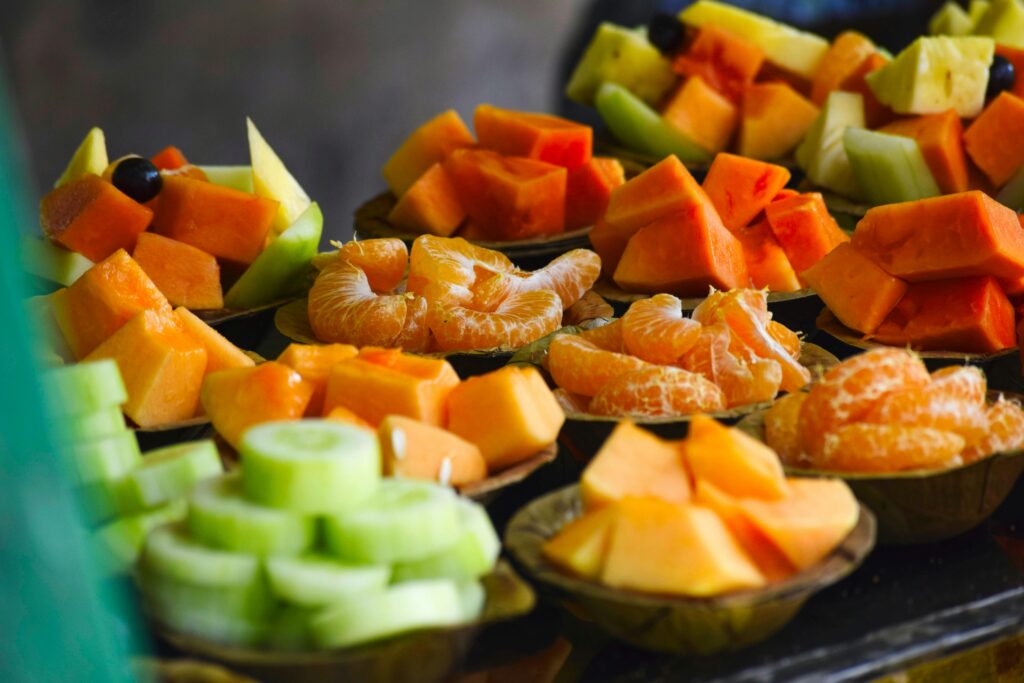
Fresh fruits and vegetables play a crucial role in maintaining overall health during the climb.
Fresh fruits and vegetables supply essential vitamins and natural hydration for climbers on Mount Kilimanjaro, helping boost immunity and sustain energy at high altitude.
Why they matter:
Provide essential vitamins and antioxidants
Boost immunity (important in cold conditions)
Offer natural sugars for quick energy
Contribute to hydration
Typical options include:
Bananas (rich in potassium, prevent muscle cramps)
Oranges (hydrating and refreshing)
Avocados (healthy fats and nutrients)
Leafy greens like spinach
Even in remote conditions, quality operators ensure fresh produce is carried up the mountain.
Pro Tip: Eat fruit during breaks it’s light, refreshing, and easy to consume when you don’t feel like eating heavy meals.
4. Snacks for Energy Boosts
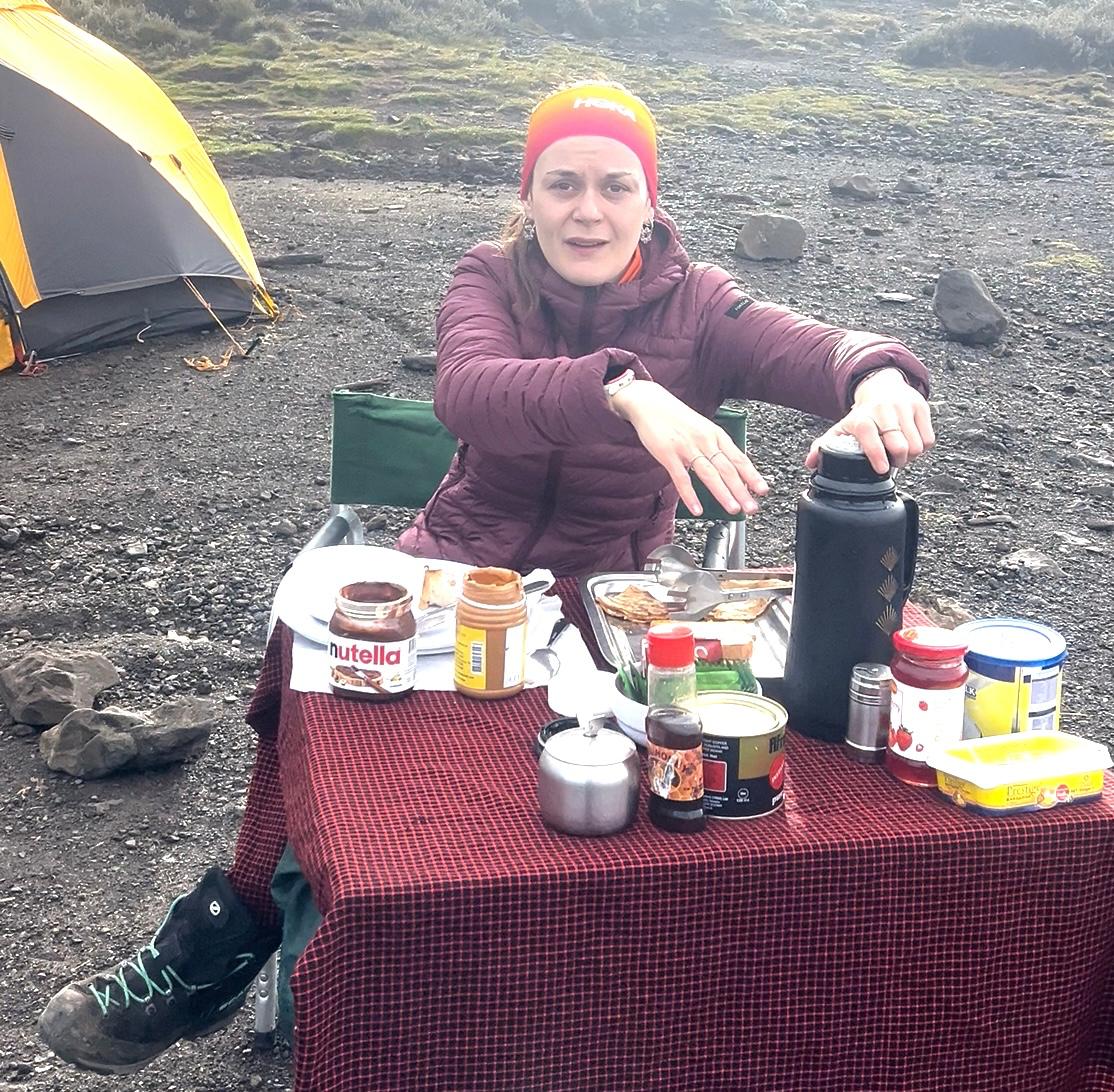
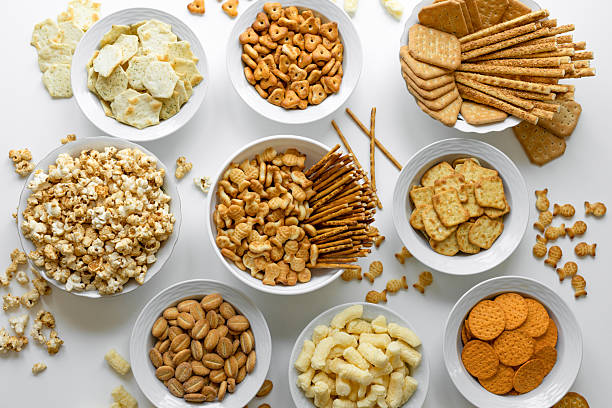
Snacks are your secret weapon on Kilimanjaro. Trekking days can last 5–8 hours, and waiting until meals is not enough.
Energy-boosting snacks such as nuts, biscuits, and trail mix help climbers on Mount Kilimanjaro maintain steady energy levels and prevent fatigue during long trekking days.
Why snacks are essential:
Maintain steady energy levels
Prevent sudden fatigue or dizziness
Help you eat even when appetite is low
Recommended snacks:
Energy bars
Trail mix (nuts and dried fruits)
Biscuits or crackers
Chocolate (quick sugar boost)
Pro Tip: Keep snacks easily accessible in your daypack and eat small amounts every 1–2 hours.
What to Drink on Mount Kilimanjaro
1. Water (Your Lifeline)
Water is the most critical element of your Kilimanjaro success.
Why hydration is crucial:
Prevents altitude sickness
Maintains energy levels
Supports digestion and circulation
Guidelines:
Drink 3–5 liters per day
Sip continuously rather than drinking large amounts at once
Use insulated bottles to prevent freezing at higher altitudes
Most trekking teams provide boiled and filtered water to ensure safety.
Pro Tip: If your urine is dark yellow, you’re dehydrated drink more immediately.
2. Hot Drinks (Comfort + Warmth + Hydration)
Hot beverages are more than just comfort they play a practical role in your climb.
Benefits:
Keep your body warm in cold conditions
Encourage fluid intake
Improve morale during tough days
Common options:
Tea (especially ginger or black tea)
Coffee
Hot chocolate
Pro Tip: Start your morning with a hot drink it helps your body adjust before trekking begins.
3. Soups (Hydration + Easy Nutrition)
Soup is often served daily on Kilimanjaro and for good reason.
Why soup is powerful:
Easy to consume when appetite is low
Provides hydration and electrolytes
Warms the body quickly
Typical soups:
Vegetable soup
Chicken soup
Broth-based soups
Pro Tip: Never skip soup it’s one of the easiest ways to stay nourished at altitude.
4. Electrolyte Drinks (Prevent Fatigue & Cramps)
At high altitude, your body loses essential minerals through sweat and breathing.
Why electrolytes matter:
Prevent muscle cramps
Maintain fluid balance
Improve endurance
What to bring:
Electrolyte powders or tablets
Oral rehydration salts
Pro Tip: Add electrolytes to one bottle of water daily especially after long trekking hours.
Key Takeaway
Success on Mount Kilimanjaro isn’t just about reaching the top it’s about how well you support your body along the way.
Eat more than you feel like. Drink more than you think you need.
That simple discipline is what separates those who struggle from those who summit confidently.
Comparison Table: Good vs Bad Food Choices on Kilimanjaro
Category
Good Choices
Avoid
Energy
Rice, pasta, potatoes
Heavy fried foods
Protein
Eggs, beans, chicken
Processed meats
Snacks
Nuts, energy bars
Sugary junk snacks
Drinks
Water, tea, soup
Alcohol, soda
Digestion
Light meals
Oily foods
Cost Breakdown (Food & Hydration on Kilimanjaro)
Most climbers don’t pay separately for food but here’s a realistic breakdown:
Even though meals are provided, bring personal items:
Must-Have:
Reusable water bottles (2–3 liters total)
Electrolyte sachets
Energy bars
Favorite snacks
Optional:
Herbal tea
Protein bars
Vitamin supplements
FAQs (Professional Guide for Kilimanjaro Nutrition & Hydration)
Climbing Mount Kilimanjaro comes with many questions especially when it comes to food, water, and how your body reacts at altitude. Below are expert level answers designed to help you prepare with confidence and avoid common mistakes.
How much should I eat on Mount Kilimanjaro?
At high altitude, your body burns significantly more calories even when resting. However, appetite often decreases.
Professional advice:
Aim to eat regularly, not just when hungry
Focus on 3 main meals + frequent snacks
Prioritize carbohydrates for energy
Even if portions feel large, consistent eating helps prevent fatigue and supports acclimatization.
What if I completely lose my appetite during the climb?
Loss of appetite is very common above 3,000 meters.
What to do:
Switch to lighter foods like soup, fruits, and porridge
Eat small portions more frequently
Drink calories (tea, hot chocolate, soups)
Experienced Team from JoyTrekking Tours & Safaris are trained to adjust meals and encourage you to keep fueling your body.
Is the food on Kilimanjaro safe and hygienic?
Yes when you climb with a reputable operator.
Standards typically include:
Freshly prepared meals by trained mountain chefs
Boiled and filtered drinking water
Clean cooking equipment and safe food handling
Tip: Always choose a licensed and experienced tour company.
How much water should I drink each day?
Hydration is one of the most important factors for success.
Recommended intake:
3 to 5 liters per day
Increase intake as altitude rises
Why it matters:
Reduces risk of altitude sickness
Improves energy levels and recovery
A simple rule: drink consistently even if you don’t feel thirsty.
Can I drink tap or stream water on the mountain?
No. Untreated water can contain harmful bacteria.
Safe options include:
Boiled water provided by your trekking team
Filtered or purified water
Water treated with purification tablets
Never drink directly from natural sources without treatment.
Should I bring my own snacks from home?
Yes it’s highly recommended.
Why bring your own snacks:
Familiar taste increases appetite
Provides quick energy during trekking
Helps maintain routine eating habits
Popular choices include energy bars, nuts, and chocolates.
Are special diets (vegetarian, vegan, gluten-free) available?
Yes, most professional operators can accommodate dietary needs.
Best practice: Save celebrations for after your successful summit.
Do I need electrolyte supplements?
While not mandatory, electrolytes are highly recommended.
Benefits:
Replace lost minerals
Prevent muscle cramps
Improve hydration efficiency
Adding electrolytes to one bottle per day can significantly improve performance.
What is the biggest nutrition mistake climbers make?
The most common mistake is not eating or drinking enough.
Why it happens:
Reduced appetite
Fatigue
Lack of awareness
Solution:
Follow a routine
Eat and drink on schedule not by feeling
Final Expert Tip
Your success on Mount Kilimanjaro depends on consistency, not perfection.
Eat even when you don’t feel like it Drink before you feel thirsty Trust your guides and the process
When you manage your nutrition well, your body performs better and your chances of reaching the summit increase dramatically.
Customer Testimonial
Annika Smart2024.06.02
I would highly recommend JoyTrekking tours and Safaris with January and his crew. Emmanuel was an incredible assistant guide, and the larger team was highly skilled. I felt safe, comfortable, and confident climbing Mt Kilimanjaro thanks to Joy Trekking! We completed the Marangu route in 5 days and 4 nights and then went to Chemka hot springs afterwards! It was so fun!
Ready to Climb Kilimanjaro the Right Way?
Get a personalized meal-supported trekking experience Professional guides & mountain chefs included
Climbing Mount Kilimanjaro is often described as a physical challenge but in reality, it’s a test of discipline, awareness, and preparation.
Many climbers arrive with strong legs and determination, yet underestimate one critical factor: how the body behaves at altitude. Appetite fades. Thirst becomes less obvious. Energy drops faster than expected. These are not signs of weakness they are natural physiological responses to high elevation.
What separates successful summiteers from those who turn back is not luck it’s strategy.
Choosing the right foods, maintaining steady hydration, and eating even when you don’t feel like it are small decisions that create massive results over several days on the mountain. When your body is properly fueled, you think clearer, move stronger, and adapt better to altitude.
This is why experienced operators like JoyTrekking Tours & Safaris place such strong emphasis on nutrition and hydration. It’s not just about comfort it’s about safety, performance, and summit success.
As you prepare for your Kilimanjaro journey, remember this:
The summit is not won on the final night it’s earned through consistent habits every single day.
Eat with intention. Hydrate consistently. Trust the process.
Do that, and you won’t just reach the top you’ll experience Kilimanjaro the way it was meant to be: strong, present, and unforgettable.
About the Author
January Mziray is a seasoned Tanzania tourism specialist and co-founder of JoyTrekking Tours & Safaris, a company dedicated to delivering authentic and professionally guided travel experiences across Tanzania. With years of hands-on experience in organizing and leading treks on Mount Kilimanjaro, January has developed deep expertise in high-altitude trekking, climber safety, and expedition planning.
His work focuses on helping international travelers achieve successful summits through proper preparation, including nutrition, acclimatization strategies, and personalized itineraries. Having worked closely with mountain crews, guides, and climbers from around the world, he brings practical, real-world insights that go beyond theory.
Through his writing, January shares reliable, experience-based guidance designed to educate, prepare, and inspire travelers planning their Kilimanjaro climb, safari adventure, or Zanzibar beach holiday. His goal is simple: to ensure every traveler experiences Tanzania safely, confidently, and memorably.