Altitude sickness on Kilimanjaro is the reason climbers fail. Learn why it happens how to prevent it and proven strategies to reach the summit successfully in 2026.
Excerpt
Planning to climb Mount Kilimanjaro? Discover the real reasons climbers fail due to altitude sickness and how you can safely reach Uhuru Peak with expert backed strategies.
Quick Facts Summary
Mountain Height: 5,895 meters (19,341 ft)
Success Rate: ~65% overall (varies by route)
Main Failure Cause: Altitude sickness (~70% of failed attempts)
Best Success Strategy: Slow ascent + proper acclimatization
Recommended Duration: 7–9 days trek
Peak Oxygen Level: ~50% of sea level
Best Time to Climb: January–March, June–October
Introduction
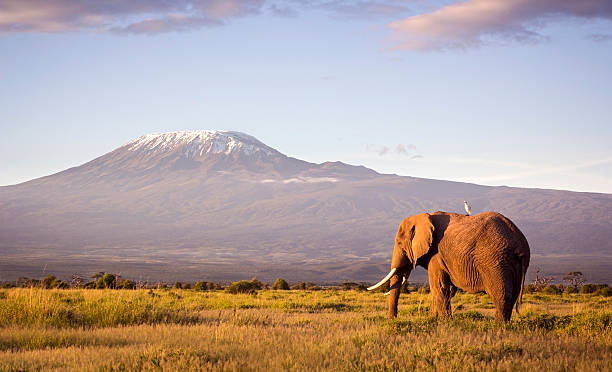
Rising dramatically from the plains of northern Tanzania, Mount Kilimanjaro stands as the tallest mountain in Africa and the highest free standing mountain in the world reaching an impressive 5,895 meters (19,341 feet) above sea level. Unlike technical peaks that require ropes and climbing experience Kilimanjaro attracts thousands of trekkers each year adventurers first-time climbers and seasoned hikers alike all drawn by one powerful dream: standing on the legendary Uhuru Peak.
What makes Kilimanjaro truly unique is not just its height but its ecological diversity. Within a single expedition climbers pass through five distinct climate zones lush rainforest, moorland, alpine desert and finally the arctic summit. It’s often described as “walking from the equator to the North Pole in just a few days.”
But beneath this beauty lies a serious and often underestimated challenge.
As altitude increases, oxygen levels decrease significantly. By the time you reach the summit there is nearly 50% less oxygen compared to sea level. This rapid change is where many climbers begin to struggle not because they are unfit or unprepared physically but because their bodies cannot adapt quickly enough.
This is where altitude sickness on Kilimanjaro becomes the defining factor between success and failure.
Each year a large percentage of climbers are forced to turn back before reaching the summit. The reason is rarely lack of motivation it’s the body’s natural response to high altitude. Symptoms can begin as mild discomfort but can escalate quickly if not properly managed.
The good news.
Altitude sickness is not a random obstacle. It is predictable, preventable, and manageable with the right knowledge, preparation, and guidance.
In this guide by JoyTrekking Tours & Safarisyou’ll gain a deeper understanding of how Kilimanjaro affects your body, why so many climbers fail and the proven strategies that significantly increase your chances of reaching the summit safely in 2026.
Whether you’re planning your first African adventure combining your climb with a Tanzania safari or relaxing later on the beaches of Zanzibar this guide will prepare you for one of the most rewarding experiences of your life.
Understanding Altitude Sickness on Kilimanjaro
What is Altitude Sickness?
Altitude sickness also known as Acute Mountain Sickness (AMS) occurs when your body struggles to adapt to reduced oxygen levels at high elevations.
On Kilimanjaro, oxygen levels drop by nearly 50% at the summit making it one of the most challenging non-technical climbs in the world.
Common Symptoms
Headache
Nausea or vomiting
Dizziness
Fatigue
Loss of appetite
Difficulty sleeping
Severe cases can lead to life-threatening conditions like:
High Altitude Pulmonary Edema (HAPE)
High Altitude Cerebral Edema (HACE)
Why Kilimanjaro is Unique
Mount Kilimanjaro is unlike any other mountain in the world not just because of its height but because of how quickly and dramatically the environment changes as you ascend.
In just a few days climbers transition through five distinct ecological zones: from dense tropical rainforest filled with wildlife to open moorland then into a dry alpine desert and finally the harsh icy arctic summit. This rapid shift in altitude and climate is what makes Kilimanjaro both extraordinary and challenging.
What truly sets Kilimanjaro apart is that it is a non-technical climb meaning no ropes or climbing equipment are required yet it reaches extreme altitudes where oxygen levels are significantly reduced. This creates a unique situation where physically fit and inexperienced climbers alike can attempt the summit but many underestimate the effects of altitude.
Additionally, Kilimanjaro is a free-standing mountain rising directly from near sea level to nearly 6,000 meters. Unlike mountain ranges where elevation gain is gradual over long distances, Kilimanjaro’s steep and continuous ascent gives the body very little time to adapt naturally.
This combination of accessibility, rapid elevation gain, and extreme altitude is what makes altitude sickness on Kilimanjaro so common and why proper acclimatization is absolutely critical for success.
Why Climbers Fail on Kilimanjaro
Reaching the summit of Mount Kilimanjaro is not just about strength or determination it’s about strategy, preparation, and understanding how your body reacts to extreme altitude.
Below are the real reasons why climbers fail, explained in detail:
1. Ascending Too Fast
The most common reason climbers fail on Kilimanjaro is ascending too quickly.
Many itineraries especially budget or short 5–6 day routes do not allow enough time for the body to adjust to decreasing oxygen levels. As you climb higher, your body needs time to produce more red blood cells and adapt to thinner air.
When this process is rushed, the body cannot cope, leading to altitude sickness.
Key Insight: The faster you go the higher your chances of failure. Choosing a longer itinerary (7–9 days) dramatically improves your success rate.
2. Poor Route Selection
Not all Kilimanjaro routes are created equal.
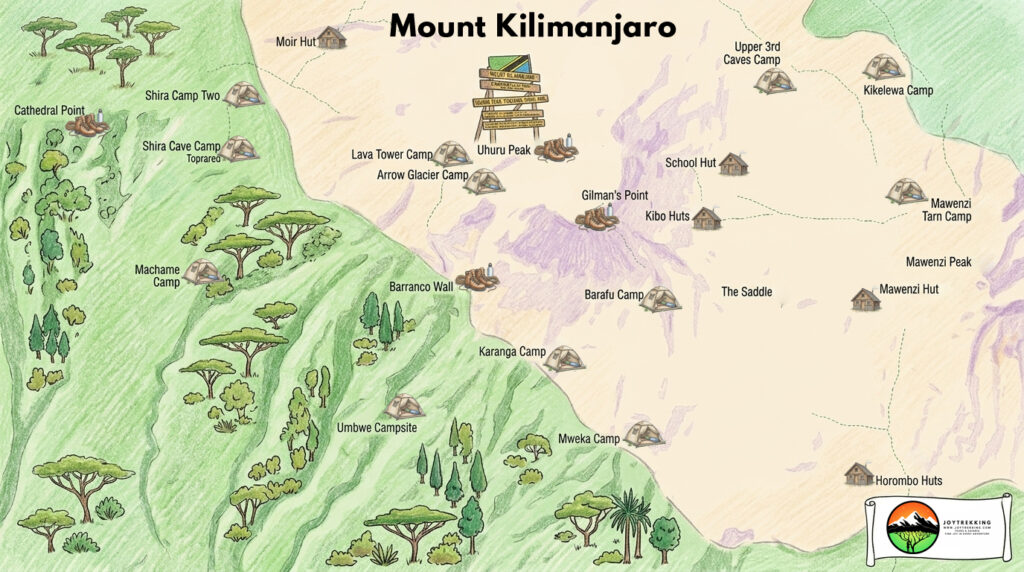
Map of Mount Kilimanjaro National Park
Some routes are designed with better acclimatization profiles meaning they allow gradual elevation gain and strategic rest points. Others take a more direct path to the summit, increasing the risk of altitude sickness.
Routes like Marangu have lower success rates due to faster ascent profiles
Key Insight: Your route choice directly impacts your summit success more than your fitness level.
3. Ignoring Early Symptoms
Altitude sickness doesn’t usually start suddenly it begins with mild warning signs.
Symptoms like headaches slight dizziness or nausea are often ignored by climbers who assume they are “normal” or temporary. However, these early signs are critical signals from your body that it is struggling to adapt.
Ignoring them can lead to severe conditions like HAPE or HACE which can become life-threatening if not addressed immediately.
Key Insight: Listening to your body early can prevent forced descent later.
4. Lack of Proper Hydration
Hydration plays a crucial role in how your body adapts to altitude.
At high elevations your body loses fluids faster due to increased breathing rate and dry air. Dehydration can worsen symptoms of altitude sickness including headaches and fatigue.
Many climbers underestimate how much water they need or simply don’t feel thirsty in cold conditions.
Key Insight: Drinking 3–4 liters of water daily helps your body function efficiently and improves acclimatization.
5. Inadequate Nutrition
Climbing Kilimanjaro requires significant energy.
At high altitude your appetite may decrease but your body actually needs more calories to function properly. Skipping meals or eating too little can lead to (weakness), fatigue, and reduced ability to cope with altitude stress.
Professional trekking teams provide high-energy balanced meals to support climbers throughout the journey.
Key Insight: Eating regularly even when you don’t feel hungry is essential for maintaining strength and endurance.
6. Lack of Experienced Guides & Support Team
Your guide is your most important asset on Kilimanjaro.
Experienced guides monitor your:
Oxygen levels
Heart rate
Symptoms of altitude sickness
Walking pace
They also make critical decisions about when to continue or descend.
Inexperienced or budget operators may not provide proper monitoring, increasing the risk of failure or unsafe situations.
Key Insight: A professional and experienced teamJoyTrekking Tours & Safaris significantly increases your safety and success rate.
7. Poor Physical & Mental Preparation
While Kilimanjaro is a non-technical climb it still requires endurance and mental resilience.
Climbers who underestimate the challenge often struggle with:
Long trekking hours
Cold temperatures
Summit night (the most demanding part)
Mental strength is just as important as physical fitness, especially when pushing through fatigue and discomfort.
Key Insight: Preparation should include both physical training and mental readiness.
8. Underestimating Summit Night
Summit night is the toughest part of the climb.
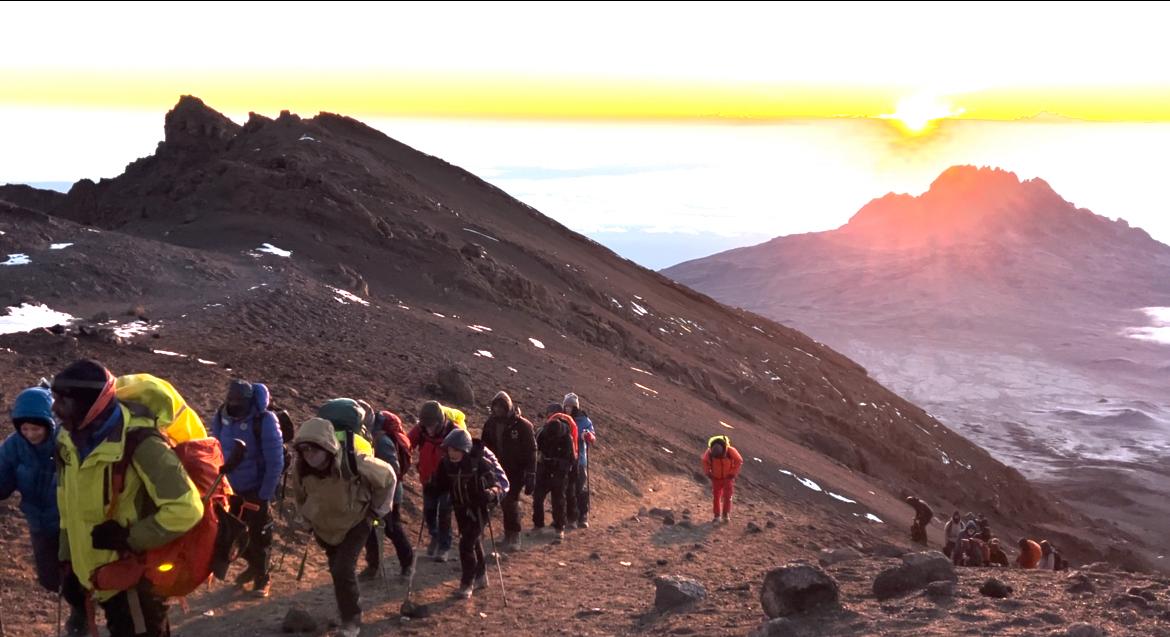
Climbers ascending Mount Kilimanjaro during summit night, guided by headlamps under a sky full of stars—one of the most challenging and emotional moments of the journey.
Climbers begin the final ascent around midnight in freezing temperatures often below -10°C. This is when altitude effects are strongest and exhaustion is highest.
Many climbers who felt fine during previous days struggle during this phase.
Key Insight: Success depends on conserving energy and staying mentally focused for summit night.
9. Choosing Cheap Over Quality
Budget climbs may seem attractive but they often come with compromises:
Fewer acclimatization days
Lower-quality food
Less experienced guides
Poor safety protocols
This significantly increases the risk of failure.
Key Insight: Climbing Kilimanjaro is not the place to cut costs your safety and success depend on quality.
How to Prevent Altitude Sickness
1. Choose the Right Route
Opt for longer routes (7–9 days) to allow gradual acclimatization.
2. Follow the “Pole Pole” Rule
“Pole Pole” means slowly, slowly in Swahili.
Climbing slowly helps your body adapt to altitude.
3. Stay Hydrated
Drink consistently even when you’re not thirsty.
4. Eat Well
High-energy meals help your body cope with altitude stress.
5. Consider Medication
Consult your doctor about medications like:
Acetazolamide (Diamox)
6. Climb High, Sleep Low
Some routes allow you to climb higher during the day and descend to sleep boosting acclimatization.
A really awesome company! I climbed Kilimanjaro with them and everything was well organized, and I always felt cared for on the trek. Everyone had really great energy, singing and dancing, lifting our spirits up. Would definitely recommend booking through them!
Ready to conquer Kilimanjaro safely and successfully?
Start your journey with JoyTrekking Tours & Safaris.
Your dream of reaching the roof of Africa is closer than you think.
About the Author
January Mziray Founder & Kilimanjaro Expert, JoyTrekking Tours & Safaris
January has guided hundreds of climbers to the summit of Mount Kilimanjaro. With years of hands-on experience and deep knowledge of altitude safety, he is passionate about helping travelers achieve safe and ??????ful adventures in Tanzania.