
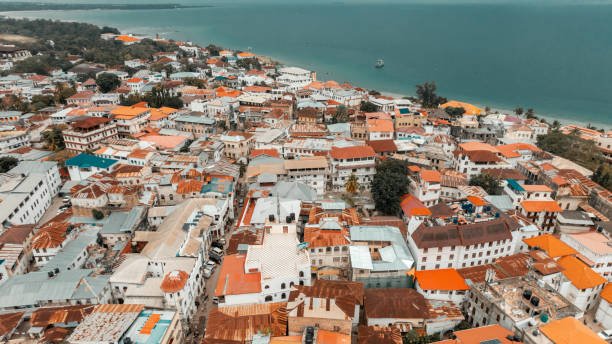
Discover the best Stone Town attractions in Zanzibar, from the Old Fort and Palace Museum to Forodhani Gardens, carved doors, markets and historic sites.
Introduction
Stone Town is one of the most fascinating places to visit in Zanzibar. More than simply the historic heart of Zanzibar City, it is a living cultural landscape where Swahili, Arab, Indian and European influences come together in architecture, food, religion, trade and everyday life.
Recognized as a UNESCO World Heritage Site in 2000, Stone Town preserves a remarkable historic urban fabric shaped by centuries of interaction across the Indian Ocean. Its narrow streets, coral-stone buildings, carved wooden doors, historic mosques, churches, former palaces and waterfront create an atmosphere that is completely different from Zanzibar’s famous beach resorts.
For first-time visitors, knowing which places deserve priority can make a Stone Town visit much more rewarding. From the Old Fort and Palace Museum to Forodhani Gardens, historic religious buildings and the famous Zanzibar doors, there are many experiences to discover within a relatively compact area.
In this guide, we explore the best Stone Town attractions, what makes each one special, how to experience Stone Town and how to combine a historical walking tour with a wider Zanzibar holiday.
Quick Summary: Best Stone Town Attractions
| Attraction | Best For | Experience |
|---|---|---|
| Old Fort | History & culture | Historic fortress and cultural centre |
| House of Wonders | Architecture & history | Iconic waterfront landmark |
| Palace Museum | Royal history | Former Sultan’s palace |
| Forodhani Gardens | Food & atmosphere | Seafront evening experience |
| Stone Town Carved Doors | Photography & architecture | Swahili, Arab and Indian craftsmanship |
| Christ Church Cathedral | History | Religious and historical heritage |
| Darajani Market | Local life | Market and everyday Zanzibar |
| Freddie Mercury Museum | Music & culture | Birthplace and life of Freddie Mercury |
| Old Dispensary | Architecture | Historic waterfront building |
| St. Joseph’s Cathedral | Architecture & religion | Historic Catholic cathedral |
| Hamamni Persian Baths | History | Historic bathhouse |
| Stone Town Streets | Culture & photography | Walking and cultural discovery |
What Makes Stone Town Special?
Stone Town is special because it is not simply a collection of individual monuments. The entire historic town forms part of its cultural significance.
UNESCO describes Stone Town as an outstanding example of a Swahili coastal trading town. Its architecture reflects centuries of cultural exchange involving African, Arab, Indian and European communities. Coral ragstone, mangrove timber, narrow streets, courtyards, verandas and elaborately carved doors all contribute to its distinctive character.
The town developed as an important centre of Indian Ocean trade, and its historic buildings reflect that long relationship between East Africa and the wider Indian Ocean world.
Today, Stone Town remains a living urban centre rather than an open-air museum. People live, work, trade and worship among the historic buildings.
That is one of the reasons a walking tour is such an important part of experiencing the best Stone Town attractions.
1. Old Fort — Ngome Kongwe
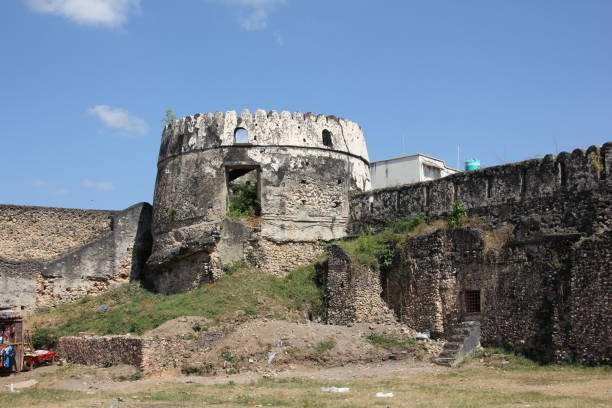
The Old Fort, also known as Ngome Kongwe, is one of the most recognizable landmarks in Stone Town.
The fort occupies a prominent position near the waterfront, next to Forodhani Gardens and close to the House of Wonders.
Its history is connected to the Portuguese presence in Zanzibar and later Omani rule. UNESCO identifies the Old Fort among Stone Town’s major historic monuments and notes that it was built on the site of an earlier Portuguese church.
Today, the Old Fort has a cultural role and forms an important part of Stone Town’s visitor experience.
Why Visit the Old Fort?
Visitors can explore the historic walls and courtyards while experiencing one of the most recognizable pieces of Zanzibar’s architectural heritage.
Its central location also makes it easy to combine with:
- Forodhani Gardens
- House of Wonders
- Palace Museum
- Stone Town waterfront
- Zanzibar carved doors
- Other historic streets
The Old Fort is therefore an excellent starting point for exploring the best Stone Town attractions.
2. House of Wonders — Beit al-Ajaib

The House of Wonders, or Beit al-Ajaib, is one of the most famous buildings on the Stone Town waterfront.
Commissioned by Sultan Barghash and completed in 1883, the building was designed as a ceremonial palace and became one of the most distinctive architectural landmarks in Zanzibar.
Its name, “House of Wonders,” reflects the technological innovations associated with the building during its early history.
Can You Visit Inside?
This is important for travelers planning a Stone Town itinerary.
The House of Wonders has undergone significant structural damage and restoration following the collapse of part of the building in 2020. Current sources indicate that it remains closed to the public while restoration continues.
However, its exterior remains an important part of the Stone Town waterfront and can be appreciated from surrounding public areas.
Why Is It One of the Best Stone Town Attractions?
Even when viewed from outside, the building helps visitors understand the scale and ambition of Zanzibar’s historic sultanate architecture.
It is particularly impressive when viewed together with the Old Fort, Forodhani Gardens and the seafront.
3. Palace Museum — Beit al-Sahel
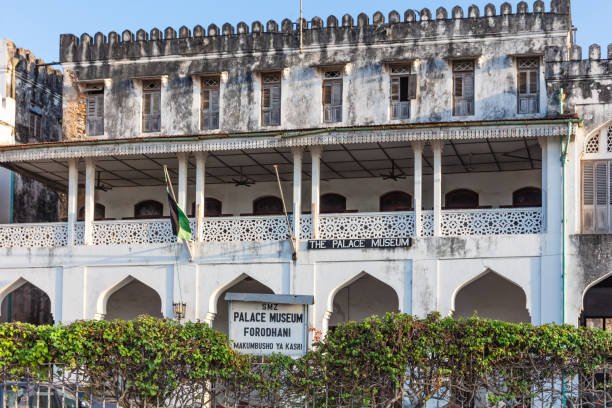
The Palace Museum, also known as Beit al-Sahel, provides an opportunity to explore Zanzibar’s royal history.
The museum is associated with the former Sultan’s palace and presents aspects of the lives of Zanzibar’s royal families.
The Zanzibar Commission for Tourism lists the Palace Museum among the island’s important cultural and heritage attractions.
What Can You Learn?
A visit can provide insight into:
- Zanzibar’s sultanate history
- Royal life
- Traditional furniture
- Palace architecture
- Cultural relationships across the Indian Ocean
For travelers interested in history, the Palace Museum is one of the best Stone Town attractions to include in a cultural itinerary.
4. Forodhani Gardens
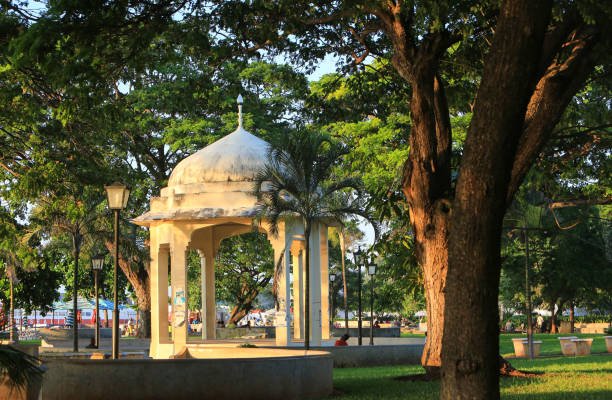
If historic buildings tell Stone Town’s story, Forodhani Gardens adds a more lively and contemporary atmosphere.
Located along the waterfront, Forodhani Gardens becomes particularly vibrant in the evening.
The area is known for its public space, seafront atmosphere and food culture.
The Zanzibar Commission for Tourism describes Forodhani Garden as a culinary and cultural experience where visitors can enjoy the lively atmosphere as the day transitions into evening.
Why Visit Forodhani Gardens?
It is a great place to:
- Enjoy the waterfront atmosphere
- Experience local food culture
- Watch the sunset
- See Stone Town after dark
- Combine food with a heritage walking tour
Forodhani is particularly useful for travelers who want their Stone Town experience to include both history and everyday local atmosphere.
5. Stone Town’s Famous Carved Doors
One of the most visually distinctive features of Stone Town is its collection of traditional carved wooden doors.
These doors are not simply decorative entrances. They represent the artistic traditions and cultural influences that shaped Zanzibar over centuries.
UNESCO notes that elaborately carved Zanzibar doors are characteristic features of Stone Town’s historic houses, with influences connected to Swahili, Indian, Arab and European traditions.
The Stone Town Conservation & Development Authority also identifies carved doors as one of the town’s signature forms of traditional craftsmanship.
Why Are the Doors Important?
When walking through Stone Town, look carefully at:
- Brass studs
- Floral patterns
- Geometric designs
- Carved frames
- Arched entrances
- Large wooden panels
Many visitors photograph the doors without realizing that they are also part of the architectural history of the town.
6. Christ Church Cathedral and the Former Slave Market Site
Stone Town’s history includes difficult and painful chapters, particularly the history of the East African slave trade.
Christ Church Anglican Cathedral stands on a site associated with the former slave market.
UNESCO identifies the cathedral as one of the important historic monuments of Stone Town and notes its connection to efforts associated with the abolition of the slave trade.
A visit here provides an opportunity to understand a serious part of Zanzibar’s history rather than seeing the island only as a beach destination.
Why Include It?
The site can help visitors understand:
- The history of the slave trade
- Abolition movements
- Zanzibar’s role in Indian Ocean commerce
- Religious history
- Social changes on the island
A knowledgeable local guide can provide important historical context during the visit.
7. Darajani Market
For travelers who want to experience everyday Zanzibar, Darajani Market is an important stop.
Unlike the grand palaces and historic monuments, the market gives visitors a glimpse into contemporary local life.
Here, the experience is about movement, trade, smells, colors and interaction.
You may see vendors selling:
- Fresh produce
- Spices
- Fish
- Fruits
- Local ingredients
- Household products
- Traditional goods
Darajani also helps visitors understand the commercial side of Stone Town.
The market forms part of the broader historic urban environment that UNESCO recognizes as an important expression of Stone Town’s long-standing commercial and cultural role.
8. Freddie Mercury Museum
For music lovers, the Freddie Mercury Museum adds a completely different dimension to a Stone Town itinerary.
Freddie Mercury, born Farrokh Bulsara, was born in Zanzibar in 1946. The museum in Stone Town presents his connection to Zanzibar and his journey from his early life to international musical fame.
The museum is located on Shangani Street and presents photographs, memorabilia and information about his life.
Why Visit?
It is particularly interesting for travelers who:
- Are fans of Freddie Mercury
- Enjoy music history
- Want to explore the cultural diversity of Stone Town
- Want to see a less traditional side of Zanzibar’s heritage
The attraction also demonstrates how Stone Town’s history extends beyond palaces and colonial-era architecture into modern global culture.
9. Old Dispensary
The Old Dispensary is another architectural landmark worth seeing during a Stone Town walking tour.
Located close to the waterfront, the building is known for its elaborate decorative details and its combination of architectural influences.
UNESCO lists the Old Dispensary among the significant historic buildings of Stone Town.
Its architecture reflects the multicultural character that defines the historic town.
What Makes It Interesting?
Look closely at:
- Decorative balconies
- Carved wooden elements
- Architectural details
- Coral-stone construction
- The building’s relationship with the waterfront
It is a good example of why exploring Stone Town on foot is so rewarding.
10. St. Joseph’s Roman Catholic Cathedral
St. Joseph’s Cathedral is another important religious and architectural landmark.
The cathedral dates from the late nineteenth century and reflects the religious diversity that developed in Zanzibar over generations.
The Zanzibar Commission for Tourism highlights St. Joseph Cathedral as an important cultural and spiritual attraction in Zanzibar.
Visitors interested in architecture and religious history can include the cathedral as part of a wider Stone Town walking tour.
11. Hamamni Persian Baths
The Hamamni Persian Baths provide another fascinating insight into the social and architectural history of historic Stone Town.
Historic bathhouses were an important part of urban life, and the Hamamni complex reflects Persian and Omani influences that became part of Zanzibar’s cultural landscape.
UNESCO identifies Hamamni and other Persian baths among Stone Town’s significant historic buildings.
A visit is particularly worthwhile for travelers interested in architecture and the everyday life of historic Zanzibar.
12. Stone Town’s Narrow Streets and Historic Architecture
One of the biggest mistakes visitors can make is treating Stone Town as a list of individual attractions.
The streets themselves are an attraction.
Stone Town’s narrow lanes, old buildings, courtyards, balconies, carved doors and small shops create the atmosphere that makes the town unique.
UNESCO emphasizes that the value of Stone Town lies not only in individual buildings but also in the relationship between buildings, streets, open spaces and the waterfront.
What Should You Look For?
While walking, pay attention to:
- Traditional Zanzibar doors
- Coral-stone walls
- Indian-influenced buildings
- Swahili houses
- Arab-style architecture
- Small local shops
- Courtyards
- Historic balconies
- Old inscriptions
- Narrow alleyways
Sometimes the most memorable moments happen between the major attractions.
Best Way to Explore Stone Town
The best way to experience the best Stone Town attractions is generally on foot.
Stone Town is compact enough that many important attractions can be connected within a walking tour.
A typical cultural route could include:
Old Fort -> House of Wonders -> Forodhani Gardens -> Palace Museum -> Carved Doors -> Darajani Market -> Christ Church Cathedral -> Freddie Mercury Museum
The exact order can be adjusted according to opening times, weather and your interests.
A local guide can make the experience more meaningful by explaining the history behind buildings that might otherwise look like ordinary old houses.
Best Stone Town Attractions for Different Travelers
Not every traveler wants the same experience.
Best for History Lovers
Choose:
- Old Fort
- Palace Museum
- House of Wonders exterior
- Christ Church Cathedral
- Hamamni Persian Baths
- Old Dispensary
Best for Photography
Choose:
- Zanzibar carved doors
- Stone Town streets
- Waterfront
- Old Fort
- House of Wonders exterior
- Old Dispensary
Best for Food and Local Atmosphere
Choose:
- Forodhani Gardens
- Darajani Market
- Stone Town local streets
Best for Music Lovers
Choose:
- Freddie Mercury Museum
- Stone Town cultural walking tour
Best for First-Time Visitors
A combination of:
Old Fort + Forodhani Gardens + Palace Museum + House of Wonders exterior + carved doors + Darajani Market + Christ Church Cathedral
provides a strong introduction to the town.
How Long Do You Need to Explore Stone Town?
A half-day can introduce you to several major landmarks, but one full day is better if you want to explore the town at a relaxed pace.
Half-Day Stone Town Experience
A shorter visit can focus on:
- Old Fort
- House of Wonders
- Forodhani Gardens
- Palace Museum
- Carved doors
- Historic streets
Full-Day Stone Town Experience
With a full day, you can add:
- Darajani Market
- Christ Church Cathedral
- Freddie Mercury Museum
- Old Dispensary
- Hamamni Baths
- Additional local streets and cultural stops
If you are staying in Zanzibar for several days, Stone Town can easily be included as part of a wider island itinerary.
Best Time to Visit Stone Town
Stone Town can be visited throughout the year.
For walking tours, however, many travelers prefer cooler parts of the day.
Morning
Morning is ideal for exploring historic streets before the strongest heat of the day.
Afternoon
The afternoon can be used for museums, architecture and relaxed exploration.
Evening
Evening is especially atmospheric around the waterfront and Forodhani Gardens.
If photography is important to you, early morning and late afternoon can provide attractive light for architectural photography.
What to Wear in Stone Town
Stone Town is a culturally significant and predominantly Muslim environment, so respectful clothing is appropriate.
Travelers should consider:
- Lightweight clothing
- Comfortable walking shoes
- Clothing that covers shoulders and knees when visiting religious or culturally sensitive places
- A light scarf or cover-up when appropriate
Comfort is also important because exploring Stone Town involves walking through narrow streets and uneven surfaces.
What to Bring
For a Stone Town walking tour, consider carrying:
- Comfortable walking shoes
- Water
- Sunscreen
- Sunglasses
- Camera or smartphone
- Small backpack
- Light rain protection when necessary
- Some local currency for small purchases
Avoid carrying unnecessary valuables and keep personal belongings secure in crowded areas.
Stone Town and Zanzibar Beach Holiday
One of the best things about Zanzibar is that you do not have to choose between culture and beaches.
You can combine a Stone Town cultural experience with several days on Zanzibar’s coastline.
A sample itinerary could be:
Day 1
Arrival in Zanzibar and transfer to Stone Town.
Day 2
Stone Town walking tour and historical attractions.
Day 3
Transfer to a beach destination.
Days 4–6
Relaxation, marine activities and beach experiences.
Day 7
Return or continue your Tanzania adventure.
This combination allows you to experience both the historical character of Zanzibar and the island’s tropical coastline.
Stone Town as Part of a Tanzania Safari and Zanzibar Holiday
For international travelers, Stone Town can also be included at the end of a mainland Tanzania safari.
For example:
Tanzania Safari -> Stone Town -> Zanzibar Beach Holiday
A longer itinerary could include:
Serengeti -> Ngorongoro -> Tarangire -> Stone Town -> Zanzibar Beach
This gives travelers the opportunity to experience:
- Wildlife
- Maasai and other cultural experiences
- Tanzania’s landscapes
- Swahili history
- Zanzibar’s heritage
- Indian Ocean beaches
For travelers visiting Tanzania for the first time, this is one of the most complete ways to experience the country’s northern safari circuit and Zanzibar.
Responsible Tourism in Stone Town
Stone Town is a living heritage site, not simply a tourist attraction.
UNESCO and the Stone Town Conservation & Development Authority emphasize the importance of protecting the historic urban fabric and cultural heritage of the town.
Visitors can contribute by:
- Respecting historic buildings
- Avoiding damage to walls and doors
- Asking permission before photographing people
- Dressing respectfully
- Supporting local businesses
- Following museum and site rules
- Avoiding litter
- Respecting religious spaces
- Listening to local guides
Responsible tourism helps preserve Stone Town for future generations.
Frequently Asked Questions About the Best Stone Town Attractions
What are the best Stone Town attractions?
Some of the most important attractions include the Old Fort, Palace Museum, Forodhani Gardens, House of Wonders exterior, carved Zanzibar doors, Christ Church Cathedral, Darajani Market, Freddie Mercury Museum and Old Dispensary.
Is Stone Town worth visiting?
Yes. Stone Town offers a completely different experience from Zanzibar’s beach resorts, combining history, architecture, culture, food and Indian Ocean heritage.
How long should I spend in Stone Town?
A half-day is enough for a quick introduction, while a full day allows you to explore the major attractions more comfortably.
Is Stone Town a UNESCO World Heritage Site?
Yes. Stone Town of Zanzibar was inscribed on the UNESCO World Heritage List in 2000.
Can I explore Stone Town on foot?
Yes. Walking is one of the best ways to experience the historic streets, architecture, markets and major landmarks.
Is the House of Wonders open?
The House of Wonders is currently undergoing restoration and should not be assumed to be open for interior visits. Check current local information before planning your itinerary around entering the building.
What is Stone Town famous for?
Stone Town is famous for its Swahili coastal heritage, historic architecture, carved wooden doors, former sultanate buildings, narrow streets, Indian Ocean trading history and multicultural influences.
Is Stone Town good for photography?
Absolutely. The historic architecture, carved doors, waterfront, narrow streets, markets and old buildings provide many opportunities for architectural and cultural photography.
Can I combine Stone Town with a Zanzibar beach holiday?
Yes. Stone Town works very well as a cultural component of a longer Zanzibar beach holiday.
Can Stone Town be combined with a Tanzania safari?
Yes. Many travelers combine a mainland Tanzania safari with Stone Town and a Zanzibar beach stay.
Final Thoughts: Discover the Best Stone Town Attractions
The best Stone Town attractions are not limited to famous monuments.
The real magic of Stone Town comes from the combination of its architecture, history, people, food, narrow streets and connection to the Indian Ocean.
From the historic walls of the Old Fort to the waterfront atmosphere of Forodhani Gardens, from the royal history of the Palace Museum to the intricate details of Zanzibar’s carved doors, every part of the town adds another layer to the story.
Stone Town also provides an important opportunity to understand Zanzibar beyond its beaches. Its heritage reflects centuries of cultural exchange between Africa, Arabia, India and Europe, creating a distinctive Swahili coastal identity that UNESCO recognizes as having outstanding universal value.
Whether you have only a few hours or a full day, adding Stone Town to your Zanzibar itinerary can transform your trip from a simple beach holiday into a deeper cultural journey.
Explore Stone Town and Zanzibar With JoyTrekking Tours & Safaris
Want to discover the history, architecture and culture of Zanzibar with a knowledgeable local guide?
JoyTrekking Tours & Safaris can help you include a Stone Town cultural experience in your Zanzibar holiday or combine it with a wider Tanzania safari and beach itinerary.
Explore historic landmarks, discover Zanzibar’s Swahili heritage, walk through the atmospheric streets of Stone Town and continue your journey to the island’s beautiful beaches.
Plan your Zanzibar experience with JoyTrekking Tours & Safaris and discover more than just the beaches of Zanzibar.