
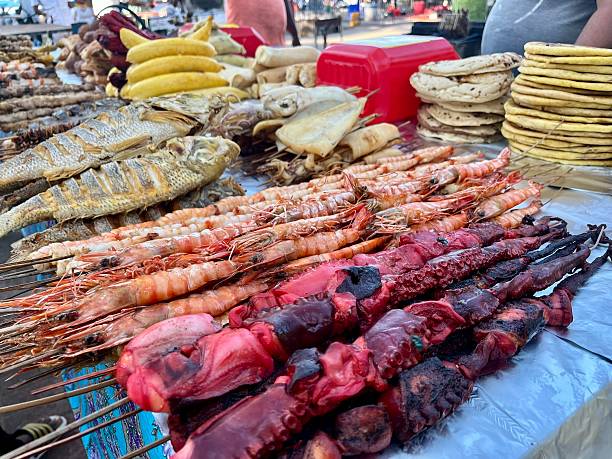
Discover the best Zanzibar Traditional Foods every first-time visitor should try in 2026. Explore authentic Swahili dishes, seafood specialties, street food, spice culture, and local dining experiences in Zanzibar.
Excerpt
Planning your first trip to Zanzibar? This 2026 food guide explores the island’s most authentic traditional dishes, street foods, seafood specialties and cultural dining experiences every traveler should try. Learn where to eat, what to order and how Zanzibar’s spice heritage shapes one of Africa’s most unforgettable cuisines.
Quick Summary
If you are visiting Zanzibar for the first time in 2026, these are the traditional foods you should not miss:
- Zanzibar Pizza
- Pilau Rice
- Swahili Biryani
- Urojo (Zanzibar Mix)
- Octopus Curry
- Fresh Seafood Platters
- Mishkaki (Grilled Skewers)
- Vitumbua
- Mandazi
- Coconut Bean Stew
This guide explains:
- The history behind Zanzibar cuisine
- Must-try dishes for international travelers
- Best places to enjoy authentic local food
- Street food safety tips
- Cultural dining etiquette
- Why Zanzibar is one of Africa’s top culinary destinations
The first thing many travelers notice in Zanzibar is not the ocean.
It is the smell.
Warm cardamom floating through Stone Town alleys. Charcoal smoke rising beside evening food stalls. Fresh coconut simmering slowly in curry pots. Cloves drying under the tropical sun. Cinnamon, nutmeg, turmeric and black pepper blending into the humid Indian Ocean air.
For first-time visitors, Zanzibar is more than white beaches and turquoise water. It is one of the most fascinating culinary destinations in Africa a place where African, Arab, Persian, and Indian influences meet on a single plate. The island’s food tells stories of traders, sailors, sultans, fishermen and Swahili families who preserved recipes for generations.
At JoyTrekking Tours & Safaris, we often tell travelers this:
“If you truly want to understand Zanzibar, start with the food.”
And once you taste your first spoon of aromatic pilau or fresh octopus curry by the beach, you will understand exactly why.
Why Zanzibar Traditional Foods Is So Unique
Zanzibar cuisine is deeply connected to the island’s history as a global spice-trading center. During the 19th century, Zanzibar became one of the world’s most important clove producers, attracting traders from Arabia, India, and beyond.
This multicultural history shaped modern Swahili cuisine.
Today, Zanzibar food combines:
- African cooking traditions
- Omani Arab spice influences
- Indian rice and curry techniques
- Persian flavor layering
- Fresh Indian Ocean seafood
- Tropical fruits and coconut
Unlike many fast-paced modern cuisines, traditional Swahili cooking values patience. Coconut milk is slowly simmered. Spices are toasted carefully. Rice is cooked with layered aromas. Meals are often shared communally with family and guests.
That combination of culture, history and hospitality makes Zanzibar one of East Africa’s most unforgettable food experiences.
1. Zanzibar Pizza — The Island’s Famous Street Food
Despite the name, Zanzibar Pizza is not Italian pizza.

Tourists exploring authentic Zanzibar Traditional Foods at the famous Stone Town night market, home of the popular Zanzibar Pizza experience.
It is a delicious Swahili street-food creation found mostly at the famous Forodhani Night Market in Stone Town.
The dish is made by:
- Folding thin dough around fillings
- Frying it on a flat pan
- Adding meat, vegetables, cheese, eggs or even banana and chocolate
The savory version usually includes:
- Minced beef or chicken
- Onion
- Egg
- Fresh vegetables
- Local spices
The sweet version is popular for dessert and often includes:
- Nutella
- Banana
- Mango
- Coconut
Travelers love Zanzibar Pizza because it is affordable, flavorful and easy to try while exploring Stone Town at night.
Why First-Time Visitors Love It
- Quick street-food experience
- Unique local flavor
- Vegetarian options available
- Great for evening food tours
2. Pilau Rice — The Heart of Swahili Celebrations
Pilau is not simply rice.
In Zanzibar culture, pilau represents celebration, hospitality and togetherness. It is commonly served during weddings, Eid celebrations, Friday family lunches and important gatherings.
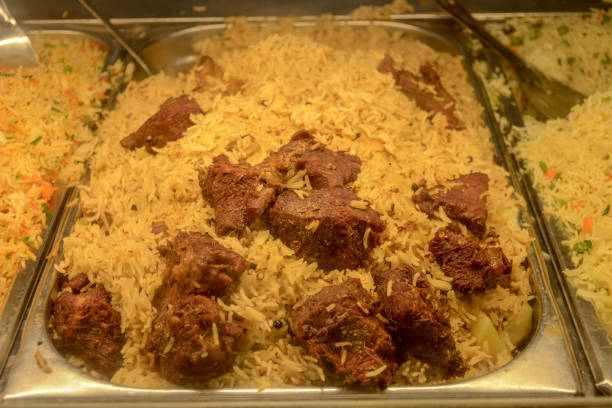
Traditional Zanzibar pilau includes:
- Rice
- Cinnamon
- Cloves
- Cardamom
- Black pepper
- Garlic
- Ginger
- Meat or vegetable stock
The result is deeply aromatic and comforting.
Many travelers describe their first taste of authentic Zanzibar pilau as “warm,” “fragrant,” and “surprisingly rich without being heavy.”
Best Pairings
Pilau is often served with:
- Kachumbari salad
- Grilled meat
- Fish curry
- Coconut beans
3. Swahili Biryani — Zanzibar’s Most Luxurious Dish
If pilau is the heart of Swahili cuisine, biryani is the crown jewel.
Zanzibar biryani reflects strong Indian influences but evolved into its own island-style masterpiece over centuries.
What makes Zanzibar biryani unique?
- Rice and meat are cooked separately
- Potatoes are often added
- Sweet and savory flavors balance beautifully
- Fried onions create deep richness
- Spices are layered carefully instead of overpowering the dish
Popular versions include:
- Chicken biryani
- Beef biryani
- Fish biryani
- Goat biryani
- Vegetable biryani
Traveler Tip
The best biryani is often found in local family-owned restaurants rather than luxury hotels.
4. Urojo (Zanzibar Mix) — The Ultimate Local Street Food
Urojo, also called “Zanzibar Mix,” is one of the island’s most iconic street foods.
At first glance, it may look unusual to international travelers.
But after one spoon, most people become addicted.
This tangy soup combines:
- Crispy fritters
- Potatoes
- Boiled eggs
- Coconut chutney
- Cassava chips
- Spiced broth
The flavor is spicy, sour, creamy, and crunchy all at once.
Locals often enjoy urojo in the late afternoon or evening.
What Makes Urojo Special
- Extremely authentic local dish
- Affordable and filling
- Perfect for adventurous food lovers
- Reflects Zanzibar’s multicultural culinary identity
5. Octopus Curry — Zanzibar’s Seafood Signature
Because Zanzibar sits in the Indian Ocean, seafood is central to local cuisine.
One of the most famous dishes is octopus curry cooked slowly in coconut milk and spices.
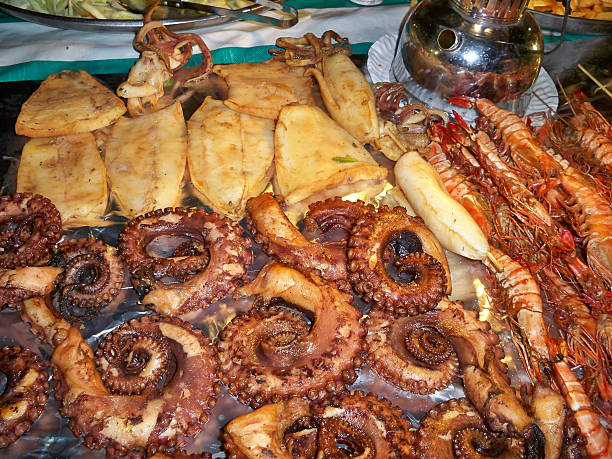
The octopus becomes tender while absorbing flavors from:
- Coconut milk
- Turmeric
- Garlic
- Lime
- Cardamom
- Chili
Served with rice or chapati, this dish is unforgettable when prepared properly.
Best Places to Try It
- Coastal villages
- Beachfront seafood restaurants
- Local Swahili kitchens
- Seafood markets near Stone Town
6. Fresh Seafood Platters
Seafood in Zanzibar is incredibly fresh because local fishermen supply restaurants daily.
Popular seafood includes:
- Lobster
- Prawns
- Octopus
- Squid
- Crab
- Tuna
- Red snapper
Most dishes are grilled over charcoal and seasoned with:
- Lime
- Coconut
- Tamarind
- Garlic
- Local spices
Many beach restaurants in Nungwi, Paje and Kendwa specialize in seafood dinners served directly beside the ocean.
7. Mishkaki — Zanzibar’s Favorite Grilled Skewers
Mishkaki are marinated meat skewers grilled over open flames.
They are commonly sold:
- At night markets
- Along roadside food stalls
- During festivals and celebrations
The meat is usually marinated in:
- Garlic
- Ginger
- Lemon
- Chili
- Paprika
- Swahili spice blends
The smoky flavor makes mishkaki especially popular with travelers looking for authentic street food.
8. Coconut Bean Stew — A Local Comfort Food
Beans cooked in coconut milk are a staple in many Zanzibari homes.
This comforting dish combines:
- Red beans
- Coconut milk
- Onion
- Garlic
- Tomato
- Mild spices
It is simple, healthy and deeply connected to everyday Swahili home cooking.
Vegetarian travelers especially appreciate this dish because Zanzibar cuisine naturally includes many plant-based options.
9. Vitumbua — Traditional Coconut Rice Pancakes
Vitumbua are small rice-and-coconut pancakes usually eaten for breakfast or evening tea.
They are:
- Crispy outside
- Soft inside
- Slightly sweet
- Often flavored with cardamom
You will frequently see them sold by local women in Stone Town streets during the morning hours.
10. Mandazi — East Africa’s Favorite Sweet Snack
Mandazi are lightly sweet fried dough snacks similar to doughnuts.
They are commonly served with:
- Chai tea
- Coffee
- Fresh fruit
Some versions include coconut milk or cardamom for extra flavor.
Mandazi are simple but incredibly comforting after a long day exploring Zanzibar.
Traditional Zanzibar Foods Comparison Table
| Dish | Flavor Profile | Best For | Spice Level | Vegetarian Option |
|---|---|---|---|---|
| Zanzibar Pizza | Savory or sweet | Street food lovers | Mild | Yes |
| Pilau | Aromatic & warm | Cultural dining | Medium | Yes |
| Biryani | Rich & layered | Food enthusiasts | Medium | Yes |
| Urojo | Tangy & spicy | Adventurous eaters | Medium-High | Possible |
| Octopus Curry | Creamy seafood | Seafood lovers | Medium | No |
| Mishkaki | Smoky & grilled | BBQ fans | Medium | Rare |
| Coconut Beans | Mild & creamy | Vegetarians | Mild | Yes |
| Vitumbua | Sweet coconut | Breakfast/snack | None | Yes |
| Mandazi | Lightly sweet | Tea-time snack | None | Yes |
The Role of Spices in Zanzibar Cuisine
Zanzibar is globally recognized as the “Spice Island,” a title earned through centuries of spice cultivation and trade that shaped the island’s culture, economy and culinary identity. Long before modern tourism, traders from Arabia, Persia and India arrived in Zanzibar seeking valuable spices, transforming the archipelago into one of the most important spice-trading hubs along the East African coast.
Today, spices remain at the heart of everyday Zanzibari cooking. They are not simply ingredients used for flavor but an essential part of Swahili heritage, hospitality and traditional wellness practices. From aromatic rice dishes to seafood curries and local teas, spices give Zanzibar cuisine its distinctive warmth, depth, and unforgettable fragrance.
Some of the most commonly used spices in traditional Zanzibar cuisine include:
- Cloves
- Cinnamon
- Cardamom
- Nutmeg
- Black pepper
- Turmeric
- Vanilla
- Ginger
These spices play a major role in enhancing a wide variety of local dishes and beverages, including:
- Traditional pilau and biryani rice dishes
- Coconut-based seafood curries
- Swahili desserts and sweet pastries
- Spiced tea and local drinks
- Popular street foods such as urojo and Zanzibar pizza
- Traditional herbal remedies and natural medicine
For many international travelers, visiting a spice farm becomes one of the most memorable cultural experiences in Zanzibar. These guided tours offer a deeper understanding of how spices are grown, harvested and incorporated into daily Swahili life. Visitors can smell fresh cloves directly from the tree, taste tropical spices in their raw form and learn how Zanzibar’s spice heritage continues to influence local cuisine and traditions today.
Best Places to Experience Authentic Zanzibar Food
Exploring Zanzibar through its food is one of the most rewarding ways to connect with the island’s culture, history, and people. Each region of Zanzibar offers a unique culinary atmosphere, from the lively street-food corners of Stone Town to the relaxed seafood experiences along the northern beaches. For first-time visitors, choosing the right places to eat can transform a simple meal into a memorable cultural experience.
Stone Town
As the cultural heart of Zanzibar, Stone Town is the best place to begin your culinary journey. The narrow historical streets are filled with spice aromas, local cafés, seafood vendors and traditional Swahili restaurants that reflect centuries of Arab, Indian and African influence.
Stone Town is especially perfect for:
- Authentic street food experiences
- Historical Swahili restaurants
- The famous Forodhani Gardens night food market
- Traditional Zanzibar pizza and urojo
- Cultural food tours and spice-inspired cuisine
In the evening, Forodhani becomes one of the island’s most vibrant food destinations, attracting both locals and international travelers searching for authentic Zanzibar flavors.
Nungwi
Located on the northern coast of Zanzibar, Nungwi is widely known for its fresh seafood and relaxed beachfront dining atmosphere. Fishing traditions remain strong here, allowing many restaurants to serve seafood caught on the same day.
Nungwi is best known for:
- Fresh seafood platters
- Grilled lobster, prawns, and octopus
- Romantic beachfront dining
- Sunset seafood dinners
- Ocean-view restaurants with Swahili-inspired menus
For travelers seeking a combination of tropical scenery and high-quality seafood cuisine, Nungwi offers one of the best dining experiences in Zanzibar.
Paje
On Zanzibar’s southeast coast, Paje has become popular among international travelers, digital nomads and wellness-focused tourists. The food scene here combines traditional Zanzibar ingredients with modern international influences.
Paje is ideal for:
- Fusion cafés and modern restaurants
- Healthy tropical meals
- Fresh seafood dishes
- Smoothie bowls and organic cuisine
- Vegetarian and vegan-friendly dining options
The relaxed beach atmosphere and creative culinary scene make Paje especially attractive for younger travelers and long-stay visitors.
Local Villages
For travelers searching for the most authentic culinary experience, visiting local Zanzibari villages provides a deeper connection to Swahili food traditions. Unlike tourist-centered dining areas, village meals are often prepared using family recipes passed down through generations.
Local villages are perfect for:
- Authentic home-cooked Swahili meals
- Cultural immersion experiences
- Traditional cooking methods
- Coconut-based curries and fresh chapati
- Learning local food preparation techniques
Many cultural tours now include village dining experiences where visitors can cook alongside local families, offering a meaningful way to understand Zanzibar hospitality beyond hotels and resorts.
Street Food Safety Tips for International Travelers
One of the best ways to experience Zanzibar’s culture is through its vibrant street food scene. From Zanzibar pizza at Forodhani Gardens to freshly grilled mishkaki in local neighborhoods, street food offers travelers an authentic and affordable taste of Swahili cuisine.
Fortunately, most international visitors enjoy Zanzibar street food without problems. However, like any travel destination, following a few simple precautions can help ensure a safe and enjoyable culinary experience throughout your stay.
Recommended Street Food Safety Tips
To enjoy Zanzibar street food confidently, travelers are encouraged to:
- Choose busy food stalls with high customer turnover
- Eat food that is freshly cooked and served hot
- Drink bottled or properly filtered water
- Avoid raw seafood from unknown vendors
- Carry hand sanitizer while exploring markets and food stalls
- Start with mildly spiced dishes if you are sensitive to spices or unfamiliar ingredients
It is also advisable to observe general cleanliness around food preparation areas before ordering. Vendors with long queues are often a good sign of both quality and freshness.
For many travelers, trying local street food becomes one of the most memorable parts of visiting Zanzibar. The experience goes beyond eating it creates opportunities to interact with local communities, discover traditional cooking methods and experience the island’s nightlife and social culture in an authentic way.
Travel discussions on platforms like Reddit and international travel forums frequently highlight Zanzibar’s food culture as one of the most enjoyable and unforgettable aspects of the destination. Many visitors describe evenings spent tasting local dishes in Stone Town as a major highlight of their East African journey.
Why Food Tourism Is Growing in Zanzibar
Modern travelers increasingly seek experiences, not just destinations.
Research shows experiential tourism strongly influences travel satisfaction because visitors remember emotional and sensory experiences more deeply than standard sightseeing.
Food creates:
- Cultural connection
- Emotional memory
- Authentic interaction
- Storytelling opportunities
- Community engagement
That is exactly why Zanzibar culinary tourism continues growing among international travelers.
Frequently Asked Questions (FAQ)
What is the most famous food in Zanzibar?
Zanzibar Pizza, pilau rice, biryani and octopus curry are among the island’s most famous dishes.
Is Zanzibar food spicy?
Most dishes are moderately spiced rather than extremely hot. Flavor comes more from aromatic spices than intense chili heat.
Can vegetarians enjoy Zanzibar cuisine?
Yes. Many traditional dishes include coconut beans, vegetables, chapati, rice and tropical fruits.
Is street food safe in Zanzibar?
Generally yes, especially at busy stalls with freshly cooked food. Basic hygiene precautions are recommended.
What drink should I try in Zanzibar?
Try spiced tea, fresh sugarcane juice, tamarind juice and fresh coconut water.
Should I do a spice tour in Zanzibar?
Absolutely. Spice tours help travelers understand the history and flavors behind Swahili cuisine.
Conclusion
Zanzibar’s traditional food is more than a collection of dishes.
It is history served on a plate.
Every spice tells a story of ancient trade routes. Every seafood curry reflects generations of coastal life. Every evening market carries the rhythm of Swahili culture.
For first-time visitors in 2026, exploring Zanzibar through food is one of the most rewarding ways to experience the island beyond beaches and resorts.
Whether you are eating fresh mishkaki in Stone Town, tasting creamy octopus curry by the ocean or sipping spiced tea after sunset, Zanzibar leaves a flavor memory that lasts long after the journey ends.
And often, that becomes the reason travelers return.
Ready to experience authentic Zanzibar cuisine with local experts?
Book your:
- Zanzibar food tours
- Spice farm experiences
- Stone Town cultural walks
- Beach & culinary holidays
- Tanzania safari + Zanzibar packages
Discover Zanzibar through taste, culture and unforgettable storytelling.
About the Author
January Mziray
January Mziray is a Tanzanian tourism professional, travel writer and safari specialist passionate about authentic East African experiences. Through JoyTrekking Tours & Safaris, he helps international travelers explore Tanzania’s wildlife, culture, mountains and coastal destinations with deeper local understanding and responsible tourism values.