Discover Tanzania weather and seasons month by month and find the best time to visit Tanzania for safaris, Kilimanjaro climbing, Zanzibar beaches and cultural tours.
Tanzania Weather and Seasons: Best Time to Visit Tanzania
Planning a trip to Tanzania often begins with one important question: what is the best time to visit Tanzania? From the wildlife-rich plains of the Serengeti and the dramatic landscapes of the Ngorongoro Crater to the slopes of Mount Kilimanjaro and the tropical beaches of Zanzibar, Tanzania offers very different travel experiences throughout the year. Understanding Tanzania weather and seasons can help you choose the right travel dates based on what you want to see and do.
Tanzania generally has a tropical climate, but weather conditions vary considerably between regions because of altitude, geography and proximity to the Indian Ocean. Northern Tanzania, where popular destinations such as Arusha, Kilimanjaro, Serengeti and Ngorongoro are located, experiences different conditions from the southern and western parts of the country. Zanzibar and the mainland coast are also warmer and more humid than the highlands.
For many travelers, the dry season from June to October is an excellent period for wildlife safaris and outdoor adventures. However, there is no single month that is perfect for every traveler. The best time to visit Tanzania ultimately depends on whether your priority is safari, the Great Migration, Kilimanjaro climbing, Zanzibar beaches, birdwatching, culture or a combination of several experiences.
What Is the Best Time to Visit Tanzania?
The best time to visit Tanzania for many travelers is during the dry season, particularly from June to October, when rainfall is generally lower and wildlife viewing conditions are often favorable.
However, Tanzania can be visited throughout the year.
The best travel period depends on your main activity:
| Travel Experience | Recommended Period |
|---|---|
| Wildlife Safari | June–October |
| Great Migration | Depends on migration location |
| Kilimanjaro Climbing | June–October and January–February |
| Zanzibar Beach Holiday | June–October and January–February |
| Birdwatching | November–April |
| Cultural Experiences | Year-round |
| Budget Travel | Green season periods |
| General Tanzania Trip | June–October or January–February |
These are general planning guidelines rather than guarantees. Tanzania’s climate varies by region, and weather can change from year to year.
The Tanzania Meteorological Authority explains that rainfall patterns are influenced by the movement of the Inter-Tropical Convergence Zone. Northern Tanzania, including Kilimanjaro, Arusha and Manyara, generally experiences two rainy seasons: the Masika long rains from around March to May and the Vuli short rains from around October to December. January and February are relatively dry in these bimodal rainfall areas, while June through September are generally dry across the country.
Understanding Tanzania’s Weather and Seasons
Tanzania does not have four traditional seasons in the same way that many countries in Europe or North America do.
Travelers generally think of Tanzania in terms of:
- Dry season
- Long rainy season
- Short rainy season
- Green season
These periods are useful for tourism planning, although exact weather conditions vary from one region to another.
The Dry Season
The main dry season generally occurs from June to October.
This is one of the most popular periods for tourism, especially for wildlife safaris.
Rainfall is usually limited, roads in safari areas can be easier to navigate, and animals may become easier to spot around remaining water sources.
The dry season also coincides with a cooler period in many parts of the country. TMA’s long-term climate information shows that the cooler period generally extends from May through August, while higher temperatures are more common from around October through February or March.
The Short Rains
The short rains generally occur from October to December in areas with a bimodal rainfall pattern.
These rains can vary considerably in intensity and timing.
The landscape often begins to turn greener, creating attractive conditions for photographers and travelers who enjoy fewer crowds.
Importantly, a rainy season does not necessarily mean that it rains continuously throughout the day. Tanzania can experience periods of sunshine between rain showers.
January and February
January and February are often considered a relatively dry period between the short and long rains in northern and coastal areas that experience two rainy seasons.
This makes the period particularly interesting for travelers who want to combine different experiences.
It can be a good time for:
- Kilimanjaro climbing
- Safari
- Zanzibar
- Cultural tours
- Photography
However, conditions can vary from year to year.
The Long Rains
The main long-rain season generally occurs from March to May in northern Tanzania and other areas with a bimodal rainfall regime.
April is typically associated with substantial rainfall in many northern tourism areas.
Travel during this period can still be rewarding, particularly for travelers who enjoy greener landscapes, fewer visitors and potentially lower travel costs.
For a first-time traveler whose main priority is maximizing classic safari conditions, however, the drier months are often easier to recommend.
Tanzania Weather by Month
Understanding Tanzania weather by month is one of the easiest ways to plan your trip.
January
January is generally part of the warmer period of the year, but northern Tanzania can experience a relatively dry interval between the short and long rains.
This can make January attractive for:
On safari, the landscape can still retain plenty of vegetation following the preceding rains.
January is also a good month to consider if you want to combine a mountain adventure with a beach holiday.
February
February is another attractive month for visiting Tanzania.
Northern Tanzania can experience relatively dry conditions, although occasional rainfall is possible.
Temperatures can be warm, especially in lower-altitude areas.
For travelers considering Kilimanjaro, February can provide a useful alternative to the busier dry-season months.
It is also an excellent period for combining:
Safari + Kilimanjaro + Zanzibar
if you have sufficient time.
March
March marks the transition toward the main rainy season in northern Tanzania.
The weather becomes increasingly unpredictable as the long rains approach.
However, March can be attractive for travelers who want:
- Green landscapes
- Fewer tourists
- Birdwatching
- Photography
- Potentially lower prices
Safari experiences can still be excellent, particularly earlier in the month.
For Kilimanjaro, travelers should be prepared for wetter conditions.
April
April is generally one of the wetter months in northern Tanzania.
This is not usually the first choice for travelers whose main priority is predictable dry weather.
However, April can have advantages.
The landscapes can be exceptionally green, and fewer visitors can mean a quieter travel experience.
Travelers who are flexible and comfortable with occasional rain may find good value during this period.
If your dream is a classic first-time Tanzania safari with consistently dry conditions, however, June to October is generally easier to recommend.
May
May is a transition month.
Rainfall may begin to decrease toward the end of the month in many northern areas, although conditions vary.
The landscapes remain green and attractive.
May can be an interesting option for travelers who want to avoid the peak dry-season crowds while still enjoying improving weather conditions.
June
June is the beginning of one of Tanzania’s most popular tourism periods.
The weather generally becomes drier, temperatures can be more comfortable and wildlife viewing conditions are often favorable.
June is particularly attractive for:
- Serengeti safaris
- Ngorongoro Crater
- Kilimanjaro climbing
- Photography
- Cultural tours
For travelers planning their first Tanzania safari, June is often an excellent month to consider.
July
July is one of the busiest tourism months.
The weather is generally dry, making it popular for safari and mountain trekking.
It is also a significant month for travelers interested in the Great Migration, although the location of migrating herds changes throughout the year.
Travelers should remember that the migration is a natural event rather than a fixed attraction that occurs in exactly the same place every year.
If seeing the migration is your main goal, your itinerary should be planned around the expected location of the herds rather than simply choosing a month.
August
August continues the dry season.
It is an excellent month for safari, especially for travelers who prioritize dry conditions and wildlife viewing.
The weather can be cooler in highland areas, particularly in the mornings and evenings.
On Mount Kilimanjaro, temperatures decrease significantly with altitude, so trekkers should prepare for much colder conditions near the summit regardless of the warm weather experienced at lower elevations.
September
September is another excellent month for a Tanzania adventure.
The weather remains generally dry in many parts of the country.
It is suitable for:
- Safari
- Kilimanjaro
- Zanzibar
- Cultural tours
- Photography
September can also be an appealing month for travelers who want to experience Tanzania before the short rains begin in many northern and coastal areas.
October
October is generally a transition month.
The first part of the month can remain relatively dry, while the short rains may begin later depending on the region and year.
This makes October a flexible month for travel.
Safari conditions can remain very good, and temperatures begin to increase in some areas.
November
November is generally associated with the short rains in northern Tanzania.
These rains are often lighter and more intermittent than the main long rains, although conditions can vary.
The benefit is that Tanzania becomes greener.
For photographers, the combination of dramatic skies, green landscapes and wildlife can create beautiful opportunities.
November can also be attractive to travelers looking for fewer crowds.
December
December is a fascinating month because weather patterns can vary considerably.
The short rains may occur in northern and coastal regions, but there can also be periods of sunshine.
The Christmas and New Year holiday period is particularly popular, meaning demand for accommodation and travel services can increase.
If you are planning to travel around Christmas or New Year, booking your accommodation and safari arrangements early is recommended.
Tanzania Weather Seasons at a Glance
| Month | General Weather | Travel Character |
|---|---|---|
| January | Warm, relatively dry in some northern areas | Excellent |
| February | Warm, relatively dry | Excellent |
| March | Increasing rainfall | Good for green season |
| April | Wet | Quiet / Green |
| May | Transitioning | Good value |
| June | Dry and cooler | Excellent |
| July | Dry and cool | Peak season |
| August | Dry and cool | Peak season |
| September | Dry | Excellent |
| October | Mostly dry, transition | Excellent |
| November | Short rains | Green / Quiet |
| December | Short rains possible | Good, busy holidays |
Remember that this table is a general tourism guide rather than a daily weather forecast. Tanzania’s climate varies by location and individual years.
Best Time to Visit Tanzania for Safari
If your primary goal is a Tanzania wildlife safari, June through October is one of the strongest periods to consider.
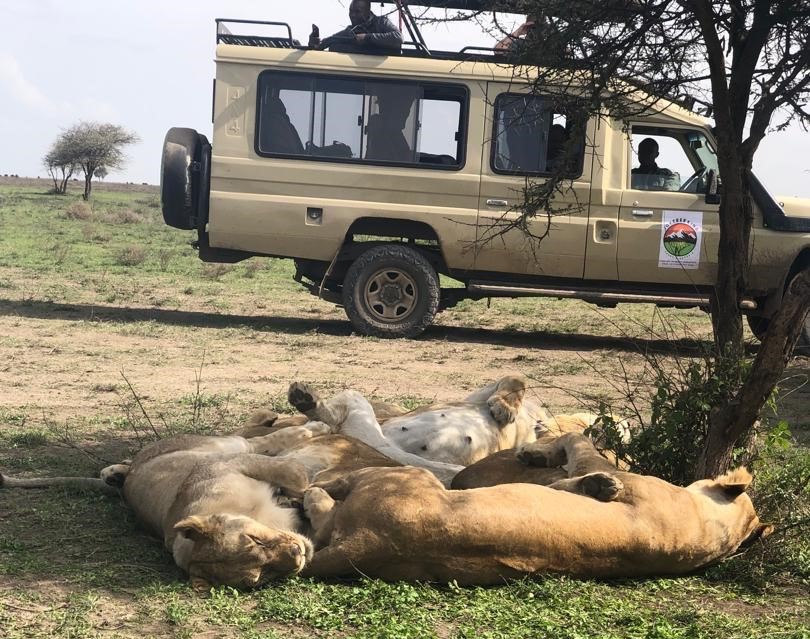
During the dry season, vegetation in many wildlife areas becomes less dense and animals may concentrate around water sources.
This can make wildlife easier to observe.
Popular safari destinations include:
- Serengeti National Park
- Ngorongoro Conservation Area
- Tarangire National Park
- Lake Manyara National Park
- Nyerere National Park
- Ruaha National Park
The official Tanzania Tourism Board promotes Tanzania as a destination for wildlife experiences, mountain adventures, cultural tourism and beach holidays, reflecting the country’s wide range of travel experiences.
Is the Dry Season Always Better for Safari?
Not necessarily.
The green season has its own advantages.
After rainfall, vegetation becomes lush, landscapes become greener and migratory birds are present in large numbers.
There can also be fewer tourists in some areas.
Therefore:
Dry season = easier classic safari conditions
Green season = greener landscapes, birdlife and quieter travel
Your choice should depend on what matters most to you.
Best Time to Visit Tanzania for the Great Migration
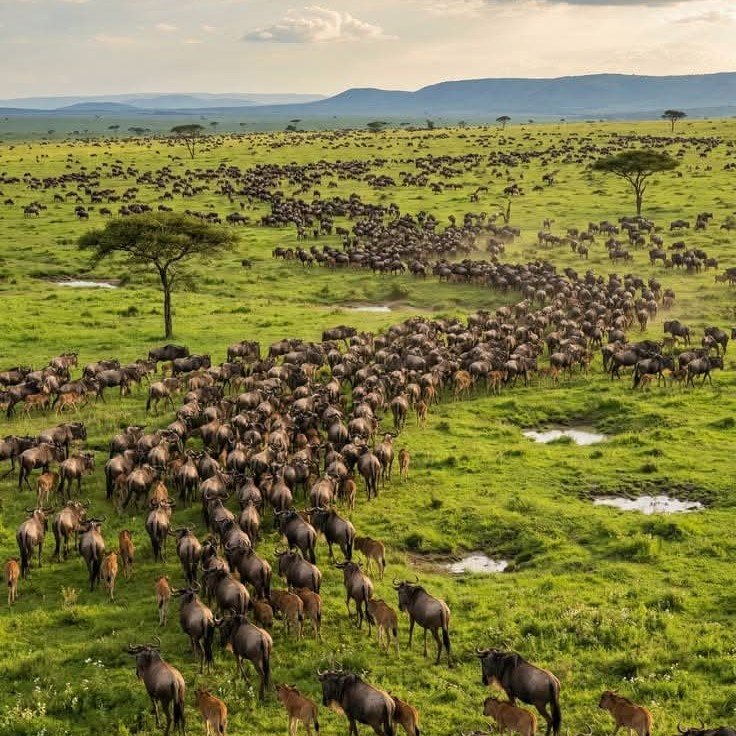
The Great Migration is one of Tanzania’s most famous wildlife experiences.
However, there is an important misconception about it.
There is no single “Great Migration month.”
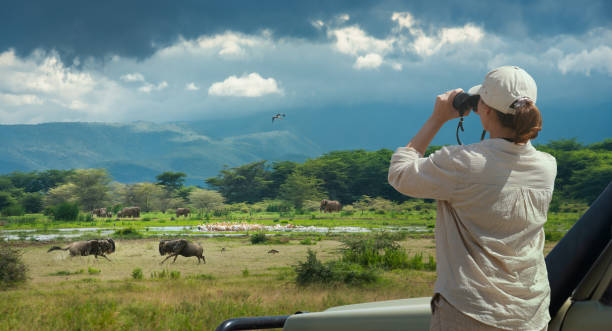
Millions of wildebeest, along with other grazing animals, move through the Serengeti ecosystem throughout the year.
Their location changes depending on rainfall, food availability and natural movement patterns.
Therefore, if you want to see a particular stage of the migration, your safari itinerary should be designed around the expected movement of the herds.
For travelers interested in river crossings, the northern Serengeti is often considered during the appropriate period, but river crossings are natural events and cannot be guaranteed on a specific day.
This is why working with an experienced local safari operator is valuable.
Best Time to Climb Mount Kilimanjaro
Mount Kilimanjaro can be climbed throughout much of the year, but many trekkers prefer the drier periods.
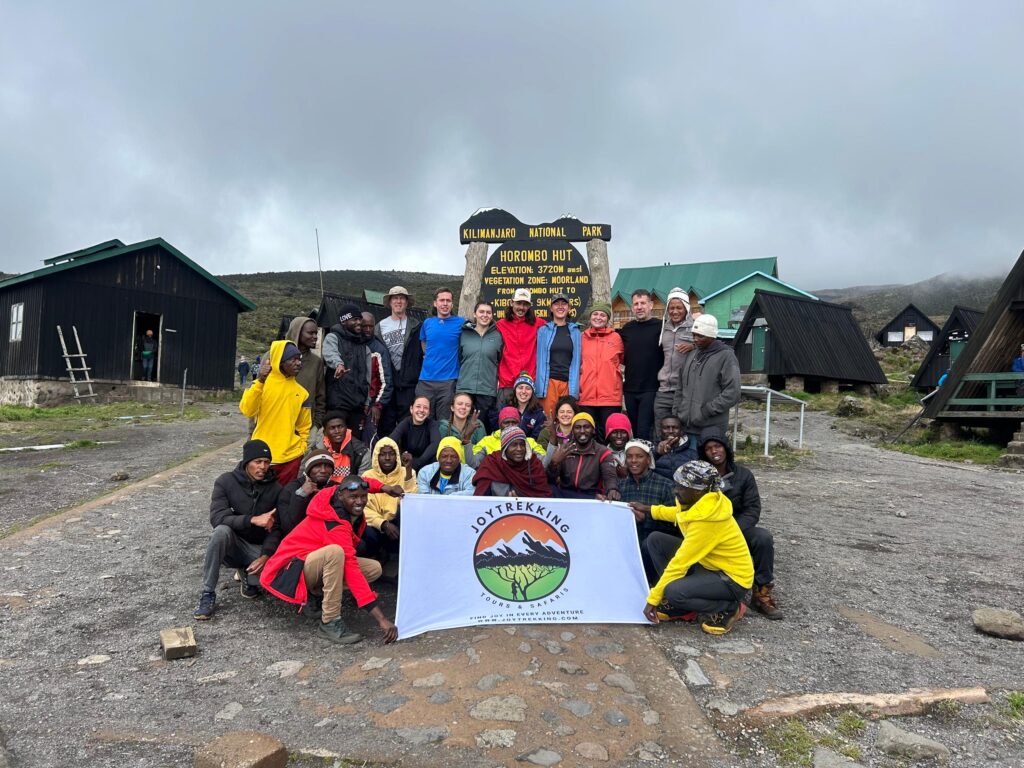
The main periods commonly considered favorable are:
June to October
and
January to February
The weather around Kilimanjaro is strongly affected by altitude.
You can begin your trek in relatively warm conditions and finish in freezing temperatures near the summit.
This means that “Tanzania is warm” does not mean that Kilimanjaro will be warm.
The mountain creates several distinct ecological and climatic zones as you gain altitude.
For travelers choosing a Kilimanjaro route, the number of trekking days also matters.
Longer itineraries such as Lemosho and Northern Circuit can provide more time on the mountain and a more gradual expedition-style experience.
If you are comparing routes, read our guide to the best Kilimanjaro routes and our article about Kilimanjaro climbing costs before making your decision.
Best Time to Visit Zanzibar
Zanzibar has a tropical coastal climate, so temperatures remain warm throughout much of the year.
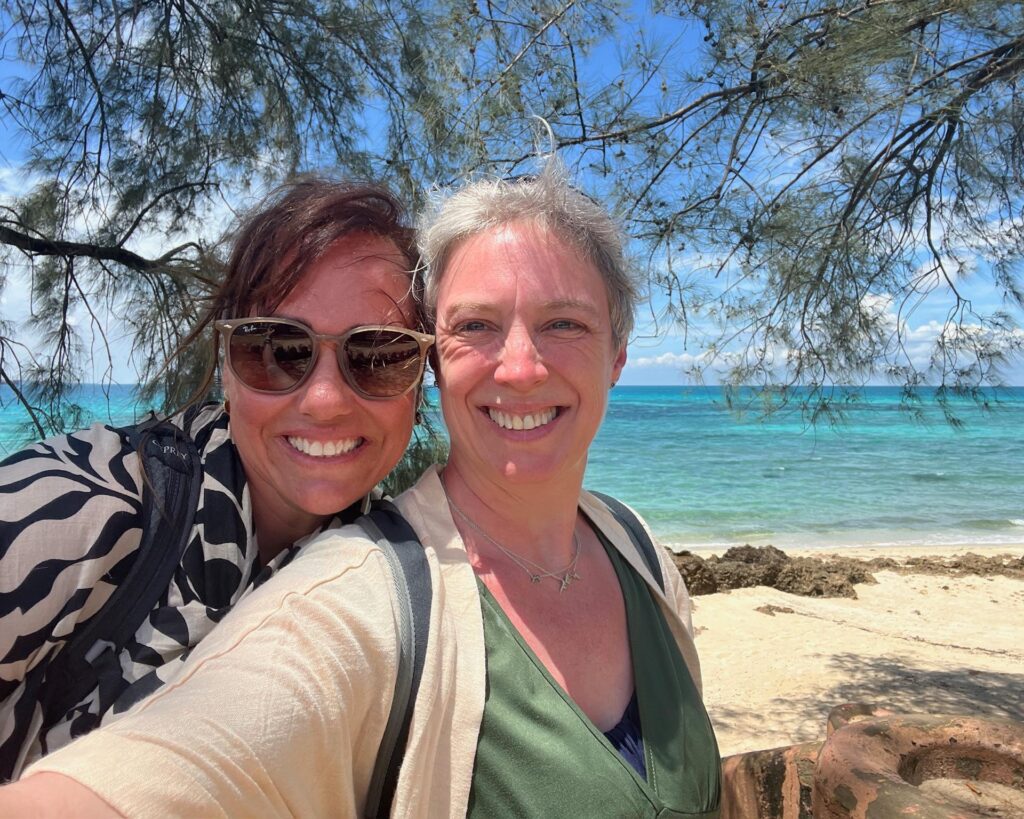
The island experiences rainy periods and drier periods, but beach conditions can still be enjoyable outside the classic peak season.
For travelers prioritizing sunshine and beach time, June to October and January to February are commonly attractive periods.
Zanzibar can also be combined with a Tanzania safari.
A popular itinerary might look like:
Arusha -> Tarangire -> Serengeti -> Ngorongoro -> Zanzibar
This allows you to experience wildlife and tropical beaches in one trip.
The official Tanzania Tourism website highlights Zanzibar and Tanzania’s coastline as major beach and marine tourism experiences.
Best Time to Visit Tanzania for Birdwatching
If you love birds, you may want to consider visiting during the greener months.
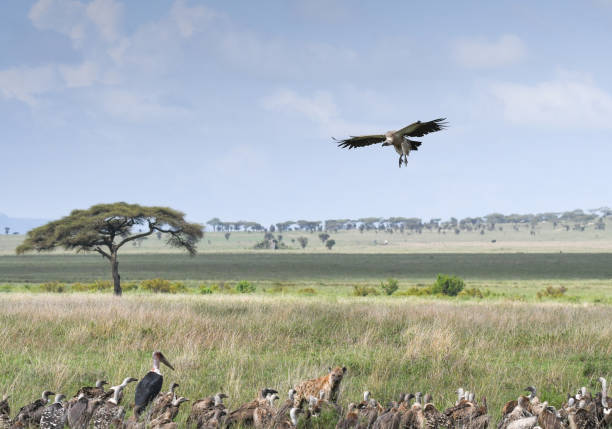
From approximately November to April, many areas can provide excellent birdwatching opportunities.
Migratory birds are present during this period, while resident species remain active.
The landscapes can also be greener and more attractive for photography.
This means the period that some travelers avoid because of rainfall can actually be the preferred season for dedicated birdwatchers.
Best Time for a Budget Tanzania Safari
If keeping your travel budget under control is important, consider traveling outside the busiest peak periods.
The wetter months can sometimes offer better value because there is lower demand for accommodation and some travel services.
However, lower prices should not be the only consideration.
Always compare:
- Accommodation quality
- Safari duration
- Park fees
- Vehicle type
- Guide experience
- Number of travelers
- Meals
- Transfers
- Airport pickup
- Activities included
A very cheap safari is not necessarily a good safari.
The real goal is good value, not simply the lowest price.
If budget is a major consideration, read our guide on [how much a Tanzania safari costs] before booking.
Tanzania Weather by Region
One of the most important things to understand is that Tanzania does not have one single weather pattern.
Northern Tanzania
Northern Tanzania includes destinations such as:
- Arusha National Park
- Mount Kilimanjaro
- Serengeti National Park
- Ngorongoro Conservation Area
- Tarangire National Park
- Lake Manyara National Park
The northern highlands and surrounding areas generally experience two rainy seasons.
This region is the main focus for many first-time safari and Kilimanjaro travelers.
Coastal Tanzania
Dar es Salaam, the northern coast and Zanzibar are warmer and more humid.
The Indian Ocean strongly influences coastal temperatures.
Beach travelers should therefore pack differently from Kilimanjaro trekkers.
Southern Tanzania
Southern Tanzania has somewhat different rainfall patterns from the northern tourist circuit.
Areas such as Ruaha and Nyerere can be excellent for travelers seeking a quieter safari experience.
The seasonal calendar should therefore be considered according to the exact park you intend to visit.
Western Tanzania
Western destinations can also have different rainfall patterns.
If you are planning a safari to remote western Tanzania, consult a local operator about seasonal road conditions and park accessibility.
Does Rain Mean You Should Avoid Tanzania?
Absolutely not.
This is one of the biggest misconceptions about Tanzania weather.
Rain does not automatically mean a bad holiday.
A tropical rain shower can be short and followed by sunshine.
During the green season, rain can transform Tanzania’s landscapes into beautiful shades of green.
Photographers may actually prefer these conditions because clouds can create dramatic backgrounds and softer light.
The important question is not:
“Will it rain?”
Instead ask:
“How much rain is expected in the region I am visiting, and how does that affect the activity I want to do?”
This is a much more useful way to plan a Tanzania trip.
What Should You Pack for Tanzania’s Weather?
Your packing list should depend on the type of trip you are taking.
For a safari, consider:
- Lightweight breathable clothing
- A warm layer for early mornings
- Comfortable walking shoes
- Sun protection
- Hat
- Sunglasses
- Light rain jacket
- Insect protection
- Camera equipment
For Zanzibar:
- Lightweight clothing
- Swimwear
- Sandals
- Sun protection
- Light rain protection
- Comfortable footwear
For Kilimanjaro:
- Warm layers
- Waterproof outerwear
- Gloves
- Warm hat
- Hiking clothing
- Proper trekking footwear
- Thermal layers
- Appropriate cold-weather equipment
Kilimanjaro requires much more serious cold-weather preparation than a normal Tanzania safari.
Why You Should Not Plan Your Entire Tanzania Trip Around One Weather Forecast
Long-range weather predictions can help with general planning, but they cannot guarantee what will happen on a specific day.
Tanzania’s climate is influenced by several large-scale factors, and rainfall can vary geographically and from year to year.
The Tanzania Meteorological Authority regularly issues seasonal, monthly and shorter-term forecasts. Travelers planning a trip should use current official forecasts closer to their departure date rather than relying entirely on a generic annual weather chart.
For example, TMA’s August 2026 monthly outlook noted that cooler periods were continuing in some areas and that rainfall could still occur in parts of the northern highlands, Lake Victoria region and coastal areas.
This demonstrates why “dry season” should be understood as a general seasonal pattern, not a promise of zero rain.
Best Time to Visit Tanzania Based on Your Travel Style
For First-Time Safari Travelers
June to October is an excellent starting point.
The weather is generally drier, wildlife viewing can be favorable and the overall conditions are comfortable for outdoor activities.
For Kilimanjaro Trekkers
Consider:
June to October
or
January to February
Choose your route based on your preferred scenery, duration and trekking experience.
For Beach Lovers
Consider:
June to October
or
January to February
Zanzibar remains warm throughout the year, but these periods are often attractive for travelers seeking relatively favorable beach conditions.
For Photographers
Consider both the dry and green seasons.
Dry-season landscapes provide excellent visibility, while green-season landscapes can provide vibrant scenery and dramatic skies.
For Birdwatchers
Consider:
November to April
This period can provide excellent opportunities for seeing migratory species alongside Tanzania’s resident birdlife.
For Budget Travelers
Consider shoulder and green-season periods.
You may find better value and fewer visitors, although you should be comfortable with a greater possibility of rain.
Should You Visit Tanzania During the Rainy Season?
Yes, if you understand what you are choosing.
The rainy season can be a good option for travelers who:
- Have flexible schedules
- Want fewer crowds
- Prefer greener landscapes
- Enjoy photography
- Want to focus on birdwatching
- Are looking for potential value
- Do not mind occasional rain
It may be less suitable if your priority is:
- Consistently dry safari conditions
- Easy road conditions
- Maximum predictability
- A first-time safari with a strong preference for dry weather
There is no universally bad season.
There are simply seasons that are better suited to different travel goals.
How to Choose the Best Month for Your Tanzania Trip
Before booking your flight, answer these five questions:
1. What is the main purpose of your trip?
Safari?
Kilimanjaro?
Zanzibar?
Culture?
Or a combination?
2. Which regions are you visiting?
Weather in Arusha is not identical to weather in Zanzibar or southern Tanzania.
3. How flexible is your schedule?
Flexible travelers can take advantage of shoulder seasons.
4. Is your priority weather or budget?
Peak dry-season travel can be more expensive because demand is higher.
5. Are you comfortable with rain?
If yes, the green season can open up additional opportunities.
Tanzania Weather and Seasons: Quick Planning Guide
If you want a simple answer, use this guide:
June–October:
Best all-round period for many safari and outdoor travelers.
January–February:
Excellent alternative for safari, Kilimanjaro and Zanzibar, especially in northern and coastal areas.
March–May:
Main long-rain period in many northern areas. Green, quieter and potentially better value, but wetter.
October–December:
Short-rain period in northern and coastal areas. Landscapes become greener and visitor numbers can be lower.
The Tanzania Meteorological Authority’s climate data confirms that northern Tanzania and Zanzibar generally experience two rainy seasons, while June through September is broadly dry across the country.
Frequently Asked Questions
What is the best time to visit Tanzania?
For many travelers, June to October is the best overall period because it is generally dry and favorable for safari and outdoor activities. January and February are also attractive months, especially for travelers combining safari, Kilimanjaro and Zanzibar.
What are the rainy seasons in Tanzania?
Northern Tanzania generally has two rainy seasons: the long rains from approximately March to May and the short rains from around October to December. The exact timing and intensity can vary by region and year.
What is the best time for a Tanzania safari?
June to October is one of the most popular periods for a Tanzania safari because conditions are generally dry and wildlife viewing can be favorable. However, the green season can also provide excellent safari experiences and fewer visitors.
What is the best time to climb Mount Kilimanjaro?
June to October and January to February are commonly preferred periods for Kilimanjaro climbing because they generally offer more favorable weather conditions. However, mountain weather can change quickly, and conditions at high altitude are very different from those at the base.
What is the best time to visit Zanzibar?
June to October and January to February are commonly attractive periods for a Zanzibar beach holiday. Zanzibar remains warm throughout much of the year, but rainfall patterns vary seasonally.
Is April a bad month to visit Tanzania?
Not necessarily. April is generally one of the wetter periods in many northern areas, but it can offer green landscapes, fewer visitors and potentially better travel value. Travelers should choose April with an understanding that rainfall may affect some activities and road conditions.
When is the cheapest time to visit Tanzania?
The green and shoulder seasons can sometimes offer better value than the peak dry season. However, actual prices depend on accommodation, safari operator, itinerary, park fees, availability and travel dates.
Plan Your Tanzania Adventure with JoyTrekking Tours & Safaris
Tanzania is not simply a destination with one travel season. It is a country of changing landscapes, wildlife movements, mountain climates, tropical coastlines and rich cultural experiences.
The best time to visit Tanzania depends on what you want to experience.
For classic wildlife safaris, June to October is an excellent choice. For Kilimanjaro, June to October and January to February are popular periods. For Zanzibar, the drier periods can provide excellent beach conditions. And for travelers who prefer greener landscapes, fewer visitors and birdwatching opportunities, the rainy and green seasons can be equally rewarding.
At JoyTrekking Tours & Safaris, we can help you choose the right travel period based on your interests, budget and itinerary.
Whether you are dreaming of watching wildlife in the Serengeti, exploring the Ngorongoro Crater, climbing Mount Kilimanjaro, discovering Tanzania’s culture or relaxing on the beaches of Zanzibar, our local travel team can help you build an itinerary around the season that suits your journey.
Ready to plan your Tanzania adventure?