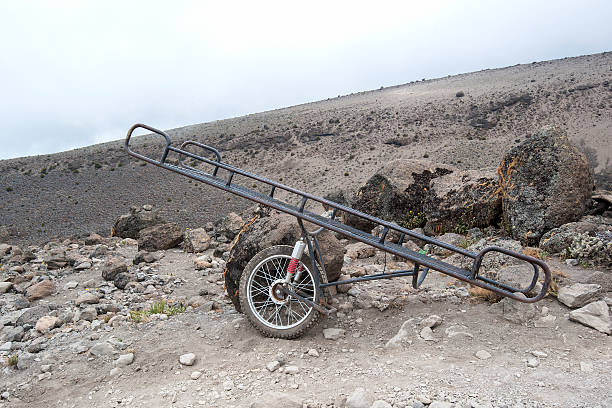
Learn about common Kilimanjaro injuries, including blisters, ankle strains, falls, altitude illness, sunburn and cold injuries and how to prevent them with expert trekking tips.
Common Kilimanjaro Injuries: How to Prevent Them on Your Trek
Climbing Mount Kilimanjaro is one of Tanzania’s most rewarding adventures, but like any high-altitude trek, it comes with physical challenges. Understanding common Kilimanjaro injuries before you arrive can help you prepare properly, recognize warning signs early, and enjoy your climb more safely.
The good news is that many trekking problems are preventable. Blisters, knee pain, ankle strains, muscle fatigue, dehydration, sunburn and minor falls can often be reduced through proper footwear, sensible pacing, physical preparation and listening to your guide. Altitude illness is a different and potentially serious concern because Kilimanjaro rises to approximately 5,895 metres (19,341 feet), where the reduced oxygen level can affect even fit and experienced hikers. The CDC specifically identifies Kilimanjaro as a high-altitude destination where travelers can develop altitude illness.
This guide from JoyTrekking Tours & Safaris explains the most common Kilimanjaro injuries and health problems, how to prevent them, what to do if they occur, and how choosing the right route and professional trekking support can make a difference.
What Are the Most Common Kilimanjaro Injuries?
The most common problems on Kilimanjaro are not necessarily dramatic accidents. In many cases, they are gradual problems caused by long hiking days, uneven terrain, altitude, cold temperatures, inadequate footwear, dehydration or pushing too hard.
Here are the main problems trekkers should understand:
| Problem | Common Cause | Prevention |
|---|---|---|
| Blisters | Friction, wet socks, poor footwear | Proper boots, socks and foot care |
| Ankle sprains | Uneven or rocky terrain | Trekking poles, careful footing, ankle-supportive boots |
| Knee pain | Long descents and overuse | Training, poles, controlled downhill pace |
| Muscle strains | Overexertion and fatigue | Conditioning, slow pace, stretching and rest |
| Falls/minor injuries | Loose rocks, fatigue, poor footing | Focus, poles and guide instructions |
| Altitude illness | Rapid ascent and individual response to altitude | Gradual acclimatization and immediate response to symptoms |
| Sunburn | Strong UV exposure at altitude | Sunscreen, sunglasses, hat and protective clothing |
| Cold injuries | Cold, wind, wet clothing and inadequate gear | Layering, dry clothing and proper gloves/socks |
| Dehydration | Exertion, low humidity and inadequate fluid intake | Regular hydration and adequate nutrition |
Adventure travel naturally involves greater exposure to difficult terrain, weather, physical exertion and remote environments. The CDC recommends travelers prepare for these conditions rather than assuming fitness alone eliminates risk.
1. Blisters and Foot Injuries
Blisters are among the most frustrating problems a Kilimanjaro trekker can experience.
A small hot spot on your heel may seem insignificant at the beginning of the day. After several hours of walking, however, friction can turn it into a painful blister that changes the way you walk. Once you start compensating for foot pain, you may place additional stress on your knees, ankles or hips.
How to prevent blisters
The best prevention starts before you reach Tanzania.
Wear your trekking boots during training hikes so your feet become accustomed to them. Never make summit day the first time you wear new boots.
You should also:
- Choose comfortable, properly fitted hiking boots.
- Use quality moisture-managing hiking socks.
- Keep your feet as dry as possible.
- Change socks when they become wet.
- Address hot spots immediately.
- Carry blister-care supplies in your personal daypack.
- Avoid boots that are either too tight or excessively loose.
A common mistake is buying hiking boots based purely on appearance. On Kilimanjaro, comfort and fit matter much more than fashion.
2. Ankle Sprains and Twists
Kilimanjaro is not a paved mountain trail. Depending on your route and altitude, you may encounter forest trails, roots, stones, volcanic scree, steep sections and uneven surfaces.
Fatigue can make this more difficult.
When your legs become tired, your balance and reaction time may decline. A misplaced foot on loose ground can result in an ankle twist or fall.
How to reduce ankle injury risk
Walk deliberately rather than racing other trekkers.
Trekking poles can provide additional stability, especially during descents and on uneven terrain. Proper footwear can also improve confidence and protection.
Your guide’s instructions are important, particularly on technical or steep sections. Maintain a pace that allows you to look at where you are placing your feet instead of constantly looking ahead toward the destination.
3. Knee Pain and Strains
Knee problems are particularly common during long descents.
Many trekkers prepare extensively for walking uphill but underestimate how demanding downhill hiking can be. On Kilimanjaro, summit day is followed by a substantial descent, and your knees can absorb considerable stress when you are tired.
For example, the Machame itinerary offered by JoyTrekking includes a summit-day journey from Barafu Camp at approximately 4,640 metres to Uhuru Peak at 5,895 metres, followed by a major descent toward Mweka Camp. The supplied itinerary describes approximately 17 km of hiking and 12–16 hours on summit day.
How to protect your knees
Before your climb, include downhill walking, stair training, step-ups and controlled strength exercises in your preparation.
During the trek:
- Use trekking poles.
- Take shorter steps on steep descents.
- Avoid running downhill.
- Keep your pace controlled.
- Tell your guide if persistent knee pain develops.
- Do not ignore pain simply because you are determined to reach camp.
Good preparation is not about becoming a professional athlete. It is about giving your body enough strength and endurance to handle repeated days of hiking.
4. Muscle Strains, Fatigue and Cramps
Your legs work continuously on Kilimanjaro.
Even relatively short distances can feel demanding because of altitude, uneven terrain and cumulative fatigue. Muscle soreness is normal after strenuous activity, but significant pain, weakness or loss of normal movement deserves attention.
Muscle problems can become more likely when trekkers:
- Start the climb without adequate training.
- Walk too quickly.
- Carry excessive weight.
- Do not eat enough.
- Fail to rest.
- Become dehydrated.
- Try to compensate for slower teammates by overexerting themselves.
The Kilimanjaro rule: pole pole
One of the most useful principles on Kilimanjaro is pole pole, meaning “slowly, slowly.”
A slower pace is not a sign of weakness. It is a strategy for managing energy and adapting to altitude.
For example, JoyTrekking’s Machame itinerary specifically emphasizes the “pole pole” pace during the early ascent to support acclimatization.
5. Falls, Cuts and Minor Trail Injuries
Falls can happen when trekkers become distracted, tired or overly confident.
Kilimanjaro’s changing terrain requires attention throughout the day. A trail that feels easy in the morning can feel very different after several hours of hiking.
Minor falls may result in:
- Scrapes
- Cuts
- Bruising
- Twisted ankles
- Knee injuries
- Hand injuries
- More serious trauma in exceptional circumstances
How to reduce fall risk
Keep your hands available for balance when appropriate and use trekking poles correctly.
Watch the trail, particularly on rocky or loose sections. Do not allow photography, conversation or fatigue to distract you from your footing.
Your guide can also help identify sections that require extra care.
If you sustain a wound, basic wound care is important. The CDC notes that redness, swelling, warmth or pus can indicate infection requiring medical attention.
6. Altitude Illness: The Most Important Health Risk to Understand
When discussing common Kilimanjaro injuries, altitude illness deserves special attention.
Technically, altitude illness is not a physical “injury” like a sprained ankle. However, it is one of the most important medical risks associated with climbing Kilimanjaro.
Altitude illness includes:
- Acute Mountain Sickness (AMS)
- High-Altitude Cerebral Edema (HACE)
- High-Altitude Pulmonary Edema (HAPE)
The CDC identifies headache, tiredness, loss of appetite, nausea and vomiting among common symptoms of acute mountain sickness. More serious warning signs include confusion, extreme fatigue, loss of coordination and symptoms associated with breathing difficulty. Serious altitude illness requires immediate descent and medical attention.
Why is altitude illness a serious concern on Kilimanjaro?
Kilimanjaro reaches approximately 5,895 metres above sea level. At these elevations, the body has significantly less oxygen available than at sea level.
Importantly, being physically fit does not guarantee that you will avoid altitude illness.
A prospective study of 1,237 recreational Kilimanjaro hikers found severe altitude-illness symptoms in 8.6% of recreational hikers, with 1.1% requiring hospitalization. The researchers also found that continuing to ascend while experiencing symptoms was associated with risk, emphasizing the importance of stopping further ascent when symptoms develop and descending immediately when severe symptoms occur.
How to reduce altitude-illness risk
The most important principles include:
Ascend gradually.
Walk slowly.
Allow your body time to acclimatize.
Do not hide symptoms from your guide.
Do not continue ascending simply because you want to reach the next camp.
Follow professional medical advice regarding altitude medication.
The CDC recommends gradual acclimatization and notes that medications such as acetazolamide may be considered in appropriate circumstances after consultation with a healthcare professional.
A previous study of Kilimanjaro trekkers also found a high incidence of acute mountain sickness and identified rapid ascent as an important contributing factor.
7. Sunburn and UV Exposure
Many people associate Kilimanjaro with cold temperatures and forget about the intensity of the sun.
At high altitude, UV exposure can be significant. The CDC recommends sun protection for travelers undertaking mountain trekking, including sunscreen and protective clothing.
Sunburn can become particularly uncomfortable when you are already tired and exposed to wind.
Protect yourself by carrying:
- Broad-spectrum sunscreen
- Sunglasses with appropriate UV protection
- A sun hat or cap
- Lip balm with sun protection
- Long-sleeved clothing where appropriate
Apply sunscreen consistently rather than waiting until your skin starts feeling hot.
8. Cold Injuries and Frostbite
Kilimanjaro has several climatic zones, and conditions become increasingly cold as you approach the summit.
Summit night is especially demanding. You may begin climbing during the night, spend hours exposed to cold temperatures and wind, and reach Uhuru Peak around sunrise.
Cold injuries can occur when trekkers are inadequately prepared, become wet, or underestimate how quickly conditions can change.
The CDC explains that frostbite is a cold injury involving freezing of tissue and that proper clothing and preparation can prevent many cases.
How to prevent cold injuries
Use a proper layering system:
- Moisture-managing base layer
- Insulating middle layer
- Warm outer layer
- Waterproof/windproof protection when needed
Pay particular attention to your:
- Fingers
- Toes
- Ears
- Nose
- Face
Keep spare dry socks and appropriate summit gloves available.
If a body part becomes numb, unusually pale or painful from cold exposure, inform your guide immediately.
9. Dehydration and Heat-Related Problems
Although Kilimanjaro is associated with cold summit conditions, lower sections of the mountain can be warm.
Hiking for several hours increases your fluid and energy requirements. Dehydration can also make fatigue and headaches more difficult to interpret, particularly at altitude.
The CDC recommends adequate hydration and nutrition for adventure travelers because physical exertion increases fluid, calorie and thermoregulation requirements.
Good hydration habits
Do not wait until you are extremely thirsty before drinking.
Carry enough water for the day’s hike and drink regularly according to your guide’s instructions and your body’s needs.
You should also eat adequately. On a demanding mountain climb, food is not merely a comfort—it provides energy for sustained physical activity.
JoyTrekking’s Machame itinerary includes breakfast, lunch and dinner during the mountain trek, with the company specifically advising climbers to focus on hydration, nutrition and adequate food intake during demanding stages.
Why Do Kilimanjaro Injuries Happen?
Most trekking injuries have more than one cause.
A blister might begin with unsuitable boots, but fatigue can make the problem worse. Knee pain may begin with overuse but become severe because a trekker continues at the same pace without informing the guide.
Common contributing factors include:
Poor footwear
Uncomfortable or poorly fitted boots can cause blisters, foot pain and instability.
Inadequate physical preparation
Kilimanjaro does not require elite athletic ability, but you should prepare your cardiovascular fitness, leg strength and hiking endurance.
Walking too fast
Trying to maintain another trekker’s pace can cause unnecessary fatigue.
Carrying too much
A heavy daypack increases physical stress.
Ignoring early symptoms
Small problems can become major problems when ignored for several days.
Poor acclimatization
Rapid ascent can increase the risk of altitude illness.
Inadequate clothing
Cold, rain, wind and changing temperatures require appropriate clothing.
Lack of sleep and nutrition
The body needs recovery and energy to cope with multiple consecutive hiking days.
How to Prevent Common Kilimanjaro Injuries
The best strategy is prevention rather than treatment.
1. Train before your climb
Start preparing several weeks or months before departure.
Include:
- Long walks
- Hiking on uneven terrain
- Stair climbing
- Hill walking
- Leg-strength exercises
- Core exercises
- Cardiovascular training
Try to complete some training hikes while carrying the daypack you intend to use.
2. Break in your boots
Do not bring brand-new boots directly onto Kilimanjaro.
Wear them on multiple training walks first.
3. Learn to walk slowly
A steady pace is more useful than speed.
4. Use trekking poles
Poles can help with balance and reduce some of the stress placed on the knees during descents.
5. Tell your guide when something feels wrong
This is one of the most important rules.
Do not wait until a small problem becomes unbearable.
6. Follow the itinerary
A professionally planned itinerary gives your body time to adjust to the mountain.
Longer routes can provide additional time for acclimatization compared with very short itineraries, although no itinerary can eliminate altitude illness risk.
7. Eat and drink consistently
Do not skip meals because you are not hungry.
8. Protect yourself from the sun and cold
The mountain can expose you to both intense UV radiation and freezing conditions.
What Should You Do If You Get Injured on Kilimanjaro?
The correct response depends on the severity of the problem.
For a minor issue such as a developing blister, stop early and address it before it becomes worse.
For persistent knee or ankle pain, tell your guide and assess whether continuing is appropriate.
For symptoms suggesting serious altitude illness—particularly confusion, loss of coordination, severe breathlessness or rapidly worsening symptoms—this is not a situation to “push through.” Immediate descent and medical assessment may be necessary.
Your guide should know what is happening rather than discovering that you have been hiding symptoms for several hours.
A good trekking company should prioritize your safety over reaching the summit at all costs.
Which Kilimanjaro Route Is Best for Injury Prevention?
There is no single route that guarantees freedom from injury.
However, route length, terrain, daily elevation profile and acclimatization opportunities are important considerations.
For many travelers, a longer itinerary can provide more time to adapt to altitude and manage fatigue. The CDC notes that adding extra days at high altitude can improve the acclimatization experience when possible.
For example, JoyTrekking’s Machame itinerary includes a “climb high, sleep low” section via Lava Tower before descending to Barranco Camp. The itinerary reaches Lava Tower at approximately 4,640 metres before sleeping lower, an approach designed to support acclimatization.
However, route selection should also consider your experience, fitness, preferred scenery, budget and available time.
Kilimanjaro Routes Offered by JoyTrekking Tours & Safaris
If you are planning your Kilimanjaro climb with JoyTrekking Tours & Safaris, the company offers several routes at different durations and price points.
| Route | Duration | Starting Price* | Best For |
|---|---|---|---|
| Marangu Route | 6 Days / 5 Nights | $1,770 | Trekkers seeking a classic route |
| Machame Route | 7 Days / 6 Nights | $2,160 | Scenic trekking and acclimatization-focused itinerary |
| Umbwe Route | 6 Days / 5 Nights | $2,180 | Experienced trekkers seeking a challenging route |
| Rongai Route | 7 Days / 6 Nights | $2,240 | A quieter approach from the northern side |
| Lemosho Route | 8 Days / 7 Nights | $2,840 | Longer itinerary and scenic diversity |
| Northern Circuit Route | 9 Days / 8 Nights | $2,850 | Extended trekking and acclimatization |
*Prices shown are the package prices supplied for this article and should be confirmed with JoyTrekking at the time of booking.
Marangu Route — $1,770
The Marangu Route is an option for travelers looking for a classic Kilimanjaro experience. It is known for hut accommodation and is often selected by trekkers who prefer not to camp in tents throughout the climb.
Machame Route — $2,160
The Machame Route is a strong option for trekkers who value scenery and a more adventurous trail. JoyTrekking’s published itinerary includes rainforest, Shira Plateau, Lava Tower, Barranco Wall, Barafu Camp and the summit.
Umbwe Route — $2,180
The Umbwe Route is known for its more demanding character and is generally better suited to trekkers who understand the physical challenge involved.
Rongai Route — $2,240
The Rongai Route approaches Kilimanjaro from the northern side and provides a different perspective of the mountain.
Lemosho Route — $2,840
The Lemosho Route is a longer option with more time on the mountain and a highly scenic approach.
Northern Circuit Route — $2,850
The Northern Circuit Route provides one of the longest itineraries in the package selection, giving trekkers an extended experience on Kilimanjaro.
How to Prepare Your Body Before Kilimanjaro
You do not need to be an elite athlete to climb Kilimanjaro.
However, arriving physically prepared can make the experience significantly more enjoyable.
A practical preparation program should include regular walking and hiking, progressively longer sessions and strength work for the legs and core.
Try to train on terrain similar to what you will encounter.
If you live somewhere flat, stair training and treadmill incline walking can be useful additions.
Most importantly, practice walking at a comfortable, sustainable pace.
Your objective is not to win a race.
Your objective is to reach the summit safely and return to the gate in good condition.
Common Mistakes That Increase Injury Risk
Mistake 1: Buying boots immediately before the climb
New boots can create painful friction and blisters.
Mistake 2: Trying to walk fast
Fast is not necessarily better on Kilimanjaro.
Mistake 3: Ignoring a headache
At altitude, a headache can be a symptom of altitude illness and should not automatically be dismissed.
Mistake 4: Hiding symptoms from your guide
Your guide can only help with information they know.
Mistake 5: Carrying an unnecessarily heavy daypack
Pack intelligently and avoid carrying things you do not need during the day’s hike.
Mistake 6: Underestimating summit night
Summit night is physically and mentally demanding. Prepare for cold, darkness, long hours and a substantial descent afterward.
Mistake 7: Focusing only on the ascent
Downhill walking can place considerable stress on your knees and legs.
Mistake 8: Treating altitude illness like ordinary tiredness
Altitude illness can become serious. Follow professional guidance and do not continue ascending when symptoms are worsening.
Why Choose JoyTrekking Tours & Safaris for Your Kilimanjaro Climb?
Choosing a trekking company is about more than finding the cheapest price.
You want a company that understands the mountain, provides professional guides, follows an appropriate itinerary and communicates clearly with trekkers.
According to JoyTrekking’s published Machame itinerary, the package includes professional guides and porters, meals on the hike, mountain transfers and Mount Kilimanjaro National Park fees and taxes. The company also lists professional local guides and a gradual ascent profile among its route features.
The company offers several routes, allowing travelers to choose an itinerary based on their available time, preferred experience and budget.
For travelers concerned about injuries, the most important conversation before booking should not simply be:
“How much does Kilimanjaro cost?”
It should also be:
“Which itinerary is appropriate for my fitness, acclimatization needs and experience?”
A reputable trekking company should be willing to discuss this with you before you arrive.
Final Thoughts: Preventing Kilimanjaro Injuries Starts Before the Trek
Understanding common Kilimanjaro injuries is one of the smartest things you can do before beginning your adventure.
Most problems can be reduced through preparation: train your body, break in your boots, protect your feet, use trekking poles, stay hydrated, eat adequately, dress appropriately and walk pole pole.
Most importantly, respect altitude.
Kilimanjaro is a serious high-altitude environment. Being young, fit or experienced does not make you immune to altitude illness. Research on Kilimanjaro has shown that significant altitude symptoms occur among recreational hikers, making appropriate acclimatization and early response to symptoms essential.
If you develop symptoms, communicate with your guide. If symptoms become severe, do not prioritize the summit over your health.
With the right preparation, appropriate itinerary and professional trekking support, you can focus less on injury worries and more on the incredible experience of standing on the roof of Africa.
Ready to Climb Kilimanjaro with JoyTrekking Tours & Safaris?
Whether you are considering the Marangu, Machame, Umbwe, Rongai, Lemosho or Northern Circuit Route, JoyTrekking Tours & Safaris can help you choose an itinerary that matches your travel plans and trekking goals.
Start planning early so you have enough time to prepare physically, organize the right equipment and select the route that suits you best.
Request a Kilimanjaro trekking quote from JoyTrekking Tours & Safaris and start planning your journey to Uhuru Peak.