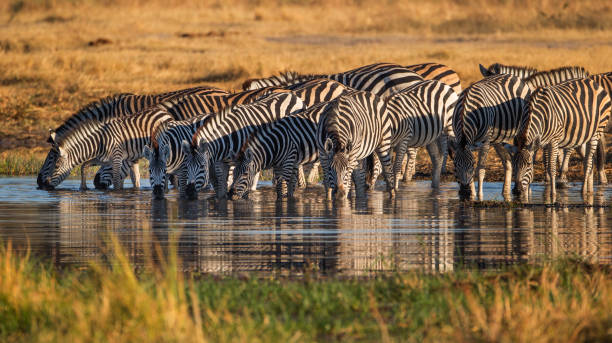
Planning your first Lake Manyara safari? Discover the best time to visit, safari costs, wildlife, packing tips, accommodations and expert travel advice in this complete beginner-friendly guide.
Excerpt
Discover how to plan the perfect Lake Manyara safari with this beginner-friendly guide covering wildlife, accommodation, budgeting, best travel seasons, safari activities, packing tips and expert local advice for international travelers visiting Tanzania.
Quick Summary
Planning a safari to Lake Manyara National Park is one of the smartest choices for first-time travelers visiting Tanzania. The park is compact, scenic, beginner-friendly and famous for its tree-climbing lions, flamingos, elephants and breathtaking Rift Valley landscapes.
In this guide, you’ll learn:
- The best time to visit Lake Manyara
- How many days you need
- Safari costs and budgeting tips
- What wildlife you can expect
- Where to stay
- What to pack
- How to combine Manyara with Serengeti or Ngorongoro
- Common mistakes beginners make
- Expert safari tips from local Tanzania specialists
Whether you are planning a luxury honeymoon, family safari, photography trip or your very first African adventure, this guide will help you confidently organize the perfect Lake Manyara safari.
Introduction About Lake Manyara Safari
Nestled at the base of the Great Rift Valley escarpment in northern Tanzania, Lake Manyara National Park is one of Africa’s most beautiful and beginner-friendly safari destinations. Famous for its tree-climbing lions, flamingos, lush groundwater forests and breathtaking lake views, Lake Manyara offers an unforgettable safari experience packed into a compact and easily accessible park.
For many international travelers, a Lake Manyara safari becomes the perfect introduction to Tanzania’s wildlife and natural beauty. Unlike larger parks that may require several days to explore, Lake Manyara delivers exceptional wildlife encounters within just one or two days. This makes it ideal for first-time safari visitors, families, couples, photographers and travelers with limited time.
What makes Lake Manyara truly special is its incredible diversity. In a single game drive, you can travel through dense forests filled with playful baboons, open savannahs roaming with elephants and giraffes, hot springs bubbling near the lake shore, and bird-rich wetlands covered with thousands of flamingos.
The park is also part of Tanzania’s famous Northern Safari Circuit, often combined with:
Whether you dream of seeing elephants walking through ancient forests, watching lions resting in trees or experiencing the peaceful beauty of an African sunset over the lake, Lake Manyara offers a safari experience that feels both intimate and magical.
For travelers seeking a balanced combination of wildlife, scenery, comfort and authentic Tanzanian adventure, Lake Manyara is often one of the most rewarding safari destinations in East Africa.
Why Visit Lake Manyara National Park?
Lake Manyara National Park is one of Tanzania’s most scenic safari destinations and forms part of the famous Northern Safari Circuit alongside Serengeti, Tarangire and Ngorongoro Crater.
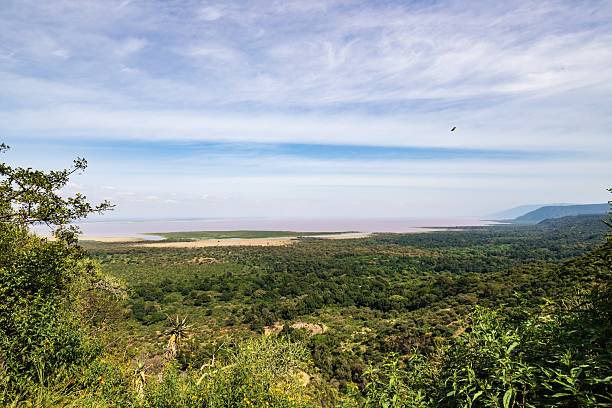
The park is especially famous for:
- Tree-climbing lions
- Massive elephant populations
- Flamingos and birdlife
- Dense groundwater forests
- Stunning Rift Valley scenery
- Beginner-friendly safari experiences
The park covers approximately 330 square kilometers, with the lake itself occupying a large portion during the wet season.
Unlike larger parks that may require multiple days to explore, Lake Manyara can deliver excellent wildlife viewing even during a short safari.
That makes it ideal for:
- First-time safari travelers
- Families
- Couples
- Short Tanzania itineraries
- Travelers with limited budgets
- Photography enthusiasts
What Makes Lake Manyara Unique?
1. Tree-Climbing Lions
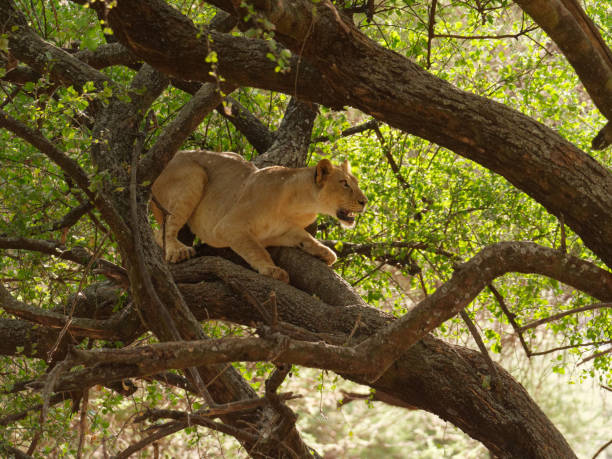
One of the park’s most famous attractions is its rare tree-climbing lions.
While lions usually rest on the ground, the lions of Lake Manyara are known for lounging on acacia tree branches. Scientists still debate the exact reason for this behavior, though many believe it helps lions escape heat and insects while giving them a better view of prey.
Seeing one is not guaranteed but when it happens, it becomes a once-in-a-lifetime safari memory.
2. Incredible Birdlife
Lake Manyara is a paradise for bird lovers.
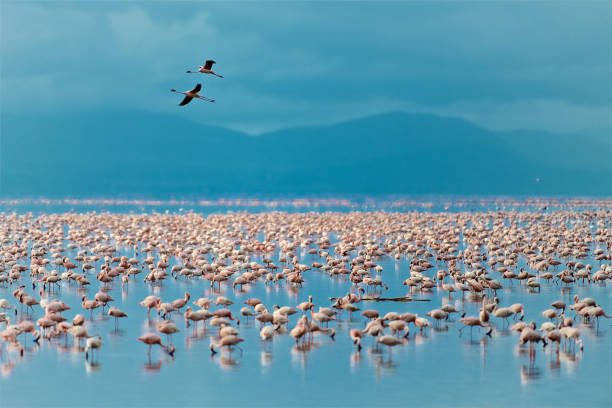
The park hosts more than 400 bird species including:
- Flamingos
- Pelicans
- Hornbills
- Storks
- Eagles
- Kingfishers
- Herons
During certain seasons, thousands of flamingos gather near the alkaline lake, creating spectacular pink reflections across the water.
3. Diverse Ecosystems in One Park
Lake Manyara offers remarkable ecological diversity in a relatively small area.
Within a single game drive, you may pass through:
- Dense forest
- Acacia woodland
- Open savannah
- Swamps
- Hot springs
- Alkaline lake shores
This diversity creates excellent wildlife viewing opportunities.
Best Time to Visit Lake Manyara
The best time depends on your safari goals.
| Season | Months | Best For |
|---|---|---|
| Dry Season | June – October | Wildlife viewing |
| Green Season | November – May | Birdwatching & scenery |
| Peak Safari Months | July – September | Excellent game drives |
| Flamingo Season | Often wet season dependent | Bird photography |
Dry Season (Best for Wildlife)
The dry season, which runs from June to October, is considered the best time for wildlife viewing in Lake Manyara National Park. During this period, the vegetation becomes thinner and animals gather around reliable water sources, making wildlife much easier to spot during game drives. The weather is generally sunny and pleasant, with lower chances of rainfall, creating ideal safari conditions for photography and outdoor exploration.
This season is especially popular among first-time safari travelers because animal sightings are often more predictable. Visitors commonly see elephants, giraffes, zebras, buffalo and even predators like lions and leopards. Early morning and late afternoon game drives become particularly rewarding as wildlife activity increases during cooler hours of the day.
The dry season is also an excellent time for travelers who want smoother road conditions and easier park accessibility. Since it falls within Tanzania’s peak safari season, many international tourists choose these months for combining Lake Manyara with other famous destinations such as Serengeti National Park and Ngorongoro Conservation Area.
Green Season (Best for Scenery & Birds)
The green season, which usually runs from November to May, transforms Lake Manyara National Park into a lush and vibrant paradise. During this time, seasonal rains refresh the landscape, covering the park with rich green vegetation, dramatic skies, and beautiful scenery that feels incredibly alive. The lake levels often rise, attracting large numbers of flamingos and other migratory birds, making this season especially attractive for birdwatchers and nature photographers.
One of the biggest advantages of traveling during the green season is the lower number of tourists compared to the peak dry months. This allows visitors to enjoy a quieter and more peaceful safari experience while also benefiting from lower accommodation rates offered by many lodges and camps. The fresh atmosphere and colorful environment create stunning photography opportunities, especially during sunrise and sunset when the light reflects beautifully across the landscape.
Many experienced safari photographers actually prefer the green season because the park becomes more dramatic and visually striking. From misty forests and vibrant birdlife to elephants walking through rain-refreshed plains, the scenery during this period offers a completely different but equally magical safari experience.
How Many Days Do You Need?
Most travelers spend:
| Safari Style | Recommended Duration |
|---|---|
| Day Trip | 1 day |
| Relaxed Experience | 2 days |
| Combined Northern Circuit Safari | 5–8 days |
For beginners, 1–2 days is usually perfect.
Lake Manyara is commonly combined with:
How to Get to Lake Manyara
Getting to Lake Manyara National Park is relatively easy, making it one of the most accessible safari destinations in Tanzania for international travelers. Most visitors arrive in northern Tanzania through Kilimanjaro International Airport, which serves as the main gateway for safari tourism in the country. From there, travelers usually begin their safari journey in Arusha, the popular safari hub of northern Tanzania.
The drive from Arusha to Lake Manyara takes approximately 2 to 3 hours, depending on traffic and road conditions. The journey itself is part of the adventure, offering scenic views of local villages, Maasai landscapes, the Great Rift Valley escarpment and colorful Tanzanian countryside. Along the way, travelers pass through the lively town of Mto wa Mbu, a culturally diverse area known for local markets, banana plantations, traditional crafts and cultural tourism experiences.
Travelers can reach Lake Manyara through several convenient options, including:
- Private safari vehicles organized by tour operators
- Shared group safari transportation
- Domestic charter flights to nearby airstrips
- Self-drive safari routes for experienced travelers
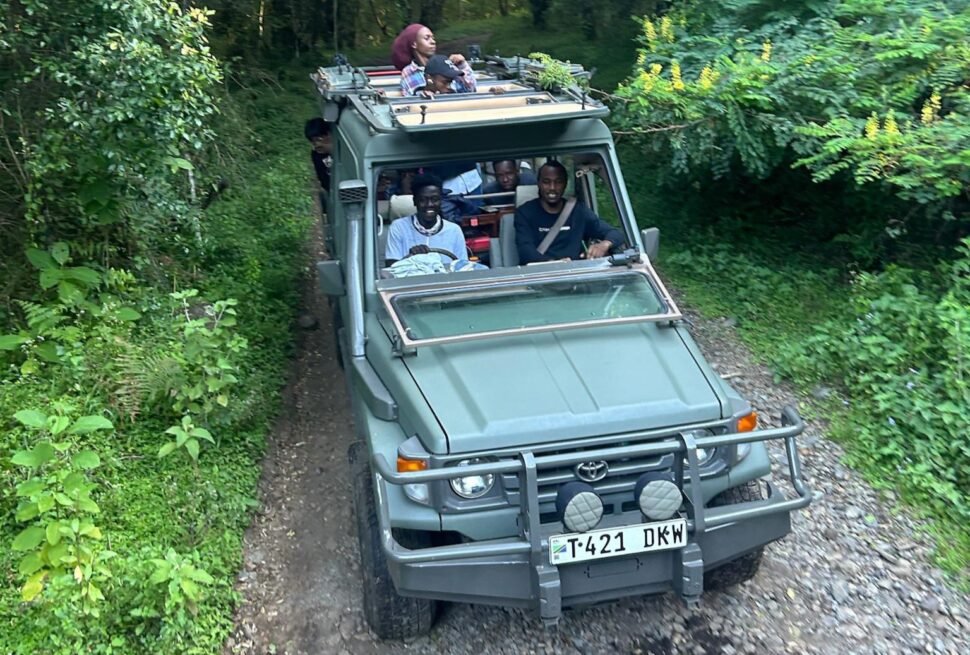
Most safari companies, including customized tour operators, organize complete transportation services that include airport pickup, accommodation transfers, professional safari guides, and comfortable 4×4 safari vehicles. This makes the journey stress-free and ideal for first-time visitors exploring Tanzania’s Northern Safari Circuit.
Lake Manyara Safari Costs
The cost of a safari to Lake Manyara National Park can vary significantly depending on your travel style, level of comfort and the type of safari experience you choose. For international travelers, safari prices are usually influenced by factors such as accommodation category, group size, travel season, transportation options and the number of days spent inside the park or within Tanzania’s Northern Safari Circuit.
Traveling during the peak dry season between June and October may result in slightly higher prices due to increased demand, while the green season often offers more affordable accommodation rates and seasonal discounts. Group safaris generally reduce individual costs because expenses like transportation and guide services are shared among travelers, whereas private safaris provide a more exclusive and personalized experience at a higher price.
Below is a general estimate of Lake Manyara safari costs per person:
| Safari Type | Approximate Cost Per Person |
|---|---|
| Budget Safari | $200 – $350 per day |
| Mid-Range Safari | $350 – $700 per day |
| Luxury Safari | $700 – $1,500+ per day |
Most safari packages commonly include:
- Park entrance fees
- Professional safari guide
- 4×4 safari vehicle with pop-up roof
- Accommodation
- Meals during the safari
- Drinking water
- Airport or hotel transfers in some packages
Luxury safaris may also include premium lodge experiences, private guides, domestic flights, exclusive game drives, spa services and high-end dining experiences. On the other hand, budget safaris focus more on affordability while still providing excellent wildlife experiences and guided game drives.
For first-time travelers, working with an experienced safari company helps ensure transparency in pricing, proper trip planning and a smoother overall safari experience without unexpected expenses.
Choosing the Right Safari Accommodation
Accommodation around Lake Manyara ranges from luxury lodges to budget camps.
Luxury Lodges
Perfect for:
- Honeymoons
- Couples
- Luxury travelers
Expect:
- Premium views
- Swimming pools
- Fine dining
- Personalized service
Mid-Range Lodges
Ideal for most international travelers.
They offer:
- Comfortable rooms
- Good food
- Excellent safari access
- Great value for money
Budget Camps
Best for:
- Backpackers
- Students
- Adventure travelers
You still enjoy:
- Authentic safari atmosphere
- Guided experiences
- Wildlife access
What Animals Can You See?
Despite its relatively compact size, Lake Manyara National Park is famous for its impressive wildlife diversity and rich ecosystems. The park offers excellent game-viewing opportunities throughout the year, making it a rewarding destination for both first-time safari travelers and experienced wildlife enthusiasts.
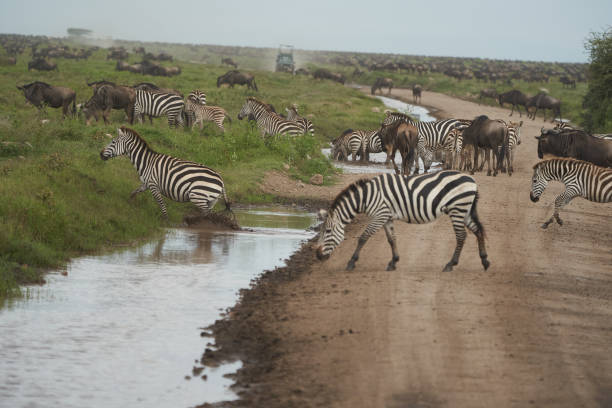
During a typical game drive, visitors commonly encounter large elephant herds moving through the forest, graceful giraffes feeding on acacia trees, zebras grazing across open plains and buffalo resting near water sources. Hippos are frequently seen in pools and wetland areas, while playful baboons often gather along the roadsides. The park is also home to blue monkeys, warthogs, wildebeest, impalas and several other herbivore species that thrive within the park’s varied habitats.
Lake Manyara is equally known for its predators. Lions are among the park’s most famous attractions, especially the rare tree-climbing lions occasionally spotted resting on acacia branches. Leopards and hyenas also inhabit the park, although sightings can sometimes require patience and a bit of luck due to their elusive nature.
Beyond mammals, the park is considered one of Tanzania’s best birdwatching destinations. Thousands of flamingos may gather along the lake during certain seasons, while pelicans, hornbills, kingfishers, storks, herons and many migratory species create an extraordinary birdlife experience throughout the year. For nature lovers and photographers, the combination of wildlife, landscapes and bird diversity makes Lake Manyara one of the most visually rewarding safari parks in East Africa.
Activities Beyond Game Drives
While game drives remain the highlight of any visit to Lake Manyara National Park, the park and its surrounding areas offer several additional activities that allow travelers to experience Tanzania’s wildlife, culture, and landscapes in a more immersive way. These activities are especially valuable for visitors who want to go beyond traditional safari experiences and connect more deeply with the destination.
One of the most unique experiences is the treetop walkway, which allows visitors to walk above the forest canopy and observe birds, monkeys and butterflies from an elevated perspective. This activity provides a completely different view of the park’s lush groundwater forest ecosystem. In some seasons, canoeing along the lake edges may also be available, offering a peaceful way to observe hippos, waterbirds, and shoreline wildlife from the water.
Cultural experiences are another important highlight around Lake Manyara. Visitors often explore nearby communities such as Mto wa Mbu, where they can engage in guided village tours, visit local farms and banana plantations, enjoy traditional Tanzanian cuisine, and learn about the diverse cultures that live in the region. These experiences help travelers understand the human side of Tanzania beyond wildlife.
Other optional activities include guided nature walks in designated areas outside the main park boundaries, birdwatching excursions with expert guides, and photography-focused tours designed to capture the park’s dramatic landscapes and wildlife behavior. Together, these experiences make Lake Manyara a well-rounded destination that combines adventure, culture and nature in one unforgettable safari journey.
What to Pack for a Lake Manyara Safari
Packing for a safari to Lake Manyara National Park requires a balance between comfort, practicality and preparedness for changing weather conditions. Since safari environments can shift from warm afternoons to cool early mornings and occasional rain depending on the season, having the right essentials ensures you enjoy your experience without unnecessary discomfort. Lightweight, breathable clothing in neutral colors is recommended to blend with the environment and avoid attracting insects, while still keeping you comfortable during long game drives.
To make your safari smooth and enjoyable, here are the essential items you should pack:
- Light, breathable clothing in neutral colors (khaki, beige, green)
- Warm jacket or fleece for early morning and evening game drives
- Comfortable walking shoes or safari boots
- Wide-brim hat and sunglasses for sun protection
- Sunscreen and insect repellent
- Binoculars for wildlife viewing
- Camera or smartphone with extra batteries/power bank
- Personal medications and basic first aid kit
- Reusable water bottle to stay hydrated
- Passport, travel insurance, and important travel documents
Packing smart ensures you are fully prepared for changing safari conditions while maximizing your comfort and wildlife viewing experience.
Beginner Mistakes to Avoid
Planning a safari to Lake Manyara National Park for the first time is exciting, but many international travelers make avoidable mistakes that can affect their overall experience. Understanding these common errors in advance helps you enjoy a smoother, more rewarding and stress-free safari journey.
1. Trying to Rush the Safari
Many first-time travelers underestimate how important time is during a safari. Rushing through game drives or trying to fit too many parks into a short schedule can reduce your chances of meaningful wildlife encounters.
- Avoid planning too many destinations in a short itinerary
- Allow enough time for relaxed game drives
- Enjoy early morning and sunset wildlife viewing sessions
- Focus on quality experiences rather than quantity of parks
2. Ignoring Seasonal Weather Changes
Safari conditions change significantly depending on the season and failing to prepare properly can lead to discomfort during your trip.
- Pack both light and warm clothing for temperature changes
- Expect rain during the green season (November–May)
- Dry season can be dusty and sunny, requiring sun protection
- Check weather conditions before finalizing travel dates
3. Choosing Only the Cheapest Safari Option
While budget travel is important, selecting a safari based only on the lowest price can negatively affect your overall experience.
- Very cheap safaris may compromise guide quality
- Poor vehicles can reduce wildlife viewing comfort
- Experienced guides significantly improve animal sightings
- Balance cost with value and service quality
4. Not Using a Professional Safari Guide
Some travelers assume they can explore on their own or with minimal guidance but this often leads to missed opportunities.
- Professional guides track wildlife more effectively
- Guides provide valuable education about animals and ecosystems
- Safety is improved with experienced operators
- You gain deeper cultural and conservation insights
5. Forgetting Essential Safari Gear
Packing incorrectly or forgetting key items can reduce comfort and enjoyment during your safari.
- Bring binoculars for better wildlife viewing
- Carry a good camera or smartphone for memories
- Pack sunscreen and insect repellent
- Don’t forget travel documents and insurance
6. Expecting Guaranteed Wildlife Sightings
Safari is a natural experience, not a zoo, and wildlife behavior cannot be fully controlled or predicted.
- Be patient during game drives
- Some animals are more elusive than others
- Weather and season affect visibility
- Enjoy the entire ecosystem, not just “Big Five” expectations
Avoiding these beginner mistakes will help you fully appreciate the beauty, wildlife and unique landscapes of Lake Manyara while ensuring your safari experience is both enjoyable and memorable.
Frequently Asked Questions (FAQ)
Is Lake Manyara good for first-time safari travelers?
Yes. Its compact size, excellent wildlife density and accessibility make it one of the best beginner-friendly safari parks in Tanzania.
Can you see the Big Five in Lake Manyara?
You can commonly see elephants, lions, buffalo and leopards. Rhinos are generally absent.
How far is Lake Manyara from Arusha?
Approximately 126 km (78 miles), around 2–3 hours by road.
Are tree-climbing lions guaranteed?
No wildlife sighting is guaranteed but Lake Manyara is one of the best places in Africa to potentially see them.
What is the best month to visit?
July to October is excellent for wildlife viewing, while November to May offers greener scenery and birdwatching.
Can families with children visit Lake Manyara?
Absolutely. Many lodges and safari operators provide family-friendly experiences.
Ready to experience the magic of Lake Manyara?
JoyTrekking Tours & Safaris can help you plan a customized Tanzania safari tailored to your budget, travel style, and dream wildlife experiences.
Contact the team today to start planning your unforgettable Lake Manyara adventure.
About the Author
January Mziray
January Mziray is a Tanzania tourism specialist, safari content writer and travel storyteller passionate about helping international travelers discover East Africa’s natural beauty. Through educational and experience-driven travel content, he helps readers confidently plan authentic safari adventures across Tanzania.