Discover the ultimate Maasai cultural experience in Tanzania with this 2026 guide. Learn Maasai history, traditions, customs, village tours, travel tips and how to book an authentic safari cultural tour with JoyTrekking Tours & Safaris.
Excerpt
Explore authentic Maasai culture in Tanzania through traditional customs, village visits, ceremonies, food, dance and ethical travel experiences with practical 2026 visitor tips.
Introduction
For many travelers visiting Tanzania, meeting the Maasai people becomes one of the most memorable parts of their safari experience. Beyond the iconic red shukas, beadwork and jumping dances lies one of East Africa’s most fascinating and resilient cultures.
A meaningful Maasai cultural experience in Tanzania is not about staged performances or quick roadside stops. The best experiences offer respectful interaction, genuine learning and insight into a community that has preserved its traditions while adapting to modern Tanzania.
At JoyTrekking, our guides regularly visit Maasai communities near Ngorongoro, West Kilimanjaro, Longido and northern safari routes. Over the years, many travelers tell us their conversations with Maasai elders and families become just as memorable as seeing the Big Five.
This 2026 guide explains:
- Maasai history and origins
- Traditional customs and ceremonies
- Maasai clothing, food and lifestyle
- What happens during a village visit
- Important cultural etiquette
- Ethical tourism considerations
- The best places in Tanzania for authentic Maasai experiences
Who Are the Maasai?
The Maasai are a semi-nomadic ethnic group living primarily in northern Tanzania and southern Kenya. They are among the most recognizable cultures in Africa due to their distinctive dress, pastoral lifestyle, and strong preservation of traditional customs.
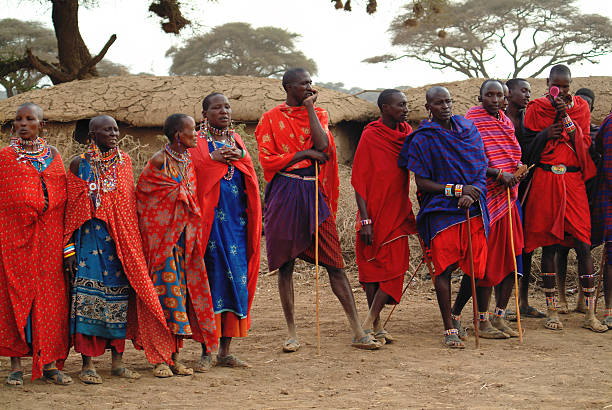
The Maasai traditionally depend on cattle herding, which remains central to their identity, economy and spiritual beliefs. In Maasai culture, cattle symbolize wealth, social status and survival.
Today, Maasai communities can be found throughout:
- Ngorongoro Conservation Area
- Longido District
- West Kilimanjaro
- Lake Natron
- Amboseli border regions
- Arusha Region
Despite modernization and increased tourism, many Maasai communities continue practicing traditions passed down through generations.
The History of the Maasai in East Africa
Historians believe the Maasai migrated south from the Nile Valley centuries ago before settling in East Africa’s Great Rift Valley regions.
By the 18th and 19th centuries, Maasai communities controlled vast grazing lands across present-day Kenya and Tanzania. Their reputation as skilled warriors and cattle herders became widely known throughout East Africa.
During colonial rule, many Maasai lost traditional grazing lands due to conservation policies, farming expansion and national park creation. This historical displacement continues to shape Maasai livelihoods today.
However, Maasai culture has remained remarkably resilient.
Many travelers are surprised by how strongly Maasai identity continues to influence language, ceremonies, clothing, architecture, and community structure in modern Tanzania.
One of our JoyTrekking guides often explains to visitors:
“The Maasai way of life changes slowly. Traditions are still respected because they connect families to their ancestors and community.”
Traditional Maasai Lifestyle
Cattle and Daily Life
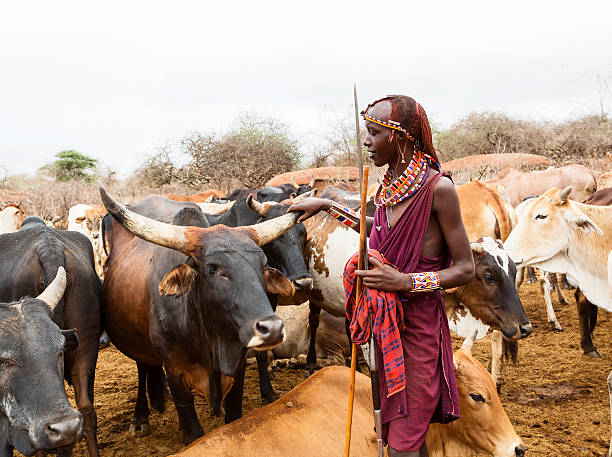
Cattle are central to Maasai life. Traditionally, families measure wealth by the number of cattle they own rather than money or property.
Cattle provide:
- Milk
- Meat
- Income
- Dowry payments
- Social status
- Ceremonial importance
In many villages, daily routines still revolve around herding livestock, collecting water, preparing food and maintaining family homes.
Children often begin helping with herding responsibilities at a young age.
Maasai Homes (Manyattas)
Traditional Maasai homes, called manyattas, are constructed primarily by women using:
- Mud
- Cow dung
- Wood
- Grass
- Ash
The homes are designed to remain cool during hot days and warm at night.
Villages are often arranged in circular patterns with thorn fences surrounding livestock areas for protection against predators.
Travelers visiting authentic villages frequently notice how practical the architecture is for semi-nomadic living in harsh environments.
Traditional Clothing
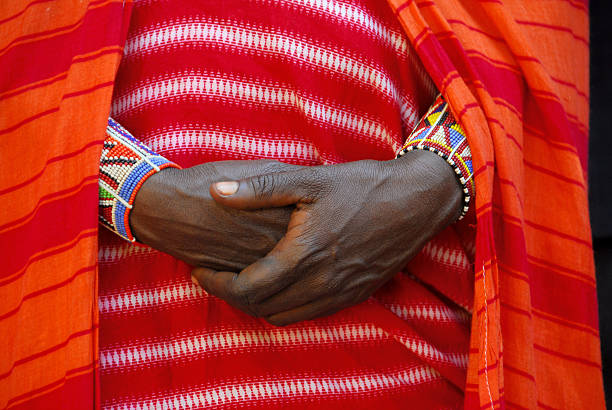
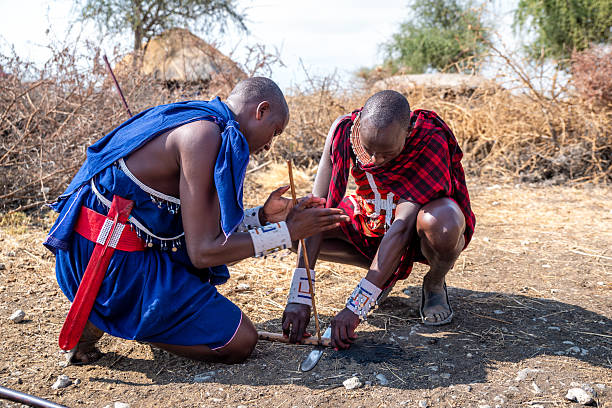
The bright red cloth commonly associated with the Maasai is called a shuka.
Although red remains most famous, modern Maasai clothing also includes:
- Blue
- Purple
- Plaid patterns
- Decorative fabrics
Beadwork plays a major role in Maasai identity and symbolism. Different colors represent:
- Red: bravery and unity
- Blue: energy and sky
- Green: health and land
- White: peace and milk
Women create intricate jewelry by hand, including:
- Necklaces
- Bracelets
- Earrings
- Ceremonial decorations
Many travelers purchase beadwork directly from women’s cooperatives during village visits.
Maasai Ceremonies and Traditions
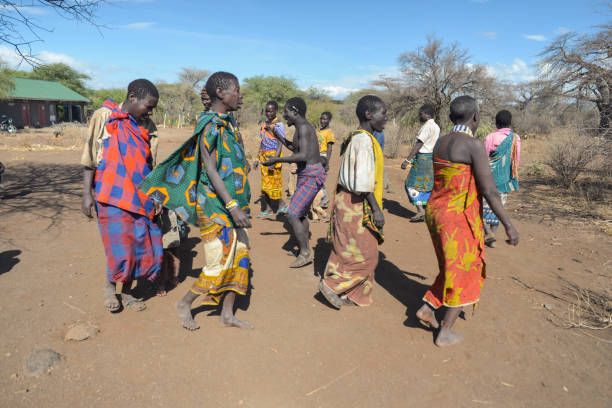
The Adumu Jumping Dance
One of the most recognized Maasai traditions is the Adumu, often called the jumping dance.
Young warriors gather in a circle and compete by jumping vertically as high as possible while maintaining posture and rhythm.
Contrary to popular belief, the dance is not simply for tourists. It has historical significance connected to warrior traditions, strength, and community ceremonies.
Visitors may be invited to join respectfully during cultural visits.
Warrior Culture
Traditionally, Maasai men progressed through age groups and warrior stages known as Moran.
Warriors historically protected livestock and communities from predators and rival groups.
Although modern life has changed many aspects of warrior culture, ceremonial traditions and age-group systems still remain important in many communities.
Marriage and Family Traditions
Family and community relationships remain deeply important within Maasai culture.
Marriage ceremonies often involve:
- Blessings from elders
- Cattle exchanges
- Singing and dancing
- Community celebrations
Elders continue playing an important role in decision-making and cultural preservation.
What Happens During a Maasai Village Visit?
A respectful Maasai cultural tour usually includes several experiences designed to introduce visitors to daily life and traditions.
Depending on the village and region, visitors may:
- Receive a traditional welcome dance
- Tour family homes
- Learn about livestock practices
- Watch bead-making demonstrations
- Speak with elders
- Learn about medicinal plants
- Participate in singing or dancing
- Visit local schools or women’s groups
At JoyTrekking, we encourage slower, conversation-focused visits rather than rushed photo stops. Travelers often enjoy asking questions about education, modern life, conservation, and how younger generations balance tradition with change.
Some of the most meaningful moments happen during informal conversations.
Best Places for a Maasai Cultural Experience in Tanzania
Ngorongoro Conservation Area
The Ngorongoro region offers some of Tanzania’s most accessible Maasai cultural experiences.
Because Maasai communities continue living inside the conservation area, visitors can often combine:
- Wildlife safaris
- Cultural visits
- Scenic crater landscapes
- Traditional village experiences
The interaction between conservation and traditional pastoral life makes Ngorongoro especially unique.
West Kilimanjaro
West Kilimanjaro offers less commercialized cultural experiences compared to busier safari circuits.
Visitors here may experience:
- Traditional cattle herding
- Scenic plains beneath Mount Kilimanjaro
- Smaller community visits
- Walking experiences with local guides
This area is particularly rewarding for travelers seeking deeper cultural interaction.
Longido Region
Located near the Kenya border, Longido is known for community-based tourism initiatives involving Maasai guides and villages.
Experiences often include:
- Guided cultural walks
- Traditional medicine education
- Mountain hikes
- Homestay opportunities
Lake Natron
Lake Natron combines dramatic volcanic scenery with strong Maasai cultural presence.
Travelers visiting the region often enjoy:
- Cultural tours
- Flamingo viewing
- Waterfalls
- Hiking near Ol Doinyo Lengai volcano
Important Maasai Cultural Etiquette for Visitors
Respectful travel matters enormously during cultural visits.
Always Ask Before Taking Photos
Some Maasai individuals do not wish to be photographed without permission.
Always ask politely before taking:
- Portraits
- Family photos
- Ceremonial images
In many villages, photography may involve a small community contribution.
Dress Respectfully
Although Tanzania is welcoming to tourists, modest clothing is appreciated during village visits.
Avoid:
- Extremely short clothing
- Revealing outfits
- Disrespectful costumes
Lightweight, comfortable safari clothing works best.
Avoid Treating Villages Like Museums
The Maasai are modern communities, not tourist attractions.
Meaningful engagement comes from:
- Listening respectfully
- Asking thoughtful questions
- Learning about real challenges and successes
- Supporting local crafts ethically
Learn Basic Greetings
Even a few Swahili greetings help create warmer interactions.
Useful phrases include:
- Jambo — Hello
- Asante sana — Thank you very much
- Habari? — How are you?
Some Maasai also speak Maa in addition to Swahili and English.
Ethical Tourism and Maasai Communities
Not all cultural tourism experiences are equally responsible.
Some villages near busy safari routes have become highly commercialized, leading to rushed interactions that benefit tour operators more than communities.
Ethical cultural tourism should:
- Respect community dignity
- Provide fair compensation
- Support local employment
- Encourage cultural preservation
- Avoid exploitative photography
- Prioritize genuine education over performance
At JoyTrekking, we prefer working with communities where tourism directly supports local families, guides and women’s craft groups.
Travelers increasingly want experiences that feel authentic, respectful and mutually beneficial rather than transactional.
Combining Maasai Culture With a Tanzania Safari
One of the best ways to experience Maasai culture is by integrating it naturally into a northern Tanzania safari itinerary.
Popular combinations include:
- Serengeti + Ngorongoro + Maasai village
- Tarangire + Lake Manyara + cultural experiences
- Kilimanjaro climb + West Kilimanjaro cultural tours
- Lake Natron adventure + Maasai homestays
Cultural visits often provide a deeper understanding of how local communities coexist with wildlife and conservation areas.
For many travelers, this creates a richer and more personal connection to Tanzania beyond wildlife photography alone.
Common Misconceptions About the Maasai
“The Maasai Have Never Changed”
While traditions remain strong, modern Maasai communities continue adapting to:
- Education
- Technology
- Climate change
- Conservation policies
- Tourism economies
Many Maasai today balance traditional identity with modern careers and education.
“All Maasai Villages Are the Same”
Experiences vary significantly depending on:
- Region
- Community leadership
- Tourism involvement
- Family traditions
- Conservation location
Smaller community-led visits often feel more authentic than heavily touristed roadside stops.
“Tourism Always Helps Communities”
Tourism can provide income and opportunity, but poorly managed tourism can also create dependency or cultural commodification.
Choosing responsible operators matters.
Best Time to Visit Maasai Communities in Tanzania
Maasai cultural visits are possible year-round, but dry-season safari months often provide easier access.
Best Overall Months
- June to October
- January to March
These periods combine well with northern circuit safaris and Kilimanjaro trekking seasons.
During rainy seasons, some remote village roads become more difficult to access.
What to Bring for a Maasai Cultural Tour
Recommended items include:
- Comfortable walking shoes
- Modest clothing
- Reusable water bottle
- Cash for crafts or contributions
- Sunscreen
- Camera with permission etiquette
- Small notebook for learning and conversations
Avoid bringing candy or random gifts for children, as this can unintentionally encourage dependency.
Final Thoughts
A meaningful Maasai cultural experience in Tanzania goes far beyond photographs and performances.
The best visits create opportunities for genuine human connection, cultural understanding, and respectful exchange.
For many JoyTrekking travelers, conversations with Maasai elders, women artisans, and local guides become lasting memories that reshape how they understand Tanzania itself.
When approached respectfully, cultural tourism can benefit both visitors and communities while helping preserve traditions for future generations.
Whether combined with a Serengeti safari, Ngorongoro adventure, or Kilimanjaro journey, spending time with Maasai communities adds depth, perspective, and humanity to any Tanzania itinerary.
Plan Your Authentic Tanzania Cultural Adventure Today
Ready to experience the heart of Tanzania beyond wildlife safaris?
Book your unforgettable Maasai cultural experience in Tanzania with JoyTrekking Tours & Safaris today and discover authentic African traditions, breathtaking landscapes, and life-changing adventures.
Contact Us
- Customized Tanzania Safaris
- Maasai Village Tours
- Mount Kilimanjaro Treks
- Zanzibar Holidays
- Private & Group Tours
Frequently Asked Questions
Are Maasai village visits ethical?
They can be, depending on how tourism is managed. Ethical visits ensure communities receive fair compensation, maintain control over tourism activities, and participate willingly in cultural sharing experiences.
Can I take photos during a Maasai cultural visit?
Usually yes, but always ask permission first. Some villages request photography fees or prefer certain ceremonies not to be photographed.
What should I wear when visiting a Maasai village?
Modest, lightweight clothing suitable for safari travel is recommended. Comfortable walking shoes and sun protection are also helpful.
Do Maasai people still live traditionally today?
Many Maasai communities continue practicing traditional customs while also engaging with modern education, business, and technology.
How long does a Maasai cultural tour last?
Most village visits last between 1–3 hours, though deeper community experiences or homestays may extend overnight or longer.
Can children visit Maasai villages?
Yes. Many families find Maasai cultural visits educational and engaging for children, especially when guided respectfully and interactively.
About the Author
JoyTrekking is a Tanzania-based adventure and safari company with extensive experience guiding travelers through Kilimanjaro climbs, wildlife safaris, cultural experiences, and Zanzibar beach holidays. Our local guides regularly work with communities across northern Tanzania, helping travelers experience the country respectfully and authentically while supporting responsible tourism initiatives.